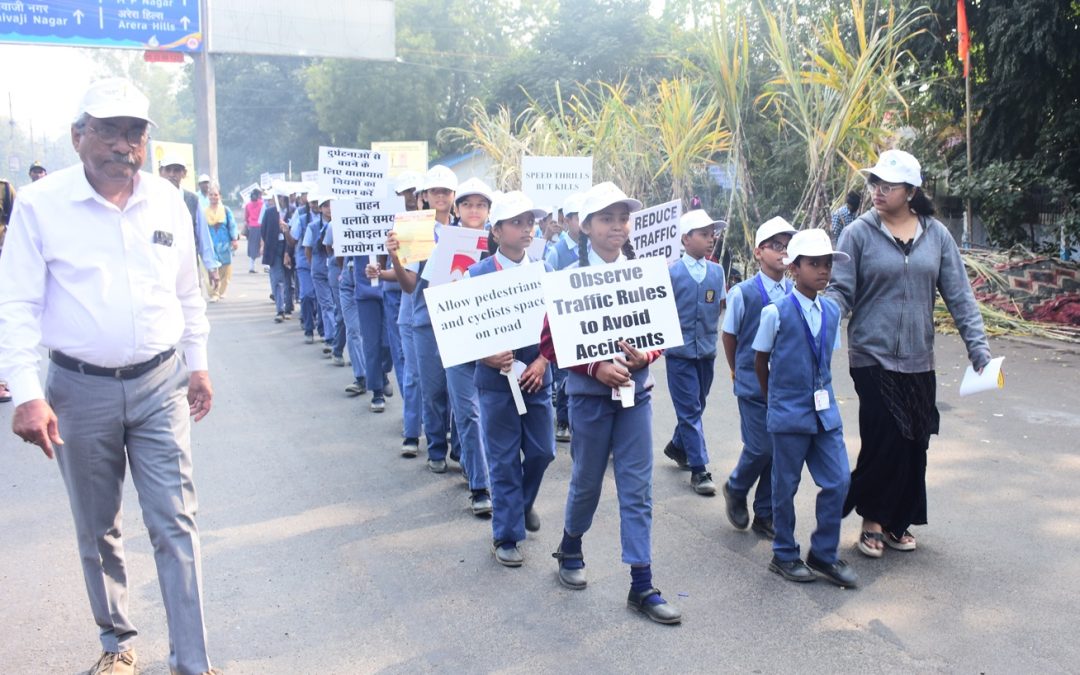
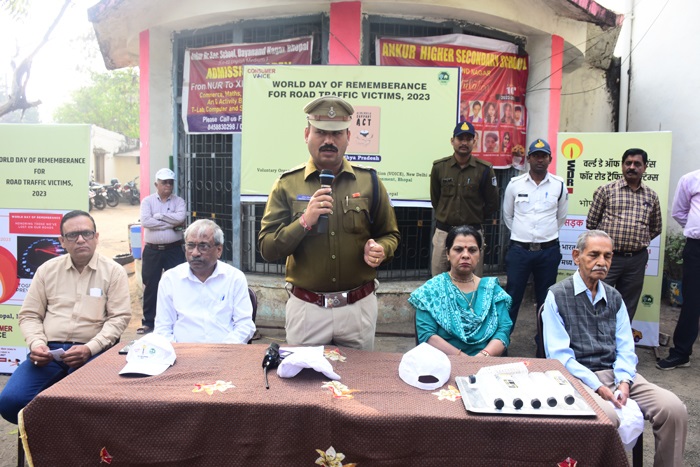
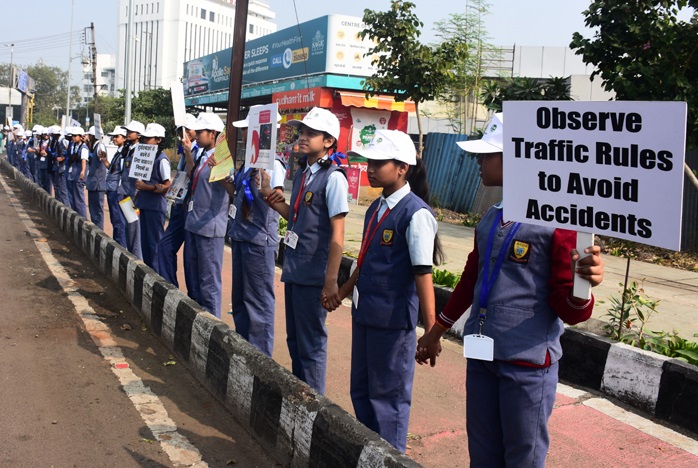
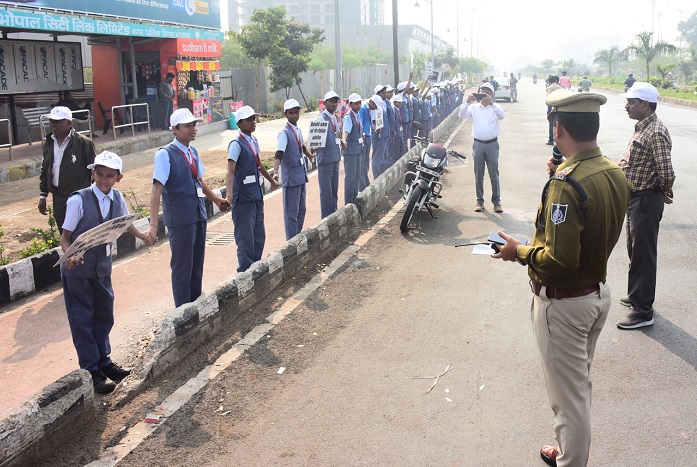
World Day of Remembrance 2023 in Bhopal, MP
World Day of Remembrance 2023 in Bhopal, MP



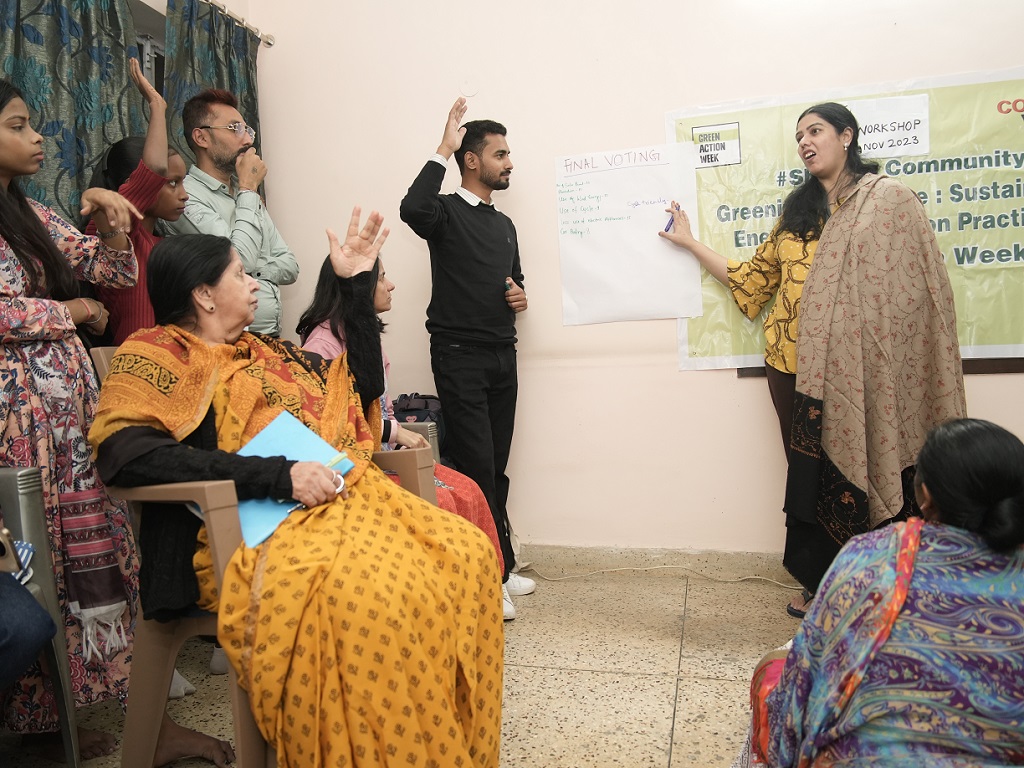
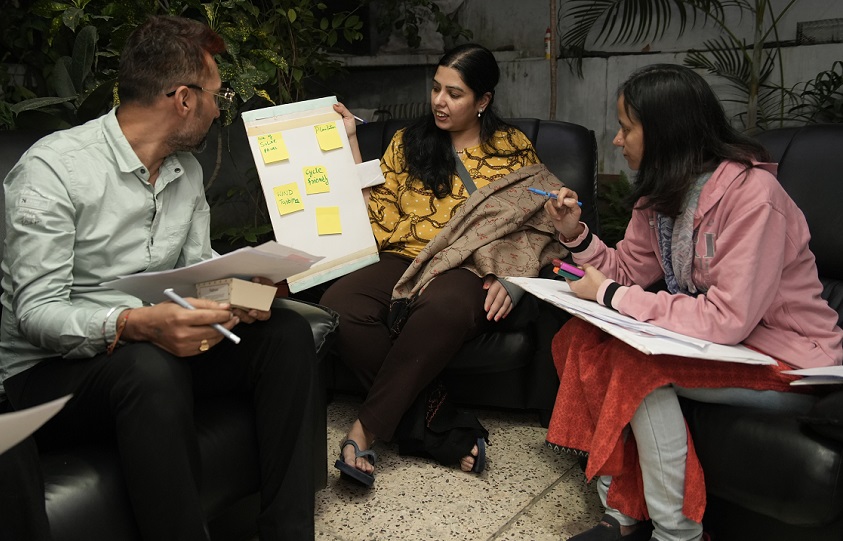
Consumer VOICE took a proactive step towards shaping a sustainable future by organizing an Envisioning Workshop on the 24th of November in New Delhi, as part of the Green Action Week project activities.
The primary objective of this workshop was to delve into the future of sustainable consumption, seeking to capture a spectrum of diverse perspectives. At the heart of this initiative was the aspiration to contribute meaningfully to sustainable consumption research.
The outcomes of the workshop are slated to play a pivotal role in this domain, feeding into an accessible report that will comprehensively analyze the varied visions presented during the event. This report, once compiled, will serve as a valuable resource for those invested in understanding and promoting sustainable practices. The workshop’s approach aimed not only to analyze but to inspire change actively. By envisioning alternative futures through collaborative efforts, Consumer VOICE aimed to provide a roadmap for positive transformations in the realm of consumption. This proactive stance aligns with the organization’s commitment to catalyzing impactful change.
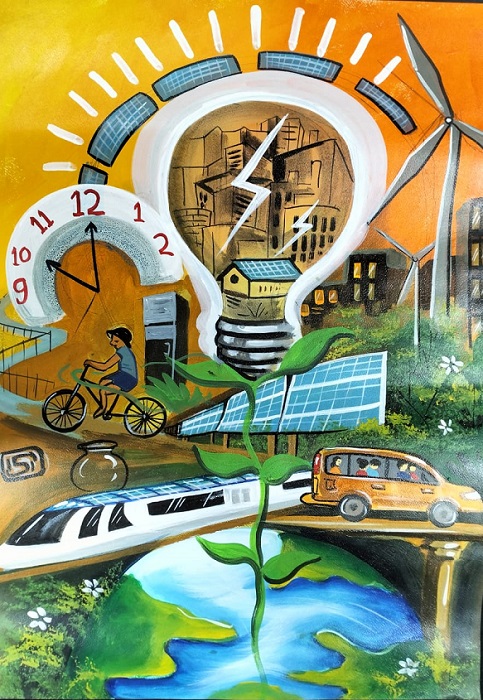
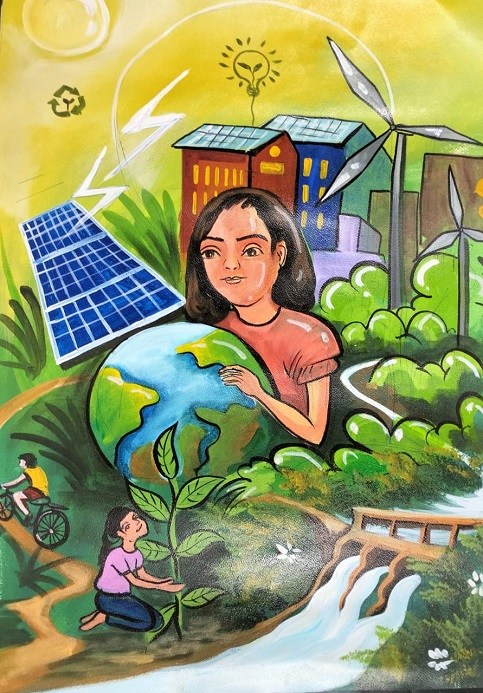
Facilitators played a crucial role in guiding participants through the envisioning process, ensuring a rich and diverse range of visions were shared. The added creative touch of having an artist translate these visions into artwork added a unique dimension to the workshop. In essence, Consumer VOICE’s Envisioning Workshop stands as a beacon of proactive engagement with sustainable consumption. By bringing together diverse perspectives, guided by facilitators, and immortalized through art, the workshop represents a comprehensive effort to chart a course towards a more sustainable and conscientious future.
The Supreme Court on November 7th expressed concerns over the arbitrary seizure of media professionals’ digital devices and stressed the need for better guidelines to protect their interests.
A public interest litigation (PIL) filed by the Foundation for Media Professionals through Advocate-on-Record Rahul Narayan urging the court to establish safeguards against unreasonable interference by law enforcement agencies and create comprehensive guidelines for search and seizure of digital devices.
CONTENTION OF PIL
“There are hundreds of journalists whose digital devices are taken away en masse. The issues raised in this petition are very significant because there are no guidelines with reference to when and what may be seized, what can be accessed, what kind of protection is ensured for personal data, health data, financial data…The entire digital footprint is on that one device. Once an investigating agency is involved, it’s not like the person can have a back-up…”
SUPREME COURT OBSERVED
Justice Kaul, however, stressed the importance of guidelines to protect journalists from arbitrary seizures –
“It’s a serious matter. These are media professionals who will have their own sources and other things. There must be some guidelines. If you take everything away, there’s a problem. You must ensure that there are some guidelines.”
Justice Kaul firmly said that guidelines were required to ensure that the powers of the agency were not misused in this respect –
“I’m finding it very difficult to accept some kind of all-within power that the agencies have…This is very dangerous. You must have better guidelines. If you want us to do it, we’ll do it. But my view is that you ought to do it yourself.
Quoted Example :
The Supreme Court issued its famous Vishaka guidelines on sexual harassment, the foundation has urged the court to issue guidelines to strike a balance between the right to privacy in the digital space and the legitimate interests of law enforcement, in line with established judgments.
Judges don’t go by popular morality, but by constitutional morality. Constitutional morality consists of those values of the constitution that the courts are intended to espouse such as fraternity, human dignity, personal liberty and equality.
“Judges don’t look at how society would respond when they decide cases, that’s exactly the difference between the elected arms of government & the judiciary,” he said
While the elected arm of governance is intended to be responsive to the people, judges need to follow Constitutional morality.Courts are a platform for engagement, where people feel that they will atleast have a space to exchange views and ideas to produce a new synthesis of change within society, he added.
“There is a dividing line between what the legislature can and cannot do. If a judgment points out a deficiency in the law, it is open to the legislature to enact a fresh law to cure the deficiency. What the legislature cannot do is to overrule a judgment. But this is not happening for the first time. This has been happening in the tax arena. Validating acts are perfectly permissible, but directly overruling a judgment is completely impermissible,”
“We can’t profess to be right. We are final not because we are right, but we are right because we are final.The work we do is open to criticism and broader social dialogue,”