No Results Found
The page you requested could not be found. Try refining your search, or use the navigation above to locate the post.

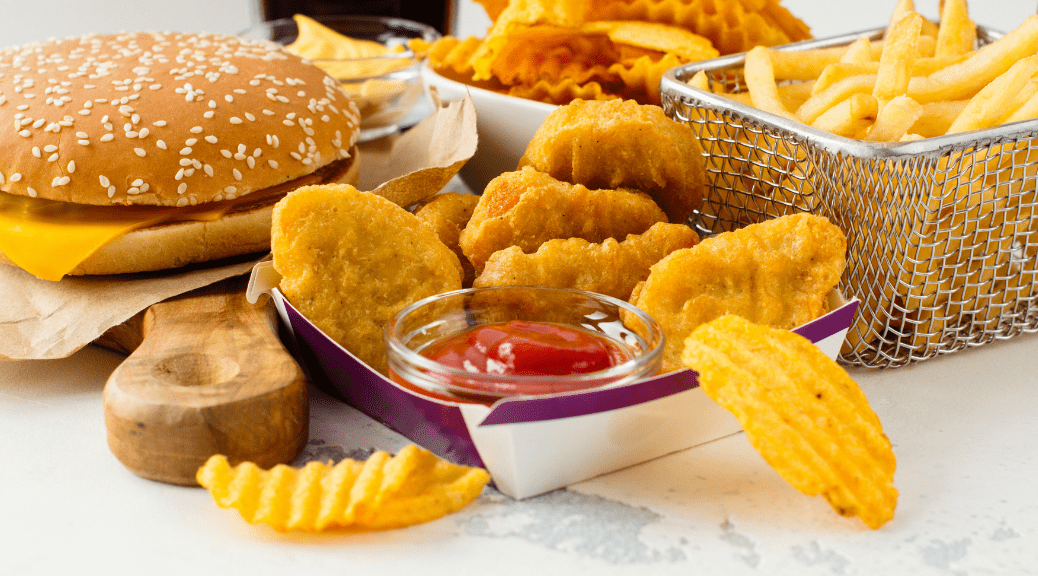
The growing incidence of non-communicable diseases is a wakeup call for us to ensure we create a safer food system and understand why trans fats is a critical challenge for our country, writes Shri Arun Singhal, CEO, FSSAI.
As the world is advancing and systems are getting complexed, food choices are also changing drastically all over the world. Today, with rapid urbanisation and changing lifestyle, dietary patterns have shifted towards pre-packed, frozen and fast foods including fried and desserts etc- those are high in salt, sugar, fats and even trans fats.
Consumption of trans-fat alone acts as a significant risk factor for coronary heart disease events and mortality. Globally, eliminating industrially produced trans-fatty acids can save 17 million lives over the next 25 years. It is considered the worst type of fat one can consume. Foods being prepared with partially hydrogenated vegetable oils (Vanaspati, margarine and bakery shortening) generally contain trans fats.
In India, a variety of foods are prepared using these materials e.g., sweets (Jalebi, laddu etc.), bakery products (fan, patty, puff, cake, pastry etc.), which may contain trans fats. Furthermore, re-heating cooking oils can lead to formation of small amounts of trans fats; not only at commercial outlets but even at household levels. It also leads to formation of Total Polar Compounds (TPC) which are toxic in nature and cause severe health hazards such as hypertension, atherosclerosis, Alzheimer’s disease, liver diseases etc.
Reduction of trans-fats is an absolute must and the entire world is making efforts in this direction. WHO has mandated all countries to bring down the levels of trans-fats from the food supply up to 2 per cent by the year 2023.
Thus, there is an utmost need to provide a healthy food environment that is trans-fat free to enable people to adopt and maintain healthy dietary intakes. FSSAI has used a multi-pronged approach towards constituting a “Healthy India”. On one side, the Food Regulator is bringing regulations and persuading food businesses to limit the fat, sugar and salt content in foods, and eliminate TFA, while on the other side, through the Eat Right initiative and awareness programmes, FSSAI is trying to generate alertness among consumers to reduce the consumption of foods containing high levels of fat, sugar and salt.
India has taken a big leap towards trans-fat elimination by adopting the triple action strategy for reducing trans fats consumption. The strategy includes: Enforcement, Engagement and Awareness.
India took a step forward in following the WHO’s call to eliminate industrially produced trans-fat from the food supply. FSSAI has taken up the trans-fat issue at the priority with cohesive efforts directed towards best practices and policy framework. To control increased risk of non-communicable diseases, Regulation on Food Safety and Standards (Food Products Standards and Food Additives) Tenth Amendment Regulations, 2020 has been notified to limit industrial TFA (trans fatty acids) to not more than 3 per cent in all fats and oils by January 2021 and not more than 2 per cent by January 2022.This regulation has also been extended to all food products (having edible oil/fat as an ingredient), to limit industrial Trans Fatty Acids to 2 per cent from 1st January, 2022 under the Food Safety and Standards (Prohibition and Restrictions on Sales) Second Amendment Regulations, 2021.
Another important aspect is to ensure that school children and youngsters develop healthy eating practices. Keeping this in mind, FSSAI has notified the Food Safety and Standards (Safe food and balanced diets for children in school) Regulations, 2020. With effect from 1st July, 2021, it restricts the availability of foods high in saturated fat or trans-fat or added sugar or sodium in school campus or within 50 metres of the schools. This regulation prohibits the advertisement or marketing of food products, high in saturated fats or trans-fats or added sugar or sodium within school campuses or within fifty meters radius. It also promotes consumption of safe and balanced diet in and around school campus. A general guidance document for providing safe food and balanced diets and selection of right food items for children is also provided in the regulation.
While the regulatory action is mandatory, but regulations alone don’t really win any such kind of war, especially when it comes to changing behaviour.
To achieve a country free of industrially produced trans fats, FSSAI is constantly working towards nudging food businesses to identify new technologies and ingredients to eliminate trans fats from the food supply chain. Engagement with all these stakeholders will ensure that trans-fat free or low trans-fat products are made available to people.
However, there are certain challenges associated with hand holding and educating stakeholders to comply with the regulation on elimination of trans fat. FSSAI had initiated the campaign “India@75: Freedom from trans fats” that aims to bring all stakeholders together and to ease the implementation. A series of technical sessions/webinars have been conducted to sensitize stakeholders like industry associations, bakers and food businesses, chefs, restaurateurs and hoteliers, edible oil industry, sweet and namkeen manufacturers, laboratory networks and academic institutions. Each webinar was planned to target specific target audience focusing on challenges faced by them towards making a shift to trans-fat free products and doable solutions through talks/sessions deliberated by global experts.
Elimination of trans-fat is a vital part of the “Eat Healthy” pillar of the Eat Right India movement. In addition to regulations on limiting trans-fats and engagement with stakeholders, FSSAI uses various mediums such as social media platforms, videos, public service messages, Eat Right Melas etc. to make consumers aware about the harmful effects of trans-fat and its elimination. It is extremely important to provide information to the public because unless they know what they are consuming they can’t make any informed choice.
Some of the action areas include:
A ‘trans-fat free’ logo was launched in October 2020, which can be voluntarily used by food business operators to empower consumers to make right food choices. Food establishments which use trans-fat free fats/oil and do not have industrial trans-fat more than 0.2g/100g of food, in compliance with the Food Safety and Standards (Advertising and Claims) Regulations, 2018 can display “Trans-fat free” logo in their outlets and on their food products. This is marked as an important milestone in the movement against trans-fats.
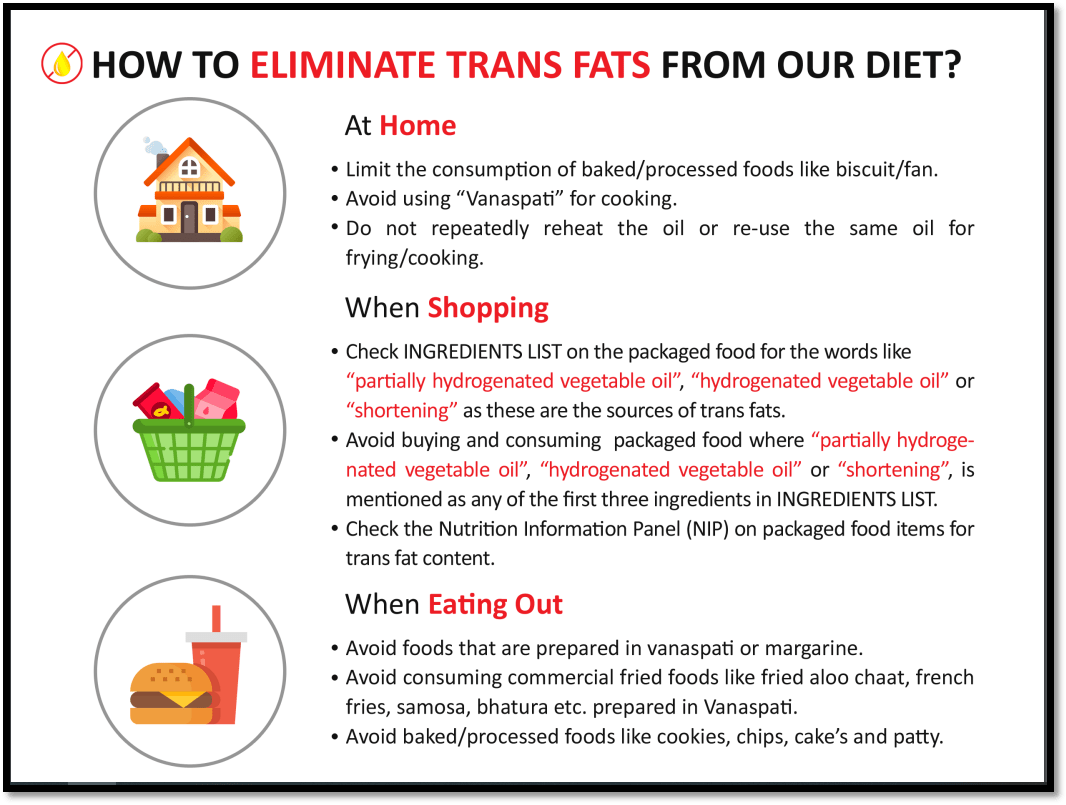
Recently, FSSAI carried out a baseline survey in the month of June-2021 for presence of industrially produced trans-fatty acid content in the select food categories in partnership with Quality Council of India (QCI). Samples of various packaged food items under six pre-defined food categories were collected from 419 cities/districts across 34 States/UTs. Overall, only 84 samples, i.e.1.34 per cent, have more than 3 per cent industrially produced trans fats from the total of 6,245 samples. This shows that the industry is on the right trajectory of becoming industrial trans-fat free in the 75th year of India’s independence.
FSSAI has been taking several measures to tackle the issue of trans fats, with an organised approach to ensure India achieves its target and create a model where everyone understands the problem of trans fats. However, to make it successful, specific steps need to be taken other stakeholders. FSSAI is providing technical assistance to specific stakeholders to move towards trans-fat elimination.
Fat/oil manufacturers are being nudged to make technological advancements adopted globally and the most appropriate method to eliminate trans-fat from partially hydrogenated vegetable oils/fats e.g. setting up interesterification plants etc.
Sweet and namkeen manufacturers are being encouraged to maintain fat/oil quality and reduce the formation of trans fats during food preparation with the halwais and sweet manufacturers.
Bakers and food businesses: FSSAI has appraised the bakery and packaged food sector about the regulation and the trans-fat free sticker/logo by FSSAI. FSSAI also connected FBO’s with the edible oil industry to introduce the trans-fat free fats that can be used to reduce/eliminate the trans-fat content in their products.
Analytical laboratories: FSSAI is in the process of strengthening the laboratory capacity for assessing trans-fats in fats/oil/foods as per the global standards. In this regards FSSAI connected the labs with experts from WHO headquarters to introduce the newly launched global protocol for assessment of trans fatty acid.
Chefs, restaurateurs and hoteliers: FSSAI has always highlighted the crucial role of chefs, restaurateurs and hoteliers in providing healthy food options without trans-fat. To strengthen the skills of Chefs, restaurateurs, and hoteliers, FSSAI organised webinars, specifying strategies to replace trans-fat by choosing healthier cooking oil and altering cooking techniques, which are easy to adopt and benefit in the long run.
To keep up the momentum, FSSAI will continue to rigorously monitor and ensure full compliance at field level by engaging intensively with food businesses; capacity building programmes targeted towards food businesses; augmenting lab capacity to accurately measure and monitor trans fats in foods; and to achieve the goal of freedom from trans -fat by 2022.
The page you requested could not be found. Try refining your search, or use the navigation above to locate the post.
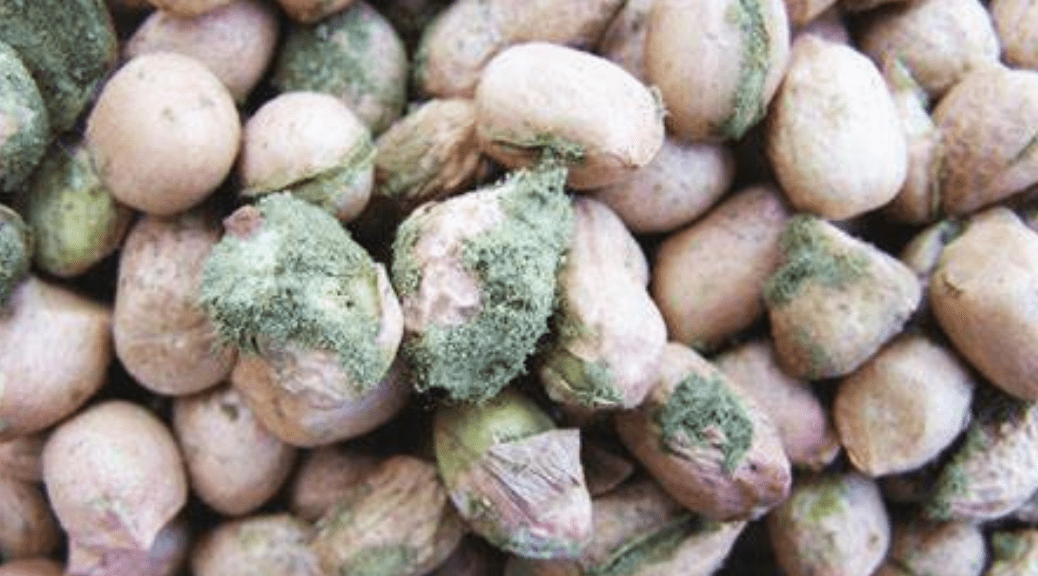
In 2019, a national survey by the Food Safety and Standards Authority of India (FSSAI) detected Aflatoxin M1 (AFM1) in milk samples. It was found that the highest rates of AFM1 contamination were present in Delhi, Tamil Nadu, and Kerala. Milk is a staple commodity for all sections of society in India, and detection of Aflatoxin M1 in milk is a grave concern. Considering this, in 2020, FSSAI released Gazette Norms on Contaminants, Toxins Including Aflatoxin M1 and fixed the limit of Aflatoxin M1 at 0.5 µg/kg for milk (liquid), 6 µg/kg for skimmed milk powder and 4 µg/kg for whole milk powder. But what is Aflatoxin, and why is it so dangerous? Let’s try to understand here.
Richa Pande
Aflatoxins are mycotoxins, i.e., toxins produced by certain fungi found in agricultural crops like maize and groundnuts. Some other food products commonly contaminated by aflatoxin are tree nuts such as pistachio and brazil nuts, cottonseed, copra, rice, maize, wheat, sorghum, pulses, figs, etc. oilseed cakes. Unrefined vegetable oil made from contaminated seeds or nuts usually contains aflatoxin. However, aflatoxin is destroyed in the refining process so that refined oils are safe.
The reason why aflatoxins are considered so harmful to human health is that they are carcinogenic. Their consumption is also associated with complications like hepatotoxicity, immunotoxicity, and teratogenicity. It can also lead to growth failure in children. Their consumption can cause stunting in children. Some studies often suggest that their consumption can lead to congenital disabilities in children. Aflatoxins can also decrease resistance to infectious agents, including grave diseases like tuberculosis & HIV. Large doses of aflatoxins can also lead to acute poisoning that can be life-threatening
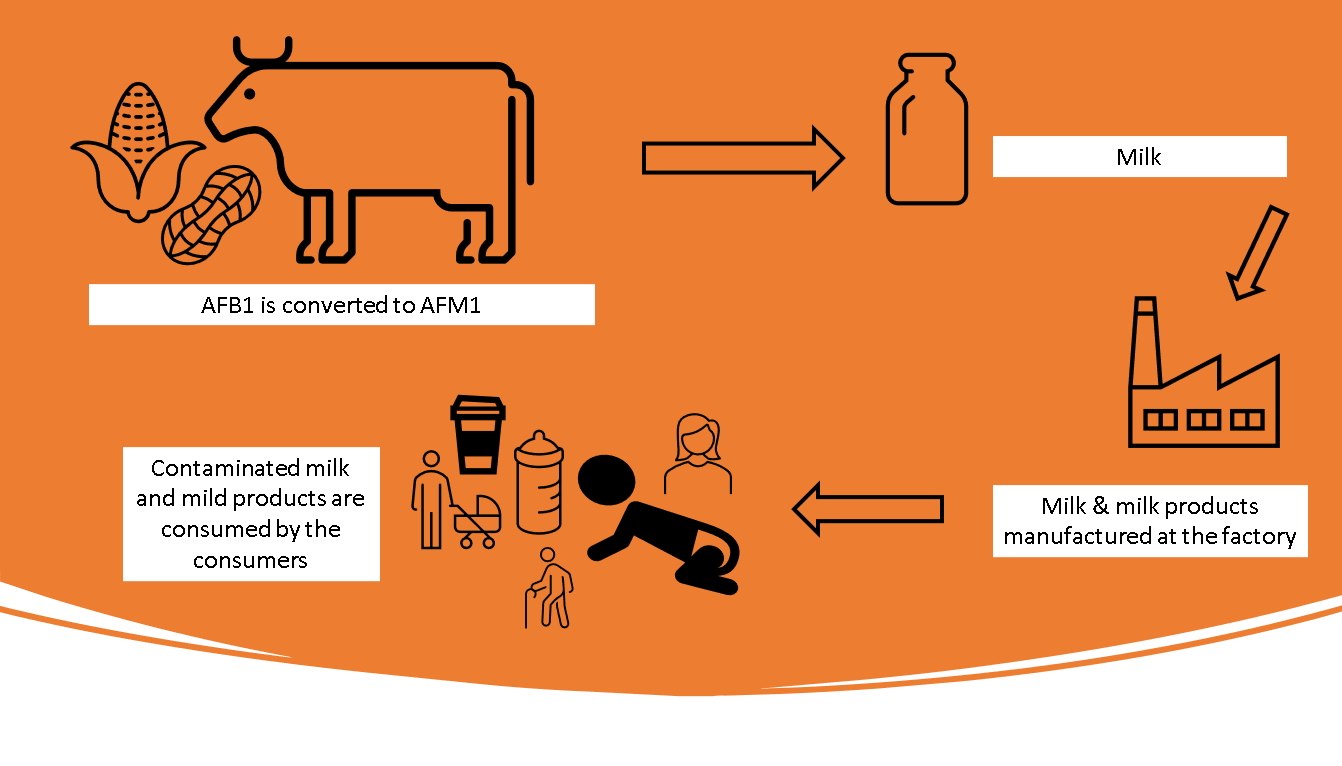
According to the World Health Organization (WHO), several types of aflatoxin (14 or more) occur in nature, but out of these four– Aflatoxins B1, B2, G1 and G2 are hazardous to humans and animals as they have been found in major food crops. Also, most human exposure comes from contaminated nuts, grains and products derived from them. Aflatoxin M1 (AFM1) discussed above, is a product of Aflatoxin B1 (AFB1) metabolism. If the cattle feed is laced with this Aflatoxin B1, it could be converted in to Aflatoxin M1 and could probably be detected in the milk. It’s surprising to note that humans may also be exposed to this aflatoxin through breast milk, especially in areas where the poorest quality grain is used for animal feed.
Ensure that you have a diverse diet that is rich in vitamins, minerals and antioxidants.
Related
The page you requested could not be found. Try refining your search, or use the navigation above to locate the post.

We Indians want to own a vehicle, be it a car or a two-wheeler. However, not all people have enough cash to go and buy a bike in one go and settle with it. So, the best solution for this is to take a loan. With the passage of time, getting a loan for a bike is no longer difficult. Depending on your credit history, you get loans up to 85 per cent of the cost of the bike and in some places up to 90-95 per cent. This can help you buy a bike easily, and then repay the loan in affordable EMIs. But choosing the best bike loan for you is not an easy task. A lot of research is needed before choosing a loan that best suits your needs. We’ve compiled all the necessary information in the following article for you.
Subas Tiwari
It is important for you to know what documents will be required to take a bike loan. In the absence of the life and safety of the document, the approval of your loan may take longer wasting your time. Therefore, go collect all the necessary documents before applying for the loan. For loan approval, banks ask for different types of documents from the salaried person and the self-employed. Let us know what all are required for these two sections of loan applicants.
Every lender requires you to submit certain documents while applying for a loan. Some of the general documents required are given below:
|
Documents |
For Salaried |
For Self-employed |
|
Identity Proof |
PAN card, voter’s ID, passport, driving license |
PAN card, voter’s ID, passport, driving license |
|
Address Proof |
Utility bills, passport, etc. |
Utility bills, passport, etc. |
|
Income Proof |
Salary slips, IT returns, bank statements |
Bank statements, IT returns, audited financial statements |
A few loan applicants have had their applications rejected by lenders. This is not a pleasant feeling and it is not good for your credit score. We have put together a checklist that can help you apply successfully for a two-wheeler loan. These are as follows:
Now that you know how you can successfully apply for a two-wheeler loan, let’s check out what you need to keep in mind while applying for it. These points can help you find the right loan and avoid paying more than you should.
|
Do’s |
Don’ts |
|
Do your research well before you apply |
Don’t apply for multiple loans at the same time |
|
Make sure you are eligible for the loan you are applying for |
Don’t apply for a loan simply because you get an attractive welcome gift |
|
Compare interest rates and find the best option |
Don’t forget to fill in the application form properly |
|
Compare processing fees and other charges |
Don’t sign the loan documents without reading them thoroughly |
|
Evaluate your credit score before you apply |
Don’t choose an EMI you cannot afford |
|
Submit all the required documents without fail |
Don’t forget to pay your EMIs on time |
|
Read the offer document carefully before signing it |
Don’t forget to prepay your loan if you can |
In India, the price of a luxury bike starts from Rs 5 lacs and it can go up to Rs 35 lacs or even more, depending on the model. Easy availability of finance from banks as well as non-banking finance companies for high-end two wheelers prompt customers to take up bike loans.
While 60-65 per cent of the customers buy bikes on loan, some of them may go for a superbike loan only to avoid questions from the tax angle and not because they cannot afford it. But there are also instances of people with a monthly salary of Rs 30,000 buying these bikes.
For banks, offering loans for high-end bikes is one way of getting high net worth individuals (HNI) as customers. Strangely, many banks offer loans for luxury two-wheelers at rates lower than that for standard two wheelers. However, the tenures may be longer due to high cost of the bike.
In some cases, the bank might not have an off-the-shelf loan product but could tailor one to suit the buyer’s needs. After all, someone who can afford to buy a bike of more than Rs 5 lacs could be a potential high net worth customer for the lender. The loan amounts are usually 70-80 per cent of the bike’s cost, but can also go up to 90 per cent, if the bank is happy with the customer’s profile.
People who buy high-end two wheelers do it more as a status symbol or for pleasure. But those who take loan for standard two wheelers are people who buy them for necessity, for their daily commute.
The market for high-end bikes in India is at a nascent stage, although it is growing. Harley-Davidson has tie-ups with some private banks. Triumph is the superbike from U.K and is financed by a few other private banks under a tie-up. Bucati is also a luxurious bike which is now sold in India. However, only a small percentage of customers opt for such loans.
While a large section of the demand comes from Delhi and Mumbai, cities like Bangalore, Ahmadabad and Chandigarh, too, have been excellent markets as a rich biking-culture already exists there. There is also an increasing demand from the south of India with Kochi, Chennai and Hyderabad where there is scope for a growing market for such superbikes.
What precautions/factors should one take before buying a 2-wheeler loan? As haste makes waste, any hasty decision could land you a two-wheeler which you feel like selling immediately while also could burn a hole in your pocket. Let us read on as to what they are.
Gear less two wheelers
They are easy to drive and their easy-to-handle capabilities makes it very popular among the teenagers. Before buying a two-wheeler however, you are advised to go through the following and take an informed decision.
Brand
There are numbers of two-wheeler manufacturers in India. The brand value also helps in the re-sale of the bike.
Budget
This is a very important factor to be considered. You can buy a good two-wheeler within a budget of Rs.60,000. But you should be ready to pay a little more for the newly- launched bikes with extra features and attractive colours.
Weight
Nowadays, there are low weight bikes available but it is extremely important to check the weight of the two wheelers so that you can ride comfortably and not get stranded when there is a puncture in your tyre.
Storage
Helmet is now getting compulsory in all major metros, cities and towns. So, one should check the storage for the same. Also, it should have enough space for storing shopping items.
Mileage
A good two-wheeler should give you a mileage of 35 to 40 kms per litre.
Height
This is another important factor after weight. Since most of the Indians are of average height, a two -wheeler should not be too high or else it will be uncomfortable to ride.
Auto Start
Kick-starting a two-wheeler is not easy especially for women riders. So, check for Auto Start and battery durability.
Durability
Check out the technical review of the bike; it doesn’t make sense to make a hasty decision and settle for something that simply looks good and offers more mileage.
Service Center
The location of your service center should be nearby your area, so that during any emergencies you should not land up traveling long distances for repairs and services.
Low Maintenance
Servicing and maintenance of two-wheelers is very important. It makes travelling very convenient because of low running and maintenance costs- which means you can get very good mileage.
Availability of Spare Parts
All the newly launched two-wheeler companies do not have their spare parts easily available in the market. Consider this point while choosing your preference.
Resale Value
Resale price depend on the brand, year and current condition of bike. A branded bike could give you better deal as compared to other two wheelers.
Related
The page you requested could not be found. Try refining your search, or use the navigation above to locate the post.
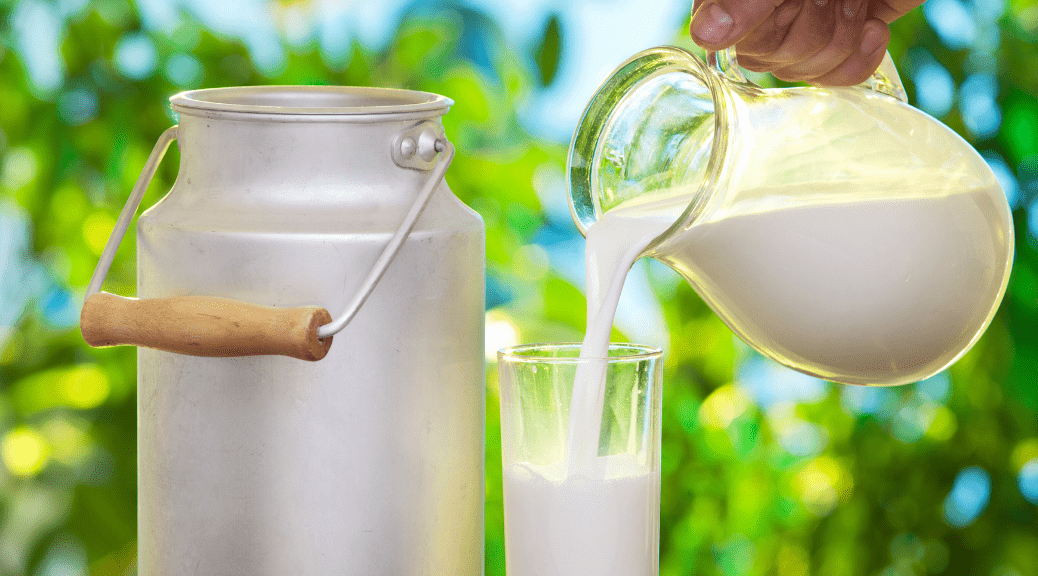
You might have heard about A2 milk and the claims that it is better than the regular milk (A1 milk) commonly available in the market. Consumer perceives such milk as better option than regular milk. Even A2 ghee too is perceived as healthier. But, what’s the reality? Here’s a fact-check read on A2 milk.
Richa Pande
Take the example of A2 ghee; it is costlier. However, is it healthier too? Interestingly, any type of ghee made either from A2 or A1 milk are just fats. Any ghee does not contain protein, and it is mainly a protein BCM-7 present in regular milk that is under scrutiny for having some adverse health impacts. So, it is essential to be mindful when you are buying A2 milk products.
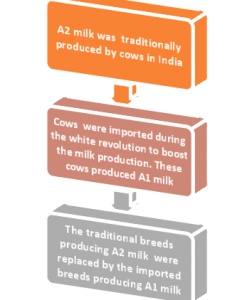
The A2 milk controversy has its roots in the milk revolution which was launched in the 1970s in India. The milk revolution, also known as ‘operation flood’ and ‘white revolution’, was an Indian food security program. It was a move to boost the milk production to meet the nutritional requirements of the nation. The program was a huge success and is still considered to be one of the most accomplished food security programs in India. The program emphasized on the import of cattle breeds for higher yield. This eventually led to the side-lining of the Indian breeds.
Traditionally, the cows in the African and Asian continents produced A2 milk. But the switch from A2 to A1 cows to boost the production let to the milk consumption switch in India. However, on the other hand, many developed and developing nations including China, Australia, USA & UK have imported the Indian and African breeds and are switching to A2 milk consumption.
Recently, it has been found that the consumption of A1 milk (now commonly consumed in India) could be linked with neurological disorders heart diseases, diabetes. Also, some individuals cannot digest this type of milk and its regular intake can lead to bloating and irritable bowel syndrome. This is harmful and can lead to many intestinal disorders. On the other hand, A2 milk does not have beta-casein 1 and thus it’s consumption does not result in the disorders which can be caused by the consumption of A1 milk.
Let us begin by understanding that milk has beta casein protein in it. There are two types of variations of this protein i.e. A1 beta-casein and A2 beta-casein. The milk nomenclature is as per beta casein variant present in the milk. The difference is because of the change in the position of an amino acid. The A1 variant has histidine while A2 casein has proline.
Note that BCM-7’s absorption in its intact form into our bloodstream is not understood well. Many research studies couldn’t detect BCM-7 in the blood of healthy adults who drink cow’s milk, but some studies indicate that BCM-7 can be present in the bloodstream of infants who consumed cow milk. This predisposes the infants to the risk of developing type 1 diabetes in infants
Although there are many studies which link consumption of A1 milk with some diseases, some experts argue that many Europeans and Americans have been consuming it for generations and it is safe for consumption. A systematic review by the European Food Safety Authority (EFSA) declares that no cause-and-effect relationship can be established between consumption of BCM- 7 (present in A1 milk) and the occurrence of acclaimed diseases. It is important to note that the conclusions of a systematic review are more reliable than a single study. The same article also quotes a NBAGR [ National Bureau of Genetic Resources] paper that, there are very few cattle with the A1 genes in India which are used for breeding and milking. As per this paper, the A1 milk and A2 milk are mixed when they are procured from small farmers. Even if the claims related to the A1 milk are true, the impact of A1 milk after being mixed with A2 milk is subdued and can cause little harm to human health.
| Cost Per Litre | |
| A1 Milk | ₹ 56- 90 per litre |
| A2 Milk | ₹75- 110 per litre |
| A1 Ghee | ₹ 450- 650 per litre |
| A2 Ghee | ₹ 1500- 2300 per litre |
As mentioned before, A1 milk can not only cause comorbidities like diabetes, heart diseases etc but can also impact your gut health. You can follow these steps to understand whether you are intolerant to it:
The page you requested could not be found. Try refining your search, or use the navigation above to locate the post.
When we just thought we are in the endemic stage and the worst is over, we’ve variant, Omicron now. It has hit the world. India too has reported 21 cases so far including 7 in Jaipur, 1 in Delhi, 11 in Maharashtra and 2 in Karnataka as I write this piece. I’m sure the number would have increased many times by the time you read the December edition of Consumer VOICE.
However, what I wanted to discuss today is different. We know how devastating the pandemic impact was for all of us. We lost lives, our loved ones, jobs and livelihoods. Likewise, the majority of Indian students are still in a disdain state as they are unable to access education. And amid these scars, the pandemic has made us more obese, hypertensive, and prone to diabetes if we look at the data revealed by National Family Health Survey 2019-21 (NFHS-5). The data findings are shocking if we compare it with NFHS 2015-16 (NFHS-4) numbers.
The survey has been conducted in two phases – between June 2019 to January 2020 and then January 2020 to April 2021. Obviously, the phase two survey captured the stage more closely than the phase one survey. The survey captured the impact of the pandemic on the health parameters of the Indian population.
When we compare the NFHS-4 data with the NFHS-5 findings, we will see a steep rise in the numbers of people suffering from non-communicable diseases (NCDs) such as diabetes, hypertension and high blood pressure. As per the figures shared by the survey, approximately a fourth of the men and women surveyed were found to be overweight or obese having a body mass index of more than 25 kg/square metres. Precisely, 15.6% of the men and 13.5% of the women were found to have high or very high blood sugar levels or were taking medicines to control the sugar level. This is not all. The findings further added, a fifth of the women and nearly a quarter of the men surveyed had elevated blood pressure or were taking medicine to control blood pressure. Whereas, if we look at the NFHS-4 data, it had found19% of men and 21% of women to be overweight or obese.
Quite interestingly and understandably as well, the surge has been more pronounced among urban dwellers. Urban dwellers are the victims of sedentary lifestyles and their routine exercise being curtailed besides gulping down fast foods. Hence the findings are nothing more than the harsh reality and it makes us look more at the weak points of our urban dwelling.
Coming back to the findings, it said one-third of the urban men and women surveyed were found to be overweight or obese. As much as 18% of men and 16% of women had high blood sugar levels or were taking medication for controlling it. A quarter of urban men and women had elevated blood pressure or were taking medicine to control their blood pressure. Again the same above reasons can be attributed to this.
While all the numbers will do the talking in our discussions and headlines, can we look at a cohesive structure to tame the beast before it’s too late? Can we look at a framework where we can see regulated food systems, home exercises like yoga and consumer awareness initiatives to control hypertension, diabetes and obesity to control the health rot ? Work from home isn’t helping the cause either.
Meanwhile, read our December edition where we brought you useful information on choosing the best rice bran oil, FSSAI CEO’s column on living a trans-fat-free life, about minding Aflatoxin among others. Do write to me if you’ve any suggestions/feedback and thoughts at info@consumer-voice.org.
Till then, happy reading!
Happy Reading!
Sharmila Das
Editor
The page you requested could not be found. Try refining your search, or use the navigation above to locate the post.