No Results Found
The page you requested could not be found. Try refining your search, or use the navigation above to locate the post.

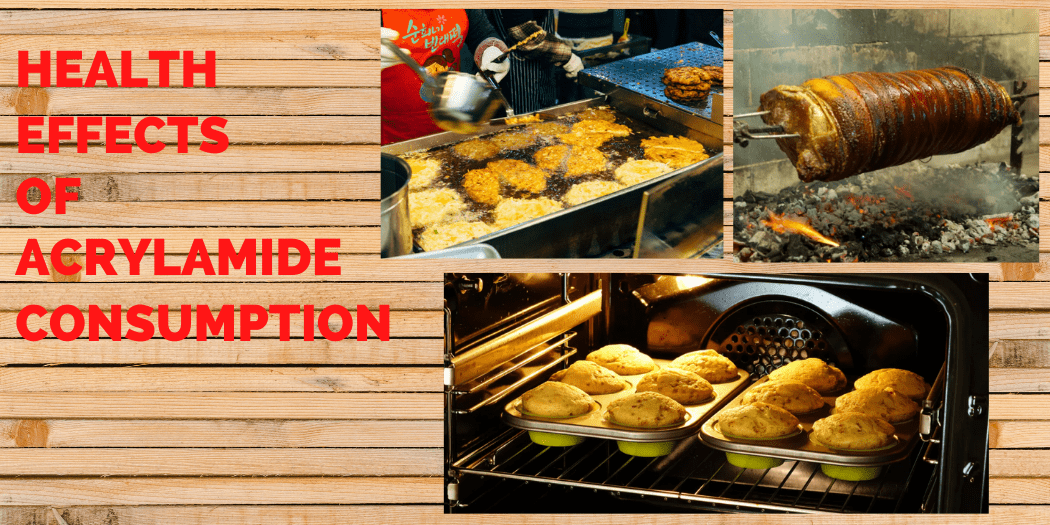
Acrylamide is a chemical compound that is formed in some foods when they undergo high-temperature cooking processes like frying, roasting and baking. Sugars and an amino acid (asparagine), which are naturally present in food items are responsible for acrylamide formation. These food items include potatoes, coffee, cereals, etc. According to USFDA, it is not formed/ or formed at lower levels in animal-based food products such as -dairy, meat and fish products. Acrylamide could be formed in food prepared at home or commercially available food items including ready-to-eat food items.
Acrylamide has probably always been present in cooked foods. However, acrylamide was first detected in certain foods in April 2002.
Since acrylamide is formed through cooking, acrylamide levels in cooked organic foods should be similar to levels in cooked non-organic foods.
The International Agency for Research on Cancer (IARC) grades acrylamide as a “probable human carcinogen”, and National Toxicology Program (NTP), USA classifies it as “reasonably anticipated to be a human carcinogen.” It is also capable of causing nerve damage function (including muscle weakness and impaired muscle coordination) in human beings. The Joint Food and Agriculture Organization/World Health Organization Expert Committee on Food Additives (JECFA), in 2010 states acrylamideto be a human health concern, and acrylamide levels in food should be reduced.
Related
The page you requested could not be found. Try refining your search, or use the navigation above to locate the post.

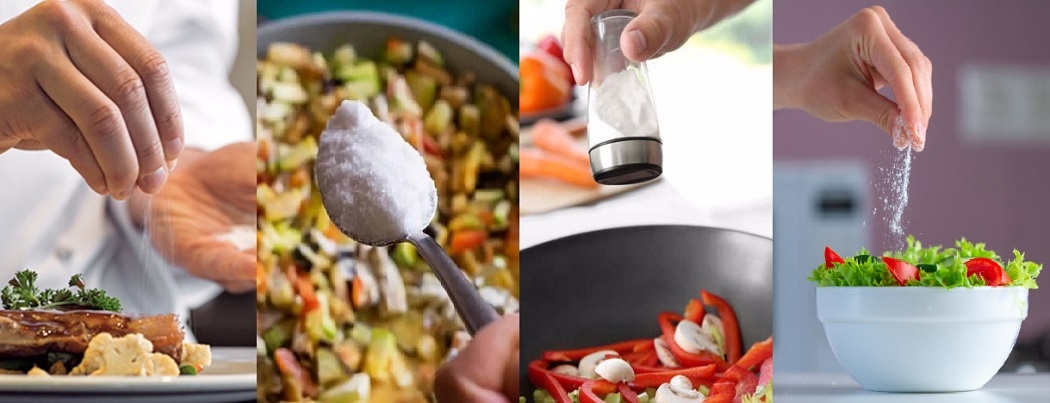
It is increasingly becoming apparent that high consumption of salt, sugar and fat is one of the prime reasons behind the risk of developing lifestyle diseases like diabetes, hypertension, cardiovascular diseases, etc writes Shri Arun Singhal, CEO, FSSAI.
Not all fats are bad. Unsaturated fats found in vegetable oils, seeds, nuts, avocado are in fact essential for good health. However, saturated fats and trans fats found in highly processed foods, bakery products, commercially fried foods and desserts are harmful for health. In fact, trans-fats are especially dangerous because they are the worst kind of fats. They increase the risk of cardiovascular diseases.
Similarly, added sugar, particularly refined white sugar is also bad for health. It adds only extra calories without providing any nutrients. Moreover, it is highly addictive. Found in sweets, desserts and sweetened beverages, it can really load up the calories and increase the risk of obesity, diabetes and heart diseases.
Last but not the least, high amounts of sodium can be dangerous for health. It can increase the risk of hypertension, which is one of the leading causes of death worldwide. Sodium is present in salt. Therefore, it is important to limit the intake of salt to maximum 5 gm per person per day, as recommended by the World Health Organization.
The Food Safety and Standards Authority of India (FSSAI) has launched ‘Eat Right India’ Movement which is a multi-sectoral effort to nudge citizens to eat right. One of its key initiatives is focused on reducing intake of salt, sugar, fat, phasing-out trans-fats from our diets. On one side, through the regulatory measures, we are updating our regulations to limit the fat, sugar and salt content in foods, and eliminate Trans Fatty Acids (TFAs); on the other hand, through the Eat Right initiative and awareness programmes, we are trying to generate awareness among consumers to limit the consumption of foods containing high levels of fat, sugar and salt. FSSAI is committed to trans-fat elimination from food supply chain by 2022 and is actively working with industry, associations, scientists and researchers as well as public health institutes to bring the best technology as well as share global experiences to eliminate transfat from the food supply chain.
To kick-start and popularise the movement, a powerful infotainment campaign through a short video starring National Award-winning actor Rajkummar Rao was launched with a simple yet memorable tagline ‘Aaj Se, Thoda Kam’. As the main face of the campaign, Rao officially launched the, “The Eat Right Movement” on July 10, 2018 in Mumbai and offered his support to spread the message of ‘#Aaj Se Thoda Kam’ across possible formats.
Endorsing the Eat Right India Movement, Rao suggests all his fans to take small steps. In the words of Rao, “Health is a matter of the head winning over the heart. While our heart wants tasty treats, our head can think of ways to control or avoid these indulgent tendencies through simple behaviour change strategies. The head understands what’s at stake because ultimately these tasty treats can make us so ill that we might have to give them up altogether. He goes on to recommend gradually reducing salt, sugar and fat in the daily diet by following the mantra – Aaj Se Thoda Kam.”

Efforts are being made on both demand and supply side. On the demand side, the ‘Eat Right India’ movement focuses on empowering citizens to make the right food choices. On the supply side, it nudges food businesses to reformulate their products, provide better nutritional information to consumers and make investments in healthy food. FSSAI has also initiated the Eat Right awards to recognize the contribution of food companies who are working tirelessly to reformulate their products for healthier options.
To create awareness about the adverse health effects of trans fat, FSSAI launched another campaign ‘Heart Attack Rewind’, a 30 second Trans Fat Public Service Announcement (PSA). FSSAI is aggressively working towards bringing down the trans fat content in fats and oils from the current level of not more than 5 per cent by weight in four categories of fats and oils (vanaspati, bakery shortening, bakery and industrial margarine and interesterified vegetable fat) to not more than 2 per cent by weight of all fats and oils by January 2022; a year ahead of WHO’s target. Thus, moving closer to its motto “Achieving Freedom from Tarns Fat; India @75”. Further, FSSAI has recently released Trans Fat free logo in July, 2019 to encourage food establishments like bakeries, sweet shops and other catering establishments to use healthier fat/oil options, thereby reducing the trans fat content in the foods. The food establishments which use trans-fat free fats/oil and do not have industrial trans-fat more than 0.2g per 100 g of the food, in compliance with the regulation on claims and advertisements, 2018 can voluntarily display ‘Trans Fat Free’ logo in their outlets and on their food products.
To further enhance the effectiveness of the message, ‘Aaj Se Thoda Kam’ and ‘+F Symbol’, FSSAI also launched an online campaign with Ace Cricketer and Indian Cricket term caption Shri Virat Kohli. Kohli joined this movement by urging citizens to follow the simple “Plus-Minus” formula. In the words of Kohli, “We need to “minus” or minimize salt, sugar and fat and “plus” or add fortified foods…. Eat Right, Stay Fit….Tabhi India, Super Hit.”

Reduced intake of salt, sugar & fat is need of the hour as we as individuals can do some basic thing. A few of them are:
SALT: Salt is the main source of sodium in our diet. Sodium consumption above WHO recommended limit of 5g a day predisposes an individual to heart problems.
SUGAR: Sugar provides only calories and no other nutrient to our body. High intake of sugar is a risk factor for obesity and predisposes the individual to diabetes and other diseases.
FAT: Excess of fat intake is a risk factor for obesity and diseases like diabetes, cardiovascular ailments etc.
TRANS FATS: These are bad fats which should be completely avoided.
The page you requested could not be found. Try refining your search, or use the navigation above to locate the post.
The page you requested could not be found. Try refining your search, or use the navigation above to locate the post.
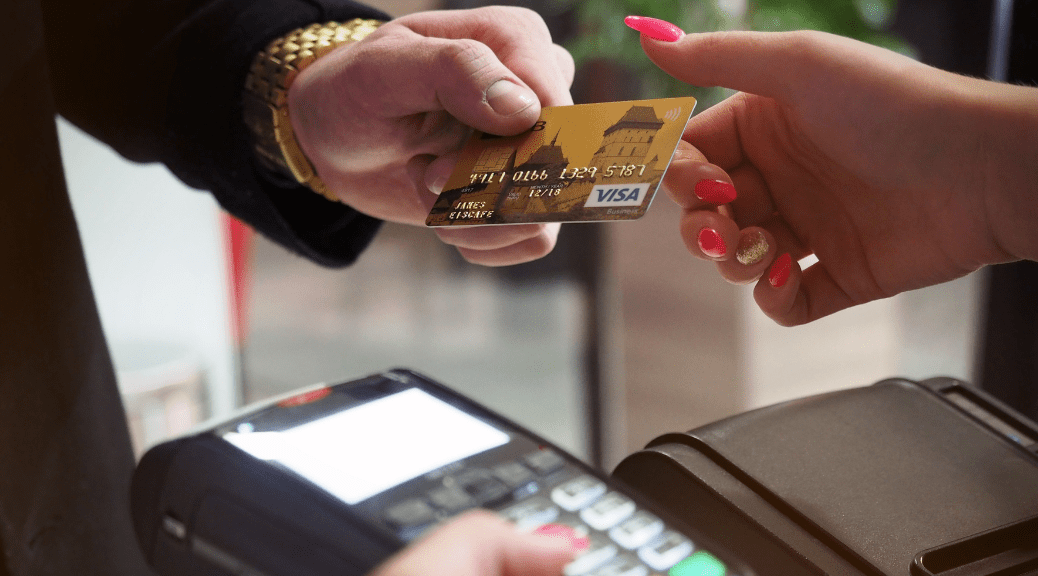
Taking a loan involves plenty of permutation and combination; comparing which loan is better to take. Let us tell you here about the benefits of credit card loan comparing it with personal loan structure.
By Subas Tiwari
Credit card users are aware of credit card loans. And there are people who keep a credit card because if they need a loan, they can avail the same from it. If you are also keeping in mind the convenience of getting a loan through your credit card, then you must know whether taking a loan in this way is beneficial or not. Let us see whether a personal loan or credit card loan is more helpful.
Personal loan gives better interest
If you are looking to take a loan for a long time, then a credit card loan can cost you dearly. On credit cards, you usually get loans at a rate of not more than 12 per cent. Sometimes, under special offers, you can also get a loan at the rate of 11 per cent, but you cannot get a loan at a rate less than that. On the other hand, if you take a personal loan, you will also get a loan at an interest rate of up to 10 per cent or 10.50 per cent, provided you have a good record with the bank. So, if you are taking a loan for a long time, then it is better to take a personal loan from the bank and in this you can also get the interest rate reduced by talking to the bank. If the bank is impressed by your words, then you can get a big loan at low interest.
Get quick loan with credit card
You can go for a credit card loan in a few minutes if your loan amount is not very large. A credit card loan is approved in two ways. One by blocking the credit limit and the other is outside the credit limit. On the other hand, if you are looking to take a personal loan, mostly you have to follow a complete process that can take up to 5-7 days.
Get pre-approved loan on credit card
You have to show all the documents while taking a loan from most of the banks. The bank verifies you and your income with these documents. Whereas, in the case of credit card loans, banks often offer pre-approved loans based on your credit score and credit card usages. You can take the loan as much as the offer is for a loan of up to the approved amount. The best part of this is that you do not have to do any paperwork in this.
Credit card loan is better if you want to pre-close the loan
When it comes to pre-closing of the loan, taking a credit card loan proves to be very beneficial. Most of the banks do not offer the facility of online pre-closing if you need to pre-close a personal loan from a bank. For example, even in big private banks like ICICI and HDFC, you have to visit the branch and go through a long process. On the other hand, you can pre-close a loan taken by credit card online in a minute. However, some banks may also set certain limits for pre-closing such as 3 months, 6 months or one year. Whereas in some banks you can pre-close the loan whenever you want. Keep in mind that while pre-closing the loan, you also have to pay some fee, which is applicable on the remaining principal, but the good thing is that you do not have to pay the interest on it.
What’s better?
If we analyse, taking a credit card loan is a profitable bet. Although, the loan amount may not be huge from it, but you may enjoy a lot of related facilities on a credit card loan. The best part is that you don’t need to go anywhere to get the loan, need not show any documents and go through any process to get it closed. In every way, taking a credit card loan is a profitable deal. In terms of interest, however, personal loan scores high.
Usually, a loan available on a fixed rate of interest, a personal loan is sanctioned for a given tenure of between 12 and 60 months payable via equal monthly instalments or EMIs that include the principal as well as the interest component. Personal loan for salaried individuals is more easily approved than those for self-employed people.
A credit card loan, on the other hand, is generally referred to as revolving debt. This is because the borrowed amount is dependent on the funds spent on the card and the balance that is left at the end of your monthly billing cycle.
Difference between credit card & personal loan
|
Basis of Difference |
Credit Card |
Personal Loan |
|
Eligibility |
Only select credit cardholders are eligible |
Non-customers of the bank may also apply |
|
Procedure for Borrowing |
By accepting a pre-approved offer extended by the bank or by applying for the same |
By applying to a bank or financial institution with documentation |
|
Disbursement |
Credited directly to savings/current account (if with the same bank) or in the form of a cheque |
Amount paid as a lump sum to the customer’s savings/current account or via cheque |
|
Approval Time |
Within 24 hours |
3-5 business days |
|
Repayment |
EMIs added to monthly credit card statement for the said tenure |
As EMIs to the bank for a specified tenure |
|
Tenure |
Usually from 1 to 5 years |
Usually from 1 to 5 years |
|
Borrowing Limit |
Up to the pre-approved limit set by the provider |
To be calculated by the bank on the basis of income proof |
|
Interest Rates |
Higher than personal loans; varied from bank to bank and may also vary from customer to customer |
10.50% onwards; depends on the customer’s income and credit history |
|
Documents |
No additional documents required |
Identity proof, address proof and income proof required |
Related
The page you requested could not be found. Try refining your search, or use the navigation above to locate the post.