You Won’t Believe How Beneficial Food Fortification Can Be!

You Won’t Believe How Beneficial Food Fortification Can Be!
You Won’t Believe How Beneficial Food Fortification Can Be!

Food fortification is the process of adding one or more essential nutrients to the food to make sure that there is no deficiency of any nutrient. Though there is no doubt that there are immense benefits of food fortification, the process is not always harmless. Read on to know what are the benefits of food fortification and how can you make the most of it as a consumer.

BENEFITS OF FOOD FORTIFICATION

  • Food fortification can help in stopping many neural tube defects. These are birth defects associated with the spine or brain.
  • This process can also help prevent many deficiencies like iron deficiencies in kids and vitamin D deficiencies in women.
  • This is an excellent way of ensuring that a country has a healthier population as a large section of the population makes use of foods that have been fortified.
  • Most food fortification processes don’t pose a health risk to people as the quantities are quite small and the fortification process is regulated by prescribed standards.
  • An overdose of nutrients is not very likely as regulations control how much fortification is to be done and quality checks are regularly done.
  • People who are consuming fortified foods don’t need to change their food habits or patterns.
  • Most societies and cultures have no objection to the food fortification process.
  • One of the biggest benefits of food fortification is that it doesn’t change the taste, the feel or the look of the foods in most cases.
  • The process of food fortification is a quick one. You can get it done in short order.
  • Even the results of food fortification are visible within a few months of fortified foods as the people with a deficiency get to see improvement in their health.
  • Thanks to the latest technological innovations, the food fortification process has become quite cost effective as well.
  • According to a consensus, every one rupee spent on fortification leads to 9 rupees in benefits to the economy.
  • Food fortification is a boon for kids, pregnant women and older adults as these groups are usually more vulnerable to vitamin deficiencies.
  • People who follow special diets like vegans practicing veganism can benefit if they have foods that are fortified with vitamin B-12. 

CAUTION

Though there are many benefits of food fortification, there is a need to ensure that consumers stay away from fortified foods that are heavily processed or packaged. These kinds of foods are loaded with high fat, sugar and sodium content.

Even if your meals are loaded with fortified foods, you still need to ensure that you have a varied and well-rounded diet which includes fresh fruits, vegetables, and other whole foods. Food fortification or enrichment should never replace a healthy and balanced diet!

Related

How to Detect Ammonia in Our Food?

How to Detect Ammonia in Our Food?

How to Detect Ammonia in Our Food?

Reuters had recently published a few investigative articles in which it was revealed that ammonia is being used in many foods, especially common foods like cheese, chocolate (acidity controller) and baked goods (leavening agents). If you are also worried about how bad ammonia is for health, how to detect ammonia in food, and how to reduce the levels of ammonia in your body, then reading on will help.

HOW BAD CAN IT BE?

If you have high levels of ammonia in your body, it is not good for you. It can lead to problems like

  • Wheezing, coughing, watery eyes and shortness of breath.
  • Skin irritation or burns.
  • Excessively high ammonia levels, known as hyperammonemia can be fatal if not treated.
  • In many cases, ammonia levels become high due to liver problems or severe hepatitis. If that’s the case, you might have to deal with lethargy, confusion, metabolism changes, and forgetfulness. In worse cases, it leads to a person being comatose.

HOW TO DETECT AMMONIA IN OUR FOOD?

Unfortunately, there is no simple shortcut to detect ammonia in the food. You need to get it tested at a lab. There are no strict rules that might force the food manufacturers to list exact ammonia levels on the labels. The best most manufacturers do is to mention safe and small levels.

HOW TO REDUCE AMMONIA EXPOSURE?

  • Eat as many real foods as possible and limit processed foods whenever possible.
  • Buy organically grown foods that help you to avoid GMO, pesticides, herbicides, and antibiotics present in animals
  • Drink lots of water so that you urinate frequently and flush out ammonia from your body.
  • Drinking coconut water is even better as it also makes you urinate frequently, and it tastes better than plain water.
  • If you grow tired of plain water and coconut water, have some lemon water or have citrus fruits to lower ammonia levels.
  • Drinking tea, especially green tea, can help remove toxins from the body and lightens the work you have to do.
  • Don’t drink alcoholic beverages as it can enhance ammonia production and harm your liver.
  • Seek supplements and medications whenever needed to lower ammonia levels.
  • You must also know that low levels of ammonia are also not good news, so you need to make sure that you keep in touch with a medical expert if you are taking any supplements or medications. Self-treatment is not recommended at all.

The foods we eat today are very different from the foods we ate even a few years back. Our busy lives have made us dependent on packaged, processed, and frozen foods that are quickly cooked and can save time. But if you depend too much on them, make sure that you know every ingredient is safe for consumption and doesn’t harm your body at all.

Related

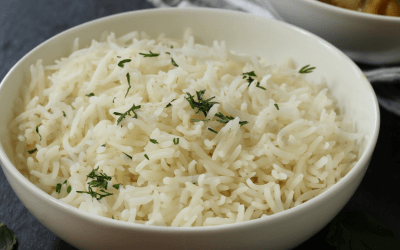
Basmati Rice

Basmati Rice

Looking for more than a grain of truth There is rice and more rice, and there is basmati. Some would say eating basmati rice is a complete  sensual...

read more

How to choose your food packets smartly

How to choose your food packets smartly

Choose that food pack smartly

food packet

Can you think of a life without a pack of munchy-crunchy food pack besides our daily atta, dal, maida stuff? Well, no! But do you read the information well before buying any such product available on e-commerce sites or your nearby store shelves? If the answer is no, then we suggest you start inculcating the habit of reading your food pack labels before shelling out. You can zoom the image of a food pack and see how many calories are there in the food or know whether the organic product you are buying has been approved by food regulatory bodies or not. In this article, we have come up with a few tips that might help you to make healthier and smarter food choices.

Richa Pande

Packaged food items have additives in them for longer shelf life. Food additives are mandatorily declared in the ingredient list. Ingredients are listed in a specific pattern. The item which is mentioned first is usually the major ingredient used to prepare the food item, then the net ingredient and so on in descending order of the quantum used in the preparing of the product. Sometimes, the ingredients are even presented as percentage of content. You can base your choices by referring to the ingredient list and the quantum in the food item. It is always recommended that you go through the ingredient list

There are guidelines by food regulatory bodies on how much of these additives can be added to the food items, and food companies generally adhere to them. But you could cross the safety limits for any food additive by consuming excessive amounts of food items containing the same additive daily. It is to be noted that these safety limits are prescribed for adults and kids separately and hence excessive consumption of packaged foodstuffs should be avoided. Another reason why we need to be careful is that these packaged foods are generally high in sugar, fats, and added salt.

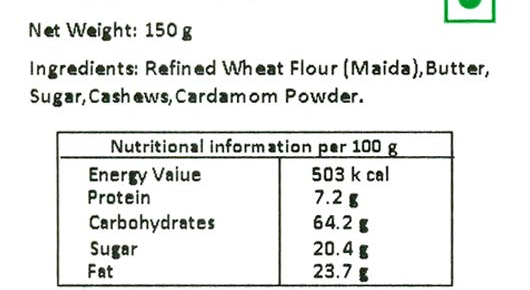
COOKIE 1

It has similar nutrient profile to that of COOKIE 2 but it has more food additives.

Nutrient

COOKIE 2

has similar nutrient profile to that of COOKIE 1 but it has lesser food additives.

INS numbers in the ingredient list

If you go through the ingredient list, you will notice INS numbers. Food additives have several colloquial names. To avoid confusion, universal numbers are allocated to different food additives. In Indian food packs, food additives are either referred to by their common names or by the universal INS numbers. In European Union countries, they are referred to as “E numbers”. Sometimes food manufacturers mention the contentious ingredient with a name which the consumer may be unaware of. Hence the consumer needs to be well informed to avoid being hoodwinked.

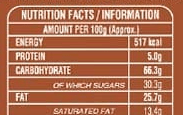
Checking the nutritional value of food products before making the purchase

Compare the variants and brands. Check the nutrition panel and compare the nutrition composition of the products. Prefer products that comply with the concept of clean labelling i.e., share complete information about a product. This will guide you in minding your portion sizes. After going through both the products, choose the products with the healthiest nutrition composition.

Nutrient
Nutrient

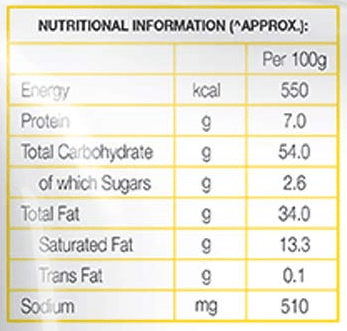
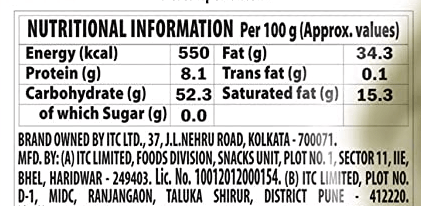
Plain Salt Chips Bag Brand 1 has lesser (by 2 g) saturated fats. Apart from this, it has almost a similar nutrient profile to that of Plain Salt Chips Bag Brand 2. Another thing to note is that brand 1 is also mentioning Sodium content and thus is supporting the concept of clean labelling.

Note that it is always recommended to mind the limit of saturated fats which is around 10-15 g per day. Therefore, pick a pack that has relatively lesser saturated fats and mind the portion sized to control the saturated fat intake.

Make a list of the items before you pick them

Always make a list of items you need before you decide to shop. This helps you in avoiding impulsive shopping. When you buy a product for the first time, read the ingredients list and nutrition table before purchasing the food item. Choose the food item only when you understand its label. It can help you not to make unnecessary purchases and in making healthier choices.

Check the existing front-of pack nutrition labels for quick comprehension

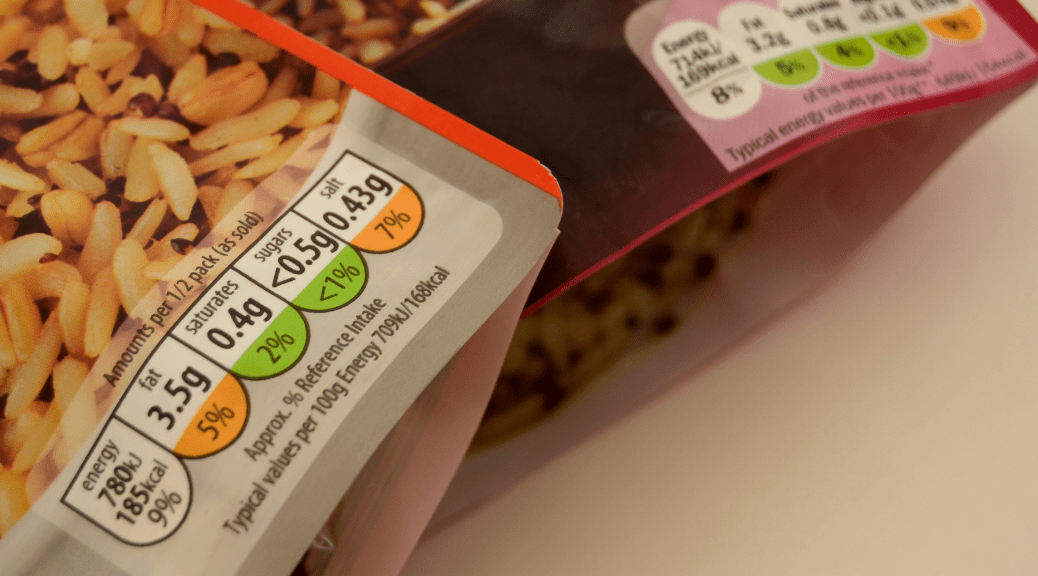
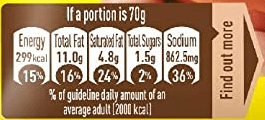
You might not find them in all the food packs in India but some global brands in the Indian market have started labelling nutrients on the front of the pack. From these food packs, one can get an understanding about the apt portion/serving size and calories in one portion/serving item. In some packs, you might also get information about other nutrients of concern like fat, sugar, sodium, and calories.

Nutrient
Nutrient

Choose smaller packs over the large packs for individual consumption

The smaller packets contain fewer calories as compared to the large ones. A 30g chips packet has 150 calories, while a 50g package has 250 calories. Always look for the recommended portion size on the pack.

Choosing food items using food certification and quality symbols- You can look for these food quality and certification marks on your food items to make healthy choices

  • AGMARK is a certification mark by the Ministry of Agricultural & Farmers Welfare, Government of India. The present AGMARK standards cover quality guidelines for 224 different commodities spanning a variety of pulses, cereals, essential oils, vegetable oils, fruits and vegetables and semi-processed products like macaroni and vermicelli.
Agmark
  • You will find either one of them on the food packs. Green logo certifies that the product does not contain non-plant-based ingredients or by-products. Previously the triangular red logo was also represented by a circle. The step to change it to a triangle shape was taken to help the colour-blind people
veg-nonveg
  • ISI (Indian Standards Institution) mark is a certification label-mark for industrial products in India. It is the most popular and recognised certification mark.
ISI
  • FSSAI stands for Food Standards and Safety Authority of India, which is the food regulatory body in India that deals with the food safety issues. This logo on the supplement means that the product’s manufacturing process has received certification from FSSAI.
fssai
  • ECOCERT was introduced in the year 1991. It is a certification given to those products that conform to a set of standards aimed at the least impact on the ecosystem. it serves as an advisory to consumers.
ecocert
  • FPO (Farmer Producer Organization) a mandatory mark that one will find on all processed fruit products sold in India such as packaged fruit beverages, fruit-jams, crushes and squashes, pickles, dehydrated fruit products, and fruit extracts following the Food Safety and Standards Act of 2006
FPO
  • Indocert is a government accredited certification authority in India which operates at both national and international level. It provides certifications for sustainable agricultural standards
Indocert
  • Gluten is a protein found in wheat and other cereals like barley and rye. Some people have gluten intolerance, which means that they cannot digest it and might encounter allergy like symptoms when they consume it. Presence of this logo ensures that the ingredients in the supplement are gluten-free
  • This logo enables people to identify that a certain food is fortified with a micronutrient.
fortified
  • Fair Trad logo- Look for this logo to pick a food item that has been grown and prepared following fair-trade practices.

Organic Food Logos

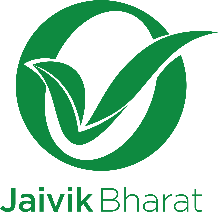
  • Jaivik Bharat Logo -It is a logo issued by Indian government authorities to the products which are grown organically as per the standards set by NPOP, India and PGS-India
Jaivik Bharat
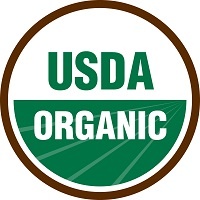
  • USDA Organic Logo-This logo ensures that all the ingredients used in the development of this supplement are 95 per cent or more organic in nature. This means that they are free of chemical additives, pesticides, chemical fertilizers, and colors. The certification is provided by United States Department of Agriculture
USDA
  • India Organic Logo -Presence of this certification mark on the label of a supplement ensures that the ingredients in the products were grown organically and they comply with the standards set by National Standards for Organic Production (NSOP)
India Organic
  • EU Organic Logo-This logo on the label of a supplement ensures that the food supplement is made conforming to the organic food production guidelines set by the European Union
EU-Organic

Food packets have a lot of information on them. It is important that we go through it when we are purchasing a food item for the first time. Making this a habit can help us making healthier food choices in a long run.

Related

Paneer

Paneer

Paneer

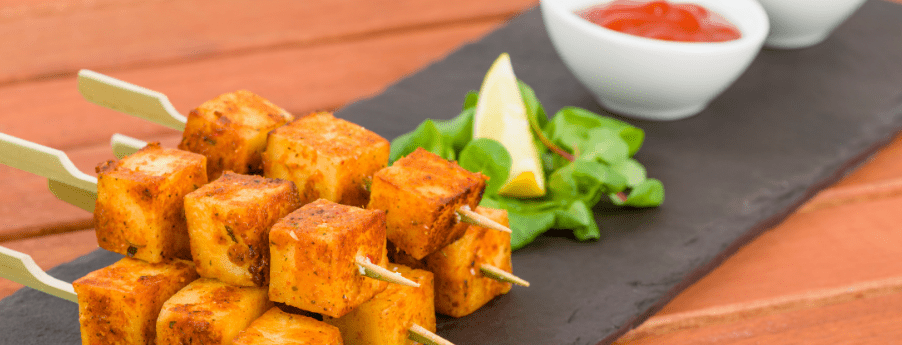
Paneer or Indian cottage cheese is one of the most commonly used food item in Indian households especially those who are non-vegetarians.

curd

Paneer makhni, paneer paratha or paneer kofta are delicacies relished by one and all. Adding paneer to your daily diet is the best alternative to meat protein. It is rich in Vitamin D and phosphorus and helps in reducing weight. 

Paneer can help build a strong immune system, especially for growing kids. But with packaged paneer flooding the Indian markets, selecting the best could be an arduous task.

Consumer VOICE has tested various brands of paneer over several years to help consumers find the best one for their health.

Related

Why hydroponic foods are good for you

Why hydroponic foods are good for you

Our food systems are constantly evolving every day. Innovations like vegan meats and NutriLock technology are already transforming our food systems.  These innovations not only improve the nutritional adequacy of food, and its taste but also address sensitive issues...

read more
Tips to keeping the nutritive essence intact in your food

Tips to keeping the nutritive essence intact in your food

Tips to keeping the nutritive essence intact in your foodThe nutritional content of a meal is determined not only by the ingredients but also by the method how it is prepared.  For example, while preparing rice when we discard the starch, we also drain out Vitamin B...

read more
Basmati Rice

Basmati Rice

Looking for more than a grain of truth There is rice and more rice, and there is basmati. Some would say eating basmati rice is a complete  sensual experience. There is appetite-inducing aroma, visual appeal, great taste, and an utter and  inexplicable sense of...

read more
Packaged Drinking Water

Packaged Drinking Water

Packaged Drinking Water

Water is life and we cannot think of surviving without clean and pure drinking water.

Ghee

Will you drink water which is contaminated? Packaged drinking water is the safest to carry especially when you are travelling or where accessibility to safe drinking water is not easy.

Consumer VOICE tests packaged drinking water from time to time to study the contaminants and generate awareness on the safety of the same.

Reviews

Articles

It is water derived from varied sources including surface, ground or sea and subjected to treatment like decantation, filtration (including aeration filtration with membrane filter, cartridge filter, activated carbon filtration), demineralisation, mineralisation and reverse osmosis.

As consumers, we feel helpless when we get charged extra for buying packaged water at cinema halls, railway stations and airports even though the maximum retail price (MRP) is printed on the bottle.

Related

Why hydroponic foods are good for you

Why hydroponic foods are good for you

Our food systems are constantly evolving every day. Innovations like vegan meats and NutriLock technology are already transforming our food systems.  These innovations not only improve the nutritional adequacy of food, and its taste but also address sensitive issues...

read more
Tips to keeping the nutritive essence intact in your food

Tips to keeping the nutritive essence intact in your food

Tips to keeping the nutritive essence intact in your foodThe nutritional content of a meal is determined not only by the ingredients but also by the method how it is prepared.  For example, while preparing rice when we discard the starch, we also drain out Vitamin B...

read more
Basmati Rice

Basmati Rice

Looking for more than a grain of truth There is rice and more rice, and there is basmati. Some would say eating basmati rice is a complete  sensual experience. There is appetite-inducing aroma, visual appeal, great taste, and an utter and  inexplicable sense of...

read more
Butter

Butter

Butter

Love of butter is not new among Indians with butterly tales of Lord Krishna which most of us are aware of.

Ghee

Whether on toast or in cakes, butter is one of the most used ingredients in Indian homes. However, there is always a debate raging whether it is good or bad for one’s health.

Consumer VOICE experts have made various studies on different kinds and brands of butter to help you understand the complexities of this simple ingredient.

Reviews

Articles

We live in a world full of choices , it’s confusing to choose a simple thing like butter. The grocery store shelves are crowded with different brands and varieties, yet most recipe still just say “butter.”

The clear difference between salted and unsalted butter is the presence of salt. Mostly unsalted butter is made with 100% cream, salted butter will have some salt added to it.

Related

Why hydroponic foods are good for you

Why hydroponic foods are good for you

Our food systems are constantly evolving every day. Innovations like vegan meats and NutriLock technology are already transforming our food systems.  These innovations not only improve the nutritional adequacy of food, and its taste but also address sensitive issues...

read more
Tips to keeping the nutritive essence intact in your food

Tips to keeping the nutritive essence intact in your food

Tips to keeping the nutritive essence intact in your foodThe nutritional content of a meal is determined not only by the ingredients but also by the method how it is prepared.  For example, while preparing rice when we discard the starch, we also drain out Vitamin B...

read more
Basmati Rice

Basmati Rice

Looking for more than a grain of truth There is rice and more rice, and there is basmati. Some would say eating basmati rice is a complete  sensual experience. There is appetite-inducing aroma, visual appeal, great taste, and an utter and  inexplicable sense of...

read more
Enquire Now

    X
    Enquire Now