What Is Packaged Drinking Water?

What Is Packaged Drinking Water?

What Is Packaged Drinking Water?

Health Insurance

It is water derived from varied sources including surface, ground or sea and subjected to treatment like decantation, filtration (including aeration filtration with membrane filter, cartridge filter, activated carbon filtration), demineralisation, mineralisation and reverse osmosis. The packaged water is also disinfected before being packed so that it does not get contaminated until consumed within a specific time.

The packaged drinking water shall be filled in sealed containers of various compositions, forms and capacities that are suitable for direct consumption without further treatment. In case demineralisation is a part of the treatment process, the ingredients used shall be of food-grade quality and conform to the requirements set by Food Safety and Standards Authority of India and rules framed thereunder.

Packaged water contains many chemicals and as a consumer we don’t understand what they are and what they can do to our bodies. Here are a some details on the ingredients and their effects :

Pseudomonas aeruginosa is a bacterium that is naturally found in many types of drinking water. Pseudomonas aeruginosa can cause a range of infections but rarely causes serious illness in healthy individuals without some predisposing factor. It predominantly colonises damaged sites such as burn and surgical wounds, the respiratory tract of people with an underlying disease and physically damaged eyes. To know more on the exact amount required in your bottled water click here.  

  •  Nitrate is a colourless, odourless and tasteless compound that is present in some groundwater. High nitrate levels in water can cause methemoglobinemia or blue baby syndrome, a condition found especially in infants less than six months old. The stomach acid of an infant is not as strong as in older children and adults. This causes an increase in bacteria that can readily convert nitrate into nitrite (NO ). To know the right Nitrate amount to consume look at the comparative test on which bottled water is safe to drink.
  • Fluoride is a natural mineral found throughout the earth’s crust and widely distributed in nature. Some foods and water supplies contain fluoride. Fluoride is often added to drinking water to help reduce tooth decay. Exposure to excessive consumption of fluoride over a lifetime may lead to increased likelihood of bone fractures in adults and may also result in effects on bone, leading to pain, tenderness and fluorosis on long intake of affected water. Children aged eight years and younger exposed to excessive amounts of fluoride have an increased chance of developing pits in the tooth enamel, along with a range of cosmetic effects on teeth. Its good to know the amount of fluoride in your water.
  • Chloride salts such as sodium chloride are often very soluble in water.Chloride occurs naturally in ground water and most common anion in tap water. Chloride in drinking water is generally not harmful to people until high concentrations are reached, although chloride may be injurious to some people suffering from diseases of the heart or kidneys. Restrictions on chloride concentrations in drinking water are generally based on taste requirements rather than on health. Liquid chlorine is mixed into drinking water to destroy bacteria. The maximum permissible limit for chloride and sulphate as per IS is 200 mg/litre.
  • Sulphate is a naturally occurring substance that contains sulphur and oxygen. Sulphate is generally considered to be non-toxic. However, the consumption of drinking water containing high amounts of sulphate may result in intestinal discomfort, diarrhoea and consequently dehydration.
  • TDS stands for total dissolved solids, and represents the total concentration of dissolved substances in water. TDS is made up of inorganic salts, as well as a small amount of organic matter. Water is a good solvent and picks up impurities easily. As per WHO guidelines for drinking water quality, water with extremely low concentrations of TDS may be unacceptable to consumers because of its flat, insipid taste. At the same time, drinking water becomes significantly and increasingly unpalatable at TDS levels greater than about 1,000 mg/litre.
  • Radioactive minerals occur irregularly in the bedrock, similar to other minerals such as iron and arsenic. Radioactive alpha and beta emitters dissolve easily in water. The principal health concerns associated with regulated radionuclides in water include: radon gas increases the risk of lung cancer; uranium increases toxicity risk to the kidneys; and radium increases one's risk of bone cancer. It’s important to know in the packaged water brands contain radioactive emitters or not, to know more on the comparative safe bottled water test on 12 brands click here.

Related

No Results Found

The page you requested could not be found. Try refining your search, or use the navigation above to locate the post.


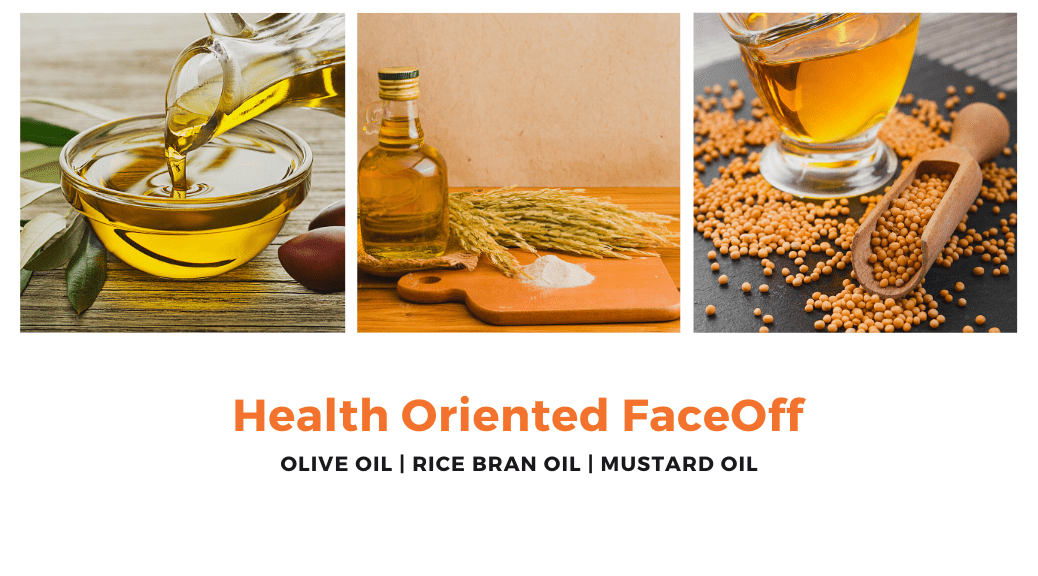
The Health-Oriented Faceoff :  Mustard Oil vs. Rice Bran Oil vs. Olive Oil

The Health-Oriented Faceoff : Mustard Oil vs. Rice Bran Oil vs. Olive Oil

Health fads have become an inseparable part of people’s lives today. People are always looking for something that will help improve their health quickly and allow them to avoid health issues. If you are among such people and you are confused about which oil to use for cooking, then you must read on. Here we have compared three effective oils and mentioned their pros and cons.

Scroll down to know which is better when it comes to mustard oil vs. rice bran oil vs. olive oil.

Olive Oil

This oil is becoming a trend in India because everyone who has had a health scare like high cholesterol or heart issues is advised this oil. It’s expensive, but you need little of it so it can be worth it.

Pros

  • It does help in reducing bad cholesterol and control your cholesterol levels.
  • You can also trust it to help prevent stomach ulcers and gallstones.
  • It is also easy to digest and gentle on your stomach.

Cons

  • It can produce harmful trans-fatty acids when heating.
  • It can lower your sugar levels, so non-diabetic people should be cautious of it.

Mustard Oil

Best known for improving blood circulation and massages, this oil also tastes good when cooked right. It’s an essential part of most Indian kitchens.

Pros

  • Having this oil regularly will help your intestine to produce digestive juices.
  • It has antifungal, anti-inflammation, and anti-bacterial properties.

Cons

  • If taken in excess, it can cause anemia, respiratory issues, and diarrhea among other problems.
  • In case you have it orally in raw form, it will lead to irritation or inflammation of intestines, gastrointestinal tract, and the lungs.

Rice Bran Oil

Renowned forits high smoking point, this oil has a mild flavor. It is extracted from the outer brown layer of rice. It is not commonly known in India.

Pros

  • It helps people who have problems with cholesterol levels.
  • Women experiencing menopausal symptoms can get some relief.
  • It can help prevent kidney stones.

Cons

  • It makes you vulnerable to hypocalcemia because it reduces the amount of blood calcium in your body.
  • An excess of it can lead to irregularity of bowel movements.

We honestly think that you should read the pros and cons of each of the oils mentioned here to ensure that it promotes your health rather than harming it. If you don’t have any serious health issues, we suggest that you invest in all these oils and try them one by one for a few months to decide which one contributes to your overall health in the best manner. Or you can use the ancient combination techniques used by our forefathers and cook with all three of them alternatively!


Related

No Results Found

The page you requested could not be found. Try refining your search, or use the navigation above to locate the post.
How to Increase the Shelf Life of Mustard Oil?

How to Increase the Shelf Life of Mustard Oil?

Mustard Oil is one of the common Indian kitchen ingredients that cannot be replaced. Its unique and pungent flavor, and its ability to make foods taste divine. If you love it too and want to make sure that you use it only when it can enhance your health rather than damaging it, you should read on and know how to increase the shelf life of mustard oil.

The Basics

Everyone who uses this oil regularly should know that it is extracted from mustard seeds and they are 46 to 48 percent oil by weight. The oil is made by pressing mustard seeds, usually by using giant machines.

What to Know When Buying Mustard Oil?

If you want mustard oil to last longer, make sure you remember the following while purchasing it:

  • Read the Dates

Read the date of manufacturing and the best before date. Always buy the mustard oil that has been manufactured recently and lasts long. Most of them last a year or two.

  • Trust Good Brands

There are many locally packaged mustard oils available in India. Make sure that you trust only known brands as they would be more likely to focus on quality than the cheap imitations.

  • Know About Acidity

It is wise to look at the nutrients label and opt for brands that have the lowest possible amounts of acid.

  • Avoid Completely Transparent Packaging

Most of the mustard oils are available in transparent bottles; you must pick the dark colored ones as they are not easily broken down by light or the sun.

How to Store Mustard Oils to Increase its Shelf Life?

You must know that exposure to heat, light, and oxygen can make the mustard oil rancid. So, you should always make sure that you close its cap tightly and store it in a dark and cool place. Light is always a risk so, make sure that you pick dark colored bottles.

Some people like to refrigerate mustard oil. If you do the same, you might notice that it becomes semi-solid in cold weather. To fix the situation, just let it sit out in room temperature for 15-20 minute, and it will return to its liquid form. If putting it in a refrigerator, make sure that you keep it there for six months to one year.

How to Know If Mustard Oil Has Gone Bad?

If you think that the oil has become stickier or has an off flavor, it would be wise to discard it.

It is very clear that storing mustard oil in the right manner is the key to increasing its shelf life. So, you should assign a place to it in your kitchen and always tighten the cap!


Related

No Results Found

The page you requested could not be found. Try refining your search, or use the navigation above to locate the post.
Top 10 Health Benefits of Mustard Oil

Top 10 Health Benefits of Mustard Oil

Mustard Oil

If you live in India, it is very likely that you have mustard oil on your grocery list every month. It is an essential ingredient, and some foods like ladyfinger taste best when cooked in it. This oil is extracted from the seeds of the mustard plant and is very easily distinguishable from other oils. It has a dark, somewhat reddish yellow color, a strong aroma, sharp flavor, and pungent taste. It may not taste too well on its own but adding it to your dishes would provide numerous health benefits. Some of them are listed here.

  1. Improves Heart Health

Mustard oil has monounsaturated and polyunsaturated fatty acids (MUFA and PUFA), omega-3 and omega-6 fatty acids that can reduce the risk of ischemic heart disease by up to 50 percent. It also lowers bad cholesterol and increases good cholesterol.

  1. Leads to Cancer Prevention

Research has proven that mustard oil has cancer-fighting properties. It can help negate the risk of stomach and colon cancers.

  1. Gets Rid of Muscle Numbness

Massaging mustard oil to the skin directly will help in gaining sensation in numb muscles. It will also help relax tensed muscles.

  1. Eliminates Cough andCold

Most people consider cold and cough to be dangerous because it’s hard to get rid of. Thankfully, mustard oil can get rid of the congestion that causes cold and cough. Steam with hot water, caraway seeds and a bit of mustard oil to get rid of phlegm.

  1. Boosts Organ Performance

When blood circulation is increased, it can refresh your body and enhance the functioning of key organs. This is why not only newborn kids but adults should opt for mustard oil massage. It will not only enhance strength but will also provide warmth to your body.

  1. Helps with Arthritis

People who suffer due to joint pain or Arthritis can get some relief by rubbing mustard oil to the affected areas. It will increase the blood circulation. It is also loaded with Omega-3 fatty acids that have an anti-inflammatory effect.

  1. Fights Bacteria

You can also trust mustard oil t have an anti-bacterial effect. It has antibacterial agents that work towards defeating E. coli. It also has glucosinolate that helps prevent the growth of bad bacteria and microbes.

  1. Assists in Fighting Fungi

This oil also has antifungal properties, which means it can treat infections and rashes that occur due to fungi. In a study, mustard oil proved to be the most effective against other oils in fighting fungi thanks to a compound called allyl isothiocyanate.

  1. Betters the Brain

You can also trust fatty acids in this oil to improve your brain health by improving cognitive functions, memory, and even helping in treating depression. Children may be given this oil during exam season to help them memorize better.

  1. Diminishes Dental Problems

Mustard oil can also help in diminishing the harmful effects of dental issues like periodontitis and gingivitis. To get this benefit and whiten your teeth, mix one teaspoon of turmeric powder with half a teaspoon each of salt and mustard oil. Use this paste to get great oral health.

Do you know of any other health benefits of mustard oil or perhaps a desi nuskha that works for you? Let us know by commenting below!


Related

No Results Found

The page you requested could not be found. Try refining your search, or use the navigation above to locate the post.
Importance of Health Insurance in India

Importance of Health Insurance in India

Health Insurance

In this fast paced life with high levels of pollution and unhealthy eating habits, one needs to protect oneself. If there is a medical emergency, will you use all your savings ? You will have to if there is no medical cover. It is important to invest in a health insurance as you don’t know when you may need medical attention.Health policies allow you to opt for quality healthcare.Thus, policy holders can access medical treatment of the covered perils without any hassle.

If you have not covered yourself and your family under a family health insurance plan, a medical emergency can leave you broke. So, why do you have to wait for an emergency to occur when you can keep yourself protected. The rising medical costs again emphasise the need for every individual to be protected under a health plan.

Here are some point to consider why you should choose a health insurance:

Financial Security

The aim of every individual or family is to be financially secure. This is only possible if you save enough and getting medically insured is an equally important part of it. If you do not have a health policy, your savings will be hit. Health plans help you manage your emergency medical expense.

Lifestyle factors

Recent times have seen a major shift in the lifestyle of individuals. We don’t have time to take care of ourselves and neglect small signs of any health issue. All these things can lead to serious health problems in the future. Hence, a health policy is necessary as it includes regular medical tests, covers a range of medical treatments, and provides medical services at the best healthcare facilities.

Early disease incidence

We hear of younger people suffering from diseases such as arthritis, cardiac issues or muscular pains. Buying a health insurance allows you to avail free annual health checks ups therefore saving you from developing serious health problems.

Increase in medical expenses

Healthcare expenses are extremely expensive, and it is estimated that the cost of medical expenses will rise further with the rise in inflation.One has to protect oneself against rising medicals costs and stay financially secure. So having a health plan is a paramount to purchase.

It is recommended to consult a trusted health insurance advisor He should be able to provide you with unbiased advice and help you avail the best plans. You can also compare various policies on the websites to get a clear understanding.

Related

No Results Found

The page you requested could not be found. Try refining your search, or use the navigation above to locate the post.

Enquire Now

    X
    Enquire Now