No Results Found
The page you requested could not be found. Try refining your search, or use the navigation above to locate the post.


If a builder is unable to give possession of a flat within the agreed time, then he is liable to pay interest to the purchaser until the handover, the National Consumer Disputes Redressal Commission (NCRDC) ordered Runwal Homes to hand over a 1,215-square-foot Nahur flat to a Kemp’s Corner family and also pay them around Rs 69 lakh interest on the amount paid so far. The commission said the builder may adjust the interest amount against the family’s balance payment for the flat.
Ankur Saha
In 2013, complainants approached the builder and booked a residential flat for purchase and deposited booking charges, in the office of the builder. In June, 2013, a registered sale agreement was executed between the parties. By that time the complainant had deposited an amount of Rs 73,51,426 to the builder. The balance amount was to be paid in instalments.
Complainants paid the amounts of instalments as mentioned in the agreement as and when it was demanded by the builder. According to the complainants, thereafter they neither received any demand letter nor possession of the allotted flat was handed to them till March, 2016. They received a demand letter but as in this letter no date of delivery of possession was mentioned as such, they did not deposit the amount demanded in it, rather wrote letters requesting to handover possession over the flat allotted to them.
It was also stated that the complainants were not allowed to go to the site and verify the progress in construction. The builder assured the complainants that they would be given possession within a short time. When the registered notice was served to the builder, they unilaterally cancelled the agreement, mentioning therein that in spite of the demand letter, they had not deposited the instalment as fixed in the agreement.
The builder failed to complete the construction till March 2016 and in order to cover its default, the agreement was cancelled in a high-handed manner, to harass the complainants and divert their mind from asking possession.
The Commission said that it was imperative for the builder to complete the construction and obtain the completion certificate and hand over possession to the flat allottee till March 2016. From the additional evidence, it is proved that the Building Completion Certificate was issued on July 17, 2019. Neither any allegation nor any proof has been filed to show that due to force majeure or for the reasons mentioned in the agreement, the construction could not be completed within the stipulated period.
The builder had terminated the agreement after the complainants, Arun Kedia and his family, who had already paid Rs 2.3 crore of the total value of Rs 2.5 crore until August 2015, did not want to pay further until the builder assured possession after the March 2016 deadline lapsed. “Due to lapses on the part of the opposite party (builder), the complainants are suffering a loss. The agreement for sale has been cancelled illegally and is mala fide,” the commission said.
The commission pointed out the agreement fixed reciprocal liabilities upon both the parties. It said, “If the builder has not abided by the terms of the agreement and committed a serious breach, then it cannot blame the complainants that they have not deposited the instalments well within time or within seven days of the issue of the letter of demand.” The commission further said there was nothing on record to prove the letters demanding the instalments were actually issued to the flat owners before March 2016. It said, through the letters issued in February, March and September 2016, excessive demands were made.
Commission held that there was nothing on record to prove that the demand letters were actually issued to the complainants. Therefore, the allegation that the complainants committed default in payment on instalment for which the agreement was cancelled was not proved.
It said the agreement required that the flat buyers be given 30 days’ notice in writing before terminating the agreement. “No such notice was issued. Cancellation of agreement, of which the intimation was given through a letter dated March 15, 2017, was illegal,” it said. Due to latches on the party of the builder, the complainants suffered a loss. The agreement for sale had been cancelled illegally and mala fide, in a high-handed manner and the complainants were forced into litigation.
Related
The page you requested could not be found. Try refining your search, or use the navigation above to locate the post.
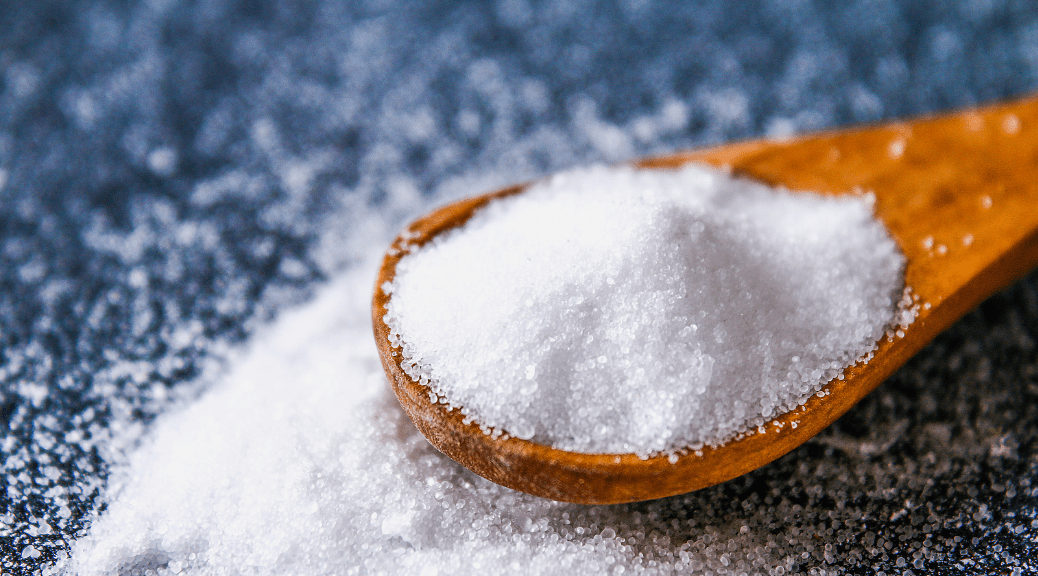
A simple yet very important ingredient like salt these days is available in different variations including iodized, low-sodium, rock salt, double fortified salt, etc. What is their significance? Is rock salt healthier than the normal salt? Will reducing salt make you iodine deficient? Does salt have only culinary and taste purposes or is it important for your health as well? Learn about these and much more in this article.
Richa Pande
Salt has been an integral part of our lives since time immortal. It enhances the flavour of our recipe, making it more palatable. Salt has also been used extensively and effectively used for food preservation. Salt can prevent growth of the bacteria in food preventing food spoilage. Therefore, pickles last so long. Historically, salt has always been accorded high value. This is why salt was taxed extensively throughout the world and high taxations on salt have caused revolts like that against Gabelle Tax in France in 1789 and the Salt Satyagrah led by Gandhiji in 1930 in India.
Salt contains 40 per cent sodium ion(Na +) and 60 per cent chloride ion(Cl–), by weight. Now why are these important for human body? Salt is the biggest contributor of sodium in our diet. Therefore, many times we use sodium as a synonym for common salt. Sodium and Chlorine are essential minerals required for fluid-electrolyte balance in our body. This is why we feel dehydrated or need to replace the electrolyte loss immediately when we sweat excessively or experience retching/diarrhoeal episodes. These electrolytes are also involved in aiding muscles and nerves to function well. Some studies have also linked low sodium diets with increased insulin resistance as well, but sodium deficiency is very rare due to presence of sodium in a lot of processed foods we eat daily. Salt is a common ingredient used in every household; it has been successfully used for decades for iodine fortification. Salt fortification has played a major role in reduction of iodine deficiency disorder in many counties worldwide.
However, we all know that excessive salt consumption can increase our chances of getting high blood pressure (hypertension), and other cardiovascular diseases. High salt intakes may also increase the growth of Helicobacter Pylori bacteria in our stomach and that can cause inflammation and gastric ulcers. Eating too much salt can also cause calcium deficiency. Therefore, the WHO recommends that adults should not consume more than 2300 mg of sodium, equivalent to 5 grams (1 teaspoon) of salt every day. Interestingly, as per a WHO report, Indians, on an average, consume almost 10 grams of salt every day.
It is therefore essential that we cut the amount of salt in our diet. We need to control our urge to add excessive salt to our recipes, avoid adding table salt to our preparations at home, and distance ourselves from food items with added salt like biscuits, chips, bakery foods, papads, etc. We can refer to food labels on packed products to ascertain how much sodium these items contain and keep 2300 mg of sodium as the upper limit for our daily consumption.
But if we cut the salt intake, will we become deficient in iodine? Again, let’s try to understand.
It is common knowledge that Iodine is an essential mineral and it’s deficiency can cause several health disorders. Salt is a major source of iodine in our diet. Can our attempts to reduce salt intake make us iodine deficient? As per the National Institutes of Health Factsheet on iodine, 3 grams of salt i.e. a bit more than half a teaspoon of iodized salt is sufficient to meet our iodine needs. If someone wishes to cut the salt beyond this limit, then they can still get iodine from other dietary sources such as- seaweed, eggs, dairy products and dried plums, also known as prunes. One must also note that too much consumption of iodine (from iodized salts and other dietary sources) can push someone to develop hyperthyroidism and could worsen it if the person already has hyperthyroidism.
Now let’s know more about different salt varieties in market-
Rock salt is known as ‘sendha namak’ in India. Black Salt is a type of rock salt. It is known as Kala Namak in India. Rock Salts contain fewer additives than the regular table salt. For example, it does not contain anti-caking agents which are added in normal salt to prevent forming of lumps in the presence of moisture in the air.
These days some rock salts are combined with sodium and iodine sulphates as well and mixed with charcoal and then heated. If you are looking exclusively for natural salts, check the ingredients list on food labels of the pack.
Sea salt is most commonly manufactured by directly evaporating the seawater. Salts labelled as ‘Sea Salt’, these days usually do not undergo any processing or are minimally processed. The good thing about unprocessed sea salt is that it has traces of some minerals like magnesium, potassium, calcium, etc. in it. But it has some health concerns as well. Some studies reveal that sea salts can be contaminated with microplastics. Sea salt has also been found to be contaminated by fungi. This can cause food spoilage and could be toxic as well. Table salt on the other hand is processed for iodine fortification and also with the objective of making it free flowing in nature.
Double fortified salt is available in market these days that contains both iodine and iron. It could be used by anaemics and people desiring to prevent iron deficiency. It must be kept in mind that if you are already taking a lot of iron in your diet from other sources, you should avoid it or use it in rotation with other salts.
Low -Sodium Salts are also known as salt substitutes. These salts have lower sodium levels which is usually substituted by potassium. These salts are recommended for hypertensive people and research confirms that its consumption could be helpful in lowering systolic and diastolic blood pressure in people with high blood pressure. Based on present evidence, it can be recommended only for pre-hypertensive and hypertensive people. However, more research is needed to establish this viewpoint.
Choose any salt as per your preference but with this cautionary note that it’s best to consume salt in moderation regardless of the type you choose. And if you are planning to switch to rock salt completely, seek a dietitian’s help to include iodine rich sources in your meals because remember iodine is essential for you.
Related
The page you requested could not be found. Try refining your search, or use the navigation above to locate the post.

If you haven’t been living in a cave since the last few centuries, it is very likely that you have heard of or have experienced eating instant noodles at least once in your lifetime. They are an easy to cook option that can be readied within minutes and tastes good too. In case the recent reports on how instant noodles might have a few harmful ingredients like lead have bothered you, and you want to know why are instant noodles bad or good then you are on the correct webpage. Here we’ll let you know the pros and cons of instant noodles and let you decide whether you want to include them in your menu or not.
If you are wondering why are instant noodles bad then the answers are mentioned right here:
In essence, it can be said that eating instant noodles occasionally is not bad and while doing so, you should pick the options that are made from whole grains, have low sodium and have more fiber content. You should also add a good source of protein like chicken or eggs or paneer along with vegetables to the noodles to make it healthier. Consider them to be a diet indulgence, not an essential part of your diet and stick to a healthy diet if you want to indulge in instant noodles occasionally.
Related
The page you requested could not be found. Try refining your search, or use the navigation above to locate the post.

How good it would be if with the accumulation of money, there is a bumper exemption on tax as well. Tax exemption also means a kind of savings. This savings money can be put to good use elsewhere. There is a scheme named Equity Linked Saving Scheme or ELSS, with the help of which one can save up to Rs. 46,800. Let’s check it out here.
Subas Tewari
Compared to Fixed Deposit or NPS, ELSS offers many tax saving facilities along with giving higher returns. Mutual funds earn more than FDs or NPS. Therefore, people who invest in ELSS funds or equities consider ELSS to be more effective. ELSS is such a fund which gives maximum returns with minimum lock-in period. ELSS is actually a combination of large and medium size stocks. This fund has been designed in such a way that it is easy for the person taking it to save tax. If you hold this fund for a longer period, there are many possibilities of growth and higher returns. There are many features of this fund. For example, you can start it by investing at least Rs 500. Investment facility is also available in this through SIP. The minimum lock-in period of 3 years is available in this fund. That is, after 3 years, you can easily leave this fund and withdraw your money. The biggest feature is that with the help of this fund, a taxpayer can save up to Rs 46,800.
There is a limit on the minimum deposit amount in this fund to save tax. In this fund, you get a minimum deposit of Rs 500 and a maximum of Rs 1,50,000. How much you will earn from this fund depends on your deposit amount and market conditions. If we look at the track record of the last one year, then the situation is satisfactory because mutual funds along with shares etc. have also given good returns.
Actually, ELSS fund is a type of tax saving fund in which most of the funds are deposited in equity schemes. Equity funds are such schemes in which money is invested in the shares of companies. Companies are decided under equity according to the capital in the market and are invested in them. If a person deposits Rs 1.5 lakh in ELSS every year, then one can save tax of Rs 46,800 under section 80C of Income Tax. Also, it is allowed to invest more than Rs 1.5 lakh.
ELSS is considered to be much better than those who follow the traditional methods of tax saving. Compared to Fixed Deposit or NPS, ELSS offers many tax saving facilities along with giving higher returns. Mutual funds earn more than FDs or NPS. Therefore, people who invest in ELSS funds or equities consider ELSS to be more effective. The biggest thing is that the lock-in period of ELSS is very less as compared to FD or NPS. That is, the possibility of high returns in a short time can be found in ELSS.
ELSS can be invested by any person who wants to reduce his income tax under section 80C by investing money in tax saving scheme. It is an equity investment, so those who invest money for a long term and expect returns, who are less concerned about market risk, can make the most of this fund. Since ELSS has a lock-in period of 3 years, the fund is taxed on the basis of long-term gains. If earning more than Rs 1 lakh then interest of 10 per cent will have to be paid.
There is no need to deposit a lot of money in this fund at once. That is, you do not need to take the tension that you will deposit a lot of money, only then you will be able to take advantage of this tax saving scheme. You can enter this scheme with very little money. By taking out the average of this fund every year, you can start investing with the same money. There is no need to make huge payments for each unit of the fund. If you want, you can start investing from 500 rupees. This also gives you discipline in investing.
ELSS is a mutual fund scheme and is quite similar to diversified equity fund of Mutual Fund. As the name suggests, the scheme primarily invests in equity market by buying equity stocks of companies listed on the stock exchanges. The units of the scheme are offered at the NAV (Net Asset Value). The NAV is announced for all business days and keeps changing primarily depending upon the movement in the prices of stocks held in the portfolio of the scheme in relation to market fluctuations. Mutual Fund ELSS is a good tax-saving instrument but still is not invested in large numbers by tax-savers. So, this article is just to wake them up and take notice of this tax-saving investing option so that there is maximum participation of the public from all walks of life.
It is most likely that the Direct Tax Code (DTC) proposed by the Government will come into effect (sooner than later), and your most dependable tax saving section – Section 80C of the Income Tax Act would undergo amendments. While the DTC includes a proposal to increase the eligible deduction under Section 80 C, Equity Linked Savings Schemes (ELSS) -also known as “tax saving mutual funds”, would no longer continue to be a part of eligible tax saving instruments, thus leaving you with fewer market-linked investment options to accelerate the process of wealth creation.
YES. This is an important aspect of tax-planning especially when you look at ELSS as a tax-saving option. The following are the factors that could be considered.
If you have financial goals set in your life, the same too should influence the way you do your tax planning and invest in tax saving instruments. So, say for example your goal is retiring from work 5 years from now, then your tax saving investment portfolio should be less tilted towards market-linked tax saving instruments, as you are quite near to your goal and your regular income will cease. Likewise, if you are many years away from the financial goal, you should ideally allocate maximum to market-linked tax saving instruments and less towards those instruments (tax saving) which provide you assured returns.
It refers to your ability to take risk while investing, and it is totally dependent on your age, income, expenses, and nearness to your goal. So, if your willingness to take risk is high (aggressive), you can tilt your tax saving investment portfolio more towards the market-linked instruments such as ELSS. But if you have a moderate-risk profile, then you can take a mix of 60:40 into market-linked tax saving instruments and assured return tax saving instruments respectively.
Thus, now if you are young, income is higher, and therefore willingness to take risk is highest along with your financial goals being far away; you may look at ELSS mutual funds to avail a tax benefit under Section 80C. Please note that ELSS mutual funds are 100 per cent diversified equity funds and a distinguishing feature about them is the compulsory lock-in period of 3 years brings in financial discipline towards holding one’s investments for the long-term. For investment in ELSS, there is a minimum investment amount of Rs. 500 which is unlike the other equity-oriented funds (which generally demand Rs. 5,000 as the minimum investment amount).
It is said that if your income is high, your willingness to take risk is generally high. This can work in your favour, as you can allot your portfolio more towards equity-related instruments such as ELSS, and make your portfolio appear more aggressive. Similarly, if your income is not high enough, you can invest in other tax-saving instruments which provide you assured returns.
Your age should determine your asset allocation. If you are young, you can take more risk and vice-versa. Hence, for prudent tax planning too, if you are young, you should allocate more towards market-linked tax saving instruments such as ELSS. Moreover, you would also enjoy the advantage of greater investment tenure which would enable you make more aggressive investments and create wealth over the long-term to meet your financial goals.
Ideally while evaluating ELSS mutual funds, one should assess their performance over a 3-Yr time frame, as this would enable you to judge whether they have created wealth for your post- lock-in period.
Moreover, the Fund has to ensure to its investors to fairly low-risk, but should provide risk-adjusted returns thereby making it a low risk-high return investment proposition in the category.
Also, the returns should have been achieved by the Fund without indulging in much portfolio churning.
You can get full tax benefit of investment under section 80 C of Income Tax Act. Maximum taxable limit is Rs. 1, 50, 000 for the current Assessment Year.
Shortest lock-in period (period during which payment will not be made if you go in for tax benefit)
Lock-in period of ELSS is 3 years which is shortest in comparison to any other tax saving investment. This lock-in period is the only difference between diversified equity mutual funds and ELSS. When compared to bank tax-saving FDs, ELSS scores over them as bank FDs have a lock-in period of 5 years.
Any profit/ capital gain you have from ELSS is completely tax free. If you compare the returns from NSC and Tax-Shield Bank FDs, these are completely taxable and paid interest is added to your income for tax computation. So, you end up paying tax on interest received. Only PPF Offers tax- free returns but it has a maturity period of 15 years.
ELSS schemes give dividends on regular intervals and the dividend you receive is tax free.
Say if you invest Rs. 15, 000 in ELSS Scheme, your Rs. 15, 000 is invested in ELSS Mutual Fund. You have to decide how much do you want to pay your financial advisor. Take a word of caution: some insurance agents sell ULIPS as Mutual Fund + Insurance with lots of ‘load’ expenses.
Equity funds can be volatile in the short run, but have been known to beat inflation and create wealth over the long run. If you are looking at investing some money that you won’t need in future, and are willing to stand atop the ups and downs of the market, you may find ELSS an ideal tax saving option.
In SIP, you invest a certain amount each month in a fund. It’s an effective way of investing in ELSS as the concept of rupee cost-averaging and the power of compounding works well. Even if you have done your tax planning for this year, start from 1st AUGUST, 2015.
The investors and tax-saving public sometimes think of ELSS funds and ULIPs as alternatives. This is a mistake as functionally, there is nothing common between ELSS funds and ULIPs. It’s a basic rule of saving not to mix insurance with investments. ELSS and ULIPs are two different products that serve different purposes.
| ELSS | ULIP |
|---|---|
| ELSS is an equity fund in the market | ULIP is a mix of life insurance and investment offered by life insurance companies |
| ELSS have predictable cost, and easily understandable returns and are transparent about how the fund operates and what it invests in | From the premium paid, the insurer deducts charges towards life insurance (mortality charges), administration expenses and fund management fees. So only the balance amount is invested |
| Only payment of Fund Management Charge (as expenses) per year is applicable | ULIPs have high first year charges towards acquisition (including agents' commissions) |
| The total investment under ELSS is in Equity Funds only | In a ULIP, the mix of investment and insurance prevents savers from having a clear cost-vs-benefit understanding of either of the two components |
| In ELSS there in no fixed period of maturity except for the lock-in period as the Fund is open-ended | With an ULIP, you have to block your money for long periods of time. So you sacrifice on transparency and liquidity. |
| ELSS has a 3 years lock-in period | ULIPs have 5 years lock-in |
| ELSS has no switching facility of funds as it is controlled by the Fund Manager | ULIPs provide for ‘switch’ from one fund to another |
ELSS is one of the popular tax saving option for savvy investors, as not only that ELSS is a diversified equity mutual fund which has a majority of the corpus invested in equities, but also that it has a lock-in period of 3 years from the date of investment. The returns from investment in ELSS are based on schemes from equity markets. Returns from ELSS schemes are also tax-free.
Based on previous years’ returns, some of these funds have grown 3 times in 5 years. There is also no limit on investment in ELSS funds, but you can claim tax deduction of up to Rs.1,50,000 under Section 80C of the Income Tax Act.
ELSS is always better to invest-
| Parameter | PPF | NSC | ELSS |
|---|---|---|---|
| Tenure | 15 years | 6 years | 3 years |
| Returns | (Compounded Annually) 8.80 % ^ | (Compounded half-yearly) 8.60 to 8.90 % ^ | Not assured dividends/ returns |
| Minimum investments | Rs.500 | Rs. 100 | Rs. 500 |
| Maximum investments | Rs.1,50,000 | No limit* | No limit* |
| Amount eligible for deduction under Section 80C | Rs.1,50,000 | Rs.1,50,000 | Rs.1,50,000 |
| Taxation for interest | Tax free | Taxable | Dividends and capital gain tax free |
| Safety/ Rating | Highest | Highest | High Risk |
Related
The page you requested could not be found. Try refining your search, or use the navigation above to locate the post.
The popularity of instant noodles has come to the point where we almost count it as our essential grocery item. It meets our untimely hunger pangs and sometimes get served as breakfast and evening snacks as well in a few households. While the acceptance of this product among all age groups is unanimous, the product is still subject to careful investigation for consumption. Does it contain required amount of salt? How much is the toxic content? If we care to make ourselves informed with all these facts, then this piece of reading is for you. Here, we tested five popular instant noodles and ranked them as per their performance scores. The test has been conducted in a NABL accredited lab ensuring only the best makes the cut. Here’s a report.
A Consumer Voice Report
Instant noodle is a ready to cook and consumable product prepared from wheat flour or other flours as the main ingredient. Instant noodle is characterised by the use of pregelatinization and dehydration processes either by frying in any oil or fat. Such products then get presented as fried noodles or non-fried noodles.
“Instant Noodle,” gets prepared with wheat flour or rice flour or flour of any other cereals, millets and legumes with or without the addition of herbs, condiments and seasoning, spices, iodised salt, sugar, wheat gluten by kneading the dough. It may be added with starches, dried fruits and vegetables, or their products or extracts, nuts, edible protein and egg powder, meat, poultry, marine or their products if required.
Normal noodles are mostly made of maida (the fine product made by milling or grinding wheat). Atta noodles are made of atta (the coarse flour product obtained by milling or grinding wheat). Atta contains more dietary fibres than maida. Fibre helps in better digestion and therefore, atta noodles are considered better than maida noodles. Yet, we also now have oats noodles in the market.
The testing has been conducted following the FSSAI standard/regulations; besides, consumer centric tests and product claims. As mentioned above, we have selected a NABL accredited lab for the product testing to maintain all fairness.
We singled out the following five instant masala noodles brands for comparative testing. The table below is to tell you succinctly which brand scored the highest.
| Rank | Overall Score (rounded off out of 100) | Brand | MRP (Rs) | Net weight (in grams) | MRP per 100 gm, Rs. | Best Before, months | Marketer /Manufacturer |
|---|---|---|---|---|---|---|---|
| 1 | 92 | Maggie | 12 | 70 | 17.14 | 9 | Nestle India Limited |
| 2 | 86 | Wai Wai | 60 | 360 | 16.66 | 9 | CG Foods |
| 2 | 86 | Top Ramen | 64 | 420 | 15.24 | 10 | Indo Nissan Food Pvt Ltd |
| 2 | 86 | Smith Jones | 68 | 360 | 18.88 | 9 | Capital Food Pvt Ltd |
| 3 | 84 | Snac Tac | 70 (buy one get one free) | 300 | 23.33 | 9 | Reliance India Limited |
Note: Snac tac has “buy one get one free” offer. Hence its effective price is Rs.35 for 300 gm
Maggi
Top Ramen
Comparative performance of instant masala noodles
| Brand Parameter | Wt. % | Maggi | Wai Wai | Top Ramen | Smith & Jones | Snac tac |
|---|---|---|---|---|---|---|
| Physico-chemical tests | ||||||
| Moisture | 5 | 4.20 | 4.85 | 4.30 | 4.33 | 4.03 |
| Carbohydrate | 3 | 2.69 | 2.63 | 2.97 | 2.79 | 2.55 |
| Total protein | 10 | 9.85 | 8.50 | 8.50 | 8.35 | 7.30 |
| Fat | 5 | 4.14 | 4.60 | 4.08 | 4.28 | 4.32 |
| Saturated fat | 5 | 3.60 | 2.90 | 2.70 | 3.00 | 3.40 |
| Trans fat | 5 | 4.60 | 4.90 | 3.10 | 5.00 | 4.90 |
| Energy | 4 | 3.26 | 3.88 | 3.31 | 3.46 | 3.17 |
| Acid insoluble ash | 7 | 6.44 | 5.88 | 6.86 | 3.92 | 7.00 |
| Sodium (as Na) | 4 | 3.72 | 2.74 | 3.72 | 3.16 | 3.16 |
| Acid value of extracted fat | 7 | 7.0 | 6.58 | 6.72 | 6.02 | 5.46 |
| Lead | 2 | 1.7 | 1.2 | 1.8 | 1.8 | 1.5 |
| Arsenic | 2 | 2.0 | 2.0 | 2.0 | 2.0 | 2.0 |
| Mercury | 2 | 2.0 | 2.0 | 2.0 | 2.0 | 2.0 |
| Total aflatoxin | 3 | 2.0 | 2.0 | 1.91 | 2.0 | 1.93 |
| Net Weight | 2 | 2.0 | 1.94 | 2.0 | 2.0 | 2.0 |
| Cooking time | 4 | 3.60 | 3.52 | 3.60 | 3.60 | 3.20 |
| Sensory panel tests | 25 | 24.06 | 21.19 | 21.68 | 23.20 | 21.12 |
Sensory Panel Test | Acid Value of Extracted Fat| Acid insoluble ash| Total Protein| Fat| Trans Fat| Saturated Fat| Moisture| Energy Value| Total Carbohydrate| Cooking Time| Total Aflatoxin| Net Weight| | Sodium| Mercury| Arsenic| Lead| Marking |Packaging
Sensory panel tests
This is a very important parameter where subjective panel tests have been conducted in a laboratory, based on their critical examination and opinion of panelists. During this test, we determine the overall sensory quality of the product. We conducted the sensory tests against colour and appearance, flavour/ aroma, taste and after taste, texture and overall acceptability. These tests have been done in the lab involving panel members under the supervision of trained experts. The average score of all the panel members have been given in the below tables.
The noodle shall be of good characteristic colour, appearance, texture, aroma and taste and shall be free from undesirable taste, dirt, insect’s larvae and impurities or any other extraneous matter.
| S.no | Brands | Overall Score ou of 25 |
|---|---|---|
| 1 | Maggi | 24.06 |
| 2 | Smith Jones | 23.20 |
| 3 | Top Ramen | 21.68 |
| 4 | Wai Wai | 21.19 |
| 5 | Snac tac | 21.12 |
Maggi performed on top followed by Smith & Jones and Top Ramen. Maggi performed highest score in all the sensory attributes and preferred by the panelists.
Determination of acid value is used as a general indication of the condition and edibility of oils. Acid value shall not be more than 2.0. Acid value of Maggi was lowest and it was highest in Snac tac but within the specified limit.
Acid insoluble ash (on dry matter basis)
Acid insoluble ash indicates the presence of impurities i.e. dirt and dust. As per FSSAI, acid insoluble ash content should not be more than 0.3 per cent by mass. All the brands have been found with acid insoluble ash well within the prescribed limit of 0.3 per cent by mass. However, the substance has been found lowest in Snac tac followed by Top Ramen.
Total protein (N x 6.25), percentage by mass
Higher protein intake is beneficial for health and it is an essential nutrient in diet. Protein plays an important role in the cellular maintenance, growth, and functioning of the human body. Protein is generally considered good. Highest protein has been found in Maggi and lowest in Snac tac.
Trans fat
Trans fat is double trouble for the health of the heart. It increases bad cholesterol and lowers good cholesterol in the body. Just like saturated fats, they also raise the level of “bad” cholesterol in our blood. Trans fat has been found between 0.01 to 0.20 per cent. It has been found highest in Top Ramen and lowest in Smith & Jones.
Fat
Fat is a main source of energy. Fats should be largely consumed in the unsaturated form. The consumption of unsaturated fatty acids especially mono and poly unsaturated fatty acids should be encouraged in everyday diets. As per the dietary guide lines, adults with sedentary lifestyle should consume about 25 gm/day of visible fat, while individuals involved in hard physical work require 30-40-gms/day of visible fat. No requirement has been specified in national standard. Fat has been found between 15.4 to 18.0 per cent by mass. Highest fat has been found in Wai Wai and lowest in Top Ramen.
While consuming healthy fats is a good idea, most instant noodles are high in saturated fat, which is directly tied to coronary heart disease and strokes. Take one look at the total grams of fat on the nutritional label, and you’ll find that about half of the total fat in noodles is saturated fat. There is no requirement specified in national standard. We’ve found lowest saturated fat in Maggi followed by Snac tac and Smith & Jones. We found highest saturated fat in Top Ramen.
Moisture shall be within the specified limit (10 per cent maximum) as per the FSSAI regulation. Higher content of moisture may spoil the product. As per the FSSAI regulation, moisture content in instant noodle should not be more than 10 per cent in fried noodles and 13 per cent in non-fried noodles. All the brands have been found well within the prescribed limit. We’ve found the moisture content lowest in Wai Wai and highest in Snac tac, however, they are well within limit.
The energy value of a food indicates its value to the body as a fuel. Energy value is the number of calories which our body obtains from the foods. There is no requirement prescribed in Indian standard. We’ve found it highest in Wai Wai and lowest in Snac tac.
Carbohydrate is the source of energy. However, the national standards do not suggest its inclusion in noodles. We found it highest in Top Ramen and lowest in Snac tac.
We cooked the noodles following given instructions on the product labels. We calculated the cooking time excluding time required for boiling of water. It may be noted that all the brands have declared the cooking time in the range of 2 to 3 minutes, excluding time for boiling water. Maggi, Top Ramen and Smith & Jones took least time (3 mins) in cooking and Snac tac took highest time (4 mins).
Aflatoxins are highly toxic compounds and can cause both acute and chronic toxicity in humans. It shall be 30 µg/kg maximum. We detected it in Top Ramen and Snac tac, but well within the specified limit.
Sodium (as Na), percentage by mass
Sodium is a mineral commonly referred as salt. Sodium is a naturally occurring mineral found in many different foods. It is used for seasoning as well as food preservation. Salt also inhibits the growth of bacteria in food articles. Sodium helps to control the amount of water in the body. WHO’s recommendation on sodium consumption for adults is 2-g sodium/day (equivalent to 5-g salt/day). Excess sodium intake is an important determinant of hypertension and cardio-vascular (CV) risk. We found sodium highest in Wai Wai and lowest in Maggi.
Net weight
Net weight of a product should be as per the declaration and shall not exceed the tolerance limit of legal metrology.
Net weight in all brands except Wai Wai has been found to be above the declared weight. In the case of Wai Wai, the difference between the declared value and the actual value was within the permissible limit.
Lead (as Pb)
Lead is a toxicant that affects multiple body systems, including your liver and kidneys in particular. It is especially harmful to infant and pregnant women as it can cause damage to the central nervous system in children. It shall be not more than 2.5-mg/kg. Lead has been found between 0.2 to 0.8-mg/kg. However, all the brands have been found well within the specified standard limit.
Arsenic (as As)
Arsenic can have immediate toxic effects. Ingestion of large amounts can lead to gastrointestinal symptoms such as severe vomiting, disturbances of the blood and circulation, damage to the nervous system, and eventually death. It shall not be more than 1.1-mg/kg. All brands we found below the detection limit (LOQ-0.1mg/kg).
Mercury (as Hg)
The inhalation of mercury can cause neurological and behavioural disorders, such as tremors, emotional instability, insomnia, memory loss, neuromuscular changes and headaches. They can also harm the kidneys and thyroid. High exposures can lead to death.
It shall not be more than 1.0mg/kg. All brands have mercury level below the detection limit (LOQ-0.1mg/ kg).
Packing
The material shall be packed in moisture- proof material or in suitable plastic film or moisture proof bags sealed to prevent ingress of moisture. The material has been packed in poly packs and sealed to prevent ingress of moisture.
Marking
Each container shall be legibly and indelibly marked with the following:
We found all brands with necessary marking requirements.
Conclusion: We purchased five brands of instant masala noodles from the retail markets. We tested the brands on various parameters including total protein, acid-insoluble ash, acid value, fat, carbohydrate, cooking time, sodium and toxic metals. We assigned high weightage (25 per cent) to the sensory tests which includes colour/appearance, taste, flavour/aroma, texture and overall acceptance parameters.
Brand Maggi has topped in overall score and therefore ranked number 1 followed by Wai Wai, Top Ramen and Smith & Jones. Maggi was mostly preferred in sensory panel tests followed by Smith & Jones and Top Ramen. Toxic metals as lead, arsenic and aflatoxin have been found well within the specified limits. All the brands have met the standard requirement. However, as noodles are added with saturated fat and salt, limited consumption is suggested.
Related
The page you requested could not be found. Try refining your search, or use the navigation above to locate the post.