No Results Found
The page you requested could not be found. Try refining your search, or use the navigation above to locate the post.

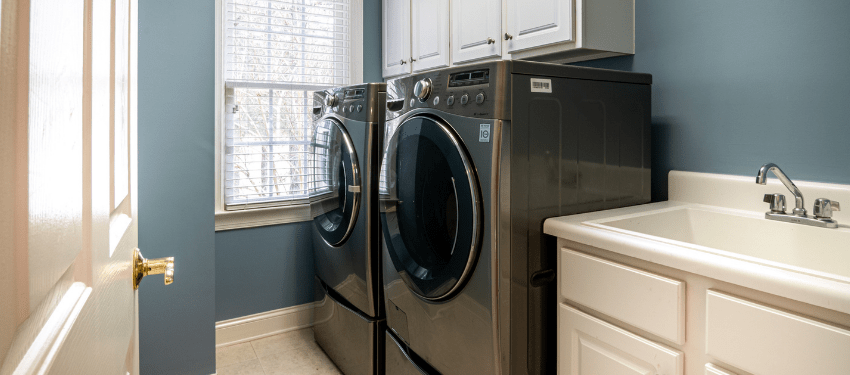
Automatic machines do everything themselves: after you choose the wash programme, the machine will fill water itself, go through the wash cycle, rinse, drain the water, and then do the spin cycle to remove all the excess moisture – all in the same drum.
Semi-automatic: The semi-automatic model needs to be manually filled with water before the wash begins (and then drained and filled with water again for the rinse cycle). You will also have to transfer your clothes from the wash drum to the spin compartment. In this way, you have more control over the washing process, but it is also more labour-intensive. These machines tend to have fewer special features and cycles than automatic washing machines, which is why they are also more affordable. Top-selling brands are LG, Samsung, Whirlpool, Haier.
If you have continuous water supply (hot and normal), you may prefer going for one of the front-loading models as the wash quality is better and they are relatively more energy- and water-efficient. Although about 10 to 20 per cent costlier, they are worth considering. Avoid going for machines loaded with complex features and selections as these may only end up complicating the washing. Four to six selections are adequate for satisfactory washing. For better cleaning of heavily soiled clothes, prefer to use soak mode during prewash.
The page you requested could not be found. Try refining your search, or use the navigation above to locate the post.
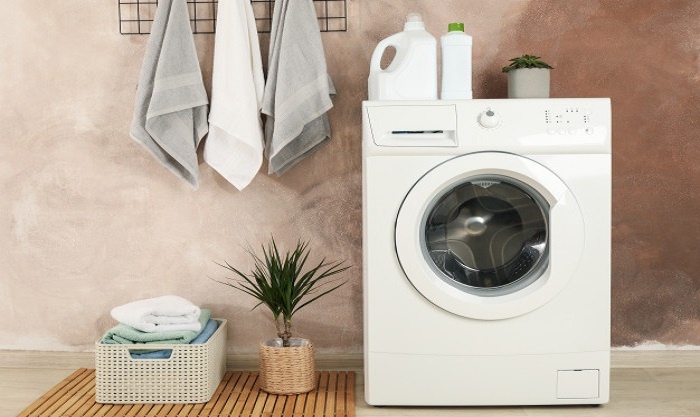
We evaluated top washing machine brands on parameters including energy efficiency, water consumption, price and warranty to help you choose the right product.
The market in India today is filled with a variety of brands and Consumer VOICE has surveyed products to help you with your best choice.
Wash, rinse and dry your clothes with ease with the best washing machines.
We have compiled a Washing Machine Guide to help you decide the features that meet your requirements and you end up making the right informed choice!
When you decide to finally shop for a washing machine and get rid of the hassle of washing clothes by hand, one question that comes to mind.
You might spend somewhere between INR 8000 to 80, 000 on a washing machine and its usage can account for as much as 20 per cent of the electricity you use.
One of the few things that makes people anxious is the rising cost of the utility bills. If you are also among those countless Indians who want to reduce the energy.
The page you requested could not be found. Try refining your search, or use the navigation above to locate the post.
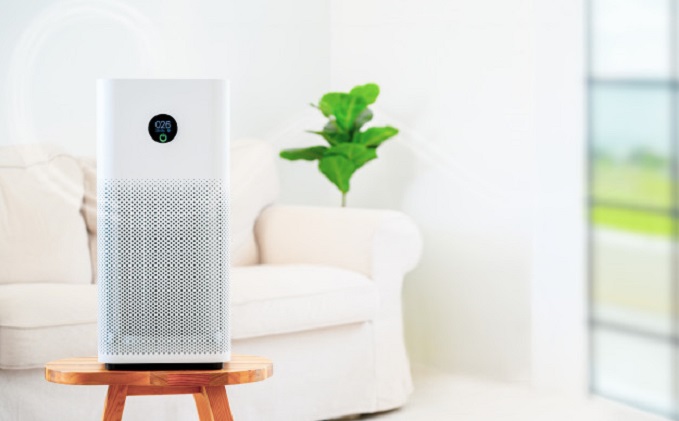
Air Purifiers are the need of the hour. It can refresh stale air and can reduce the chances of health issues caused by air pollution, which can trigger respiratory infections or aggravate symptoms in asthma sufferers. Quality air purifiers eliminate several types of indoor air pollutants, keeping us healthy.
However, for people who are buying air purifiers for the first time it is important to know some terms as it can be confusing for first-time buyers. It is important to know the terms as there is a good chance you will acidentally select an air purifier that isn’t right for your home. To make the most informed buying decision, it’s important that you know the terms that are used by the manufacturer and seller.
MERV : Minimum Efficiency Reporting Value (MERV) is a standard that rates the overall effectiveness of air filters, specifically large purifiers intended to clean an entire house or building. Higher-value MERV rating equates to finer filtration, meaning fewer dust particles and other airborne contaminants can pass through the filter.
CADR: The clean air delivery rate tells you the volume of filtered air that the device can blow out. This is critical because a higher CADR number is what you are looking for.
ACH: This stands for air changes per hour. Each purifier comes with a room size rating. What is important is how quickly the purifier can change all of the air in that given space per hour. ACH rating of six to eight is a must.
CFM: The cubic feet per minute measures how many cubic feet of air move through the unit per minute. You need a higher CFM.

267 million tobacco users in India.
Among people above 15 years, 28.6% of the population currently uses tobacco products
Among youth (ages 13-15 years), 14.6% currently use some form of tobacco (boys 19.0%; girls 8.3%) and 4.4% smoke cigarettes and 12.5% use other tobacco products.
12.1% of daily users of smokeless tobacco aged 20-34 had started using smokeless tobacco when they were younger than age 15 and 36.2% of daily smokeless tobacco users aged 20-34 had started smoking or started smokeless tobacco use when they were minors i.e. younger than 18 years.
The prevalence of tobacco use varied across the states/UTs from 64.5% in Tripura to 9.7% in Goa. The mean number of cigarettes smoked per day by a daily cigarette smoker was 6.8 and the mean number of bidis smoked per day by a daily bidi smoker was 15.1.
Tobacco use is a major risk factor for the four main Non-communicable Diseases (NCDs) — cardiovascular disease, cancer, chronic lung disease and diabetes, which puts people with these conditions at higher risk for developing severe illness when affected by COVID-19. Smokers are likely to be more vulnerable to COVID-19 as the act of smoking means that fingers (and possibly contaminated cigarettes) are in contact with lips which increases the possibility of transmission of virus from hand to mouth. Experts have confirmed that smokers are more likely to develop severe symptoms or die from COVID-19, as it primarily attacks the lungs. Further smoking products such as water pipes or hookah often involve the sharing of mouth-pieces and hoses, which could facilitate the transmission of COVID-19 in communal and social settings. Read more
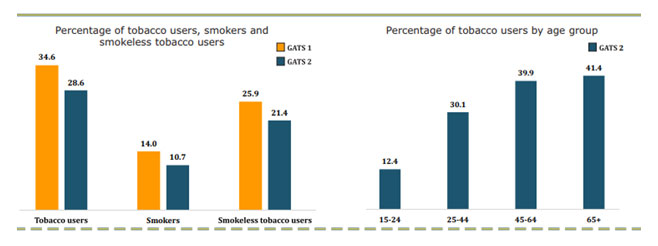
(Source : Ministry of Health and Family Welfare)
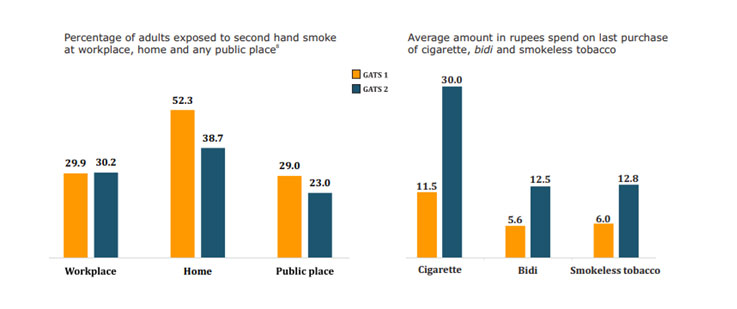
(Source : Ministry of Health and Family Welfare)
The Parliament of India passed the “ Prohibition of Electronic Cigarettes (Production, Manufacture, Import, Export, Transport, Sale, Distribution, Storage, and Advertisement) Bill, 2019” by voice vote and with long discussion in both the houses (Lok Sabha & Rajya Sabha). Read More
The Global Adult Tobacco Survey (GATS) is a global standard for systematically monitoring adult tobacco use (smoking and smokeless) and tracking key tobacco control indicators.
GATS-1 was conducted between June 2009 and January 2010. The second survey was conducted between August 2016 to February 2017. It was conducted by Union Health & Family Welfare Ministry and Tata Institute of Social sciences. Comparing GATS-1 with GATS-2 we found an overall reduction in tobacco consumption at national level by 6% which is a very good news.
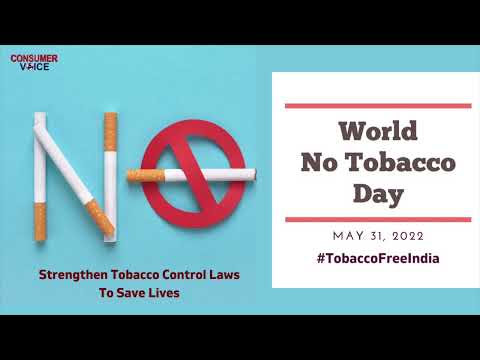
Tobacco products are easily available at every nook and corner. Easy availability is causing an increased use of tobacco and tobacco related products among all sections of the society. The harmful effects of tobacco are not unknown and therefore there is an urgent need to decrease the use of tobacco.
So, one of the important steps taken towards this is vendor mapping in various states with support from network of state partners.
Another effort of Consumer VOICE is sensitization of stakeholders through evidence based data to have laws to facilitate selling of tobacco through licensed shops so that one can put a curb on the mushrooming of tobacco stores everywhere.
Consumer VOICE is also working towards tobacco intervention focused on youth and children.
Shops authorized for selling tobacco products cannot sell any non-tobacco products such as toffees, candies, chips, biscuits, soft drinks, etc., which are essentially meant for non-user, especially children.
It is also ensuring no tobacco shops within 100 yards of any educational institution.
Sensitization of various stakeholders such as media, consumers and people working for the social cause through educational workshops and events.
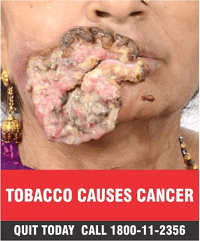
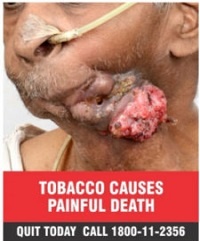
A series of strong actions have been taken at both the national and state level to curb the country’s enormous tobacco epidemic, which claims one million lives each year. These actions include large, graphic warning or pictorial warning that cover 85 percent of tobacco products. India’s warnings are among the largest in the world, showing that graphic warnings depicting the deadly consequences of tobacco use work to help current users quit and prevent people from starting to use tobacco.
To prevent use of tobacco it has to be a joint effort of the government and the people. The government is doing its bit by forming several legislations like banning smoking in all public places, prohibiting advertisement and promotion of all tobacco products and sale of tobacco to minors.Quit Today,’ a toll free helpline number (1800-11-2356) to be printed on all tobacco products.
Ashim Sanyal, COO Consumer Voice welcomed the decision of the Health Ministry and said that the “Health Ministry has implemented from April 2016, large pictorial health warnings occupying 85 percent on both sides of all tobacco packages of cigarettes, bidis and all forms of chewing products. He also said said that the vendor licensing is an effective way to manage random sale of tobacco products and aims at controlled sales through registered vendors.”
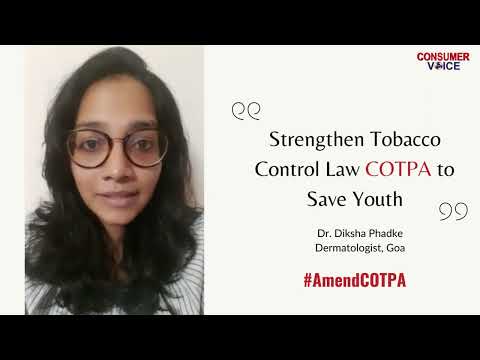
Cigarettes and Other Tobacco Products (Prohibition of Advertisement and Regulation of Trade and Commerce, Production, Supply and Distribution) Act, 2003 or COTPA 2003 prohibits advertisement of and sale and supply of cigarettes and other tobacco products in India. The Ministry of Health and Family Welfare took up several initiatives to create awareness about the harmful effects of tobacco use and tobacco products out of which pictorial warning is a hugely successful one.However, the key to success is the implementation of these measures.
Cigarettes and Other Tobacco Products (Prohibition of Advertisement and Regulation of Trade and Commerce, Production, Supply and Distribution) Act, 2003
Various Sections are hereunder: –
The specified health warning shall cover at least 85% of the principal display area of the package of which 60% shall cover pictorial health warning and 25% shall cover textual health warning and shall be positioned on the top edge of the package and in the same direction as the information on the principal display area.The tenure of the existing health warning was to end on March 31, however, the Government has extended the duration of existing health warnings on tobacco packs till August 31.
The Ministry of Health and Family Welfare, Government of India has notified new sets of specified health warnings for all tobacco product packs by making an amendment in the Cigarettes and other Tobacco Products (Packaging and Labelling) Rules, 2008 vide GSR 592 (E) dated 21st July, 2022 “The Cigarettes and other Tobacco Products (Packaging and Labelling) Third Amendment Rules, 2022”. The amended Rules will be applicable w.e.f. 1st December, 2022.
The new set of specified health warnings shall be-


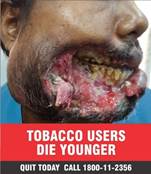
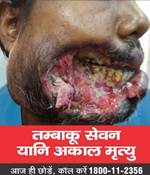
In view of the above, it is informed that;
July 2, 2019 | Business Standard
Several civil society groups across India lauded the ongoing efforts of the government … Read more
May 31, 2019 | ET HealthWorld.com
Even as the union health ministry continues its efforts to prevent the entry of e-cigarette …. Read more
May 31, 2019 | Health Issue India
The controversy over the e-cigarette industry in India shows no signs of abating as …. Read more
The page you requested could not be found. Try refining your search, or use the navigation above to locate the post.
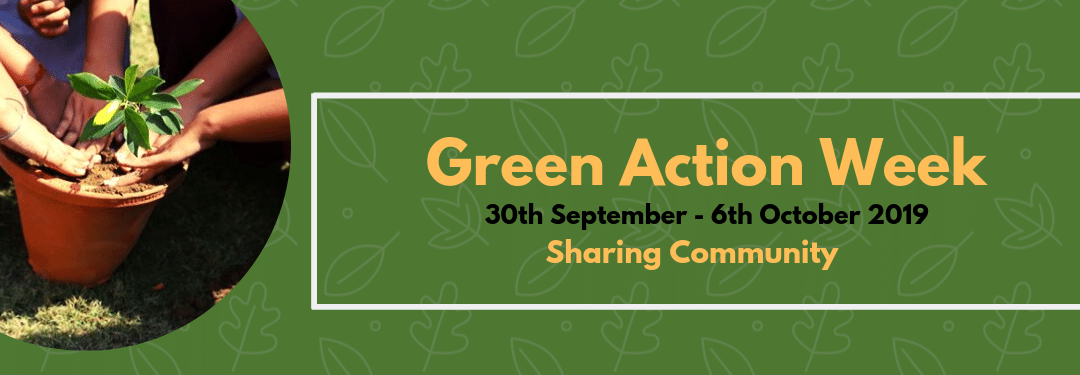
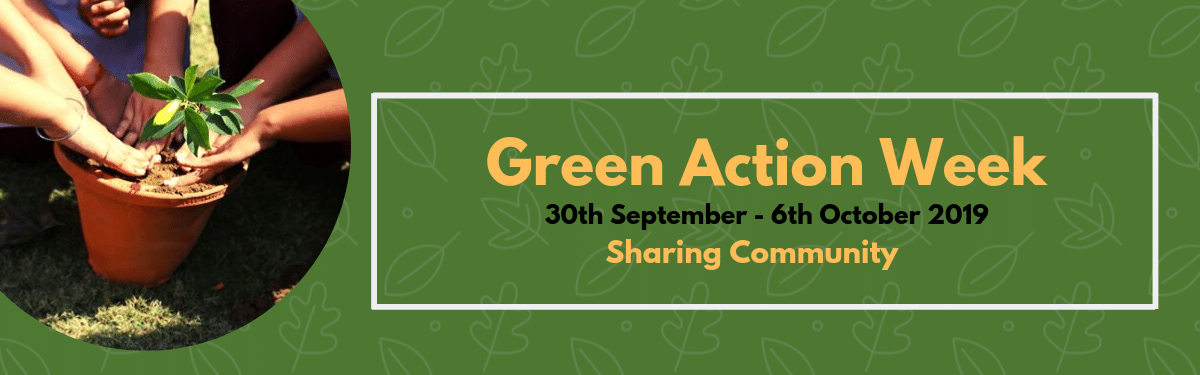
Green Action Week (GAW) is a global campaign held every year in October. It is an initiative by the Swedish Society for Nature Conservation (SSNC) and is carried out in coordination with Consumers International (CI). The theme of Green Action Week in 2019 is Sharing Community, extension of the same theme that was in 2018.
To ignite cultures of sharing and collaboration and to make sure everyone has sustainable access to goods and services. This time too Consumer VOICE is participating in the campaign through Community Sharing. Providing clear air to all is the main objective of Consumer VOICE this time, as we all know that with each passing day pollution level is rising to new heights and there is deep lack of clean and pollution free air in Delhi. The need to inculcate green practices is greater than ever before. We need to breathe clean and help others breathe as well.
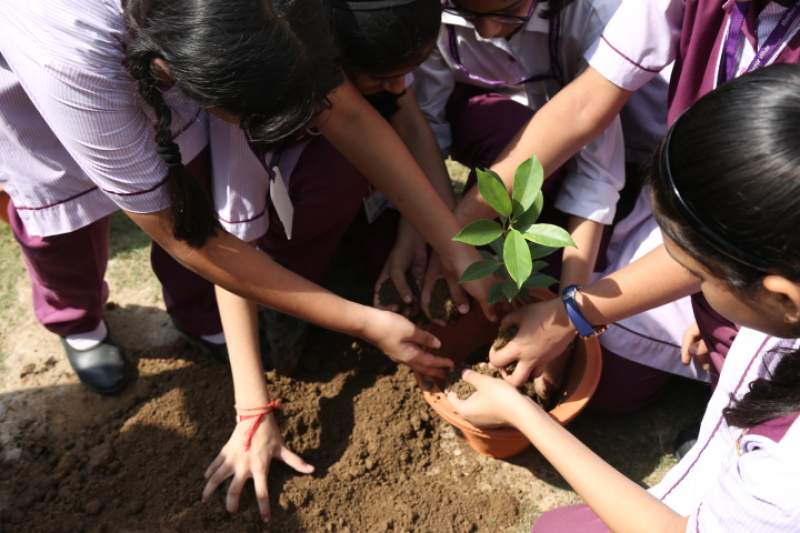
Not all people have equal access to the goods and services needed a decent life, and too much stress is being put on the planet. Green Action Week therefore focuses on sustainable consumption because it is crucial to tackle both the social and environmental causes of this crisis.
Through Green Action Week, Consumer VOICE wishes to reinforce the culture of sharing and giving it back to the community. One of the best tools in the fight against air pollution through community sharing is planting of trees and preserving them. Communities including school students, members of Resident Welfare associations, and women together can make a difference. A small step taken by all will result in a big change.
Last but not the least, gift a plant to preserve the environment!
Pollution level in Delhi is nothing new to the world. As per one of the studies, air pollution in Delhi is responsible for approximately 10,000 to 30,000 deaths in the city. This means the capital city loses 80 lives every day to pollution from PM 2.5. Planting of trees /anti pollution plants is one of the effective measures to tackle the problem of pollution and step towards sustainable environment.According to the latest data compiled in the IQ Air Visual 2018 World Air Quality Report and interactive world’s most polluted cities ranking, which is prepared in collaboration with Greenpeace Southeast Asia in order to reveal the state of particulate matter (PM2.5) pollution in 2018, Delhi had an average yearly PM2.5 concentration at 113.5 micrograms per cubic metre. The report is based on air quality data collected in 2018 from public monitoring sources, with a special focus on data which has been published in real-time or near real-time.
The page you requested could not be found. Try refining your search, or use the navigation above to locate the post.