Healthy Eating for Children

Healthy Eating for Children

Healthy Eating for Children

Healthy Eating For Children

Some fats are meant to be simply chewed and some to be digested. Though there is a negative feeling towards all types of fats but for children some amount of healthy fats are essential for growth and development.  Young kids require enough of them in their diet to help the brain and nervous system develop normally. Foods which are rich in monounsaturated and polyunsaturated fats like nuts, seeds, and fish and oils like olive are good for the overall growth of the child. 

The Good, Bad and Ugly Fats

There are three main types of fat – the good, bad and the ugly. “Good fats” have high-density lipoprotein (HDL), while the bad ones have low-density lipoprotein (LDL). Monounsaturated fats and polyunsaturated fats lower your LDL (bad) cholesterol while helping increase your HDL (good) cholesterol. Omega-3 fatty acids are a type of polyunsaturated fat and an essential fatty acid—meaning the body needs them to function but cannot make them so they must be obtained through foods. Some of the sources of good fats include:

  • Olive
  • Sunflower
  • Peanut
  • canola 
  • avocados
  • nuts

The bad fats may raise your cholesterol and are mainly found in animal products. They are mainly solid at room temperature. They are found in chicken with the skin on, whole-fat dairy products, butter, cheese, ice cream. 

The devil of all the fats is trans fats – which is made by adding hydrogen to liquid vegetable oils to make them more solid, thereby increasing the shelf life of foods. 

Trans-fats can be found in the following foods:

  • Fats And Oils: Vanaspati, Bakery Shortenings and Margarine
  • Baked Foods: Biscuits, Puff, Cakes, Pastries, Cookies, Cream Rolls
  • Fried Snacks: Puri, Pakodas, Namkeens, Jalebis, Gulab Jamuns, Boondi Laddus
  • Processed And Packaged Foods: Meat Pies and Sausage Rolls

What’s all the noise for?

These trans fats are considered hazardous to our health as it increases bad (LDL) Cholesterol and reduces good (HDL) Cholesterol.  These fats play a major role in the rise of non communicable diseases or NCDs, like heart and other cardiovascular diseases, and even cancer, according to some studies. 

As the child is in his or her formative years, it is crucial that they be introduced to some healthy eating from early on. Some of the severe health harms that trans fats may lead to are:

  • Excess inflammation 
  • Many non communicable diseases, like coronary disease, arthritis, and metabolic syndrome 

Consumption of trans fat has been linked to negative changes in lipoproteins, systemic inflammation, coronary heart disease, and diabetes mellitus. Evidence of processes leading to these conditions has also been found in children. 

What is India’s stand on trans fats

As per the World Health Organisation (WHO), approximately 5.4 lakh deaths take place each year globally because of intake of industrially produced trans fatty acids. The WHO has called for the elimination of industrially-produced trans fatty acids from the global food supply by 2023.

India has unveiled regulations to limit trans fat in oils and fats, an important step for public health that will prevent thousands of deaths every year. The Food Safety and Standards Authority of India (FSSAI) has announced that all edible refined oils, vanaspati, bakery shortening, margarines, vegetable fat spreads and mixed fat spreads may only contain up to 3% trans fats by January 2021 and 2% or less trans fats by January 2022. The move is the first step by FSSAI towards fulfilling its commitments made in 2018 to reduce trans-fats in both edible oils and in all foods. Within a week of capping trans fats in oil, FSSAI caps trans fats in foods. “Food products in which edible oils and fats are used as an ingredient shall not contain industrial trans fatty acids more than 2% by mass of the total oils/fats present in the product, on and from 1st January, 2022,” said the revised regulations notified recently and made public on February 5, 2021.

Some ways to keep fat intake within recommended ranges:

  • Increase concentration of fruits and vegetables in your child’s diet
  • When eating out, help kids make balanced choices that don’t include large amounts of fat. 
  • Choose healthier, unsaturated fats when preparing meals for your family
  • Pack healthier options for school lunches instead of packaged food
  • Opt for healthy snacks that are naturally free of trans fats: Mixed Nuts, Sprouts, Salads, Fruits, Yogurt
  • Do not repeatedly reheat oil or reuse the same oil for frying
  • Avoid using ‘vanaspati’ for cooking/frying.

It is never too late to start. Make a healthy eating environment at home, stay happy, exercise regularly and you will see children will make healthy eating a way of life!

Sustainable Living with Smart Home Technology

Sustainable Living with Smart Home Technology

Sustainable Living with Smart Home Technology

Top 5 consumer trends

With global warming on the rise and increasing concerns about our carbon footprint, it is time that we start adopting sustainable means of living. Although we have made leaps in waste management, we are yet to address the inefficient energy consumption due to our daily lifestyle. With Smart Home Technology, we can not only monitor this excessive use of energy but also reduce it significantly.

By Divyateja Kondeti, Co-founder and CEO, SmartDEN

Energy & Cost saving

Smart Home Technology can significantly reduce your expenses and help increase your saving as devices consume less electricity and monitor energy consumption. Homeowners can save anywhere between 20% to 30% on their electricity bills by embracing this technology. Here are some of the devices that can help you do the same:

Smart Thermostats 

Your home cooling & heating systems account for almost half of your electricity bill. Installing a smart thermostat can save about 10% every year by tweaking the HVAC (heating, ventilation, and air condition) system while not at home. Homeowners can schedule it to their daily routine, control it remotely, and get information via sensors and the weather forecast. Advanced smart thermostats have additional occupancy and temperature sensors that are installed throughout the home to know when you are away. Homeowners can also pair their thermostat with connected shades and fans to save even more money. 

Even though it is not a viable option for residential apartment owners, smart thermostats are the most popular energy-saving device amongst villa and independent homeowners.

 – Smart Lights & Switches

Lights being left switched on for no reason at all is a common occurrence. This negligence is a major drain on your electricity bill, as lighting takes up almost 20% of your monthly utility costs. Installing smart lights and switches can ensure that the lights are not being left on unnecessarily.

– Energy Monitoring

Energy monitoring allows you to monitor the energy consumption of all your smart devices and give you a detailed report of your consumption habits. The first step to adopting a better lifestyle is to understand what you are currently doing wrong. A smart home monitor is a device that will provide the reality check you need as homeowners will not only receive the complete data on their phone but the device will also give them suggestions to reduce their energy consumption.

– Smart Plugs

Most of our modern devices such as TVs, Gaming Consoles & Computers enter standby mode and continue to draw power even when not in use, instead of powering down completely. Although this allows them to communicate with other devices, get updates and perform faster, it is a complete waste of energy, when no one is around to use them. This is called “Vampire Draw” and it accounts for almost 20% of energy consumption in every Indian household. Using Smart Plugs, homeowners can completely cut the power, ensuring energy is not unnecessarily wasted.

Smart Home Technology is becoming more widely accepted as homeowners can understand that a smart home can be easily installed, is easy to use and can also be secure. Justified with complete remote control and its numerous cost-saving features, the initial investment of Smart Home Technology is no longer a barrier for homeowners, as all modern homes seem to be making the inevitable shift to Smart Homes.

Efficient & Environment Friendly

Think about it, how many times have you returned from work only to see your fans running & bathroom lights on. Leaving on the geyser and the oven are very common panic attack when at work. Most of us brush it off as carelessness, as we might just have to pay a higher electricity bill. What we do not realize, is that it is a hefty price for the environment.

According to research conducted by NRDC (Natural Resources Defense Council) in 2015 states that around 37% of carbon dioxide emissions are from electricity production just in the US and similar in India according to CEA (Central Electricity Authority).

This is a major concern, as the rate of Global Warming is at an all-time high and all of us must be socially responsible to reduce our carbon footprints. One way is to switch off appliances by using smart switches which will intelligently understand your usage patterns. By switching to smart ways, you are not only being a responsible citizen, but you will also own a home that contributes to your efficient lifestyle and a drop in your electricity bills.

Upgraded Lifestyle & Evolving with Technology

Going wireless might not be a necessity but it makes life much easy & efficient. Most of us no longer use landlines as smartphones are much more portable and can store all our contacts within the device – this means no more books to write down contacts. Also, think about the last time you paid an exorbitant amount for an STD or an ISD call. Smartphone apps allow you to communicate with your friends and relatives using your Wi-Fi for free and you can even see them on video. Remember the frustration of waiting in long lines to withdraw money. Cashless payment apps are more convenient and require minimal physical contact, which is the need of the hour. 

Evolving with and adopting technology has made our lives so much better than we could have once imagined. This is the same reason we should all adopt smart home technology. 

Smart Homes are the future of modern living and will soon be a part of every household. Do not be late to the party – Transform your home into a smart home and enjoy its limitless features. 

All Editorials

No Results Found

The page you requested could not be found. Try refining your search, or use the navigation above to locate the post.

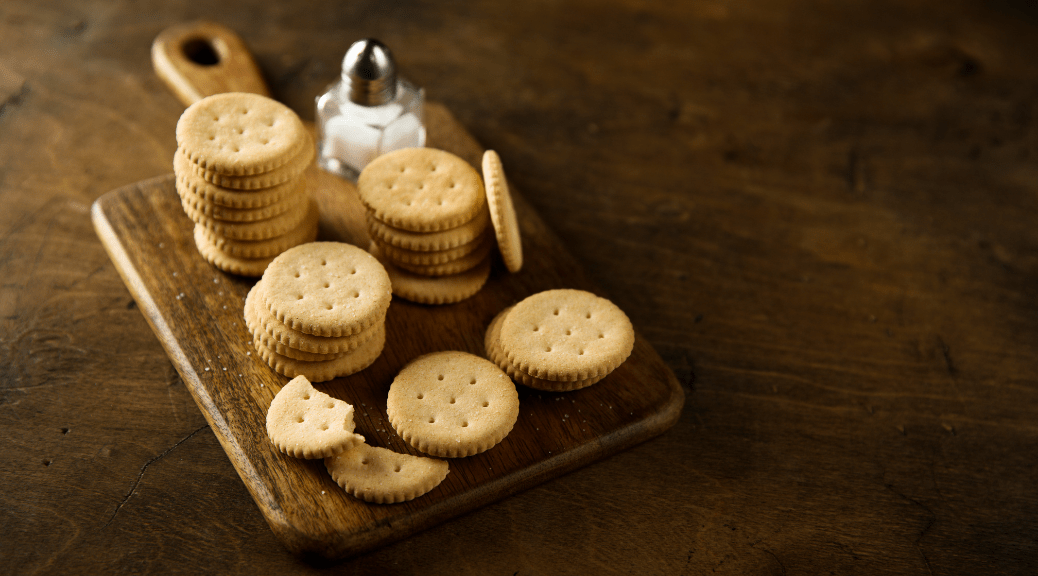
The best cracker brand to cheer you up

The best cracker brand to cheer you up

When you go to the market to buy stuffs, what do you do? Probably, you know which brand of product you’re going to buy or you make the decision while in the shop or filling your cart. What if we say, we have evaluated the top brands of crackers and identified the best one to buy? Here’s a read for you to make that informed decision.

By Ashok Kanchan

There is a thin line of difference between biscuits and crackers, obviously not commonly known. Biscuits are small, flat, baked goods which are either hard and crisp or soft but firm, whereas crackers are dry, thin, crispy baked goods. To make your buying decision easier, we have decoded five brands of cracker to interpret the nutritional information on their labels.

BrandLabel ClaimsManufactured / Marketed
Britannia
Nutrichoice
Sugar Free, Zero Trans Fats, No added coloursBritannia Industries Ltd.
Cremica
Classic
“TRANS FAT FREE” LOGOMrs. Bectors Food Specialities Ltd.
McVtie’s
Cheese
Trans Fat Free, Source of FibreUnited Biscuits Pvt. Ltd
Parle
Nutricrunch
No added sugar, No artificial colours, Zero Trans FatParle Products Pvt. Ltd.
Patanjali
High Kick Kracker
100% ATTA, Trans Fat Free, No artificial colour, Rich in Dietary FibrePatanjali Natural Biscuits Pvt. Ltd.

Following the Indian Regulation, Food Safety and Standards (Packaging & Labeling) Regulations of 2011, mandatory nutritional information or nutritional facts per 100gram or 100milli litre or per serving of the product shall be given on the label containing the following:

(i) Energy value in kilo calories.

(ii) The amounts of protein, carbohydrate (specify quantity of sugar) and fat in gram (g) or ml.

(iii) The amount of any other nutrient for which a nutrition or health claim is made.

However, declaration of salt/sodium and dietary fibre is not mandatory.

2020 per day Recommended Dietary Allowances (RDA) for Indians

Revised RDA’s 2020documenthas added 5 kg to the ideal body weight of Indians. According to the National Institute of Nutrition (NIN)-2010 report, the ideal weight of an Indian man was 60 kg, and for woman it was 50 kg.  However, the revised 2020 document said the increase in ideal weight was a result of increase in nutritional food intake. The reference height for Indian men and women has also been increased. While it was 5 feet for women and 5 feet 6 inches for men in 2010, it has now been revised to 5 feet 3 inches for women and 5 feet 8 inches for men.

RDA table has been updated and the new table has included carbohydrate while excluded energy. Thereby, as the ideal weight for man and woman has been changed, requirements of protein, calcium has been changed as well. However, there is no change in salt requirement. RDA refers to the daily dietary nutrient intake level that is sufficient to meet the nutrient requirements of nearly all (97–98 percent) healthy individuals in a particular life stage and gender group. As per the Report of the Expert Group of National Institute of Nutrition (NIN), Hyderabad of Indian Council of Medical Research (ICMR) of 2020, major changes are as follows:


Age Group


Category of work


Body Wt


Protein


Carbohydrate

(kg) (gram/day) (gram/day)


Men

Sedentary


65


54.0


130

Moderate
Heavy


Women

Sedentary


55


45.7


130

Moderate
Heavy
Pregnant woman


55

+ 10


+9.5

(2ndtrimester)

+22.0

(3rdtrimester)

175

Lactation 0-6m


7-12m

+16.9


+13.2

200


200

Dietary Fibre

Dietary Fibre refers to plant cell wall components that are not digestible by human digestive enzymes. Dietary fibre requirement can be met by adopting a diet that incorporates plant origin foods including fruits, vegetables and grains.

Benefits of a high-fibre diet

  • Normalizes bowel movements. 
  •  Helps maintain bowel health. 
  •  Lowers cholesterol levels. 
  •  Helps control blood sugar levels. 
  •  Aids in achieving healthy weight.

The Indian Council of Medical Research (ICMR) recommends that the daily diet of an adult should contain at least 40 gram of dietary fibre (based on 2000 kcal diet).

Mandatory provisions for claim dietary fibre in food products

As per the mandatory Food Safety and Standards (Advertising and Claims) Regulations, 2018 regulations, dietary fibre claim on food products label can be mentioned with following conditions:

  1. For claim that food product is a ‘Source’ of dietary fibre, product should contain at least 3-grams fibre per 100 gram or 1.5-grams per 100 kcal energy value.
  2. For claim that food product is a ‘High or Rich’ of dietary fibre, product should contain at least 6-gram fibre per 100 gram or 3-grams per 100 kcal energy value.

Carbohydrate, protein and fibre

Sl. No. Brand Carbohydrate Protein Fibre / Dietary Fibre
In 100 grams (gram) % of RDA for man / woman  In 100 grams (gram) % RDA for man In 100 grams (gram) % RDA for adult
1

Britannia

Nutichoice

72.0 55.4 10.0 18.5 NM
2 Cremica Classic 65.2 50.2 8.1 15.0 1.2 3.0
3 McVitie’s Cheese 68.6 52.8 8.0 14.8 3.1 7.75
4

Parle 

Nutricrunch

72.3 55.6 9.3 17.2 NM
5 Patanjali High Kick Kracker 64.0 49.2 7.0 13.0 6.0 15.0

Key findings

  • Carbohydrate is highest in brand Parle Nutricrunch and lowest in Patanjali High Kick Kracker.
  • Consuming 100-gram Cremica Classic by a man/woman means 50.2 per cent (about half) of his/her daily requirement of carbohydrate is met.
  • Protein is highest in brand Britannia Nutichoice and lowest in Patanjali High Kick Kracker.
  • Consuming 100-grams Patanjali High Kick Kracker by a man means 13.0 per cent of his daily protein requirement is met.
  • As declaration of Fibre/Dietary Fibre on food products nutrition information of label is not mandatory so brands Britannia Nutichoice and Parle Nutricrunch have not declared this information. Whereas brands Cremica Classic, McVitie’s Cheese and Patanjali High Kick Kracker have done this.
  • In brands those have declared Fibre/dietary fibre, the highest was found in brand Patanjali High Kick Kracker and it was found lowest in Cremica Classic.
  • Consuming 100-grams Patanjali High Kick Kracker by an adult means 15 per cent of his/ her daily fibre/dietary fibre requirement is met.
  • Claim of “Source of Fibre” by brand McVitie’s Cheese is true.
  • Claim of “Rich in Dietary Fibre” by brand Patanjali High Kick Kracker is also true.

Traffic Light Labeling System

Foods which are high in fat, sugar and salt are linked with obesity and non-communicable diseases such as diabetes, hypertension and high blood pressure. Food Standards Agency of United Kingdom (U.K.) developed Traffic light Labeling guidelines to help consumers to:

  • Correctly identify healthier food products.
  • Make comparisons between products easily.
  • Make these comparisons at a glance.

The above labelling system however is not followed in India.

The criteria for foods were set out as follows (per 100-gram food):

Ingredient

Green

(Low content)

Amber

(Medium content)

Red

(High content)

Fat less than or equal 3 gram More than 3 gram to 17.5 gram more than 17.5 gram
Sugar less than or equal 5 gram More than 5 gram to 22.5 gram more than 22.5 gram
Salt less than or equal 0.3 gram More than 0.3 gram to 1.5 gram more than 1.5 gram

Interpreted results can be easily understood as follows:

Green:  Eat often (Desirable)

Amber: Eat occasionally (Neutral)

Red: Eat sparingly (Undesirable)

WHO guidance on dietary salt

Adults should consume less than 2-grams of sodium, or 5-grams of salt per day. A person with elevated sodium levels could be at risk of raised blood pressure which increases the risk of heart disease and stroke.

Edible oil used and Traffic Light rating

Sl. No. Brand Edible Oils used in cracker manufacturing Fat Sugar Salt

In 100 grams

(gram)

Traffic Light

In 100 grams

(gram)

Traffic

Light

In 100 grams

(gram)

Traffic

Light

1

Britannia

Nutichoice

Refined Palm Oil & Palmolein 15.0 Amber Less than 0.5 (Natural) Green NM
2 Cremica Classic Palm Oil 22.0 Red 1.8 Green 1.5* Amber
3 McVitie’s Cheese Palm Oil & Palmolein 17.5 Amber 6.2 Amber NM
  4

Parle 

Nutricrunch

Refined Palm Oil 15.6 Amber 0.0 Green NM
5 Patanjali High Kick Kracker Palm Oil & Palmolein Oil 23.0 Red 13.0 Amber NM

NM – Not Mentioned

*Sodium multiplied by 2.5

Key findings

  • All brands used palm oil and/ palmolein oil in making of their crackers. Palm oil and palmolein oil are rich in saturated fat which is not a healthy fat. 
  • Traffic Light for fat in brands Cremica Classic and Patanjali High Kick Kracker are red – means consume these brands sparingly. In the rest three brands, Traffic Light is amber – means consume these brands occasionally
  • Traffic Light for sugar in brands McVitie’s Cheese and Patanjali High Kick Kracker are amber – means consume these brands occasionally. In the rest three brands Traffic Light is green– means consume these brands often.
  • As declaration of sodium/salt on food products nutrition information of label is not mandatory. Voluntarily, brand Cremica Classic has declared the level of sodium.
  • Traffic Light for salt for brand Cremica Classic is amber.
  • As per WHO Guidance, consuming 100-grams Cremica Classic by an adult means 30 per cent of his/her daily salt requirement is met. 

Unit price

Unit pricing or comparative pricing is a way to show the price of a commodity in relation to a standard unit of measure, such as the kilogram or litre. Unit price gives fair idea about cheaper and costlier brands.

Sl. No. Brand

Maximum Retail Price (MRP)

(Rs.)

Declared Net Weight

(gram)

Unit Price

(Price per 100 gram)

(Rs.)

1

Britannia

Nutichoice

15.00 100 15.00
2 Cremica Classic 25.00

120

(100 + 20 Extra)

20.33
3 McVtie’s Cheese 25.00 120 20.83
4

Parle 

Nutricrunch

15.00 100 15.00
5

Patanjali

High Kick Kracker

10.00

90

(84 + 6 Extra)

11.11

Key finding

As per the unit price chart above, the cheapest brand is Patanjali High Kick Kracker and costliest are Cremica Classic and McVitie’s Cheese.

Related

No Results Found

The page you requested could not be found. Try refining your search, or use the navigation above to locate the post.
Developer can’t push the apartment buyers to be in unreasonable contract

Developer can’t push the apartment buyers to be in unreasonable contract

Developer can’t push the apartment buyers to be in unreasonable contract

With this new verdict there will be much clarity and a sigh of relief among the homebuyers/consumers. However, what it actually brings to the table for a common man aka consumer examines our legal expert Ankur Saha.

The Supreme Court comprising of a bench of Hon’ble Justice DY Chandrachud, Justice Indira Banerjee and Justice Indu Malhotra held that developer cannot push the apartment buyers to be in one-sided and unreasonable contract/agreement and if they do so, it will be considered as an unfair practice u/s 2(1)(r) of Consumer Protection Act. (Ireo Grace Realtech Pvt. Ltd. vs. Abhishek Khanna & others). The court disposed of an appeal that the developer had filed against the order that was passed by National Consumer Disputes Redressal Commission directing the developer to refund the amount due to the delay in completing the construction.

Issues raised in the appeal were:

  1. Determining the date from which the period of 42 months starts where possession is to be handed over under Clause 13.3.
  2. Whether apartment buyers would be bound by one-sided terms.
  3. Whether Real Estate (Regulation and Development) Act, 2016 should be given primacy over Consumer Protection Act, 1986.
  4. Whether inordinate delay would entitle the apartment buyers to terminate the agreement and get a refund.

Analysis of the Bench

  • Determining the date from which the period of 42 months starts where possession is to be handed over under Clause 13.3.

Bench made a pointwise analysis of the instant matter wherein in the first issue, the point of controversy was whether the 42 months’ period is to be calculated from the date when the Fire NOC was granted by the authority concerned as contended by the developer; or, the date on which the building plans were approved as contended by the apartment buyers.

In accordance with the Section 15 of the Haryana Fire Safety Act, 2009, it is mandatory for a builder/developer to obtain the approval of the firefighting scheme conforming to the National Building Code of India, and obtain a ‘No Objection Certificate’ before the commencement of construction.

Clause 13.3 of the apartment buyer’s agreement provides that the 42 months’ period has to be calculated from the date of approval of building plans and/or fulfilment of the pre-conditions imposed thereunder.

Bench opined that it was a mandatory requirement under the Haryana Fire Safety Act, 2009 to obtain the Fire NOC before the commencement of construction activity. The said requirement was stipulated in the sanctioned building plans, as also in the environment clearance.

The 42 months ‘period in Clause 13.3. of the agreement for handing over possession of the apartments would be required to be computed from the date on which Fire NOC was issued, and not from the date of the building plans being sanctioned.

In the instant matter, there was a delay of approximately 7 months in obtaining the fire NOC by the developer.

  • Whether the terms of the apartment buyer’s agreement are one-sided?

Court observed on perusal of the clauses mentioned in the agreement that the said clauses were wholly one-sided terms of the agreement buyer’s agreement, which were entirely loaded in favour of the developer and against the allottee at every step.

For the said issue, Court held that the terms of the apartment buyer‘s agreement are oppressive and wholly one-sided, and would constitute an unfair trade practice under the Consumer Protection Act, 1986. 

Incorporation of one-sided and unreasonable clauses in the apartment buyer’s agreement constitutes an unfair trade practice under Section 2(1)(r) of the Consumer Protection Act.

  • Whether primacy to be given to RERA over the Consumer Protection Act?

Bench expressed that this Court has upheld the applicability of provisions of Consumer Protection Act as an additional remedy, despite the existence of remedies under special statutes, including the Arbitration and Conciliation Act, 1996.

In the decision of Emaar MGF Land Ltd. v. Aftab Singh, (2019) 12 SCC 751, it was held that the remedy under the Consumer Protection Act, 1986 is confined to the complaint filed by a consumer as defined by the Act, for defects and deficiency caused by the service provider.

In a recent decision of this Court in Imperia Structures Ltd. v. Anil Patni, (2020) 10 SCC 783, it was held that remedies under the Consumer Protection Act were in addition to the remedies available under special statutes. The absence of a bar under Section 79 of the RERA Act to the initiation of proceedings before a fora which is not a civil court, read with Section 88 of the RERA Act makes the position clear. Section 18 of the RERA Act specifies that the remedies are “without prejudice to any other remedy available”.

  • Whether the apartment buyers are entitled to terminate the agreement or refund of the amount deposited with delay compensation?

 Answering this issue, the Court categorised the buyer/allottees into two categories:

  • Apartment buyers whose allotments fall in Phase 1 of the project comprised in Towers A6 to A10, B1 to B4, and C3 to C7, where the developer has been granted occupation certificate, and offer of possession has been made
  • Apartment buyers whose allotments fall in Phase 2 of the project, where the allotments are in Towers A1 to A5, B5 to B8, C8 to C11, where the Occupation Certificate has not been granted so far.

For category 1, it was held that such allottees (barring an exception) were obligated to take possession of the apartments, since the construction was completed, and possession offered on 28-06-2019, after the issuance of Occupation Certificate on 31-05-2019. The developer is however obligated to pay delay compensation for the period of delay which has occurred from 27-11-2018 till the date of the offer of possession was made to the allottees.

So far category 2 is concerned, it was held that such allottees are entitled to refund of entire amount deposited by them, along with compensation and interest.

In view of the above discussion, the Supreme Court said that the incorporation of such one-sided and unreasonable clauses in the apartment buyer’s agreement constitutes an unfair trade practice under Section 2(1)(r) of the Consumer Protection Act. Even under the 1986 Act, the powers of the consumer fora were in no manner constrained to declare a contractual term as unfair or one-sided as an incident of the power to discontinue unfair or restrictive trade practices. An ‘unfair contract’ has been defined under the 2019 Act, and powers have been conferred on the State Consumer Fora and the National Commission to declare contractual terms that are unfair, as null and void. This is a statutory recognition of a power that was implicit under the 1986 Act. In view of the above, we hold that the developer cannot compel the apartment buyers to be bound by the one-sided contractual terms contained in the apartment buyer’s agreement.”

Understanding foodborne illnesses

Understanding foodborne illnesses

Understanding foodborne illnesses

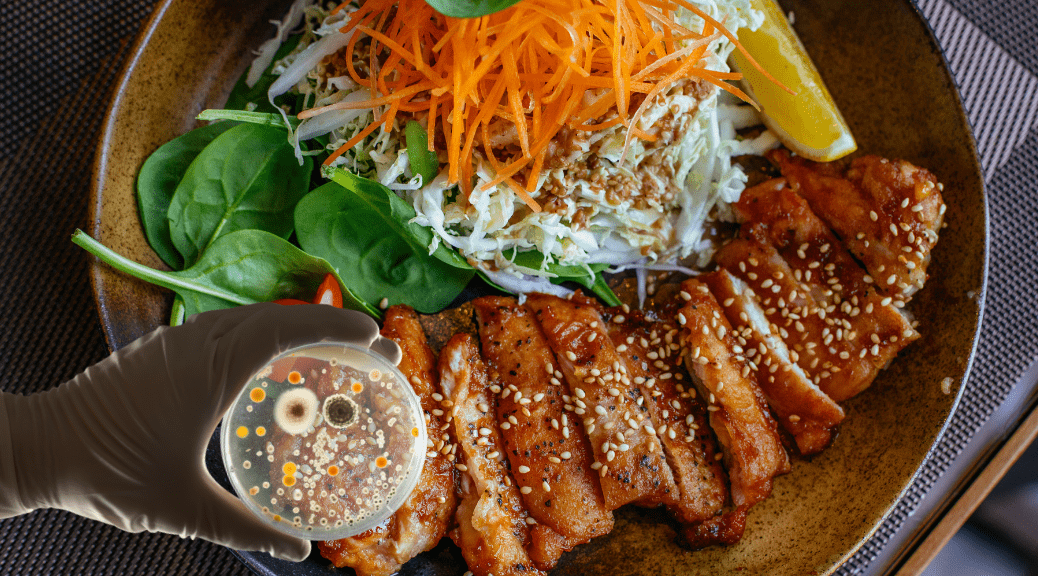
You might have read about the H5N8 avian bird flu spread in different states across the nation, and the food scares associated with it. According to a 2020 world health organization (WHO) factsheet, almost 1 in 10 people in the world – fall ill after eating contaminated food, and 420 000 die every year, resulting in the loss of 33 million healthy life years (DALYs). Also, some individuals are more prone to the risks associated with foodborne illness in terms of severity. In this article we explore some foodborne illnesses, identifying the people at risk and how they can be prevented.

By Richa Pande

More than 200 diseases are caused by eating contaminated food. Food usually gets contaminated by bacteria, viruses, parasites, toxins, or other chemical substances. This growing public health problem causes considerable socioeconomic impact through strains on health-care systems, productivity losses and effecting tourism and trade. Some of these diseases can even have a fatal consequence.

Understanding the cause and effects

Foodborne diseases are caused by contamination of food which can take place at any stage during food processing, production, delivery, and eventual consumption. They can result from several forms of environmental contamination including pollution in water, soil or air, as well as unsafe food storage and processing. Lesser talked about, but equally – or even more – hazardous is through infiltration of harmful chemicals through use of pesticides and insecticides used during farming and use of genetically modified seeds to augment production; leavening agents and catalysts used in processing and refining, additives used to enhance flavours, and preservatives used to improve shelf life. Then there is adulteration – like mixing of the harmful Kesari dal with Toor dal, creation of synthetic milk from dangerous chemicals, using of chemical boosters for increased/ speedy growth in fruits and vegetables, artificial coloration of fruits/vegetables and mixing of cheaper methylated spirit by the arrack sellers– which ranges from being health hazardous to life threatening. 

A grave concern

Foodborne diseases encompass a wide range of illnesses from diarrhoea to cancers. Most present themselves as gastrointestinal issues, though they can also produce neurological, gynaecological, and immunological symptoms. Diseases causing diarrhoea are a major problem in all countries of the world, however the incidence is higher in low- and middle-income countries and in children under five years of age.

Nearly one in 10 people around the world fall ill after eating contaminated food, leading to over 4.2 lakh deaths, annually. Children are mostly affected, with 1.25 lakh of these deaths in children under five years of age.  Most of these cases are instances of diarrhoeal diseases. More serious consequences of foodborne diseases are kidney and liver failure, brain and neural disorders, reactive arthritis, cancer– eventually leading to misery and death.

Individuals at risk

Anyone can get food poisoning, but certain groups of people are more likely to get sick and to have a more serious illness. Their bodies’ ability to fight germs and sickness is not as effective for a variety of reasons:  they are the very young (under 1 year), the elderly, the immune-compromised (those whose immune systems are less able to fight off harmful bacteria), and women who are pregnant.

Combined, these vulnerable groups account for as high as 90 per cent of the affected cases. Incidentally, foodborne illnesses can be extremely dangerous. Symptoms include vomiting, diarrhoea and fever. If unattended these can intensify and the illness can become life-threatening. What makes these populations more at risk? The obvious answer is: a weak immune system. The immune system is the body’s natural defence system against “foreign invasion” by pathogens (bacteria or viruses that can cause disease). In healthy people, a properly functioning immune system usually fights off harmful pathogens readily and the subject usually recovers after tiding over the early symptoms.

However, adults aged 65 and older have a risk tendency because as people age, their immune systems and organs do not recognize and get rid of harmful germs as well as they once did. Their body immunity and resistance to infection begins to decline. Their body is less effective in fighting off harmful bacteria and pathogens. For example, the amount of acid in our stomachs, once a powerful barrier to pathogens, gradually decreases over the years, making the old-age people more prone to gastro infections. In addition, older people tend to take more medicines for problems like heartburn or acid reflux, many of which play to further reduce the amount of stomach acid, further weakening this impediment to pathogens.

The same goes for people with compromised immune systems, such as those with HIV/AIDS, cancer, liver disease and diabetes. Not only are their immune systems weakened by the disease, but the side effects from certain treatments such as radiation and chemotherapy may make them weaker still.

On the other hand, children, particularly in the age group of under five years, are also at risk to foodborne illness because their immune systems are still in the process of being developed. So, their body’s ability to fight germs and sickness is not as strong. Food poisoning can be particularly dangerous for them because illness can lead to diarrhoea and dehydration. Children younger than five are three times more likely to be hospitalized if they get a stomach infection. 

As for pregnant women, their immune systems are undergoing a temporary alteration – to enable the mother to co-exist with the foetus throughout the nine months of pregnancy. We should not forget that half of the foetus’ genes are not the mothers. The body is understandably working extra hard to avoid a rejection of the foetus. This same alteration makes the body more susceptible to infection.

So, Prevention is the key to safety. The risk faced by these vulnerable populations can be considerably reduced by preventing foodborne illnesses from occurring in the first place.

Ways to prevent from food contamination

Measures should be taken to keep contaminants out of the harvesting, processing and manufacturing of foods. Establishing of safety and cleanliness requirements for farmers, food companies, and importers will reduce the chances of pathogens affecting the people at risk.

Individually, there are steps that the people particularly vulnerable to the dangers of foodborne illnesses can take to reduce that risk. These include:

  • Wash hands and surfaces often. Make sure counters and other food preparation surfaces are adequately cleaned. 
  • Insist on organically grown foods and use of filtered (instead of refined) oils.
  • Separate raw meat and poultry from ready-to-eat food. Avoid eating raw animal products, which include unpasteurized milk, uncooked or lightly cooked eggs, fish and meat. 
  • Wash fruits and vegetables thoroughly before eating, especially foods with peels taken raw, such as in salads. Avoid eating raw sprouts.
  • Chill raw meat and poultry, as well as cooked leftovers, promptly (within 2 hours). Voluntary/involuntary consumption of spoilt food is the most prominent cause of food poisoning, especially in low-income countries.
  • Keep your refrigerator at 4 degrees C or lower, and your freezer at – 18 degrees C or lower.
  • Keep an eye open for food adulteration while shopping.

It is advisable to be extra cautious when eating out, especially for those at risk. It is helpful to ask what ingredients are in a prepared dish. 

AVIAN INFLUENZA FOOD CONTAMINATION SCARE FACT CHECK 

The state governments have requested the health ministry to issue a guideline on the food scares associated with the avian flu spread. Based on some previous reports, these are some tips associated with consumption of poultry and dairy-  

  • According to the Centres for Disease Control and Prevention (CDC), Avian Flu viruses do not normally infect human beings. Occurrences of these infections are very rare in human beings, and only a few cases have been reported. According to a joint statement issued by the UN Food and Agriculture Organization (FAO) and WHO, it is safe to consume chicken and poultry if they are boiled properly above 70. C. 
  • Consumption of raw eggs must be avoided. Eggs should not be eaten in these forms- Poached eggs/omelettes/ bhurjis. Boiled eggs (boiling point 160. C) can be consumed.
  • Some vegetarian protein alternatives are paneer, soyabean, whey and Tofu. 

Enquire Now

    X
    Enquire Now