No Results Found
The page you requested could not be found. Try refining your search, or use the navigation above to locate the post.
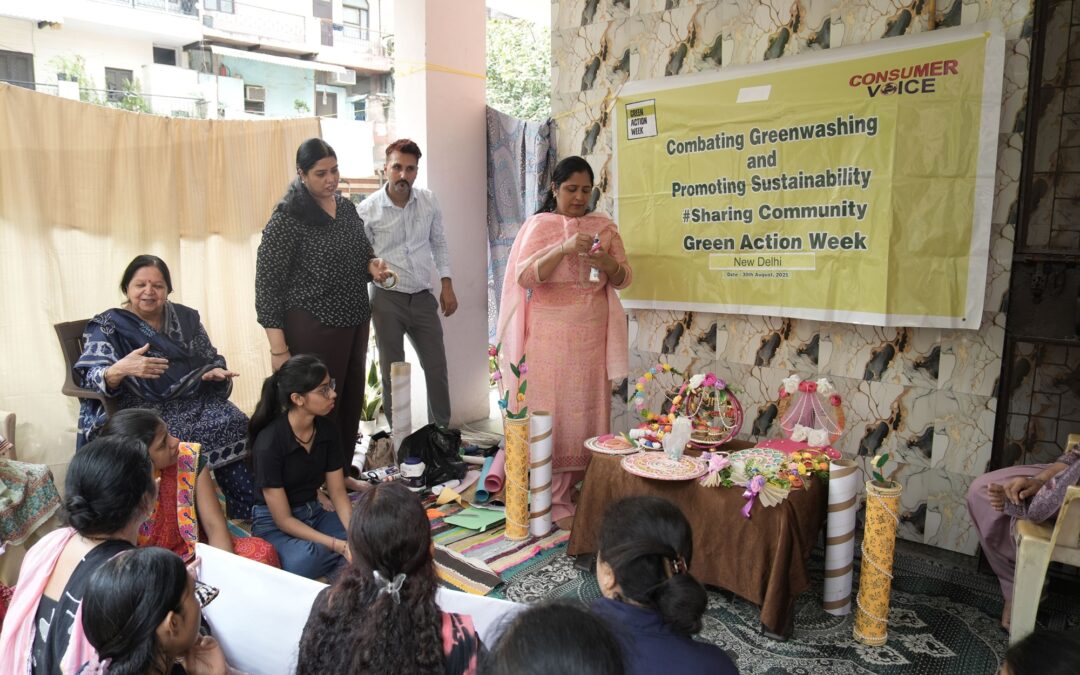
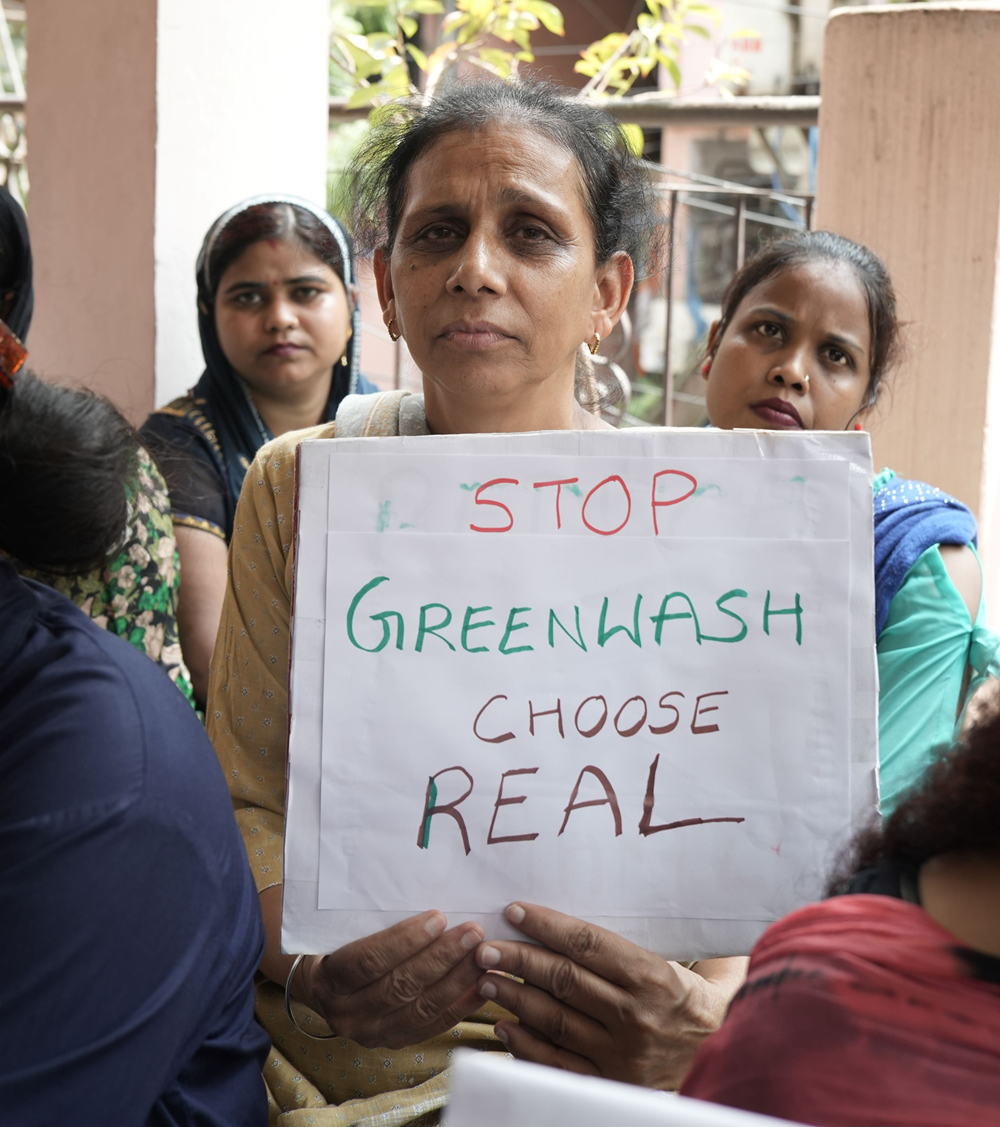
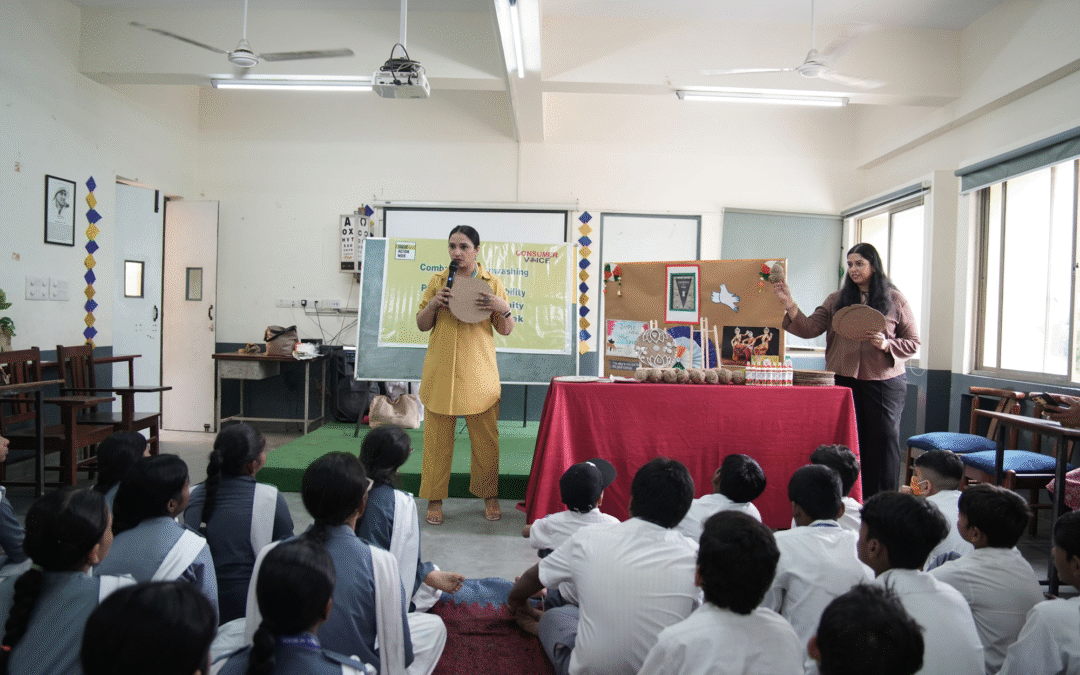
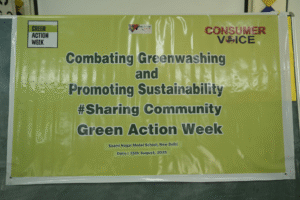
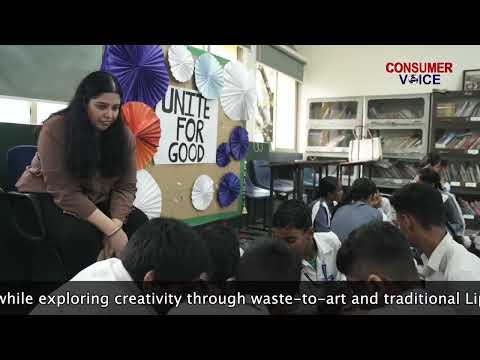
On 25th August 2025, as part of Green Action Week, Consumer VOICE conducted an engaging and motivational workshop in New Delhi with middle school students of Soami Nagar Model School on sustainability and the key issue of greenwashing.
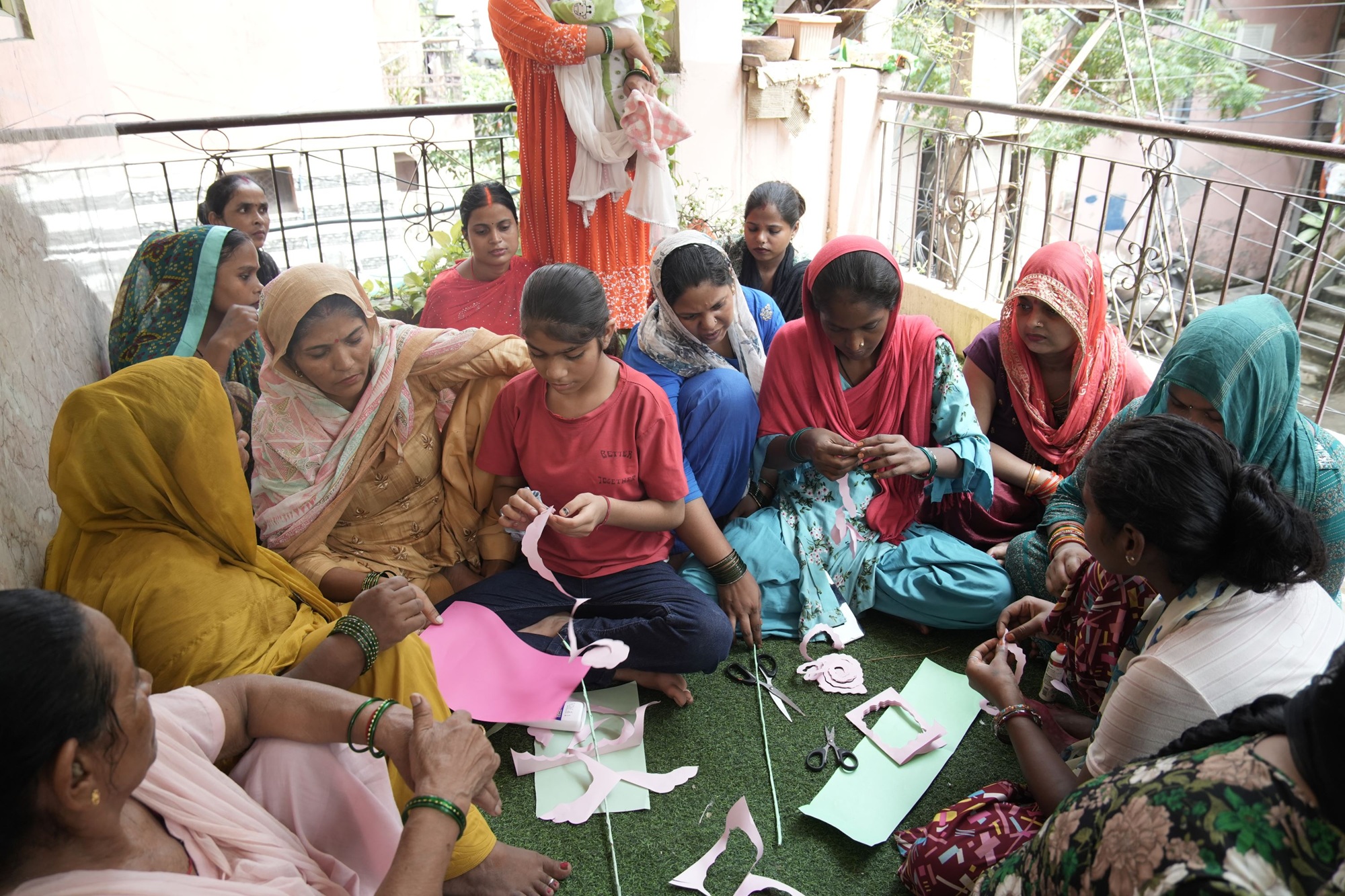
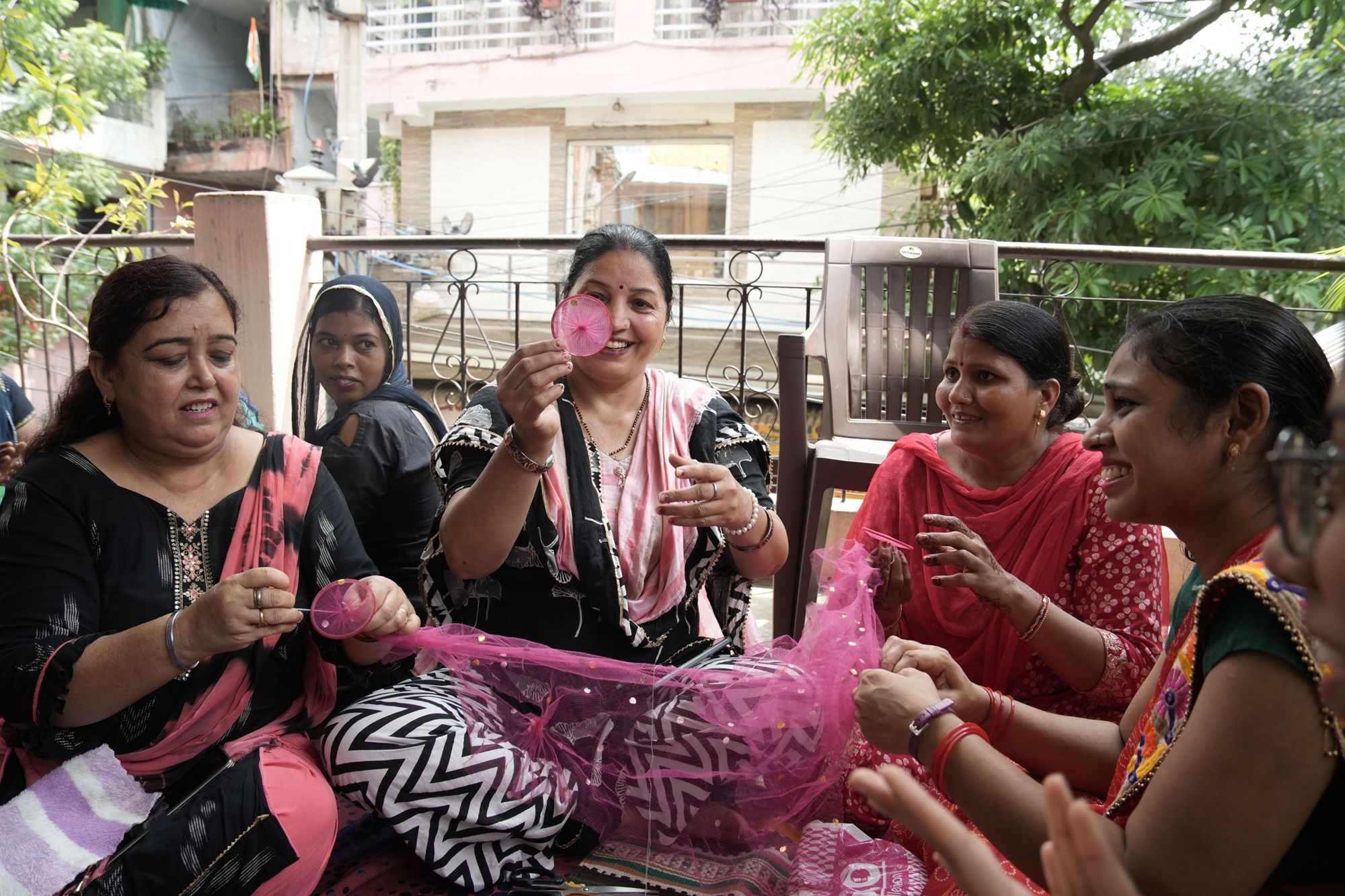
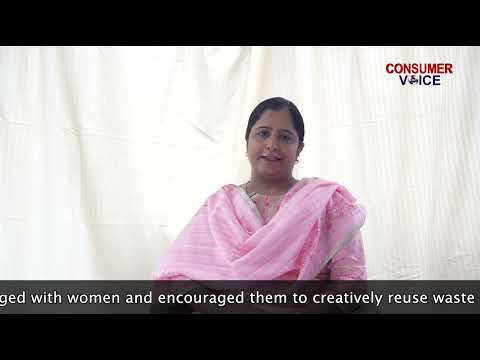
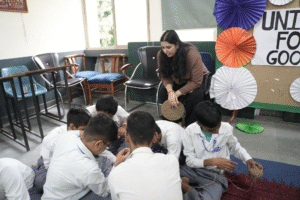
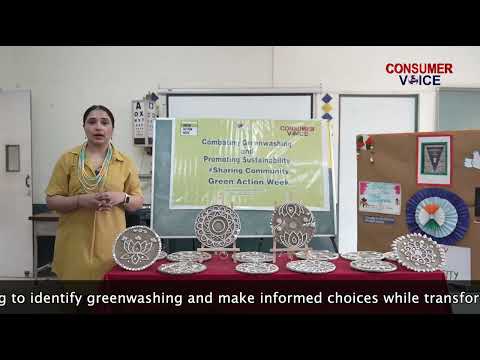
The session began with an interactive lecture by Rinki Sharma, Projects Lead, Consumer VOICE, who introduced the students to concepts of sustainability and explained why eco-labels are essential for making environmentally conscious decisions. She discussed how greenwashing—deceptive labels claiming environmental benefits—can mislead consumers and discourage genuine efforts towards sustainability. Following this, artist Himani Pasricha captivatingly demonstrated to the students how waste materials from daily life can be transformed into beautiful and meaningful pieces of art. The students were encouraged to see waste not as trash but as potential resources ripe for creativity.
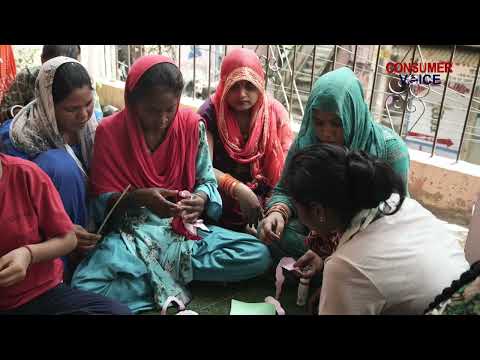
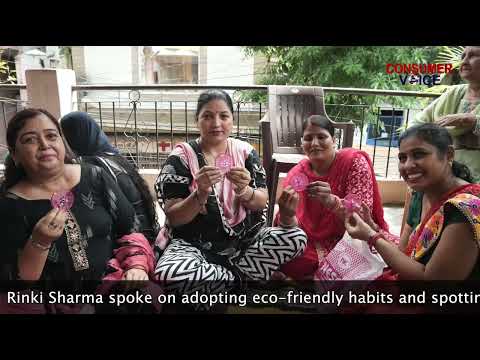
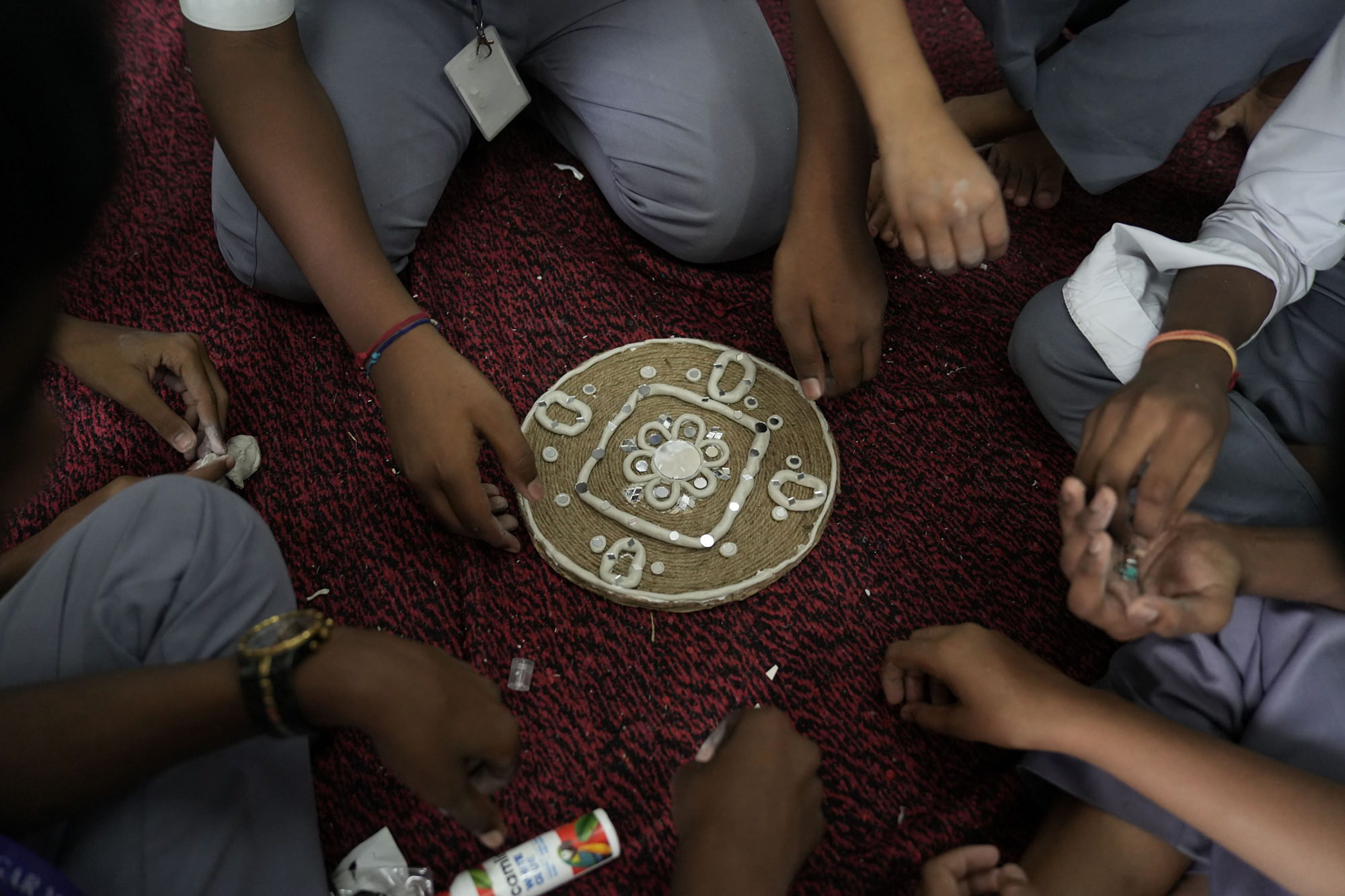
The highlight of the workshop was the art session, where students collaborated to create traditional Lippan art—a type of mirror and clay craft native. This activity fostered teamwork and embodied the spirit of the Sharing Community through collaboration and support. Throughout the workshop, Rinki Sharma, Himani Pasricha, and their teams guided the students artistically, inspiring their creative spirits while emphasizing important messages about sustainable consumption and waste management.
The workshop was a vibrant display of creativity, learning, and environmental awareness, empowering young minds to become conscious consumers and active contributors to building a sustainable future.
In today’s world, more brands are claiming to be “eco-friendly” than ever before. While this sounds promising, not all of these claims are genuine. Many companies engage in greenwashing—misleading consumers into believing their products or practices are environmentally friendly when they are not. This not only deceives buyers but also slows down genuine progress toward sustainability.
Greenwashing often hides behind vague language like “natural,” “eco-safe,” or “planet-friendly” without providing any clear proof. Sometimes, products feature one small green trait while overlooking their larger environmental impact. For example, a company might advertise recyclable packaging but still use toxic manufacturing processes.
Every time consumers choose genuine green products, they reward businesses that are truly working toward sustainability. This puts pressure on companies to shift from misleading marketing to real environmental responsibility.
By staying informed, asking questions, and making mindful purchases, we can cut through the noise of greenwashing and drive real change for our planet.
Green Action Week (GAW) is a global campaign to promote sustainable consumption. It is an initiative by the Swedish Society for Nature Conservation (SSNC) and is carried out in coordination with Consumers International (CI). This year (2025) the theme of GAW is ‘Empowering the Sharing Community: Promoting Circular Economy Practices’ with focus on reducing waste using circular economy practices.
In the GAW 2025 campaign, we aim to address greenwashing in industries like fashion, beauty, and food, where misleading eco-claims confuse consumers and hinder real sustainability. By providing practical tools and resources, we empower consumers to identify truly sustainable brands and make informed choices. Through interactive workshops on sustainable living, upcycling, and recycling, along with fostering a Sharing Community, we encourage collaboration and mindful consumption. Our goal is to reduce waste, curb pollution, and inspire lasting behavior change for genuine environmental impact.
Greenwashing — the use of misleading environmental claims — is a growing challenge that prevents consumers from making truly sustainable choices. Industries such as fashion, beauty, and food often market products as “eco-friendly” without genuine practices behind them, leaving consumers confused and misled. This lack of transparency contributes to rising waste, pollution, and carbon emissions. Without the right knowledge and tools, consumers struggle to identify authentic, sustainable options, limiting their ability to make informed, responsible decisions. Addressing greenwashing is essential to empower individuals, encourage mindful consumption, and build lasting solutions that protect both people and the planet.
Workshop with Consumers
Participants will learn to recognize greenwashing tactics and assess product labels to identify misleading claims. A hands-on upcycling session will involve repurposing household waste into useful items like planters or bags, such as plastic bottles or old clothes.
Expected Result: Consumers will gain the tools to evaluate products and make informed, sustainable purchasing choices critically.
Workshop with Women & Young Girls
This session will focus on sustainable consumption, teaching participants to identify genuinely sustainable products and reduce waste. Women and girls will engage in upcycling activities, turning old clothes into accessories or bags. They will also make eco-friendly household items like natural cleaners.
Expected Result: Women and young girls will embrace sustainable practices, reduce waste, and lead by example in their communities.
Workshop with Children & Youth
Youth will discuss greenwashing and engage in creative upcycling projects, such as turning old t-shirts into shopping bags or using cardboard for storage. The session will also cover recycling education and creating DIY recycling stations.
Expected Result: Children and youth will be empowered to reject greenwashing, engage in eco-friendly activities, and inspire their peers.
Using Digital Channels
Using digital channels to amplify the messages to garner support, stories of change, experiences will be featured.
Advocacy with Government Stakeholders
We will engage in policy advocacy through letter campaigns and dialogue with relevant departments, urging stricter regulations against greenwashing and promoting consumer rights.
The page you requested could not be found. Try refining your search, or use the navigation above to locate the post.
Click here for Media coverage
Click here for Social Media highlights for UN Road Safety Week
Click here for Media coverage
Click here for Social Media highlights for UN Road Safety Week
Maharashtra Health Officials and Experts Convene to Discuss Responsible Alcohol Consumption
https://www.voltaireweb.com/post/maharashtra-health-officials-and-experts-convene-to-discuss-responsible-alcohol-consumption