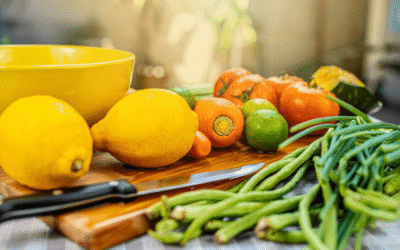
Foods to Avoid During the Indian Summer

Foods to Avoid During the Indian Summer

Foods to Avoid During the Indian Summer

Summer months in India are from April- July and one has to eat right to prevent any stomach prone diseases. To battle any effects of the digestive system one must include fluids in their diet. Tea and coffee should be avoided. Drinking a good amount of water is key to fighting 90% of the diseases. Avoid fatty and fried foods, as they tend to heat up your body. One should also include foods with more fibre, like oats, barley and wheat. Have watermelon, cucumber and seasonal fruits like mangoes. Eating light is essential, else the body can generate excess heat that results in sleeplessness, exhaustion, inflammation, stomach upset and acidity. One has to keep a check on their diet during the summer months.

Here is a list of foods to avoid this summer:

  1. Fried Food:  At any point junk food is not advisable, however in summer months one has to take more precautions. Fried food is soaked in oil and often undercooked leading to chances of having indigestion and food poisoning. The excess oil shows on your skin as well. Keep away from the french fries, burgers and hot dogs.
  2. Spicy Food: The spices increase the heat quotient in the body. We all love our spicy food but such foods are best to be avoided during summers. Spices like chilli, ginger, nutmegs, mustard, pepper, cumin and cinnamon create heat and are known to boost the metabolism rate.
  3. Red Meat: Red meat like mutton, lamb, and pork are high in saturated fat that increases blood cholesterol. It is heavy and takes longer to digest. So it’s recommended to avoid red meat during the scorching heat.
  4. Dried Fruits: Another must avoid this season are nuts. They take longer to digest and generate heat in the body. They do wonders in winters, but not required during the summer months. One can opt for fresh fruits.
  5. Sea Food: Sea Food eaten at the wrong time can lead to food poisoning. If the seafood is not fresh, it can give way to severe gastric problems, diarrhoea and skin eruptions as well.
  6. Sweet & Caffeinated drinks: Drinks with high sugar such as iced tea are not good during the summers.  Drinks like aerated colas, sherbets, and fruit punches lead to an increase in calorie intake which also dehydrates our body and affects the kidneys. Tea and coffee should be avoided as well, which can cause dehydration.

Related

Antimicrobial Agents in the Food Chain – Use and Misuse

Antimicrobial Agents in the Food Chain – Use and Misuse

Antimicrobial Agents in the Food Chain – Use and Misuse

Quality, safety and preservation of food products are universal concerns. Food producers and handlers use antimicrobial agents to prevent spoilage of food as well as to prevent food-borne illnesses. Antimicrobial agents such as antibiotics and anti-fungal drugs extend the shelf life of food products. Now, there are two sides to the use of such drugs. On the one hand, their increasing use may have helped in addressing food-borne illnesses and given us food products with longer shelf life, but on the other hand this has triggered a situation where constant exposure has made human beings resistant to these drugs. This article explains the implications of such antimicrobial resistance (AMR) and why it is a major concern.

For one, constant exposure to antimicrobial agents damages the microbes that are helpful and in fact are needed for certain biological processes to happen in human beings (lactobacillus, for example, lives in the intestine and helps digest food). Antimicrobial resistance (AMR) is a more severe result of such exposure. Repeated, improper use of antibiotics—in both humans and animals—drives drug resistance among microbes and has made some of them virtually indestructible to modern medicine.

So, what exactly is antimicrobial resistance?

Antimicrobial resistance is the ability of bacteria/viruses/fungi/some parasites to survive the impact of antimicrobial agents (antibiotics, anti-fungal agents or antiviral agents) if they are constantly exposed to the same. All living beings have the ability to adapt. This is how species survive. So, if a microbe is constantly being exposed to an antimicrobial agent, it will eventually adapt and evolve to become more or fully resistant to antimicrobials that could previously treat it.

Why is antimicrobial resistance bad?

If a microbial species gets resistant to the antimicrobial agent, it makes the standard antimicrobial treatment ineffective. This results in non-treatment of the communicable disease caused by the microbial agent. It is important to note that the drug-resistant microbe reproduces and multiplies to form more drug-resistant microbes.  The resistant bacteria can be transferred to humans through the food chain or direct contact. This can reduce the effectiveness of antimicrobials in treating diseases.

The infection spreads and it gets difficult to control it as the drug-resistant microbe spreads from one individual to another. As per Centers for Disease Control and Prevention (CDC), AMR accounts for 23,000 deaths per year in the United States.

Among the microbes that are now resistant to antimicrobial agents are some bacterial strains of salmonella and staphylococcus (both associated with food-borne illnesses and other infectious diseases).

What causes antimicrobial resistance?

Although antimicrobial resistance occurs in nature on its own, careless use and overuse of antimicrobial agents can accelerate the process. Antimicrobial resistance can be associated with factors such as over-prescription of antimicrobial agents such as antibiotics, consumption of antibiotics when one is suffering from viral infections such as common cold and flu, patients not sticking to the prescribed antimicrobial drug course, overuse of antimicrobial agents in animal agriculture, poor hygiene and sanitation practices that lead to frequent infections that in turn need antimicrobial drugs, poor infection control in healthcare settings which lead to spread of drug-resistant microbes, absence of new discoveries of  antimicrobial drugs, and so on.  

Suppose an antimicrobial agent is given to an animal over a long period of time. Let’s see what may happen as a result–

As this animal is exposed to a microbial regularly for a long period of time, the antimicrobials may not work when the animal catches an infection that is difficult to cure. Worse, the infection can spread to other animals.

Prolonged consumption of food products derived from such animals (egg, meat, dairy, etc.) by human beings can lead to development of antimicrobial resistance in the latter as well. When a human being catches an infection, the regular antimicrobial treatment course or dosage may not be effective enough.

Biopreservation and how it can help

Biopreservation refers to the technique of extending the shelf life of food by using natural or controlled microorganisms or their antimicrobial compounds or fermentation products. The fermentation products as well as beneficial bacteria are generally selected in this process to control spoilage and render pathogen inactive. Microbes that are harmless to humans, compete with spoilage and pathogenic bacteria, generate good odour, contribute in production of nice flavour, produce acids, antimicrobial substances and have fermentation capacity are used rather than those that have only fermentation property.

Certain lactic acid bacteria (LAB), with antimicrobial properties commonly associated with foods, are being used to increase the safety and/or prolong the shelf life of foods. Microbes thrive on nutrients to grow and multiply, and the presence of other microbes will necessarily limit the amount of nutrients available overall and thereby slow down the process of spoilage.

Related

Organic Foods – Can they all be termed ‘organic’?

Organic Foods – Can they all be termed ‘organic’?

Organic Foods – Can they all be termed ‘organic’?

Compiled by Richa Pande

As organic food products start to find their way into more and more homes across India, the market suddenly seems to be inundated with all things ‘organic’. In at least some instances, the claims are clearly misleading and not entirely believable. To curb such false claims as also the sale of foods that aren’t organically grown, Food Safety and Standards Authority of India (FSSAI) rolled out the Food Safety and Standards (Organic Foods) Regulations in 2017. It also launched a logo with the tagline Jaivik Bharat. Read on to understand the key features of the regulations, which came into force on 1 January 2019.

The Food Safety and Standards (Organic Foods) Regulations, 2017, recognize two established systems of organic certification:

  1. Participatory Guarantee System for India (PGS- India) implemented by the ministry of agriculture and farmers welfare
  2. National Programme for Organic Production (NPOP) implemented by the ministry of commerce and industry

Let’s look at the key features of the new regulations:

  • Organic food that is marketed through direct sales by the small original producer or producer organisation — as determined by the food authority from time to time — to the end consumer shall be exempted from the above-mentioned systems.
  • The organic food shall comply with relevant provisions as applicable under Food Safety and Standards (Contaminants, Toxins and Residues) Regulations, 2011, except for residues of insecticides for which the maximum limits shall be five per cent of the maximum limits prescribed or level of quantification (LoQ), whichever is higher.
  • The seller of organic food shall display such food in a manner that is distinguishable from the display of non-organic food.
  • FSSAI’s organic logo (Jaivik Bharat) and FSSAI license number present on the food labels will indicate whether the product is organic.

What are organic foods?

Organic foods can be defined as food products that are grown or reared and processed without using hazardous chemicals and pesticides. If grown adequately, organic foods can be helpful in preventing health disorders linked with these chemicals.

The growth of organic products relies on biofertilisers such as compost, manure and bone meal. It puts emphasis on techniques such as crop rotation and mixed cropping. Biological pest control – that is, use of living organisms to address problems such as mites, insects and weeds – is encouraged in organic farming.

Certification marks on the food label

The new regulations define the terms that can be used on food labels as well as the criterion.

  • Under NPOP certification system
    1. A single-ingredient product that meets the requirements (specified standards) can be labelled as ‘organic’.
    2. A multi-ingredient product in which 95 per cent of ingredients are of certified origin can be labelled as ‘certified organic’.
  • Under PGS-India certification system
    1. A single-ingredient product that meets all requirements (specified standards) may be labelled as ‘PGS Organic’.

The new FSSAI organic-food certification mandates the presence of the Jaivik Bharat logo along with the FSSAI logo and license number of the product. In addition, the label may carry India Organic logo (NPOP-certified) or PGS India Organic logo, whichever is applicable.

Organic-food domain in india: a timeline

    1. Ecomark (1991): This is a certification mark issued by the Bureau of Indian Standards to products that conform to a set of standards aiming at the least negative impact on the ecosystem.
    2. 2002: National Standards for Organic Products are released.
    3. India Organic (comes into effect in 2002): This is a certification mark for food items that are grown and manufactured organically in India.
    4. 2003: The chief mister of Sikkim PawanChamling announces the vision for Sikkim to be India’s first organic state.
    5. 2005: The Food and Agriculture Organization (FAO), International Federation of Organic Agriculture Movements (IFOAM), and the ministry of agriculture in India initiate consultations with various stakeholders to identify alternative certification systems that are inclusive of the many small farmers and peasants in the country.
    6. 2006: PGS Organic India Council is set up.
    7. Food Safety and Standards Act 2006: It mentions about the purchase and import of novel foods, genetically modified articles of food, irradiated foods, organic foods, foods for special dietary uses, functional foods, nutraceuticals, health supplements, proprietary foods, etc.
    8. 2016: Sikkim becomes India’s first organic state.
    9. November 2017: Food Safety and Standards (Organic Foods) Regulations, 2017, and Jaivik Bharat logo are launched at the 19th World Organic Congress.
    10. 2018: Sikkim state wins Food and Agriculture Organization (FAO) Future Policy Gold Award for the world’s best policies promoting agroecological and sustainable food systems.

Related

You Won’t Believe How Beneficial Food Fortification Can Be!

You Won’t Believe How Beneficial Food Fortification Can Be!

You Won’t Believe How Beneficial Food Fortification Can Be!

Food fortification is the process of adding one or more essential nutrients to the food to make sure that there is no deficiency of any nutrient. Though there is no doubt that there are immense benefits of food fortification, the process is not always harmless. Read on to know what are the benefits of food fortification and how can you make the most of it as a consumer.

BENEFITS OF FOOD FORTIFICATION

  • Food fortification can help in stopping many neural tube defects. These are birth defects associated with the spine or brain.
  • This process can also help prevent many deficiencies like iron deficiencies in kids and vitamin D deficiencies in women.
  • This is an excellent way of ensuring that a country has a healthier population as a large section of the population makes use of foods that have been fortified.
  • Most food fortification processes don’t pose a health risk to people as the quantities are quite small and the fortification process is regulated by prescribed standards.
  • An overdose of nutrients is not very likely as regulations control how much fortification is to be done and quality checks are regularly done.
  • People who are consuming fortified foods don’t need to change their food habits or patterns.
  • Most societies and cultures have no objection to the food fortification process.
  • One of the biggest benefits of food fortification is that it doesn’t change the taste, the feel or the look of the foods in most cases.
  • The process of food fortification is a quick one. You can get it done in short order.
  • Even the results of food fortification are visible within a few months of fortified foods as the people with a deficiency get to see improvement in their health.
  • Thanks to the latest technological innovations, the food fortification process has become quite cost effective as well.
  • According to a consensus, every one rupee spent on fortification leads to 9 rupees in benefits to the economy.
  • Food fortification is a boon for kids, pregnant women and older adults as these groups are usually more vulnerable to vitamin deficiencies.
  • People who follow special diets like vegans practicing veganism can benefit if they have foods that are fortified with vitamin B-12. 

CAUTION

Though there are many benefits of food fortification, there is a need to ensure that consumers stay away from fortified foods that are heavily processed or packaged. These kinds of foods are loaded with high fat, sugar and sodium content.

Even if your meals are loaded with fortified foods, you still need to ensure that you have a varied and well-rounded diet which includes fresh fruits, vegetables, and other whole foods. Food fortification or enrichment should never replace a healthy and balanced diet!

Related

How to Detect Ammonia in Our Food?

How to Detect Ammonia in Our Food?

How to Detect Ammonia in Our Food?

Reuters had recently published a few investigative articles in which it was revealed that ammonia is being used in many foods, especially common foods like cheese, chocolate (acidity controller) and baked goods (leavening agents). If you are also worried about how bad ammonia is for health, how to detect ammonia in food, and how to reduce the levels of ammonia in your body, then reading on will help.

HOW BAD CAN IT BE?

If you have high levels of ammonia in your body, it is not good for you. It can lead to problems like

  • Wheezing, coughing, watery eyes and shortness of breath.
  • Skin irritation or burns.
  • Excessively high ammonia levels, known as hyperammonemia can be fatal if not treated.
  • In many cases, ammonia levels become high due to liver problems or severe hepatitis. If that’s the case, you might have to deal with lethargy, confusion, metabolism changes, and forgetfulness. In worse cases, it leads to a person being comatose.

HOW TO DETECT AMMONIA IN OUR FOOD?

Unfortunately, there is no simple shortcut to detect ammonia in the food. You need to get it tested at a lab. There are no strict rules that might force the food manufacturers to list exact ammonia levels on the labels. The best most manufacturers do is to mention safe and small levels.

HOW TO REDUCE AMMONIA EXPOSURE?

  • Eat as many real foods as possible and limit processed foods whenever possible.
  • Buy organically grown foods that help you to avoid GMO, pesticides, herbicides, and antibiotics present in animals
  • Drink lots of water so that you urinate frequently and flush out ammonia from your body.
  • Drinking coconut water is even better as it also makes you urinate frequently, and it tastes better than plain water.
  • If you grow tired of plain water and coconut water, have some lemon water or have citrus fruits to lower ammonia levels.
  • Drinking tea, especially green tea, can help remove toxins from the body and lightens the work you have to do.
  • Don’t drink alcoholic beverages as it can enhance ammonia production and harm your liver.
  • Seek supplements and medications whenever needed to lower ammonia levels.
  • You must also know that low levels of ammonia are also not good news, so you need to make sure that you keep in touch with a medical expert if you are taking any supplements or medications. Self-treatment is not recommended at all.

The foods we eat today are very different from the foods we ate even a few years back. Our busy lives have made us dependent on packaged, processed, and frozen foods that are quickly cooked and can save time. But if you depend too much on them, make sure that you know every ingredient is safe for consumption and doesn’t harm your body at all.

Related

Instant Noodles

Instant Noodles

Instant Noodles Young and old - instant noodles are always a favourite. Just pour, wait and enjoy!Instant noodles are pre-cooked noodles sold with a...

read more
Wasting all that food

Wasting all that food

Think.Eat.Save. The people behind World Environment Day this year have most certainly deliberately left out the spaces between the words. Perhaps so...

read more

Difference Between Solar Inverter and Normal Inverter

Difference Between Solar Inverter and Normal Inverter

Difference Between Solar Inverter and Normal Inverter

When you plan to buy an inverter for your home or commercial space, the first question that pops into your mind is what is the difference between solar inverter and normal inverter. This question doesn’t have a single answer as everything from the operations to inverter battery varies in both the options. So, you should read on and know the differences in detail before making the purchase decision.

Normal inverter and its operations

A power inverter, commonly considered as a normal inverter is a device that uses switching, control circuits and transformers to convert direct current to alternating current. This is the basic goal of every inverter, be it a normal one or a solar one.

The power inverter takes the DC power from batteries and then converts it to AC power that is used by appliances. The inverter battery and inverter are usually connected to the power connection of your home. When the power is available in a network or grid, the batteries are charged and when the power is not available, the inverter automatically (in most cases) switches to the battery mode and allows you to use appliances and other essentials.

Solar inverter and its operations

The solar inverter consists of solar panels, a charge controller, some switching circuits and batteries and inverters. It has a terminal for connecting the battery and solar panels of correct rating. The inverter battery is charged from the output of solar panels when it is under sufficient sunlight. In a solar inverter, the photovoltaic solar panel produces variable direct current (DC). The inverter converts this direct current into alternating current. Using a solar inverter will help you reduce the electricity bill. Solar panels can be placed at homes as well as offices.

A viable option

Now, if you are not sure about which inverter to buy, power inverter which can provide excellent service no matter the presence of the sun but is costly or a solar inverter that depends heavily on sunlight that’s not available all the time then you shouldn’t worry. You have another choice. There are many inverters that work as both, a power inverter and a solar inverter. Yes, these inverters charge the batteries from solar power when the sunlight is available and use power from the grid when the sunlight is not available. Some inverter models also let you generate extra electricity from solar power and send it back to the electricity distribution company.

The future is bright

Buying a solar power inverter or an inverter that has some solar power capabilities is the need of the hour and every smart consumer should remember it. Solar power is getting a lot of support and attention from the government as well. As of 30 September 2018, India’s solar installed capacity was 26 GW and the government is planning to increase it further in the future. Be a smart consumer and invest in a solar inverter today!

Related

Enquire Now

    X
    Enquire Now