

Hidden Dangers: How Food Marketing Tactics Impact Children’s Health

Hidden Dangers: How Food Marketing Tactics Impact Children’s Health

Hidden Dangers: How Food Marketing Tactics Impact Children’s Health

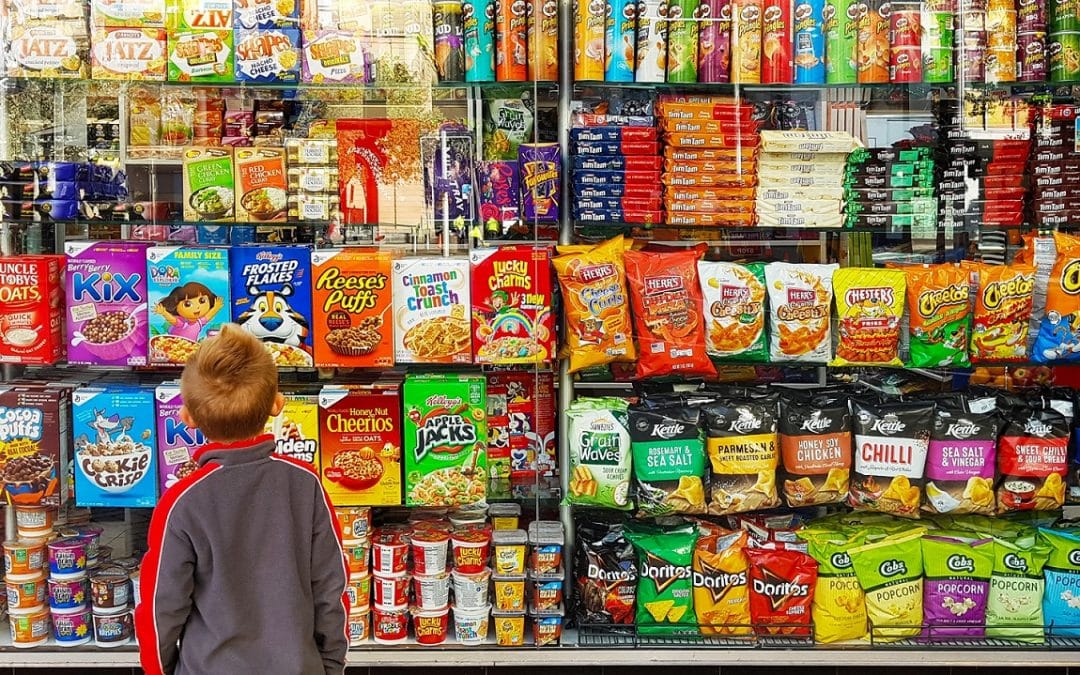
Back in the 1990s, an indigenous chips brand captured our hearts with its iconic tagline, “Bole Mere Lips, I Love …………. Chipps.” However, this cherished Indian brand eventually succumbed to the competition from an international MNC with a clever strategy – offering small, collectible discs adorned with cartoon characters called ‘tazos’ for free with every chip pack. For kids like me, it became a mission to collect as many tazos as possible, convincing our parents to buy more chips. We formed teams with friends and cousins, all driven by the excitement of the chase. As a result, the indigenous chips brand, once a household name, faded into obscurity. This nostalgic anecdote underscores the immense influence of food marketing tactics aimed at children. Do you also recall the maze of offers from a famous international fast-food chain, luring us with free toys? Behind the appeal of these giveaways lay meals laden with calories, low in fibre and protein, and drowning in sugar, not to mention the sugary drinks they bundled. Food marketers employ a range of strategies to captivate young palates, aiming to foster lifelong brand loyalty. If successful, they not only secure the children’s market but also pave the way for their brands to thrive among adolescents and adults in the future. In this article, we delve into these common food marketing tactics and offer parents valuable insights and tips to help their children make healthier food choices.

Richa Pande

In the world of children’s food choices, marketing wields substantial power. Be it through eye-catching packaging or irresistible characters, marketing has a knack for igniting cravings in the little ones. Sadly, a significant portion of this marketing sorcery is directed towards promoting less-than-healthy packaged snacks and treats, often loaded with sugar, fat, food additives which might not be good for children health. This marketing frenzy plays a pivotal role in the concerning surge of childhood obesity, calling for immediate attention. But here’s a glimmer of optimism! Parents have the potential to make a positive impact by staying informed and getting involved. 

Join us as we explore the captivating realm of marketing, unhealthy snacks, and how parents can make a difference. And that begins with learning about the existing food marketing strategies targeting children. Here are some promotional strategies recruited by food marketers-

Stress can also be bad for your heart health as stress can cause irregular heart rate and rhythm, increased blood pressure, chronic intrinsic inflammation, and reduced blood flow to the heart. These hormonal surges can damage blood vessels and arteries, increasing blood pressure and raising risk of heart attacks or strokes. Prolonged stress can have negative impact on your digestive health as well. It can cause acid reflux, diarrhoea, constipation, stomach aches, heartburn, and can also increase your risk for having ulcers. Stress can also contribute to the build-up of adipose tissue and weight gain by increasing appetite and increasing storage of unused nutrients such as fat. Release of these stress hormones can weaken your immune system and reduce body’s response to infections. Individuals experiencing chronic stress are more susceptible to infections and prolong recovery from an illness or injury. Individuals with chronic stress can also experience behaviours such as overeating, alcohol or drug abuse, and social withdrawal. Stress can also lead to irregular, heavier, or more painful periods in women and can worsen the symptoms of menopause in women.

Food Advertisements on Children’s Television 

Food advertisements on television exert a significant influence on children’s food choices, often playing a pivotal role in shaping their dietary preferences and habits. These advertisements are strategically designed to appeal to the sensory and emotional aspects of childhood, showcasing enticing visuals, catchy jingles, and beloved characters. When children are repeatedly exposed to images of foods high in Sugar, Fats, and Salt (HFSS Foods), it creates a powerful association between these products and feelings of happiness and pleasure. This can lead children to desire and request these foods from their parents or caregivers. Moreover, the persuasive tactics employed in these advertisements can override children’s ability to make informed, health-conscious choices. As a result, there is a concern that excessive exposure to food advertising, particularly for unhealthy products, contributes to childhood obesity and related health issues.

Cartoons on packaged foods 

Cartoons featured on packaged foods hold a substantial sway over children’s food choices, making it a potent marketing tool. These colourful characters and mascots create an immediate and lasting impression on young minds, associating the product with fun and excitement. Children are drawn to the familiar and friendly faces. This phenomenon often leads to pester power, as kids request products featuring their favourite characters.


Popular Cartoons on Packaged Foods available in Indian food market {Name of the Brands Hidden}

Product Placement in Kids’ favourite cartoon shows

Product placement of unhealthy foods in kids’ cartoons can shape children’s food preferences and health negatively. Advertisers often use this tactic to make unhealthy foods and beverages appealing to young viewers. Such exposure can lead to poor eating habits, obesity, and related health issues. Children, being influenced by their favourite animated characters, may develop cravings for these products. This blurs the line between entertainment and advertising, making it hard for children to discern between content and commercials. 

Product placement in story narratives of kinds’ favourite comics 

Product placement in children’s comics subtly shapes preferences and choices, leveraging the emotional connection between beloved characters and products. By seamlessly integrating into storylines, it fosters positive associations, instilling familiarity and trust with the items showcased. This strategy effectively influences young readers’ behaviour while maintaining the enjoyment of storytelling.

Product Placement in a story narrative of a Popular Children Magazine {Name of the Brand Hidden}

Freebies with packaged foods 

Freebies such as toys, puzzles, interactive games holds  a considerable influence over children’s choices, as marketers recognize the allure of immediate gratification and psychological ownership in young minds. When presented with a choice, children often opt for products that come with enticing freebies like toys, stickers, or snacks, creating a sense of attachment to the brand. Their pestering power can also sway parental decisions, as caregivers may yield to their requests when a child fervently desires a product bundled with a free item. Collectible freebies further enhance this effect, encouraging children to choose products that complete their sets. Additionally, freebies can foster brand loyalty by associating positive emotions with a particular brand. The influence of peer pressure, limited availability, and compelling advertising further intensifies this effect, as children strive to fit in, seize scarce opportunities, and embrace trends. Furthermore, freebies serve as a means of introducing children to new products, potentially shaping their preferences and choices in the long run. In this way, freebies exert a multifaceted influence on children’s decision-making processes.

Offers on a food packaging

Game Websites by Brands

Food brand-developed game websites have a significant impact on both children and adolescents’ food choices through addictive game design and the promotion of unhealthy products. These games are engaging and rewarding, keeping young players exposed to brand messaging and products. They prominently feature less nutritious items, normalizing and making them appealing to both children and adolescents. The addictive nature, combined with this promotion, forms strong associations, potentially leading to unhealthy eating habits.

QR codes on package foods

QR codes on food packaging can strategically boost brand recall and influence product choice among adolescents and children. These codes encourage interaction, allowing kids to scan and engage using their devices, creating a direct link to the brand. Interactive experiences, especially tied to games or exclusive content, enhance brand recall. Children associate the brand with this engaging interaction, potentially leading to preferences during shopping. The excitement shared with parents fosters trust, influencing parents’ positive views and purchase decisions based on the brand’s interactive and educational content through QR codes.

Cashback schemes on packaged foods

Similar to QR codes, cashback schemes and other promotions featuring cartoons on food packaging can encourage children to choose specific products. These incentives offer a tangible benefit, making the product more appealing to both children and parents. The presence of cartoons further enhances the appeal, as they resonate with young consumers.

Contests by food brands promoted on packaged foods and social media channels

Food brands hosting contests on their products and social media channels is like adding some spice to their marketing recipe. These contests are super engaging, especially for teens, with cool prizes and interactive fun. Teens love to share their contest experiences on social media, spreading the brand’s name far and wide. This boosts brand recognition among the younger crowd. Plus, these contests create excitement and make the brand feel like a friend. This can nudge teens towards buying more of that brand’s products, building loyalty. In a nutshell, these contests use social media’s magic to grab teens’ attention and get them munching on those tasty treats.

Look at the nutrient profile of some of the packaged products that had components pertaining to Promotional Tactics Present on Packaged Foods Targeting Children-

Food Category

Nutrient Profile Per 100 g of the product 

Ingredient List 

Promotional Tactics Present on Packaged Foods Targeting Children

Chocolate

16 g pack 

Energy: 468 kcal

Protein: 3.6 g

Fat: 17.5 g

Saturated Fat: 17.3 g

Trans Fat: 0.2 g

Carbohydrate: 75.1 g

Sugars: 70 g

Sodium: 74 mg

Sugar, Hydrogenated Oils, Cocoa Solids (8%), Lactose-Rich Deproteinized Whey Permeate Powder, Milk Solids, Refined Wheat Flour (Maida), Emulsifiers (414, 442, 476), Colours (171, 102, 133, 124, 127, 122, 132, 110), Glazing Agent (903), Liquid Glucose, Flavours (Natural, Nature Identical and Artificial (Caramel And Vanilla) Flavouring Substances).

  • Cartoon on Packaged Food
  • Free Toy 
  • QR Code / Cashback Scheme

Snack Rings

75 g pack

Energy (Kcal) 493, Total Carbohydrates (G) 67, Added Sugars (G) 6.9, Dietary Fibre (G) 2.2, Protein (G) 5.4

Total Fat (G) 22.5, Saturated Fat (G) 10.4, Monounsaturated Fat (G) 9.4, 

Poly Unsaturated Fat (G) 2.6, 

Trans Fat (G) 0.01, Cholesterol (Mg) 0, 

Sodium (Mg) 830

Corn Flour (70%), Refined Palm olein Oil, Seasoning (Sugar iodised Salt. *Spices and Condiments (Contains Onion and Garlic), Black Salt, Acidity Regulators (INS 296, INS 330), Flavour Enhancers (INS 627, INS 631), Tomato Powder (1.4%), Tamarind Powder, Hydrolysed Vegetable Protein (Soya), Anticaking Agent (INS 551), Colour (INS 160c). Natural and Nature Identical Flavouring Substances). Anticaking Agent (INS 170). *Used as natural flavouring agent

  • Free Toy
  • Dedicated website with interactive game 
  • Placement in story narrative of a comic story in a nation-wide popular magazine 
  • A famous sport star on food packaging
  • QR Code – Scan to win a chance to meet a cartoon character
  • Free Toy Inside

Chocolate Cake 120 g pack

Energy (kcal) – 402

Total Fat (g) – 18.00

Saturated Fat (g) – 8.90

Monounsaturated (g) – 6.18

Poly unsaturated (g) – 1.56

Trans Fat (g) – <0.2

Carbohydrates (g) – 54.51

Sugar (g) – 26

Dietary Fibre (g) – 0.5

Protein (g) -5.48

Sodium (mg) – 200

Water, Refined Wheat Flour, Sugar, Palm Oil, Margarine (Partially Hydrogenated Oil, Palm Olein, Palm Oil And Palm Kernel Oil, Whey Powder, Penta Mix, Edible Starch, Emulsifiers, Acidity Regulators, Stabilizers, Anticaking Agent, Humectant, Raising Agents, Acidity Regulators, Preservatives, Added Artificial Flavours Of Mix Fruit And Vanilla

One of India’s widely recognized cartoons featured on food packaging

What parents can do to tackle food marketing techniques targeting their children?

Parents play a crucial role in protecting their children from the pervasive influence of food marketing techniques targeting them. Here are some strategies and actions parents can take to tackle this issue:

  • Stay Informed

Staying informed about current research and guidelines on child nutrition and food marketing is crucial for making informed decisions about your family’s diet. It ensures you’re up to date with the latest insights on healthy eating and allows you to adapt your food choices based on evidence-backed recommendations, promoting better overall health and well-being for your children.

  • Create a Healthy Food Environment

Maintaining a healthy food environment at home is vital. By stocking up on nutritious snacks and minimizing the presence of sugary or highly processed foods, you create an environment that encourages healthier eating habits. This approach supports better dietary choices for your family and reinforces the importance of nutritious options.

  • Limit Screen Time

Limiting screen time, which includes TV and internet usage, is crucial in reducing children’s exposure to pervasive food marketing. By curbing screen time, parents can create an environment with fewer opportunities for advertisers to target their children with unhealthy food promotions. This measure allows parents to exert more control over their child’s media consumption and helps shield them from persuasive marketing tactics, promoting healthier food choices and behaviours.

  • Read Food Labels Together

Engaging children in reading food labels during grocery shopping is an educational and empowering strategy. It encourages kids to develop essential skills in assessing food products, including ingredient identification, and interpreting nutritional information. By explaining aspects like sugar, salt, and fat content, parents help children make informed food choices. This collaborative approach not only fosters a deeper understanding of nutrition but also instils a lifelong habit of mindful food selection, promoting healthier eating habits.

  • Educate your child and enroll them in Nutrition Literacy Programs 

Clarify how corporations employ vibrant packaging, enticing slogans, and engaging characters to present unhealthy foods in an attractive manner. Following that, you can encourage participation in literacy programs aimed at teaching individuals how to critically evaluate food marketing tactics and instruct them on utilizing food labels to make well-informed dietary decisions.

  • Advocate for Change

Parents can advocate for change by joining advocacy groups or engaging in campaigns to restrict advertising of unhealthy foods to children, making a substantial difference in food marketing practices.

  • Lead by Example

Model healthy eating behaviours and food choices to reinforce good habits. When children see parents making nutritious choices and enjoying wholesome meals, they are more likely to follow suit. This positive influence helps create a lasting foundation for a healthy relationship with food and nutrition.


Sabudana Unveiled: The Tapioca Tale and Beyond

Sabudana Unveiled: The Tapioca Tale and Beyond

Sabudana Unveiled: The Tapioca Tale and Beyond

Sabudana holds a special place in the hearts and traditions of millions. These small, translucent globules have become synonymous with fasting seasons in India, particularly during religious festivals like Navratri, Shivaratri, Ekadashi, and Saawan season. During these periods of abstinence from certain foods, sabudana emerges as a dietary staple, offering sustenance and culinary delight. In this article, we will discuss the origins of sabudana, its nutrient profile, and some labelling and handling tips that can enable informed food choices.

By Richa Pande

It is crucial to recognize that despite the common reference of sabudana as ‘sago’, sabudana is not the same as sago pearls. Sago pearls are derived from the Sago Palm Tree, while the sabudana we consume is made from Tapioca Tubers. In various countries like Australia, Brazil, and India, tapioca pearls made from cassava and cassava roots are also referred to as sago, sagu, or sabudana, but they are not obtained from the sago palm tree. Tapioca pearls and sago pearls differ from each other, even though both are starchy in nature. Sago is a starch obtained from the pith of the tropical palm tree known as the sago palm tree. On the other hand, tapioca pearls are made from the starchy part of the cassava roots, a starchy tuber plant originally found in South America but now grown worldwide in tropical regions. The consumption of ‘Tapioca Pearls’ in Kerala, India, is believed to have been popularized by the royal family of Travancore during the colonial era as a response to famine. The tapioca was extensively washed, and over time, this processing technique led to the creation of sabudana. The extraction process of sabudana involves harvesting the starchy parts of the plants, chopping, pounding, and thorough washing to separate the starch granules from the fibrous residue. After washing, the starch is left to settle, and excess water is drained off. The wet starch is then further processed to remove impurities and obtain the fine, pearl-like granules, which are eventually dried, packaged, and sold. Sago pearls are usually white, while tapioca pearls come in a variety of colours. Tapioca balls are sometimes bleached to achieve a white appearance.

Sabudana is a naturally gluten-free food, making it an excellent option for individuals with gluten sensitivity or celiac disease. With approximately 330-350 calories per 100 grams, sago is mainly derived from carbohydrates, and offers minimal protein and fat content, with less than 1 gram of each. As Sabudana is rich in carbohydrates, it serves as a quick source of energy. It is particularly beneficial for individuals who need easily digestible foods, such as those recovering from illness or experiencing digestive issues. It contains approximately 11% of the Reference Daily Intake (RDI) for zinc per 100 grams.

Sabudana is a versatile ingredient that can be used to prepare a variety of delicious dishes. Here are some popular recipes made from sabudana:

  • Sabudana Khichdi:A classic and popular Indian dish made with soaked sabudana, peanuts, potatoes, and spices. It is a common fasting food and can be enjoyed for breakfast or as a light meal.
  • Sabudana Vada:These crispy and flavourful fritters are made from soaked sabudana, mashed potatoes, peanuts, and spices. They are deep-fried to perfection and served with chutney or yogurt.
  • Sabudana Kheer:A delightful dessert made by simmering soaked sabudana in milk with sugar and cardamom. Garnished with nuts, it’s a perfect sweet treat.

Labelling Tips

  • Consumer awareness on sabudana labelling starts with checking the ingredient list on the packaging. Look for products that have a simple and clear ingredient list, preferably with minimal additives or preservatives. Ensure that the primary ingredient is “Tapioca “. Avoid items that have ambiguous terms or generic descriptions like “starch” or “pearls” without specifying the source. Additionally, be cautious about any allergens or potential cross-contamination mentioned on the label to ensure the product is safe for consumption if you have a food allergy. Being diligent about ingredient scrutiny empowers consumers to make healthier and more informed choices when selecting sabudana products. When consuming sabudana during fasts, ensure that the label does not include any allergy warnings about the product being processed in machinery used for cereal products like wheat.
  • When checking the label, also look for terms like “unbleached sabudana.”
  • Look for quality mark logos such as Agmark, or ISI (Indian Standards Institute), which indicates that the product complies with specific quality and safety standards. These logos provide reassurance about the product’s authenticity and adherence to regulatory guidelines. By incorporating these two practices, consumers can make well-informed choices, ensuring both the quality and safety of the sabudana they purchase.

Handling Tips

Proper storage and handling of sabudana are essential to maintain its quality and prevent spoilage. Here are some storage and handling tips for sabudana:

  • Store in a Cool, Dry Place:Keep sabudana in an airtight container in a cool and dry area, away from direct sunlight and moisture. Excess humidity can cause the pearls to stick together or become mouldy.
  • Protect from Pests:Ensure the storage container is tightly sealed to prevent pests and insects from contaminating the sabudana.
  • Check for Expiry Date:Always check the expiry date on the packaging before purchasing. Use the oldest stock first to maintain freshness.
  • Wash Before Use:Before using sabudana in any recipe, wash it thoroughly in cold water until the water runs clear. This helps remove excess starch and ensures the pearls do not clump together during cooking.
  • Soak Properly:If the recipe requires soaking sabudana, use an adequate amount of water, usually 2 to 3 times the volume of sabudana, and soak it for the recommended time to achieve the desired texture.
An error in procedure makes an order Null & Void

An error in procedure makes an order Null & Void

An error in procedure makes an order Null & Void

Uttar Pradesh State Consumer Forum reversed an order made by the Gautam Buddha Nagar District Consumer Forum, which had sentenced Ritu Maheshwari, the Chief Executive Officer (CEO) of the Greater Noida Industrial Development Authority (GNIDA), to one month in prison. Maheshwari was found guilty of not complying with a directive issued by the National Consumer Disputes Redressal Commission in 2014.

Observation;

It was observed by State Commission that District Commission’s order “defective” because it failed to give GNIDA an opportunity to present its side of the case. Consumer Commissions to follow the provisions of the Code of Criminal Procedure (CrPC) when exercising powers under Section 27 of the Consumer Protection Act. I.e. issue notice, after notice bailable warrants, non-boilable warrants and then declaring absconding &punishment

Case title: Greater Noida Industrial Development Authority vs Mahesh Mitra

Appeal Execution Application No. AEA/1/2023

Decided on 24 June 2023

Other similar case of resulting into dismissal of complaint:

It’s the most painful thing for a consumer who wins the case after putting all efforts, energy and time and it becomes null and void due to an error in understanding the real person who is to be punished. It happened with a complainant in the matter of H.K. Singla vs. Avtar Singh Saini & Ors.Decided On 14th December 2018 who had filed a complaint against secretary Chandigarh State Bank of Patiala Employees Co-operative USE Thrift & Credit Society, claiming maturity amount along with interest on his deposit with the Society

As per the practice under law, in cases of suits/claims/complaints filed by the corporate, authorities or units, they are to be filed through name and person authorized by the authority under the document of power of attorney to sign the documents etc. Further it needs to be supported by resolution passed in an individual’s favour to deal with specific case by virtue of holding power of attorney from the authority.

Facts:

  1. District consumer court passed an order in favour of consumer directing the society to pay the maturity amount with interest @10% per annum along with compensation to the tune of rupees ten thousand to the complainant
  2. Since society had gone in liquidation ,they went in appeal before the state commission .State commission Chandigarh dismissed the appeal finding no error in the district consumer forum order &order is to be complied
  3. Now complainants comes back to the consumer forum for execution of the order under section 27 of the act .and District forum in the absence of payment of decrial amount, orders two years imprisonment and rupees 5000/- fine .
  4. Aggrieved by this order, respondent again goes to the State commission for staying the order of imprisonment. State commission passed an interim order staying the operation of order of imprisonment subject to payment of decrial amount within eight weeks.
  5. Defendants failed to comply this order also and they filed appeal against the order of State commission before the National commission .National commission confirmed all the orders of lower courts below dated 08.11.2012 passed in First Appeal Nos.652/12; 653/12; 654-656/12; 657/12 It was held by the National Commission that district forum rightly ordered for imprisonment under section 27 of the act for non-compliance of its order, State commission rightly gave an opportunity to the opposite party to pay the decrial amount within specific period and conditionally stayed the operation of imprisonment. With this observation, National Commission dismissed the appeal holding all orders passed by the lower commissions correct
  6. Supreme Court as the case H.K. Singla Vs. Avtar Singh Saini & Ors.[Civil Appeal No. 11969 of 2018 Decided On 14th December 2018
  7. District court in its order fixed the liability of secretary, Chandigarh State Bank of Patiala Employees Co-operative USE Thrift & Credit Society, to repay the deposited amount with interest to the complainant but did not make secretary liable in his individual capacity. Hence he could not be imprisoned under section 27 of the act in the absence of he made party by name or on behalf of society fixing personal liability.
  8. State commission while staying the order of imprisonment in 2013 with condition to pay the decrial amount did nothing to correct the error though this interim order continued from time to time. It was the State commission to decide there and then as to whether any order for jail can be passed against the society for non –compliance of the order
  9. National commission also did not interfere in the order passed below but did not specify whom to send to jail under section 27 of the act
  10. Under the circumstances Supreme Court suspended the order of the district forum to the extent of imprisonment of secretary of the society
  11. This is also observed that society has gone in liquidation and liquidator has been appointed, complainant is given liberty to take necessary steps to recover the decrial amount as ordered by the district court in accordance with law

Related

Flipkart not liable as intermediary for any inaction by a vendor/seller

Flipkart not liable as intermediary for any inaction by a vendor/seller

Flipkart not liable as intermediary for any inaction by a vendor/seller

(Question of Applicability of Product Liability Claus in CP Act 2019)

A writ petition filed by Flipkart, Allahabad High Court seeking quashing of the First Information Report (FIR) for offences under Sections 406, 420, 467, 468, 471, 474 and 474-A of the Penal Code, 1860 (IPC)

Issue in the case

The issue of the case is whether an intermediary as defined under Section 2(1) (w) of the IT Act, 2000 would be liable for any action or inaction by a party or a vendor/seller making use of the facilities provided by the intermediary in terms of buyers/sellers terms of use of the company.

The division bench of Suneet Kumar and Syed Waiz Mian, JJ. while quashing the FIR, has observed that an intermediary is not liable for any third-party information, data or communication link made available or posted by it, as long as it complies with Sections 79(2) or 79(3) of the Information and Technology Act, 2000 (‘IT Act’),

Flipkart is an intermediary providing merely access to sellers/buyers and has exercised ‘due diligence’ under Section 79(2) (c) IT Act, 2000, thus, it is exempted from any liability under the IT Act

Facts of the case;

  1. In this case, the respondent alleged that he ordered a laptop from Flipkart, but it was having processor of brand ‘A.M.D’ instead of brand ‘Intel’, thus, the delivery of the product was not as per the specifications for which order was placed. Thus, aggrieved, the respondent registered a complaint with Flipkart regarding the alleged discrepancy of the product. The complaint was taken up by Flipkart as per their Dispute Redressal Policy, with the seller, but he declined to replace or refund the consideration of the product, stating that the product was dispatched as per specifications purchased by the respondent.
  2. Customer lodged a complaint /FIR against Flipkart. Flipkart approached High court with request to quash FIR on the ground that it is an e-commerce platform that provides access to buyers and sellers through their website, where they meet and interact to execute purchase and sale transactions, subject to terms and condition as set out in the buyers/sellers terms and Flipkart is not a party to or in control of any such transaction between its users.
  3. The Court observed that Section 79 is a safe harbour provision. Further, internet intermediaries give access to host, disseminate and index content, sell-buy products and services originated by third parties on the internet that includes e-commerce intermediaries where the platforms do not take title of the goods being sold.
  4. 2008 amendment introduced Chapter XII to the IT Act, 2000, which ceased the liability of an intermediary, if it satisfied certain requirements as detailed in Section 79 of IT Act, 2000. The Court observed that Flipkart does not follow inventory-based model of e-commerce, where inventory of goods and services is owned by e-commerce entity and is sold to the consumers directly, thus it comes within the meaning and definition of ‘intermediary’ under Section 2(1) (w) of the IT Act, 2000, and would be entitled to the exemption from liability in terms of Section 79 IT Act, 2000, if the requirements are met.
  5. Further, it cannot be expected that the provider of the online marketplace is aware of all the products sold on its website, but such provider must put in place a robust system to inform all sellers on its platform of their responsibilities and obligations under applicable laws in order to discharge its role and obligation as an intermediary, and if the same is violated by the seller, then he can be proceeded against, but not the intermediary.
  6. The Court also observed that as per the Consumer Protection (E-Commerce) Rules, 2020, Flipkart would come within the meaning of a marketplace e-commerce website, thereby affording it the above exemption so long as the requirements under Section 79 are met. Thus, as Flipkart has complied with the requirements of Sections 79(2) and 79(3) I.T Act, as well as, the Information Technology (Intermediaries Guidelines) Rules, 2011, thus it is exempted from any liability under Section 79 IT Act, 2000, as no violation can ever be attributed or made out against the directors or officers of the intermediary,

[Flipkart Internet Private Limited v. State of UP, 2022 SCC Online All 706, decided on 17.10.2022…

Another Similar  case ;

Intermediary entitled to claim protection u section 79 it act for criminal-liability unless active role is disclosed Delhi high court quashes fir against flipkart/

Decided on 19/08/2022

FIR by Managing Director of Sanash Impex Pvt. Ltd

Question of applicability of Product Liability clause under CP Act 2019

Does the above case affect Product Liability clause in CP Act 2019? Let’s understand the provision of the Act

Section .84. Of Consumer Protection Act 2019

(1) A product manufacturer shall be liable in a product liability action, if—

(a) the product contains a manufacturing defect; or

(b) the product is defective in design; or

(c) there is a deviation from manufacturing specifications; or

(d) the product does not conform to the express warranty; or

(e) the product fails to contain adequate instructions of correct usage to prevent any harm or any warning regarding improper or incorrect usage

Section 86. Of CP Act 2019

A product seller who is not a product manufacturer shall be liable in a product

liability action, if—

(a) he has exercised substantial control over the designing, testing,

manufacturing, packaging or labelling of a product that caused harm; or

(b) he has altered or modified the product and such alteration or modification

was the substantial factor in causing the harm; or

(c) he has made an express warranty of a product independent of any express

warranty made by a manufacturer and such product failed to conform to the express

warranty made by the product seller which caused the harm; or

(d) the product has been sold by him and the identity of product manufacturer

of such product is not known, or if known, the service of notice or process or warrant

cannot be effected on him or he is not subject to the law which is in force in India or the

order, if any, passed or to be passed cannot be enforced against him; or
From the above clauses, flip kart comes under sub clause (d) of section 86 which says ‘liability in product liability action’ meaning thereby he can be made party, liable to disclose whereabouts of seller and can also take responsibility to receive and send notice on their behalf.

Status of Flipkart as E-Commerce entity

E-Commerce Entity defined under new Law

“e-commerce entity” means any person (whether natural or juridical) who owns, operates or manages a digital or electronic facility or platform for electronic commerce,

 Inventory e-commerce entity -When the seller decides to list its product on an inventory e-commerce entity’s platform, it authorizes the entity to assume ownership and control of the goods for the purposes of delivery to the consumer. An inventory e-commerce entity, thus, assumes control over the goods only after the seller so authorizes it for the purpose of effecting Examples of such e-commerce entities include eBay, OLX, Naaptol, etc

 Marketplace e-commerce entity: an e-commerce entity which provides an electronic platform to facilitate transactions between buyers and sellers traditionally, marketplace e-commerce worked on zero inventory models. The e-commerce entity acts as a mere facilitator of transactions and exchange of information between buyer and seller. Examples of such entities include Amazon and Flipkart

Conclusion;

As discussed in the case before Allahabad High Court also, flipkart is not liable as manufacture and above order does not contravene the provisions of CP Act2019

Fundamental principal is that criminal case and civil case are dealt on different parameters. The above case is about quashing of FIR, hence otherwise also cannot be compared with civil remedy.

Dr Prem Lata

Related
Insurance company cannot object about treatment to the patient, its doctor to decide

Insurance company cannot object about treatment to the patient, its doctor to decide

Insurance company cannot object about treatment to the patient, its doctor to decide

National commission has recently decided two cases on insurance wherein question before the commission was to decide whether the case falls under pre-existing disease and concealment of material facts at the time of taking policy. In both the cases facts are different and order of the commission also not the same. In the matter of Life Insurance Corporation of India v/s Fathima @Anthonimal &others case, commission observed that deceased Vidal Sagayanandin obtained two insurance policies issued on 28.9.95 and 28.9.96, both for sum assured one lac. He died on18.7.98 and a claim against policies was raised by his wife Fathima which was rejected on the plea of concealment of facts following doctors notes dated. 931.10.91 at hospital Tenon at Paris as hereunder-

‘ he was hospitalized in august 1991 for pain in the epigastrium.He had already similar pain in July 1990 and in June 1991.Alcohal consumption was the probable cause of pancreases as he continued to drink until few months 5 to 6 pegs per day and minimum I liter of wine every day’

On the basis of this report, commission made the observation that material facts were not revealed to the insurance company before taking policies .Hence rejection of claim was found justified

This order was passed on 27.1.2016. In the above matter of Life Insurance corporation of India v/s Fathima @anthonimal &others 11(2016) CPJ 49 NC.

 But the same commission had different view in the matter of United India Insurance Co. Ltd versus Milli Dutta & others 11(20160CPJ 244 NC decided on 8.9.2015 wherein commission found exclusion clause not applicable because there was no evidence that complainant was having problem in her knee before 48 months of knee replacement .Problem was detected only after ex-ray and after taking first mediclaim policy .Hence insurance company was deficient in services for rejecting the claim

Material fact is not defined in the Act and, therefore, it has been understood and explained by the Courts in general terms In the matter of Life Insurance Corporation of India vs. Smt.G.M.Channabasamma (1991) (1) SCC 357 , the court held that  fundamental principle of insurance law that utmost faith must be observed by the contracting parties. Good faith forbids either party from non- disclosure of the facts which the party privately knows.

On the other hand Supreme Court in the matter of P.C. Chacko and others V/S Chairman LIC of India also observed

‘Misstatement by itself is not material for repudiation of the policy unless the same is material in nature …proposal can be repudiated if a fraudulent act is discovered’

In this connection we may notice the decision of this Court in Mithoolal Nayak Vs. Life Insurance Corporation of India (AIR 1962 SC 814), and further followed by number of Supreme court judgement recently in civil appeal no. 4186-87/1988 Life insurance corporation of India v/s Smt. Asha Goel and others 111 (2012) CPJ 5 SC in which the position of law was stated that three conditions must fulfil for application of exclusion clause and for bringing the case under pre-existing disease. Second part of Section 45 is:

(a) The statement must be on a material matter or must suppress facts which were material to disclose;

(b) The suppression must be fraudulently made by the policy holder; and

(c) The policy holder must have known at the time of making the statement that it was false or that it suppressed facts which it was material to disclose.

Mulla’s Indian Contract and Specific Relief Acts `any fact the knowledge or ignorance of which would materially influence an insurer in making the contract or in estimating the degree and character of risks in fixing the rate of premium is a material fact

Most of the people are totally unaware of the symptoms of the disease they suffer till it is diagnosed and some medicines referred to be taken. Under such situations, they cannot be held liable as held by Supreme Court in number of cases earlier also.

The insurance companies are repudiating even genuine mediclaims taking advantage of their exclusion clause. In yet another recent case New India Insurance Company V Anand Gourana reported in CTJ 2010 the Madhya Pradesh State Commission rejected the plea of insurance company that the charges incurred at hospital or nursing home primarily for diagnosis, X-ray or laboratory examination are not reimbursable.

 In the recent past, insurance companies short listed some of the hospitals from their panel and objected to their prescribing a number of laboratory tests, and recommending costly treatments and operations which insurance companies thought could be avoided. Subsequently insurance companies stopped cashless facilities in some of these private hospitals. But there was sharp retaliation to such move, and courts through various judgments warned the insurance companies not to step into the shoe of doctors.

Insurance companies short listed some of the hospitals from their panel and objected to their prescribing a number of laboratory tests, and recommending costly treatments and operations which insurance companies thought could be avoided. Subsequently insurance companies stopped cashless facilities in some of these private hospitals. But there was sharp retaliation to such move, and courts through various judgments warned the insurance companies not to step into the shoe of doctors. Maharashtra State Consumer Dispute Redressed Commission has shown insurance firms their place, directing that it is the doctor and not the insurer who can decide whether a case requires emergency medical attention or not. It is further stated that “insurance company’s officers are not experts who can decide whether a particular case is of medical emergency or not.”

“It is the doctors who decide what treatment is required to be given. Once the insured has paid the agreed amount of premium, insurance company is bound to meet the expenses “held in Shamim Khan V New India insurance company, Maharashtra State Consumer Dispute Redressed Commission, 2000.

[Facts of the case; – Shamim Khan, the plaintiff who was working as a school teacher in Saudi Arabia suffered unbearable stomach pain when he visited India in July 2000, which led to severe bleeding. Khan was admitted to Bombay hospital where emergency surgery was conducted. Claim for total expenditure of Rs 41,158 was rejected on the plea that there was no emergency to undergo operation. Doctor’s certificate was then produced to prove the emergency in the case.

Apart from directing the claim of the consumer to be paid, court also fined the insurer Rs 5000 for rejecting the claim. The order came at a time when insurance companies are desperately trying to avoid passing claims and reimbursing expenses, borne by the insured under mediclaim policies. It is surely a big relief to the consumers at this juncture. ]

A study of medical trade practices in Mumbai sponsored by World Health Organization reveals the unethical and illegal trade practices of doctors and drug companies. Pharmaceutical companies sponsor Continuous Medical Education [CME] camps, where they develop personal bonds with the doctors, which they further strengthen with sponsored cocktail parties and then overseas trips. The net result of such favour ultimately burdens the patients admitted in the hospitals who are prescribed drugs from specific companies that may be much costlier than other brands available outside.

IRDA. Guidelines 6th January, 2011

Some companies started enhancing their premium amount for senior citizens with a view that after certain age, their medical expenses do increase. But now this controversy is also settled and IRDA on 6th January2011 has asked insurance companies to refrain from charging policy holders the premium amount which is outside the range filed with IRDA.

This change in the attitude is surely the result of various judgements pronounced by the courts in favour of consumers

Dr Prem Lata

Unravelling the Secrets of Ghee

Unravelling the Secrets of Ghee

Unravelling the Secrets of Ghee

With a fascinating history that spans through the ages, ghee goes beyond a mere addition to our plates—it demands our attention as discerning consumers. In this article, we will uncover its ancient origins, explore the diverse range of types available, and delve into the unique nutritive compositions that set them apart. Along the way, we will carefully evaluate the pros and cons of incorporating ghee into our diets, unveiling its potential health benefits and important considerations to keep in mind. Get ready to embark on a journey that will deepen your appreciation for this culinary gem, as we unravel the remarkable world of ghee.

                                                                                                                                                                                                                          Richa Pande

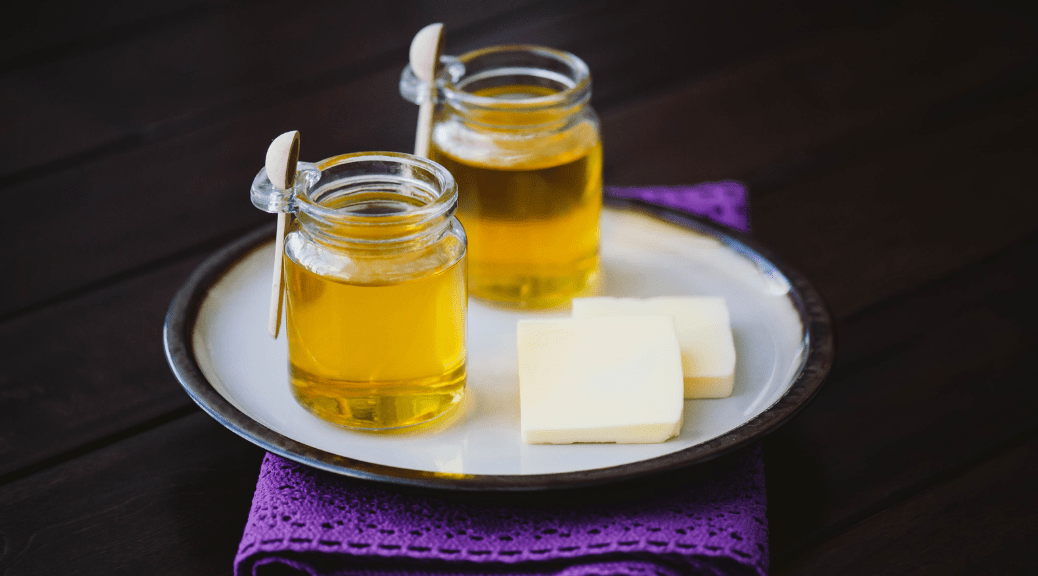
Ghee is a type of clarified butter that has been used for centuries in traditional cooking and healing practices. It is made by simmering butter to separate the milk solids and water, leaving behind a golden, pure fat with a rich, nutty flavour. Ghee is highly regarded for its high smoke point, which makes it ideal for high-temperature cooking. It is also known for its potential health benefits, such as being a source of some essential vitamins, aiding digestion, and potentially possessing anti-inflammatory properties.

Ghee has a fascinating history that spans centuries and traverses different cultures. Its origins can be traced back to ancient times, with early references found in Indian Ayurvedic texts dating back over 5,000 years. Ghee holds a prominent place in Ayurvedic medicine and Indian culinary traditions. It was revered as a sacred substance and was used for various rituals, as well as for its healing properties. Ghee’s popularity spread to neighbouring regions and cultures, including the Middle East and Southeast Asia. Over time, ghee became an integral part of many cuisines worldwide, celebrated for its flavour, shelf stability, and versatility. Its rich history and cultural significance have cemented ghee as a timeless ingredient, treasured for its culinary and holistic attributes.

Ghee is a versatile ingredient that offers a multitude of benefits. It serves as a rich source of fat-soluble vitamins which contribute to maintaining healthy skin, supporting immune function, and promoting good gut health. With its high smoke point, ghee can withstand high cooking temperatures without breaking down or producing harmful compounds, preserving its nutritional properties and imparting a delicious flavour to dishes. In Ayurvedic medicine, ghee has been used for its digestive benefits, stimulating the secretion of stomach acids and aiding in the digestion and absorption of nutrients. Its lubricating properties may also provide relief from constipation and promote regular bowel movements. Ghee contains butyric acid, a short-chain fatty acid known for its potential anti-inflammatory properties. This can be particularly beneficial for individuals with inflammatory bowel diseases, as well as the omega-3 and omega-6 fatty acids present in ghee. Furthermore, ghee is lactose-free and shelf-stable, making it suitable for those with lactose intolerance and offering a longer shelf life compared to butter. Last but not least, ghee adds a delightful, nutty flavour to both sweet and savoury recipes, enhancing the overall culinary experience with its unique aroma and taste.

Buffalo Ghee

Buffalo ghee is a type of clarified butter that is derived from the milk of buffaloes. It is highly regarded in various culinary traditions, particularly in South Asian and Middle Eastern cuisines. Buffalo ghee has distinct characteristics that set it apart from other types of ghee. Buffalo ghee is known for its rich and intense flavour profile. It has a strong, slightly tangy taste that adds depth and complexity to dishes. The aroma of buffalo ghee is robust and distinctive, often described as earthy and nutty. In terms of its nutritional composition, buffalo ghee is a source of fat-soluble vitamins. It contains higher levels of fat compared to other types of ghee, making it a dense and energy-rich ingredient.

Cow Ghee

Cow ghee is a type of clarified butter made from cow’s milk. It holds a prominent place in various culinary traditions, particularly in South Asia. Cow ghee is widely valued for its unique flavour, rich aroma, and numerous potential health benefits. To make cow ghee, butter is traditionally prepared from cow’s milk, which is then heated and simmered to remove the water content and separate the milk solids. The resulting golden liquid is strained, leaving behind pure cow ghee. One of the distinct characteristics of cow ghee is its mild and subtle flavour profile. It has a delicate, buttery taste with a hint of nuttiness. This makes it a versatile ingredient that can enhance the flavours of both sweet and savoury dishes.

Bilona Ghee

Bilona ghee is a traditional and artisanal form of ghee-making that has been practiced for centuries. It involves a meticulous process where curd made from whole milk or cream is hand-churned using a wooden churner or bilona. The manual stirring or whisking of the curd helps separate the butterfat from the buttermilk. The separated butter is then slow-cooked over a low flame, allowing the milk solids to caramelize and settle at the bottom. This slow-cooking process imparts a distinct aroma, rich flavour, and golden colour to the ghee. Bilona ghee is highly regarded for its superior taste, nutritional benefits, and the traditional craftsmanship involved in its production. It is cherished for its purity, quality, and the traditional touch it adds to dishes. The labour-intensive and time-consuming nature of bilona ghee-making makes it a revered and sought-after product, appreciated by those who value the authentic and artisanal approach to ghee production.

Grass-fed Ghee

Grass-fed ghee is a type of ghee made from the milk of cows that are raised on a natural diet of grass and pasture. Unlike cows that are fed grains or confined to feedlots, grass-fed cows produce milk that is rich in essential nutrients and beneficial compounds. One notable advantage of grass-fed ghee is its higher content of vitamin K2, a fat-soluble vitamin that plays a crucial role in bone health, cardiovascular health, and proper calcium metabolism. Vitamin K2 is found in greater quantities in the milk and butterfat of cows that graze on fresh, green grass. By consuming grass-fed ghee, individuals can potentially increase their intake of vitamin K2, which is known to have important health benefits. Grass-fed ghee not only offers the traditional qualities of ghee, such as a high smoke point and rich flavour, but also provides an additional nutritional advantage through its naturally occurring vitamin K2 content.

A2 Ghee

A2 ghee is often marketed as a healthier alternative to regular ghee, claiming to be made from the milk of cows that produce A2 type beta-casein protein. However, the notion that A2 ghee is superior is largely a misleading marketing strategy that preys on consumer concerns. Firstly, ghee, by its very nature, is clarified butter where the milk solids, including proteins, are removed during the manufacturing process. This means that ghee, regardless of the type of milk used, contains negligible to no protein content. Therefore, claims about A2 protein in A2 ghee are baseless. Furthermore, the exaggerated prices of A2 ghee compared to regular ghee only add insult to injury. Consumers end up paying more money for a product that offers no significant nutritional advantage or health benefits.

Herbs and Spice Induced Ghee

Adding herbs and spices to ghee is a popular practice that enhances both the flavour and potential health benefits of this versatile ingredient. Turmeric ghee combines the anti-inflammatory properties of turmeric with the nutritional richness of ghee. Brahmi ghee may support cognitive function and memory. Garlic ghee infuses the distinct flavour and potential immune-boosting properties of garlic. Shatavari ghee is believed to promote hormonal balance and female reproductive health. Ashwagandha ghee is known for its adaptogenic properties, potentially reducing stress and promoting overall well-being. Incorporating these herbal-infused ghee variations into your diet can be a flavourful and convenient way to enjoy their potential health benefits.

Smart Consumer Practices: Tips for Buying and Handling Ghee

When purchasing, handling, and consuming ghee, there are several important tips that consumers should keep in mind to ensure they make the best choices and derive maximum benefit from this versatile ingredient. Here are some essential consumer tips:

Quality and Purity

 Look for ghee that is made from high-quality ingredients, preferably sourced from organic, grass-fed, or pasture-raised cows. Check for certifications or quality seals to ensure the authenticity and purity of the product.

  • AGMARK Certification:AGMARK is a quality certification mark issued by the Agricultural and Processed Food Products Export Development Authority (APEDA). It verifies the quality and purity of ghee products according to specific standards, including fat content, acidity, and sensory parameters.
  • ISO Certification: Ghee manufacturers can obtain ISO certification, which demonstrates compliance with international quality management system standards. ISO certifications such as ISO 22000 or ISO 9001 indicate that the production processes, quality control, and food safety measures are well-established and maintained.
  • Organic Certification:Organic ghee can be certified by organizations such as the National Programme for Organic Production (NPOP) or the Agricultural and Processed Food Products Export Development Authority (APEDA). Organic certification ensures that the ghee is made from organic milk obtained from cows raised without the use of synthetic chemicals, hormones, or antibiotics. 

Packaging

Choose ghee that comes in airtight, light-proof containers to preserve its freshness and prevent oxidation. Glass jars or tin containers are preferred over plastic containers, as they are less likely to interact with the ghee.

Storage

Store ghee in a cool, dry place away from direct sunlight. Refrigeration is not necessary, as ghee has a long shelf life due to its low moisture content. However, if you live in a hot climate, refrigeration can help maintain its quality.

Handling

Use clean, dry utensils to scoop or measure ghee. Avoid introducing moisture or contaminants into the container to prevent spoilage.

Cooking Temperatures

Ghee has a high smoke point, making it suitable for high-heat cooking methods such as sautéing, frying, and roasting. However, avoid overheating or burning ghee, as it can lead to the formation of harmful compounds. Use medium to low heat for longer cooking durations.

Portion Control

Ghee is calorie-dense, so it is important to consume it in moderation. Consider your dietary requirements and consult a healthcare professional if you have specific health concerns.

Always Read Food Labels

Reading labels empowers consumers to be aware of the nutritional content of products and make conscious decisions that positively impact their health and well-being. Consumers must be vigilant and prioritize reading food labels, specifically comparing the values of saturated fats and polyunsaturated fatty acids (PUFA).Pick a brand with lesser saturated fats and more PUFA content.

Related

Enquire Now

    X
    Enquire Now