No Results Found
The page you requested could not be found. Try refining your search, or use the navigation above to locate the post.

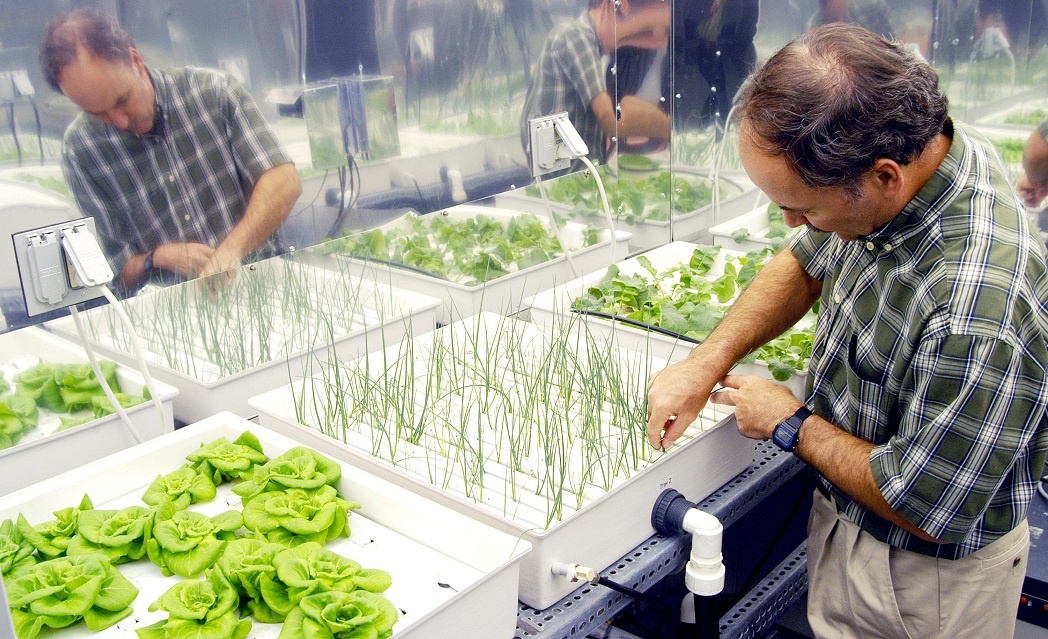
Our food systems are constantly evolving every day. Innovations like vegan meats and NutriLock technology are already transforming our food systems. These innovations not only improve the nutritional adequacy of food, and its taste but also address sensitive issues like food carbon emissions and food shortage. Hydroponics is one such technology that is gaining in popularity in recent times. Let us know here, the benefits of consuming Hydroponics grown foods.
By Richa Pande
Hydroponics is derived from two Greek words ‘hydro’ meaning water, and ‘ponos’ meaning work. It is the technique of growing plants without soil. Yes, you read it right- farming without soil! With the rise in the global population, the demand for food has also constantly increased. To increase food production and prevention of its spoilage by pests, farmers use fertilizers, pesticides, and insecticides. Further, to ripen fruits and to aid faster growth of fruits and vegetables, chemicals in the form of ripening agents are used. At the same time, with growing awareness of the health hazards from these chemicals, more and more people are opting for chemical, insecticide, pesticide free food these days. Hydroponics offers a safer option for growing food in the coming times. And if you are not very fond of growing them yourselves, you can purchase them from the growers in your local vicinity.
Let us now understand one by one what are the advantages of consuming foods that are grown hydroponically.
You can buy hydroponic grown food from your local sellers. You can access the details of these sellers from their websites by just typing hydroponics plant and your city name/locality name in the search engine and check relevant details.
You can purchase hydroponic DIY kits if you are fascinated by this technique and are planning to set your own hydroponics system. These can be easily set indoors as well on the roofs, and in your garden. Some of them can even fit into your balconies. The DIY kits for hydroponics can be purchased from e-commerce websites as well as local suppliers. Sellers often provide tutorials to setup the hydroponics system and to grow your own produce. Some suppliers can help us in developing an understanding about –
Initially, you might need a professional guidance or even training sessions because you are learning a new concept. But with time you can learn to grow food items that we need as per your convenience. Imagine foods you wish to eat can be grown in your own gardens/ balconies. You don’t have to depend on others to supply it or worry about food safety. Isn’t that fascinating, isn’t that empowering?
The page you requested could not be found. Try refining your search, or use the navigation above to locate the post.
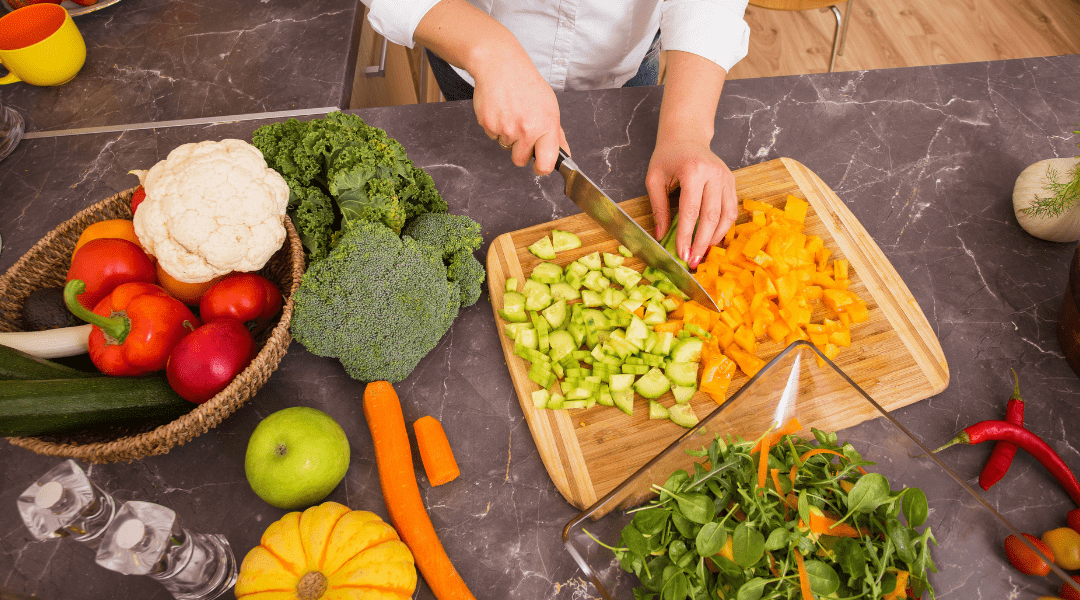
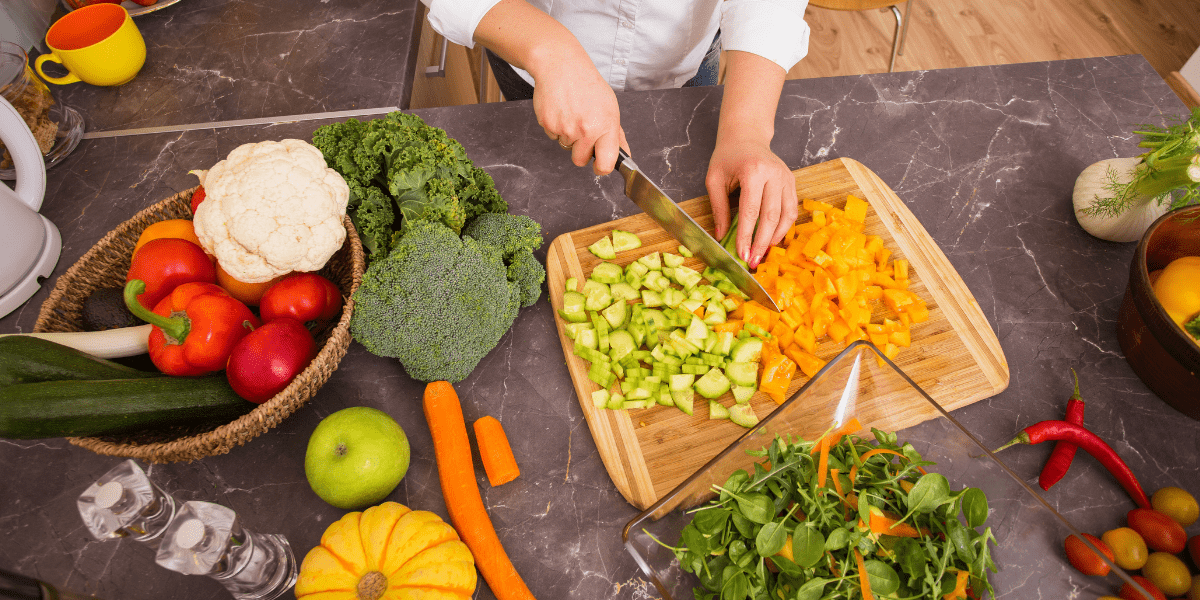
The nutritional content of a meal is determined not only by the ingredients but also by the method how it is prepared. For example, while preparing rice when we discard the starch, we also drain out Vitamin B present in rice, a water-soluble vitamin which we need to consume daily. Likewise, adding lemon to food preparations while cooking them might enhance the flavor of the recipe but it destroys Vitamin C in lemon juice, which is heat sensitive. Vitamin C too is a water-soluble vitamin we need to take daily and has a lot of beneficial effects including enhancement of iron absorption. So, it is a better idea to add lemon juice to the recipes after cooking them and when they have cooled down. In this article, we bring to you some similar cooking and handling tips that can help to retain the nutritive essence of the food items you prepare, which can ultimately have beneficial effects on your health.
Cooking food makes it more palatable and kills harmful pathogens that could be present in raw food. Cooking does not only change the appearance and texture of the food but also the nutrients present in it. Simple processes like washing and peeling fruits and vegetables remove dirt and microbes from them but also reduce the fiber content of the food, which has many beneficial effects. Cooking methods such as boiling, steaming, pressure cooking, frying, roasting and baking increase the acceptability and palatability of the food but heat sensitive vitamins are destroyed during these cooking processes. It is almost impossible to retain all the nutrients in food items. Nutrients are lost during the harvest, transport, storage, and cooking. But there are ways to minimize the nutrient loss from food after we purchase them. Let us understand how-
These days Nutrilock bags are available in the market. It follows the principle of vacuum packaging. In vacuumed condition, in absence of oxygen, fruits and vegetables can be stored for longer time as there is no enzymatic or minimum enzymatic reaction that can occur (the one you see in apples). It helps to retain natural color of fruits and vegetables and off odor development is minimal. Also, the respiration rate is low which provides longer shelf life to foods.
Beeswax food wraps are reusable and sustainable alternative to single-use plastic wraps. They are considered environment-friendly compared to plastic wraps and aluminum foils. Bee wax wraps are breathable and help to store food by keeping it fresh and thus reducing food wastage. They can also be used to cover a container. Recently, research work published in the Journal of Microbiology, Biotechnology and Food Sciences suggests that beeswax food wraps are also helpful in prevention of microbial contamination in foods and prevent food spoilage. Compared to single-use plastics, they require maintenance, and are required to be cleaned properly after each use. Beeswax wraps are not seal-tight, very but are wonderful to stock leftover cut fruits and vegetables like- cabbage, melons, etc.
Preparing meals with some herbs and spices can add color, aroma and taste to our recipes without adding much salt and oil.
Dried mixture of herbs like oregano and parsley, dried mustard leaves, dried fenugreek leaves, and dried fruits and vegetables like dried tomatoes, dried raw mango, dried chilies, etc. can help you add taste to the recipes.
Majority of the pesticide residues (about 75-80%) could be removed by washing the fruits and vegetables in cold water properly. You can further wash them in 2% salt water to remove the pesticide residue.
To sum up, as we have seen, choosing a cooking method is as important as other food choices we make to be healthy. Cooking practices can both enhance and decrease the nutritive value of the food items. It’s up to us to make the most of the food we prepare and eat and retain its nutritive essence.
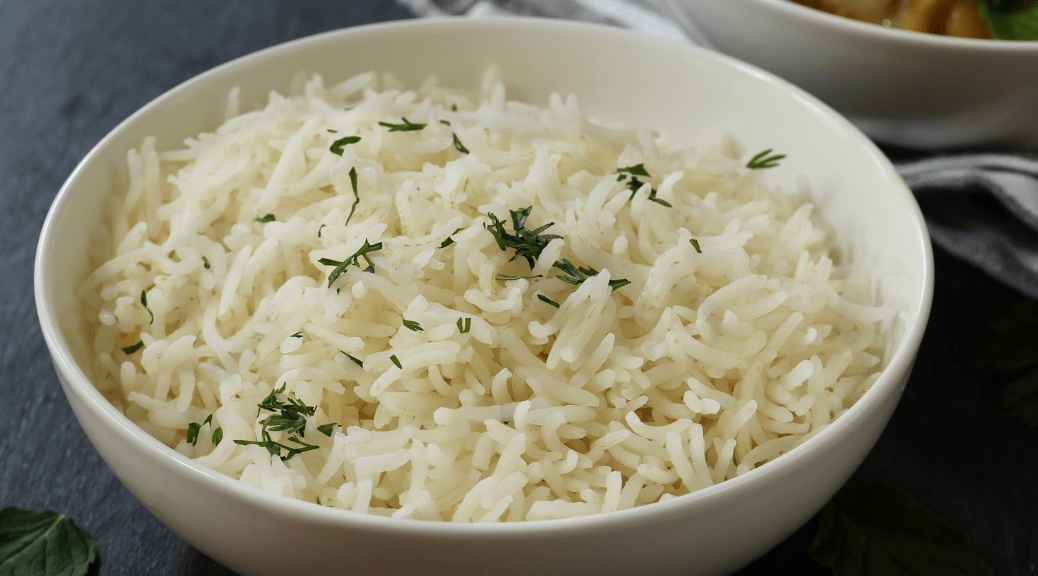
There is rice and more rice, and there is basmati. Some would say eating basmati rice is a complete sensual experience. There is appetite-inducing aroma, visual appeal, great taste, and an utter and inexplicable sense of fulfilment. And no, you won’t call this exaggeration. As they say, the proof of the basmati is in the eating – or, shall we say that the proof is in the grain? After all, basmati rice is essentially about its long grains and the magic they stir up. However, all grains are not made equal. As the following report will tell you, there can be all sorts of flaws with grains. There is a minimum precooked and post-cooking grain length that determines the quality of the rice. One may also have to contend with broken and fragments grains, damaged/discoloured grains, etc. In an inferior product, there may be red-striped grains, green grains, chalky grains, and so on. Then there are safety concerns of course, mainly relating to possible contamination by heavy metals and presence of pesticide residues. Keeping the relevant standards as reference point, we tested 12 leading brands of basmati rice on the above-mentioned parameters as well as other key quality determinants.
A Consumer Voice Report
Acrucial aspect of the test programme was DNA analysis of the samples to detect any adulteration with non-basmati rice. Other key parameters included grain length/breadth ratio, average precooked grain length and elongation ratio. The samples were also checked for presence of broken and fragments grains, damaged/discoloured grains, chalky grains, green grains, other grains, moisture, uric acid, aflatoxins and foreign matter (such as dust and stones). A major health-related parameter was presence of the heavy metals lead and arsenic, as well as pesticide residues.
The tests were conducted at an NABL-accredited laboratory and as per requirements specified in Agmark Rules (Cereals Grading & Marking Rules) and FSS Regulations for rice. Note that Food Safety and Standards Authority of India (FSSAI) has no specific standard for basmati rice. Agmark has standards for Dehradun- and Saharanpur-grown basmati rice as well for basmati rice of export quality.
In the absence of specific standards for domestic trade of basmati rice, we have taken Agmark standards for export quality as reference standard for evaluation. Here it must be mentioned that none of the tested brands bears Agmark grading.
Basmati is a type of long-grain aromatic rice. In view of its unique cooking and eating properties, it is perceived to be a premium kind of rice. With effect from 5 February 2016, basmati rice is a registered GI (geographical indication) product. Agricultural and Processed Food Products Export Development Authority (APEDA), as registered proprietor of the GI, is responsible for putting in place a system for administration of GI and authentication of the product reaching consumers in India and abroad.
India is a leading exporter of basmati rice to the global market. During 2016–17, the country exported 4,000,471.56 MT of basmati rice, worth Rs 21,604.58 crore (or US$3,230.24 million).
All white rice starts out as brown rice. The latter is converted into white rice through a milling process.
Both white and brown rice are high in carbohydrates. Brown rice, being a whole grain, is generally more nutritious than white rice. It’s higher in fibre, magnesium and other nutrients. Whole-grain foods may help reduce cholesterol and lower the risk of stroke, heart disease, and type-2 diabetes.
| Rank | Total Score out of 100 (Rounded off) | Brand | Variety/ Type | MRP (Rs) | Net Weight | Best before | Manufactured/ Marketed by |
|---|---|---|---|---|---|---|---|
| 92 | 92 | Golden Harvest | Premium quality | 130 | 1kg | 24 Months | Future Consumer Ltd |
| 92 | Lal Qilla | Classic whiteline | 150 | 1kg | 36 Months | Amar Singh Chawal Wala |
|
| 89 | Patanjali | Special | 125 | 1kg | 24 Months | Patanjali Ayurved Ltd | |
| 88 | Tilda | Premium basmati | 160 | 1kg | 36 Months | Tilda Hain India Pvt. Ltd |
|
| 87 | Asbah | Silver | 135 | 1kg | 24 Months | DCP India (P) Ltd | |
| 87 | India Gate | Tibar | 132 | 1kg | 24 Months | KRBL Ltd | |
| 84 | Daawat | Devaaya | 95 (free Rs 20 Paytm cash) | 1kg | 24 Months | LT Foods Ltd | |
| 82 | Organic Tattva | Organic | 190 | 1kg | 12 Months | Mehrotra Consumer Products Pvt. Ltd |
|
| 81 | Aeroplane | 1121 | 170 | 1kg | 24 Months | Amir Chand Jagdish Kumar (Exports) Ltd |
|
| 76 | Heritage | Dubar | 100 | 1kg | 24 Months | LT Foods Ltd | |
| 63 | Kohinoor | Everyday basmati rice | 99 | 1kg | 24 Months | Kohinoor Speciality Foods India Pvt. Ltd |
|
| 62 | Fortune | Rozana | 95 | 1kg | 24 Months | Adani Wilmar Ltd |
Score Rating: >90: very good*****, 71–90: good****, 51–70: fair***, 31–50: poor**, up to 30: very poor*
Golden Harvest | Lal Qilla
Patanjali
DNA (deoxyribonucleic acid) testing can help to determine if the parent and child are biologically related. Similarly, in the case of basmati rice, DNA test can help determine its purity. The test can detect adulteration with non-basmati rice. Presence of inferior varieties of rice is considered as adulteration. The admixture of common rice in basmati rice shall not exceed limits prescribed in Agmark. None of the 12 brands have either taken Agmark or declared their grade/origin of harvest. Therefore, we have considered the highest tolerance limit specified in Agmark standard – it is 20 per cent for Grade B.
As per Agmark standard, in basmati rice (for Dehradun area) any non-basmati rice including red grains shall be a maximum 1.0 per cent, 2.0 per cent and 4.0 per cent for special, A and B grades, respectively; for Saharanpur area it shall be a maximum 3.0 per cent, 7.0 per cent and 10.0 per cent for special, A and B grades, respectively. For export quality, other rice including red grains in basmati rice shall be a maximum 10 per cent, 15 per cent and 20 per cent for special, A and B grades, respectively.
| Brand | Results (percentage of non-basmati rice detected) | Score out of 25 |
|---|---|---|
| Golden Harvest | 0.0% | 25.0 |
| Lal Qilla | 0.0% | 25.0 |
| Patanjali | 2.82% | 22.88 |
| Tilda | 5.63% | 20.77 |
| Organic Tattva | 6.40% | 20.2 |
| Asbah | 6.66% | 20.00 |
| Daawat | 7.89% | 19.08 |
| India Gate | 8.41% | 18.69 |
| Heritage | 9.53% | 17.85 |
| Aeroplane | 17.35% | 11.98 |
| Fortune | 32.86% | 5.0 |
| Kohinoor | 36.60% | 3.75 |
Broken and Fragments Grains | Grain Length/Breadth (L/B) Ratio | Moisture | Protein | Carbohydrates | Energy | Elongation Ratio | Uric Acid | Aflatoxins | Foreign Matter | Damaged, Discoloured Grains | Average Precooked Grain Length | Other Grains | Chalky Grains | Under-milled/Red-stripped Grains | Green Grains
Moisture generally refers to the presence of water in a product. It is an important factor in retaining a product’s quality, preservation and resistance to deterioration. As per FSS Regulations for rice, moisture content shall not be more than 16 per cent by weight.
• Moisture content in all the brands was within the specified limit.
• The lowest moisture content was in India Gate (11.1 per cent). Patanjali was found with higher moisture content (12.5 per cent).
Protein is an essential nutrient. It plays an important role in cellular maintenance, growth and functioning of the human body. Protein is inherently found in all cereals including rice. While there is no standard requirement for protein in rice, a higher quantity is desirable. It should be as per the declared value on the product label.
• The highest amount of protein was found in Fortune (9.3 per cent) and the lowest in Kohinoor (7.4 per cent).
• Protein in Lal Qilla was less than the declared value.
The Truth Is in the Grains
‘Broken’ denotes pieces of kernels that are less than three-fourth of a whole kernel. Pieces smaller than one-fourth of the whole kernel are to be treated as ‘fragments’. For export quality, these shall be a maximum 5.0 per cent, 10 per cent and 10 per cent for special, A and B grades, respectively.
• Golden Harvest had zero percentage of broken rice.
• The percentage of broken and fragments grains in Fortune, Heritage and Kohinoor was significantly high at 45.7 per cent, 36.8 per cent and 22.15 per cent, respectively. These three brands – none of which had taken Agmark, which is a voluntary standard – clearly did not meet the requirement of Agmark standard.
After cooking, the basmati rice should show equivalent breadth-wise expansion but better length-wise expansion to give it a finer look. For export-quality basmati rice, grain length/breadth shall be a minimum 3.5.
• All the brands met the grain length/breadth requirement mandated for export quality.
• Aeroplane and Lal Qilla scored highest on this parameter.
Kernel elongation after cooking is an important character of fine rice. For export-quality basmati rice, elongation ratio shall be a minimum 1.7.
• Elongation ratio for all brands was above the requirement for export quality. It was highest in Golden Harvest (2.40) and Lal Qilla (2.32).
For export-quality basmati rice, average precooked grain length shall be a minimum 7.1 per cent, 7.0 per cent and 6.8 per cent for special, A and B grades, respectively.
• Most of the brands met the requirement of export quality. The most length was of Aeroplane (8.6 mm) and Lal Qilla (8.46 mm).
These are internally damaged or discoloured (including black grains), materially affecting the quality. As per Agmark standard for basmati rice (Dehradun area), damaged, discoloured grains shall be a maximum 0.25 per cent, 0.50 per cent and 0.75 per cent for special, A and B grades, respectively; for Saharanpur area, it shall be a maximum 0.25 per cent, 0.35 per cent and 0.75 per cent for special, A and
B grades, respectively.
• India Gate and Patanjali did not have any damaged, discoloured grains. In the other brands these varied between 0.05 per cent and 0.5 per cent.
As per the national standard for export-quality rice, ‘other grains’ shall be a maximum 0.1 per cent, 0.1 per cent and 0.2 per cent for special, A and B grades, respectively.
• None of the brands had other grains.
Chalky grain is grain at least half of which is milky white in colour and brittle in nature.
• Golden Harvest, India Gate and Aeroplane did not have chalky grains.
• The highest percentage (1.45) of chalky grains was found in Heritage and Lal Qilla.
Under-milled grain is one whose bran portion is not completely removed during polishing or which has substantial bran streaks left on it. Red grains are the kernels, whether whole or broken, which have 25 per cent or more of their surface coated with red bran.
• None of the brands had under-milled or red-striped grains.
These are grains that are not properly developed or are green in colour.
• None of the brands had green grains.
Carbohydrates are a source of energy. They are the sugars, starches and fibres found in grains, fruits, vegetables and milk products. There is no requirement
for carbohydrates in rice, though these should be as per the declared value on product label.
• Carbohydrates percentage was highest in Lal Qilla (79.6) and lowest in Tilda (77.5).
• Carbohydrate amount in Tilda and Heritage was found to be slightly less than the claimed value.
Energy value is the amount of calories which our body obtains from food. The source of energy in rice is from carbohydrates, fats, etc. The total energy (per 100 gm of sample calculated in kcal) was compared with the declared value. While there is no standard requirement for energy in rice, a higher amount of it is considered to be better. Besides, it should be as per the declared value on product label.
• Among the tested brands, energy value was highest in India Gate (354.4 kcal/100 gm) and lowest in Tilda (342.5 kcal/100 gm).
• Energy value was less than the claimed value in Tilda, Heritage, Aeroplane and Lal Qilla.
• Uric acid shall not be more than 100 mg per kg. It was not detected (detection limit being 10 mg/kg) in any of the brands.
• Aflatoxins are carcinogenic substances that may affect rice quality to a great extent. These shall not be more than 30 micrograms per kilogram of rice. In the 12 tested brands, aflatoxins were below detection limit (detection limit being 1.7 ug/kg)
Foreign matter includes dust, stones, lumps of earth, chaff, straw and any other impurity. As per FSS Regulations for rice, foreign matter and damaged grains shall not be more than six per cent by weight.
• Foreign matter was not detected in any of the brands.
| Parameter | Weightage (%) | Golden Harvest | Lal Qilla | Patanjali | Tilda |
|---|---|---|---|---|---|
| Variety/Type | Premium | Classic whiteline | Special | Premium | |
| Broken and fragments grains | 8 | 8.0 | 7.94 | 7.86 | 7.92 |
| Grain length/breadth (L/B) ratio | 5 | 3.88 | 4.25 | 3.99 | 4.16 |
| Moisture content | 4 | 3.38 | 3.47 | 3.3 | 3.41 |
| Protein | 4 | 3.34 | 3.04 | 3.34 | 3.52 |
| Carbohydrates | 4 | 3.15 | 3.35 | 3.21 | 3.10 |
| Energy | 4 | 3.06 | 3.68 | 3.52 | 2.50 |
| Elongation ratio | 3 | 2.85 | 2.73 | 2.48 | 2.61 |
| Uric Acid | 3 | 3 | 3 | 3 | 3 |
| Aflatoxins | 3 | 3 | 3 | 3 | 3 |
| Foreign matter | 2 | 2 | 2 | 2 | 2 |
| Damaged, discoloured grains | 2 | 1.94 | 1.94 | 2.0 | 1.88 |
| Average precooked grain length | 2 | 1.62 | 1.94 | 1.59 | 1.66 |
| Other grains | 1 | 1 | 1 | 1 | 1 |
| Chalky grains | 1 | 1.0 | 0.89 | 0.92 | 0.93 |
| Under-milled/red-stripped grains | 1 | 1 | 1 | 1 | 1 |
| Green grains | 1 | 1 | 1 | 1 | 1 |
Heavy metals contamination in agricultural soil is a potential environmental threat to the safety of agricultural food crops such as rice. We carried out tests to check for the presence of lead and arsenic. In this regard, FSS Regulations has specified limits for rice. There are no standards for organic rice, though. Lead in cereal grain (rice) should not exceed 0.2 mg/ kg. As for arsenic, it shall not be more than 1.1 mg/kg.
• Lead content in Daawat and Fortune was found to be above the specified limit.
• All of the brands were within the limit specified for arsenic.
Arsenic can be easily accumulated by all types of cereals, largely because of the high bioavailability of arsenic under reduced soil conditions.
| Asbah | India Gate | Daawat | Organic Tatva | Aeroplane | Heritage | Kohinoor | Fortune |
|---|---|---|---|---|---|---|---|
| Silver | Tibar | Devaaya | Organic | 1121 | Dubar | Everyday Basmati Rice | Rozana |
| 7.41 | 7.73 | 7.49 | 7.66 | 7.98 | 1.6 | 2.0 | 1.2 |
| 4.17 | 3.99 | 3.96 | 3.34 | 4.26 | 3.38 | 3.90 | 3.32 |
| 3.52 | 3.69 | 3.44 | 3.52 | 3.58 | 3.61 | 3.41 | 3.41 |
| 3.58 | 3.40 | 3.22 | 3.10 | 3.58 | 3.46 | 2.80 | 3.94 |
| 3.27 | 3.32 | 3.27 | 3.21 | 3.29 | 3.28 | 3.32 | 3.16 |
| 3.88 | 3.93 | 3.44 | 3.32 | 3.87 | 3.58 | 3.88 | 3.48 |
| 2.52 | 2.34 | 2.60 | 2.39 | 2.63 | 2.70 | 2.15 | 2.27 |
| 3 | 3 | 3 | 3 | 3 | 3 | 3 | 3 |
| 3 | 3 | 3 | 3 | 3 | 3 | 3 | 3 |
| 2 | 2 | 2 | 2 | 2 | 2 | 2 | 2 |
| 1.64 | 2.0 | 1.94 | 1.88 | 1.94 | 1.40 | 1.52 | 1.94 |
| 1.69 | 1.57 | 1.57 | 1.24 | 2.0 | 1.32 | 1.62 | 1.23 |
| 1 | 1 | 1 | 1 | 1 | 1 | 1 | 1 |
| 0.94 | 1.0 | 0.97 | 0.92 | 1.0 | 0.89 | 0.90 | 0.93 |
| 1 | 1 | 1 | 1 | 1 | 1 | 1 | 1 |
| 1 | 1 | 1 | 1 | 1 | 1 | 1 | 1 |
Pesticide is a chemical or biological agent that deters, incapacitates, kills, or otherwise discourages pests. Pesticide exposure can cause a variety of adverse health effects such as skin and eye irritation; it also affects the nervous system,
mimicking hormones causing reproductive problems. It has been linked to birth defects and cancer as well.
We conducted tests for residues of 37 pesticides as per requirements of Food Safety and Standards Regulations 2011.Traces of the pesticide tricyclazole were found in Kohinoor but it was within the specified limit.
Traces of the pesticide pretilachlor were found in Organic Tattva, which means it did not meet the standard requirement.
Pesticides in other brands were found below the detection limit of 0.01 mg/kg.
Panellists judged the sensory attributes of the basmati rice on these attributes: fragrance/aroma, appearance, size of kernel, colour, texture and taste.
Rice shall be free from abnormal flavours, odours, living insects and mites. Raw rice was boiled in water and judged for their sensory attributes. The expert panel assigned scores on a 10-point scale and mean score was taken for evaluation and scoring.
| Brand | Score out of 12 |
|---|---|
| Tilda | 10.49 |
| Golden Harvest | 9.85 |
| Daawat | 9.69 |
| India Gate | 9.63 |
| Patanjali | 9.30 |
| Organic Tattva | 9.25 |
| Aeroplane | 9.25 |
| Asbah | 9.24 |
| Kohinoor | 9.17 |
| Lal Qilla | 8.51 |
| Fortune | 8.14 |
| Heritage | 7.80 |
Tilda was the most liked brand among panellists, and was followed by Golden Harvest.
• Heritage was the least favoured among all tested brands.
The following details shall be marked on the product label:
a) Name of the commodity and variety
b) Name of manufacturer/marketer
c) Batch or code number
d) Net weight
e) Date of packing and year of harvest
f) The words ‘Best before’
g) Grade if brand has Agmark certification
h) MRP
i) Green dot (to denote vegetarian status)
j) FSSAI license number
k) Customer-care details
• All brands had provided the required information.
None of brands have taken Agmark and given
their grade.
Samples from all brands were verified for net weight as per the quantity claimed. The net weight should be within the tolerance limit permitted in Legal Metrology Rules. Net weight of all the tested brands was found as claimed and they scored equally well on this parameter.
The rice shall be packed in containers made of jute, cotton or paper. These shall be clean, dry and in sound condition. Further, containers that have been previously used for commodities likely to cause damage or import any obnoxious flavor, odour, or other undesirable characteristics to the rice shall not be employed.
• All brands had flexible plastic packing.
Dear readers: We are open to hearing your suggestions on products and services that you believe should be reviewed/ tested by Team Consumer Voice. You may write to editorial@
Related

In India, owning a vehicle, whether it's a car or a two-wheeler, is a common aspiration. However, not everyone has the immediate financial means to...

Family floater health insurance policies are a type of health insurance plan that provides coverage for the entire family under a single policy....
Over the past few years, there has been a growing awareness among individuals regarding health insurance. Furthermore, following the Covid-19...
A simple yet very important ingredient like salt these days is available in different variations including iodized, low-sodium, rock salt, double fortified salt, etc. What is their significance? Is rock salt healthier than the normal salt? Will reducing salt make you iodine deficient? Does salt have only culinary and taste purposes or is it important for your health as well? Learn about these and much more in this article.
Richa Pande
Salt has been an integral part of our lives since time immortal. It enhances the flavour of our recipe, making it more palatable. Salt has also been used extensively and effectively used for food preservation. Salt can prevent growth of the bacteria in food preventing food spoilage. Therefore, pickles last so long. Historically, salt has always been accorded high value. This is why salt was taxed extensively throughout the world and high taxations on salt have caused revolts like that against Gabelle Tax in France in 1789 and the Salt Satyagrah led by Gandhiji in 1930 in India.
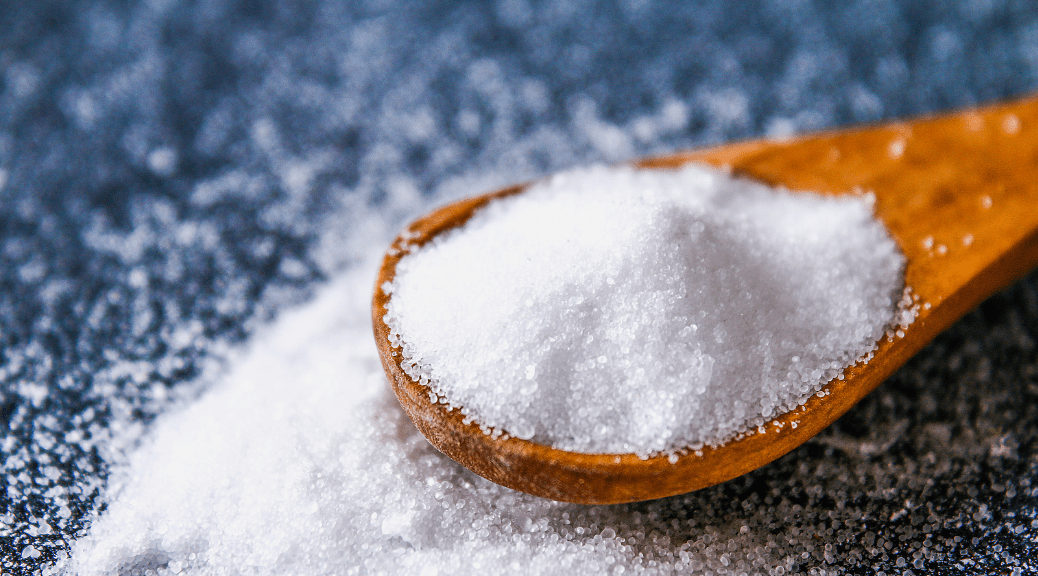
Salt contains 40 per cent sodium ion(Na +) and 60 per cent chloride ion(Cl–), by weight. Now why are these important for human body? Salt is the biggest contributor of sodium in our diet. Therefore, many times we use sodium as a synonym for common salt. Sodium and Chlorine are essential minerals required for fluid-electrolyte balance in our body. This is why we feel dehydrated or need to replace the electrolyte loss immediately when we sweat excessively or experience retching/diarrhoeal episodes. These electrolytes are also involved in aiding muscles and nerves to function well. Some studies have also linked low sodium diets with increased insulin resistance as well, but sodium deficiency is very rare due to presence of sodium in a lot of processed foods we eat daily. Salt is a common ingredient used in every household; it has been successfully used for decades for iodine fortification. Salt fortification has played a major role in reduction of iodine deficiency disorder in many counties worldwide.
However, we all know that excessive salt consumption can increase our chances of getting high blood pressure (hypertension), and other cardiovascular diseases. High salt intakes may also increase the growth of Helicobacter Pylori bacteria in our stomach and that can cause inflammation and gastric ulcers. Eating too much salt can also cause calcium deficiency. Therefore, the WHO recommends that adults should not consume more than 2300 mg of sodium, equivalent to 5 grams (1 teaspoon) of salt every day. Interestingly, as per a WHO report, Indians, on an average, consume almost 10 grams of salt every day.
It is therefore essential that we cut the amount of salt in our diet. We need to control our urge to add excessive salt to our recipes, avoid adding table salt to our preparations at home, and distance ourselves from food items with added salt like biscuits, chips, bakery foods, papads, etc. We can refer to food labels on packed products to ascertain how much sodium these items contain and keep 2300 mg of sodium as the upper limit for our daily consumption.
But if we cut the salt intake, will we become deficient in iodine? Again, let’s try to understand.
It is common knowledge that Iodine is an essential mineral and it’s deficiency can cause several health disorders. Salt is a major source of iodine in our diet. Can our attempts to reduce salt intake make us iodine deficient? As per the National Institutes of Health Factsheet on iodine, 3 grams of salt i.e. a bit more than half a teaspoon of iodized salt is sufficient to meet our iodine needs. If someone wishes to cut the salt beyond this limit, then they can still get iodine from other dietary sources such as- seaweed, eggs, dairy products and dried plums, also known as prunes. One must also note that too much consumption of iodine (from iodized salts and other dietary sources) can push someone to develop hyperthyroidism and could worsen it if the person already has hyperthyroidism.
Now let’s know more about different salt varieties in market-
Rock salt is known as ‘sendha namak’ in India. Black Salt is a type of rock salt. It is known as Kala Namak in India. Rock Salts contain fewer additives than the regular table salt. For example, it does not contain anti-caking agents which are added in normal salt to prevent forming of lumps in the presence of moisture in the air.
These days some rock salts are combined with sodium and iodine sulphates as well and mixed with charcoal and then heated. If you are looking exclusively for natural salts, check the ingredients list on food labels of the pack.
Sea salt is most commonly manufactured by directly evaporating the seawater. Salts labelled as ‘Sea Salt’, these days usually do not undergo any processing or are minimally processed. The good thing about unprocessed sea salt is that it has traces of some minerals like magnesium, potassium, calcium, etc. in it. But it has some health concerns as well. Some studies reveal that sea salts can be contaminated with microplastics. Sea salt has also been found to be contaminated by fungi. This can cause food spoilage and could be toxic as well. Table salt on the other hand is processed for iodine fortification and also with the objective of making it free flowing in nature.
Double fortified salt is available in market these days that contains both iodine and iron. It could be used by anaemics and people desiring to prevent iron deficiency. It must be kept in mind that if you are already taking a lot of iron in your diet from other sources, you should avoid it or use it in rotation with other salts.
Low -Sodium Salts are also known as salt substitutes. These salts have lower sodium levels which is usually substituted by potassium. These salts are recommended for hypertensive people and research confirms that its consumption could be helpful in lowering systolic and diastolic blood pressure in people with high blood pressure. Based on present evidence, it can be recommended only for pre-hypertensive and hypertensive people. However, more research is needed to establish this viewpoint.
Choose any salt as per your preference but with this cautionary note that it’s best to consume salt in moderation regardless of the type you choose. And if you are planning to switch to rock salt completely, seek a dietitian’s help to include iodine rich sources in your meals because remember iodine is essential for you.
Related
In India, owning a vehicle, whether it's a car or a two-wheeler, is a common aspiration. However, not everyone has the immediate financial means to...
Family floater health insurance policies are a type of health insurance plan that provides coverage for the entire family under a single policy....
Over the past few years, there has been a growing awareness among individuals regarding health insurance. Furthermore, following the Covid-19...