No Results Found
The page you requested could not be found. Try refining your search, or use the navigation above to locate the post.

With the announcement by Finance Minister Nirmala Sitharaman of the cut in fuel prices, the citizens of India as a whole heaved a sigh of relief. With the price of petrol coming down by ₹ 9.5, diesel getting cheaper by ₹ 7, it is a sharp cut in central excise duty on fuel prices amid surging inflation.
Ms Sitharaman also mentions that the government will lose ₹ 1 lakh crore by taking the cut on central excise duties. The Minister also urged states to implement a similar cut and pass on the benefit to the common man. She also made an appeal to all the state governments, especially the states where reduction wasn’t done during the last round (November 2021), to also implement a similar cut and give relief to the common man.
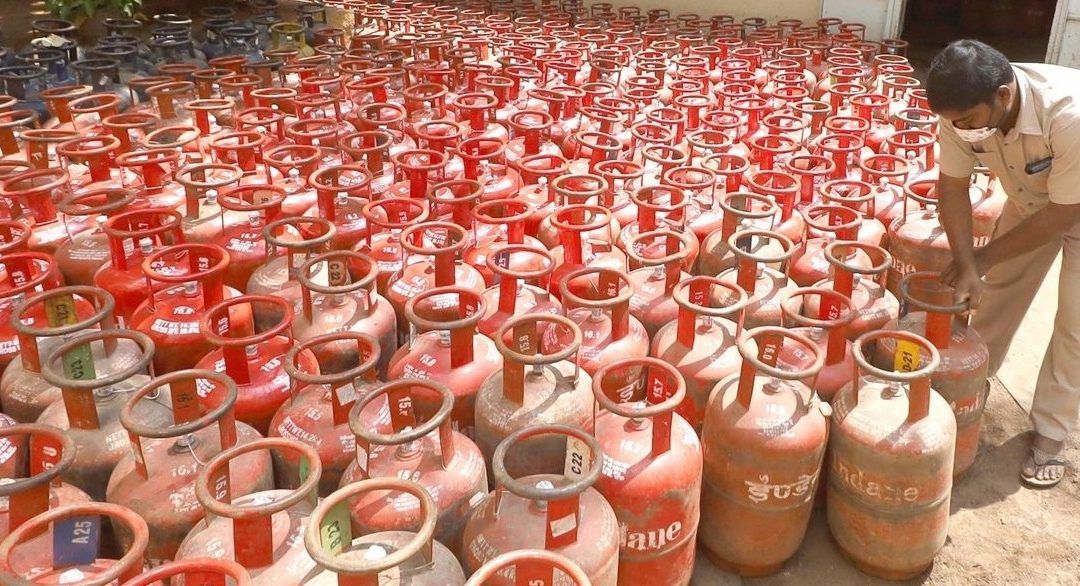
In addition, the government will also give ₹ 200 per cylinder subsidy to Ujjwala Yojana beneficiaries for 12 cylinders in a year. It will definitely ease some of the burden arising from rising cooking gas rates. The Finance Minister also said the gas cylinder subsidy will have a “revenue implication of around ₹ 6,100 crore.”
At the moment, petrol is selling at over ₹ 100 in most parts of the country. The rates vary across states due to the value-added tax (VAT). India relies heavily on imports to meet its oil needs and the domestic petrol and diesel prices are linked to international rates. India’s wholesale and consumer prices accelerate at their fastest in years in the month of April. It even prompted the central bank to hike interest rates.
However with the cut the prices, steps have been taken to cushion the poor. This has indeed eased the burden of the people a little, amid growing prices.
I hope you have loved reading about this topic, which closely concerns all of us as consumers. In the meantime, keep reading the articles we have brought you this month. We have FSSAI CEO’S article on Eat Right India, a discussion on term insurance, choosing the best detergent powders and many more. Do share your thoughts at info@consumer-voice.org.
Until then, happy reading!
Pallabi Boruah
Editor
The page you requested could not be found. Try refining your search, or use the navigation above to locate the post.
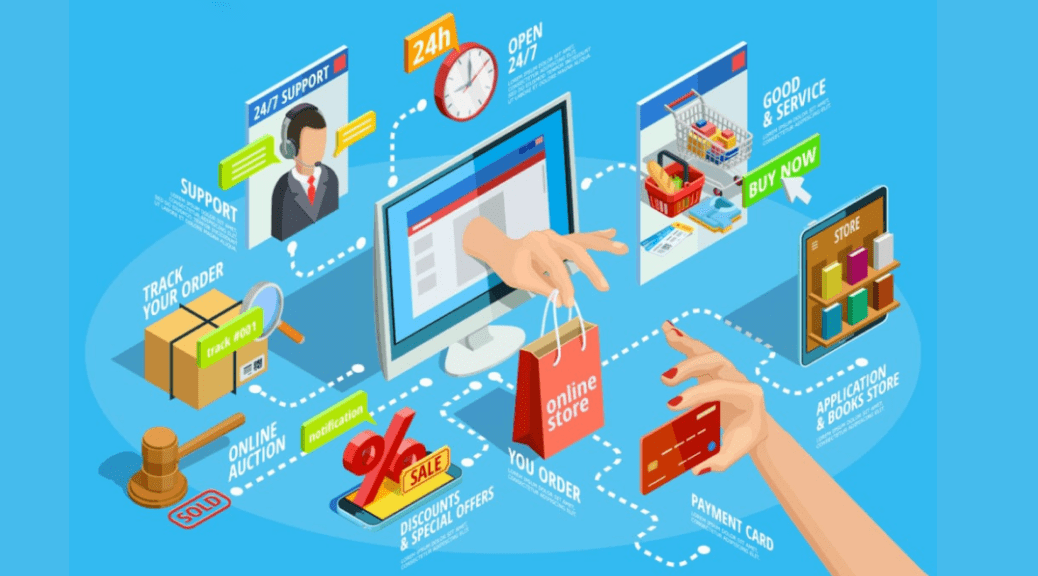
Nidhi Khare, additional secretary, Department of Consumer Affairs, says, “The NCH data is becoming a major source of information for the Central Consumer Protection Authority (CCPA) to act upon. We are building intelligence into the complaints that we receive on the national consumer helpline where people are raising all kinds of issues. We then see if there is any pattern where people from different parts of the country are making similar complaints about one product or one policy, and if there is ground for class action, we initiate investigations.” Khare is also the chief commissioner of CCPA.
The CCPA was established under the provisions of the Consumer Protection Act, 2019. It came into force from July 20, 2020. The main aim of the CCPA is to uphold, protect and enforce the rights of consumers as a class. It also has the authority to conduct investigations into the violation of consumer rights. Other duties include institution of complaints, prosecution, recall of unsafe goods and services, order discontinuation of unfair trade practices. It also takes action against misleading advertisements and impose penalties on manufacturers, endorsers and publishers of misleading advertisements.
Recently in March, CCPA had asked GlaxoSmithKline (GSK) Consumer Healthcare Ltd to withdraw the advertisements of Sensodyne products that claimed to be “recommended by dentists worldwide” and “world’s No.1 sensitivity toothpaste”. In yet another example of CCPA’s vigilance, it has imposed a penalty of Rs 10 lakh on eyewear manufacturer Sure Vision India for a misleading advertisement and directed it to discontinue the commercial. Sure Vision claimed its products improved eyesight naturally and eliminated eye strain. The CCPA initiated action after it received a complaint against the firm, and directed the Director General (Investigation) to investigate the claims made by the company in the advertisement. So, we know that consumers complaints are taken very seriously and they are working tirelessly to lessen those too.
I hope you have loved reading about this topic, which concerns all of us as consumers. In the meantime, keep reading the articles we have brought you this month. We have FSSAI CEO’S article on EatSmart Cities Challenge, a discussion on mutual funds investing, selecting the best diabetic care food and many more. Do share your thoughts at info@consumer-voice.org.
Until then, happy reading!
Pallabi Boruah
Editor
The page you requested could not be found. Try refining your search, or use the navigation above to locate the post.

The page you requested could not be found. Try refining your search, or use the navigation above to locate the post.
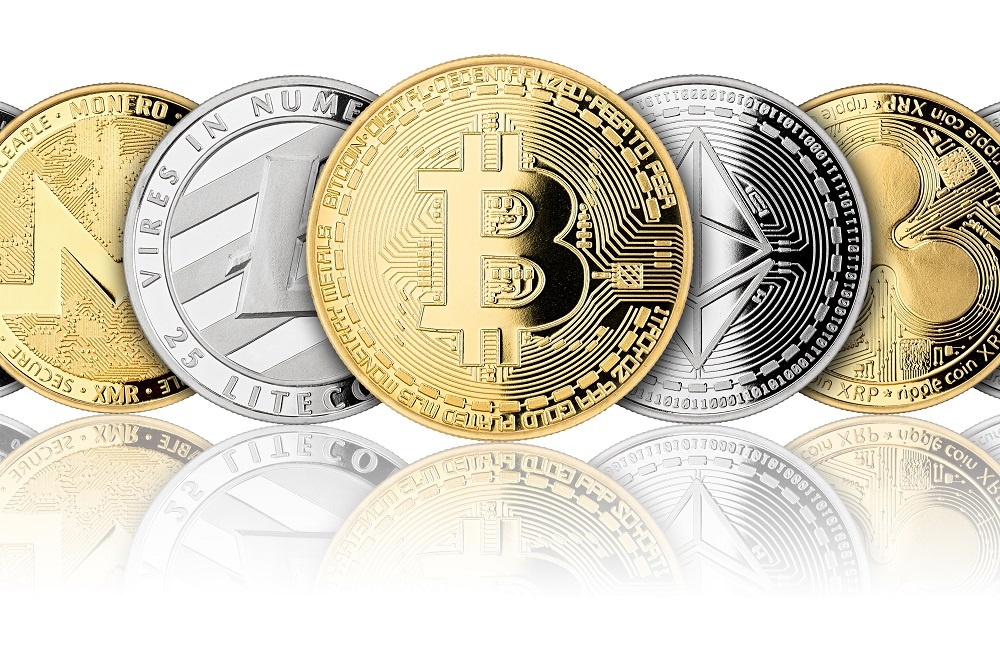
Cryptos have been quite popular in India and now with the imposition of 30% tax on all digital incomes including NFTs (Non-Fungible Tokens) and cryptos made the investors community lose a heart again. My introduction to crypto happened just a few months back; well, I heard about Bitcoin much before. Coming to crypto, it is a digital currency designed to work as a medium of exchange through a computer network that is not reliant on any central authority, such as a government or bank, to uphold or maintain it.
Along with the pandemic, which spurred the transition from online learning to online investing for many, the Supreme Court’s decision last year to revoke a 2018 ban on trading digital tokens has increased interest in cryptocurrency. Some teens are even convincing their parents to try a hand at trading digital tokens.
Besides, there have been a lot of discussions around this medium of exchange. Before the 30% tax imposition by our Finance Minister Nirmala Sitharaman in her Budget 2022 speech, there was enormous uncertainty surrounding the cryptocurrency transactions in India. Speculations were doing the rounds that there will be a bill /regulation on the crypto framework in India.
Then there were also views that India government might ban cryptos in India. However, settling the dust now, the imposition of 30% tax is a new addition to its working in India. So far, investors community have been voicing their demands asking to lower the tax because, the imposition of tax is on its income-mind it—only income. It does not include the operation revenue, cost and not to talk about any losses. Hence the doldrums!
However, there is a certain segment of investors/entrepreneurs who are quite optimistic and happy about the 30% tax also. Because, at least it cleared the air that the Indian government is not going to ban crypto in India-which was in speculation. Even then, experts are saying, even though the tax has come, but it does not mean that the government has legalised this.
In fact, Finance Secretary TV Somanathan already stated that Bitcoin, Ethereum, and other cryptocurrencies along with NFTs will never become legal tender in India. He further cautioned that those investing in private crypto need to understand that such transactions don’t have government authorisation. On the contrary, there are talks of launching ‘digital rupee’, which is proposed to be launched by the RBI, to work as a legal tender.
Yet, the popularity of crypto in India is showing no sign of slowing down. Reportedly, in 2021, India recorded the second-highest number of cryptocurrencies users around the world, according to a recent report. It said that India is second only to Vietnam in the number of cryptocurrency users.
Now, its only time that will decide the fate of cryptocurrency in India. Till then, keep reading the list of pieces we brought you this month. We’ve FSSAI CEO’s article on food procession system, electric chimneys, selecting the best sunflower oil brand and a lot more.
Do share your thoughts at info@consumer-voice.org.
Happy reading!
The page you requested could not be found. Try refining your search, or use the navigation above to locate the post.

When we just thought we are in the endemic stage and the worst is over, we’ve variant, Omicron now. It has hit the world. India too has reported 21 cases so far including 7 in Jaipur, 1 in Delhi, 11 in Maharashtra and 2 in Karnataka as I write this piece. I’m sure the number would have increased many times by the time you read the December edition of Consumer VOICE.
However, what I wanted to discuss today is different. We know how devastating the pandemic impact was for all of us. We lost lives, our loved ones, jobs and livelihoods. Likewise, the majority of Indian students are still in a disdain state as they are unable to access education. And amid these scars, the pandemic has made us more obese, hypertensive, and prone to diabetes if we look at the data revealed by National Family Health Survey 2019-21 (NFHS-5). The data findings are shocking if we compare it with NFHS 2015-16 (NFHS-4) numbers.
The survey has been conducted in two phases – between June 2019 to January 2020 and then January 2020 to April 2021. Obviously, the phase two survey captured the stage more closely than the phase one survey. The survey captured the impact of the pandemic on the health parameters of the Indian population.
When we compare the NFHS-4 data with the NFHS-5 findings, we will see a steep rise in the numbers of people suffering from non-communicable diseases (NCDs) such as diabetes, hypertension and high blood pressure. As per the figures shared by the survey, approximately a fourth of the men and women surveyed were found to be overweight or obese having a body mass index of more than 25 kg/square metres. Precisely, 15.6% of the men and 13.5% of the women were found to have high or very high blood sugar levels or were taking medicines to control the sugar level. This is not all. The findings further added, a fifth of the women and nearly a quarter of the men surveyed had elevated blood pressure or were taking medicine to control blood pressure. Whereas, if we look at the NFHS-4 data, it had found19% of men and 21% of women to be overweight or obese.
Quite interestingly and understandably as well, the surge has been more pronounced among urban dwellers. Urban dwellers are the victims of sedentary lifestyles and their routine exercise being curtailed besides gulping down fast foods. Hence the findings are nothing more than the harsh reality and it makes us look more at the weak points of our urban dwelling.
Coming back to the findings, it said one-third of the urban men and women surveyed were found to be overweight or obese. As much as 18% of men and 16% of women had high blood sugar levels or were taking medication for controlling it. A quarter of urban men and women had elevated blood pressure or were taking medicine to control their blood pressure. Again the same above reasons can be attributed to this.
While all the numbers will do the talking in our discussions and headlines, can we look at a cohesive structure to tame the beast before it’s too late? Can we look at a framework where we can see regulated food systems, home exercises like yoga and consumer awareness initiatives to control hypertension, diabetes and obesity to control the health rot ? Work from home isn’t helping the cause either.
Meanwhile, read our December edition where we brought you useful information on choosing the best rice bran oil, FSSAI CEO’s column on living a trans-fat-free life, about minding Aflatoxin among others. Do write to me if you’ve any suggestions/feedback and thoughts at info@consumer-voice.org.
Till then, happy reading!
Happy Reading!
Sharmila Das
Editor
The page you requested could not be found. Try refining your search, or use the navigation above to locate the post.
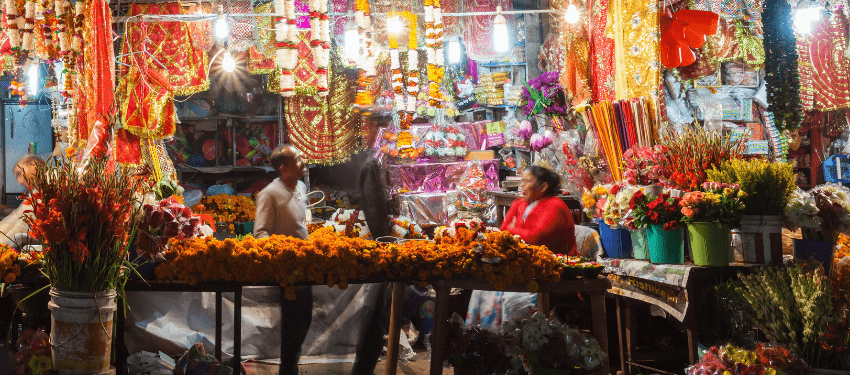
Festivals, especially Deepawali, the festival that Indians observe to celebrate the return of Ram from his 14 years of exile reminded us of the triumph of good over evil. Indians across the regions celebrate the day differently, however, the ethos across the country remains the same. This year the festival fared better in comparison to the last two years as people all across communities thronged to markets buying necessary goods, decorative pieces, sweets, gifts etc. The retail sales as claimed by different association has crossed Rs. 1.25 crore which is a record trade figure in the last 10 years on the occasion of Diwali. In Delhi alone, this business was about Rs. 25 thousand crores! This surely ended the lull period that existed in the previous years. In many ways, this Diwali was completely different from the previous years and the countrymen also celebrated the festival of Diwali with full gusto.
According to the traders’ association CAIT, this time Chinese goods were not sold at all in the markets across the country and the special emphasis of the customers was on the purchase of Indian goods. They said that by strengthening the call of Prime Minister Shri Narendra Modi for Atmnirbhar Bharat, traders across the country celebrated Indian Diwali – Local Diwali enthusiastically across the country. Products including earthen lamps, colorful earthen diyas, different kinds of vandanwars, pendants, earthen sticks, toys made of khand, earthen sandals, candles and papermachie lamps, rangoli etc which gave substantial business to small potters, craftsmen and handicraftsmen.
On the other hand, products such as sweets, dry fruits, packed namkeen, food and packaged items, furnishing fabric, tapestries, footwear, gift items, FMCG goods, electrical and electronic items, watches, consumer products, readymade garments, textiles, series of electric bulbs, LED bulbs, home décor items etc were also in huge demand and yielded good business. Gold jewellery and silverware were purchased for more than Rs. 9000 crores, as per CAIT. While this is certainly a case of revival in terms of consumption-led economic activities in India, will this euphoria last? Will the consumption level be maintained or will it shrink? The situation that we are living in presently is cautious living and we are yet not free from the clutches of the Covid fear. Hence, the next six months are going to be very crucial. As a nation, we must not off guard our weapons against the virus while still continuing our consumption, may be albeit under control.
In the November edition of Consumer VOICE, we brought an array of interesting reads on finding out the best dairy whitener brand, best home air purifier, ASCI’s to be formed guidelines for women portrayal in advertising among others. Kindly share your thoughts at info@consumer-voice.org
Happy Reading!
Sharmila Das
Editor
The page you requested could not be found. Try refining your search, or use the navigation above to locate the post.