No Results Found
The page you requested could not be found. Try refining your search, or use the navigation above to locate the post.

We tested the eight brands on parameters such as presence of nicotine and heavy metals, microbiological contamination, fluoride ion, fineness, foaming power, dispensing, inertness, gritty matter, pH and stability.
The samples were tested as per specifications in Indian Standard 6356 –2001, with amendments that cover non-fluoride/fluoridated type of toothpastes. The tests were conducted at an NABL-accredited laboratory.
Rank Total Score out of 100
(rounded off)Brand Variant Type Quantity (gm) MRP (Rs) Price per 100 gm Best before
(months)Manufac- tured/Mar- keted by
Fluoridated
1 97 Colgate Strong teeth Fluoridated 800 (buy 3,
get 1 free)
264 44.00 23 Colgate Palmolive Ltd
1 97 Closeup Ever fresh Foaming, fluoridated 150+150 144 48.00 24 HUL Ltd
2 94 Pepsodent Cavity protection Foaming, fluoridated 150+150
(toothbrush worth Rs 30 free)
118 39.33 24 HUL Ltd
2 94 Sensodyne Fresh mint (for sensi- tive teeth) Foaming, fluori- dated 150 160 106.0 24 GSK Asia Pvt.
Ltd
3 92 Himalaya Complete care Foaming, fluoridated 150 76 50.66 36 Himalaya Drugs Co.
Non-Fluoridated
1 97 Meswak Complete oral care Foaming, non-fluoridated 200 96 48.00 24 Dabur India Ltd
2 95 Babool Cavity protection Foaming, non-fluoridated 175+175
(two tooth- brushes worth Rs 30 free)
88 25.14 24 Dabur India Ltd
3 93 Himalaya Sparkling white Non-fluoridated 150+150+80
free170 56.66 36 Himalaya Drugs Co.
Score Rating: >90: very good*****, 71–90: good****, 51–70: fair***, 31–50: average**, up to
30: poor*
Fluoridated
Colgate | Closeup
Non-Fluoridated
Meswak
Fluoridated
Pepsodent
Non-Fluoridated
Babool
Nicotine | Heavy Metals | Microbiological Contamination | Fineness | Fluoride Ion | Stability | Foaming Power | pH | Dispensing | Inertness | Gritty Matter
There may be tooth paste having tobacco which contains nicotine. Nicotine use in dentifrices can have harmful effects and is an addictive. We have tested for presence of nicotine in Tooth Pastes.
Presence of heavy metals above the maximum permissible limit as per the Indian Standard can be harmful. All the brands were tested for lead and arsenic. For both fluoridated and non-fluoridated toothpastes, the maximum permissible limit for lead is 20 ppm and for arsenic it is 2 ppm.
The national standard has specified 1,000 ppm as the maximum limit for fluoride ion in fluoridated toothpastes and 50 ppm in non-fluoridated toothpastes.
Fineness of the toothpaste was checked on two sieves of 150 and 75 microns.
The toothpaste shall not show any physical sign of deterioration during normal conditions of storage and use.
Foaming Power
Foaming is required to be a minimum 50 ml in
toothpastes as per the relevant Indian Standard.
The paste shall extrude from the collapsible tube or any other suitable container in the form of continuous mass with the application of normal force. It shall be possible to extrude bulk of the contents from the container or the tube starting from the crimped end, by rolling the tube gradually.
pH value of toothpastes is required to be in the 5.5–10.5 range. As the toothpaste comes directly inside the mouth, its pH should be neutral or nearer to neutral.
A small quantity of the toothpaste is rubbed across butter paper, which is then checked for coarse particles or scratches. This test is done to check for presence of solid particles in the toothpaste.
| Fluoridated | Non-Fluoridated | ||||||||
|---|---|---|---|---|---|---|---|---|---|
| Parameter | Weightage (%) | Colgate | Closeup | Pepsodent | Sensodyne | Himalaya Complete Care | Meswak | Babool | Himalaya Sparkling White |
| Nicotine | 10 | 10 | 10 | 10 | 10 | 10 | 10 | 10 | 10 |
| Heavy metals | 10 | 10 | 10 | 10 | 8.70 | 10 | 9.60 | 8 | 10 |
| Microbiological contamination | 10 | 10 | 10 | 10 | 10 | 10 | 10 | 10 | |
| Fineness | 10 | 10 | 10 | 10 | 10 | 10 | 10 | 10 | 10 |
| Fluoride ion | 10 | 9.76 | 9.87 | 7.06 | 8.33 | 7.19 | 9.65 | 9.82 | 7.16 |
| Stability | 10 | 10 | 10 | 10 | 10 | 10 | 10 | 10 | 10 |
| Foaming Power | 8 | 7.42 | 7.04 | 7.52 | 6.56 | 5.98 | 7.04 | 7.33 | 6.56 |
| pH | 8 | 6.03 | 6.18 | 5.68 | 6.64 | 5.22 | 6.64 | 6.50 | 5.11 |
| Dispensing | 5 | 5 | 5 | 5 | 5 | 5 | 5 | 5 | 5 |
| Gritty matter | 4 | 4 | 4 | 4 | 4 | 4 | 4 | 4 | 4 |
Marking/Labelling
Each pack should feature the following details about the product:
The toothpaste shall be packed in a collapsible tube from which the paste can be easily extracted. The tube should also be of food-grade quality as the product is in direct contact with the packing material.
Net weight should not be less than the declared quantity and shall be within the permitted limits of Legal Metrology Rules. Permissible error for 50–100 gm is 4.5 gm and for 100–200 gm it is 4.5 per cent of the quantity declared.
Net weight in all the brands is either as per declaration as or higher than the declared value.
The page you requested could not be found. Try refining your search, or use the navigation above to locate the post.
Having done the first round of research, you will have to first decide which water-purification method works best for your needs and also suits your preferences. Let’s do a quick recap.
RO technology pushes the water molecules from a region of higher TDS level to one of lower TDS level by applying external pressure with the help of a water pump to reverse the natural flow of water. Water with impurities or high TDS is pumped at high pressure into the RO chamber, and this pushes the water molecules across the semi-permeable membrane to the other side while leaving the dissolved solids and other impurities behind. All the dissolved solids and impurities along with some input water, also known as RO wastewater, are discharged through a separate outlet.
The Bureau of Indian Standards (BIS) has specified the maximum TDS limit for safe drinking water as 500 ppm (500 milligrams per litre). There is absolutely no need to use an RO purifier if the TDS level is below 300 ppm. If your water source has low TDS, then the RO purifier will further reduce it to a very low TDS level. This means the purified water will then be devoid of essential minerals like calcium and magnesium which are required for our good health. Very low TDS may also not be acceptable to consumers due to its insipid taste.
RO purifiers are therefore recommended for purifying water that has high TDS level. However, there is also the fact that a significant part of the input water is discharged along with the dissolved impurities, which results in unnecessary wastage of water. On an average, RO purifiers produce 3 litres of wastewater for every 1 litre of purified water.
This technology uses ultraviolet rays for the purification of water. A UV purifier works by throwing high-intensity UV rays on the water which kills or inactivates the disease-causing bacteria and viruses. However, UV purifiers cannot remove any dissolved or undissolved impurities or chemicals from water. Because of this, most of the UV purifiers that are available in the market use some form of external sediment pre-filters to remove undissolved impurities and an activated carbon filter to remove chlorine and some dissolved impurities.
UV water purifiers are only recommended for areas where the water source has low level of TDS. If the water has low TDS level but is contaminated with bacteria and viruses and appears muddy, then you can use a UF+UV water purifier.
Ultrafiltration uses a semi-permeable membrane with much larger pores (approximately 0.01 microns) as compared to an RO (which has very small pores, of approximately 0.0001 microns).
The advantage of UF purifiers is it can work without electricity because the membrane has much larger pores and water can pass through it naturally using the force of gravity. This means no external pressure or water pump is required. Since UF purifiers do not hold back any water, there is no wastage of water.
There are some limitations, though. Because of the larger pore size, UF can only remove undissolved solids and larger impurities. It cannot remove the dissolved solids or reduce the TDS level. So, UF purifiers are not suitable for purification of high TDS water or hard water.
Gravity-based purifiers work on the gravitational force from higher compartment to lower compartment. These are simplest to use and provide the most basic water purification. These filters generally comprise of sediment or sediment + activated carbon filters that can remove large and undissolved impurities like mud and sand along with some chemicals and microorganisms.
There are ceramic candle-based filters with two stainless-steel containers where the upper container is fitted with ceramic candles. The candles are impregnated with a silver solution that acts as a strong repellant against pathogenic bacteria. It is considered to be the safest conventional water filter as per Consumer Voice’s repeated studies.
Although water-purifier makers try to differentiate their products from competitors, most of them actually use a mix of three major purification approaches – reverse osmosis (RO), ultraviolet (UV) and UF (ultrafiltration).
| RO Water Purifier | UV Water Purifier | UF Water Purifier | Gravity-Based Purifier (Candle Filter) |
|---|---|---|---|
| Requires electricity to operate | Requires electricity to operate | No electricity required | No electricity required |
| Kills and removes all the bacteria and viruses from the water | Kills all bacteria and viruses but their dead bodies remain in the water | Kills all bacteria and viruses in the water | Removes mud, sand, some bacteria, and microbial cysts |
| Removes dissolved salts | Cannot remove dissolved salts | Cannot remove dissolved salts | Cannot remove dissolved salts |
| Has a pre-filtration system to work with the dirty water | Water should be clear for UV to work | Works with dirty turbid water | Filter can work with dirty turbid water |
The presence of bacteria and pathogenic (disease-causing) organisms is a concern when considering the safety of drinking water. Pathogenic organisms can cause intestinal infections, dysentery, hepatitis, typhoid fever, cholera and other illnesses. Water may also be contaminated with pesticides and arsenic.
A high percentage of water wastage is a major cause for worry. If you are using a RO water purifier at your home or office, you can consider the following options to reuse the wastewater.
Comparison at a Glance: Of Popular Brands/Models of Water Purifiers
Brand Model Storage capacity (litre) Technology Water Tank Installation Purification Rate (litre per hour) Price (Rs) Warrantee (year
RO Water Purifiers
Kent Grand Plus 8 RO + UV/UF + TDS Food-grade plastic Wall 20 16,000 1+3
Kent Superstar 7 RO + UV/UF + TDS Food-grade plastic Wall 15 14,795 1
Pureit Ultima 10 RO + UV Food-grade plastic Wall 16,120 1
Kent Act Mineral 7 RO + UV +UF Food-grade plastic Wall 15 13,855 1+3
Livpure Glo 7 7 RO + UV + mineraliser Food-grade plastic Wall 12 9,500 1
Livpure Smart Touch 8.5 RO + UV + UF + essential minerals Food-grade plastic 15 17,000 1
Blue Star Magesto 8 RO + UV Food-grade plastic 13,450 1
Aquaguard Genius Plus 6 RO + UV/RO + UV + UF) Food-grade plastic 15 22,200 1
Pureit Classic 6 RO + UV Food-grade plastic 11,950 1
Pureit Marvella Slim 4 RO + MF Food-grade plastic 9-12 11,600 1
Aquaguard Enhance 7 RO + UV Food-grade plastic Wall/Table 15 19,500 1
Tata Swach Ultima 7 RO + UV Food-grade plastic 19,000 1
Kent Pearl 8 RO + UV/ UF BS food-grade plastic Wall/Table 20 18,000 1 + 3
UV Water Purifiers
Kent Maxx 7 UV + UF Food-grade plastic Wall 7,000 1
Aquaguard Crystal Plus Non-Storage UV Food-grade plastic 7,790 1
Aquaguard Aquasure Aquaflow DX Non-Storage UV 2 litres/minute 5,490 1
Kent Ultra Non-Storage UV Wall 60 6,100 1
Blue Star Pristina Non-Storage UV Food-grade plastic 6,700 1
Non-Electric Purifiers
Tata Swach 7.5 Gravity-based Tabletop 1,250 6 months
Pureit Classic Gravity-based Tabletop 2,500 6 months
Aquaguard AquasureAmrit Gravity-based Tabletop 1,950 6 months
Prestige Clean Home 10 Gravity-based Tabletop 1,650
Kent old Smart 7 UF 4,390 1 month
Note: Price may vary from retailer to retailer. Before buying please check detailed specification on the company’s website and compare the models.
All water-purifier brands offer after-sales service. However, it depends on various factors such as availability of service centres in your city, accessibility to spare parts, and so on. Most brands also offer regular AMC (annual maintenance contract) services. The rates depend on various factors. Usually, it is in the range of around Rs 4,000 per annum.
Try to get hold of customer reviews and ratings of the water purifier before purchasing it. This will give you a better idea about the product and the quality of the after-sales service because the customer has already used that product.
Related
The page you requested could not be found. Try refining your search, or use the navigation above to locate the post.
Have you ever wondered what the ingredients of your toothpaste are? Do you know why most food items taste bitter after brushing your teeth? Is it possible that some of the ingredients in the toothpaste are harmful even? Read on to know how to pick suitable toothpaste from the market and while at it, learn some tips that will help you to keep your teeth healthy.
Brushing our teeth is a part of our daily routine. It’s important to maintain dental hygiene to be able to lead a healthy life. Since ancient times, different methods have been in use across the globe to maintain dental hygiene. This includes using herbs, tree twigs and bizarre items such as burnt egg shells, pumice stone powders and even crushed bones. The toothpastes and tooth powders that we use today were commercialised in the 19th century.
The varieties of toothpaste available today are marketed highlighting their respective unique selling propositions (USPs), whether it’s a so-called special ingredient or a specific purpose. Examples: ‘salt in the toothpaste’, ‘whiter teeth in four weeks’, ‘totally herbal’, ‘it is natural’. These claims are tricky. Thus, before making a purchase decision, it is important to carefully check the ingredients list at the back of the pack.
Triclosan is a chemical that has antibacterial and antifungal properties. Toothpastes containing this chemical often claim that it helps in preventing plaques and gingivitis. This claim is true but triclosan is also associated with concerns such as antimicrobial resistance and hormonal disruptions (specifically oestrogen and testosterone). It has also been found to alter thyroid hormone metabolism.
Triclosan is also known to cause allergy in some individuals. Worryingly, prolonged use of triclosan is associated with development of tumors. Not only this, when triclosan reacts with the chlorine molecules present in chlorinated tap water, certain compounds are created which react with UV rays and lead to formation of dioxins. Dioxins themselves are known to cause adverse effects on health. This includes impaired immune functions, diabetes and thyroid disorders. It is also known to get accumulated in adipose tissues and cause dioxin toxicity.
Sodium Lauryl Sulfate(SLS)
Many toothpastes contain sodium lauryl sulfate. It is commonly used in toothpastes, shampoos, shaving creams, bath formulations, floor cleaners and soaps. SLS is also used as a food additive. It is actively used as an emulsifying agent.
SLS is known to impact the taste buds present in the tongue by temporarily numbing the perception of sweetness. This contributes to the bitter taste that we experience if we eat something after brushing our teeth. SLS is known to cause canker sores and xerostomia (dry mouth).
Fluoride
Fluoride has been known to prevent the decaying of teeth. Brushing teeth with fluoride toothpaste aids in re-mineralisation of teeth’s enamel along with calcium and phosphates. That explains its presence in toothpastes.
Yet, there is also the fact that dental fluorosis is a concern related to fluoride. It occurs due to excessive consumption of fluoride. Young children often swallow toothpaste and this may lead to excess of fluoride in their system. Dental fluorosis discolours the teeth. The staining can range from white flecks to deep brown stains.
Excess of fluoride has toxic effects on many tissues: teeth, bones and the thyroid gland.
Interestingly, there is some evidence that theobromine (which occurs naturally in nature and is a cacao extract) is more effective in aiding re-mineralisation.
Propylene Glycol
Propylene glycol is used in many cosmetic products including toothpastes. It can cause allergic reactions in some individuals. Propylene-glycol allergy is likely to affect people with vitamin D deficiency or those with fungal infections. Affected individuals experience extreme dryness in the facial area.
Propylene glycol is also known to affect the environment adversely. It requires oxygen for its degradation. This affects aquatic life adversely. Therefore, dissolved oxygen is needed to be administered in water that contains propylene glycol. This aids in microbial decomposition of propylene glycol.
Carefully check the ingredients list while picking a toothpaste from the market. Avoid the ingredients mentioned above or choose a paste that has minimum amounts of these ingredients. If you are shopping a toothpaste for your kid, check the directions carefully.
Make a Dental Hygiene Paste at Home
Add a few drops of lemon or peppermint oil in a teaspoon of baking soda. Then add water to it. This paste can be used daily to brush teeth.
For kids, avoid buying toothpastes containing fluoride. Also, if it has a bright fun colour, skip it. It indicates the presence of synthetic dyes (mostly derived from petroleum and coal tar) and these can accumulate over time in the body.
Diet and Tooth Decay
Diet has a major role in causing teeth decay. Sugar specifically affects the teeth adversely. When we eat sugar, the pH of the mouth changes (it becomes acidic). This leads to demineralisation of teeth and in turn leads to development of dental cavities caused by microbes.
Related
The page you requested could not be found. Try refining your search, or use the navigation above to locate the post.
If you are also considering choosing medicated toothpastes, we suggest you go through the following pros and cons of medicated toothpastes as it will help you to make a smarter decision.
In essence, it can be said that though useful, medicated toothpastes also have many flaws and drawbacks. You should limit their use and should avoid being toodependent on them whenever possible. The best way to stay away from them is to ofcourse, maintain good oral health by practicing good oral health habits!
The page you requested could not be found. Try refining your search, or use the navigation above to locate the post.
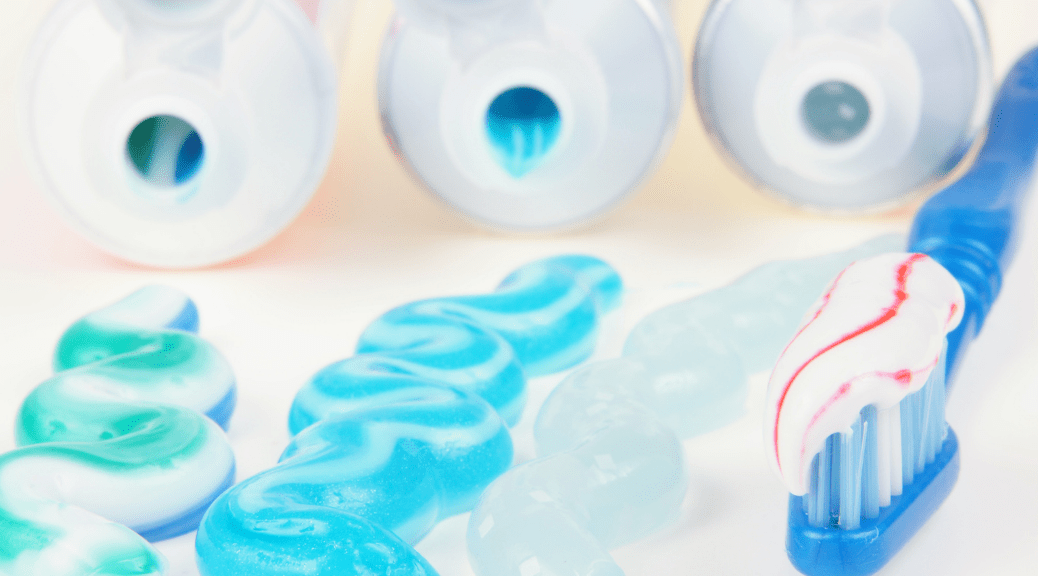
When you want to buy toothpaste from the market, you will come across different types of toothpastes offered by different brands. Choosing the right one can be a real problem until you know what options you have and which toothpaste will meet your expectations. A simple solution to this problem is to learn about five different types of toothpastes that may help you to select one.
Desensitizing Toothpastes
A lot of people suffer due to sensitive teeth. If you are one of them, you should ask your dentist about a desensitizing toothpaste that has ingredients which can eliminate discomfort and pain after regular use. These kinds of toothpastes usually have a two-pronged approach. First, they block dentinal tubules of dentine and second, they intersect the neuron response to pain stimuli. Knowing the cause of sensitivity might help you to decide which option is best for you.
These types of toothpastes have fluoride compounds like Stannous Fluoride (SnF2), Monofluorophosphate (MFP2) and Sodium Fluoride (NaF). When selecting such a toothpaste, you should pick one that has a fluoride content of 1,000 parts per million or more than that. It might help in preventing tooth decay. Even children fluoride toothpastes options are available,but they usually have only 500 parts per million of fluoride content and are usually available in different flavors like fruit, candy, etc.
Who doesn’t want pearly white and dazzling teeth? We all do. This is why more and more people want teeth whitening toothpastes. If you are one of them, you should know that these types of toothpastes contain coarse abrasives that abrade the stains present on the surface of the teeth. Hence, you get the whitening effect.
These types of toothpastes boast of calcification of dental plague so they may help in reducing the rate of formation of calculus. The active ingredients in these kinds of toothpaste are Zinc Citrate or Pyrophosphate. For the uninitiated, calculus is a form of dental plaque that has been hardened. It is also known as tartar.
These kinds of toothpastes have multiple benefits. They help in stopping the formation of plaque, reduce the effects of bacterial toxins on the tissues that surround the teeth and hence contribute in reducing the chances of gum disease. Different anti-plaque kinds of toothpaste have different active ingredients. Zinc Citrate and Triclosan are the most common ones.
It is clear that there are many types of toothpastes and all of them have their virtues. We strongly recommend that you talk to a dentist while selecting any of these toothpastes and don’t use them for years without consulting the dentist again. Long term use without medical supervision might lead to more dental issues in the future.
Related
The page you requested could not be found. Try refining your search, or use the navigation above to locate the post.