No Results Found
The page you requested could not be found. Try refining your search, or use the navigation above to locate the post.


There is an amazing capacity of consumption. I feel, we consumers are the happiest souls when we consume something of our choice. Be it a slice of pizza, driving a newly launched SUV, consuming content (print and digital both or mere a book). The bottom line is- our chosen consumption makes us happy and it is in this pursuit that the Indian economy sees a revived kind of consumerism where malls are getting back to 100% capacity, people are returning to jamming the roads and eateries have already started seeing footprints.
Do you know why we are happy when we eat food of our choice? This is because the areas in our brain that help with regulation of eating, hunger, and cues, signal dopamine to be released. This creates a sensation of good feelings, and positive reinforcement. Study says, it is part survival, and part sensory when we eat.
Now think about shopping. We already have experts who suggest us to Retail Therapies. And study claims that shopping actually causes your brain to release more Serotonin-a chemical substance that makes you feel good!
Even for that matter, giving makes us feel happy. A 2008 study by Harvard Business School professor Michael Norton and colleagues found that giving money to someone else lifted participants’ happiness more that spending it on themselves. Backing this theory, we have happiness expert Sonja Lyubomirsky, a professor of psychology at the University of California, Riverside, who dug out parallel results when she tasked people to do five acts of kindness each week for six weeks.
Talking about consumption, I would say, it is always been seen as the driving force of the economy, providing people with the incentive to expend their time and energy to obtain more and better things.
Consumption not only provides happiness to those who consume but arguably also has other favorable consequences, by giving people the incentive to work, trade and innovate for a better life, leading to higher levels of production and economic growth and by boosting aggregate demand and reducing unemployment. And after the pandemic hit, we know it well, how economic activity in markets strengthens developments. I feel consumption is a win-win for the economy and the consumers. As the quest for a better life by way of consumption makes the economy expand with growing activities simultaneously making us “consumers” happy.
Happy Reading!
Sharmila Das
Editor
The page you requested could not be found. Try refining your search, or use the navigation above to locate the post.

With the greater awareness about the health hazards and the intensity of damage chemical products could cause to the body, consumers got a little push towards the organic products. The transformation of adopting organic products started around the 90’s as more and more people became health conscious and product aware. Shyam Arya, Cosmetic Scientist & Chairman, Indus Cosmeceuticals wrote about the industry and the path ahead.
With the coming of a few brands the prices for the products were further driven down to help it fit in the pocket of a few more consumers and that led to an upwards trend for organic products gradually from early 2002.
It was never a hidden fact that the chemicals glutted products we apply on our body harm us in the long run, but the intensity was never known by the consumers until lately. Additionally, the lack of alternatives, their availability in the market and economic viability helped boost their market share too.
The surge in interest for organic products was a boost to an industry where growth has been moderated in recent years as household penetration increases. From 2010 to 2016, the average growth rate of the category was 10 per cent, but settled into mid-single digits since then. Although sales have continued to grow annually, by 2018, organics were struggling to gain market share despite topping $50 billion for the first time.
The organic industry has come a long way with a drastic change in the consumption of organic products in the last decade. On the consumer side, the infusion of a much-needed boost to product awareness, has helped realise the importance of inculcation of organic products in the consumers’ lives. From food to beauty, consumers have been strongly drawn to organically curated products owing to their health cautious behaviour. The internet, dieticians, dermatologists and various other branches of science with the increased amount of research and study, have played their fair role in bringing about this change. Additionally, a surge in the purchasing power of customers had also added to the chain. It is seen that the millennials are more strongly attached to the use of organic products. Their constant pervasion is also a factor behind their families accepting organic into their lives.
The producers too have become well aware of the exact customers’ usages. The increased research and development in the making of the products, bolstered by the better infrastructure and technology availability has helped the organic industry jump forward a few steps. Variations that are being brought in by the brands, help them cover a larger customer base.
The recent hit by Virus has got everyone concentrating on the maintenance of their health. As consumers prioritise their overall wellness during the pandemic, supplement sales are expected to grow 12 per cent. With the pandemic, people have started opting for healthier alternatives wherever available. They have been distancing themselves from the chemical-based, health deteriorating, easily available products. This combined effect helped organic products’ demand pick up. The sales for the products rose more than 20 per cent in the spring of 2020. The pandemic has got people to understand the importance of organic and natural products in their lives. The disease-induced awareness has helped people learn about the basic requirements of their bodies and health. People are looking for natural substitutes to their everyday use commodities. Trend suggests that people are even shifting to vegan products.
After coming this far the organic industry still faces a few hurdles. But the biggest challenge is the lack of organic resources and land for developing the products. This forces brands to import ingredients. These lead to driving up the price of the product.
Additionally, segregation of genuinely natural brands from those claiming to be one, also called as greenwashing, hampers the growth of the unfeigned product.
Also, consumers have been using chemical-based products for a long time now. The inherient quality of instant results from the chemical products makes people impatient with the preparation and application time of organic products. This impatience is a major roadblock for the organic industry.
While the organic market is growing steadily, it is still far from becoming a mass product. Currently, the organic market is also not consumer-driven and only for people who can afford or willing to pay the premium price, which leads to a small percentage of the consumer base. High price mark-ups for organic products than conventional products are also one of the major factors affecting the sale of organic products. While the high price is because of the cost associated with the product like procuring in bulk, the logistic cost involved in the procurement of organic products from certified organic farms and the distribution within the city increases the cost of the product. Hence, the organic industry needs to travel a long road for the development of better infrastructure and technology, to help cover a larger customer base.
The page you requested could not be found. Try refining your search, or use the navigation above to locate the post.
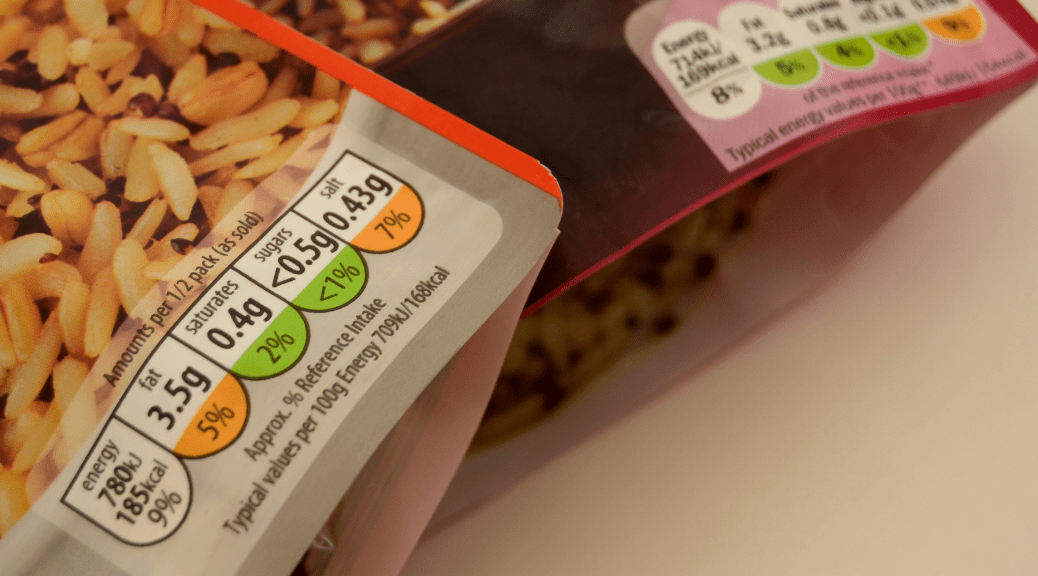
Can you think of a life without a pack of munchy-crunchy food pack besides our daily atta, dal, maida stuff? Well, no! But do you read the information well before buying any such product available on e-commerce sites or your nearby store shelves? If the answer is no, then we suggest you start inculcating the habit of reading your food pack labels before shelling out. You can zoom the image of a food pack and see how many calories are there in the food or know whether the organic product you are buying has been approved by food regulatory bodies or not. In this article, we have come up with a few tips that might help you to make healthier and smarter food choices.
Richa Pande
Packaged food items have additives in them for longer shelf life. Food additives are mandatorily declared in the ingredient list. Ingredients are listed in a specific pattern. The item which is mentioned first is usually the major ingredient used to prepare the food item, then the net ingredient and so on in descending order of the quantum used in the preparing of the product. Sometimes, the ingredients are even presented as percentage of content. You can base your choices by referring to the ingredient list and the quantum in the food item. It is always recommended that you go through the ingredient list
There are guidelines by food regulatory bodies on how much of these additives can be added to the food items, and food companies generally adhere to them. But you could cross the safety limits for any food additive by consuming excessive amounts of food items containing the same additive daily. It is to be noted that these safety limits are prescribed for adults and kids separately and hence excessive consumption of packaged foodstuffs should be avoided. Another reason why we need to be careful is that these packaged foods are generally high in sugar, fats, and added salt.

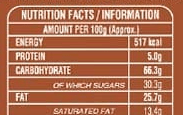
COOKIE 1
It has similar nutrient profile to that of COOKIE 2 but it has more food additives.
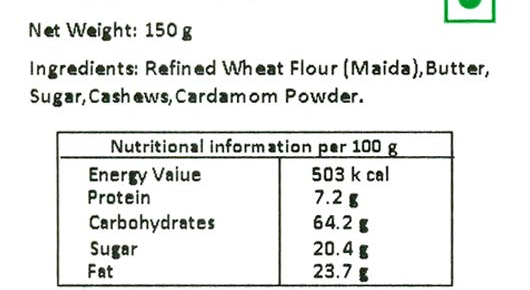
COOKIE 2
has similar nutrient profile to that of COOKIE 1 but it has lesser food additives.
INS numbers in the ingredient list
If you go through the ingredient list, you will notice INS numbers. Food additives have several colloquial names. To avoid confusion, universal numbers are allocated to different food additives. In Indian food packs, food additives are either referred to by their common names or by the universal INS numbers. In European Union countries, they are referred to as “E numbers”. Sometimes food manufacturers mention the contentious ingredient with a name which the consumer may be unaware of. Hence the consumer needs to be well informed to avoid being hoodwinked.
Checking the nutritional value of food products before making the purchase
Compare the variants and brands. Check the nutrition panel and compare the nutrition composition of the products. Prefer products that comply with the concept of clean labelling i.e., share complete information about a product. This will guide you in minding your portion sizes. After going through both the products, choose the products with the healthiest nutrition composition.
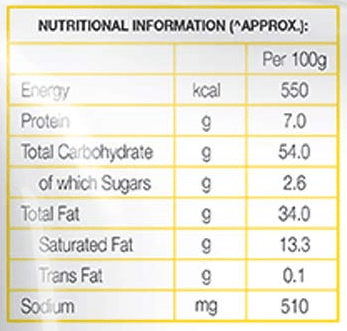
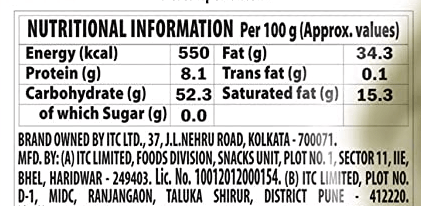
Plain Salt Chips Bag Brand 1 has lesser (by 2 g) saturated fats. Apart from this, it has almost a similar nutrient profile to that of Plain Salt Chips Bag Brand 2. Another thing to note is that brand 1 is also mentioning Sodium content and thus is supporting the concept of clean labelling.
Note that it is always recommended to mind the limit of saturated fats which is around 10-15 g per day. Therefore, pick a pack that has relatively lesser saturated fats and mind the portion sized to control the saturated fat intake.
Make a list of the items before you pick them
Always make a list of items you need before you decide to shop. This helps you in avoiding impulsive shopping. When you buy a product for the first time, read the ingredients list and nutrition table before purchasing the food item. Choose the food item only when you understand its label. It can help you not to make unnecessary purchases and in making healthier choices.
Check the existing front-of pack nutrition labels for quick comprehension
You might not find them in all the food packs in India but some global brands in the Indian market have started labelling nutrients on the front of the pack. From these food packs, one can get an understanding about the apt portion/serving size and calories in one portion/serving item. In some packs, you might also get information about other nutrients of concern like fat, sugar, sodium, and calories.
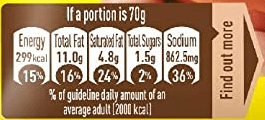

Choose smaller packs over the large packs for individual consumption
The smaller packets contain fewer calories as compared to the large ones. A 30g chips packet has 150 calories, while a 50g package has 250 calories. Always look for the recommended portion size on the pack.
Choosing food items using food certification and quality symbols- You can look for these food quality and certification marks on your food items to make healthy choices








Organic Food Logos
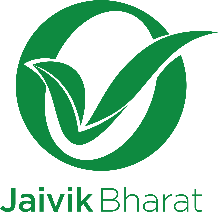
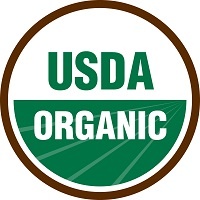


Food packets have a lot of information on them. It is important that we go through it when we are purchasing a food item for the first time. Making this a habit can help us making healthier food choices in a long run.
Related
The page you requested could not be found. Try refining your search, or use the navigation above to locate the post.

The need of taking a personal loan has increased immensely facing many unexpected situations including job loss, pay cut or any medical emergency/treatment. Small businesses too have faced closures or less revenue generation due to the ongoing situation. Personal loans thus have emerged accessible to encounter any such instances. In the following article, we’ve talked about the steps of availing a personal loan including choosing a bank, interest rates to consider, documents to prepare along with many such relevant information.
Subas Tiwari
There are several banks and financial institutions providing attractive deals on personal loan offers with lucrative interest rates. Each personal loan lending institution has different eligibility criteria, rate of interest, and repayment tenure, which should be reviewed and compared to make an informed and smart decision before applying.
Government banks (PSU Banks) have launched a very good initiative by offering personal loans for Covid-19 treatment. They have started a special project of unsecured personal loan. Under which, a personal loan of up to Rs 5 lakh can be taken to mitigate any such mentioned expenses or emergency cases. The interest rate for this category of personal loans is low. Generally, interest rates for an unsecured personal loan range between 11 to 17 per cent. Here, the interest rate is cheaper. The country’s largest bank SBI is offering this personal loan at 8.5 per cent. However, presently there is no uniform interest rates for Covid personal loans as different PSU banks ask different rates. Along with the lot, Union Bank of India and Canara Bank have also announced Covid personal loan, lately.
A person can take this personal loan for himself or for any family member from government banks. The loan can be availed for a period of up to 5 years which implies that the banks will have to repay the loan amount within 5 years. In recent times, we have seen a lot of people taking personal loans at a very high rate to meet Covid treatment. Here, the Covid personal loans come handy.
How to apply?
You need to visit a government bank branch and apply for this loan. Presently, this can’t be done online. Once you’re sure of availing this loan, know that there are two ways to go for the same. The first is- after hospitalisation. Once you’re hospitalised, you will need to visit the bank branch with the hospital bill and the bank will decide the loan amount based on your repayment capacity. Second is, the hospital gives an estimated amount of the treatment cost to the concerned person, which will have to be taken to the bank and apply for the loan. In this type, banks can give loans ranging between Rs 25, 000 to Rs 5 lakh. However, it is up to the bank authority to approve or reject your loan application.
There is no fixed criterion for arriving at eligible loan amount, as individual banks have different methods of calculation but the generally accepted practice is to fix a ceiling of about 50 per cent of deductions from salary including the repayment of the loan to be granted. If you are within this ceiling, then the eligible amount could be about 10/12 times the gross monthly salary or 6 times the total taxable income as declared in Form 16 or the Income Tax Return. This can vary amongst nationalized banks and can be different among private banks (private banks commute on the take-home pay).
Certain additional conditions may apply for geek employees, individuals who run their own business or freelancing assignments in availing a personal loan from a bank. Since he does not get salary, the business income as reflected in the Income Tax Return would be the basis of ascertaining his total income. S/he may be required to submit details of his enterprise.
The performance of the business can also be a factor to influence his loan sanction. In case of new enterprise, banks can insist on collateral securities like bank deposits, bonds, etc in addition to providing one or more personal surety of adequate net worth.
They are those who either have their own business/service like doctor, lawyer, etc or those who are technically qualified but are working in an organisation.
The following could be additional conditions to be fulfilled.
One should be very careful in taking a personal loan as its interest rates start from as low as 11 per cent, which is very high. Higher interest rate can weaken your financial position. Let us know how to take a personal loan. What is its process and what precautions should be taken while taking personal loan?
The RBI has come down heavily on commercial banks for causing inordinate delays in conveying their credit decisions/credit disbursal. In its latest notification to all the banks, they have been asked to carry out due diligence before arriving at credit decisions to ensure timely and adequate availability of credit. RBI has further said that banks must put in place loan disbursal timelines within 30 days of the RBI circular. Banks are also expected to make suitable disclosures on the timelines for conveying credit decisions through their websites, notice boards, product literature etc.
Leading bankers have opined that this move could push banks to cut procedural delays. They said that already individual banks have their own internal guidelines and timelines for disposal of small loans. But a centralized system as suggested by RBI would help and speed up matters.
Under the RBI Guidelines on ‘FAIR PRACTICES CODE’ for lenders, it has been stipulated that time-frame for disposal of loan applications up to Rs.2,00,000 should be indicated at the time of accepting the loan applications.
Related
The page you requested could not be found. Try refining your search, or use the navigation above to locate the post.

Gold hallmarking is the accurate determination and official recording of the proportionate content of precious gold metal articles. Hallmarking is done of six caratages of gold jewellery/ artefacts, viz. 14, 18, 20, 22, 23 and 24 carats. While, the mandatory hallmarking is surely a welcome move for the consumers, let us take a quick look at the set regulations.
Ashok Kanchan
Bureau of Indian Standards (BIS), the national standards body of India through its network of regional/branch offices all over the country operates the hallmarking scheme for gold and silver jewellery. Regular surveillance audit of assaying and hallmarking centres and testing of random market samples drawn from registered jewellers.
Hallmarking provides third party assurance and satisfaction that customer gets right purity of gold (or silver) for the given price (value for money).
Hallmarked gold jewellery has five marks: BIS mark, purity in carat, assay centre’s name, jewellers’ identification mark and year of hallmarking.


The central government has made it mandatory for the jewellers to sell only hallmarked jewellery. The mandatory hallmarking of gold jewellery is coming into force from 16th June, 2021.
A few points of latest government order
Is the order applicable to gold bullion and coins also?
No, the order is applicable for gold jewellery and artefacts only. Gold bullion/coins of 999/995 fineness are permitted to be hallmarked by BIS approved Refinery/Mints (39 licensed refineries are in operation at present as on 01 Jan 2021). The list of BIS licensed Refineries/Mints is available at BIS website www.bis.gov.in under the hallmarking tab.
All the information regarding hallmarking in detail has been provided at BIS website, www.bis.gov.in under hallmarking section. The information includes procedure and guidelines for jewellers and hallmarking centre, all the forms and list of registered jewellers and hallmarking centres etc.
Related
The page you requested could not be found. Try refining your search, or use the navigation above to locate the post.