
No Results Found
The page you requested could not be found. Try refining your search, or use the navigation above to locate the post.


Packaged Drinking Water
Water is life and we cannot think of surviving without clean and pure drinking water.
Will you drink water which is contaminated? Packaged
Consumer VOICE tests packaged drinking water from time to time to study the contaminants and generate awareness on the safety of the same.
Articles
It is water derived from varied sources including surface, ground or sea and subjected to treatment like decantation, filtration (including aeration filtration with membrane filter, cartridge filter, activated carbon filtration), demineralisation, mineralisation and reverse osmosis.
As consumers, we feel helpless when we get charged extra for buying packaged water at cinema halls, railway stations and airports even though the maximum retail price (MRP) is printed on the bottle.
Related
The page you requested could not be found. Try refining your search, or use the navigation above to locate the post.

Butter
Love of butter is not new among Indians with butterly tales of Lord Krishna which most of us are aware of.
Whether on toast or in cakes, butter is one of the most used ingredients in Indian homes. However, there is always a debate raging whether it is good or bad for one’s health.
Consumer VOICE experts have made various studies on different kinds and brands of butter to help you understand the complexities of this simple ingredient.
Articles
We live in a world full of choices , it’s confusing to choose a simple thing like butter. The grocery store shelves are crowded with different brands and varieties, yet most recipe still just say “butter.”
The clear difference between salted and unsalted butter is the presence of salt. Mostly unsalted butter is made with 100% cream, salted butter will have some salt added to it.
Related
The page you requested could not be found. Try refining your search, or use the navigation above to locate the post.
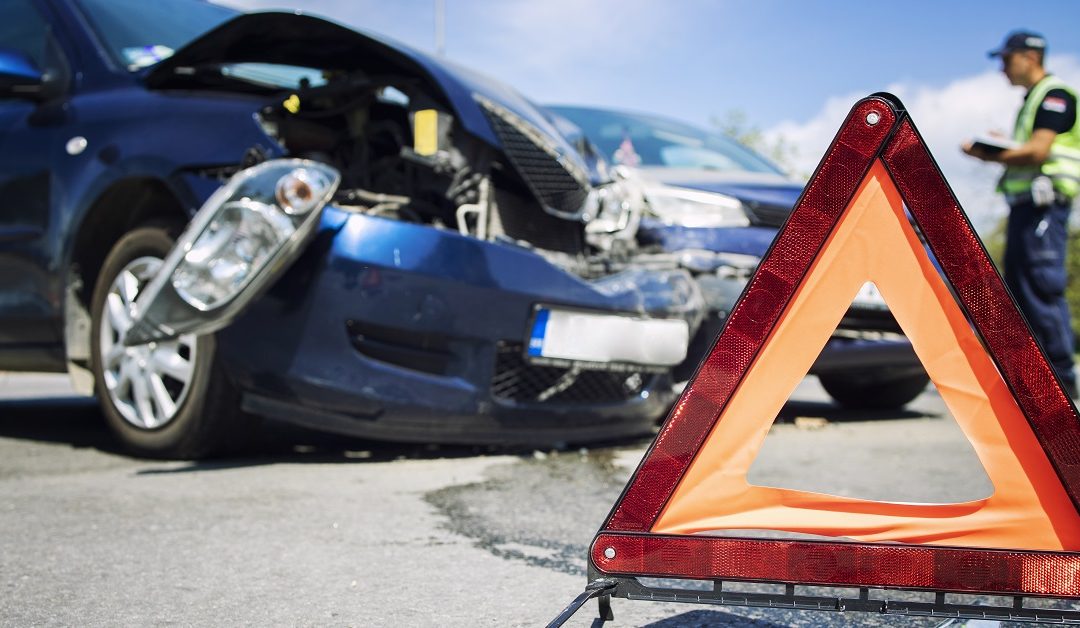
Road accidents have claimed more lives than the pandemic
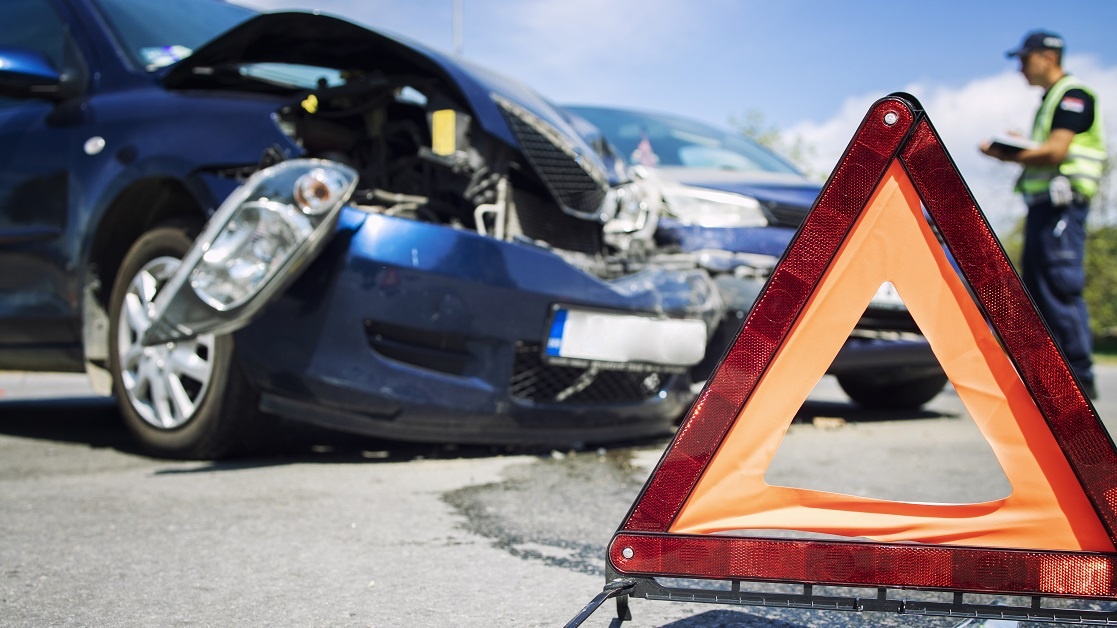

Claiming the road accident situation in India to be more precarious than the “dangerous COVID-19 pandemic”, MoRTH Minister, Mr Nitin Gadkari in a recent press conference said that India could save upto Rs 90 lakh per person by preventing deaths and reducing injuries to minor ones in such incidents.
Every year India loses more than 1.4 lakh people due to road-crashes with more than 60% of them being in the age-group 15-34 years as per Indian Central Government. The country has the worst road safety records in the world with over 450,000 people also getting injured in road crashes every year.
Among the various reasons for road accidents, one of the main causes in India is speed. Therefore this year’s theme in the recently concluded UN Road Safety Week, Streets for Life #Love30’ is a constant reminder for motorists in India to drive safely and within speed limits. Low speed streets save lives and are the heart of communities with a global call for 30 km/h (20 mph) speed limits to be the norm for cities, towns and villages worldwide. The Action Plan will also reflect the Stockholm Declaration’s encouragement of policies to promote walking, cycling and the use of public transport as inherently healthy and environmentally friendly modes of transport.
The UN Global Road Safety Week which is celebrated year reaffirms our firmness to the resolutions passed in all countries to make roads safer for all travelers which prevents road casualties.
Based on the recommendations of Sunder Committee, the Union Cabinet approved National Road Safety Policy on March 2010. The National Road Safety Policy outlines the policy initiatives to be framed / taken by the Government at all levels to improve the road safety activities in the country. Under this, the Government would increase its efforts to promote awareness about the various aspects of road safety, the social and economic implications of road accidents and what needs to be done to curb the rising menace of road accidents. This would enable and empower the different stakeholders to play a meaningful role in promoting road safety.
Keeping the Policy in mind, the present government came up with the Motor Vehicle Amendment Act 2019 which got the President’s assent on 1st September 2019 after being passed by both houses of Parliament. Motor Vehicles (Amendment) Act 2019 is being implemented in the country since September 1, 2019. This new act has increased fine for many offence to check the road accidents and improve the road safety in the country. It proposes stricter provisions for offences such as drunken driving, juvenile driving, driving without license, over-speeding, dangerous driving and overloading. It also proposes stricter provisions for driving without helmets. It will act as a deterrent to offenders.
The Bill provides for a National Road Safety Board, to be created by the central government through a notification. The Board will advise the central and state governments on all aspects of road safety and traffic management including: (i) standards of motor vehicles, (ii) registration and licensing of vehicles, (iii) standards for road safety, and (iv) promotion of new vehicle technology.
Since, road- transport and law & order comes under the state list of subjects in the Constitution and the newly amended Act is a model Act that needs to be adopted by states in accordance with the specific requirements and prevailing circumstances. Many states are taking time to adopt it fully or with changes. There may be some states that may not adopt the model Act but then the principle of federalism does provide this much room or space to steer their respective ships of governance. But in order to save lives and injuries, it would be unfortunate if the central government were to issue a whip forcing states to adopt the central law. The central government has issued advisory to all states to adopt the MVA2019 and implement the same besides it’s rigorous enforcement.
Road safety is all about allocating resources, developing safer road models, adopting scientific road designs, push for the golden hour good Samaritans, develop safer pedestrian and cyclists paths, penalize the violators stringently, use electronic signals and cams, depute officials for on – road management systems, identify and rectify black holes, educate all road users and many more.
It’s a humongous task before us and adoption of global best practices will be a welcome decision. We have to showcase lives on road and not corpses and injuries.
For other articles by Consumer VOICE COO’s Desk, click here
In the last few years, Indian sports fans have experienced their favourite sports in a fundamentally new and engaging way. Online Fantasy Sports have enhanced the sports viewing experience for fans-providing a pseudo participation experience, in turn fueling stellar growth for the industry in India which, as per a KPMG report, now boasts over 90 million active users and nearly INR 2,470 crores in annual revenue. These developments highlight the tremendous potential this “sunshine sector” holds. However, Online Fantasy Sports, much like most new-age and disruptive industries, has been met with some apprehension by some consumers and policy makers and concern due to certain myths around Online Fantasy Sports. Given the rapid rate at which Online Fantasy Sports is growing, it is important to understand the impact that the industry has had on users. A better understanding of how users perceive Online Fantasy Sports, and how they have been impacted by them, will help policymakers to create a regulatory framework that not only allows the Online Fantasy Sports industry to grow responsibly, but also ensures that the interests of the consumers involved remain protected.
Against this backdrop, Consumer VOICE carried out a user survey to study the impact on consumers’ engagement and issues of Fantasy Sports on sports engagement. At a more granular level, the survey sought to understand whether the actual user perceptions of Fantasy Sports are in alignment with the myths surrounding the Online Fantasy Sports platforms. The objective of the survey is to ensure that a representative voice of users becomes an integral part in the development of Online Fantasy Sports as a product, its adoption, and attendant regulation. The nearly 10,000 responses collected suggest that users perceive Online Fantasy Sports as a non-addictive, skill-based fair engagement platform which is safe to play and enhances their engagement with sports.
For the complete report, click here
88% Survey of Users say Online Fantasy Sports increased their interest in Sports
New Delhi, 7th June 2021 : Consumer VOICE, a prominent consumer protection group, has published a user survey report, titled ‘De-mystifying Common Myths Surrounding Online Fantasy Sports’ .The report explores the impact of Online Fantasy Sports (OFS) on sports engagement and addresses some common myths surrounding OFS platforms. The survey received close to 10,000 responses from users of various OFS platforms.The report examines whether the actual user perceptions of Online Fantasy Sports are in consonance with myths centered around OFS platforms being addictive, potentially resulting in negative societal impacts and making users fearful of incurring financial losses. The objective of the report is to ensure that a representative voice of consumers becomes an integral part in the development of OFS as a product, its adoption, and any forthcoming regulation.
The uniqueness of OFS platforms makes users more engaged with a variety of sports and promotes their analytical abilities. This becomes a major reason to distinguish it from gambling / betting since the OFS platform format focuses on skill and not luck. With the terms and conditions made easily accessible, users perceive Online Fantasy Sports as a financially safe, skill-based activity which augments their interest and engagement with sports.
Ashim Sanyal, Chief Operating Officer of Consumer VOICE, said “Online Fantasy Sports industry has immense potential for contributing to India’s sports economy, however, the various myths surrounding it need to be dispelled first. This will provide for a collaborative environment in which regulations can adequately safeguard consumer interests while also allowing the industry to drive economic growth in a transparent and accountable manner.”
This report highlights the dissonance between how users of OFS platforms perceive fantasy sports vis-à-vis the common myths surrounding it. Therefore, to ensure the continued and responsible growth of the OFS industry and protection of end consumer interests, it is recommended that NITI Aayog’s draft guidelines on regulating Online Fantasy Sports be formalized. This will enable State’s to draft uniform legislations’ to protect the interests of consumers and promote responsible growth of the industry along the same lines as NITI’s guidelines. Additionally, awareness building of the terms of use of OFS platforms should be continued among key stakeholders, including government actors, civil society organizations, academicians, consumer rights groups, and the public.
Consumer VOICE is one of the Leading Consumer Organisation in the India. Working under “Jago Grahak Jago” program of Ministry of Consumer Affairs besides other Ministries, Regulatory bodies, standards organizations, world bodies and Standing Committees of Parliaments, our work of Comparative Testing for product testing and services evaluations are for the masses. We are doing advocacy for all the consumers to various authorities and consumers across India are getting benefited from our work. Our magazines and website, besides educational workshops on various subjects are the tools of consumer education and empowerment across the nation and all consumers get benefited from our work.