


No Results Found
The page you requested could not be found. Try refining your search, or use the navigation above to locate the post.

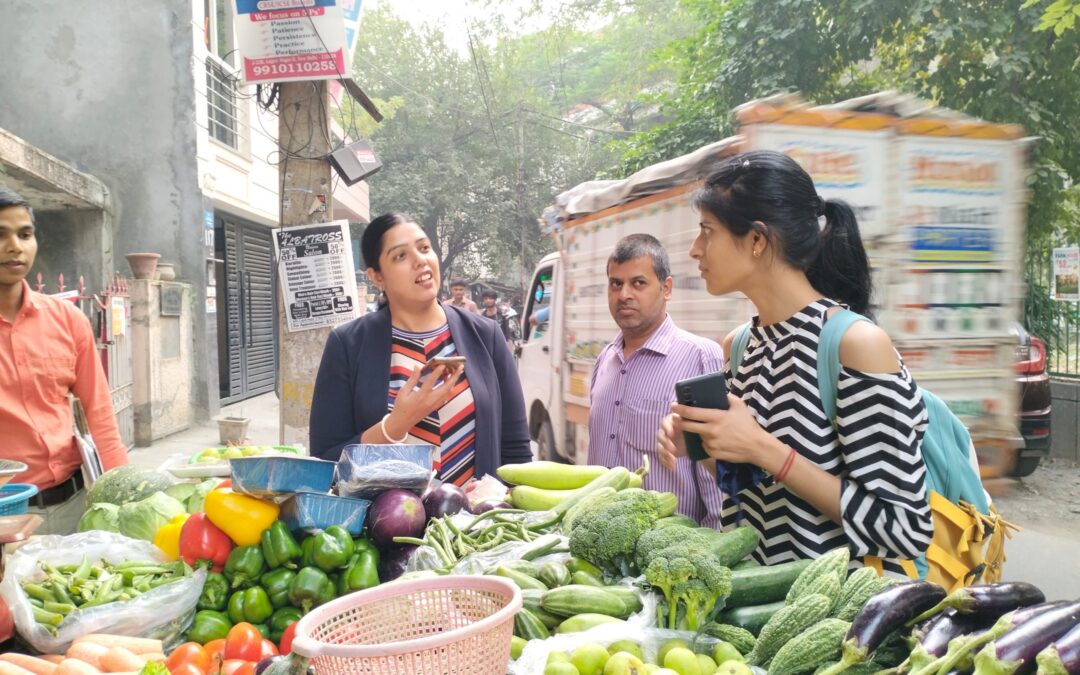
Consumer VOICE organised vendors and consumers sensitization drive in Lajpat Nagar New Delhi on 31st Oct 2022 as a part of Green Action Week activities. The main objective of the workshop was to sensitize and encourage the vendors and consumers to take action oriented efforts to fight against plastic pollution. The drive was organised at Lajpat Nagar and Consumer VOICE team members covered various blocks of the market and residential areas.
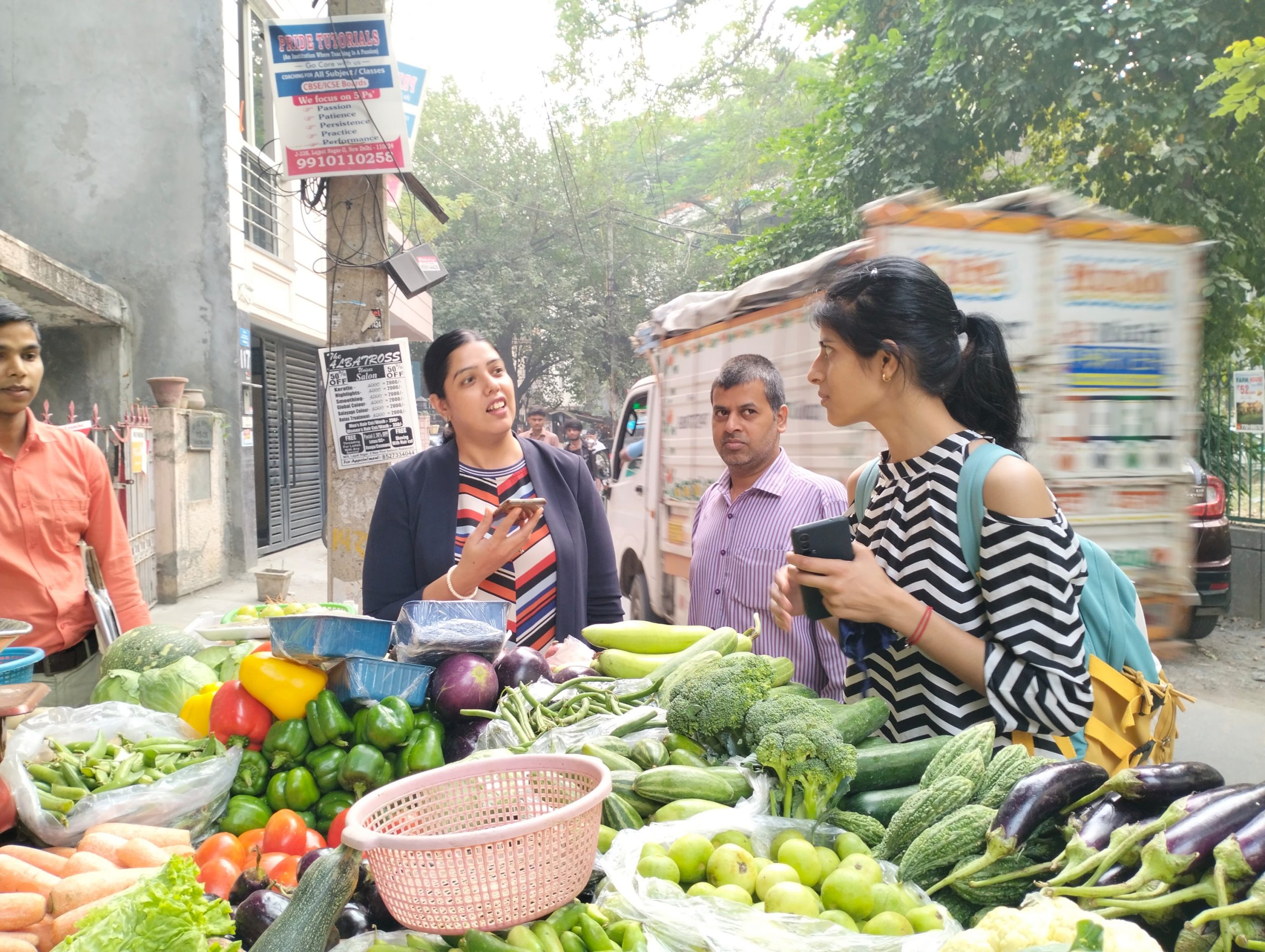
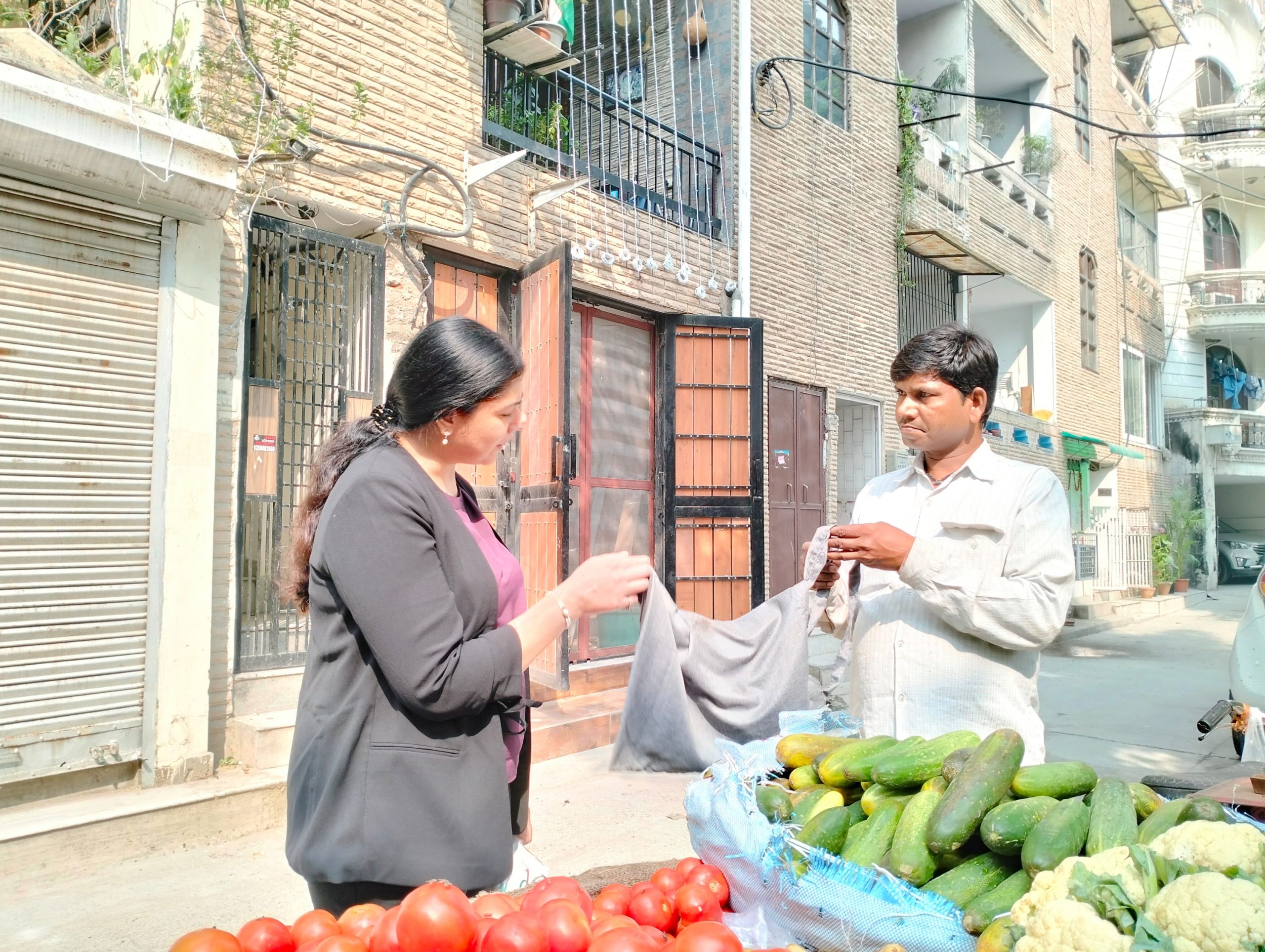
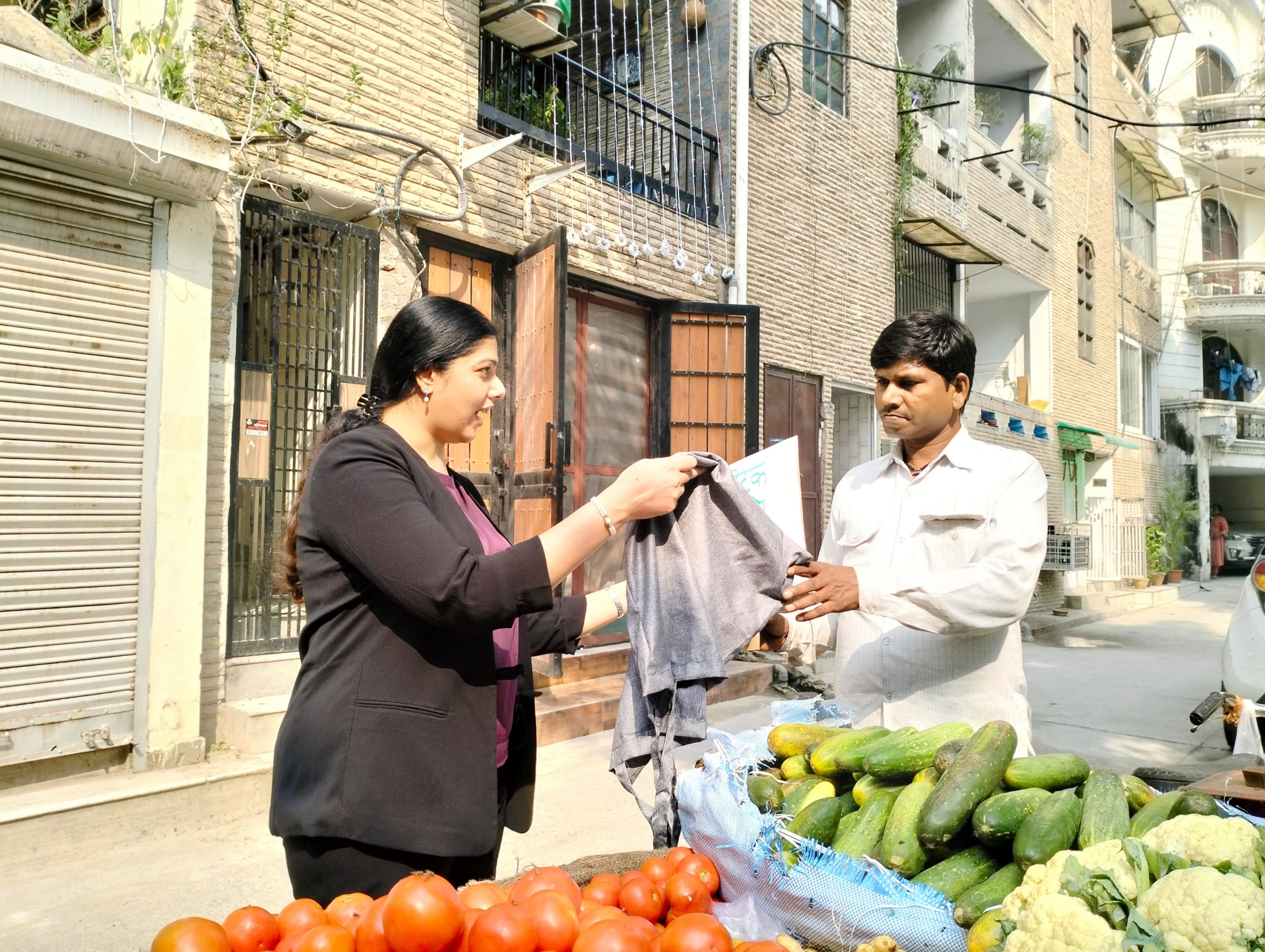
During the drive, team members interacted with vendors and consumers to understand their concerns and pattern of using plastic products and awareness regarding plastic pollution. We sensitized the audience regarding perils of single use plastic.
We encouraged the vendors and consumers to switch to sustainable products and avoid plastic products. Vendors told us that they are trying from their side to encourage consumers to not to ask for plastic bag and also to bring their own bags. They told us that they will put sticker on their shop or cart to “bring own bag”.
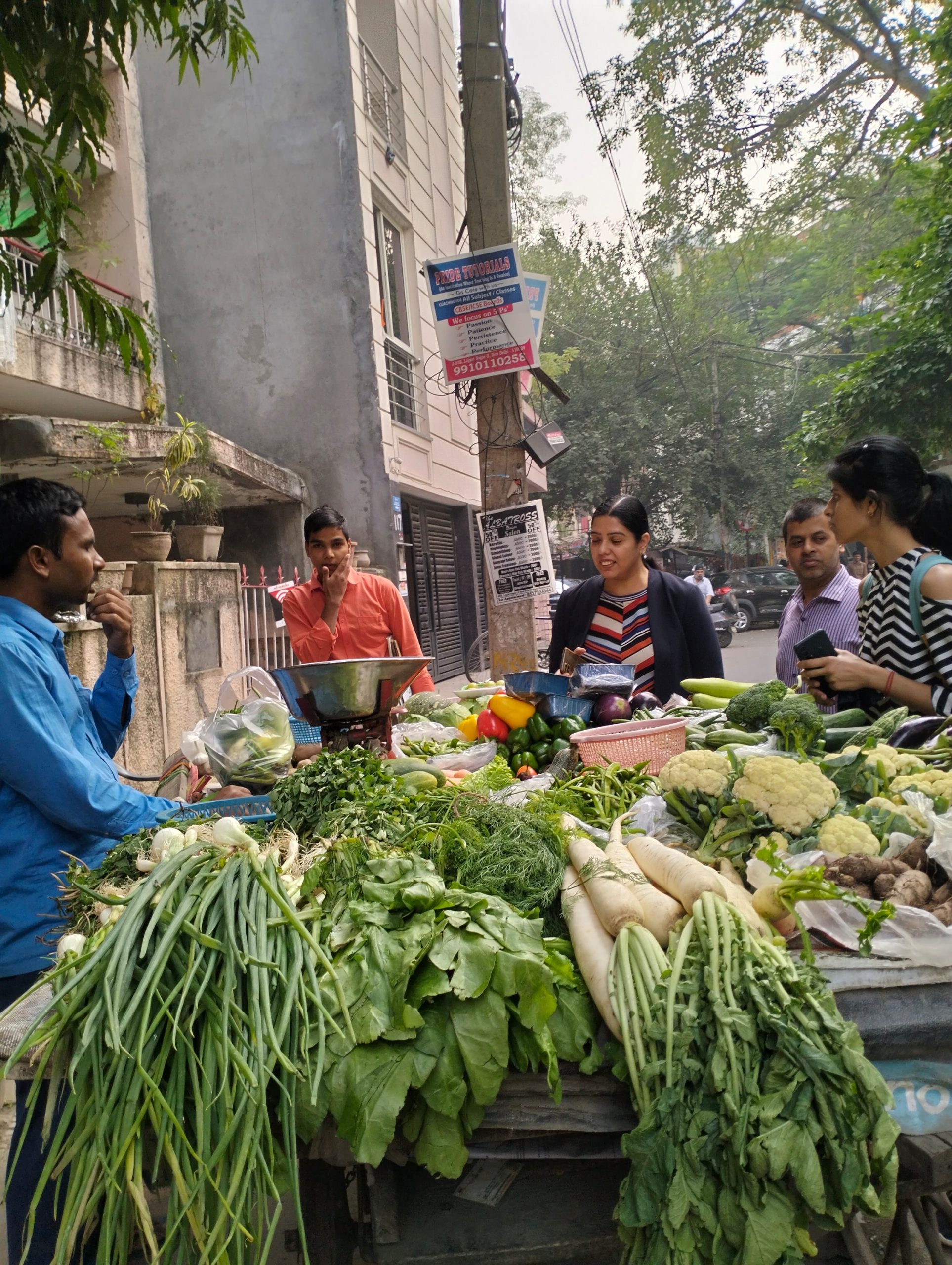
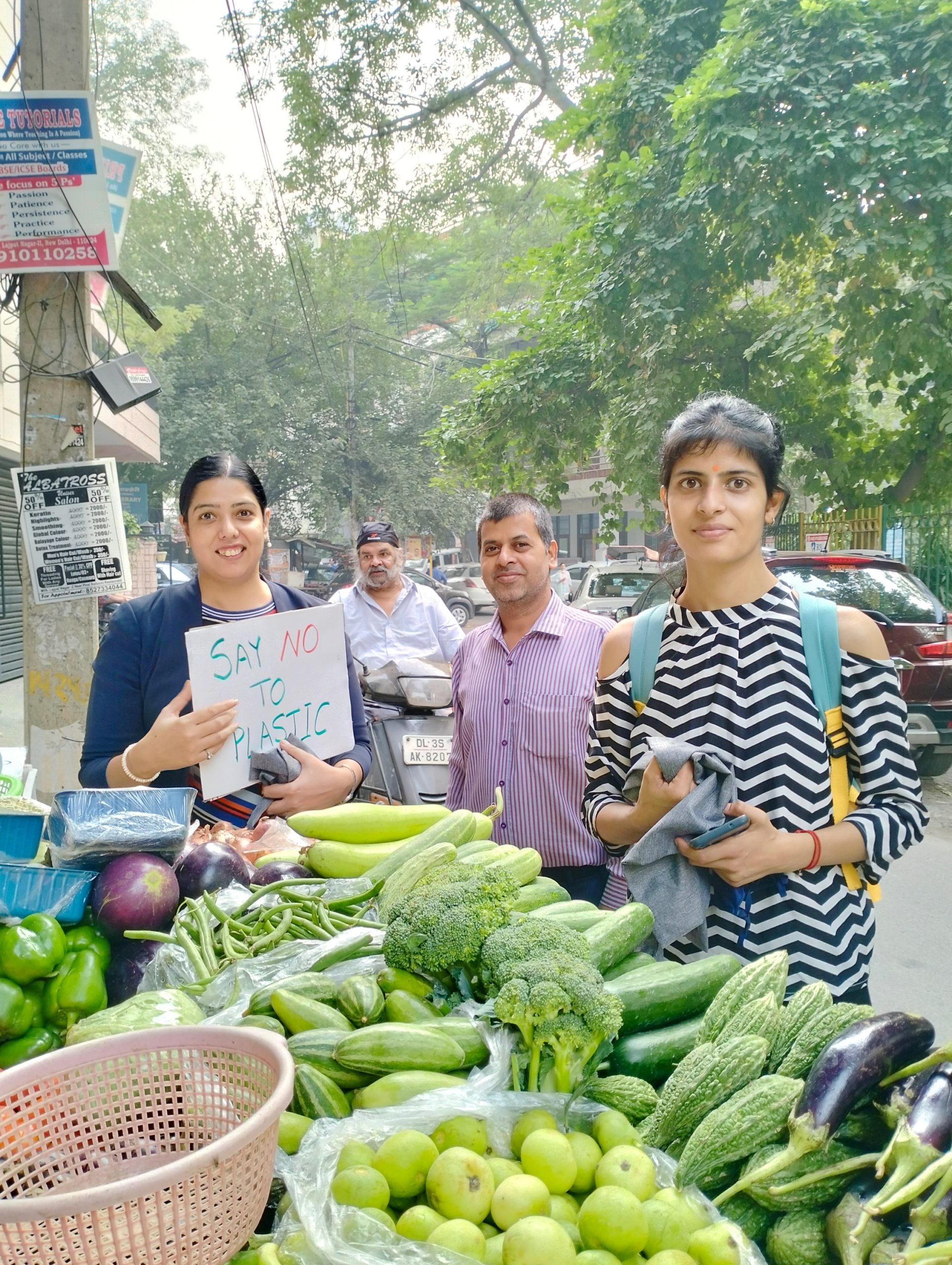
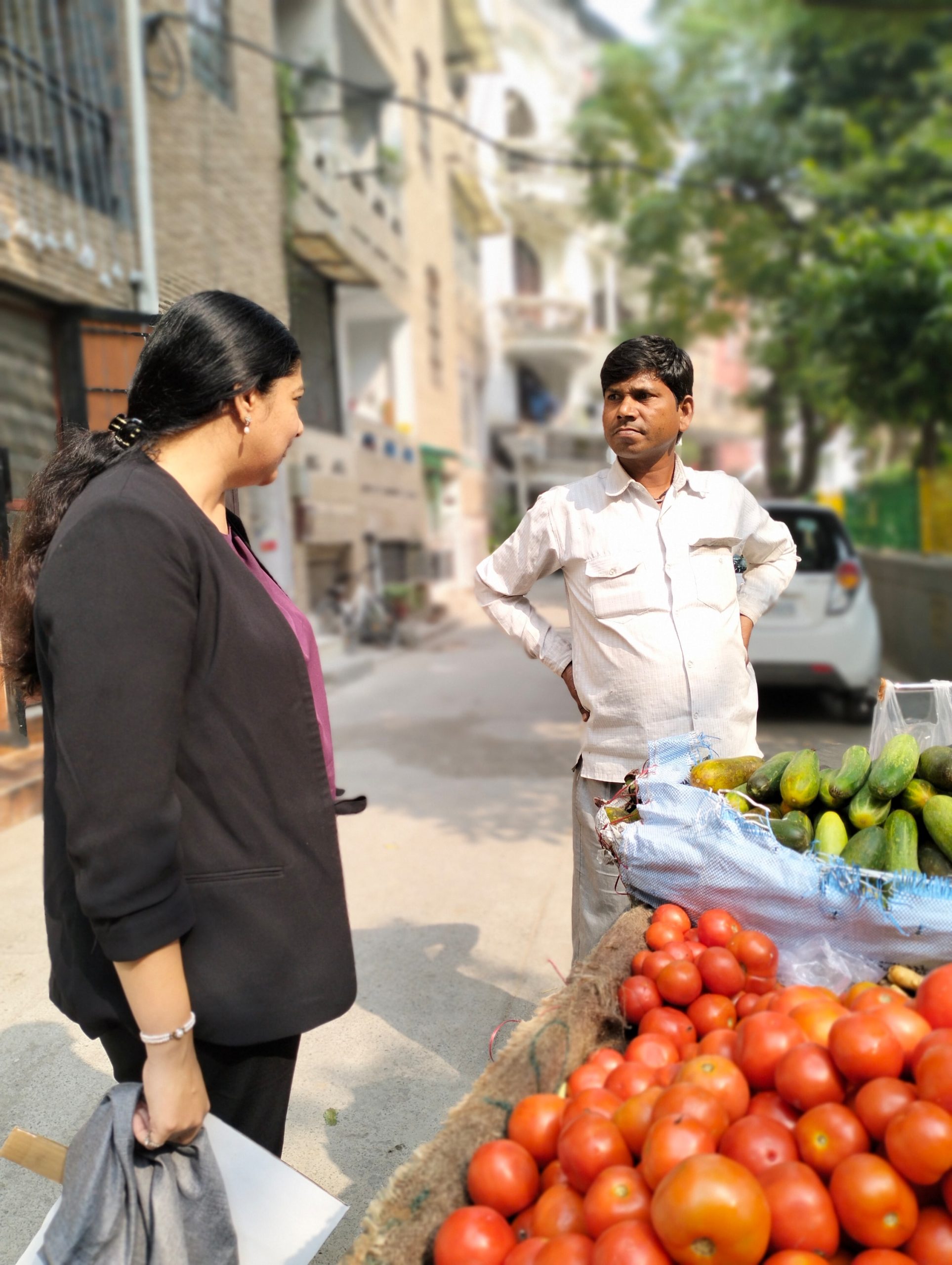
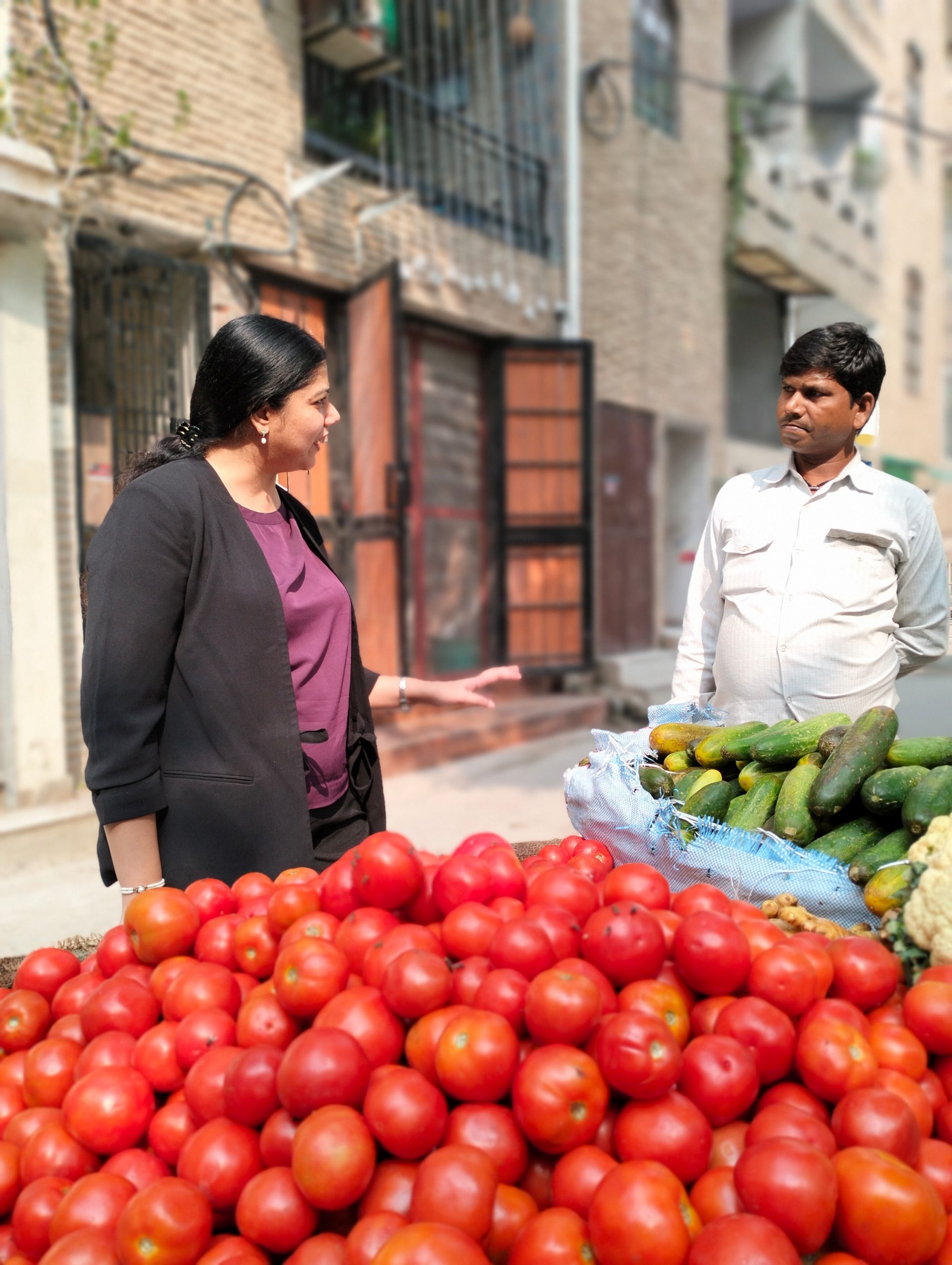
Sustainable cloth bags were distributed to vendors and consumers with whom interaction took place. We also approached members of Resident Welfare association of residential areas and marketing associations in this regard.

A sensitization workshop with children was organised in collaboration with Let’s Educate Children In Need (LECIN) at Madanpur Khadar Delhi on 1st October 2022 as a part of Green Action Week.


The main focus of the activities was to educate children on plastic pollution, perils of single use plastic, impact on environment and to reduce plastic from our daily lives. Experts from Consumer VOICE team interacted with children through the way of storytelling to engage them and also to get their ideas /thoughts on reducing plastic pollution.
More than 45 children participated with full enthusiasm in the workshop. The workshop was organised at an open library where children from lower income group are coming to take advantage of reading facilities organised by let’s educate children in need facilitators .There is no concrete road to reach to this place and it’s in the interiors.
Rinki Sharma, Project lead Consumer VOICE gave various examples of plastic pollution, its impact on environment, on animals and on marine life. Children were given demo on recycling plastic bottles for planting air purifying plants.Paras, plantation expert demonstrated various air purifying plants and how to plant those using plastic bottles for recycling. We encouraged children to utilize up cycled bottles for planting purpose. For this purpose material was given to children and groups were formed. Children participated in the group exercises with full enthusiasm.
Mr.Rohit Kumar, founder of LECIN and Himanshu Chauhan, coordinator, LECIN supported the activities and emphasised on more of such activity based prograrammes for children. Other facilitators also joined the activities and helped in coordination.
Information on sustainable alternatives were also given such as using cloth, jute bags etc. Various queries were addressed by the experts on plastic pollution, its disposal, and problems in burning, impact of health etc.
Children were given cloth bags as a part of activities along with plantation material such as air purifying plants, up cycled bottles which were specially prepared for plantation purpose to utilize to make planters.
An Interactive workshop was organised at Jahangirpuri Delhi on plastic pollution with women and young girls on 8th October 2022 as a part of Green Action Week activities.

The purpose of the workshop was to make the target aware about perils of single use plastic and to engage them towards recycling /reuse the single use plastic material to contribute to environment.
We organised an interactive workshop with the focus on women and young girls to come forward to be part of joint actions to fight with plastic pollution. More than 40 women and young girls joined the workshop.
Beena Sharma, educationist and environment saviour gave various examples of impact of single use plastic products on environment and what could be various sustainable alternatives in our daily lives. She urged the women participants and young girls to avoid plastic by using available sustainable alternatives. She also shared about various initiatives by various organisations and people to recycle the plastic material in most innovative way.
Rinki Sharma, project lead, Consumer VOICE also gave various examples such as not to use plastic wrapping of gifts in festival season ,using natural products while decoration ,avoiding plastic bottles and collecting plastic material and sending to recycling centres.
A Demo to up cycle the plastic bottles for plantation purpose was done. Women participants and girls were also encouraged to plant using up cycled bottles.
Information on various purifying plants was given and how to turn plastic cans, bottles into planters through demo was given. Participants also shared various ways to reduce plastic pollution and traditional ways used in households to reduce the plastic material such as mud vessels, pots etc. instead of plastic containers.
We witnessed great enthusiasm among participants and their queries were addressed. Our workshop was designed to train the trainers so that participants train more people in the community through the knowledge gained in the workshop and also through action oriented efforts. Various myths around plastic material, its disposal were also addressed.
Cloth bags were distributed among participants encourage them to switch to sustainable alternatives.
A plastic waste collection drive by Consumer VOICE with local youth members was organised in Lajpat Nagar, Delhi as a part of Green Action Week activities on 7th Oct.

The workshop aimed to sensitize youths to take actions to fight with plastic pollution for sustainable and green pollution.
Consumer VOICE team members sensitized local youths to collect plastic waste for recycling purposes and these youth with help of local resident welfare association.
Consumer VOICE team member’s sensitized local youths to collect plastic waste for recycling purposes and these youth with help of local resident welfare association collected plastics and interacted with residents of various blocks.
After collection of plastic waste it was sent to the collection centre of the identified local recycling centre by one of the team members.
In continuation of our efforts to sensitise youth on plastic pollution we conducted a special session on 8th October at Jahangirpuri with local youths and encouraged them to discuss ideas and ways to reduce plastic pollution.
Our team members also shared various examples with them of impact of plastic pollution on environment and how experts are trying to address the issues. Various myths were also addressed around plastic material which we used in our daily lives.
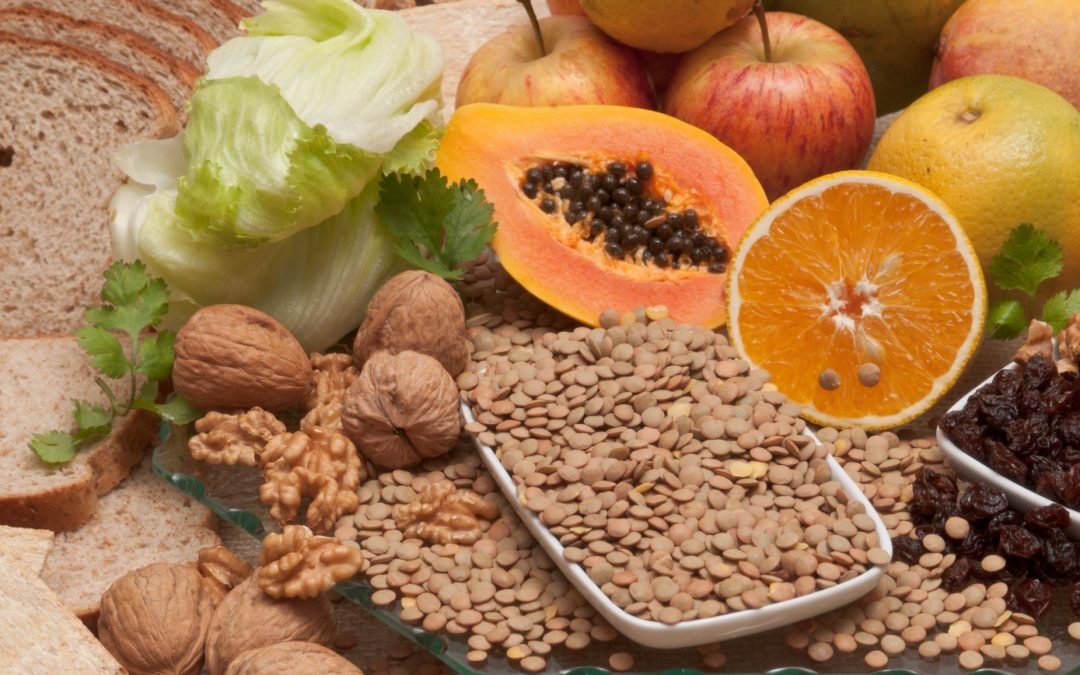
Human gut is home to many species of microbes, collectively referred as ‘gut microbiota’. They can be both symbiotic and pathogenic in nature, coexisting together without causing any trouble. Sometimes this balance could be disturbed due to infectious illnesses, unhealthy diets patterns, prolonged use of antibiotics, sleep fragmentation and short sleep duration, etc. It can cause dysbiosis, stopping these normal interactions. Evidence suggests that the gut microbiota plays a crucial role in digestion and absorption of nutrients and thus impacting the health and nutrition status of an individual. In this article, we will discuss this in detail.
Richa Pande
In our body, digestion and absorption of nutrients takes place primarily in the stomach and small intestine. Gut microbes play a crucial role in digestion and absorption of macronutrients. They also play a critical role in fermentation of dietary fibre for the production of Short Chain Fatty Acids (SCFA), which are absorbed and utilized for different processes of the body. The gut microbiota is also important for synthesis of vitamin B12 in the colon, and facilitates the synthesis of nutrients such as thiamine, folate, biotin, riboflavin, and pantothenic acid. Gut microbes have been found be helpful in also helping us to meet our daily requirement of vitamin K. Gut microbiota is also linked with release of many gut hormones that controls our appetite and satiety levels thus impacting our weight status.
Several factors including diet, physical activity, genetics, drugs, caffeine, alcohol, and psychological status can play a role in influencing the gut microbiota. It further impacts the digestion, bioavailability, and absorption of the nutrients, thus impacting our health and nutrition status.
Imbalance in the gut bacteria is referred to as dysbiosis. It causes a variety of digestive disturbance symptoms, such as indigestion, bloating, cramps, diarrhoea, and constipation.
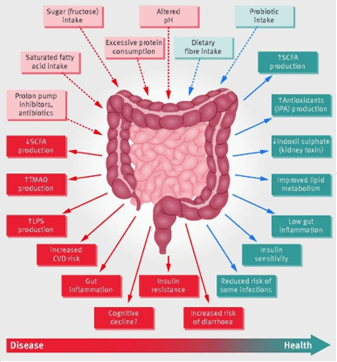
Source: Role of the gut microbiota in nutrition and health, Ana M Valdes et.al
Gut dysbiosis can be initially treated through medications and a healthy diet can help heal the gut to its normal stage and enable it to function normally. It takes at least a couple of weeks of healthy diet changes before gut dysbiosis is healed.
The page you requested could not be found. Try refining your search, or use the navigation above to locate the post.
23 per cent of the world’s milk production is contributed by the dairy sector of India. It ranks first across the globe. But the rising cases of the Lumpy Skin Disease have thrown the nation out of gear. The lumpy skin disease is a viral infection commonly occurring among the cattle of African countries. The infectious disease has spread to over ten states and resulted in the death of 75,000 cattle so far. And with Navratri and Diwali festivals ahead, the price of sweets may also spike due to the losses suffered by the milk industry.
On a positive note, India has overtaken United Kingdom to become the World’s fifth biggest economy. Amid a positive economic outlook, with a projected growth of 7% in 2022, rising costs are a concern for Indian consumers from all income slabs- higher, middle and low. There are mixed sentiments among the consumers, but popular opinion is that growth comes at a cost and economy will recover soon. Spending in the festival season in 2022 could hit $32 billion as Indian households prepare for a restriction free celebrations. It is forecasted that Indian consumers will largely spend money on Diwali supplies, groceries and home renovation items and markets set to jump by 20%.
In an important decision, Union Minister of Road Transport and Highways, Nitin Gadkari has announced to make 27 Green Express Highways. This project will create a great economic impact as massive import of fossil fuel is a really big burden for the country. These green express highways are planned with an aim to reduce time as well as to curb pollution.
I hope you have loved reading the editorial and will continue to support us in bringing the best and informative articles for your perusal. In the meantime, keep reading the articles we have brought you this month. We discuss Personal Loans by NBFCs, necessity of Water purifiers, IRCTC Travel Insurance for E-Ticket travellers and many more. Do share your thoughts at info@consumer-voice.org.
Until then, happy reading!
Pallabi Boruah
Editor
The page you requested could not be found. Try refining your search, or use the navigation above to locate the post.
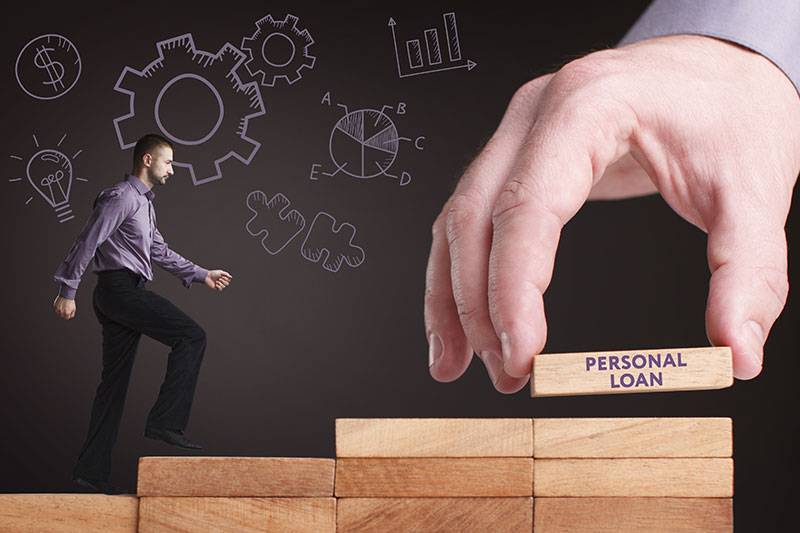
The best feature of a personal loan is that you do not need to pledge any kind of item to borrow. As the name suggests, personal loan means that you can get this loan in case of any kind of need. Like marriage, medical emergency or emergency travel. The bank gives this loan according to the income of the customer.
Simply put, it is an unsecured loan taken by individuals from a non-banking financial company (NBFC) to meet their personal needs. Since a personal loan is an unsecured loan, therefore your credit history usually plays a significant role in the approval process.
Subas Tiwari
An increasing number of consumers are now taking personal loans for their purchases. They are also converting their purchases into equated monthly instalments (EMIs). Personal loans help the households meet any shortfall they experience in buying a house or a car, in children’s higher education, or even in cases of medical contingencies, tour expenses or repayment of an earlier debt, etc.
Here’s a low down on personal loans to understand them better.
It is a loan taken by individuals from a non-banking financial company (NBFC) to meet their individual and private needs. It is provided on the basis of key criteria such as income level, credit and employment history, repayment capacity, etc.
Unlike a home or a car loan, a personal loan is not secured against any asset. As it is unsecured and the borrower does not put up collateral like gold or property to avail it, the lender, in case of a default, cannot auction anything you own. The interest rates on personal loans are higher than those on home, car or gold loans because of the greater perceived risk when sanctioning them.
However, like any other loan, defaulting on a personal loan is not good as it would reflect in your credit report and cause problems when you apply for credit cards or other loans in future.
It can be used for any personal financial need and the financial institution will not monitor its use. It can be utilized for renovating your home, marriage-related expenses, a family vacation, your child’s education, purchasing latest electronic gadgets or home appliances, meeting unexpected medical expenses or any other emergencies.
Personal loans are also useful when it comes to investing in business, fixing your car, down payment of new house, etc.
Although it varies from one NBFC to another NBFC, the general criteria include your credit score, age, place of residence, occupation, income, existing liabilities and capacity to repay the loan.
To avail of a personal loan, you must have a regular income source, whether you are a salaried individual, self-employed business person or a professional. An individual’s eligibility is also affected by the company he is employed with, his credit history, etc. NBFCs normally target highly-paid professionals, businessmen, credit card users for their personal loan requirements and are aggressive in assuring sanction/disbursement especially in pre-approved cases which meet the following parameters.
It can be 1 to 5 years or 12 to 60 months. Shorter or longer tenures may be allowed on a case by case basis, but it is rare.
Typically, it gets disbursed within 7 working days of the loan application to the lender. Once approved, you may either receive an account payee cheque/draft equal to the loan amount or get the money deposited automatically into your savings account electronically.
It usually depends on your income and varies based on whether you are salaried or self-employed. Usually, the banks restrict the loan amount such that your EMI isn’t more than 40-50% of your monthly income.
Any existing loans that are being serviced by the applicant are also considered when calculating the personal loan amount. For the self-employed, the loan value is determined on the basis of the profit earned as per the most recent acknowledged profit/Loss statement, while taking into account any additional liabilities (such as current loans for business, etc.) that he might have.
Yes, though the exact amount varies from one institution to another. Most lenders have set their minimum personal loan principal amount.
It is good to compare the offers of various NBFCs before you settle on one. Some key factors to consider when deciding on a loan provider include interest rates, loan tenure, processing fees, etc.
Although the loan sanctioning criteria may differ from one NBFC to another, some key factors determining the maximum loan amount that can be sanctioned to you include your credit score, current income level as well as liabilities. A high credit score (closer to 750-800) means you have serviced your previous loans and/or credit card dues properly, leading the lenders to feel that you are a safe borrower, leading to a higher loan amount being sanctioned.
Your current income level and liabilities (outstanding credit card dues, unpaid loans, current EMIs, etc.) have a direct bearing on your repayment capacity. Therefore, if you are in a lower income bracket or have a large amount of unpaid credit card bills or outstanding loan EMI, you will be sanctioned a lower personal loan amount than those with a higher income or fewer financial liabilities.
Low EMI offers can typically result from a long repayment term, a low interest rate, or a combination of the two factors. Thus, sometimes, you may end up paying more interest to your lender if you choose low EMIs. So use online tools like the personal loan EMI calculator to find out your interest pay out over the loan tenure and your repayment capacity before taking a call.
Being unsecured loans, personal loans have a higher interest rate than those on secured ‘home and car’ loans. At present, many leading NBFCs offer such loans at interest rates of as low as 10.99%. However, the rate applicable to a borrower is contingent on key factors, including credit score, income level, loan amount and tenure, previous relationship (savings account, loans or credit cards) with the lender, etc.
|
NBFCs |
Interest Rate (p.a.) |
Processing Fee |
|
Muthoot Finance |
14% onwards |
Up to 3.5% |
|
Tata Capital |
10.99% onwards |
Up to 2.75% |
|
Bajaj Finserv |
13% onwards |
Up to 4% |
|
Stashfin |
11.99% onwards |
Up to 10% |
|
Faircent |
12% onwards |
Up to 8% |
|
KreditBee |
12.24% |
Up to 6% |
|
Navi Finserv |
9.9% – 36% |
Nil |
|
Money Tap |
12.96% |
NA |
|
Dhani Loans |
13.99% onwards |
3% onwards |
|
Money View |
15.96% |
Starting from 2% |
|
Pay Sense |
16.80% |
Up to 2.5% |
|
Early Salary |
18% onwards |
2% |
|
Home Credit |
24% onwards |
Up to 5% |
|
CASHe |
27% onwards |
Up to 3% or Rs 1,200 |
|
HDB Financial Services |
Up to 36% |
Up to 3% |
We have resourced the Interest Rate and Processing Fee information from paisabazaar.com on 05.09.2022
Yes. In addition to the interest payable on the principal amount, there is a non-refundable charge on applying for a personal loan. The lender charges processing fees, usually 2% of the loan principal, to take care of any paperwork that needs to be processed as part of the application process. The lender may waive this charge if you have a long-term association with him.
For a fixed rate personal loan, the EMIs remain fixed. Floating rate means the EMIs keep decreasing as it follows the reducing balance method of calculating interest pay out on a personal loan. As per the new Marginal Cost of Funds based Lending Rate (MCLR) rules, floating rates may be changed either on a half-yearly or annual basis.
As the name implies, in the former, the borrower pays interest only on the outstanding loan balance, i.e., the balance that remains outstanding after getting reduced by the principal repayment. In flat interest rate scenario, the borrower pays interest on the entire loan balance throughout the loan term. Thus, the interest payable does not decrease even as the borrower makes periodic EMI payments.
Yes, you can apply for a personal loan either yourself (singly) or together with a co-applicant (jointly), who needs to be a family member like your spouse or parents. Having a co-borrower means your loan application will be processed in a higher income bracket, making you eligible for a larger loan amount. However, keep in mind that if you or the co-applicant have a poor credit history, the chances of success of your loan application may be low.
Yes, however, some NBFCs allow borrowers to prepay the loan only after certain number of repayments has been made. Some lenders do not allow partial prepayment. Prepayment charges may be levied on the outstanding loan amount.
Though the documentation requirements vary from one financial institution to another, some key documents you will have to provide with your personal loan application include:
It can be repaid in the form of EMIs via post-dated cheques (PDC) drawn in favour of the lender or by releasing a mandate allowing payment through the Electronic Clearing Services (ECS) system.
If you decide to pay off your loan before its tenure has completed, you get charged an additional fee called prepayment/foreclosure charge/penalty. This penalty is usually 4% & upwards of the principal outstanding. Some NBFCs, however, charge a higher amount to foreclose a loan.
Part payment: This amount is less than the full loan principal amount and is made before the loan amount becomes due.
Prepayment/Pre-closure: It refers to completely paying off a personal loan before the loan tenure has ended. Just like prepayment charge, pre-closure charges range from 2- 5% of the loan amount.
The approval is at the sole discretion of the loan sanctioning/ disbursing authority whose decision is based on the criteria specified by the financial institution. The entire process can take between 48 hours and about two weeks. Once all the necessary documents are submitted and the verification process is completed, the loan, if sanctioned, is disbursed within seven working days by the NBFC. Do keep all necessary documents ready along with PDC and/or signed ECS form to avoid delays in loan processing and disbursement.
If you miss your scheduled EMIs and are unable to make future payments, the lender first will try to recover the due amount through settlements and recovery agents. If such attempts fail and your loan account is marked as a default, the loan will show up on your credit report as a default, adversely affecting your credit score and making it difficult for you to get loan and credit card approvals in future.
Although personal loans usually have no tax benefits, but if you take one for home renovations/down payment, you may be eligible for I-T deduction under Section 24. However, this tax benefit is limited to only the interest, not the principal amount. Also, to claim deduction, you will have to furnish proper receipts.
A lender, in some cases, will allow you to transfer the balance (amount still to be repaid) on your loan from the present lender to a new one. The new lender will pay off the balance amount to the present lender. At the end of the balance transfer process, you will owe the new lender payments plus applicable interest that is left on your loan.
A balance transfer helps you benefit from the lower interest rate offered by the new lender, however, there are a few charges such as balance transfer fee, prepayment charges, etc., that may be applicable.
A major portion of your initial EMIs is actually used to pay off the interest due on your loan. This process is called “front loading”, hence only a small portion of the principal is paid off initially. As you progress further with your EMIs, these small decreases in the principal amount add up, leading to a decrease in the interest charged on the outstanding amount. A larger portion of the EMI is, thus, used to pay off the loan principal in later years.
Since a personal loan is an unsecured loan, therefore your credit history usually plays a significant role in the approval process. Equifax, Experian, CRIF High Mark Credit Information Services and CIBIL TransUnion are the 4 credit reporting agencies that operate in India.
All the 4 have tie-ups with lenders and provide their credit rating services to help lenders evaluate prospective borrowers. All the credit agencies maintain detailed records of your credit history, including repayment track record of all your credit card bills and any current or previous loans. Before approving your loan, the prospective lender cross checks your repayment track record.
A higher credit score indicates that you have a good track record with respect to loans. Therefore, if your credit score is high (more than 750), your chances of being granted a loan are much. Additionally, you may be able to negotiate benefits such as a lower interest rate, higher loan amount, waiver of processing charges, etc., by leveraging your high credit score.