Select Page

Questions and Answers October 2023

Questions and Answers October 2023

1) Jitendra Yadav, Jhansi,UP 

Question: Booking of land cancelled ,Refund of money paid to Builder 

Facts: Agreed to sell document signed .Before registration terms were objected to and refused to register. Total money paid Rs 2, 96.000/-in instalments (1000 +99000/on -+96132/-)

Answer: If agreement not signed, no terms agreed .In case agreement as per law is to be necessary to registered, it is considered not signed .In the matter of immovable property, agreement getting registered is mandatory 

Law on the point:

How buyer has right to cancel the booking; as per agreement 

  • Buyer can cancel the booking within the stipulated time frame of one month from the receipt of the Unregistered Agreement for Sale (Plot) dated14/07/2023
  • That the agreement between the Promoter and the Allottee becomes

binding only after the Allottee signs and delivers the Agreement along with the necessary schedules and payments within 30 days from the date of receipt

  • That Draft agreement is not submitted with allottees appearance for registration before the Sub-Registrar is also an integral part of this process. This process as per clause 20 of draft agreement is not completed ,hence there is no agreement between the parties  Reasons quoted 
  • Promoter has also not taken initiative to get the document registered to make it complete contract ,hence the application of the Allottee shall be treated as cancelled as per draft agreement clause 20 &22
  • The sums deposited by the Allottee, including the booking amount, are to be returned without interest or compensation.

Reasons for cancelling the deal: Legal issues

  • Not following the mandatory provisions of The Uttar Pradesh Real Estate (Regulation and Development) (Agreement for Sale) Rules, 2018 of RERA Act 2016 and crucial sections such as “21. Entire Agreement” have been omitted. 
  •  Non Encumbrances Certificate and a No Objection Certificate (NOC) from relevant authority not received failing which no bank approves loan 
  • Land shown mortgaged to HDFC bank and for this reason required permission from bank not on record
  • The verbal assurances provided by the Promoter’s representatives, differ significantly from the terms outlined in the Agreement for Sale (Plot). Such as demand for 90%payment without NOC and Non Encumbrances Certificate

Status of Contract 

No complete agreement duly registered with sub registrar exists .It is just an offer /proposal but no acceptance to the contractual agreement before the eyes of law .It is a case of given money for the purpose of a contract which is incomplete and receiver of money is under debt to the homebuyer to return the money with interest and compensation for breach of contract leading to misrepresentation to the home buyer and wasting time, energy and other opportunities 

2) Shubh Yadav 8726980953

Question: Can I go to High court for execution of consumer court order when appeal to state commission filed by OP?

Facts: Truck on loan, One month instalment not paid .Bank recovered vehicle and sold in auction. TRUCK not transferred as yet to buyer 

Filed consumer copmplaint, OP did not appear, ex party order in favour of complainant. Execution stage Now OP goes in appeal. Can I go to HC for execution, let appeal go on in state commission 

Answer: After appeal is filed execution shall be stayed .Court may order the lower commission to hear the case on merits and send back to the District commission for trial. High court has no jurisdiction to enter into the matter .In some cases where execution by revenue department is delayed, HC in writ has ordered to speed up execution but not in cases of appeal. 

3) Aniket Faridabad Haryana Ph. 8930284670

Question: phone got physically damaged, hence got repaired on my own cost during warranty can I ask for repair even out of warranty status  

Now phone not working properly and service centre refused to repair 2-3 times .And now it has gone out of warranty, can I ask for repair even out of warranty status 

Answer: Terms of warranty are important to understand .Generally during warranty period if someone other than authorised centre opens or repairs your product ,warranty does not work .But if the service centre has done repair ,you can always ask for repair .In your case product is damaged with your own fault ,there can be a problem .But law is if your complaint has been made during warranty and yet not repaired ,even after warranty lapses ,it is continuing cause of action . 

4) Advocate :Raj Jain

Question: Can the LIC policy be questioned under section 45 of Insurance act after revival of policy by paying missed premium?

Facts: Fathers’LIC policy dated28.10.2016.Premium missed Revival on 16.7.2020 after proper health check-up again .Policy holder died on 18.2.2021.Three year period not completed. After revival, heart treatment .Claim rejected for Non-disclosure .Death not due to heart attack 

Answer:

Two questions involved –

  • Within three years ,can company cancel the policy ?YES Section 45 (2) A policy can be called  in question at any time within three years from the date of commencement of the policy or the date of revival of the policy or from the date of rider of the policy…..

But it should be communicated in writing to insured about the reason and decision and opportunity to explain  

  • If cause of death is not the non-disclosure of material fact ,in your case heart attack ,you need to specifically disclose with evidence the cause of death and prove facts so not disclosed are not “material’ in your case

5) Abhishek Singh Rathore Pune 

Question: Can my vehicle be changed or refund in case of feature missing?

Facts: Purchase of car from Tata Motors May 2023 .In July I realised one feature missing which was mentioned in Brochure (Dual function of DRL with indicator) when contacted showroom, stating this feature is meant for upper model and not in your model other complications also could not be repaired

Answer: If brochure confirms your version, they have to provide you feature if possible to be done .In case it is not possible and you are provided a model which is not having feature as promised, you are entitled to change car or refund.

Other complications if can be repaired, change part, everything must be tried .In case no repair possible in spite of change of parts, vehicle to be changed

6) Mr Bidhan Bouri, Bankura Calcutta

Question: How can I take legal action regarding a misdiagnosis in a medical negligence case?

Facts:

  • Diagnosed with grade 2 brain cancer, following radiation therapy and chemotherapy, the doctor verbally assured and committed that the cancer could be cured through a form of immunotherapy known as ‘Dendritic cell immune therapy’.
  •  Initially, six doses were prescribed, followed by three more doses, but after a total of nine doses, the cancer spread throughout the body.
  • I paid over 5 lakhs for the treatment, but when I raised concerns about the incorrect treatment, I received a legal warning notice from the doctor. Reply by doctor through legal notice:
  • Treatment given with consent after explaining that effects on different bodies shown in different manner.
  •  Client discontinued treatment after 9 doses without advice.
  • Therapy has proved effects on many patients.

Answer:

  • Wait for order by HC.
  •  You have choice to go back to Consumer Commission for compliance at Commission itself and surrender recovery certificate, also withdraw writ from HC if feel it was longer way.
  • Can also go to nearby civil court for compliance of the District Commission order.

Question 7. (Connecting matter explaining law)

When there can be a case of Medical Negligence and when Not (Six Points)
1. When doctor is negligent
i. Damage to organ due to negligence
ii. Wrong treatment due to wrong diagnosis
iii. When treatment not chosen as per accepted and established   norms / medical research/available medical literature.

2. When doctor is not negligent
i. If five methods available for treatment, one chosen, doctor not negligent
ii. Doctor not guarantor for curing the ailment.
iii. Error of judgement different from wrong diagnosis

3. Three steps to be observed by the doctor
i. To decide whether he must take up the case or not.
ii. If taken up the case, he is to decide what treatment is to be given.
iii. Whether the treatment given as per the diagnosis made.

4. Complaint for deficiency in Paramedical services
i. Money receipt if refused
ii. Prescription or case history if refused on request
iii. Discharge summary or test reports when not provided
iv. Equipment’s short causing damage to patient or interrupt medical services
v. Infrastructure not up to mark
vi. Staff, doctors, nurses not available

5. Theory of res ipsa loquitur [ a thing speaks of itself]

In cases where the deficiency is apparent, such as the removal of the wrong limb, performing an operation on the incorrect patient, administering an injection without an allergy test, prescribing the wrong medication, or leaving surgical items inside the body during a procedure, there is no requirement for additional proof of negligence. This principle is acknowledged as “res ipsa loquitur.”

6. Payment theory

Where medical services are rendered by receiving payment as part of the terms and conditions of the services, this would amount to rendering services as defined under the Consumer Protection Act and patient is a consumer for filing case of medical negligence before the Consumer Forum.

i. All private hospitals, clinics, doctors are service providers when receive payment.
ii. All charitable hospital, clinics are service providers when hospitals/clinics are funded by some persons in charity.
iii. All Government hospitals are service providers when receive money from employer for providing medical facility to their employees.
iv. All government hospitals are service providers if they receive money from insurance company and not from the patient.
v. All Government hospitals are service provider if receive payment from some private persons for  providing private services but not receiving from all patients.
vi. Government hospital is not a service provider if not charging from anyone.

8) Advocate Sagar Rohtagi in case of Madhu Aggrawal v/s Sampurna Plantation Pvt Ltd at Hardwar Uttrakhand

Question: What action is suggested under these circumstances?

Ex parte order by District Commission 

In execution, Recovery Certificate issued, nothing done by DM, writ before Chandigarh HC for directions to DM for compliance.one such order passed by Delhi HC in similar case.

Answer:
i. Wait for order by HC.
ii. You have choice to go back to Consumer Commission for compliance at Commission itself and surrender recovery certificate, also withdraw writ from HC if feel it was longer way.
iii. Can also go to nearby civil court for compliance of the District Commission order.

9. Advocate Madhuri Lata, Telangana

Question: Can two members issue Boilable warrants in execution of Consumer Commission order?

Facts:

Can two Members, in the absence of the President, issue bailable warrants against the opposing party (OP) when there’s proof of personal service filed before the commission, and the complainant was not present on the day the proof of service was submitted? Is there any issue with such an order?

Answer:

Indeed, the complainant’s absence is a significant issue, as the commission may potentially dismiss the application by default. In the context of execution petitions, commissions are granted the authority of a First-class magistrate, specifically for execution purposes and not for other proceedings within the commission. Execution of an order is considered a criminal procedure, and any order can typically be issued by the President, unless a member is specifically authorized, through notification, to act as the President in their absence. However, if both the complainant and the President are absent, the resulting order may not withstand legal scrutiny due to the criminal nature of the procedure.

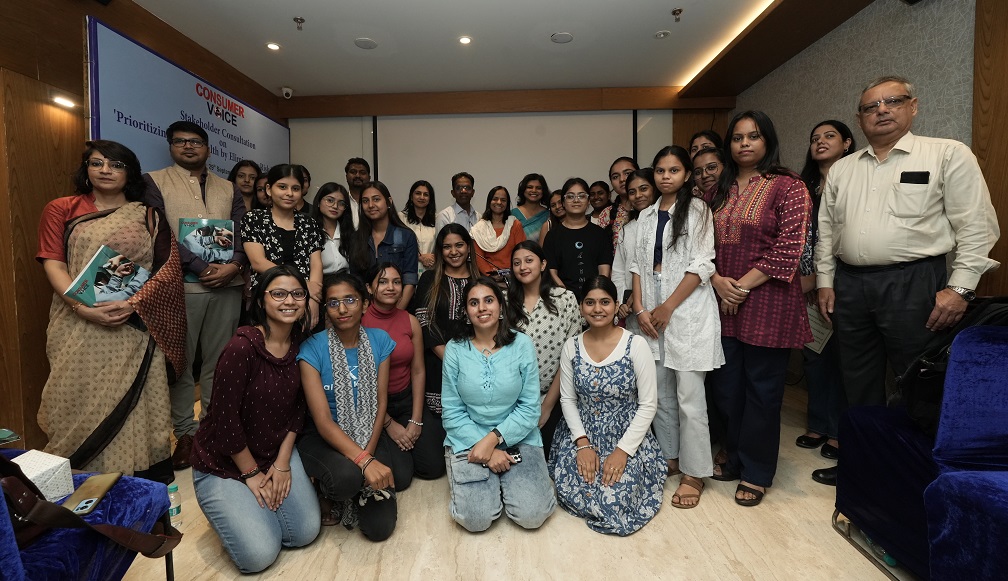
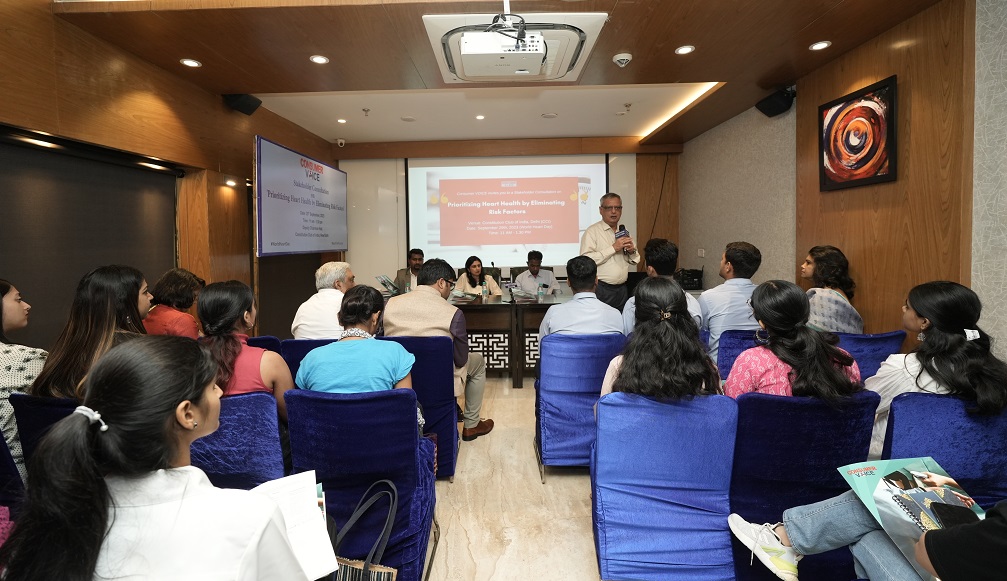
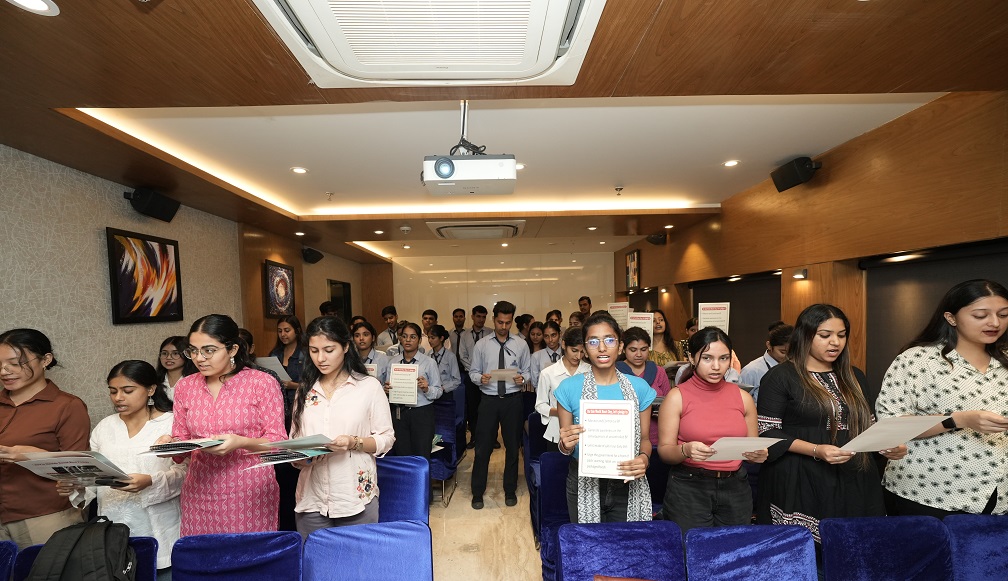
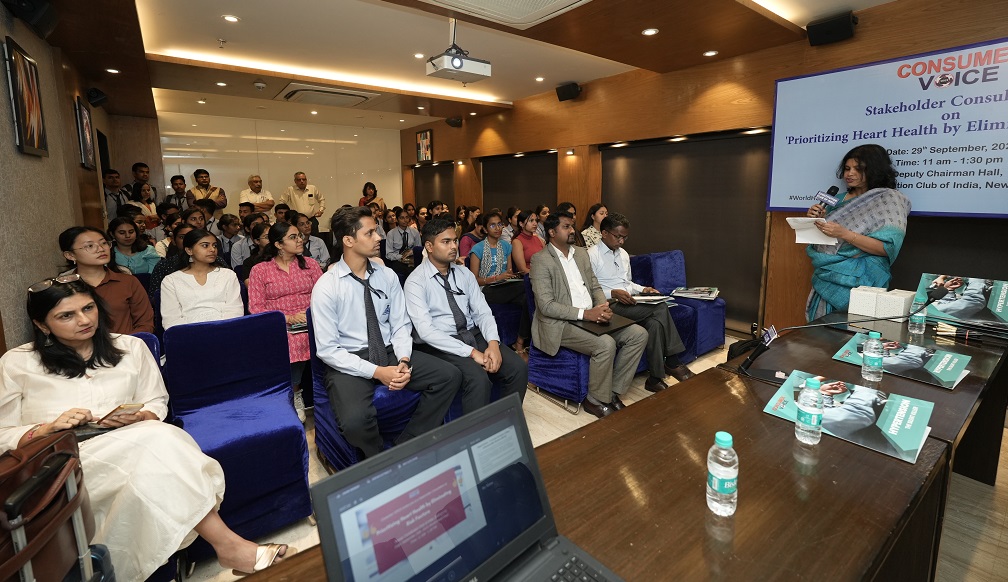
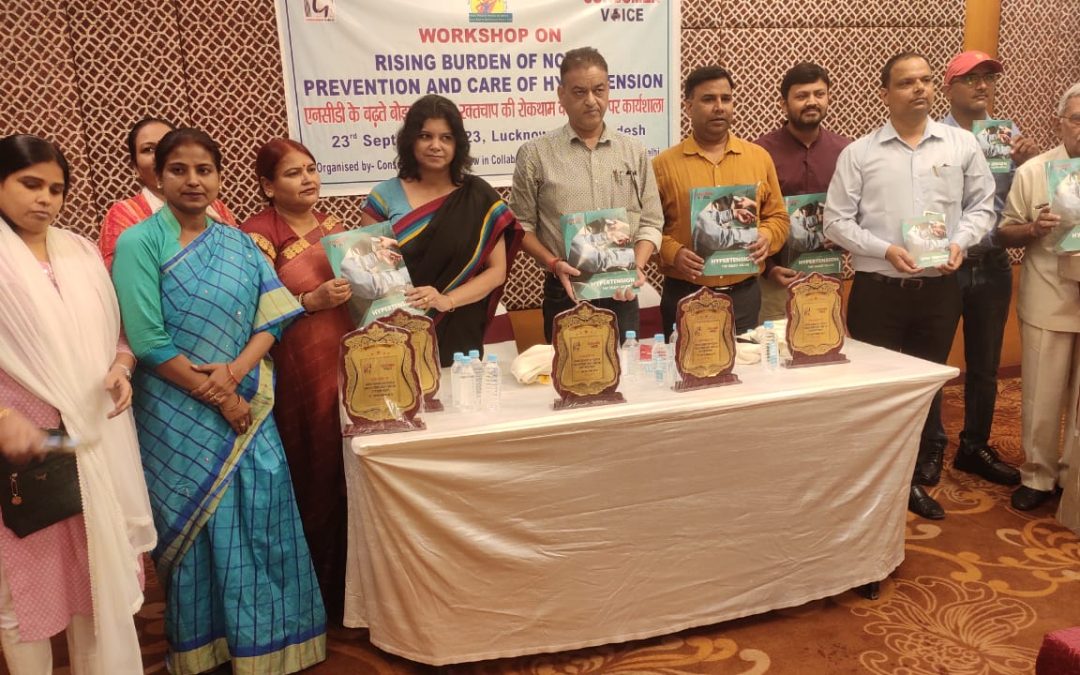
Workshop on Rising Burden of NCDs & Prevention and Care of Hypertension in Guwahati

Workshop on Rising Burden of NCDs & Prevention and Care of Hypertension in Guwahati

Workshop on Rising Burden of NCDs & Prevention and Care of Hypertension in Guwahati

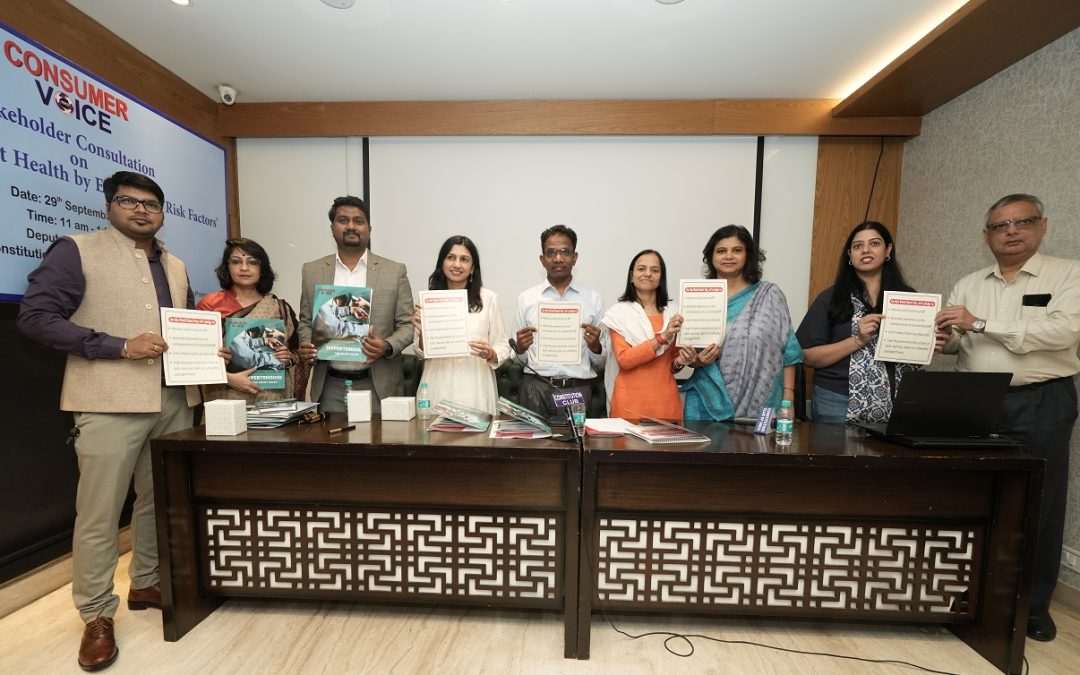
It is estimated that one in every four adults in India has hypertension and the situation is no different in Assam. The prevalence of hypertension is found to be high in Assam, while the awareness is quite low especially in rural Assam. 

These alarming facts are came to light in a workshop on rising burden of NCDs & prevention and care of Hypertension organized by Consumers’ Legal Protection Forum (CLPF) with the support of Consumer VOICE, New Delhi on 30th August, 2023 at Hotel Riviera, Guwahati.

In his inaugural speech, Dr. Nakul Shyam, Additional Director of Health Services, Govt. of Assam said that regular screening has been prioritized by the state government and which has helped us to identify areas especially rural areas where there is high prevalence of hypertensive individuals with low level of awareness. It is important to strengthen the screening process and include ASHA workers and health care workers proactively.

In the workshop, Dr. Rahul K. Sharma, State Programme Officer – NCD, National Health Mission spoke on ‘NCD control in Assam with specific reference to hypertension’; Dr. Mousumi Krishnatreya, Associate Professor, Community Medicine, Gauhati Medical College shared a wonderful presentation on ‘Treatment adherence – Key to Hyperbaton Management’. Dr. Jitumoni Kalita, Cardiologist, Down Town Hospital, Guwahati highlighted the importance on ‘Hypertension management to reducing strokes and heart attacks’ and Dr. Hrisikesh Sarma, Karyakarta, National Medicos Organisation spoke on role of primary health care centres in prevention and control of NCDs and hypertension.

All experts stressed on early detection and treatment of hypertension and making lifestyle modifications to control blood pressure. Most Indians are not aware that they are suffering from hypertension. This leads to increased cases of stroke and cardiac arrest. As a result even young adults in India are falling prey to serious cardiovascular diseases.

Moderating the workshop, Advocate Ajoy Hazarika, Secretary, Consumers’ Legal Protection Forum, Assam informed that as per the recent National Family Health Survey 5, prevalence of hypertension among women in rural areas is 20.2 per cent and 22.7 per cent among men. Nineteen percent of women age 15-49 in Assam have hypertension. 20 percent of men in Assam have hypertension. “So it is not a case only of the urban areas but also of the rural areas of Assam, “ says Ajoy Hazarika.

Nilanjana Bose, Project Lead Consumer VOICE said that according to the WHO, nearly 27 per cent of deaths in India are attributed to cardiovascular diseases (CVD) which affect close to 45 per cent people in the 40-69 age group. High blood pressure is among the most important risk factors for CVDs. Besides, there is low awareness about hypertension, lack of appropriate care through primary care, besides poor follow-up. 

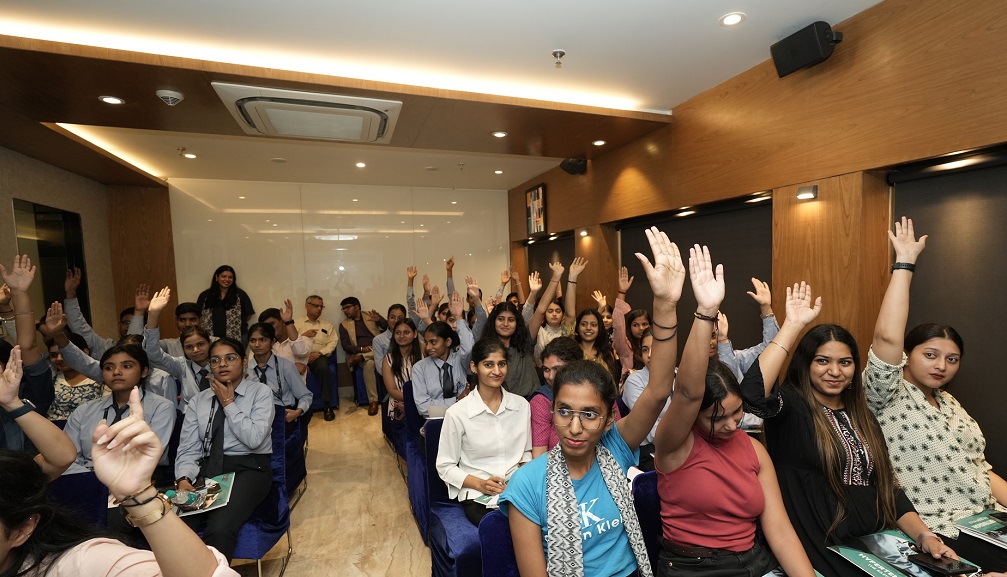
The workshop was attended by more than 100 participants including the representatives of Senior Citizen and Women organizations, Consumer Groups, Officials of Health Departments, Govt. of Assam, youth, students and faculties from different educational institutions, media, CSOs and social activists.

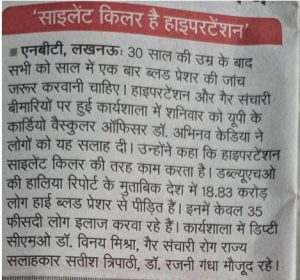
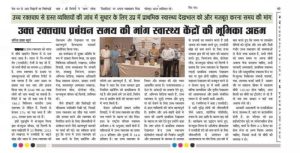
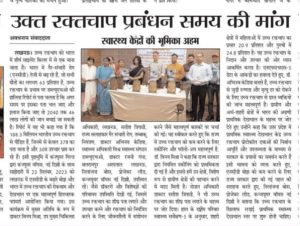
Workshop On Hypertension Prevention And Care Organized By CLPF

August 31, 2023 | The Guwahati

Guwahati: The Consumers’ Legal Protection Forum (CLPF) held a workshop to discuss the growing issue of non-communicable diseases (NCDs) and ways to prevent and manage hypertension. The event took place at Hotel Riviera in Guwahati.

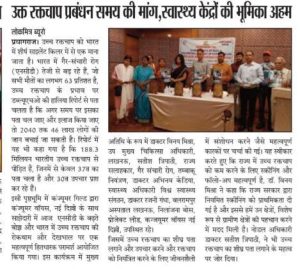
High prevalence, limited awareness of hypertension in Assam: Experts

August 31, 2023 | East Mojo

Guwahati: About 25% of Indian adults suffer from hypertension, with similar rates seen in Assam.

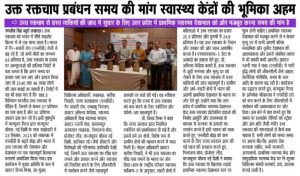
Consumer Legal protection Forum organized workshop on & Prevention and care of Hypertension

August 30, 2023 |Asomiyapratidin

Workshop titled & Prevention and care of Hypertension under the initiative of Consumer League Protection Forum

August 30, 2023 |Amrit News

Workshop titled & Prevention and care of Hypertension under the initiative of Consumer League Protection Forum

August 30, 2023 |Rongilibarta

Workshop titled Prevention and care of Hypertension under the initiative of Consumer League Protection Forum

August 30, 2023 | Dainikagradoot

Workshop titled Prevention and care of Hypertension under the initiative of Consumer League Protection Forum

August 30, 2023 | Dainikagradoot

Workshop titled High blood pressure remedies and care’ organized by Consumer Legal Protection Forum under the initiative of Consumer League Protection Forum

August 30, 2023 | Neofocus

Workshop titled High blood pressure remedies and care organized by Consumer Legal Protection Forum under the initiative of Consumer League Protection Forum

August 30, 2023 | Neofocus

Consumer Legal protection Forum organized workshop on Prevention and care of Hypertension

August 30, 2023 | Sangbad 365

Media Coverage

The Significance of IRR in Investment

The Significance of IRR in Investment

The Significance of IRR in Investment

Shri Sharad Ranjan and Shri Hariti Tyagi

The Backstory

The relationship manager of a well-established bank reached out to my daughter, who is in the beginning of her twenties, and proposed an investment plan. The investment plan, according to him, is the best investment option available at present in the market. Further, he added an insurance cover that makes this investment secure and lucrative. Describing the plan, he highlighted the investment plan’s key attributes such as guaranteed maturity benefit at the end of the term, yearly guaranteed addition coupled with a guaranteed loyalty addition, and a high premium benefit resulting in a higher basic sum assured. It is important to mention that investment plans of this type are becoming the norm and open to everyone. Emphasizing the word guaranteed repeatedly is especially effective in attracting younger individuals. However, it limits their access to better investment opportunities that could be a more financially sound decision for them to consider.
To support his argument, the relationship manager used an illustration to show that such type of investing is a wise decision. In addition, he orally stated that the proposed investment would yield returns of 8%, which is better than many existing corporate FDs.

They provided the following table and figure to consider this investment.

Table 1: Premium and Benefit Details


End of Policy Year


Premium

(₹)

Accrued Guaranteed yearly Additions

(₹)

Guaranteed Loyalty

Additions

Guaranteed Maturity

Benefit


Death Benefit (₹)

1 50000 5000 0 0 605665
2 50000 15000 0 0 615665
3 50000 30000 0 0 630665
4 50000 50000 0 0 650665
5 50000 75000 0 0 675000
6 50000 105000 0 0 705665
7 50000 140000 0 0 740665
8 50000 180000 0 0 780665
9 50000 225000 0 0 825665
10 50000 275000 0 0 875665
11 0 275000 0 0 875665
12 0 275000 0 0 875665
13 0 275000 0 0 875665
14 0 275000 0 0 875665
15 0 275000 100111 875665 875665

Nevertheless, the proposal included an additional table that showed the actual premium to be paid, which included GST and Cess. The proposal has a single, convenient location where one can find the total premium amount, GST, and cess. The reason could be that they want to avoid prospective investors from factoring in the effect of GST and cess on the eventual returns. The final premium will align with the table below.

Table 2: Final Premium Payable Amount Adjusting GST


Premium


First year


Second year onwards


Base Premium (Yearly)


₹ 50,000


₹ 50,000


GST and Cess


₹ 2,250


₹ 1,125

Total Yearly Premium

(incl. GST and Cess)


₹ 52,250


₹ 51,125

Understanding Investment Gains

The typical focus on Table 1 figures may lead novice investors to be swayed by its substantial absolute figures and associated death benefits, Isn’t?  Over time, ULIP and money back insurance policies have established this experience. We endeavor to offer recommendations to investors before they commit to this type of investment.

First, one should avoid focusing solely on absolute figures when evaluating returns. Initially, an absolute number may appear attractive, but eventually it may be inconsequential in terms of its value. The real value of ₹ 8.75 lakh after fifteen years will not hold much significance in this situation. The Rule of 72 may determine the extent to which inflation influences the worth of money over a period. For example, divide 72 by the annual inflation rate. By dividing 72 by the inflation rate of 8 percent, it can be determined that it takes 9 years  for the purchasing power of money to decrease by 50 percent.

Second, the Death benefit clause has the potential to be alluring to many. It is unusual    that a person in their twenties has financially dependent parents. Even if that is the case, the death benefit amount of this plan is meager to serve any significant purpose. If the purpose is to get compensated in the event of the individual’s demise, it would then be prudent to evaluate a basic term plan instead of the current one. Thus, if something unfortunate were to happen, the financial benefit to the supposed dependents would hold little value. That being said, it is also commonly accepted that the probability of experiencing misfortune in early life is insignificant. We believe that investors who have crossed a certain age threshold will not be eligible for such a scheme.

Third, one should not trust verbal investment returns without verification, and this is the last but not the least important thing to remember. One cannot rule out the possibility of mis-selling of such products. Consequently, it is advantageous to compute the Internal Rate of Return (IRR), an easily calculable metric using a financial calculator. Online calculation is an option if one cannot do it. Conceptually, IRR is that discount rate which equates the present value (PV) of the cash inflows with the PV of the cash outflow. We input the data into Excel and determined that investing in it would only yield a return of 5.66%. With such a low return, the investment will lose even its face value eventually because the retail inflation rate is higher than that. One may alternatively choose to invest in equities, mutual funds, or debt instruments such as PPF and EPF, given the investor is too conservative. The usual investing

rule is to invest in bonds that match one’s age. Young investors, therefore, should seriously consider equity investment over debt investments.

Table 3: Calculating IRR of Proposed Investment


Year 1 Year 2 Year 3 Year 4 Year 5 Year 6 Year 7 Year 8 Year 9 Year 10 Year 11 Year 12 Year 13 Year 14 Year 15 IRR
-52250 -51125 -51125 -51125 -51125 -51125 -51125 -51125 -51125 -51125 0 0 0 0 875665 5.66

Conclusion

About the foregoing discussion, it is advisable to avoid investment recommendations   that involve complex products that combine investment and insurance. The investment plan must align with investment options, and a simple term insurance policy should provide insurance coverage. Last but not the least, it is a prerequisite to determine IRR when there are cash inflows and outflows happening over a period, regardless of the size or nature of those flows. We should compare the obtained IRR against our expected returns.

About the Authors

Sharad Ranjan-Professor of Economics, Zakir Husain Delhi College Evening (University of Delhi) 

Hariti Tyagi – Analyst, KPMG Global Services

All Editorials

No Results Found

The page you requested could not be found. Try refining your search, or use the navigation above to locate the post.

Supreme Court Rejects Liability order against Railways for Theft on Trains

Supreme Court Rejects Liability order against Railways for Theft on Trains

Supreme Court Rejects Liability order against Railways for Theft on Trains

In a case before the Supreme Court against Railways, it was held that the theft cannot be considered a deficiency in the Railway’s service. The Court ruled that if a passenger is unable to protect their belongings, the Railways cannot be held responsible. However, it does not necessarily mean that Railways are exempt from responsibility in all theft cases. This ruling sets a precedent, but each future case will be assessed independently based on its specific circumstances and evidence.

Dr Prem Lata, Legal Head VOICE

Case Title: Station Superintendent &Others V/S Surender Bhola, Civil Appel No 7116 of 2017 decided on 15.6.2023. 

On 15th June 2023, the Supreme Court found merit in the Railway’s arguments that they were not accountable for the theft of Rs. one lakh belonging to Surender Bhola, the consumer who had filed a complaint before consumer commission. The complainant stated that the cash was in a belt tied around his waist and was stolen while he was travelling on the train. The District Consumer Forum had initially ruled in favour of the complainant, awarding him one lakh rupees, and this decision was upheld by both the State and National Commission.

However, despite the decisions in favour of the complainant at lower levels, no one represented the complainant’s case before the Supreme Court for six years. As a result, the Supreme Court held that Railways cannot be held responsible for the theft.

Law on the point

Each case is unique, with its own set of facts and circumstances, and any court decision is contingent upon these specific details and the relevant laws. Past judgments from the Supreme Court cannot be universally applied as precedents for all cases, as the circumstances in each case may vary significantly. The previous rulings related to the deficiency of service by the Railway have established the following principles so far –

  • Facts must be established –theft, defective meal, bad condition of toilets or beds etc. or any other services.
  • Prove negligence on the part of railway.
  • Quantum and consequences of loss, damage and compensation to be proved with cogent evidence.

In the above case, neither the fact of theft could be established, nor was railway proved negligent in any manner. 

Earlier decided cases:

  • Case title -Union of India and Ors. Vs Sanjiv Dilsukhrai Dave and Anr. on 23 October 2002, (NC)

&

  • Deputy Chief Commercial Manager, Eastern Railways and Anr. v. Dr. K.K. Sharma and Ors., [200 (III) CPJ page 1 (NC)].

In both the aforementioned cases, Railways cited their respective rules as references or points of contention.

  • The jurisdiction to handle railway-related issues lies with the Railway Claims Tribunal, which is a State subject, as stated in Article 12 of the Directive Principles of State Policy. Consumer courts do not have authority in such matters.
  • Section 13 addresses any railway administration’s faults, and when combined with Section 15, it establishes that no other court shall handle cases related to Section 13 as railways have their own compensation system. This primarily pertains to cases involving freight, luggage, animals, and booked luggage.
  • The passenger is to take care of his own luggage and articles in accordance with Rule 506.2 of Indian Railway Conference Association (IRCA) No. 24, No. 216.
  •  The passenger is supposed to declare before the starting station and get any valuable articles insured by paying the necessary charges for the railway administration taking extra precautions as stated that under Rule 1301(I)(IV) of IPCA No. 24. 

Held-

  • Sections 13 and 15 of the Railway Claims Tribunal Act, 1987 did not take away the jurisdiction of the consumer commissions to decide the question of deficiency of service. 
  • It provides an additional remedy to a consumer. These sections bar civil court but not consumer commissions.
  • Circular dated 11.9.1998, Govt. of India, Ministry of Railway published some of the important duties.

Duties of TTE for Sleeper Coaches

  • He shall check the tickets of the passengers in the coach, guide them to their berth/seats and prevent unauthorised persons from the coach. He shall ensure that persons holding platform tickets, who came to see off or receive passengers do not enter the coach.
  • He shall inspect the passengers’ tickets while the train is in motion and present them as needed.
  • He shall ensure that the end doors of vestibule trains are kept locked between 22:00 and 6:00 hrs to prevent outsiders entering the coach.
  • He shall remain vigilant particularly during nighttime and ensure that intruders, beggars, hawkers and unauthorised persons do not enter the coach.
  • Sumatidevi M. Dhanwatay Respondent: Union of India And Ors.

 Date Of Judgment: 06/04/2004(SC)

Factual story: On 4th December 1991, a consumer boarded a 1st Class Air-conditioned berth on the Howrah-Bombay Mail train from Nagpur to Bombay. Her luggage contained valuable items, including gold, pearl, silver, diamond jewellery, and other valuables, amounting to a total value of Rs. 1,11,756. During her journey, she was assaulted by unauthorized passengers, who forcibly took away her gold, silver, pearl, diamond, and other valuable possessions.

Numerous individuals entered the compartment and caused extensive damage, breaking doors, window bars, glass panels, seating berths, and toilets. In response to the incident, the appellant pulled the alarm chain three times, leading to the train stopping at Igatpuri Station. There, she, along with other legitimate passengers, disembarked. She sought assistance and protection from the Railway Authorities but did not receive any help.

After arriving in Bombay, she lodged a complaint with the police concerning the entire incident. Following the complaint, the Maharashtra State Commission partially allowed the appellant’s claim and awarded a total compensation of Rs. 1,41,756. Subsequently, the Railway administration filed an appeal before the National Consumer Disputes Redressal Commission, arguing that they were helpless when an unruly mob entered the railway compartment and caused harm to the passengers and their property.

National commission reversed the order. SC observed- 

“Railway administration failed to take precaution and preventive measures. The appellant suffered injury and no protection or support was given to her. The total absence of any steps having taken by the concerned Railway Administration to mobilise adequate police force sufficiently beforehand when the occurrences of such mob-violence by ticketless travellers on stations enroute Nagpur to Bombay were to their prior knowledge”.

The above judgments make two things evident. To hold the Railways liable, both the theft and negligence on their part must be proven.

Eco-Friendly Parenting: Fostering Energy Efficiency Practices

Eco-Friendly Parenting: Fostering Energy Efficiency Practices

Eco-Friendly Parenting: Fostering Energy Efficiency Practices

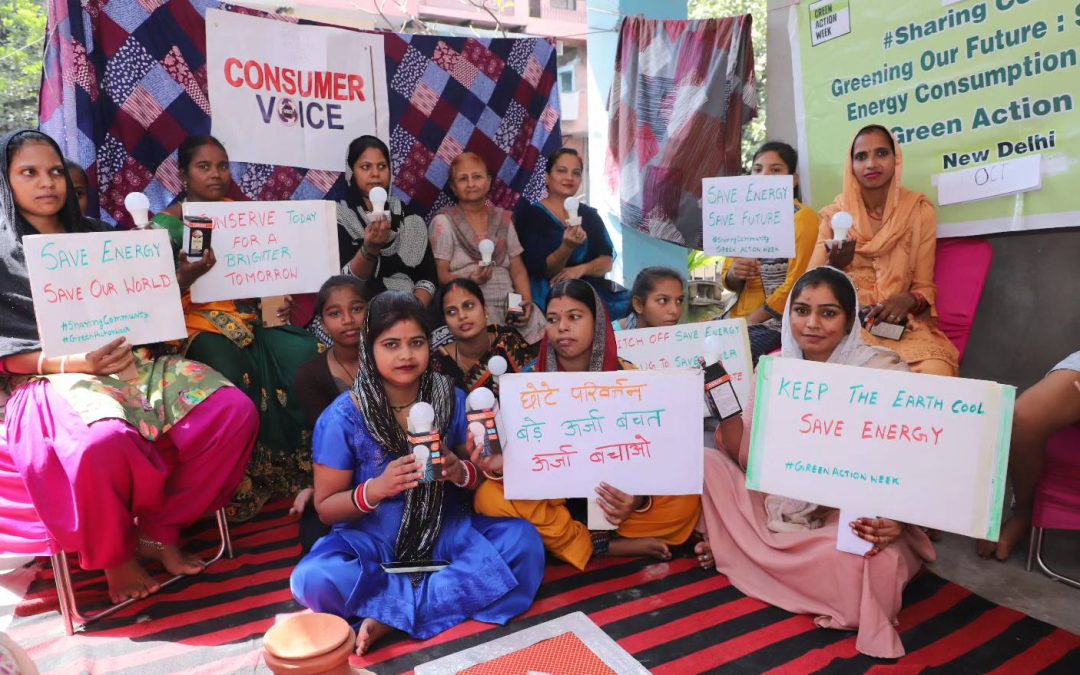
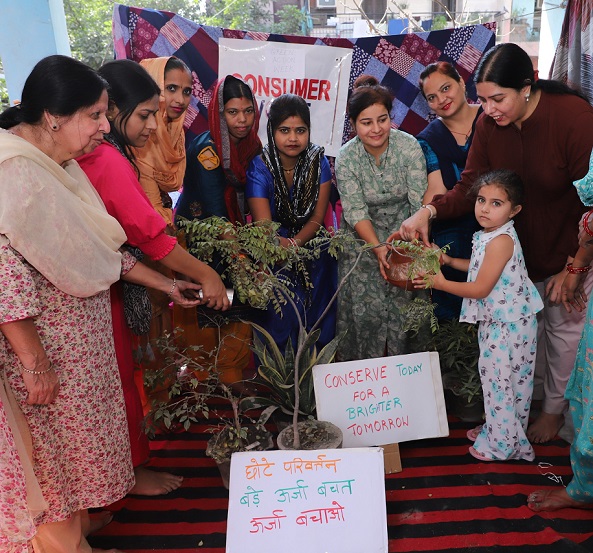
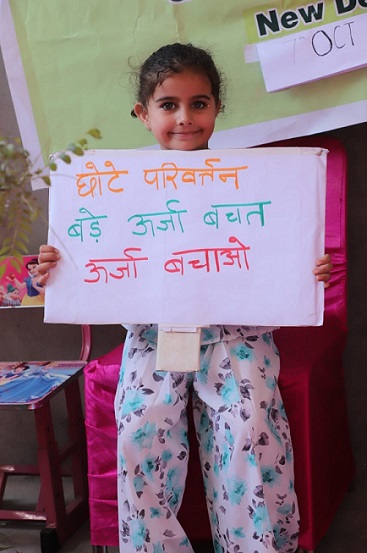
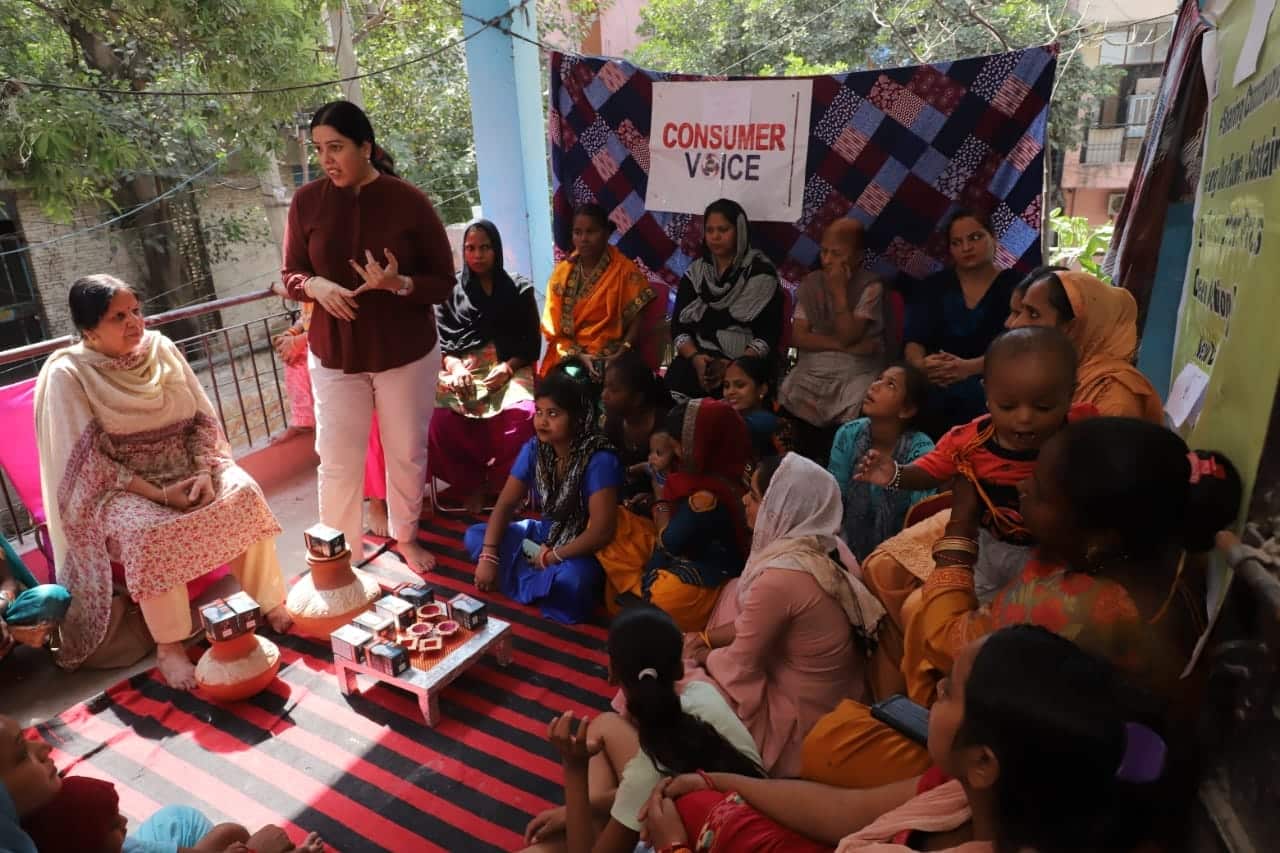
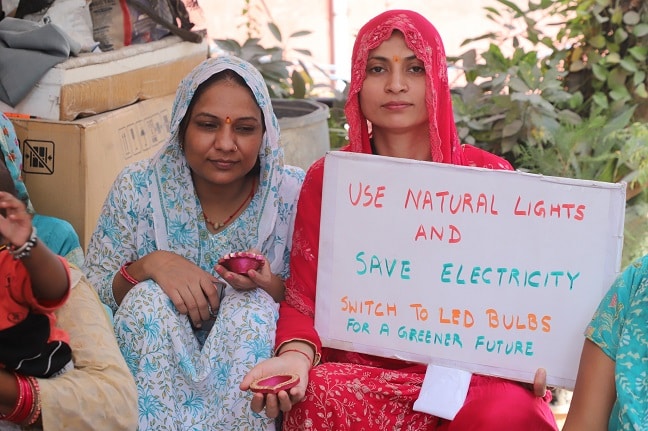
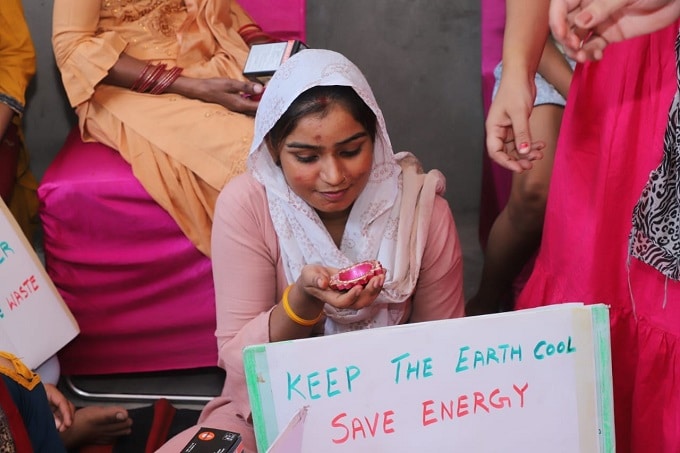
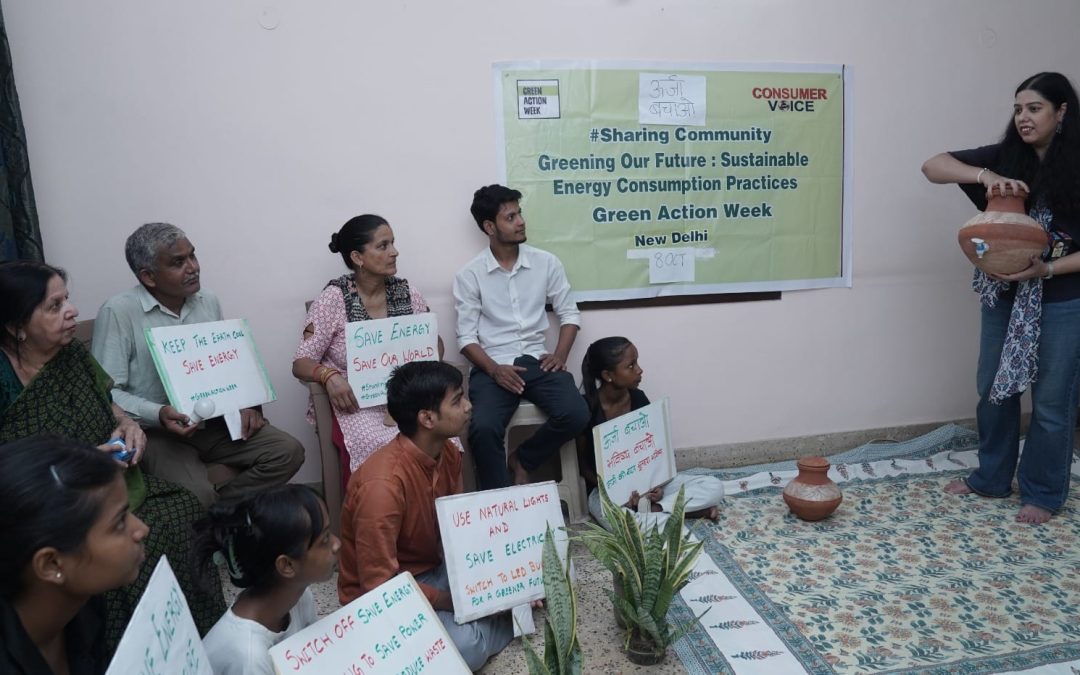
Eco-friendly parenting is a conscious and proactive approach to raising children that not only prioritizes their well-being but also promotes energy efficiency practices. In a world where environmental concerns are becoming increasingly urgent, parents play a vital role in instilling sustainable habits in their children from a young age. By incorporating eco-friendly principles into parenting, we can not only reduce our carbon footprint but also teach our kids valuable lessons about environmental stewardship. This article explores various strategies and tips for eco-friendly parenting that focus on promoting energy efficiency practices within the family dynamic. From sustainable choices in everyday routines to fostering a deeper connection with nature, eco-friendly parenting can have a lasting impact on both our children’s future and the planet’s health.

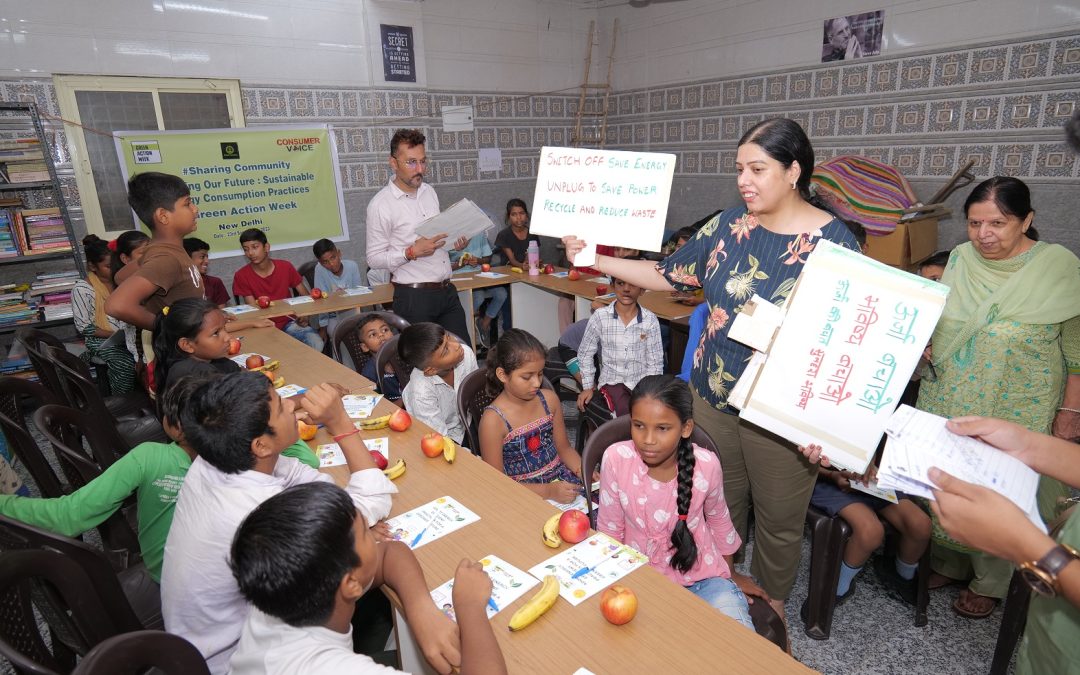
Reduce Energy Consumption: Practice energy-saving habits in your home, such as turning off lights and appliances when not in use. Teach your child the importance of conserving energy.

Recycle and Upcycle: Teach your child about recycling and repurposing items. Encourage them to get creative with upcycling projects, turning old items into new toys or decorations.

Sustainable Toy Choices: Choose toys made from sustainable materials like wood, bamboo, etc.

Toy Rotation -Instead of constantly buy new toys, create toy rotation system. Store some toys away and periodically swap them to keep playtime fresh and exciting.

Teach Environmental Awareness: Educate your child about the importance of protecting the environment. Take nature walks, visit local parks, and discuss topics like recycling and conservation.

Green Transportation: Use eco-friendly transportation methods like walking, biking, or using public transport when possible. This sets a positive example for your child and reduces your carbon footprint.

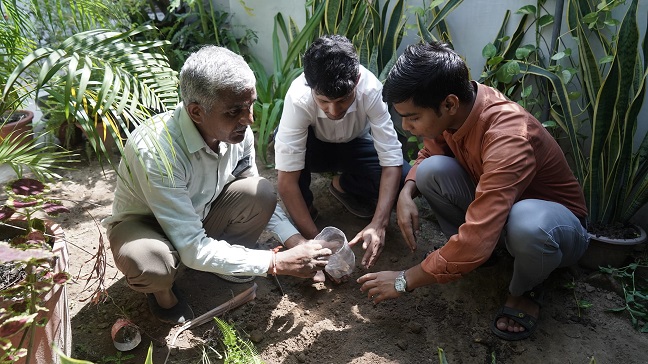
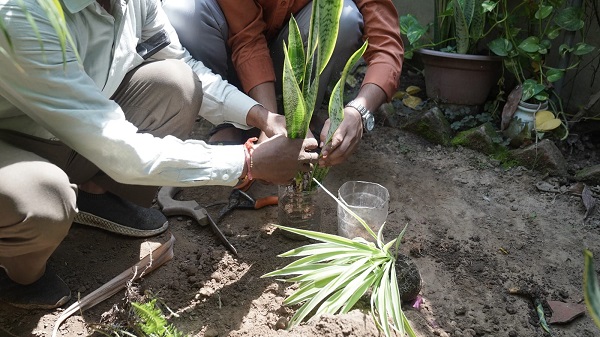
Composting: If you have a garden, consider composting food scraps and organic waste. Involve your child in the process to teach them about composting and soil health.

Encourage Sustainable Habits: Lead by example by adopting eco-friendly habits in your daily life. Children often learn best through observation and imitation.

Eco-friendly parenting extends beyond its positive impact on the environment; it serves as a cornerstone for instilling a profound sense of responsibility toward the planet in your child’s upbringing. This approach revolves around the deliberate selection of choices that not only prioritize your child’s well-being but also safeguard the Earth’s health. By embracing eco-friendly practices, parents can empower their children to become environmentally conscious individuals who are deeply committed to preserving our planet for future generations.

Enquire Now

    X
    Enquire Now