No Results Found
The page you requested could not be found. Try refining your search, or use the navigation above to locate the post.

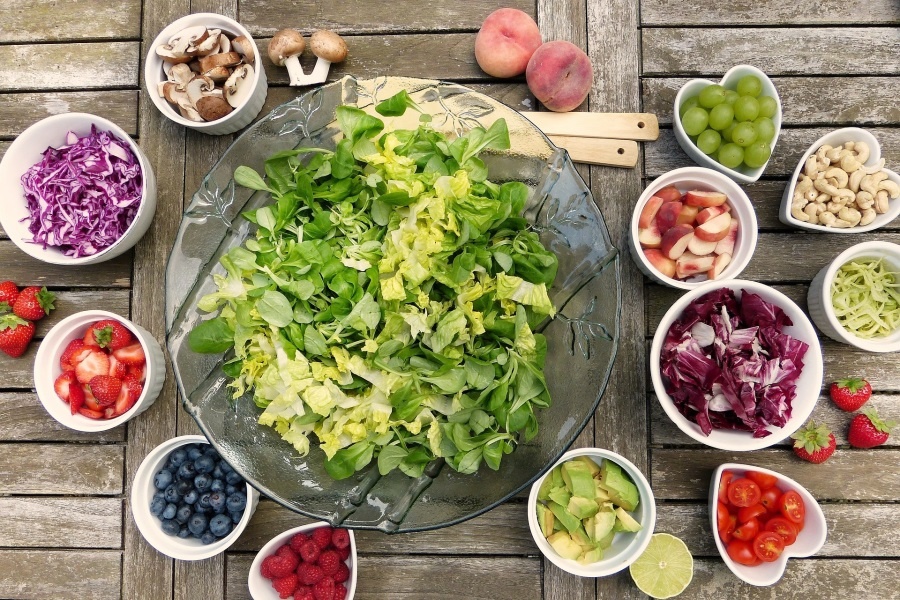
The Food Systems encompass various stages of the food value chain ranging from production, storage, processing and manufacturing, to distribution, retail, and consumption. This is a highly interconnected approach which involves a shared responsibility between governments, producers, food businesses along with consumers. Here, everyone has a role to play from farm to table to ensure that the food we consume is safe, nourishing and sustainable to both people and the planet.
With market and trade globalisation, people in both developed and developing nations have been experiencing many changes in their way of living as well as eating habits. Within the supply chain which is increasingly becoming more and more complex in the globalised market, adulteration (unintentional or intentional) is the key food safety issue. Regulatory bodies are challenged with major food safety and public health issues resulting from changes in the food production and supply along with environmental changes, leading to contamination of food with new and emerging bacteria, toxins, and antibiotic resistance and consumer preferences and habits leading to increase in imported foods.
Increase in imports of food/processed food items due to cost concerns, consumer demand for diverse food products also provides chances for food contamination/adulteration. At this juncture, what should be the effective strategies to address the emerging challenges to provide safe, healthy, nutritious and sustainable produced food to the world’s population? The answer lies in the food systems approach. The world needs to rethink the ways in which food is produced, processed and consumed.
This year’s Food Systems Summit, scheduled to take place in the month of September in New York, envisions for a common platform for ambitious actions, innovative solutions, and strategies to transform the world’s food systems, as part of the Decade of Action to achieve the Sustainable Development Goals by 2030. Guided by the Five Action Tracks mentioned below, the Summit 2021 envisions bringing together key players and drawing on the expertise of actors from the worlds of science, business, policy, healthcare and academia, as well as farmers, indigenous people, youth organisations, consumer groups, environmental activists, and other key stakeholders. These five steps include:
Convened by the United Nations Secretary General, the first ever UN Food Systems Summit’s fundamental commitment is inclusivity. This is truly a people’s Summit, and everyone everywhere is encouraged to contribute – from small farmers and research scientists, to indigenous leaders and corporate executives, to youth organisers and environmental activists, to supermarket cashiers and avid home cooks. There are many ways to get involved in the Food Systems Summit, from becoming a Food Systems Hero, helping to raise awareness of food systems on social media, to hosting or joining a dialogue. This will help bring about tangible, positive changes to the world’s food systems.
Towards ‘Sahi Bhojan. Behtar Jeevan’
The Eat Right India movement envisions safe and nourishing food for all Indians produced in environmentally sustainable systems. This has led the movement to gain a lot of national and international recognition. Recently, the Eat Right India movement was declared as one of the top visionaries for the Food Systems Vision Prize 2050. This Prize was instituted by the US-based Rockefeller Foundation in association with Second Muse and Open Ideo. The ten finalists shortlisted among over 1300 applicants were announced as Top Visionaries.
Based on the key themes of Eat Safe, Eat Healthy, and Eat Sustainable– the Eat Right India movement adopts a judicious mix of regulatory, capacity building, collaborative and empowerment approaches to ensure that our food is good both for the people and the planet. Further, it builds on the collective action of all stakeholders – the government, food businesses, civil society organisations, experts and professionals, development agencies and citizens at large.
The action plan of the movement includes a bouquet of initiatives to promote demand for, and supply of, safe and healthy food in a sustainable way. While the supply-side interventions are primarily aimed at building the capacity of food businesses to promote self-compliance, the demand-side initiatives work towards motivating consumers to demand safe and healthy food, by encouraging good food practices and habits.
Eat Right India has devised FIVE KEY ACTIONS to achieve its vision.
Eat Right India is also aligned with various government flagship programmes such as POSHAN Abhiyaan, Anemia Mukt Bharat, Ayushman Bharat and Swacch Bharat Abhiyaan. To institutionalise the Eat Right India, an inter-ministerial steering committee has been set up with representatives from all related ministries and departments such as women and child development, environment, science and technology, agriculture, food processing, food and public distribution etc. This also includes members from our training and audit community, development partners and industry representatives through associations. This would ensure continuity, scale up and real time monitoring of various initiatives and programmes under Eat Right India.
Eat Right India brings together diverse stakeholders from various institutions such as government departments, consumer organisations, development partners, industry associations, academia, professional associations etc., working closely on the food systems identified from pre-existing multi-stakeholder platforms or coalitions working on various food-related issues. The movement adopts a ‘whole of government’ approach, bringing together all food-related mandates from ministries of agriculture, health, environment and others.
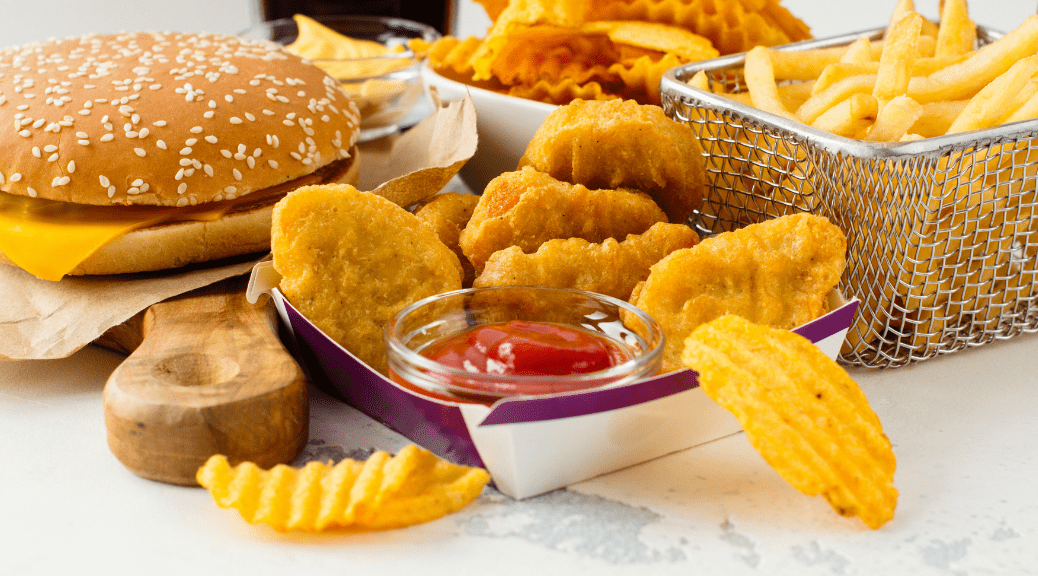
The growing incidence of non-communicable diseases is a wakeup call for us to ensure we create a safer food system and understand why trans fats is a critical challenge for our country, writes Shri Arun Singhal, CEO, FSSAI.
As the world is advancing and systems are getting complexed, food choices are also changing drastically all over the world. Today, with rapid urbanisation and changing lifestyle, dietary patterns have shifted towards pre-packed, frozen and fast foods including fried and desserts etc- those are high in salt, sugar, fats and even trans fats.
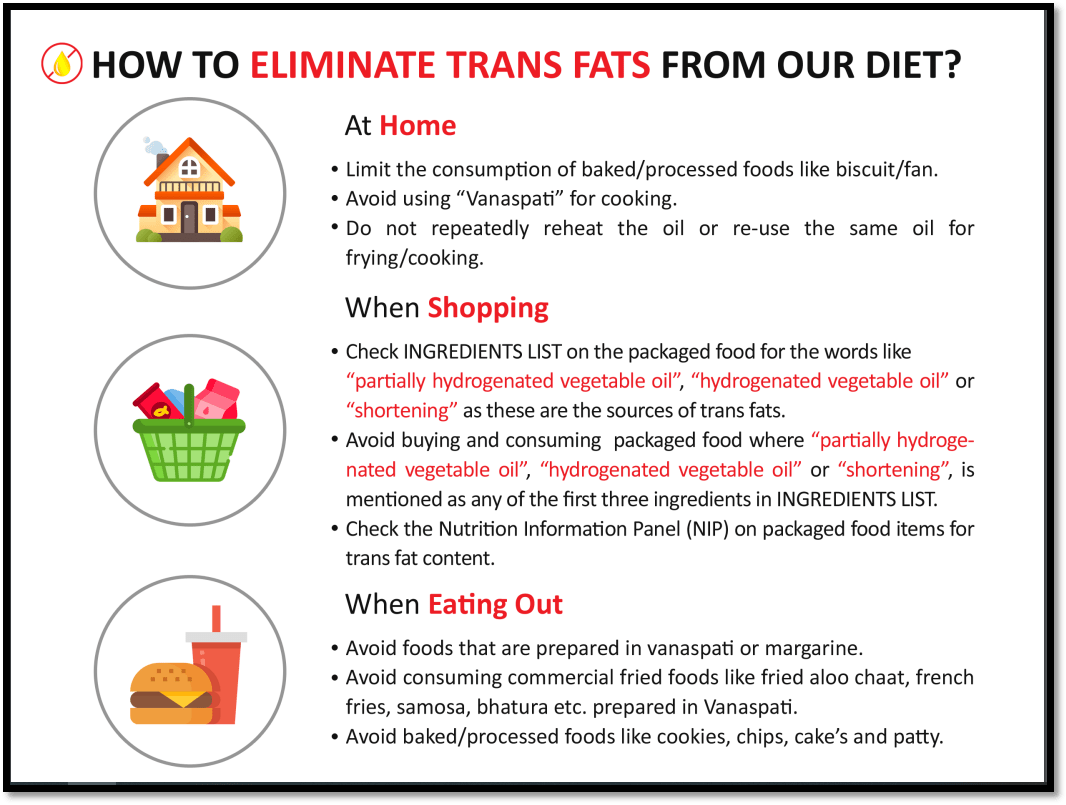
Consumption of trans-fat alone acts as a significant risk factor for coronary heart disease events and mortality. Globally, eliminating industrially produced trans-fatty acids can save 17 million lives over the next 25 years. It is considered the worst type of fat one can consume. Foods being prepared with partially hydrogenated vegetable oils (Vanaspati, margarine and bakery shortening) generally contain trans fats.
In India, a variety of foods are prepared using these materials e.g., sweets (Jalebi, laddu etc.), bakery products (fan, patty, puff, cake, pastry etc.), which may contain trans fats. Furthermore, re-heating cooking oils can lead to formation of small amounts of trans fats; not only at commercial outlets but even at household levels. It also leads to formation of Total Polar Compounds (TPC) which are toxic in nature and cause severe health hazards such as hypertension, atherosclerosis, Alzheimer’s disease, liver diseases etc.
Reduction of trans-fats is an absolute must and the entire world is making efforts in this direction. WHO has mandated all countries to bring down the levels of trans-fats from the food supply up to 2 per cent by the year 2023.
Thus, there is an utmost need to provide a healthy food environment that is trans-fat free to enable people to adopt and maintain healthy dietary intakes. FSSAI has used a multi-pronged approach towards constituting a “Healthy India”. On one side, the Food Regulator is bringing regulations and persuading food businesses to limit the fat, sugar and salt content in foods, and eliminate TFA, while on the other side, through the Eat Right initiative and awareness programmes, FSSAI is trying to generate alertness among consumers to reduce the consumption of foods containing high levels of fat, sugar and salt.
India has taken a big leap towards trans-fat elimination by adopting the triple action strategy for reducing trans fats consumption. The strategy includes: Enforcement, Engagement and Awareness.
India took a step forward in following the WHO’s call to eliminate industrially produced trans-fat from the food supply. FSSAI has taken up the trans-fat issue at the priority with cohesive efforts directed towards best practices and policy framework. To control increased risk of non-communicable diseases, Regulation on Food Safety and Standards (Food Products Standards and Food Additives) Tenth Amendment Regulations, 2020 has been notified to limit industrial TFA (trans fatty acids) to not more than 3 per cent in all fats and oils by January 2021 and not more than 2 per cent by January 2022.This regulation has also been extended to all food products (having edible oil/fat as an ingredient), to limit industrial Trans Fatty Acids to 2 per cent from 1st January, 2022 under the Food Safety and Standards (Prohibition and Restrictions on Sales) Second Amendment Regulations, 2021.
Another important aspect is to ensure that school children and youngsters develop healthy eating practices. Keeping this in mind, FSSAI has notified the Food Safety and Standards (Safe food and balanced diets for children in school) Regulations, 2020. With effect from 1st July, 2021, it restricts the availability of foods high in saturated fat or trans-fat or added sugar or sodium in school campus or within 50 metres of the schools. This regulation prohibits the advertisement or marketing of food products, high in saturated fats or trans-fats or added sugar or sodium within school campuses or within fifty meters radius. It also promotes consumption of safe and balanced diet in and around school campus. A general guidance document for providing safe food and balanced diets and selection of right food items for children is also provided in the regulation.
While the regulatory action is mandatory, but regulations alone don’t really win any such kind of war, especially when it comes to changing behaviour.
To achieve a country free of industrially produced trans fats, FSSAI is constantly working towards nudging food businesses to identify new technologies and ingredients to eliminate trans fats from the food supply chain. Engagement with all these stakeholders will ensure that trans-fat free or low trans-fat products are made available to people.
However, there are certain challenges associated with hand holding and educating stakeholders to comply with the regulation on elimination of trans fat. FSSAI had initiated the campaign “India@75: Freedom from trans fats” that aims to bring all stakeholders together and to ease the implementation. A series of technical sessions/webinars have been conducted to sensitize stakeholders like industry associations, bakers and food businesses, chefs, restaurateurs and hoteliers, edible oil industry, sweet and namkeen manufacturers, laboratory networks and academic institutions. Each webinar was planned to target specific target audience focusing on challenges faced by them towards making a shift to trans-fat free products and doable solutions through talks/sessions deliberated by global experts.
Elimination of trans-fat is a vital part of the “Eat Healthy” pillar of the Eat Right India movement. In addition to regulations on limiting trans-fats and engagement with stakeholders, FSSAI uses various mediums such as social media platforms, videos, public service messages, Eat Right Melas etc. to make consumers aware about the harmful effects of trans-fat and its elimination. It is extremely important to provide information to the public because unless they know what they are consuming they can’t make any informed choice.
Some of the action areas include:
A ‘trans-fat free’ logo was launched in October 2020, which can be voluntarily used by food business operators to empower consumers to make right food choices. Food establishments which use trans-fat free fats/oil and do not have industrial trans-fat more than 0.2g/100g of food, in compliance with the Food Safety and Standards (Advertising and Claims) Regulations, 2018 can display “Trans-fat free” logo in their outlets and on their food products. This is marked as an important milestone in the movement against trans-fats.
Recently, FSSAI carried out a baseline survey in the month of June-2021 for presence of industrially produced trans-fatty acid content in the select food categories in partnership with Quality Council of India (QCI). Samples of various packaged food items under six pre-defined food categories were collected from 419 cities/districts across 34 States/UTs. Overall, only 84 samples, i.e.1.34 per cent, have more than 3 per cent industrially produced trans fats from the total of 6,245 samples. This shows that the industry is on the right trajectory of becoming industrial trans-fat free in the 75th year of India’s independence.
FSSAI has been taking several measures to tackle the issue of trans fats, with an organised approach to ensure India achieves its target and create a model where everyone understands the problem of trans fats. However, to make it successful, specific steps need to be taken other stakeholders. FSSAI is providing technical assistance to specific stakeholders to move towards trans-fat elimination.
Fat/oil manufacturers are being nudged to make technological advancements adopted globally and the most appropriate method to eliminate trans-fat from partially hydrogenated vegetable oils/fats e.g. setting up interesterification plants etc.
Sweet and namkeen manufacturers are being encouraged to maintain fat/oil quality and reduce the formation of trans fats during food preparation with the halwais and sweet manufacturers.
Bakers and food businesses: FSSAI has appraised the bakery and packaged food sector about the regulation and the trans-fat free sticker/logo by FSSAI. FSSAI also connected FBO’s with the edible oil industry to introduce the trans-fat free fats that can be used to reduce/eliminate the trans-fat content in their products.
Analytical laboratories: FSSAI is in the process of strengthening the laboratory capacity for assessing trans-fats in fats/oil/foods as per the global standards. In this regards FSSAI connected the labs with experts from WHO headquarters to introduce the newly launched global protocol for assessment of trans fatty acid.
Chefs, restaurateurs and hoteliers: FSSAI has always highlighted the crucial role of chefs, restaurateurs and hoteliers in providing healthy food options without trans-fat. To strengthen the skills of Chefs, restaurateurs, and hoteliers, FSSAI organised webinars, specifying strategies to replace trans-fat by choosing healthier cooking oil and altering cooking techniques, which are easy to adopt and benefit in the long run.
To keep up the momentum, FSSAI will continue to rigorously monitor and ensure full compliance at field level by engaging intensively with food businesses; capacity building programmes targeted towards food businesses; augmenting lab capacity to accurately measure and monitor trans fats in foods; and to achieve the goal of freedom from trans -fat by 2022.
The page you requested could not be found. Try refining your search, or use the navigation above to locate the post.
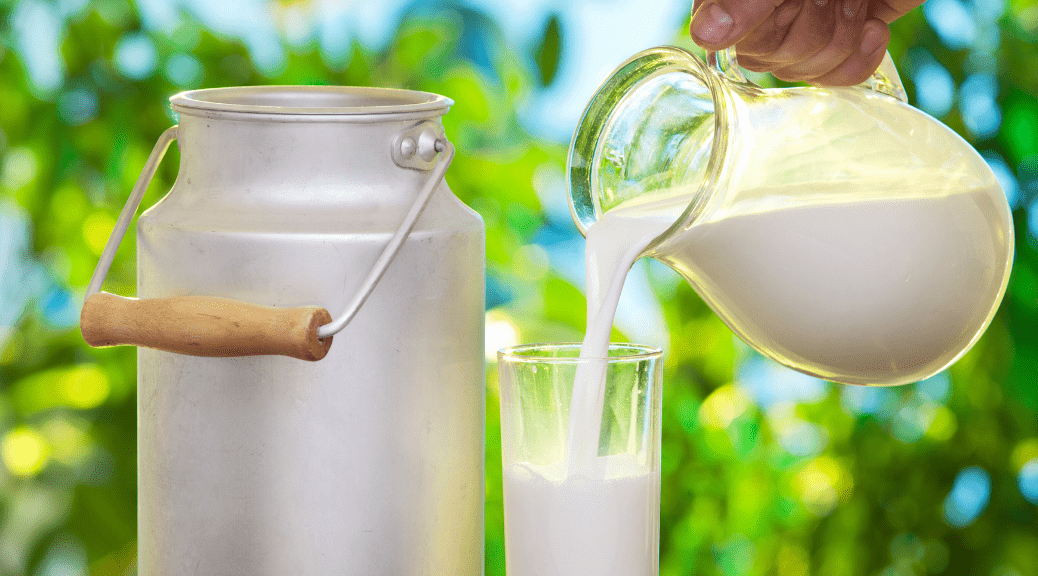
You might have heard about A2 milk and the claims that it is better than the regular milk (A1 milk) commonly available in the market. Consumer perceives such milk as better option than regular milk. Even A2 ghee too is perceived as healthier. But, what’s the reality? Here’s a fact-check read on A2 milk.
Richa Pande
Take the example of A2 ghee; it is costlier. However, is it healthier too? Interestingly, any type of ghee made either from A2 or A1 milk are just fats. Any ghee does not contain protein, and it is mainly a protein BCM-7 present in regular milk that is under scrutiny for having some adverse health impacts. So, it is essential to be mindful when you are buying A2 milk products.
The A2 milk controversy has its roots in the milk revolution which was launched in the 1970s in India. The milk revolution, also known as ‘operation flood’ and ‘white revolution’, was an Indian food security program. It was a move to boost the milk production to meet the nutritional requirements of the nation. The program was a huge success and is still considered to be one of the most accomplished food security programs in India. The program emphasized on the import of cattle breeds for higher yield. This eventually led to the side-lining of the Indian breeds.
Traditionally, the cows in the African and Asian continents produced A2 milk. But the switch from A2 to A1 cows to boost the production let to the milk consumption switch in India. However, on the other hand, many developed and developing nations including China, Australia, USA & UK have imported the Indian and African breeds and are switching to A2 milk consumption.
Recently, it has been found that the consumption of A1 milk (now commonly consumed in India) could be linked with neurological disorders heart diseases, diabetes. Also, some individuals cannot digest this type of milk and its regular intake can lead to bloating and irritable bowel syndrome. This is harmful and can lead to many intestinal disorders. On the other hand, A2 milk does not have beta-casein 1 and thus it’s consumption does not result in the disorders which can be caused by the consumption of A1 milk.
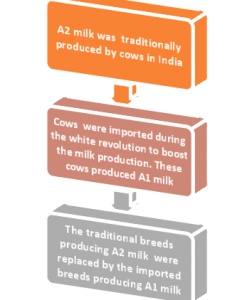
Let us begin by understanding that milk has beta casein protein in it. There are two types of variations of this protein i.e. A1 beta-casein and A2 beta-casein. The milk nomenclature is as per beta casein variant present in the milk. The difference is because of the change in the position of an amino acid. The A1 variant has histidine while A2 casein has proline.
Note that BCM-7’s absorption in its intact form into our bloodstream is not understood well. Many research studies couldn’t detect BCM-7 in the blood of healthy adults who drink cow’s milk, but some studies indicate that BCM-7 can be present in the bloodstream of infants who consumed cow milk. This predisposes the infants to the risk of developing type 1 diabetes in infants
Although there are many studies which link consumption of A1 milk with some diseases, some experts argue that many Europeans and Americans have been consuming it for generations and it is safe for consumption. A systematic review by the European Food Safety Authority (EFSA) declares that no cause-and-effect relationship can be established between consumption of BCM- 7 (present in A1 milk) and the occurrence of acclaimed diseases. It is important to note that the conclusions of a systematic review are more reliable than a single study. The same article also quotes a NBAGR [ National Bureau of Genetic Resources] paper that, there are very few cattle with the A1 genes in India which are used for breeding and milking. As per this paper, the A1 milk and A2 milk are mixed when they are procured from small farmers. Even if the claims related to the A1 milk are true, the impact of A1 milk after being mixed with A2 milk is subdued and can cause little harm to human health.
| Cost Per Litre | |
| A1 Milk | ₹ 56- 90 per litre |
| A2 Milk | ₹75- 110 per litre |
| A1 Ghee | ₹ 450- 650 per litre |
| A2 Ghee | ₹ 1500- 2300 per litre |
As mentioned before, A1 milk can not only cause comorbidities like diabetes, heart diseases etc but can also impact your gut health. You can follow these steps to understand whether you are intolerant to it:
The page you requested could not be found. Try refining your search, or use the navigation above to locate the post.

Intro: India is one of the largest consumer markets for malt-based drinks in the world. Malt-based products are marketed as ‘health drinks’ and are specifically targeted at children, and their parents. They are often marketed as an essential product that provides holistic nutrition to the child, which is required for optimum growth. Take a look – One of the health drink powders claim that drinking of its powder added to milk can help your child grow taller, stronger, and sharper; another claims that it is “clinically proven” that its product aids “2x faster growth” in children. Yet another says the product contains “inner strength formula” that can help develop the brain, bones and muscles of the body. However, expert opinion is that these drinks don’t really deserve the ‘healthy’ tag, and contrary to their claims, may not even be the right supplements for children. Read this article to know more.
Richa Pande
Health drink powders have been designed to meet the nutritional needs of a child. They gained popularity in India due to India’s struggle with malnutrition and the country’s food and nutrition insecurity. The food insufficiency led to the development of protein-energy malnutrition in the country. Also, young children hardly finish the meal they are served. It becomes convenient for parents and caretakers to add a premix containing essential nutrients to the meals of the young ones assuring optimum nutrition intake. But these days, India is not just dealing with child undernutrition but also overnutrition. Evidence suggests that there is a significant increase in childhood obesity and overweight in most of the Indian states in the past decade. The problem with these health drink premixes is that they have fewer amounts of protein, minerals and vitamins as they claim they have. And also, they are loaded with sugar, which is a concern.
For example, if you add three teaspoons, i.e. one tablespoon of 15g of health drink A (real name not disclosed) to a glass of milk, you add 12 g of sugar and just 2grams of protein 100 mcg of calcium to your child’s meal. If parents add 1-2 teaspoons of sugar in the milk, you are giving 22 grams of sugar to your child in one meal, when the child is just supposed to have 30 grams of added sugar in a day (maximum). The sugar in this meal is too high! A child needs 700 mcg of calcium in a day, and the powder provides 100 mcg, and a single glass of plain milk provides about 300 mcg of calcium. So, with just 2-3 portions of dairy in your child meal, which could include milk, curd, paneer, etc., you could meet your child’s calcium requirements. Like calcium, other micronutrients in these drinks are in minuscule amounts. Micronutrients are essential in small quantities as they enable the human body to perform and enhance several physiological functions.
Despite the claims, the reality is that these drinks do not provide sufficient micronutrients to the child considering the amount of powder added to the milk, as discussed above. When you add them to your child’s milk glass, you are not adding HEALTH/ NUTRIENTS to it; you are simply adding TASTE in milk. Parents can smartly deal with the taste and milk acceptability issue in consultation with a diet expert.
When your children fill up on sugar-sweetened foods and beverages, they may have little room left for the nutritious options that growing bodies need, such as fruits, vegetables, whole grains, dairy, meat, & poultry. Moreover, sugar is addictive, plus too much sugar can also lead to weight gain and increase the risk of your child developing dental cavities. Too much sugar during childhood may lead to unhealthy cravings as kids grow older. In excess, sugar can lead to obesity, which puts a child at risk of developing high blood pressure, elevated cholesterol levels and type 2 diabetes.
Reading food labels can help you pick a better brand/ or enable you to choose whether you want to give these health drink powders to your child or not. Check nutritive values and the recommended serving size by the brand. If a brand recommended serving size is 20g to meet the nutritional requirements claimed on the pack, one serving would contain about 9-18 grams of sugar. Compare the values, and then make a choice. Check the protein levels and micronutrient levels in your brand.
As with most packaged food products, the ingredients list of the malt-based drinks is quite revealing. While the primary ingredient is malt, the following item is almost always sugar. If you don’t find this on the list, look for maltodextrin. If you find it, the health drink isn’t good for your child.
Maltodextrin has no nutritional value. However, it is a very easy-to-digest carbohydrate and can provide energy rapidly. Due to this, manufacturers add this powder to many sports drinks and snacks. It can impact the gut microbiota of your child’s gut and could adversely impact her health. Maltodextrin has an even higher glycemic index (GI) than table sugar. It means that maltodextrin can cause a sharp increase or spike in an individual’s blood sugar levels shortly after eating foods that contain it. Some children can also be allergic to maltodextrin. It can cause allergic reactions, weight gain, gas, flatulence, and bloating.
Give your children malts prepared at home if feasible with minimally added sugar or avoid added sugar altogether. Malt beverages can be a good source of energy and protein for your child. You can always speak to a diet expert to guide you about preparing the malt mixes with less sugar and more protein, calcium and other micronutrients. If it’s not feasible for you to prepare these mixes at home, there are other ways to enhance the taste of the milk, like adding cardamom or saffron to the milk. To meet the micronutrients needs, encourage your child to eat lots of fruits and vegetables. Add fruit shakes to your child’s diet, if possible, without added sugar. Children may take shakes with added sugar may be taken two-three times a week.
The page you requested could not be found. Try refining your search, or use the navigation above to locate the post.
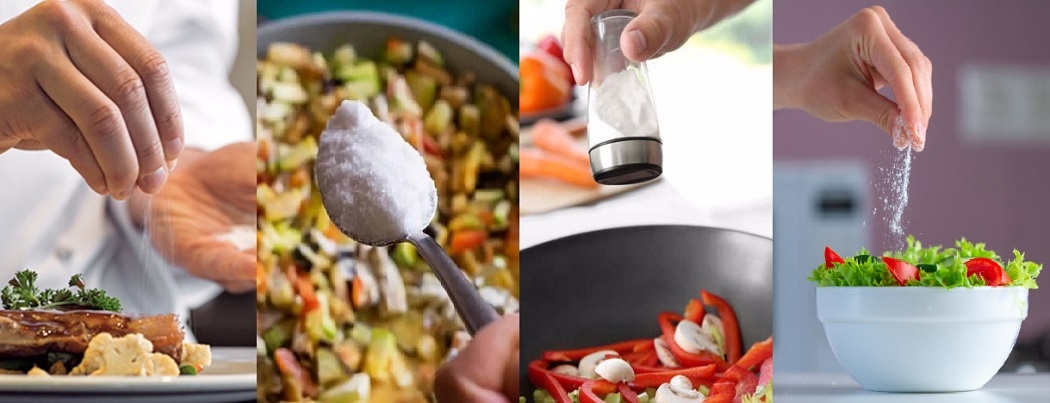
It is increasingly becoming apparent that high consumption of salt, sugar and fat is one of the prime reasons behind the risk of developing lifestyle diseases like diabetes, hypertension, cardiovascular diseases, etc writes Shri Arun Singhal, CEO, FSSAI.
Not all fats are bad. Unsaturated fats found in vegetable oils, seeds, nuts, avocado are in fact essential for good health. However, saturated fats and trans fats found in highly processed foods, bakery products, commercially fried foods and desserts are harmful for health. In fact, trans-fats are especially dangerous because they are the worst kind of fats. They increase the risk of cardiovascular diseases.
Similarly, added sugar, particularly refined white sugar is also bad for health. It adds only extra calories without providing any nutrients. Moreover, it is highly addictive. Found in sweets, desserts and sweetened beverages, it can really load up the calories and increase the risk of obesity, diabetes and heart diseases.
Last but not the least, high amounts of sodium can be dangerous for health. It can increase the risk of hypertension, which is one of the leading causes of death worldwide. Sodium is present in salt. Therefore, it is important to limit the intake of salt to maximum 5 gm per person per day, as recommended by the World Health Organization.
The Food Safety and Standards Authority of India (FSSAI) has launched ‘Eat Right India’ Movement which is a multi-sectoral effort to nudge citizens to eat right. One of its key initiatives is focused on reducing intake of salt, sugar, fat, phasing-out trans-fats from our diets. On one side, through the regulatory measures, we are updating our regulations to limit the fat, sugar and salt content in foods, and eliminate Trans Fatty Acids (TFAs); on the other hand, through the Eat Right initiative and awareness programmes, we are trying to generate awareness among consumers to limit the consumption of foods containing high levels of fat, sugar and salt. FSSAI is committed to trans-fat elimination from food supply chain by 2022 and is actively working with industry, associations, scientists and researchers as well as public health institutes to bring the best technology as well as share global experiences to eliminate transfat from the food supply chain.
To kick-start and popularise the movement, a powerful infotainment campaign through a short video starring National Award-winning actor Rajkummar Rao was launched with a simple yet memorable tagline ‘Aaj Se, Thoda Kam’. As the main face of the campaign, Rao officially launched the, “The Eat Right Movement” on July 10, 2018 in Mumbai and offered his support to spread the message of ‘#Aaj Se Thoda Kam’ across possible formats.
Endorsing the Eat Right India Movement, Rao suggests all his fans to take small steps. In the words of Rao, “Health is a matter of the head winning over the heart. While our heart wants tasty treats, our head can think of ways to control or avoid these indulgent tendencies through simple behaviour change strategies. The head understands what’s at stake because ultimately these tasty treats can make us so ill that we might have to give them up altogether. He goes on to recommend gradually reducing salt, sugar and fat in the daily diet by following the mantra – Aaj Se Thoda Kam.”

Efforts are being made on both demand and supply side. On the demand side, the ‘Eat Right India’ movement focuses on empowering citizens to make the right food choices. On the supply side, it nudges food businesses to reformulate their products, provide better nutritional information to consumers and make investments in healthy food. FSSAI has also initiated the Eat Right awards to recognize the contribution of food companies who are working tirelessly to reformulate their products for healthier options.
To create awareness about the adverse health effects of trans fat, FSSAI launched another campaign ‘Heart Attack Rewind’, a 30 second Trans Fat Public Service Announcement (PSA). FSSAI is aggressively working towards bringing down the trans fat content in fats and oils from the current level of not more than 5 per cent by weight in four categories of fats and oils (vanaspati, bakery shortening, bakery and industrial margarine and interesterified vegetable fat) to not more than 2 per cent by weight of all fats and oils by January 2022; a year ahead of WHO’s target. Thus, moving closer to its motto “Achieving Freedom from Tarns Fat; India @75”. Further, FSSAI has recently released Trans Fat free logo in July, 2019 to encourage food establishments like bakeries, sweet shops and other catering establishments to use healthier fat/oil options, thereby reducing the trans fat content in the foods. The food establishments which use trans-fat free fats/oil and do not have industrial trans-fat more than 0.2g per 100 g of the food, in compliance with the regulation on claims and advertisements, 2018 can voluntarily display ‘Trans Fat Free’ logo in their outlets and on their food products.
To further enhance the effectiveness of the message, ‘Aaj Se Thoda Kam’ and ‘+F Symbol’, FSSAI also launched an online campaign with Ace Cricketer and Indian Cricket term caption Shri Virat Kohli. Kohli joined this movement by urging citizens to follow the simple “Plus-Minus” formula. In the words of Kohli, “We need to “minus” or minimize salt, sugar and fat and “plus” or add fortified foods…. Eat Right, Stay Fit….Tabhi India, Super Hit.”

Reduced intake of salt, sugar & fat is need of the hour as we as individuals can do some basic thing. A few of them are:
SALT: Salt is the main source of sodium in our diet. Sodium consumption above WHO recommended limit of 5g a day predisposes an individual to heart problems.
SUGAR: Sugar provides only calories and no other nutrient to our body. High intake of sugar is a risk factor for obesity and predisposes the individual to diabetes and other diseases.
FAT: Excess of fat intake is a risk factor for obesity and diseases like diabetes, cardiovascular ailments etc.
TRANS FATS: These are bad fats which should be completely avoided.
The page you requested could not be found. Try refining your search, or use the navigation above to locate the post.
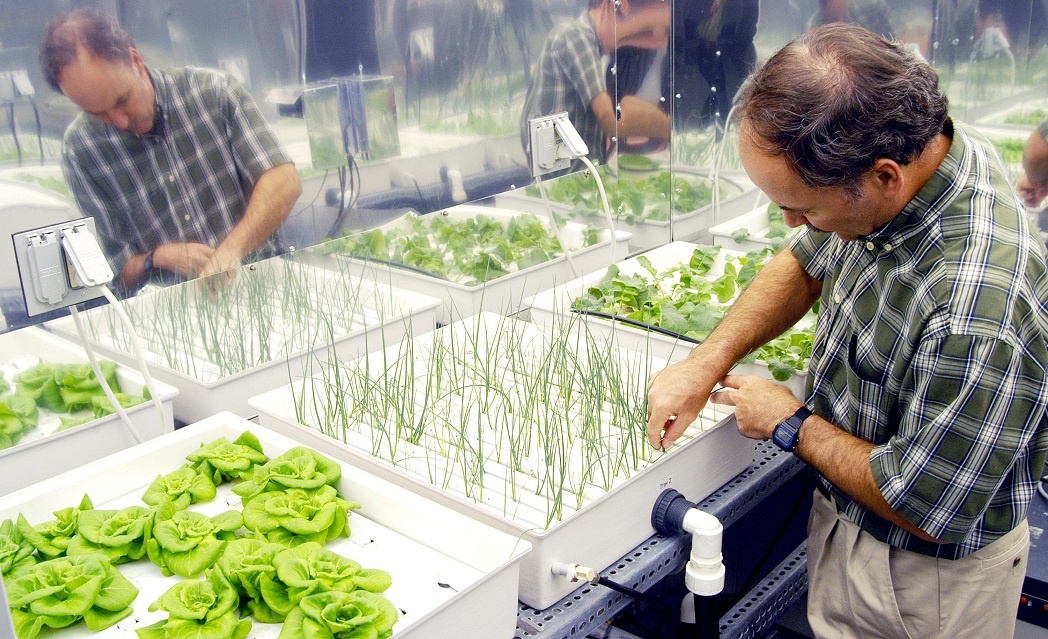
Our food systems are constantly evolving every day. Innovations like vegan meats and NutriLock technology are already transforming our food systems. These innovations not only improve the nutritional adequacy of food, and its taste but also address sensitive issues like food carbon emissions and food shortage. Hydroponics is one such technology that is gaining in popularity in recent times. Let us know here, the benefits of consuming Hydroponics grown foods.
By Richa Pande
Hydroponics is derived from two Greek words ‘hydro’ meaning water, and ‘ponos’ meaning work. It is the technique of growing plants without soil. Yes, you read it right- farming without soil! With the rise in the global population, the demand for food has also constantly increased. To increase food production and prevention of its spoilage by pests, farmers use fertilizers, pesticides, and insecticides. Further, to ripen fruits and to aid faster growth of fruits and vegetables, chemicals in the form of ripening agents are used. At the same time, with growing awareness of the health hazards from these chemicals, more and more people are opting for chemical, insecticide, pesticide free food these days. Hydroponics offers a safer option for growing food in the coming times. And if you are not very fond of growing them yourselves, you can purchase them from the growers in your local vicinity.
Let us now understand one by one what are the advantages of consuming foods that are grown hydroponically.
You can buy hydroponic grown food from your local sellers. You can access the details of these sellers from their websites by just typing hydroponics plant and your city name/locality name in the search engine and check relevant details.
You can purchase hydroponic DIY kits if you are fascinated by this technique and are planning to set your own hydroponics system. These can be easily set indoors as well on the roofs, and in your garden. Some of them can even fit into your balconies. The DIY kits for hydroponics can be purchased from e-commerce websites as well as local suppliers. Sellers often provide tutorials to setup the hydroponics system and to grow your own produce. Some suppliers can help us in developing an understanding about –
Initially, you might need a professional guidance or even training sessions because you are learning a new concept. But with time you can learn to grow food items that we need as per your convenience. Imagine foods you wish to eat can be grown in your own gardens/ balconies. You don’t have to depend on others to supply it or worry about food safety. Isn’t that fascinating, isn’t that empowering?
The page you requested could not be found. Try refining your search, or use the navigation above to locate the post.