Tricks to choose & use your cooking oil the right way

Tricks to choose & use your cooking oil the right way

Tricks to choose & use your cooking oil the right way

cooking oil

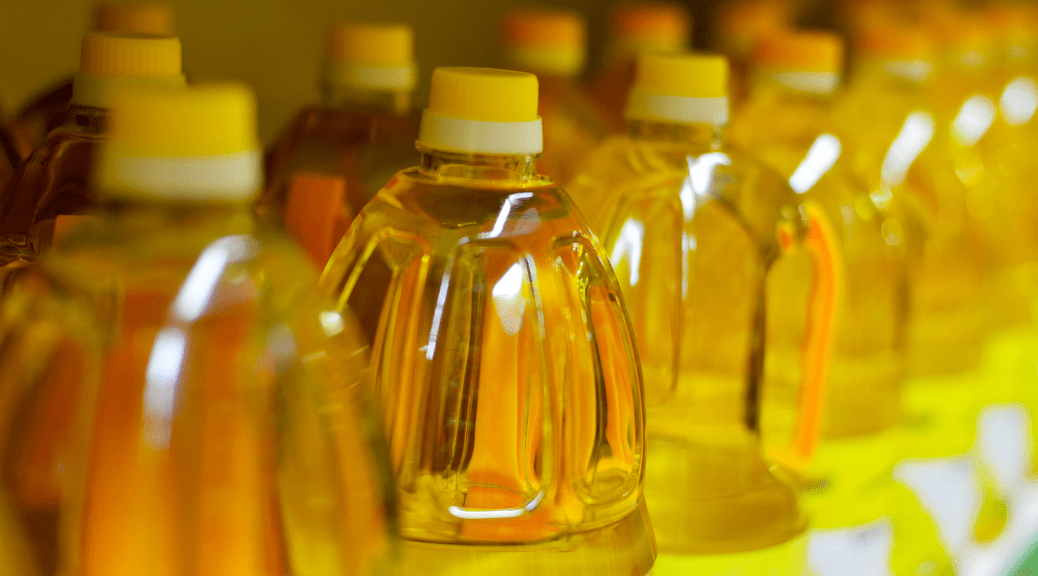
There are different varieties of edible oils in the market these days and picking one for our home is a difficult choice. Most of us tend to base our choices on our established taste preferences.  Some of us base our decisions on the healthfulness of an oil and the type of recipes for which we are purchasing the cooking oil. For many Indian recipes, we prefer a cooking oil that does not have a strong flavor of its own. For example, we use olive oil for preparing continental recipes; because this oil adds a unique characteristic flavor to these recipes. In this article, we have discussed the nutritional composition of some commonly consumed edible oils, practices to purchase, store, and handle them in a mindful manner. We also have talked about some food quality certification marks that can help you pick a healthier edible oil.

Richa Pande

Reports say groundnut oil, rapeseed oil(canola), soy oil, cottonseed oil and commercially palm oil are commonly consumed in Indian households. These oils are preferred by many food industries due to the subsidies on palm oil. But do these oils have a healthier nutritional profile, let’s uncover it here:

Nutrition composition of edible oils

All edible oils contain Monounsaturated Fatty Acids (MFAs), Polyunsaturated Fatty Acids (PFAs), and Saturated Fatty Acids (SFAs). The percentage of each varies from oil to oil. Our body requires all three types of fatty acids.  PFAs and MFAs are relatively healthier as compared to SFAs, and therefore we must limit their consumption. PFAs can be divided into linoleic (ω-6 fatty acids) and linolenic fatty acids (ω-3 fatty acids). ω-3 fatty acids are also known as essential fats i.e., the body cannot synthesize them metabolically and they must be taken from different dietary sources. Note that PFAs and MFAs (together known as good fats) must always be preferred over SFAs (bad fats).  Consumption of more SFAs is not good for your heart health.

Fats/OilSaturated
Fatty Acid (SFA)
Mono-unsaturated
Fatty Acid (MUFA)
Linoleic Acid (Omega-6 PUFA)Alpha-Linoleic Acid (Omega-3 PUFA)N-
6/N-3 ratio
Mustard87012101.2:1
Canola46222102.2:1
Ghee65 32 2<13:1
Soyabean15 27 53 5 10.6:1
Olive13 7610 <0.5 20:1
Rice bran22 41 351.523:1
Sunflower13 27 60 <0.5 120:1
Safflower13 17 70 <0.5 140:1
Ground nut24 50 25 <0.5 50:1
Table Source- POS Pilot Plant Corporation, Saskatoon Saskatchewan, Canada, June ; National Institute of Nutrition, India

Calories in edible oils

All edible fats are oils that are calorie-dense. Each gram of both fats and oils has 9 Kcals in it and 1 teaspoon (5ml) contains 45 Kcal. There is an exception to this. One gram of butter has 7 Kcal.  This is because of its moisture content.

Antioxidants in edible oils

Many edible vegetable oils contain natural antioxidants like vitamin E also known as tocopherol. Rice bran oil has Oryzanol and Sesame oil contain Sesamol and Sesaminol. These antioxidants have beneficial effects on our health including a reduction in oxidative damage due to aging.

Practice oil rotation for good health

Use cooking oils in rotation to draw health benefits from all different sources.

There are two ways to do this-

  1. a) Buy two or more edible oils and use them to prepare different recipes in a month. For example, sunflower oil can be used to prepare one meal and groundnut oil or mustard oil can be used for another meal. OR
  2. b) Use one edible vegetable oil this month to cook recipes at home and next month switch to another cooking oil. OR
  3. c) Practice blending of oils- One can also blend edible oils at home to derive the health benefits mentioned above.

The followings are some recommended blends-

Groundnut or Sesame or Rice bran + Mustard Oil
Groundnut or Sesame or Rice bran + Canola Oil
Groundnut or Sesame or Rice bran + Soyabean Oil
Source-Dietary Guidelines, National Institute of Nutrition

Ready-to-use blended oils

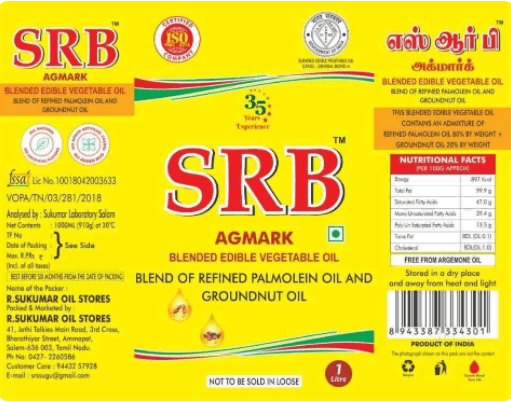
Blended edible oils are also sold in the market. Sometimes they can also be labelled as “vegetable oil and cooking sprays”.

Laws for ready-to-consume blended edible vegetable oils & quality certifications
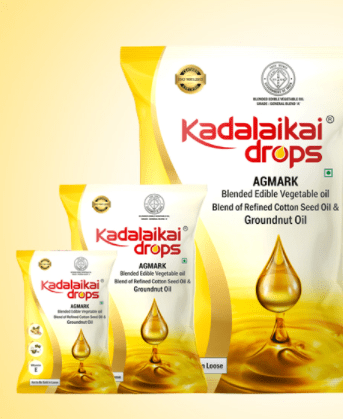
Laws: The sale of blended edible vegetable oil and fat spreads in addition to FSSAI regulation is governed by AGMARK. You can pick an oil blend using the AGMARK Logo.

What is the smoke point of cooking oil?

Smoke point is also known as the burning point of the oil. It is the temperature at which you can see bluish smoking from an oil upon heating. If you are cooking a recipe that requires oil to be heated at a high temperature, prefer edible oils that stay stable at higher temperatures. Burnt oil not only ruins the taste of the food but degrade the nutrients in oil and lead to the development of chemicals in it that are harmful to health. Some experts recommend preferring refined oils or ghee to prepare Indian recipes that require deep frying.

EVVO (extra virgin olive oil) Debate

Some health experts argue that EVVO which is one of the healthiest edible oil has a low smoking point and must not be used for cooking recipes at high temperatures. Some advocacy groups argue that there isn’t scientific evidence that supports this notion and that EVVO is suitable for recipes at high temperatures. Their claims have been backed by a few pieces of research but experts claim that these were sponsored work.

Avoid reheating your edible oils

We have the habit of reheating oil for frying which is harmful as it can release more toxic components leading to many diseases. For example, reheating of oil increases trans fatty acids in an oil and its consumption has been found to have negative impacts on health.

Therefore, do not reuse or reheat cooking oil for more than 2-3 times. Use adequate amount of oil for cooking i.e., try to finish it in single-use.

Identifying a fortified edible oil

Many Indians struggle with micronutrient deficiency. As oil is a common household food ingredient, adding micronutrients in it can be an efficient public health strategy to counter micronutrient deficiency.

Edible oils are commonly fortified with vitamin A and Vitamin D. These fortified oils can meet up to 25-30 per cent of our daily recommended dietary allowance for these nutrients. Oil packs fortified with vitamin A & D have a logo that can help us to identify a fortified edible oil. 

Tips to use your cooking oil the right way

  1. Heat oil in amounts as per the food recipe you are preparing. Avoid heating extra oil and again reheating it for next use.
  2. Store your oil in a cool, dry and dark place to avoid it from becoming rancid.
  3. Buy oils in small batches and not in larger quantities.
  4. Always keep oils in airtight containers.
  5. Edible oils like olive oil, flaxseed oil, etc. can get rancid easily, and therefore they must be stored in a cool, dry and dark environment.
  6. If Your oil smells bad or different, it means it could have become rancid. Do not consume it as it is not healthy anymore and can even have negative health impacts.

Related

Checklist for ordering food online, Tips for ordering food online

Checklist for ordering food online, Tips for ordering food online

Checklist for ordering food online

online-food-order

Ordering food online is part and parcel of this stay-home period. The process is simple and fast. You can order delicious food of your choice anytime and get it delivered in few minutes. You can even repeat the exact order you placed last time. You just have to download food delivering applications such as Zomato, Swiggy, Faasos, etc. There is hardly any restaurant these days which is not providing services on these applications. All you need is a smart phone or a laptop and an account on these food delivery applications to enjoy your food from the selected restaurant. But hey, is there a better way in doing this altogether? Let’s check it here.

Richa Pande

This time, home food delivery is the preferred way to ease out the every-day-cooking pain. Covid-19 has changed almost everything across the entire delivery system. It has made us more conscious, and we should take necessary steps before ordering food as well as after the food is delivered. But many consumers are new to the experience of ordering food online. Here are some points to keep in mind, when ordering meals online-

  1. Choosing a meal-
  • Enter the location of the place you want the order to be delivered. Select the precise location, to avoid any hassles.
  • Check the ratings of the restaurant. Ratings are helpful because customers rate their experiences – ratings give us a feedback on the customer service of the restaurant/service provider – which helps us in picking up a good restaurant.
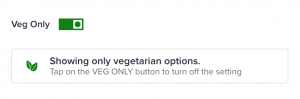
  • Look for a vegetarian restaurant if you are a vegetarian. You can opt for veg only option, if you are placing an order from a restaurant that offers both vegetarian as well as non- vegetarian meals.  
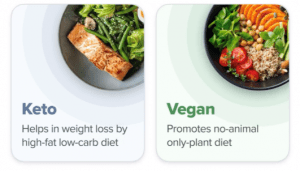
  • Some restaurants also provide food items that targets people who are health conscious i.e. keto diet food items, food items with less calories, etc. If you are adhering to such lifestyle diets, you can order food from such restaurants.
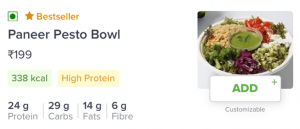
  • Some restaurants provide nutritive value with meals they serve. You can pick the meal of your choice based on these values.
  • Using the food apps, you can filter the restaurants by-
  • Location of the restaurant
  • Delivery time
  • Ratings
  • Food habits (i.e. only vegetarian restaurants)
  • What you are willing to eat (i.e. Chinese, Italian etc.)
  1. When you have made your selection –
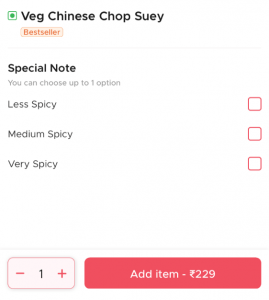
  • You can provide instructions to the restaurants to keep the foods spicy as per your preference i.e. less spicy, medium spice and very spicy.
  • You can also opt for no cutlery option to minimise the use of plastic items such as forks, spoons etc. as these are not environment friendly.
  • For safety of the delivery boy as well as yourselves opt for cashless transactions as exchange of currency can result in the transmission of the covid-19 virus. Prefer no contact delivery for your own safety.
  • Compare prices and offers

Fast food restaurants such as Dominos, McDonalds, KFC, Pizza Hut etc. have their own food delivery apps. They also sell food through food delivery apps such as Zomato, Swiggy etc. Always check where you are getting a better price for food items you wish to eat. Also, compare it across the food apps, as you might get a better offer on a different food app.

  • Food delivery applications offer discount on different debit and credit cards, payment wallets etc., always check for offers before placing the order.
  • You can also gift an order and send it to the address of the person you wish to gift the meal. You can add a personalised note as well.
  • FINAL CHECKS BEFORE YOU PLACE THE ORDER-You can save multiple delivery addresses on these app. Check the address before making the payment. Also check the amounts of food in your basket to prevent any hassles.
  1. After the food has been delivered-
  • Before eating your meals, check whether all items you have ordered have been delivered. If an item is missing from your order or/it doesn’t match your specifications, you can report this to a customer care executive. For example, if you had opted for a Jain meal, and the meal contains onion/garlic etc. Report it to the company and ask for refund/replacement. These food delivery applications are concerned about their reputation and in the event of customer dissatisfaction, they refund some amount in your app wallet or if you opt payment reversals, you can get the refund back into the payment wallets such as Paytm, Google Pay, Phonepe, Airtel Money etc. or into your bank account.
  • Wash your hands after touching the food packets; if the food is in plastic boxes it is safer to sanitise the boxes. Transfer the food to your steel utensils after sanitising the boxes and throw away the plastic boxes.
  • If the food is spilled or the packaging appears tampered, then immediately click pictures and communicate a return /rejection of the food item. Consuming a food item with tampered packaging is not safe.

Veg

You can select order veg. only option if you prefer vegetarian food items

Veg Chinese

At times, you can also choose the spice preference while ordering food online.

Veg-1

You can also opt for preparations as per lifestyle diets you are adhering to. For example- Keto & vegan Diet

Health Hub

And you can also opt to pick restaurants that serve relatively healthier meals.

You can opt for this option to minimize the use of plastic.

You can opt for this option to minimize the use of plastic.

Related

Understanding foodborne illnesses

Understanding foodborne illnesses

Understanding foodborne illnesses

You might have read about the H5N8 avian bird flu spread in different states across the nation, and the food scares associated with it. According to a 2020 world health organization (WHO) factsheet, almost 1 in 10 people in the world – fall ill after eating contaminated food, and 420 000 die every year, resulting in the loss of 33 million healthy life years (DALYs). Also, some individuals are more prone to the risks associated with foodborne illness in terms of severity. In this article we explore some foodborne illnesses, identifying the people at risk and how they can be prevented.

By Richa Pande

More than 200 diseases are caused by eating contaminated food. Food usually gets contaminated by bacteria, viruses, parasites, toxins, or other chemical substances. This growing public health problem causes considerable socioeconomic impact through strains on health-care systems, productivity losses and effecting tourism and trade. Some of these diseases can even have a fatal consequence.

Understanding the cause and effects

Foodborne diseases are caused by contamination of food which can take place at any stage during food processing, production, delivery, and eventual consumption. They can result from several forms of environmental contamination including pollution in water, soil or air, as well as unsafe food storage and processing. Lesser talked about, but equally – or even more – hazardous is through infiltration of harmful chemicals through use of pesticides and insecticides used during farming and use of genetically modified seeds to augment production; leavening agents and catalysts used in processing and refining, additives used to enhance flavours, and preservatives used to improve shelf life. Then there is adulteration – like mixing of the harmful Kesari dal with Toor dal, creation of synthetic milk from dangerous chemicals, using of chemical boosters for increased/ speedy growth in fruits and vegetables, artificial coloration of fruits/vegetables and mixing of cheaper methylated spirit by the arrack sellers– which ranges from being health hazardous to life threatening. 

A grave concern

Foodborne diseases encompass a wide range of illnesses from diarrhoea to cancers. Most present themselves as gastrointestinal issues, though they can also produce neurological, gynaecological, and immunological symptoms. Diseases causing diarrhoea are a major problem in all countries of the world, however the incidence is higher in low- and middle-income countries and in children under five years of age.

Nearly one in 10 people around the world fall ill after eating contaminated food, leading to over 4.2 lakh deaths, annually. Children are mostly affected, with 1.25 lakh of these deaths in children under five years of age.  Most of these cases are instances of diarrhoeal diseases. More serious consequences of foodborne diseases are kidney and liver failure, brain and neural disorders, reactive arthritis, cancer– eventually leading to misery and death.

Individuals at risk

Anyone can get food poisoning, but certain groups of people are more likely to get sick and to have a more serious illness. Their bodies’ ability to fight germs and sickness is not as effective for a variety of reasons:  they are the very young (under 1 year), the elderly, the immune-compromised (those whose immune systems are less able to fight off harmful bacteria), and women who are pregnant.

Combined, these vulnerable groups account for as high as 90 per cent of the affected cases. Incidentally, foodborne illnesses can be extremely dangerous. Symptoms include vomiting, diarrhoea and fever. If unattended these can intensify and the illness can become life-threatening. What makes these populations more at risk? The obvious answer is: a weak immune system. The immune system is the body’s natural defence system against “foreign invasion” by pathogens (bacteria or viruses that can cause disease). In healthy people, a properly functioning immune system usually fights off harmful pathogens readily and the subject usually recovers after tiding over the early symptoms.

However, adults aged 65 and older have a risk tendency because as people age, their immune systems and organs do not recognize and get rid of harmful germs as well as they once did. Their body immunity and resistance to infection begins to decline. Their body is less effective in fighting off harmful bacteria and pathogens. For example, the amount of acid in our stomachs, once a powerful barrier to pathogens, gradually decreases over the years, making the old-age people more prone to gastro infections. In addition, older people tend to take more medicines for problems like heartburn or acid reflux, many of which play to further reduce the amount of stomach acid, further weakening this impediment to pathogens.

The same goes for people with compromised immune systems, such as those with HIV/AIDS, cancer, liver disease and diabetes. Not only are their immune systems weakened by the disease, but the side effects from certain treatments such as radiation and chemotherapy may make them weaker still.

On the other hand, children, particularly in the age group of under five years, are also at risk to foodborne illness because their immune systems are still in the process of being developed. So, their body’s ability to fight germs and sickness is not as strong. Food poisoning can be particularly dangerous for them because illness can lead to diarrhoea and dehydration. Children younger than five are three times more likely to be hospitalized if they get a stomach infection. 

As for pregnant women, their immune systems are undergoing a temporary alteration – to enable the mother to co-exist with the foetus throughout the nine months of pregnancy. We should not forget that half of the foetus’ genes are not the mothers. The body is understandably working extra hard to avoid a rejection of the foetus. This same alteration makes the body more susceptible to infection.

So, Prevention is the key to safety. The risk faced by these vulnerable populations can be considerably reduced by preventing foodborne illnesses from occurring in the first place.

Ways to prevent from food contamination

Measures should be taken to keep contaminants out of the harvesting, processing and manufacturing of foods. Establishing of safety and cleanliness requirements for farmers, food companies, and importers will reduce the chances of pathogens affecting the people at risk.

Individually, there are steps that the people particularly vulnerable to the dangers of foodborne illnesses can take to reduce that risk. These include:

  • Wash hands and surfaces often. Make sure counters and other food preparation surfaces are adequately cleaned. 
  • Insist on organically grown foods and use of filtered (instead of refined) oils.
  • Separate raw meat and poultry from ready-to-eat food. Avoid eating raw animal products, which include unpasteurized milk, uncooked or lightly cooked eggs, fish and meat. 
  • Wash fruits and vegetables thoroughly before eating, especially foods with peels taken raw, such as in salads. Avoid eating raw sprouts.
  • Chill raw meat and poultry, as well as cooked leftovers, promptly (within 2 hours). Voluntary/involuntary consumption of spoilt food is the most prominent cause of food poisoning, especially in low-income countries.
  • Keep your refrigerator at 4 degrees C or lower, and your freezer at – 18 degrees C or lower.
  • Keep an eye open for food adulteration while shopping.

It is advisable to be extra cautious when eating out, especially for those at risk. It is helpful to ask what ingredients are in a prepared dish. 

AVIAN INFLUENZA FOOD CONTAMINATION SCARE FACT CHECK 

The state governments have requested the health ministry to issue a guideline on the food scares associated with the avian flu spread. Based on some previous reports, these are some tips associated with consumption of poultry and dairy-  

  • According to the Centres for Disease Control and Prevention (CDC), Avian Flu viruses do not normally infect human beings. Occurrences of these infections are very rare in human beings, and only a few cases have been reported. According to a joint statement issued by the UN Food and Agriculture Organization (FAO) and WHO, it is safe to consume chicken and poultry if they are boiled properly above 70. C. 
  • Consumption of raw eggs must be avoided. Eggs should not be eaten in these forms- Poached eggs/omelettes/ bhurjis. Boiled eggs (boiling point 160. C) can be consumed.
  • Some vegetarian protein alternatives are paneer, soyabean, whey and Tofu. 

How to Reduce Food Carbon Footprint

How to Reduce Food Carbon Footprint

If you are thinking of ways on how to reduce food carbon footprint, avoiding meat is the first thing that needs to be done as per most research studies. Food carbon footprint or foodprint requires immediate attention as growing, rearing, processing and transporting and disposing of food leaves behind food carbon footprint which is harmful.All food carbon emissions are reported to include major greenhouse gases such as carbon dioxide, methane and nitrous oxide.

Greenhouse gas emissions result from the production and transportation of food. Growing of food requires fertilizers which are mostly chemical based and transportation of food requires use petroleum-based fuel. Given below are some helpful tips on how to reduce food carbon footprint to save the Earth.

TIPS ON HOW TO REDUCE FOOD CARBON FOOTPRINT

When it comes to ways on how to reduce food carbon footprint choosing a vegan diet over meat and eggs is one of he best ways of doing.

  • Consume whole grains, beans, pulses, fruits and vegetables, and avoid excess consumption of eggs, dairy and meat products.
  • Choose the stove top (cooking gas) over other electric cooking appliances for cooking, such as induction and electric oven.
  • Choose the microwave oven over other electric appliances as it uses 50 per cent less energy.
  • Consume organic products. Organic farming methods are much more environment-friendly than other conventional farming methods.
  • Avoid stocking a lot of food products. It is always recommended to discard the food product if it has surpassed its expiry date. Mostly, some of the stocked food items expire before usage and are discarded. Overstocking will reduce food wastage.
  • Avoid consumption of tertiary processed foods (even vegetarian food items). For this you can check the food label – a longer list of ingredients generally suggests that the food item is heavily processed and it may therefore have a high carbon footprint.
  • Avoid consumption of frozen foods. Frozen food has the highest carbon footprint, followed by canned, plastic, glass and then cardboard.
  • Avoid products that use a lot of packaging.
  • Limit the consumption of bottled water. This will limit the usage of plastic and will ultimately help in slowing down global warming.
  • In any case, reduce your personal water consumption by practising water conservation in your daily life.
  • Wherever possible, shop local. Know where your food comes from – if it is from the other side of the world, it will have a high transportation footprint. Also, as the distance the food travels decreases, so does the need for processing and refrigeration to reduce spoilage.

Changing the foods that we eat can have a big impact on the carbon footprint. It can reduce pollution, preserve the environment and slow global warming. Many of these changes will also save money, improve health and even keep us fit besides ofcourse reducing food carbon footprint!

Recommended Dietary Allowance (RDA)

Recommended Dietary Allowance (RDA)

Nutrition is a basic human need and a prerequisite to a healthy life. A proper diet is essential from the very early stages of life for proper growth, development and to remain active. RDA represents the nutrients in terms of diets that should be consumed by the population.

Recommended Dietary Allowance (RDA) is the amount of essential nutrients such as vitamins, minerals etc that has been established by Indian Council of Medical research (ICMR) as adequate to meet the average daily nutritional needs of most healthy persons according to age group and sex.

In India, the concept of RDA dates back to the 1944. The first attempt to define nutrient requirements was made by Nutrition Advisory Committee of the Indian Research Fund Association now known as Indian Council of Medical Research (ICMR) in 1944.  Since then it is revised every 10 years. Current RDA was set in year 2010.

FACTORS ON WHICH RDA DEPENDS:

Recommended Dietary Allowance for individuals would depend upon different factors. These include:

  1. Age of the individual
  2. Physical activity
  3. Sex
  4. Body composition
  5. Vulnerable: pregnant and lactating mothers, infants and elderly people.

ON THE BASIS OF PHYSICAL ACTIVITY, INDIVIDUALS HAVE BEEN CLASSIFIED AS

  1. Sedentary worker – with least physical activity like lawyer, teacher, doctor
  2. Moderate worker – with moderate physical activity like carpenter, tailor, plumber
  3. Heavy worker- with vigorous physical activity like coal miner, steel worker, army man

WHY IS RDA IMPORTANT?

  1. Maintenance of a state of positive health and optimal performance in populations at large by maintaining ideal body weight.
  2. Ensuring adequate nutritional status for pregnant women and lactating mothers.
  3. Improvement of birth weights and promotion of growth of infants, children and adolescents to achieve their full genetic potential.
  4. Achievement of adequacy in all nutrients and prevention of deficiency diseases.
  5. Prevention of chronic diet-related disorders.
  6. Maintenance of the health of the elderly and increasing the life expectancy

With epidemic increase of consumption of ready to eat food or packed snacks that suit the sedentary lifestyle, it is important to know how much energy and fat these little packets contain. Consumer VOICE decodes food labels of popular products and brands. We compare not only the energy and protein levels but the safer and dangerous limits of salt, sugar and fat as per the Traffic Light labeling System.  

Related

Traffic Light Labeling System

Traffic Light Labeling System

Traffic Light Labeling System

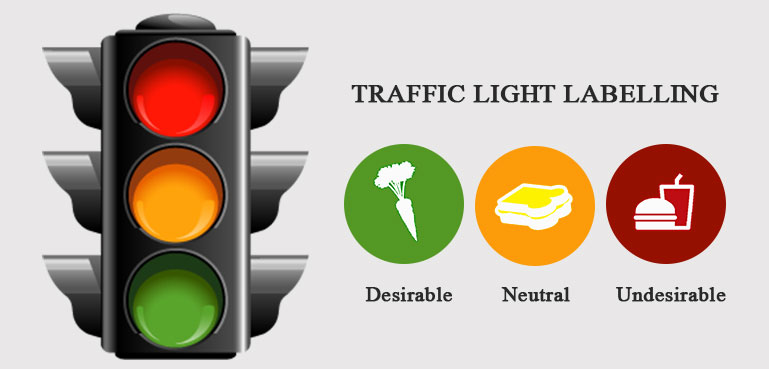
In 2007, Food Standard Agency of UK developed a method of labeling food with a traffic light showing how much fat, sugar and salt are in that food. High Content (unhealthy) is shown by red, Medium (moderate) by amber and Low (healthy) by Green colors. Food with Green color is preferred over the ones with red color.  This is called as Traffic Light Labeling System. The main objective of Traffic Light Labeling guidelines is to

  • Allow consumers to correctly identify healthier food products
  • Assist consumers to make comparison between products easily
  • allow consumers to make these comparisons at a glance.

The label is supposed to be in front of the package and easier to spot.

HOW DOES THE FOOD LABELING SYSTEM WORK

The traffic light labeling system uses three colors:

RED
It indicates that the food is high in fat, sugar or salt. It is best to avoid these kinds of food and can be eaten only rarely.Unhealthy

AMBER
This indicates that content of fat, sugar or salt is medium in these foods and can be eaten occasionally though not on a regular basis.Moderate

GREEN
This colour indicates it is low in fat, sugar or salt and can be eaten or consumed regularly. It is the healthiest of choices.Healthy

For every product the amounts of key nutrients (fat, saturated fats, sugars and salt) are given in grams per 100 grams or 100 millilitres, as a uniform reference value. Consumers interpret this information, with the common traffic light colours of red, amber or green, depending on whether the product contains high, medium or low levels of the respective nutrient.

IS TRAFFIC LIGHT LABELING SYSTEM FOLLOWED IN INDIA?

Traffic Light labeling is not followed in India yet. However, Consumer VOICE is using traffic light rating to help consumers make an informed choice. It is important to let consumers know about the amount of fat and sugar that they are consuming since such foods are linked with obesity and non-communicable diseases like hypertension, and high blood pressure. As part of a pilot project, Consumer VOICE did a study in schools, covering about 10 schools, and Consumer VOICE took the samples of the canteen food and drinks and then it was analyzed for fat, saturated fat, sugar, salt, and converted the results in terms of the traffic lights.

Enquire Now

    X
    Enquire Now