Say Goodbye to Service Charges now!

Say Goodbye to Service Charges now!

Say Goodbye to Service Charges now!

Are you worried about your restaurant bills when you plan to treat your friends for your birthday? Does high service charges stop you from going to restaurants for your family get-togethers? If that is the reason, then the recent rule of the Delhi High Court will give you some relief. The Delhi High Court ruled that service charges on food bills are voluntary and dismissed petitions challenging the CCPA’s (Central Consumer Protection Authority) guidelines prohibiting mandatory imposition by hotels and restaurants.

It is not only unlawful but ‘misleads the consumer’, says Delhi High Court. Consumers can pay a voluntary tip and the service charge should not be imposed upon. In a landmark ruling, Justice Pratibha M Singh observed that collecting a mandatory service charge is a violation of consumer rights and should not be compulsory. 

While dismissing the plea by two restaurant associations, National Restaurant Association of India (NRAI) and Federation of Hotel and Restaurant Associations challenging the Central Consumer Protection Authority’s (CCPA) July 2022, The Delhi High Court said that service charge is nothing but a voluntary tip.

Decoding Packaged Foods: Empowering Healthier Choices through Information

Decoding Packaged Foods: Empowering Healthier Choices through Information

Decoding Packaged Foods: Empowering Healthier Choices through Information

In a bustling world filled with convenience and fast-paced lifestyles, packaged foods have become an integral part of our daily lives. These neatly wrapped treasures line the shelves of grocery stores, providing us with a myriad of options to satisfy our hunger and cravings. From the breakfast cereals that jumpstart our mornings to the frozen foods that save us from kitchen disasters, packaged foods have infiltrated our daily routines. However, amidst the convenience lies a crucial aspect that often goes unnoticed—the information displayed on the packaging. Taking a moment to read and understand the details on packaged foods can empower us to make informed choices about what we consume, paving the way for healthier lifestyles and a greater understanding of the impact our food choices have on our bodies and the world around us. Let’s delve into the details on labels, ingredients, and nutrition facts to guide our decision-making towards informed food choices.

                                                                                                                                                                                                             Richa Pande

Nutrition Facts Label: Your Guide to Informed Dietary Choices

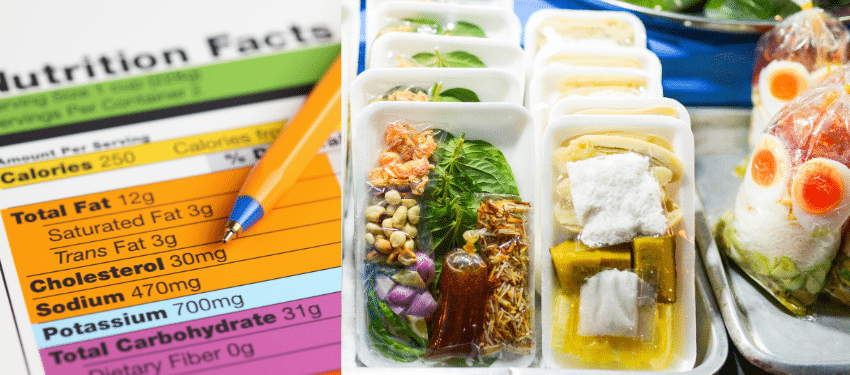
Understanding the nutritional value of the foods we consume is a crucial step towards a healthier lifestyle. At the heart of deciphering this information lies the nutrition facts label, a goldmine of essential data. This label is like a map that guides us through the nutritional content of the product, from calories to fat, carbohydrates, protein, and more. By reading and interpreting this label, we gain valuable insights into the components of our food and can make informed dietary choices. For instance, if we’re aiming to reduce our sugar intake, checking the label can help us identify added sugars in our favourite snacks. Moreover, being aware of the serving size and the number of servings per container aids in portion control, preventing us from overindulging and managing our caloric intake effectively. Reading the nutrition facts label also allows us to be more mindful of the essential nutrients our bodies need. Armed with this knowledge, we can make informed food choices.

Cracking the Food Additive Code

Having a comprehensive understanding of food additives is crucial for making well-informed decisions. Food additives are substances added to food products to enhance their appearance, flavour, texture, or shelf life. Some commonly used additives include emulsifiers, stabilizers, colorants, and flavour enhancers. They are often assigned E numbers for identification purposes. For instance, E322 represents lecithin, an emulsifier commonly found in processed foods. While many additives are considered safe, some have been linked to health concerns. For example, certain artificial food colorants, such as E102 (tartrazine) and E129 (Allura red), have been associated with allergic reactions and hyperactivity in sensitive individuals, particularly children. Similarly, preservatives like sodium nitrite (E250) used in processed meats have been linked to an increased risk of certain cancers. Given these considerations, making choices aligned with personal health preferences becomes vital. Opting for natural alternatives and whole foods can help minimize exposure to potentially harmful additives. Checking food labels and understanding the ingredients listed can empower us to make informed decisions like opting for foods with safer alternatives.

Making smart choices using the ingredient list and allergen warnings

Ingredient lists play a crucial role in helping people with specific dietary needs or restrictions navigate the food landscape. When reading product labels, it is important to check the ingredients list thoroughly. The ingredients are usually listed in order of predominance, meaning the ones used in the greatest amount are listed first, followed by those in smaller amounts. This can provide valuable information about the composition of the product and enable informed choices.

 Allergen and intolerance warnings on food labels are vital for individuals with allergies. They help identify potential triggers and prevent adverse reactions. For example, an aspartame warning is crucial for those sensitive to this artificial sweetener, while dairy warnings help lactose-intolerant individuals avoid discomfort. Peanut warnings protect those with severe peanut allergies, while gluten warnings cater to individuals with celiac disease. These clear and informative labels empower individuals to make safe choices, ensuring they steer clear of allergens and intolerances and maintain their health and well-being.

Checking and following storage and preparation instructions is important to ensure proper handling and cooking of food, minimizing the risk of foodborne illnesses. These guidelines typically cover aspects like hand hygiene, proper food handling, cooking temperatures, and avoiding cross-contamination.

Is Soya Healthy?

Is Soya Healthy?

Is Soya Healthy?

MARKETED AS A SUPER FOOD WITH ALMOST MAGICAL PROPERTIES, SOYA PROTEIN IS FOUND IN ALMOST EVERYTHING WE EAT. HOWEVER, SOYA NEEDS TO BE CONSUMED WITH ABUNDANT CAUTION

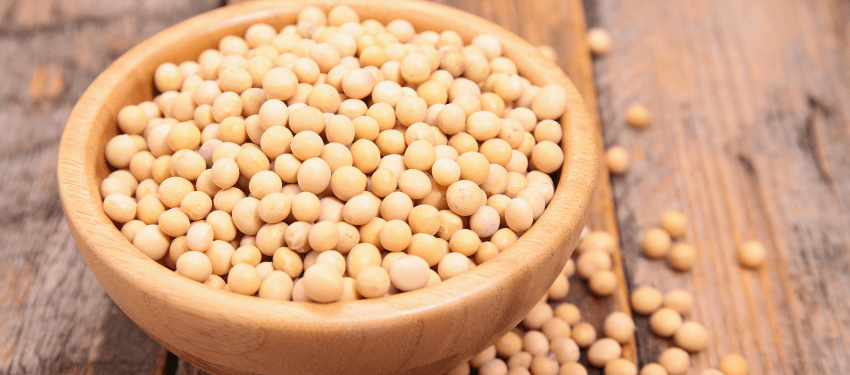
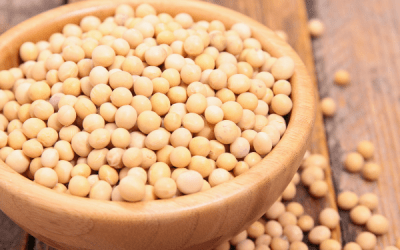
Soya has been touted as one of the wonder foods of the 20th and 21st century. The fact that Indians are largely vegetarian, and therefore need an alternate source of protein in their diet (other than meat) has meant an uptake in the production and consumption of soya in its various forms. While soya products come in various forms—soya milk, tofu, soy flour, soy sauce, it is the soya granules that are most visible in terms of market sales in India. Sold packed and branded, as well as in loose form in the market, soy granules are added to vegetable dishes to boost the protein content of the food. A 200g soya pack costs around Rs 18 in the market. Ruchi Soya (Nutrela) is the most visible brand in the market.

If compared, Indias consumption of soya would be miniscule to what the West consumes. Within two decades, soya has infiltrated the western daily diet in many ways. Analysts say that soyas PR spin is: ‘if a little is good for you, a lot must be really good for you. Sceptics have rubbished this maxim in the case of soya and say that consuming too much of soya can actually be dangerous.

SOYA BENEFITS VERSUS HEALTH CONCERNS

The good thing about soya is that it is low in fat and is a reasonable source of protein. In the US, food labels are allowed to claim that soya is ‘heart-healthy. However, soyas negative points outweigh its health benefits.

Soya beans, as found in nature, are not suitable for human consumption. Only after fermentation for some time, or extensive processing, including chemical extractions and high temperatures, are the beans—or the soya protein isolate—suitable for digestion. A diet high in soya is a diet high in plant estrogens. Research studies in both humans and animals have found that isoflavones in soya can have profound effect on health, raising levels of estrogens significantly. Proponents claim plant estrogens are ‘safer because they are natural, but this is simply not true. High levels of circulating oestrogen are a cancer risk—whatever the source.

Soya proponents often argue that studies that do show adverse effect use high doses of soya that are not relevant to real-world conditions, but how would they know? Some form of soya, usually the protein isolate, is in 60 per cent of all processed food, which means most of us eat soya, without thinking and without knowing, every single day.

GM CONTAMINATION IN SOYA

A very large percentage of soya—more than 90 percent—is genetically modified, and soya also has one of the highest percentages of contamination by pesticides of any of the foods we eat. GM soya has been found in a range of food items labeled ‘organic’ or ‘GM free’. A 2004 study at the University of Glamorgan, published in the British Food Journal, found that one-fifth of soya-based products on sale at health food shops and supermarkets contained as much as 0.7 percent GM material. The products included vegetarian burgers, cheese substitutes, soya milk, vegetarian sausage mix, soya beans and soya flour.

Soya flour is used in bread; soya oil is in margarine and is the main component of the ubiquitous ‘vegetable oil’ found in a variety of food products. If you eat conventionally reared meat you are eating soya-fed animals. Soyabean concentrate is used to bind foods together and boost protein content, and soya lecithin, the emulsifier E322, is one of the most widely used food additives (read chocolate labels to find out). It is found in health drinks, ice creams, yoghurts, meat substitutes, sweets, infant formula, bakery goods, breakfast cereals, drinks, margarine, pasta and processed meats.

“Only half the rats fed GM food survived”
A Russian biologist, Irina Ermakova, researched the effect of genetically-modified soya on rats, and found that the survival rate of the mice pups fed with GM soya was only 50 per cent. Those who survived did not develop well and were infertile.

The rat pups were divided into three groups. One group was fed on the standard rat food, the second group was fed on food and traditional soya, and the third group was fed standard food and GM soya. Five grams of soya was given everyday to each pup. While the rat pups in the first and second group were healthy, the third group suffered high mortality and deformities.

Most recently, a study at the Harvard School of public Health, in Boston, found that men who regularly ate soya had significantly lower sperm counts.

Our enthusiasm for all things soya also means we ignore the fact that all soya is not created equal. Traditional fermentation of soyabeans significantly reduces some of its harmful properties. As a result, soya products such as tempeh and miso can be beneficial if eaten in moderation, but non-fermented soya products such as tofu and soya milk may be less beneficial.

Finally, soya is an environmental concern. Huge tracts of rainforest are being cut down to feed the greed for this ‘healthy’ food, and to improve yields farmers are encouraged to grow genetically modified varieties, which require even more pesticides.

It seems heresy in a world drowning in soya, but it is possible to have a healthy diet and never eat soya at all. Given the way we have allowed it to infiltrate the food system, though, it would now take a monumental effort to exclude it entirely from your diet A situation that makes a mockery of the notion of informed consumer choice.

WHAT’S WRONG WITH SOYA?

 Allergens: Soya allergies are on the rise as soya consumption goes up. These days, allergies to soya proteins – the symptoms of which include rashes, diarrohea, vomiting, stomach cramps and breathing difficulties – are almost as common as those to milk.

 Phytates: These substances can block the uptake of essential minerals – such as calcium, magnesium, iron and especially zinc – in the intestinal tract. All beans contain phytic acid, but soyabeans have higher levels than any other. Children who do not consume fish or meat products to counterbalance the effect of their high-phytate, soya-and rice-based diets have been shown to suffer nutritional deficiency illness, stunting, rickets and other developmental problems.

 Enzyme inhibitors: Soya contains potent enzyme inhibitors, which block the action of trypsin and other enzymes needed for protein digestion. Normal cooking does not deactivate these substances, which can also cause serious gastric distress and reduced protein digestion, and can lead to chronic deficiencies in the uptake of essential amino acids such as methionine and leucin, as well as isoleucine and valine. These are all needed to combat stress, avoid depression, synthesise new body protein and maintain a healthy immune system.

 Hemagglutinin: Soya products also contain another chemical, hemagglutinin, which promotes clumping of red blood cells. These clumped red cells are unable fully to take up oxygen and carry it, via the bloodstream, to the body’s tissues and organs. Hemagglutinin has also been observed to act as a growth depressant. Although the process of fermenting soyabeans does deactivate hemagglutinin, cooking and precipitation do not.

 Phytoestrogens: Soya contains high levels of oestrogen mimics known as isoflavones, which can disrupt hormone function in both men and women. High levels of circulating oestrogens are a risk for certain types of oestrogen-dependent cancers, for instance of the breast, ovaries and testicles. Animals studies have linked high consumption of isoflavones with infertility and reduce immunity.

 Antithyroid agents: The plant oestrogens in soya can also cause an underactive thyroid and are implicated in thyroid cancer. In infants, consumptions of soya formula has ben linked to autoimmune thyroid disease.

 Aluminium: To manufacture soya protein isolate—the high-protein derivative of soya that is used in snacks, infant formulas, protein bars, breakfast cereals, baked goods, ice creams and yoghurts–soyabeans are first mixed with an alkaline solution to remove fibre, then precipitated and separated using an acid wash and, finally, neutralized in an alkaline solution. Acid washing in aluminium tanks leaches high levels of aluminium into the final product. As result, soya-based formula can contain around 1,000 per cent more aluminium than is found in conventional milk-based formulas.

Reference: The Ecologist

Ketchup and Sauces

Ketchup and Sauces

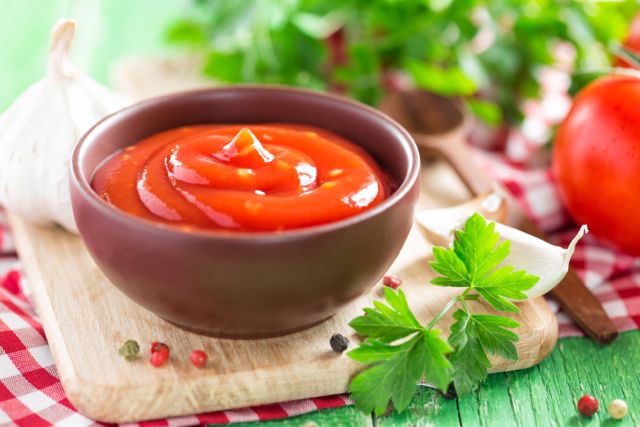
Ketchup and Sauces What makes your samosa or your pakoda tasty? No…not only the masala that goes into it but the tomato ketchup or sauce that accompanies it.
curd
To make burgers and sandwiches tastier, we use a variety of sauces or ketchup – be it tomato ketchup or mustard sauce, mayonnaise or barbecue sauce – the snacks are incomplete with it. However, at the same time, it is important to know not only which is the best but also which is the healthiest. Consumer VOICE has analyses different brands to find the best one for you!
Related
Say Goodbye to Service Charges now!

Say Goodbye to Service Charges now!

Are you worried about your restaurant bills when you plan to treat your friends for your birthday? Does high service charges stop you from going to restaurants for your family get-togethers? If that is the reason, then the recent rule of the Delhi High Court will give...

read more
Is Soya Healthy?

Is Soya Healthy?

MARKETED AS A SUPER FOOD WITH ALMOST MAGICAL PROPERTIES, SOYA PROTEIN IS FOUND IN ALMOST EVERYTHING WE EAT. HOWEVER, SOYA NEEDS TO BE CONSUMED WITH ABUNDANT CAUTION Soya has been touted as one of the wonder foods of the 20th and 21st century. The fact that Indians are...

read more
ABCs of the processed foods!

ABCs of the processed foods!

ABCs of the processed foods!

Processed foods have become a part of our lives. Experts recommend to avoid eating them in excess due to their unhealthy nutrition composition or the additives present in them. But most of the food we eat today has undergone some sort of processing and many times these processing procedures are even necessary to make the food edible. These processing measures do not alter the nutrition composition of a food product. In this article, we attempt to present the classification of processed foods and prepare a guide to differentiate between minimally processed and ultra-processed foods.

Richa Pande

All processed foods are not same. In fact, some foods must undergo primary and secondary stages of processing to make them palatable; sometimes to make them even edible too. There are three stages of food processing: primary, secondary, and tertiary. Foods prepared using primary and secondary techniques are classified as minimally processed foods.  Processing techniques including baking, freezing, grinding, removal of inedible portions, drying, heating, milling, pasteurisation, roasting, etc.  can be classified as primary and secondary food processing techniques. 

These techniques also reduce the cooking time taken to prepare a meal and make things convenient for us. Imagine the efforts we will have to put if we must deshell the nuts every time, we eat them. But unshelled nuts can become rancid easily and thus they are available in vacuum packaging, another processing step that prevent nuts from becoming rancid. They also help in prevention of spoilage and extending the shelf life of foods we consume daily. Milk packs we use daily at our homes undergo pasteurisation, a processing technique that prevents milk and other dairy products from spoiling without altering their nutritional properties. 

 Saying no to ultra-processed foods

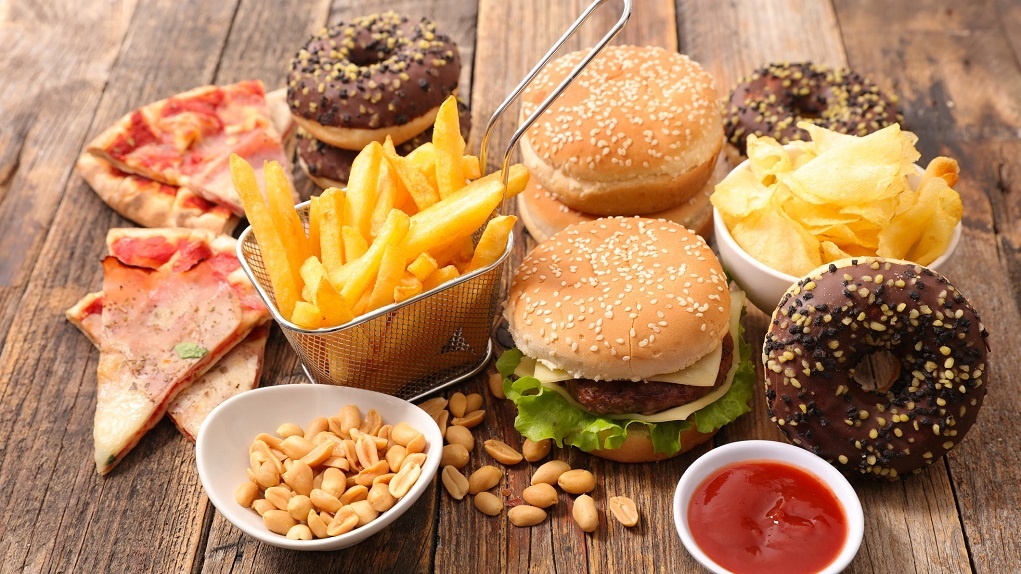
Ultra-processed foods on the other hand are typically foods with unhealthier nutrient profiles. They are either calorie dense and/ or have high fat or salt or sugar content or are high in all three of these nutrients of concern. This is the reason why ultra-processed foods are considered unhealthy. Having them regularly can increase our risk of having health concerns such as obesity, heart disease, diabetes, high blood pressure, cancer, hormonal disorders, anxiety, and depression. 

Another concern about ultra-processed foods is the food additives in them. They are added in the food to increase the shelf life of the food or to retain its appearance or enhance its taste. Usually, they are not a cause of concern as the food regulatory authorities have set limits for these additives and food manufacturers to adhere to them. But it is important to note that some food additives may have no adverse effect on an adult weighing 70 kgs could be harmful for a child weighing 20 kgs. For example, it’s okay for adults to have foods with added food colors but some of these colors have been found to increase hyperactive behaviors in children. Also, adults need to mind the portion sizes to minimise their exposure to these food additives.

Ultra-processed foods have also been found to have negative impacts on the environment. There are many ways ultra-processed foods can damage the environment. Most of the ultra-processed foods in market are available in small disposable packaging. As ultra-processed foods are easily available at low cost, their consumption is quite high worldwide. These food packaging contribute to major environmental waste production. Many UPFs contain palm oil, which is known to have both negative health and environmental effects. One of the major reasons why health and environment activists insist on reducing the consumption of ultra-processed foods is because doing so would not lead to nutritional deficiencies in humans and would have positive impacts on their health.

Keeping all this in mind, we must aim to reduce the consumption of ultra-processed food and opt for food stuff locally grown with low environmental impacts that is affordable, nutritionally adequate, and safe for our consumption.

Differentiating between minimally processed & ultra processed foods

One of the easiest ways to so is by going through the product’s ingredient list. Ultra-processed foods typically have more ingredients in them. It is one of crucial ways to identify ultra-processed foods, foods that are known to have adverse effect on our health. 

Let’s understand this with the help of an example- The pasteurised milk pack we use daily is a minimally processed food item. It is nutritious and is good for health. On the other hand, flavoured milk available in market can be classified as an ultra-processed beverage. It can have up to 18 grams of sugar added in one serving of milk with added food colours and other additives. 

Another example that can help us to understand the difference between minimally processed foods and ultra-processed foods are corn and its different forms available in the market. Foods like husked corn, frozen sweet corn kernels, and dried corn kernels are minimally processed foods. Ready-to-eat popcorns, cornflakes, and nachos are corn-based food items that can be classified as ultra-processed foods. 

 Sometimes we can make food handling choices that are relatively healthier. For instance, we can choose not to roast corn after removing the husks and steam it instead as roasting the corn will lead to acrylamide formation which isn’t good for our health. Similarly, we can choose to pop corn kernels at home with less salt and butter or oil instead of having ready-to-make popcorns bought from the market as they are loaded with fat and salt.

Look at the table below. It will help you further to differentiate between minimally processed and ultra-processed foods- 

Unprocessed

Food item 

Minimally processed Ultra-processed
Wheat Flour Cookies
Potato Baked potato French fries
Pineapple Canned pineapple Pineapple juice powder
Fresh fish Canned fish Fish nuggets
Apple Apple custard, Apple juice, Apple pie, Apple puff snacks
Corn frozen sweet corn kernels, dried corn kernels Instant popcorns, cornflakes, and nachos


By developing an understanding about minimally-processed and ultra-processed foods, we can make food choices that are relatively healthier. For instance, we can choose not to roast corn after removing the husks and steam it instead as roasting the corn will lead to acrylamide formation which isn’t good for our health. 

 Similarly, we can choose to pop corn kernels at home with less salt and butter or oil instead of having ready-to-make popcorns bought from the market as they are loaded with fat and salt. Likewise, we can opt to have a fruit or freshly prepared juice without added sugar instead of drinking sugar loaded drinks readily available in the market.

Related

Milk

Milk

Milk Milk from a glass, or milk in tea and coffee! Plain milk or flavoured or chocolate milk. A hot glass of milk or chilled milk…but ‘piyo glassful dudh.’
curd
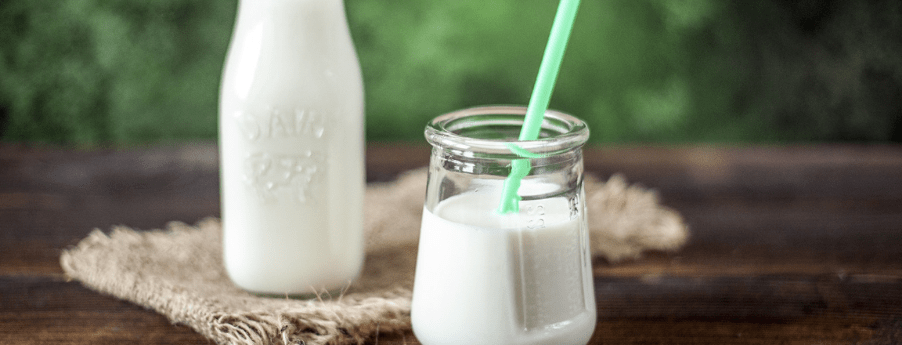
Milk is the first food that every child has. It is also probably the only wholesome food that has most of the vital nutrients and is consumed by both young and adults. It can be toned milk or full cream milk or even milk powder for your tea. So which is the best? Cow’s milk or buffalo milk?  Consumer VOICE experts will help you find your answers. From time to time it has tested various brands of milk and powdered milk to help you choose the best brand!

Reviews

Articles
There is an increase in the use of dairy whitener  in tea and coffee. Those who use them find that it dissolves easily and gives your tea a very great whitening ability and it also has the ability to lighten the coffee to produce a smoother, milder and mellower drink.
Flavoured milk is a ready-to- drink product, produced from milk, sugar and natural flavours (such as banana, pineapple, orange or chocolate). Milk is a good source of nutrition and this product is a healthy option for children and adults alike.
Related
Say Goodbye to Service Charges now!

Say Goodbye to Service Charges now!

Are you worried about your restaurant bills when you plan to treat your friends for your birthday? Does high service charges stop you from going to restaurants for your family get-togethers? If that is the reason, then the recent rule of the Delhi High Court will give...

read more
Is Soya Healthy?

Is Soya Healthy?

MARKETED AS A SUPER FOOD WITH ALMOST MAGICAL PROPERTIES, SOYA PROTEIN IS FOUND IN ALMOST EVERYTHING WE EAT. HOWEVER, SOYA NEEDS TO BE CONSUMED WITH ABUNDANT CAUTION Soya has been touted as one of the wonder foods of the 20th and 21st century. The fact that Indians are...

read more
Enquire Now

    X
    Enquire Now