No Results Found
The page you requested could not be found. Try refining your search, or use the navigation above to locate the post.


There are over 100 types of cancers which can affect human beings. Any part of a body can be affected at any time and without any warning signals. The incidence of cancer is on the rise in India. National Cancer Institute AIIMS projects that India is likely to have over 17.3 lakh new cases of cancer and over 8.8 lakh deaths due to the disease by 2020 with cancers of breast, lung and cervix topping the list. Another study (ascopubs.org) the projected incidence of patients with cancer in India among males was 679,421 (94.1 per 100,000) and among females 712,758 (103.6 per 100,000) for the year 2020. One in 68 males (lung cancer), 1 in 29 females (breast cancer), and 1 in 9 Indians will develop cancer during their lifetime (0-74 years of age). The projected 5 most common cancers in 2020 for males (lung, mouth, prostate, tongue, and stomach) constitute 36% of all cancers and for females (breast, cervix uteri, ovary, corpus uteri, and lung) constitute 53% of all cancers. A 2012 WHO report has indicated that India has the largest number of cancer-afflicted patients globally after the USA and China. Studies underline that 70-90 per cent of all cancers are due to lifestyle changes and environmental factors, and not genetics, as presumed by people in general.
Typically, there are four stages of cancer: carcinoma in situ (CIS), early stage, major stage and critical stage. As far as payouts are concerned, insurers normally treat the first two stages in the same way and the last two similarly.
Related
The page you requested could not be found. Try refining your search, or use the navigation above to locate the post.
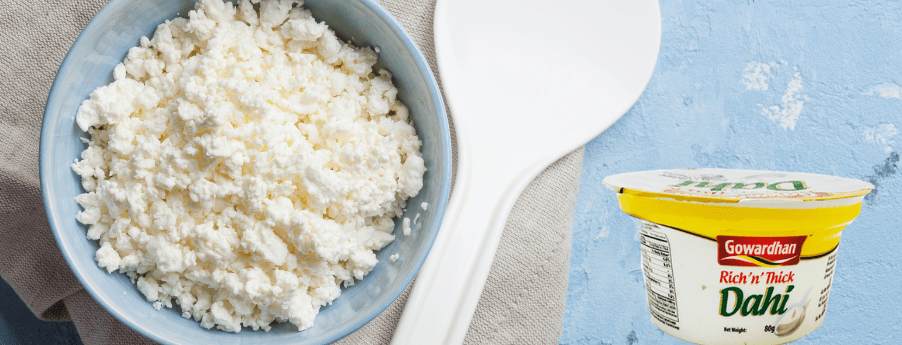
Curd
Curd or dahi has been in human consumption since ancient times in India. Health benefits of curd cannot be undermined – but remember to have only the healthiest and the safest ones.
With parathas or simply curd rice in a hot Indian summer can melt your heart and soothe your soul. Consumer VOICE has been testing various food items including curd in government approved labs to help you choose the healthiest brand of curd for your family. Simply sit back and relax while we do the testing for you!
Articles
The curd is one of the Indian superfoods that’s gaining a lot of global attention these days.
Summers are possibly the worst time of the year for your digestion and gut health.
We all grew up hearing from our parents and grandparents about how excellent curd is for health. Well, it seems that our elders were right.
Most of us assumed that curd and yogurt were two different names of the same thing. This is not the case. Curd has specific properties that make it unique and so does yogurt.
Related
The page you requested could not be found. Try refining your search, or use the navigation above to locate the post.
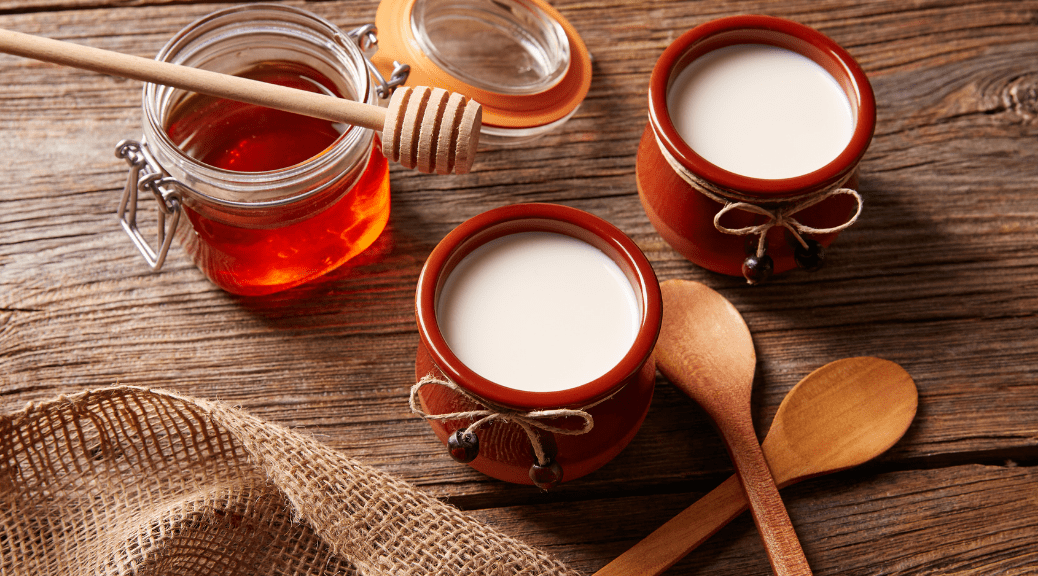
In India, having curd before an exam or an interview is considered auspicious. Curd is a staple in most of the households in India. We eat it with hot parathas, as sweet lassi or as cooling chaas. There is no denying the fact that Dahi is a health food. It is loaded with nutrition and amazing health benefits. It is rich in phosphorous and calcium and makes teeth and bones stronger. It also helps in building our immunity. But one needs to evaluate the quality of the product before buying curd from the market. Beware before you get hold of that packet. Consumer VOICE tested 11 plain curd and 2 probiotic curds, we found the lead level was not below the acceptable level in one of the tested brands. So, while any number of health benefits are attributed to good old curd, it is good to be aware of the parameters with which to assess the quality, safety, and acceptability of the ones we choose to consume.
The brands which were tested included Ananda, Paras, Britannia, Amul Masti, Mother Dairy Classic, Gowardhan Rich and Thick, Nestle Nourish, Patanjali, Vita, Nova and Madhusudhan. Mother Dairy Advanced Probiotic and Nestle Actiplus Probiotic were also part of the tests. They were tested for lead, cholesterol, fat, carbohydrates and saturated fat content among others. The other important contamination that all the brands were tested for was that of microbiological contamination. Microbiological contamination is a very serious issue for milk products. Due to improper or poor hygienic condition during the manufacturing process, microorganisms may occur in the finished product which might result in food-borne diseases.
To get the full report of the test, grab a latest copy of Consumer VOICE Magazine.
Related
The page you requested could not be found. Try refining your search, or use the navigation above to locate the post.
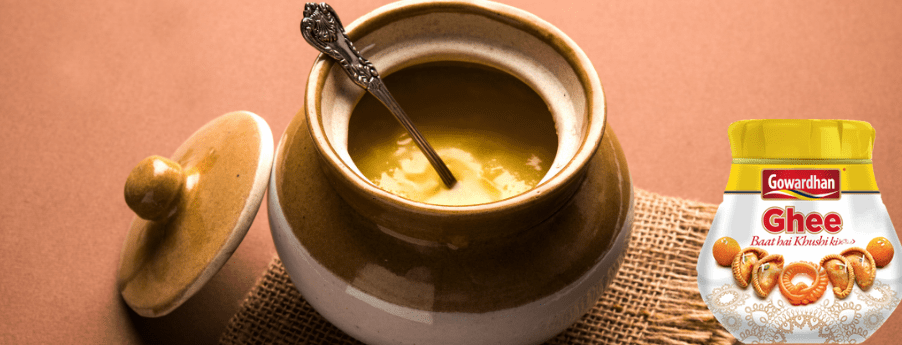
Ghee
A spoonful of ghee is all that you need for good food, good health and strong immunity.
Ghee has been in almost all Indian kitchens since time immemorial. Whether it is home made or brought from the market, a spoonful of ghee is a must in dal, parathas and even some curries. But with the market flooded with several brands of ghee, which is the best one is often confusing. Whether to opt for desi ghee or cow ghee or organic and what to look out for is an important question. Consumer VOICE tests all brands of ghee to help you choose the best.
Articles
With a fascinating history that spans through the ages, ghee goes beyond a mere addition to our plates—it demands our attention as discerning consumers.
Vanaspati is an industrial product and formed by partial hydrogenation of refined edible vegetable oil or oils.
Ghee is a clarified type of butter, meaning that it has been simmered into a concentrate and the residue has been removed.
Related
The page you requested could not be found. Try refining your search, or use the navigation above to locate the post.
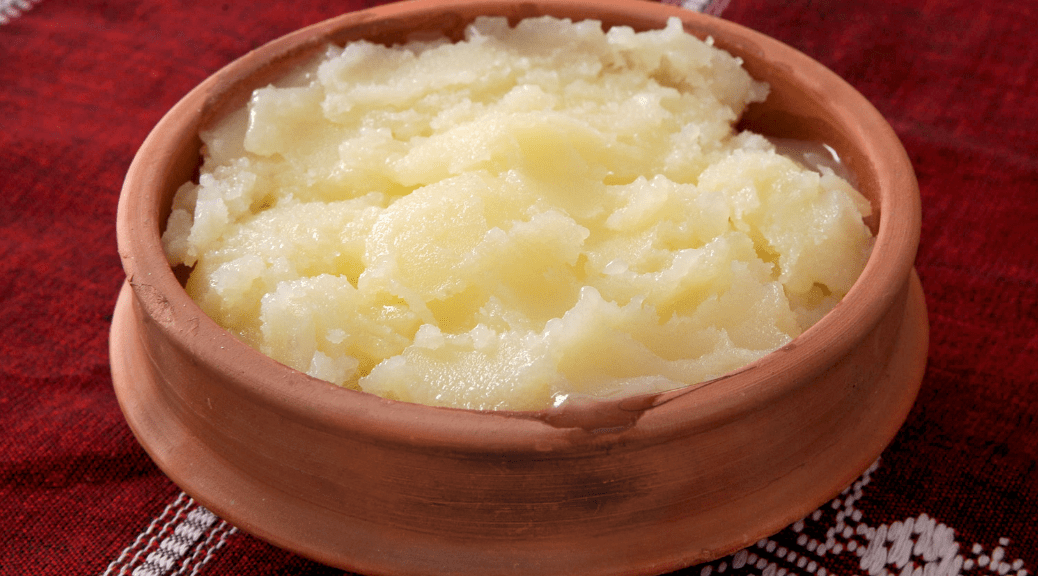
Also known as clarified butter, desi ghee is almost an inevitable ingredient in Indian households. Ghee is brushed generously over rotis and parathas, poured on rice and pualo and even used in dal and other vegetables. A jar of desi ghee is almost a must in the kitchen. But which is the best one? Which brand of desi ghee will give you more value? Consumer VOICE has made the task easier by evaluating top 12 brands of desi ghee and identifying the best one for you.
Ghee is said to have some anti-cancer properties and also an important carrier of fat soluble vitamins (A, D, E, K) and essential fatty-acids. Ghee is believed to be capable of increasing mental power, physical appearance, curative of ulcers and eye diseases. However, ghee is ultimately a form of fat, so moderate use of ghee is always recommended.
The prime objective behind carrying out the comparative study was to assess and evaluate the popular brands of desi ghee available in the market as per the relevant national standard. All the tested brands were evaluated and graded as per their overall performance based on the comprehensive lab test reports. The brands were being tested on various quality, safety and acceptability parameters.
The key parameters for which the ghee brands were tested included milk fat, R M value, BR Reading, Moisture, Per oxide value, Free fatty acid, vitamins A and saturated fat, PUFA, MUFA, cholesterol and trans fat. We also carried out a series of tests to check for adulteration (with vanaspati, animal fats, etc.).
Physical observations on the 12 samples were made by laboratory scientists, checking for colour and texture and whether they were free from sediment and objectionable flavour.
The brands which were tested in government approved labs include Anik, Paras, Milkfood, Madhusudhan, Fresh & Pure, Nestle, Mother Dairy, Verka, Amul, Heritage, Ananda and Britannia. They were tested based on parameters like Trans fats, Saturated fats, Cholesterol, Vitamin A, and Milk Fat among others. Though all brands have met the standard requirement and are safe for consumption, yet to know the best, get the latest copy of Consumer VOICE Magazine.
Related
The page you requested could not be found. Try refining your search, or use the navigation above to locate the post.