No Results Found
The page you requested could not be found. Try refining your search, or use the navigation above to locate the post.


Golden, light and healthy-sunflower oil is naturally extracted from sunflower seeds and bears a subtle taste. The oils are refined through different processes such as express and solvent refined to make them edible. The Indian Standard (IS 4277:2014) though prescribes different grades of the oil, however, both expressed and refined grade of solvent extracted are recommended for edible purposes. To make the buying decision simpler for consumers, our team had tested 12 sunflower oils brands and ranked them as per the test results.
A Consumer Voice Report
Each brand was evaluated on quality and purity parameters including fatty acid composition, saturated fatty acids, MUFA, PUFA, trans fats, moisture and insoluble impurities, refractive index, acid value, saponification value, unsaponifiable matter among others.
The tests were conducted at an NABL-accredited laboratory and as per requirements specified in the Food Safety and Standards (FSS) Regulations and Indian Standard IS: 4277-2014 as well as nutritional declarations. Following 12 refined sunflower oil brands packed in 1 litre poly pack were tested. Among the following brands, few brands are regional and have sizable market share in the region. The table below shows which sunflower oil scored highest and in what parameters:
|
Rank |
Total Score Out of 100 (rounded off) |
Brands |
Quantity |
MRP, Rs, |
Best Before, Months |
Manufacturer/ marketer |
|
1 |
93 |
Gemini |
1L (910 gm) |
140 |
9 |
Cargill India Pvt. Ltd. |
|
1 |
93 |
Emami |
1L (910 gm) |
115 |
9 |
Emami Agrotech Limited |
|
2 |
91 |
Dhara |
1L (910 gm) |
115 |
9 |
Mother Dairy Fruit & Vegetable Pvt. Ltd. |
|
2 |
91 |
Fortune |
1L (910 gm) |
125 |
9 |
Adani Wilmar Ltd. |
|
2 |
91 |
Dalda |
1L (910 gm) |
115 |
9 |
Bunge India Pvt. Ltd. |
|
3 |
90 |
Gold Winner |
1L (910 gm) |
104 |
6 |
Kaleesuwari Refinery Private Limited |
|
3 |
90 |
Fresh & Pure |
1L (910 gm) |
120 |
9 |
Future Consumer Limited |
|
3 |
90 |
Freedom |
1L (910 gm) |
105 |
6 |
Gemini Edible & Fats India Pvt. Ltd. |
|
3 |
90 |
Nature Fresh |
1L (910 gm) |
130 |
9 |
Cargill India Pvt. Ltd. |
|
4 |
89 |
Patanjali |
1L (910 gm) |
105 |
9 |
Patanjali Ayurved Limited |
|
5 |
86 |
Sweeker |
1L (910 gm) |
132 |
9 |
Cargill India Pvt. Ltd., |
|
5 |
86 |
Sundrop |
1L (910 gm) |
195 |
9 |
Agro Tech Foods Ltd. |
Note: All the brands claim to be fortified with Vitamin A, D and E. Brand Dalda is imported refined sunflower Oil.
• Based on the overall test findings, brands Gemini and Emami secured number one position followed by Dhara, Fortune and Dalda.
• Emami is value for money brand.
• Saturated fats was found lowest in Gemini and Emami.
• In MUFA (healthy fats), Dhara and Sweekar scored highest and Sundrop the lowest.
• In PUFA, (that helps to reduce bad cholesterol), Emami scored highest and Sweekar the lowest.
• All the brands had met the standard requirements and thus found safe for consumption.
• Most of the brands had high difference in their MRP and our purchased price.
• MRP of one litre sunflower oil was between Rs.104 to 195.
• None of the tested brand was found adulterated with cheap oil.
Fatty Acid Composition | Saturated Fatty Acids| MUFA | PUFA | Trans Fat | Moisture and Insoluble Impurities | Refractive Index | Acid Value| Saponification Value | Unsaponifiable Matter | Iodine Value | Flash Point | Specific Gravity | Per Oxide Value | Argemone Oil | Mineral Oil | Hexane| Packing | Marking | Description | Net Quantity
The oil extracted from the seeds of sunflowers is known as sunflower oil. It has a high quantity of vitamin E, in the form of alpha-tocopherol, which makes it excellent for being used in cooking. It has a high smoking point, which means that sunflower oil holds on to its nutritional content at higher temperatures.
As a form of cooking and frying oil, the high linoleic acid content in sunflower oil is considered to be a desirable constituent. Of course, the linoleic acid also leads to storage problems due to oxidation resulting in off-flavours and rancidity.
Look for the high oleic variety of sunflower oil for deep-frying. High oleic oil is high in monounsaturated fats (MUFA) and has no harmful trans-fat.
|
Brand Parameter |
Wt. % |
Gemini |
Emami |
Dhara |
Fortune |
Dalda |
|
MRP per litre, Rs. |
|
140 |
115 |
115 |
125 |
115 |
|
Moisture & Insol. impurities |
5 |
4.40 |
4.40 |
4.60 |
4.60 |
4.60 |
|
Saponification value |
7 |
6.68 |
6.89 |
6.36 |
6.42 |
5.74 |
|
Acid value |
6 |
6.00 |
5.10 |
5.70 |
5.70 |
5.70 |
|
Iodine value |
7 |
6.89 |
6.95 |
6.10 |
6.42 |
6.60 |
|
Unsaponifiable matter |
7 |
6.16 |
6.58 |
6.02 |
6.30 |
6.86 |
|
Refractive Index |
7 |
6.38 |
6.33 |
6.44 |
6.28 |
6.44 |
|
Flash point |
5 |
4.84 |
4.84 |
4.88 |
4.80 |
4.90 |
|
Specific gravity |
5 |
4.20 |
4.28 |
4.44 |
4.92 |
3.40 |
|
Per oxide value |
5 |
4.88 |
4.43 |
4.58 |
4.41 |
4.35 |
|
Saturated fatty acid |
7 |
6.38 |
6.33 |
6.16 |
4.45 |
5.32 |
|
MUFA |
10 |
9.72 |
9.64 |
10.0 |
9.47 |
9.82 |
|
PUFA |
8 |
5.87 |
6.51 |
5.14 |
6.33 |
5.84 |
◆ Fatty Acid Composition
All edible oils have virtually the same fat content but the proportion of different types of fatty acids vary from one type of oil to another. There are unsaturated and saturated fats.
Unsaturated fats are of two kinds MUFA and PUFA. MUFAs lower the bad cholesterol level (LDL) in the blood and increase the good cholesterol (HDL). All the brands were tested for fatty acid composition as per requirement of FSSAI and found within the specified limits. The results of acids detected are given below:
◆ Saturated Fatty Acids
Eating foods that contain saturated fats raises the cholesterol level. Saturated fats raise the HDL cholesterol and change LDL from small, dense (bad) to large LDL. Saturated fat was highest in Sweekar and lowest was in Gemini and Emami.
◆ MUFA (Monounsaturated Fatty Acids)
MUFAs are a healthy type of fat. MUFA and PUFA as per the dietary recommendation helps in biochemical processes associated with nerves, brains,heart, digestion, and cell maintenance. Sunflower oil contains as much as 85 per cent MUFA.MUFAs lower the level of bad cholesterol (LDL) and raise the good cholesterol (HDL). In our test, we found MUFA was highest in Dhara , Sweekar and the lowest in Sundrop.
◆ PUFA (Polyunsaturated Fatty Acids)
PUFA helps reducing bad cholesterol levels thereby lowering heart disease and related diseases. The sources of PUFA include walnuts, sunflower seeds, sesame seeds, peanut butter and peanuts, flaxseed, poppy seed and oil of avocado, olive and sunflower. PUFA was highest in Emami and the lowest we found in Sweekar.
◆ Trans Fat
Just like saturated fats, trans fat also raise the level of bad cholesterol. Trans fat was not detected in any brand of sunflower oil.
◆ Moisture and insoluble impurities
Moisture and insoluble impurities of refined oil shall not be more than 0.1% as per BIS standard. The sunflower oil should be free from any kind of impurities which are insoluble in oil. All the evaluated sunflower oil brands had met the requirement.
|
Gold Winner |
Fresh & Pure |
Freedom |
Nature Fresh |
Patanjali |
Sundrop |
Sweekar |
|
104 |
120 |
105 |
130/95 |
105 |
195 |
132 |
|
4.40 |
4.60 |
4.60 |
4.20 |
4.40 |
4.40 |
4.20 |
|
6.95 |
6.54 |
6.42 |
5.99 |
6.26 |
6.83 |
6.65 |
|
5.10 |
5.70 |
5.70 |
5.10 |
5.70 |
5.70 |
5.70 |
|
6.82 |
6.40 |
6.63 |
6.79 |
6.63 |
6.31 |
6.39 |
|
6.30 |
6.16 |
6.65 |
6.72 |
6.44 |
5.60 |
6.02 |
|
6.28 |
6.50 |
6.33 |
6.38 |
6.38 |
6.44 |
6.38 |
|
4.90 |
4.86 |
4.86 |
4.78 |
4.82 |
4.78 |
4.80 |
|
3.88 |
2.84 |
4.28 |
3.80 |
3.32 |
3.64 |
3.48 |
|
4.72 |
4.40 |
5.00 |
3.43 |
4.95 |
3.91 |
3.32 |
|
4.54 |
5.35 |
3.50 |
5.68 |
3.92 |
5.18 |
3.33 |
|
9.72 |
9.51 |
9.96 |
9.59 |
9.52 |
6.03 |
10.0 |
|
5.85 |
6.50 |
5.08 |
6.43 |
6.08 |
6.21 |
4.81 |
◆ Refractive Index
Refractive index of oil is used to detect rancidity in edible oil. It should be in range of 1.4640-1.4691at 40°C, however for imported oil, it should be between 1.461-1.468. All the brands were within the specified limit. However, brand Fresh & Pure scored highest in this parameter.
◆ Acid Value
According to BIS standard requirements, the acid value should be 0.5 maximum. However, FSS regulation says the acid value level should be at 6.0 maximum. For imported products, the level should be at 4.0 maximum. Acid value indicates the proportion of free fatty acid present in oil. High acid value indicates stale oil stored under improper condition. The acid value of all the brands was found within the limit and Gemini scored highest in this parameter.
◆ Saponification Value
Saponification value helps to detect the presence of other oils/fats. Saponification value of sunflower oil should be between188–194. All the brands were found within the limit and Gold Winner scored highest in this parameter.
◆ Unsaponifiable Matter
Unsaponifiable matter includes those substances which cannot be saponified by caustic treatment, but which are soluble in the normal fat solvents. Unsaponifiable matter should not be more than 1.5 per cent in sunflower oil. All the tested sunflower oil brands were found within the limit. Dalda scored highest in this parameter.
◆ Iodine Value
The iodine value for edible oils is a measure of the un-saturation of fats and oils. Iodine value for sunflower oil should be between 100–145. For imported oil, iodine value should be in the range of118-141. All the tested brands were found within the specified limit in this parameter. Emami scored highest in this parameter.
◆ Flash Point
The flash point of a volatile material is the lowest temperature at which it can vaporize to form an ignitable mixture in air. At the flash point, the vapor may cease to burn when the source of ignition is removed. It shall not be less than 250 o C. Flash point of all the brands was found well above the specified limit. Dalda scored highest in this parameter.
◆ Specific Gravity
Specific gravity of edible oils should be less than 1.00 as they are insoluble in water. In our test, we found, the specific gravity of all the tested sunflower oils was in the range of 0.9145-0.9182. Fortune scored highest in this parameter.
◆ Per Oxide Value
Peroxide value is the most commonly used assay for measuring the state of oxidation in fats and oils. As per the national standard, per oxide value can be maximum at10 meq/kg. Here, all the brands were found within the specified limit. Freedom scored highest in this parameter.
◆ Argemone Oil
Argemone oil is very toxic and may cause eye disease leading to blindness. Regular consumption of it may also cause disease called epidemic dropsy, resembling wet beriberi. Hence, Argemone needs to be absent in sunflower oil. In the evaluation process, we did not find Argemone oil present in any sunflower oil brand.
◆ Mineral Oil
A mineral oil or paraffin oil is any of the various colorless, odorless, light mixtures of higher alkanes which should be absent in edible oils. As we tested the oils on this parameter, we found all the brands were free from this substance. Additionally, no adulteration with cheap oils was detected in any brand.
◆ Hexane
Hexane is used to extract cooking oils from seeds, for cleansing and degreasing a variety of items. It should not be more than 5 ppm. In our test, Hexane was not detected in any brands up to the detection limit of 1.0 ppm.
◆ Packing
As per the standard, the packing of the sunflower oil should be done with food grade packing material. Also, the packing should not affect the oil properties and maintain the shelf life of the product. The tested sunflower oil brands were packed in 1 litter poly pack.
◆ Marking
The labeling information should be clearly and indelibly marked in English or Hindi on the containers:
a) name and trade-mark, type and grade of oil,
b) batch number, month and year of manufacturer,
c) free from argemone oil,
d) nutritional information,
e) best before,
f) net quantity,
g) standard mark if any
h) green dot mark
i) customer care details
j) FSSAI license number
k) MRP. All the brands have given necessary information on their labels.
◆ Description
All the brands were clear and free from rancidity, suspended or other foreign matter, separated water, added colouring or flavouring substances.
◆ Net quantity
According to legal metrology (packaged commodity) rules for 1000-10000 ml tolerance allowed is 1.5 per cent. All the brands were found above the declared quantity.
◆ Conclusion
All the tested brands fulfilled the minimum requirements and can be considered safe for human consumption. Keeping in view the evaluation of test results and overall grading, it can be concluded that most of the brands qualify to be in very good category and can be considered as a safe cooking medium.
The declared shelf life of all tested brands is in the range of 6 to 9 months. Where the shelf life is six months, there is all the more need for the consumer to be aware, particularly if they are buying the large pack of five litres or higher capacity. They must ensure that the oil remains stable within the consumption period.
The only way to ensure that you consume healthy oil is by switching between two-three of them – for instance, by using groundnut oil one month and then using sunflower oil/mustard oil in another. Any single oil alone is not preferred.
Blending oils is another option, whereby you take equal proportions of different oils in one container and then use it. This way you do not get prolonged exposure to the side effects of one type of oil and also get the benefits of different oils.
You could also have two or more different kinds of oils in your kitchen which you could use for different purposes. For example, you could use olive oil for salads, groundnut/rice bran oil for frying, and mustard/soybean/sunflower oil for other cooking purposes. This will let you avail of the health benefits offered by each oil brand.
| Monounsaturated | Polyunsaturated | Saturated | Trans |
| Good Fat | Good Fat | Bad Fat | Bad Fat |
| Reduces bad cholesterol (LDL) levels and increases good | Reduces bad cholesterol (LDL) levels | Increases overall cholesterol levels, especially bad cholesterol | Increases the bad cholesterol (LDL) level and decreases good |
| cholesterol (HDL) levels | cholesterol (HDL) levels | ||
| Found in nuts and seeds, avocados, olive oil and canola oil | Found in fatty fish such as salmon, mackerel, trout and sardines, and also in corn, safflower, sunflower and soybean oils |
Found in animal-based foods such as meat, poultry and eggs, and also in butter, cream and other dairy products Also found in plant-based products such as coconut, coconut oil, palm oil and palm kernel oil, and cocoa butter |
Found in hydrogenated fat products such as margarines and vegetable shortenings Used in packaged snack foods such as cookies, crackers and chips, and in fried foods |
Related
The page you requested could not be found. Try refining your search, or use the navigation above to locate the post.
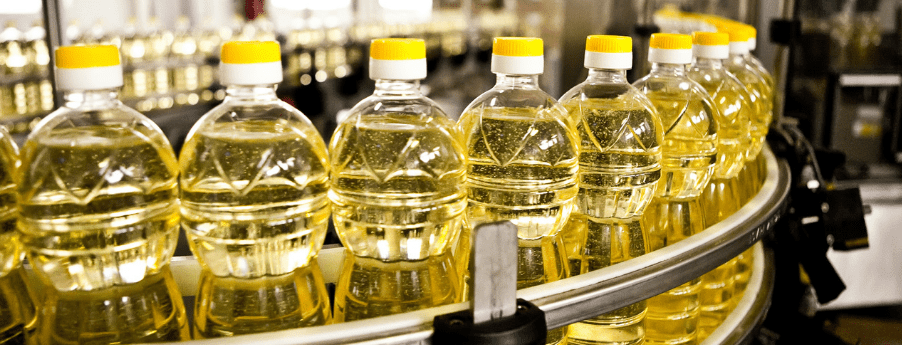
Edible Oils
‘Good oil like good wine is a gift form the gods’ – George Ellwanger
Groundnut oil, sunflower oil, mustard oil, canola oil, rice bran oil, olive oil…the list is endless so are the brands. Oil is almost a must for all dishes but it is a very tricky ingredient. Too little or too less can make or break your dish. Choosing the best oil and also keeping its benefits in mind is a difficult task. Consumer VOICE experts have done it for you.
Articles
The page you requested could not be found. Try refining your search, or use the navigation above to locate the post.
Related
The page you requested could not be found. Try refining your search, or use the navigation above to locate the post.
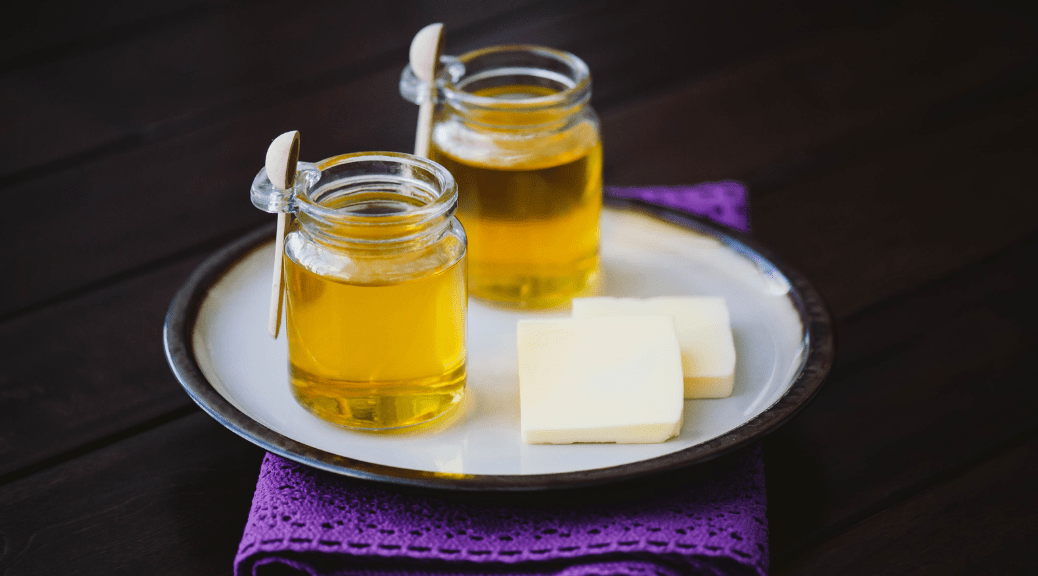
Ghee is a clarified type of butter, meaning that it has been simmered into a concentrate and the residue has been removed. What remains is basically a pure combination of fats, without any milk residue, which means that it does not need to be refrigerated. We understand what is Ghee made up of, the difference between Vitamin A and Beta-carotene and its numerous benefits. For example-great skin health, thick hair growth to boosting our immune system and weight gain.
Due to variation in its composition from region to region and season to season, depending on the type of animal and the feed given, the establishment of its purity often involves elaborate analysis, as well as tests for it’s keeping quality. Let’s understand the physical properties of Ghee.
Physical observations on the 14 desi ghee and cow ghee samples were made by Consumer VOICE experts, checking for colour and texture and whether they were free from sediment and objectionable flavour. Check the results for Desi Ghee and Cow Ghee.
Ghee is a carrier of the fat-soluble vitamins A, D, E and K, which our body needs in very small quantities but cannot make for itself. These vitamins perform many essential functions. Similarly, the essential fatty acids, which cannot be synthesised in our body, are also supplied by ghee.
The human body converts beta-carotene into vitamin A (retinol) – beta-carotene is a precursor of vitamin A.
Beta-carotene is a yellow/orange pigment found mostly in fruits and vegetables, especially carrot, mango, papaya, orange, apricot, melon, tomato, pumpkin and spinach. For beta carotene, the recommended dietary allowance (RDA) for an adult is 4,800 milligrams/day.
It is found in Ghee as well and it comes from the cows’ diet, which consists mostly of dried grass, grass, grains and cereals.
The amount of beta-carotene in cow ghee depends on a few factors including cow’s breed; cow feed (grass-fed dairy produce contain more beta-carotene than cows that are fed grains); the season of the year; and the biological makeup of milk throughout the lactation period. This is of great benefit to our bodies.
Here are some of the key health benefits of Vitamin A and Beta carotene supplements:
Cow Ghee Health Benefits
Ghee is termed as a ‘superfood’ because of its numerous benefits. Let’s take a closer look at this ancient butter substitute to see what it really contributes to human health.
For athletes or other people with active, high-energy lifestyles, ghee can provide the necessary burst of energy that you might need to get through a challenging day.
Since ghee is dairy-free, lactose intolerant individuals or those who cannot consume butter are free to enjoy the flavorful treat of “butter” in the form of ghee.
Although most people associate butter with fat and a decline in heart health, the rich variety of fats in ghee can provide a healthy boost to the heart. Omega-3 fatty acids can help decrease your levels of unhealthy cholesterol and provide an energetic balance to your fat intake.
Ghee possesses butyric acid, which is one of the most beneficial short-chain fatty acids that the body needs. Butyric acid has been shown, in recent research, to actually decrease inflammation in parts of the body, particularly in the gastrointestinal tract, and has been used in traditional medicine for treating inflammation of all kinds.
Ghee helps moisturising the skin, hydrating the skin and brightening. Also known to slow down skin raging; massage into skin daily for results.
It has great benefit on your hair – stimulates hair growth( used to massage your scalp) , it helps reduce split ends and conditions your hair ; shampooing your hair can lead to shiny tresses.
All of the benefits mentioned above make ghee sound like an ideal substitute for butter; however, ghee is made purely of fat, so excessive consumption of ghee can dramatically change your fat intake. Be careful about your ghee intake.
Related
The page you requested could not be found. Try refining your search, or use the navigation above to locate the post.

Whenever a doctor cannot do good, he must be kept from doing harm.
~ Hippocrates
In August this year, Andhra Pradesh State Consumer Disputes Redressal Commission had warned doctors and hospitals to not share patient information with anyone unless required by a court of law. Warning of legal consequences if they acted contrary to this, the commission had also stated that ‘maintaining confidentiality of a patient’s medical aspects is absolutely necessary and that it is not only part of a doctor’s professional conduct, but also a Constitutional obligation.’ Let’s look at some of the cases that brought this contentious subject into the spotlight.
– Dr Prem Lata, Consumer Awakening
Former Member, CDRF-Delhi
The case in question was against State Bank of India (SBI) wherein the latter had rejected a request of settling a loan against policy claim. The judgement was arrived at on the basis of ‘unethically obtained’ medical information by SBI.
A two-member bench comprising Justice Noushad Ali (president) and P Mutyala Naidu had allowed the claim of G Vijaya Kumari of Vijayawada against SBI Life Insurance Company. The bench observed: “It is trite to note that of late, almost every doctor/hospital is observing a professional obligation and the mandate of Constitution with impunity. They are sharing medical records of patients routinely with insurance companies, without realising consequences.”
G Vijaya Kumari had filed a case against SBI Life Insurance Company as they had rejected her request for settlement of a home loan (from SBI itself) through the insurance claim that was due to her after her husband’s demise. The insurance company had rejected her claim on the basis of investigation wherein they claimed to have found out that the applicant had ‘suppressed material information’ at the time of obtaining the life-insurance policy.
Kumari’s husband Seshagiri Rao had borrowed Rs 22 lakh as housing loan from SBI and covered the loan with the same bank’s insurance policy. He had also mortgaged his property. Later, Rao was diagnosed with cancer and died. Distressed, his wife pleaded with the bank to settle the loan against the insurance claim and return the pledged property papers to her. However, her claim was rejected by the company on the grounds that Rao had not disclosed true facts while buying the insurance policy.
It is interesting to note that the insurance company, despite maintaining in its records that Rao had suppressed material information, had issued a certificate of good health to him and approved the insurance policy.
After thoroughly studying the case and hearing all the parties, the state commission observed that while selling policies the insurance companies did not really care as to whether or not the intending purchaser was eligible for the policy – whether he or she was concealing ‘material information’, as was being contended in this case. Instead, they surpassed basic rules, lured customers through advertising and agents to meet sales targets. When it came to settlement, they would look for every possible excuse to dismiss the same. The bench pointed out that the insurance companies invariably engaged their so-called investigators, who in turn approached doctors/hospitals for records. “These doctors/hospitals are obliging to them as a matter of course. The present case is one such instance,” the bench said.
It its final judgement, the commission not just directed SBI to settle the loan against the policy claim and return the pledged property documents, but also asked the bank to compensate Kumari with one lakh rupees and pay Rs 25,000 towards the cost of litigation. The commission also reprimanded doctors/hospitals for sharing patients’ personal information with commercial establishments and asked them all to adhere to the regulations of Medical Council of India (MCI).
An interesting case was decided by the National Consumer Forum in February this year. Life Insurance Corporation of India (LIC) had rejected a claim requested by the kin of PR Sumanagala post his death, on the basis of his medical records and a medical attendant’s certificate.
LIC rejected the claim stating that “the insured was a diabetic patient for the past 15 years and was undergoing irregular treatment.” To justify their claim, the company produced a discharge summary and the treatment records supplied by the Holy Ghost Mission Hospital where Sumanagala had died. They also produced a medical attendant’s certificate that confirmed acute renal failure as secondary cause of death and long-standing diabetes as the primary cause. On the other hand, Sumanagala’s wife continued to insist that her husband was totally healthy when he had taken the policy and that they learnt about his condition only after he was admitted to the hospital.
Interestingly, the company could not produce any evidence – treatment records, doctor’s statement, prescription or diagnosis – that could prove that the insured was getting treatment (even if irregular) for diabetes prior to his admission at the hospital. They could not counter the fact that kidney failure could be due to many reasons and that it was not possible to diagnose the time when kidney deterioration might have started.
All allegations by the insurance company were later proved wrong when the attorney cross-examined the doctor who had signed the medical attendant’s certificate. He accepted that he had not treated the patient and it was recorded that he was diabetic on the basis of symptoms of the patient. He also admitted that kidney failure could be due to many causes other than diabetes – there was no test available to determine the duration of diabetes. In fact, the old health records of Sumanagala that were obtained from a government medical college did not mention anything about him being a diabetes or hypertensive patient.
Announcing the final verdict, the commission reprimanded the insurance company and asked it to settle the claim.
Reiterating the above judgement in another case wherein Life Insurance Corporation had been sued by Dr PS Aggarwal, the Supreme Court had stated: “The onus to prove that there was material concealment of any disease, which directly proved fatal, was on the insurance company. In addition to above, the petitioner was supposed to prove that at the time of taking policy the person who gave the information knew about such a disease and he withheld it with an intention to defraud the insurance company.”
Likewise, in the case of Life Insurance Corporation versus Asha Goel, the National Commission had stated that “the burden of proving that the insured had made false representations or had suppressed material facts is on the Corporation.”
Stating the position of law, the National Commission explained that ‘exclusion clause’ could be applied by the court if insurer could prove the case of ‘pre-existing disease’. For that, the insurer must justify three elements:
(a) the policyholder suppressed facts which were material to disclose;
(b) the suppression must be fraudulently made by the policyholder; and
(c) the policyholder must have known at the time of making the statement that it was false or that it suppressed facts which it was material to disclose.
One must note here that Pollock and Mulla’s Indian Contract and Specific Relief Acts states that “any fact the knowledge or ignorance of which would materially influence an insurer in making the contract or in estimating the degree and character of risks in fixing the rate of premium is a material fact.”
Although the above judgements and interventions are encouraging and have favoured distressed consumers, one should always be conscious when buying insurance and avoid any possibility of dismissal of insurance claim, by filling in correct details about health, history of illnesses in the family, and occupation and income.
Details of health: Insurance proposers tend to avoid filling in details regarding health conditions fearing that information on any ailment may result in the insurer rejecting the contract or asking for a higher premium. It must be understood that insurance companies do not deny any scope for insurance to those afflicted with specific diseases or health troubles.
History of illnesses in the family: Details of correct age along with health details of family members are important owing to the hereditary nature of certain diseases. Two or more people in the family succumbing to some specific illness that may be genetic in nature or exhibiting suicidal tendencies indicates a higher risk of death of those insured, and hence attract higher premiums.
Occupation and income: The maximum life cover allowed by any insurance company depends on the level of income, thus requiring the insured to provide right details of his/her income. Authenticity of income details may be determined by submission of last pay slip along with the income tax return (ITR) filed. For those employed in risky occupations including aviation, army, police, defence services or mining jobs, giving information about the nature of job is especially important as the underwriting criteria decided by the insurer require an added load to the premium paid.
Taking a life-insurance policy is a way to show your loved ones that you care. Since the process involves underwriting a legal contract, it is necessary that extreme caution is taken while filling out the form. This will ensure timely and complete payment of the claim to the nominee.
Related
The page you requested could not be found. Try refining your search, or use the navigation above to locate the post.

Students and parents of students who are going abroad often wonder how to find health insurance for international student travel. If you are also worried about this, then you should read on. Here are a few simple steps you can follow to pick the best possible insurance option that works for a student when he or she really needs help.
When seeking the answer to how to find health insurance for international student travel, your first step should be the school of the student. If a student is sent for international education by a domestic school, the school might offer health insurance advice too. Similarly, if a student is enrolling in a school or college situated abroad, make sure that the student gets advice on health insurance from the prospective school or college.
Though there are tons of companies that provide health insurance for international student travel, you should pick a company that has a good reputation and has been there since long. It will ensure that the company representatives will be there to assist a student if he/she needs their help. Also, make sure that the company has a local office near the student’s college, school, university or international address to get quick query resolution. Also, make sure that you choose a company that has a 24-hour support center.
Compare plans offered by two or more insurance providers to make sure that you make a right decision. It is essential that the insurance offers coverage for new illness or injuries, emergency doctor visits, lab orders and emergency surgeries. Don’t expect coverage for preventive care or routine checkups. Also, compare the value of each service offered in the coverage by looking at the costs. Learn about co-payments and deductibles too.
Examine each plan carefully and ask questions before you purchase. Ensure that it will provide coverage for the needs you identified in Step 2. You need to understand the exact amount of coverage it provides, what deductibles and co-payments are involved and any exemption limits and refund policies. Also, the U.S. State Department recommends looking for medical policies that guarantee their payments abroad, pay directly to foreign hospitals and foreign doctors and have a 24-hour support center.
When seeking the answer to how to find health insurance for international student travel, make sure that you count the number of international trips a student will have in a month or a year. A few trip options are a single trip plan, multi-trip plan, group plan or a long-term plan. Choose whichever suits the student the best.
Many students can benefit from global student health insurance plans that provide comprehensive medical coverage for students. If you are eligible for the same, make sure you learn more about it before making a decision.
Once you have chosen the right plan after following the advice on how to find health insurance for international student travel mentioned here, make sure that you know about all eligibility qualifications and meet them to keep the insurance useful. For instance, some insurance providers might ask a student to attend classes for a specified number of hours each week to stay eligible. Be smart, and you’ll get financial support from your insurer even in a different country!
Related
The page you requested could not be found. Try refining your search, or use the navigation above to locate the post.