No Results Found
The page you requested could not be found. Try refining your search, or use the navigation above to locate the post.


Most of the people in our country keep their money in a savings account. Although there is no special return on this money, but you can earn more profit by investing your money in liquid funds. Now, what is a liquid fund and how does it work? Let’s learn more about it.
Subas Tiwari
Liquid funds are in the category of debt mutual funds, which collect money from several investors and invest this amount in bonds of reputed companies and government bonds. Liquid funds are those mutual funds that offer high liquidity. This means, the units of these funds can be sold immediately, and the invested amount can be redeemed quickly.
To understand how liquid funds work, you need to know where they invest and how they generate returns.
A liquid fund will typically hold securities that are short term, of good credit quality, and highly liquid. A recent set of guidelines issued by SEBI has helped to reinforce these fund features.
Liquid funds can invest only in listed commercial paper, and they have an overall exposure limit of 20% in a sector. They are not permitted to invest in risky assets as defined by SEBI norms. These norms aim to contain credit risk in the liquid fund portfolio.
Further, liquid funds must hold at least 20% of their assets in liquid products (cash and cash equivalents such as money market securities). This ensures that they can quickly meet any redemption demands.
Liquid funds earn mainly through interest payments on their debt holdings; a very small part of their income is generated via capital gains. This is a defining feature of liquid funds, so let us understand it in some detail.
When interest rates fall, bond prices go up. When interest rates rise, bond prices fall. The negative relation between bond prices and interest rates is stronger for long term bonds. This means that the longer the maturity of a bond, the more it responds to changes in market yields.
Since a liquid fund invests only in short term securities, its market value does not respond much when interest rates change in the market. This means that liquid funds do not have significant capital gains or losses. In a rising interest rate environment, liquid funds often outperform other debt funds because (i) their interest earnings are going up (ii) their market values suffer only to a limited extent due to capital losses. In market jargon, we say that liquid funds have a very low-interest rate risk.
These funds are invested in short-term debt instruments with maturities of less than one year. Investments are mostly in money market instruments, short-term corporate deposits and treasury. The maturity of instruments held is between 3 and 6 months.
The returns from liquid funds don’t vary much as they invest in similar underlying securities. However, when looking for a liquid fund, the past return should not be the only factor for consideration. Other factors like size of the fund, credit quality of underlying securities and track record of the fund house should also be kept in mind.
LIQUID FUNDS |
ULTRA SHORT TERM FUNDS |
SAVINGS ACCOUNTS |
|
Risks are lower in this type of fund due to higher liquidity. |
Risks are a notch higher as compared to liquid funds due to their short-term nature of investment. |
Liquid funds cannot be a full-fledged substitute for a savings bank account. Barring some funds, you cannot withdraw money instantly (like you do with an ATM).
|
| Returns are ‘decent’ as these are not linked to market forces. | These instruments may also be traded in the market. Hence, the NAV may swing in response to market movements, making returns ‘a little modest’ than returns of liquid funds. | These funds pay low interest rates (about 4 per cent mostly and 6-7 per cent in the case of one or two banks) in savings account. |
| Liquid funds do not suffer exit load. | A few ultra-short-term funds may levy exit load for exits made immediately after investment (time for exit may vary between funds). | Amount in savings account can be withdrawn at any time without any ceiling. |
| NAV of liquid funds is not volatile as the only change in their NAV is mostly as a result of the interest income that accrues. In other words, given their short-term maturities, these instruments are hardly traded in the market. They are held until maturity. Hence, their NAV only sees a change to the extent of interest income accrued, every day, including weekends. | The NAV of ultra-short-term funds may swing in response to market movements, making it a little more volatile. | In savings account, the income is steady as the rate of deposit has not been changed for a long time. |
Liquid funds are among the least risky debt funds and often viewed as substitutes for bank deposits. However, low risk does not mean zero risks! Investors should understand that liquid funds also carry a few risks.
First, like all mutual fund products, returns are not guaranteed. Bank deposits will always pay the promised interest amount on maturity, but the return from a liquid fund is variable because it depends on market interest rates. That is why investors should check the track record of a fund and opt for funds with consistently good performance.
Second, liquid funds are not immune to credit risk. During the IL&FS downgrade in 2018, it was discovered that some liquid funds had invested in lower-rated debt securities to boost their returns. When these securities defaulted on interest payments, their credit rating was downgraded, and the liquid funds lost market value. Investors can reduce credit risk by choosing liquid funds with the highest quality portfolios.
Third, liquid funds are not wealth-creating products; rather, they provide safety and liquidity for a modest return. Investors must ensure that their financial goals and return expectations are in tune with the features of liquid funds.
Finally, liquid funds must be evaluated based on returns as well as expense ratios. Liquid funds are mainly generic products, so most liquid funds earn similar returns at any given time. Therefore, a fund with a high expense ratio will end up with significantly lower returns. For example, consider two liquid funds with yields of 6% and 6.5% respectively. If their expense ratios are 0.3% and 0.9%, then the running yields (yield minus expenses) are 5.7% and 5.6 %. Note how a large expense ratio has reduced the return to the investor.
Sourced : ET Money
In evaluating a liquid fund, the main criteria of analysis includes returns, expense ratio, fund size, and extent of portfolio diversification.
Related
The page you requested could not be found. Try refining your search, or use the navigation above to locate the post.

In a commendable move, India had banned the use of ‘single-use plastic’ from July 1, 2022. India had banned the manufacture, import, stocking, distribution, sale and use of some well-known single-use plastic items, which have low utility and high littering potential. This policy could bring about significant change in India’s fight in checking plastic pollution.
Pallabi Boruah
The Ministry for Environment, Forest and Climate Change had issued the notification in August 2021 announcing a ban on single-use plastic effective from July 2022. Items like balloon sticks, cigarette packs, cutlery items including plates, cups, glasses, forks, spoons, knives, trays, earbuds, sweet boxes, etc. have been banned.
Single use plastic is a form of disposable plastic used in products like water bottles, straw, cups, etc. It can only be used once and then has to be discarded. Industries and companies are inclined towards producing single use plastics due to their cost-effectiveness. However, trade bodies like the All India Plastic Manufacturers Association (AIPMA) had suggested that the government extend the deadline for phasing out single use plastic products by a period of one year to 2023.
Heavy usage of plastics across the world has caused quite a lot of hazard and peril. Governments and various global regulatory bodies are trying hard to contain and amend it.
The manufacture, import, stocking, distribution, sale, and use of single use plastic commodities shall be prohibited from July 1, 2022. These products include:
India has a per capita plastic consumption of 11 kg compared to the global average of plastic per capita consumption of 28 kg, a report on plastic waste management by the Indian Housing and Urban Affairs Ministry revealed. It has also been found that dumping of plastic waste deteriorates soil and underground water quality due to leaching of additives, colourants, stabilizers and fillers present in the different categories of plastic products.
Rapid economic growth had fuelled demand for goods that come with single-use plastic products, such as straws and disposable cutlery. In India, which uses about 14 million tonnes of plastic annually, has always lacked an organised system for managing plastic waste, which has led to widespread littering. Plastic goods in eventuality chokes drains, rivers and oceans and also kill animals. According to the United Nations, plastic waste is found in alarming proportions in the world’s oceans. There is an estimated 100 million tonnes dumped there. Researchers have found large amounts of micro plastic in the intestines of deep-dwelling ocean mammals like whales.
In a respite to consumers, the government has for now exempted plastic bags but it has asked manufacturers to raise the thickness to encourage reuse and recycle. Hopefully, this ban will encourage people to use more reusable goods and contribute their bit in this fight against plastic pollution.
Consumer VOICE is sensitizing consumers with focus on children & youth, women groups on plastic pollution. We are encouraging consumers to reduce plastic from their daily lives by switching to sustainable alternatives and also encouraging community efforts in this regard.
Various workshops have been conducted and we also use social media channels to post videos, posts using informative graphics, facts, taking support of environment activists, etc.
Our Green Action Week Campaign on Plastic Pollution : https://consumer-voice.org/campaigns/gaw-2021/
Related
The page you requested could not be found. Try refining your search, or use the navigation above to locate the post.
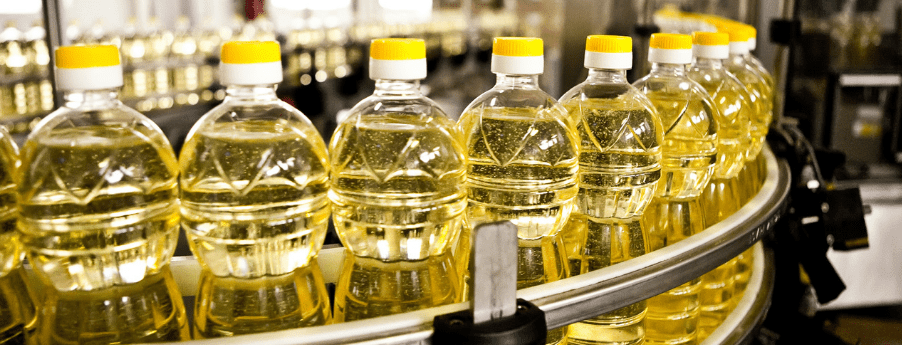
The nutritional habits of people have undergone a radical change over the last few years.1 Studies have shown that the food we eat and the day-to-day routine choices we make is directly correlated with various lifestyle diseases.2 Therefore, careful selection of the food consumed and following recommendations set after careful investigations by organizations and governments are critical for our health.
Nutrition consists of three essential macronutrients: carbohydrates, proteins and fats. These three perform key functions in the body.3 Previously, fats have been predominantly known for being high energy sources. Today, they account for being important parts of our physiological and biological body functions. Fats are a part of structural components. They protect organs, insulate the body, and carry fat-soluble vitamins, amongst various other roles in the body. 4
Fat can be obtained from poultry, fatty fish, dairy products, nuts, seeds, and edible oils. Vegetable oils are the predominant source of fat in our diet.5 In India, cooking oil forms an integral part of the household and is involved in every dish and hence, is an important contributor to our health. The nutritional quality of an oil has become important enough to investigate, because of the role of fat in many nervous and cardiovascular diseases.
The nutritional quality of an oil depends upon its fatty acids composition, presence of essential fatty acids and natural antioxidants. Fatty acids are the building blocks of fats and oil and are classified based on chain length and amount of desaturation (number of double bonds) – SFAs (Saturated fatty acids) with no double bonds, MUFAs (Monounsaturated Fatty Acid) which have 1 double bond, and PUFAs (Polyunsaturated Fatty Acid) that have greater than or equal to 2 double bonds.6 SFAs have been associated with increasing total and bad cholesterol compared to MUFAs and PUFAs that have been known to reduce cholesterol levels and benefit heart health. Similarly, studies have also shown that replacing SFAs with PUFAs followed by MUFAs lowers bad cholesterol.7, 8, 9
Individual fatty acids have their pros and cons. Hence a balanced ratio of SFA: PUFA: MUFA is necessary. Single seed oil may not provide a balanced ratio and therefore, the National Institute of Nutrition (India) recommends rotating edible oils, using a combination of oils.10 Although, rotating oil is recommended, scientifically combining oils to derive maximum functional and nutritional benefits can be a challenge. Based on this, Multi sourced edible oils (MSEO) are customized according to Indian cooking habits, with greater attention to health. MSEO category is governed by two regulatory authorities i.e., FSSAI and AGMARK to bring stringent control on Quality and Safety. Very few other food categories like baby food and packaged water have such multiple regulations.11
MSEO offers enhanced benefits that improve nutritional, physiological and functional health. MSEO focuses on a balanced MUFA: PUFA content, which together with essential fatty acids and natural antioxidants can reduce bad cholesterol and be beneficial against cardiovascular diseases.12 In concurrence to this, a study testing a synergistic blend of rice bran oil (RBO) and safflower oil (SO) (70:30) led to significant reduction in plasma cholesterol, LDL-C and had a positive impact on inflammatory markers in blood. The authors concluded that RBO along with SO magnified hypocholesterolaemia efficacy compared to single oils alone13, 14. Similarly, in 2010, studies have been performed with a blend of RBO:SO (80:20) and showed significant antihyperlipidemic effects. 15,16 Moreover, a blend of rice bran oil and sesame oil in an 80:20 blend yielded beneficial effects by improving lipid profiles as well as glycaemic control significantly in diabetic patients and pre-diabetic subjects17. A blend of rice bran oil with olive oil in 70:30 ratio showed lipid lowering properties18. Hence, multisource edible oils are targeted to achieve beneficial functional and nutritional properties for holistic nourishment, health, and well-being.
References:
https://doi.org/10.1016/j.tifs.2016.09.007.
Related
The page you requested could not be found. Try refining your search, or use the navigation above to locate the post.
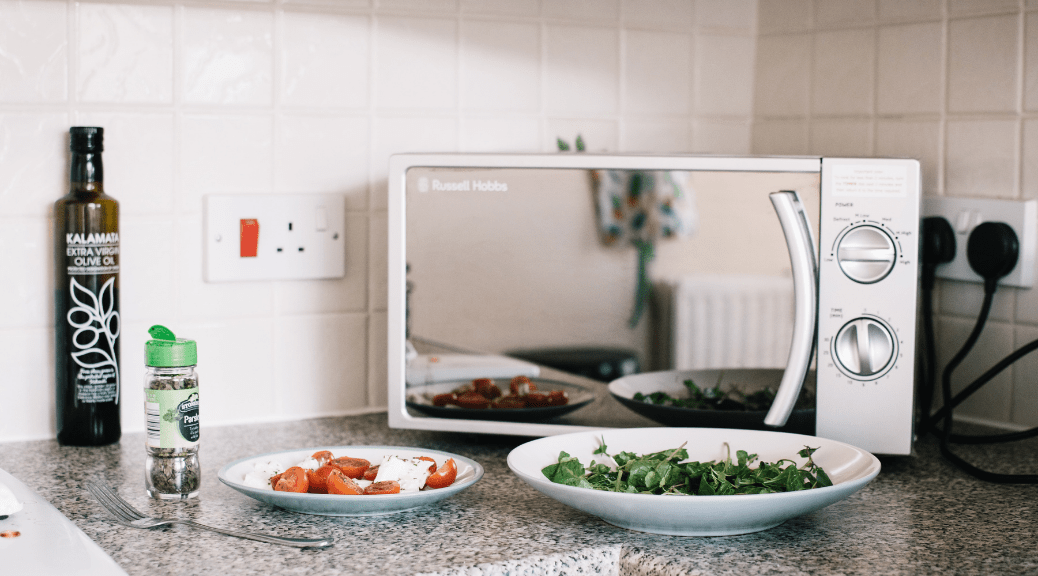
Microwave ovens are all about convenience. Whether you want to warm leftovers, make soup, tea or coffee, make instant snacks like popcorn, or cook some kebabs or paneer tikka, no other appliance makes it as easy as a microwave. It fits into our rushed lives like a glove, doesn’t it? Choosing one can be super easy since the market is flooded with some of the finest microwave oven brands, both national and international. The top manufacturers whose products are available in India are IFB, LG, Samsung, Bajaj, and Murphy Richards. These brands are designed keeping in mind the requirements of consumers and are equipped with the latest user-friendly technology and smart features. However, with all these options, choice can also become all the more difficult. Which type of microwave oven works best for my home and what is the best size and capacity for my needs? Here is a comparative study on the most-selling brands and models of convection microwave ovens.
Three types of microwave ovens are available in the market.
Solo microwave ovens are entry-level models for simple/limited cooking. Best fit for reheat and simple cooking.
These are provided with additional grilling accessories. They are suitable for reheating, cooking and grilling.
Convection microwave ovens use a fan and a heating element to create airflow patterns inside the microwave oven. These are best for reheating, cooking, grilling and baking.
The size that is best suited for you will depend on the number of family members and how often you are likely to use the microwave oven. In India, the microwave oven is used more to warm the food than to cook. In general, up to 20 litres is sufficient for a family of 2 to 3 persons; 21 litres–30 litres for a medium-sized family; and above 31 litres for a large family or large cooking. Depending on the size of the oven, you have the power consumption range. Naturally, the larger ovens consume greater power.
Generally, manufacturers mention the volume (in litres) of the microwave, including all the internal space in the inside cavity. But this volume isn’t the same that we measure, because a substantial part of this volume is not really usable. For consumers, the maximum usable capacity is the longest cylindrical utensil that can rotate inside the oven, if we deactivated the turntable. The rated volume does not match with the complete cavity volume, which is 30 to 45 per cent less than the rated volume. Therefore, the useful volume is that volume where the turntable rotates in the cavity. Larger the turntable, better it is for even cooking. It may be noted that usable cavity area may be quite less than the rated capacity claimed.
Important Features to Consider while Buying
Apart from regular features like auto defrost, multistage cooking and cooking-menu buttons, check out the following attributes before making your choice.
This feature has pre-set programs that help in simplifying the preparation of different recipes. All you have to do is to select the type of dish and the weight. The oven will automatically calculate the time required and set the power accordingly.
This will prevent children from operating the microwave oven accidentally.
Check out the power rating. Microwave ovens come in the range of 600 to 1,500 watts. More watts mean faster cooking as it generates higher heat and in less time.
These humidity-sensing sensors determine the humidity in the food item you are about to cook in the microwave and accordingly determine the cooking time. You should look for this feature while buying your microwave oven as it will eliminate the guesswork from your cooking and avoid overcooking of food.
Look for an oven that has a control panel that is easy to operate. If you have enough information and if it’s easy to determine which button is for what, then you should be okay. Besides, those touch panels look cool too.
This feature is very good for Indian cooking style as our food is cooked at various temperatures depending on the amount of time. Some food items need to be cooked at high temperature initially and then moved to low temperature after a certain time. Multistage cooking will help you to automate this process by setting time intervals and temperatures to be used while cooking the food.
Having shortcut keys on your microwave oven will make your life easier as common food items like popcorn and noodles require a fixed cooking time. You can cook these items by just pressing the keys from the auto-cook menu.
Just enter the weight of the food item and the oven will determine how much time is needed to defrost it. A nice feature for those ready-to-eat frozen-food lovers.
Microwave ovens come with varying powers ranging from 700, 800 to 1200 watts. More watts means faster cooking which helps when you are in a hurry. It’s better to opt for lower wattage models if usage will not be very frequent. You can also opt for high-end ones that offer higher capacity for larger households or cooking large quantities is needed frequently due to busy working schedules etc.
|
v Carefully read the operating manual before starting the microwave oven. v Look for microwave-specific cookware. Never use metal or metal-trimmed utensils in your microwave oven. v Do not operate the oven when empty (except in prep-heat mode). It is best to leave a glass of water in the oven when not in use. The water will safely absorb all microwave energy if the oven is accidentally started. v Do not operate the oven with a kitchen towel or a napkin; always use gloves when removing the dish from oven. v Do not rinse the turntable by placing it in water just after cooking. v Do not cook eggs in their shell as these will explode. v Do not attempt deep fat frying in your oven. v Remove the polythene/plastic wrapping from food before defrosting. v If smoke is observed, switch off or disconnect the oven from the power supply and keep the oven door closed. v Liquid or other foods must not be heated in sealed containers. v Do not cover the ventilation slots. v Avoid aluminium foil for cooking wrapped food. v Do not try to repair the oven by yourself. Always take it to an authorised service centre. v If you use your microwaves frequently, you should clean them at least once every couple of weeks. v If any food remains stuck to the microwave walls can get overheated, it can have terrible effects. |
Microwave oven is an electronic appliance generally made up of various sub-assemblies and contains a microwave generator called magnetron. This magnetron, when powered, generates high-powered electromagnetic waves. Inside walls of the microwave oven cavity are reflective, which reflect these radio waves and pass through the food item kept inside a microwave oven on a turntable. Due to these microwaves, molecules inside the food item vibrate, and since vibration generates heat, this heat cooks the food
Microwave ovens are considered safe if used properly. The food is just as nutritious (more so in some cases) as with any other cooking method. The electromagnetic waves stop as soon as you cut off the power and open the door; they don’t remain in the food and make it radioactive.
No, cooking food in a microwave oven does not destroy the nutrients. In fact, nutrients get destroyed due to overcooking or cooking at a very high temperature using any form of cooking like boiling.
For our survey, we shortlisted the regular-selling brands of convection-type microwave ovens.
| S. No. | Brand | Model | Capacity/Litres | Warranty on Product/ Magnetron / Cavity, Year | Wattage | Cavity Material | Color | Net Weight, Kg | Price, Rs. |
|---|---|---|---|---|---|---|---|---|---|
| 1 | Samsung | MC28A5013AK/TL | 28 | 1/5/10 | 900 | Ceramic Enamel | Black | 17.5 | 11190 |
| 2 | IFB | 30BRC2 | 30 | 1/3 | 800 | Black | 20.1 | 13787 | |
| 3 | IFB | 20SC2 | 20 | 1/3 | 800 | Silver | 14.3 | 10390 | |
| 4 | LG | MC3286BRUM | 32 | 1/3 | 2500 | ABS | Black | 22.6 | 16990 |
| 5 | Samsung | MC32A7035CT/TL | 32 | 1/5/10 | 900 | Stainless Steel | Silver | 20.0 | 17300 |
| 6 | Panasonic | NN-CT353BFDG | 23 | 1 | 800 | Black | 11.9 | 17790 | |
| 7 | IFB | 20BC4 | 20 | 1/3 | 800 | Polyurethane | Black | 16.0 | 10899 |
| 8 | IFB | 20SC2 | 20 | 1/3 | 800 | Silver | 14.3 | 10390 | |
| 9 | IFB | 23BC4 | 23 | 1/3 | 800 | Polyurethane | Black | 16.0 | 11890 |
| 10 | Bajaj | 2310 | 23 | 1 | 800 | Silver | 14.2 | 10499 | |
| 11 | Whirlpool | Magiccookpro | 24 | 1/5 | 800 | Stainless Steel | Black | 16.6 | 10699 |
| 12 | IFB | 25SC4 | 25 | 1/3 | 800 | Stainless Steel | Metallic Silver | 16.1 | 12990 |
| 13 | Panasonic | NN-CT644MFDG | 27 | 1/4 | 2400 | Aluminium | Black | 20.4 | 15990 |
| 14 | Panasonic | NN-CT645BFDG | 27 | 1 | 900 | Stainless Steel | Black | 17.2 | 12090 |
| 15 | Samsung | MC28H5025VP/TL | 28 | 1/4/10 | 2100 | Steel | Silver | 17.5 | 14490 |
| 16 | LG | MC2886SFU | 28 | 1/4 | 1950 | ABS | Sliver | 18.8 | 14690 |
| 17 | LG | MC3286BRUM | 32 | 1/4 | 2500 | ABS | Black | 27.9 | 18450 |
| 18 | Godreg | GME530CR1SZ | 30 | 1/3 | 900 | Stainless Steel | Red | 16.6 | 14890 |
| 19 | Samsung | MC28H5025VS/TL | 28 | 1/4 | 2100 | Metal | Silver | 17.5 | 14799 |
| 20 | LG | MC2846SL | 28 | 1/4 | 1950 | ABS | Silver | 17.8 | 12470 |
| 21 | LG | MC2886BRUM | 28 | 1/4 | 1950 | ABS | Black | 22.7 | 15950 |
| 22 | Samsung | MC28M6036CC/TL | 28 | 1/4 | 900 | Steel | Black | 17.9 | 19940 |
| 23 | IFB | 30SC4 | 30 | 1/3 | 800 | Stainless Steel | Silver | 19 | 12999 |
Note: Price may vary from retailer to retailer. For latest price, please check at amazon.in or
Related
The page you requested could not be found. Try refining your search, or use the navigation above to locate the post.
Shri Arun Singhal, CEO, FSSAI
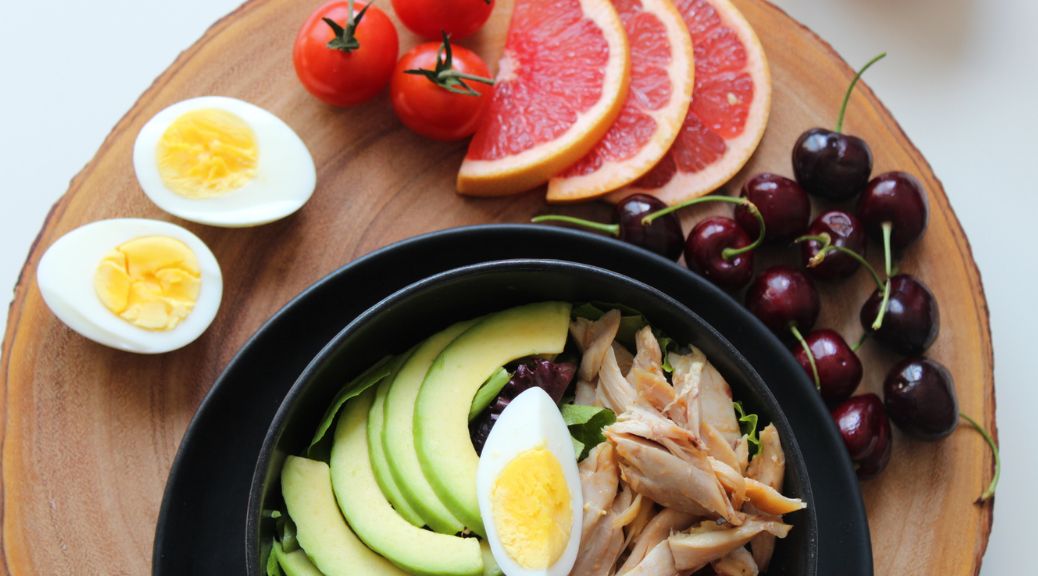
The Eat Right Challenge was envisioned as a competition among districts and cities to recognize their efforts in adopting and scaling up various initiatives under Eat Right India. Further, it was meant to motivate States/UTs to improve performance and encourage others to join.
Salient Features
The Eat Right India Movement is working on three key themes through a graded “Food Systems Approach” (FSA) to address these issues in a holistic manner by building on the collective action of all stakeholders – consumers, food businesses, community organizations, experts, professionals, and the government. Multiple actions, not only on the supply-side, but also on the demand-side are needed. Therefore, various actionables under the Challenge have been categorized under four sectors:
The Eat Right Challenge for Cities and Districts received participation from 188 cities and districts and 75 have been declared as winners based on their performance across five broad parameters. Grant of Rs. 5, 00,000/- (Rupees Five Lakh Only) to each district/city was provided for undertaking various Eat Right India initiatives. During the Challenge, participating cities and districts had taken various efforts to improve the food environment in their respective areas. The top 10 districts in order of their ranks in top 75 are Indore (Madhya Pradesh), Varanasi (Uttar Pradesh), Bhopal (Madhya Pradesh), Vadodara (Gujarat), Ujjain (Madhya Pradesh), Thiruvallur (Tamil Nadu), Jabalpur (Madhya Pradesh), Kancheepuram (Tamil Nadu), Salem (Tamil Nadu) and Lucknow (Uttar Pradesh).
Further, looking at the overwhelming response from participating districts in Phase I, the Phase II of the Eat Right Challenge for Districts has also been initiated. The Eat Right Challenge for Districts (Phase II) is envisioned as a competition among districts to recognize their efforts in adopting and scaling up various initiatives under Eat Right India. Further, it is meant to motivate States to develop a food strategy that supports a healthy, safe, and sustainable food environment, through participating districts.
The page you requested could not be found. Try refining your search, or use the navigation above to locate the post.