Workshop in Madhya Pradesh on Food Labeling

Workshop in Madhya Pradesh on Food Labeling

Workshop in Madhya Pradesh on Food Labeling
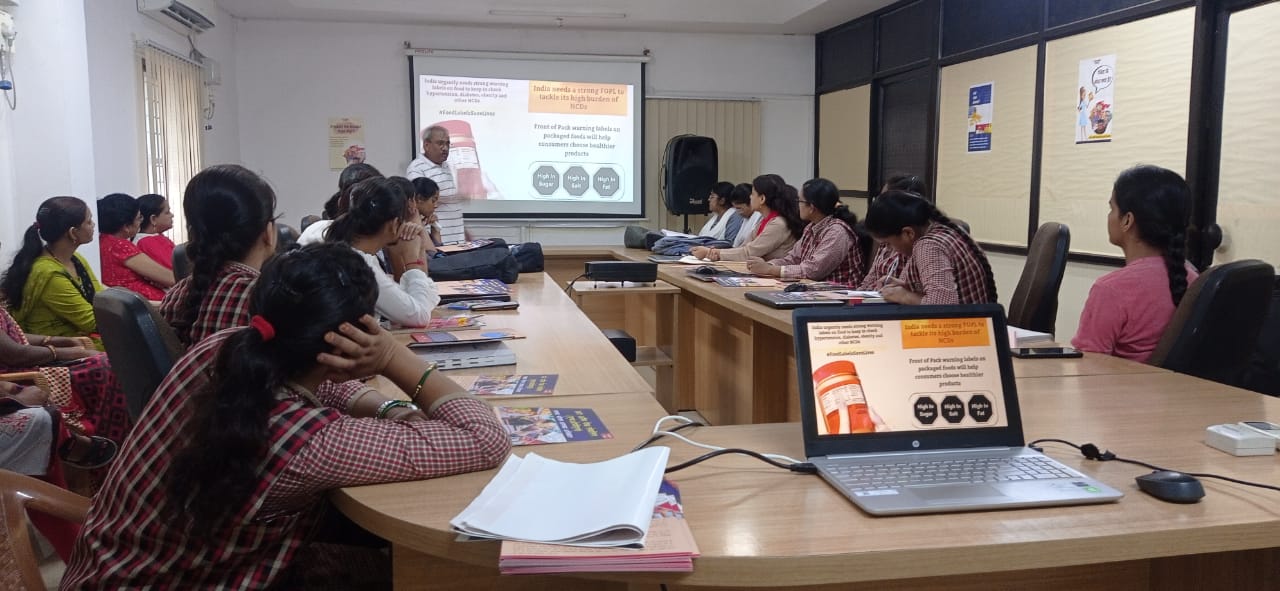
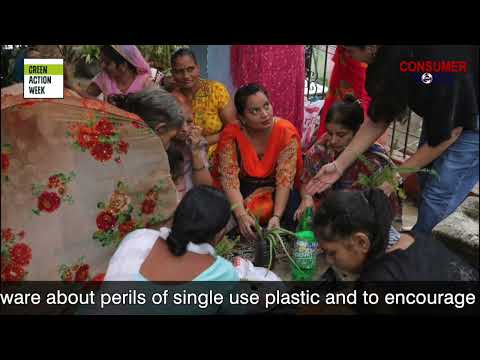
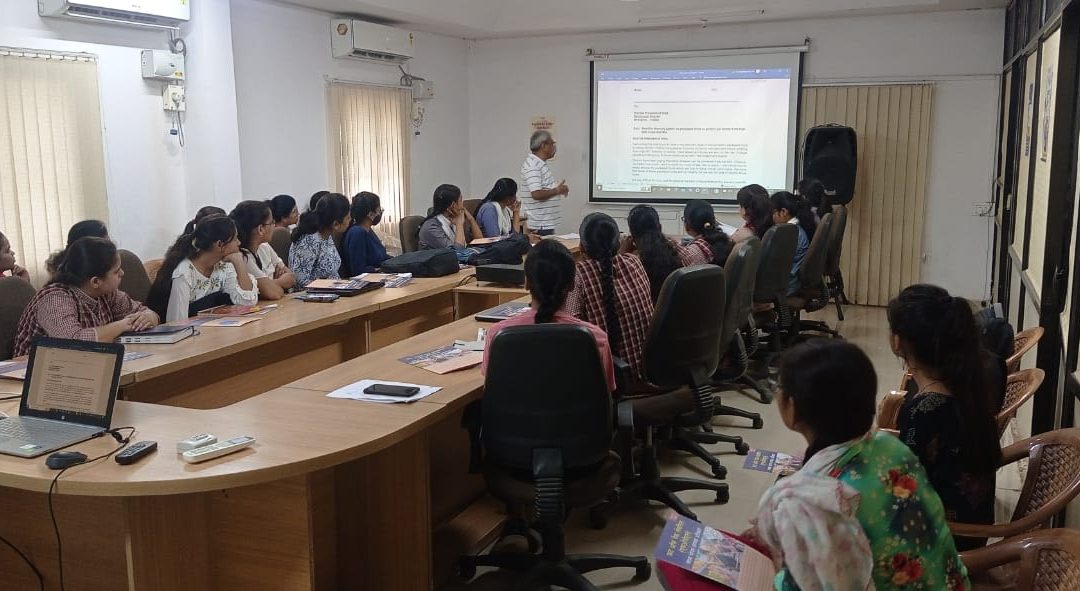
In collaboration with Consumer VOICE, New Delhi, a sensitization workshop on food labeling was organized on 1st October, 2022 by NCHSE, Bhopal at Arera hills Participants included women from all walks of life including house wives, professionals and students joined the workshop.

They were briefed on the harmful critical nutrients of salt, sugar and fats in packaged foods and how non-communicable diseases are a result of high intake of some of these nutrients.

Food Label

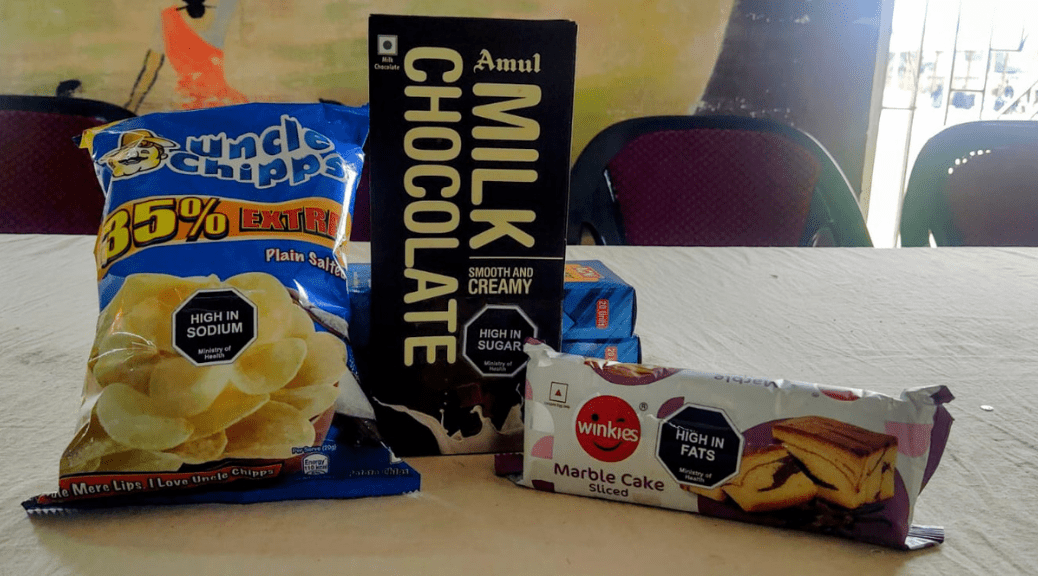
It is therefore important to read food labels carefully to help make the right choice. They were sensitized on how to read food labels correctly and how one should be careful while buying packaged foods. The food labels help one to identify foods which are high in calories, salt, sugar and fats. Dr Pradip Nandi of NCHSE also discussed the need for Front of Pack Warning Labels.

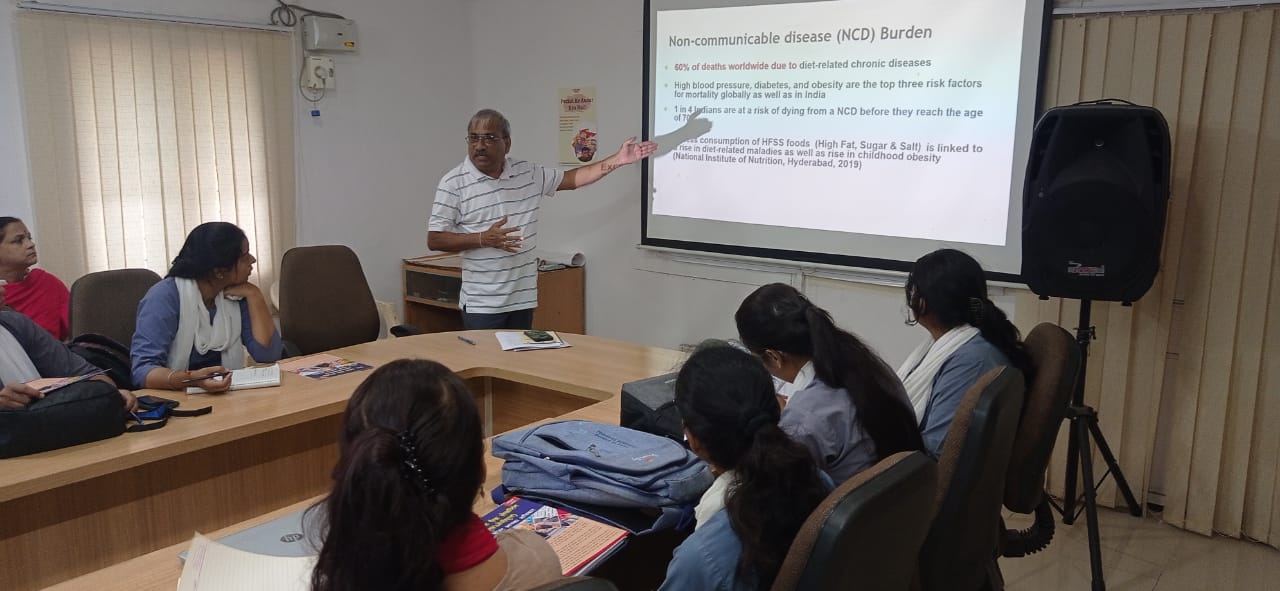
The need for Front of Pack Warning Labels and possible types were also discussed through a presentation by Dr. Pradip Nandi.

Experts told the audience how food labels are helpful to monitor salt and sugar intakes and to make healthier choices through eating a healthy diet. Consumers can also monitor calories, saturated fats and intake of micronutrients which are helpful in avoiding deficiencies like iron and Vitamin D.

More than 50 women participated in the program which highlighted the importance of food labels. A short practical session was also conducted to help the participants read and understand food labels.

AFF Food Label

The workshop was followed with a question-answer session in which various queries were addressed by experts.

We witnessed active participation and enthusiasm among all participants in the workshop.

Food Labels: Understanding them

Food Labels: Understanding them

Food Labels: Understanding them

Food label consists of necessary information about the total amount of product contained in a packet, its composition and ingredients. It also informs us about the quality, origin, processing and preservation. The information on food labels is intended to help consumers become savvy about their food choices. The front, back, and sides of a package are filled with information as to what the food contains, and also provides guidance in making healthier selections of processed foods.

Why is Food labelling so important?

Food labels provide an insight into the composition of your food. It lets us know the amount of vitamins, minerals, calories, fats, etc. in a standard serving This information is essential in ensuring that you are eating the kinds of food that are good for you.

Understanding the Nutrition Facts label on food items can help you make healthier choices. The label breaks down the amount of calories, carbs, fat, fibre, protein, and vitamins per serving of the food, making it easier to compare the nutrition of similar products.

Food labels will help you monitor your salt and sugar intakes and make sure that you are eating a healthy diet. You can monitor calories, saturated fats and your intake of micronutrients which will help you in avoiding deficiencies like iron and Vitamin D.

Reading food labels can help you understand what you are eating and keep unhealthy food at bay. Non-communicable diseases (NCDs) are also a major challenge rooted on overweight, obesity and unhealthy diets. NCDs include cardiovascular and chronic respiratory diseases, cancers, and diabetes, etc. There are increasing research evidences suggesting unbalanced/ unhealthy diets and obesity as the major risk factors in the prevalence of NCDs.

Important Details to Remember

  • Baked products and processed foods generally contain fat that contributes to total calorie intake. If you want to limit your fat intake, pick foods that contain small amounts of total fat.
  • Trans fats, present in foods such as cookies and chips, can increase risk of heart attack and stroke by increasing levels of low-density lipoproteins or LDL. Avoid foods that contain Trans fats or limit its intake.
  • Cholesterol and saturated fats can increase your risk of heart disease. Choose foods in which cholesterol and saturated fats are absent or present in small amounts.
  • Check the nutrition facts panel to reduce your intake of salt, a nutrient that can cause high blood pressure. You can often find large quantities of salt in processed and canned foods. Read food labels while shopping and only buy foods that contain little or no salt.
  • A quick glance at the ingredient list can help you choose healthy foods. If you are diabetic, look into the total carbohydrates, dietary fibre and calories present. Selecting products with higher fibre, lower sugar and sodium contents can help you keep your diabetes in check. Also, make sure to avoid salted snacks and processed foods.

How can NCDs be lessened?

Cutting back on salt and sugar are two simple ways to reduce your risk of non-communicable diseases like diabetes, heart disease and cancer. It is generally advised to limit one’s salt intake to 5 grams or 1 teaspoon per day. World Health Organization (WHO) has also warned against using salty sauces and condiments like soy and fish sauce. More than 50 grams or 12 teaspoons of sugar per day is also not advisable.

  • One of the ways to reduce the risk of developing NCDs such as hypertension, stroke and heart disease is to monitor and control intake of fats, specifically that of saturated fats. To achieve this, the WHO has advised to use low-fat milk and dairy products.
  • Further, white meats like poultry and fish should be preferred over the consumption of processed meats, such as bacon and sausages.
  • The WHO also alerted to avoid processed, baked and fried foods to lessen the chances of NCDs and to stay healthy.
  • The WHO also suggests that you consume wholegrains like brown rice and wheat, legumes like lentils and beans, plenty of fresh fruits and vegetables, and some foods from animal sources like meat, fish, eggs and milk, in your day to day life.
  • For snacks, you can choose raw vegetables, fresh fruits and unsalted nuts.
Workshop on Food Labelling West Bengal

Workshop on Food Labelling West Bengal

Workshop on Food Labelling West Bengal

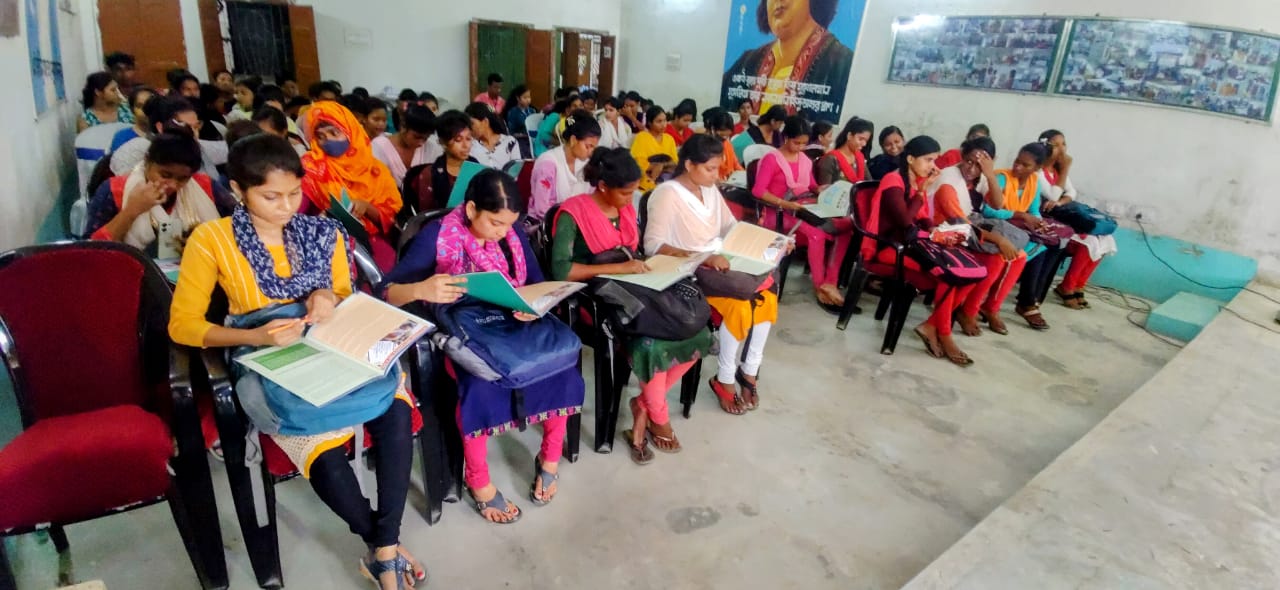
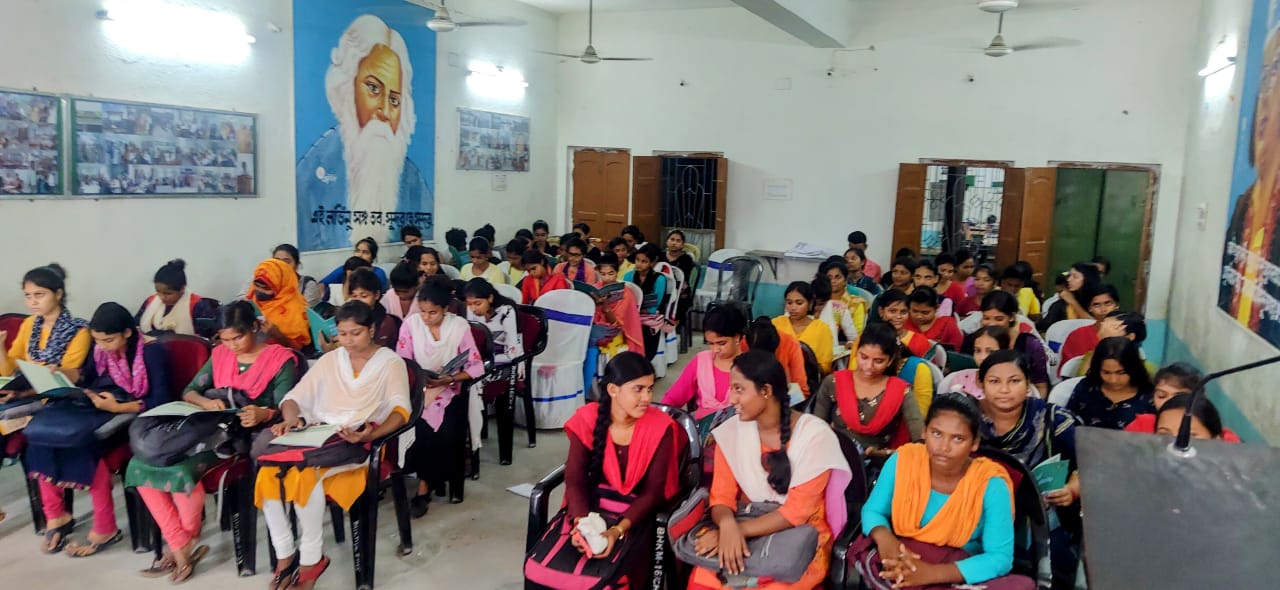
Consumer VOICE, organised  a sensitization workshop on Importance of Food Labeling at Bamanpukur Humayun Kabir Mahavidyala Bamanpukur,West Bengal along with  state partner organisation  Honcho Tech for Good Foundation on the 10th of September. The workshop aimed at creating awareness among students community (also consumers) regarding importance of food labelling ,their right to choose healthy food products , to discuss about impact of non-communicable diseases.

An exhaustive presentation on NCDs (non-communicable diseases) was shown to the participants where they were briefed on the harmful effects of salt, sugar and fats. Unhealthy packaged foods are risking the lives of many Indians as more and more people are falling prey to High BP, diabetes or obesity. Consumption of packaged foods is on the rise in India, and therefore reading labels is very crucial so that consumers can make an informed choice.
Food label
Food Label

Consumer VOICE, organised  a sensitization workshop on Importance of Food Labeling at Bamanpukur Humayun Kabir Mahavidyala Bamanpukur,West Bengal along with  state partner organisation  Honcho Tech for Good Foundation on the 10th of September. The workshop aimed at creating awareness among students community (also consumers) regarding importance of food labelling ,their right to choose healthy food products , to discuss about impact of non-communicable diseases.

An exhaustive presentation on NCDs (non-communicable diseases) was shown to the participants where they were briefed on the harmful effects of salt, sugar and fats. Unhealthy packaged foods are risking the lives of many Indians as more and more people are falling prey to High BP, diabetes or obesity. Consumption of packaged foods is on the rise in India, and therefore reading labels is very crucial so that consumers can make an informed choice.

Food Label

The workshop was followed with a question-answer session where students asked some interesting questions like will it help them to reduce weight or will it help them to avoid some non-communicable diseases as they grow up. IEC materials were also distributed among the students.

We witnessed active participation and enthusiasm among all participants in the workshop. More than 80 people  including students, teachers and staff joined the workshop.
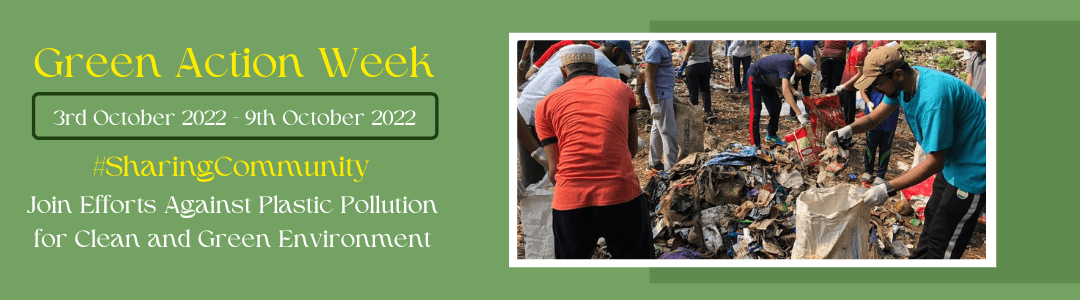
Green Action Week (GAW 2022)

Green Action Week (GAW 2022)

Green Action Week (GAW 2022)

OVERVIEW

Green Action Week (GAW) is a global campaign to promote sustainable consumption. It is an initiative by the Swedish Society for Nature Conservation (SSNC) and is carried out in coordination with Consumers International (CI). This year (2022) Green Action Week will be celebrated from 3rd October to 9th October. The theme of GAW 2022 is Sharing Community which works for people and the planet.

CAMPAIGN FOCUS

Fighting plastic pollution and building a sustainable environment through sharing community.

Objectives of GAW 2022

  1. To create community sharing where citizens are going to put their efforts for society through action-oriented activities.
  2. To train and sensitize various stakeholders such as consumers, vendors, women etc through youth volunteers and influencers, environmental activists, consumer activists on various aspects to fight plastic pollution, inform them about current laws, finding sustainable alternatives and adopt sustainable options in their lives.

Plastic Pollution and its harmful effects

Plastic has its own use but not without harming the environment and our planet. With plastic being used everyday, it is actually choking our planet. To just highlight the severity of the problem, while you are taking a minute to read this, one million plastic bottles are being purchased around the world. Today we produce almost 400 million tonnes of plastic every year. India’s Central Pollution Control Board (CPCB) Report (2019-20) stated that 3.5 million metric tonnes of plastic waste are generated in India annually. 

Single use plastic products like water bottles, shampoo bottles, milk packets, food packets, cutlery etc which are now an integral part of our lives is harming the environment. Most of us use these everyday without even thinking where they might end up to. The plastic waste which eventually lands up in oceans and seas are major contributors to ocean pollution and harming the marine life. Plastics do not undergo degradation and therefore stays in the soil for several years thereby affecting the soil fertility. Improper plastic disposal also block the pipes and the drains causing waterlogging.
Addressing the Problem

According to a notification issued by Union Ministry of Environment, forest and climate change, Government of India single use items such as plates, cups, glasses, forks, spoons, knives etc are banned from July 1st ,2022. “The manufacture, import, stocking, distribution, sale and use of following single-use plastic, including polystyrene and expanded polystyrene, commodities shall be prohibited with effect from the 1st July, 2022,’’ says the Ministry notification. This movement gives a huge scope to sensitize various stakeholders such as housewives, vendors, consumers about alternatives available, sustainable resources to use and to meet the needs and how to contribute to environment friendly practices through community efforts.

WHAT IS SHARING COMMUNITY?

With the theme “Sharing Community”, Green Action Week seeks to highlight practical examples of more sustainable ways to access goods and services. People have also realised that adopting sustainable practices and reducing plastic consumption in their lives is the best gift that one can give themselves and to the environment. Sharing Community brings people from diverse backgrounds together despite various limitations to put action oriented efforts through empathy and collaboration. Sharing is a concrete example of a more sustainable consumption culture.

STRATEGY

Environmentalist led action oriented workshop to sensitize and educate people on :

  1. Existing laws on single plastic usage and which products comes under single plastic
  2. Use of sustainable products in our day to day lives
  3. Green labelling in India and the products that fall under it

Young volunteers led action oriented workshop will :

  1. Disseminate information about single use plastic and other products harmful for environment and how to choose sustainable, green products.
  2. To Clean plastic from nearby surroundings and reaching out to vendors to make them aware about laws on single use plastic and provide alternatives to customers and also how to disseminate information to customers not to use plastic ,use alternatives

Women led action oriented workshop will :

  1. Help women find out sustainable options in their kitchen and to replace single use plastic or by using existing resources to contribute to sustainability.
  2. Demonstrate recycling of plastic and turning them into useful product using available resources.
  3. Inform them about various recyclers and how they are contributing to environment.

GAW Sensitisation Workshops

EXPECTED OUTCOMES:

  • Sensitized and informed consumers will be contributing towards environment.
  • Sharing community efforts will lead to strengthening the bond among various groups and stakeholders and entire community will be benefitted while tacking environmental problem.
  • Responsible disposal and recycling in safe way contributing to environment with trainers, environmentalists, consumer activists, practicing entrepreneurs who are recycling the products using sustainable alternatives.
  • Vendors and consumers both will be sensitized to opt for alternatives and contribute towards environment through sharing community efforts.

Loading

Jurisdiction of High court to hear appeal against National Commission Order under Article 227

Jurisdiction of High court to hear appeal against National Commission Order under Article 227

Jurisdiction of High court to hear appeal against National Commission Order under Article 227

The Supreme Court in its order dated 13th May 2020 stated, “No further appeal to this Court is provided against the order passed by the National Commission in exercise of its powers conferred under Section 58(1)(a)(iii) or under Section 58(1)(a)(iv) of the 2019 Act. In that view of the matter, the remedy which may be available to the aggrieved party against the order passed by the National Commission in an appeal under Section 58(1) (a) (iii) or Section 58(1) (a) (iv) would be to approach the concerned High Court having jurisdiction under Article 227 of the Constitution of India.”

                                                                                        Dr Prem Lata, Legal Head VOICE

This is a well settled law that no writ petition lies against the order of the consumer commissions before the High Courts. Supreme Court in Cicily Kallarackal vs. Vehicle Factory judgment held, “to state in absolute terms that it is not appropriate for the High Courts to entertain writ petitions under Article 226 of the Constitution of India against the orders passed by the Commission, as a statutory appeal is provided and lies to this Court under the provisions of the Consumer Protection Act, 1986. Once the legislature has provided for a statutory appeal to a higher court, it cannot be proper exercise of jurisdiction to permit the parties to bypass the statutory appeal to such higher court and entertain petitions in exercise of its powers under Article 226 of the Constitution of India.”

But here is a case wherein the Supreme Court has confirmed that matter against the order of National Commission could be filed before the High Court under Article 227 of the constitution.

Facts of the Case

  1. Faizel, a home buyer booked a flat in the project floated by the respondent /builder. Despite the payment of sale consideration, the possession of the flat was not handed over and therefore he filed a consumer complaint before the Delhi State Consumer Redressal Forum on 10.08.2013 for deficiency of service and unfair trade practice. By order dated 16.10.2020, the State Commission directed the builder to handover possession of the flat, pay compensation for the delayed period in the form of simple interest at the rate of 9% for the period from the date of possession of the flat was due to be delivered till the delivery of the possession.
  2. Faizel filed an execution and contempt petition before the State Commission. Vide order dated 12.03.2021, the State Commission directed the decree holder /complainant to place on record the details of the bank accounts or the properties of the builder for attachment for not implementing the judgment and order dated 16.10.2020 passed by the State Commission.
  3. Builder went in appeal before the National Commission. Vide order dated 30.03.2021, National Commission granted stay of the State Commission’s order, subject to deposit of the entire cost of the flat along with 9% interest on the amount paid till date in the Registry of the State Commission or face the execution action by the State Commission.
  4. Feeling aggrieved and dissatisfied with the order dated 30.03.2021 passed by the National Commission, the respondent preferred writ petition before the High Court by way of writ CM (M) No. 374/2021 under Article 227 of the Constitution of India contending, inter alia, that the National Commission ought not to have directed the builder to deposit the entire cost of the apartment along with the compensation awarded by the State Commission.

This appeal before the SC is filed against the interim order passed by the High Court with a question whether High Court has the jurisdiction to entertain an appeal against the order of National Commission. We need to understand the law in this regard before understanding the stand taken by the Hon’ble Supreme Court.

As per Section 67 of the 2019 Act, the appeal remedy to the Supreme Court is available only with respect to orders passed by the NCDRC in exercise of its powers conferred by sub-clause (i) or (ii) of clause (a) of sub-section (1) of Section 58. In other words, the appeal remedy to the Supreme Court under Article 136 in SLP is only with respect to the original orders passed by the NCDRC. No appeal can be filed against the order of National Commission which are passed in appeal.

But what can be the way to justice if Supreme Court cannot be contacted under this situation?  Should it be considered the end with no further remedy?

This is a case before the Hon’ble Supreme court in the matter of Ibrat Faizan versus Omaxe Buildhome Private Limited wherein the question before it was to decide as to whether, against the order passed by the National Commission in an appeal under Section 58 (1) (a) (iii) of the 2019 Act, a writ petition before the concerned High Court under Article 227 of the Constitution of India would be maintainable?

SC held in its order dated 21 March 2022,  “No further appeal to this Court is provided against the order passed by the National Commission in exercise of its powers conferred under Section 58(1)(a)(iii) or under Section 58(1)(a)(iv) of the 2019 Act. In that view of the matter, the remedy which may be available to the aggrieved party against the order passed by the National Commission in an appeal under Section 58(1)(a)(iii) or Section 58(1)(a) (iv) would be to approach the concerned High Court having jurisdiction under Article 227 of the Constitution of India.”

In this case, the Court has explained the difference between a writ filed under Art 226 and under Art 227 through various earlier decided cases and confirmed that in present situation writ is not admitted under Art 226. It is Art 227 under which consumer against the order of a tribunal can go to High Court when no other remedy is available to the consumer.

 Article 226 and Article 227: The Difference between the Two

The case of Meshram and Ors. vs. Smt. Radhikabai and Anr, laid down the scope, power and differences between Article 226 and Article 227.

“The first and foremost difference between the two articles is that proceedings under Article 226 are in exercise of the original jurisdiction of the High Court while proceedings under Article 227 of the Constitution are not original but only supervisory. The power of superintendence has been extended by this Article to tribunals as well.”

It further stated, “The power under Article 227 is intended to be used sparingly and only in appropriate cases for the purpose of keeping the subordinate courts and tribunals within the bounds of their authority. Power under Article 227 shall be exercised only in cases occasioning grave injustice or failure of justice.”

The Hon’ble Court in case of Surya Devi rai vs. Ram Chander Rai, further observed that there is lack of knowledge of the distinction between the understanding of Article 226 and 227 and hence it is a common custom with the lawyers labelling their petitions as one common under Articles 226 and 227 of the Constitution, though such practice has been deprecated in some judicial pronouncements.

After reeling on the catena of decisions of the apex court, the Hon’ble Supreme Court in Surya Devi Rai vs. Ram Chander Rai laid down the following differences:

  • The writ of certiorari is an exercise of its original jurisdiction (Article 226) by the High Court. Exercise of supervisory jurisdiction (Article 227) is not an original jurisdiction and in this regard, it is akin to appellate revisional or corrective jurisdiction.
  • The jurisdiction under Article 226 of the Constitution is capable of being exercised on a prayer made by or on behalf of the party aggrieved but the power conferred under Article 227 viz the supervisory jurisdiction is capable of being exercised suo moto as well.
  • In a writ of certiorari, the record of the proceedings having been certified and sent up by the inferior court or tribunal to the High Court, the High Court if inclined to exercise its jurisdiction, may simply annul or quash the proceedings and then do no more (Art 226).
  • In exercise of supervisory jurisdiction (Art 227), the High Court may not only quash or set aside the impugned proceedings, judgment or order but it may also make such directions as the facts and circumstances of the case may warrant, may be by way of guiding the inferior court or tribunal as to the manner in which it would now proceed further or afresh as commended to or guided by the High Court.
  • In appropriate cases the High Court, while exercising supervisory jurisdiction, may substitute the impugned decision with a decision of its own, as the inferior court or tribunal should have made.
  • The court concluded that under Article 226 of the Constitution, writ is issued for correcting gross errors of jurisdiction. Supervisory jurisdiction under Article 227 of the Constitution is exercised for keeping the subordinate courts within the bounds of their jurisdiction

Law established in this case:

  • National commission is a tribunal, hence Article 227 applies and High court has the jurisdiction in supervisory capacity.
  • No appeal on appeal case, only once appeal is permitted hence SC cannot be contacted under Special Leave Petition (SLP) for appeal over appellant order.

Enquire Now

    X
    Enquire Now