No Results Found
The page you requested could not be found. Try refining your search, or use the navigation above to locate the post.


Your loan is insured in the same way that you acquire life insurance, accident insurance, etc. In fact, when you take out a home loan to purchase a property, you are responsible for paying back a sizable sum of money. There are numerous more obligations in addition to the loan. In this case, the family is responsible for repaying the loan in the event of an unfortunate event. The property may even be lost if the family is incapable. However, if house loan insurance is also purchased, it will serve as a true support system for you in times of need. The family does not have to worry about paying the outstanding EMI in case of any untoward incident and the property remains safe.
Subas Tiwari
This is a new occurrence in banks and financial institutions. Many home loans became unrecoverable due to the death of the loan borrower, and the bank/FI turned them into bad debts, drawing the wrath of the RBI and bank management. In light of these home loans’ lengthier repayment gestation periods, IRDAI then encouraged insurance companies to develop a loan protection insurance cover. Even however, the loan borrower has the choice not to purchase this insurance because they may already have life insurance plans that they could assign to the lender. These days, several banks provide this type of loan protection insurance not only for home loans but also for personal loans, auto loans, and other types of loans.
Almost all banks in India have insurance subsidiaries that sell home loan protection plans. For example, State Bank of India (SBI) has SBI Life; ICICI Bank has ICICI Lombard; HDFC has HDFC Life and HDFC Ergo. However, there are banks that do not have any insurance subsidiary agreements with life insurance providers and general insurance companies to sell home loan and home loan insurance packages.
The insured/borrower pays either directly to the insurance company or the premium amount is debited to the loan account of the borrower by the bank.
The Tenure/ Premium amount & Sum Assured of the policy
These will depend upon the home loan sanction terms such as borrower’s age, loan amount, period of repayment, etc.
No. Since it is a life policy, the policy terminates with the death/permanent total disability of the borrower.
Yes. Flexible cover is available where the amount of burden (loan outstanding) reduces the loan protection sum assured proportionately so that the borrower saves on the premium payable for future coverage. In fixed cover option, the premium is constant (as in the case of a Single Premium paid) though the loan amount gets reduced on regular repayments.
Not yet. But going by the success of these policies being sold, there is every chance of loan protection policies to be a part of every home loan/loan sanction.
Yes. Some of the insurance companies have widened the scope of such policies to cover all types of loans (car loans, personal loans, etc.) so as to help the bank minimize the chances of such loans going bad.
No. We have browsed all the available sites to obtain some information but no such policies are offered by these institutions so far.
This is the latest policy to hit the market, albeit a closed one, as it is a custom-made policy packaged for exclusive home loan clientele.
Loan details
Insurance details
It is claimed that the success rate of buying up this insurance loan policy from home loan borrowers is about 90% and the claim settlement ratio is over 99% according to informed sources.
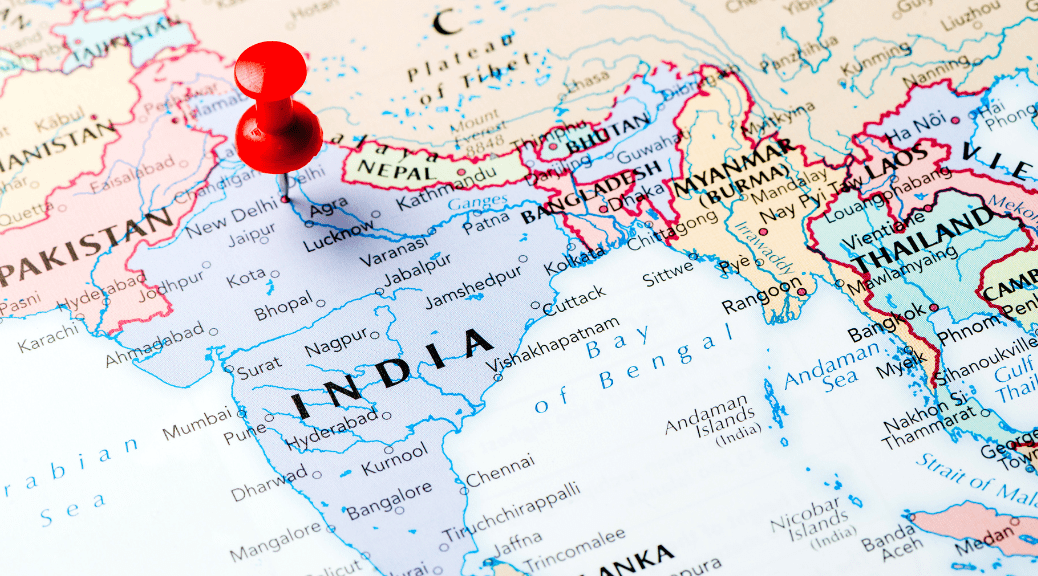
Let’s start off with some good news, shall we? According to the trade group Consumer Electronics and Appliances Manufacturers Association (CEAMA), the Indian Appliances and Consumer Electronics (ACE) market is anticipated to nearly double over the next three years, reaching over Rs 1.48 lakh crore by 2023. According to Eric Braganza, president of the CEAMA, India has one of the fastest growing ACE markets in the world and is also establishing itself as a rival manufacturing hub to China and other South East Asian nations. In addition, the amount of foreign direct investment in the ACE business has nearly doubled to USD 481 million through June 2022 from USD 198 million in 2021. That’s uplifting to hear, isn’t it?
The Food Safety and Standards Authority of India’s (FSSAI) proposal to impose front-of-pack warning labels with a star rating on all packaged goods is being resisted by snack food manufacturers, who argue that doing so will “destroy” the nation’s ethnic foods sector. The proposed labelling mannequin would harm the majority of companies producing foods like chips, namkeens, and ethnic sweets, according to the Federation of Sweets & Namkeen Manufacturers, which represents large and mid-sized businesses like the Haldiram Group, Bikanervala, Balaji Wafers, and Greendot Health Foods.
To designate packaged goods as nearly excellent, not good, or unhealthy depending on their salt, sugar, and fat contents, the labelling draught suggests assigning them star ratings of one to five. In a letter dated November 10 to the Fssai CEO, the federation noted that traditional Indian sweets and snacks were made of fats, salt, and/or sugar and were associated with holidays and customs. They stated that this will affect 85% of the traditional dishes from India.
Consumer Voice is however in support of the imposition of front-of-pack warning labels. According to our CEO Ashim Sanyal, “This labelling will change the game for all food firms. Yes, the smaller businesses will have more effects, but only in the short term since they will need to make new packaging investments. However, businesses need not worry because we anticipate that the dynamics will stabilise in five to six months.”
Do you think the pros outweighs the cons? Let us know your opinion on this.
Natarajan Chandrasekaran, the chairman of the Tata Group, stated that moving toward cleaner, greener energy is a necessity that cannot be put off and that India is in a position to drive the shift. He further said that everything will be based on real-time data thanks to the enormous technological improvements being made and already accomplished in the areas of artificial intelligence, cloud computing, and data. He praised the enormous strides that the nation has made in the field of renewable energy and declared that a new transition is about to begin, during which India will see incredible growth not only economically but also in many other areas.
India is expanding economically and technologically in a variety of ways. The development of countries and societies is inversely correlated with breakthroughs in science and technology. It is our responsibility to keep advancing and improving it.
I hope you have loved reading the editorial and will continue to support us in bringing the best, interesting and informative articles for your perusal. In the meantime, keep reading the articles we have brought you this month. We discuss ULIPs, Maltodextrin, home air purifiers and many more. Do share your thoughts at info@consumer-voice.org.
Until then, happy reading!
Pallabi Boruah
Editor
The page you requested could not be found. Try refining your search, or use the navigation above to locate the post.


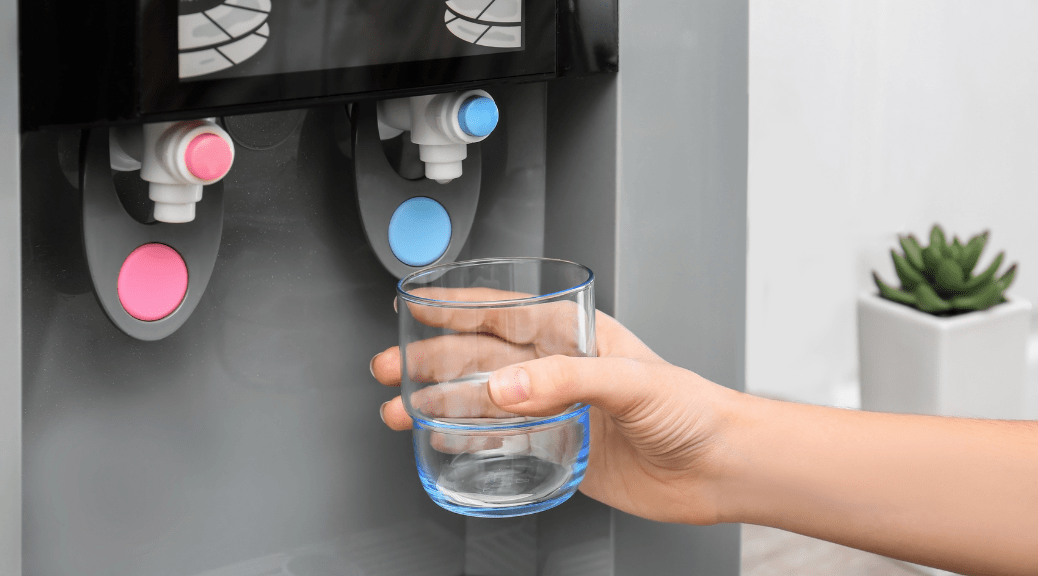
Bacteria and viruses are not visible to the naked eye but they are the major causes for water borne diseases. Bacteria cause gastro-enteritis, typhoid, cholera, paratyphoid, dysentery and diarrhoea. Virus causes polio, dysentery, gastro-enteritis, and diarrhoea. The type of impurities found in the drinking water coming to your home is mainly due to the source and distribution medium of water. Most common sources of drinking water are piped municipal corporation supply, hand operated water pumps, water tankers, lakes, rivers, bore wells, etc.
Quality of water is getting deteriorated and contaminated day by day. There are many harmful contaminants that are present in water. These impurities are having an adverse effect on human health. These include dissolved solids, arsenic, fluoride, antibiotics, micro plastics, rust, pesticides, disease-causing germs and bacteria and heavy metals such as arsenic, lead, iron, fluoride etc. These contaminants are responsible for causing serious health issues like cholera, hepatitis, jaundice, typhoid, and even cancer. These impurities affect the taste and smell of the water as well. Hence, it is important to remove these contaminants from the water, so that your family is provided with water that is free of any smell as well as safe and healthy for consumption.
There are different kinds of water purifiers available in India today. Water purifiers can be from just a simple water filter with filter cartridge element to the more advanced water purifiers using membranes for water filtration followed by sterilisation with UV filter.
Water contains many dissolved salts, impurities which should be removed before drinking. TDS levels measure the amount of dissolved salts and heavy metals like lead, arsenic, mercury present in water. The first thing to do is to get your home water tested for the type of pollution it may have. Accordingly you may decide which type of water purifier you need.
By measuring TDS Level in water, you will be able to make sure whether the water you are drinking is pure or impure. The maximum TDS level in water is 500mg/litre. You must make sure that it meets this mentioned level. If you see that the level is exceeding 1000mg/litre, we suggest that you do not drink that water.
The easiest method is digital TDS meter tester to check the TDS of water. You can easily buy a Digital TDS Meter for about Rs.150-200.
Reverse Osmosis (RO) pushes the water molecules from the region of higher TDS level to the region of lower TDS level by applying external pressure with the help of a water pump to reverse the natural flow of water. Water with impurities or high TDS is pumped at high pressure into the RO chamber, this pushes the water molecules across the semi-permeable membrane to the other side while leaving the dissolved solids and other impurities behind. All the dissolved solids and impurities along with some input water, also known as RO waste water, are discharged through a separate outlet. RO purifiers are therefore always recommended for purifying water which has high TDS level.
Ultraviolet or UV purification uses ultraviolet rays for the purification of water. A UV purifier works by throwing high intensity UV rays on the water which kills or inactivates the disease causing bacteria and viruses. However, UV purifiers cannot remove any dissolved or un-dissolved impurities or chemicals from water. Hence, most of the UV purifiers that are available in the market use some form of external sediment pre-filters to remove un-dissolved impurities and activated carbon filter to remove chlorine and some dissolved impurities. Therefore, UV water purifiers are only recommended for areas where the water source has low level of TDS. If the water has low TDS level but it is contaminated with bacteria and viruses and appears muddy, then you can use UF+UV water purifier.
Water is allowed to flow from a top container to a lower container under the effect of gravity. Gravity-based water purifiers do not use electricity and therefore called non-electrical water purifiers. They typically use activated carbon or UF, which is made up of small carbon granules in order to absorb impurities from the water.
Ultrafiltration also uses a semi-permeable membrane with much larger pores (appx. 0.01 microns) as compared to RO with very small pores (appx. 0.0001 microns).The advantage of UF purifiers is it can work without electricity because the membrane has much larger pores and water can pass through it naturally using the force of gravity. Which means no external pressure or water pump is required. Since UF purifiers do not hold back any water, there is no wastage of water. But there are some limitations of using UF purifiers, because of the larger pore size, UF can only remove un-dissolved solids and larger impurities. It cannot remove the dissolved solids or reduce the TDS level. So, UF purifiers are not suitable for purification of high TDS water or hard water.
Activated Carbon Filter
These types of filters or purifiers are the simplest to use and provide the most basic water purification. These filters generally comprise of sediment or sediment + activated carbon filters which can remove large and un-dissolved impurities like mud and sand along with some chemicals and microorganisms.
Candle Filters
Ceramic candle filters have 2 stainless steel containers where the upper container is fitted with 1-3 ceramic candles. In the candles, silver powder is impregnated which acts as a strong repellent of the pathogenic bacteria. It is considered the safest conventional water filter as per Consumer VOICE repeated studies.
| RO Water Purifier | UV Water Purifier | UF Water Purifier | Gravity Based water Purifier |
| Requires electricity to operate | Requires electricity to operate | No electricity required | No electricity required |
| Kills and removes all the bacteria and viruses from the water | Kills all bacteria and viruses but their dead bodies remain in the water | Removes larger particles, and may remove some viruses | Mud, sand and some bacteria, and microbial cysts are removed |
| Removes the dissolved salts | Cannot remove dissolved salts | Cannot remove dissolved salts | Cannot remove dissolved salts |
| RO Purifiers has Prefiltration system to work with the dirty water | Water should be clear for UV to work | Works with dirty turbid water | Filter can work with dirty turbid water |
RO water purifier removes essential natural minerals like sodium, iron, calcium, and magnesium that are essential for our body and causes a lack of essential minerals within the body. It is a major disadvantage of RO water purifiers. Other disadvantage is high wastage of water (up to 80%). This waste water can be used for utensil washing, flushing, gardening, cleaning of vehicles and floor mopping.
TDS stands for total dissolved solids. Minerals, salts or dissolved metals such as calcium, chloride, nitrate, iron, sulphur and some organic matter that dissolves in water is commonly referred to as TDS. Presence of TDS in water will affect the water taste. Water of TDS value above 500 mg/l should be avoided for human consumption. Most commonly used purification system to reduce TDS is reverse osmosis (RO) water purifier.
The upper limit of TDS level in drinking water set by Bureau of Indian Standards (BIS) is 500 ppm (500 milligrams per litre). Very low TDS may also not acceptable to consumers due to its insipid taste.
Water with TDS value ranging between 150-300 ppm is considered to be soft water, while water with TDS value higher than 500 ppm is considered to be hard water.
High TDS affects the taste of water (salty) and excessive scaling in water pipes, water heaters, and household appliances such as kettles and steam irons. Such scaling can shorten the service life of these appliances. Water with extremely low concentrations of TDS may also be unacceptable to consumers because of its flat, insipid taste; it is also often corrosive to water-supply systems.
The TDS levels and the contaminants can differ from place to place and house to house. It is very important to test the quality of water that is being supplied to your home to know the type of water purifier that is most suitable in removing these contaminants. RO water purifiers are the best choices for areas with high TDS levels while UV water purifiers are useful in killing the germs and bacteria that cause various water-borne diseases.
The high percentage of water wastage is a major cause for worry. This waste water can be used for utensil washing, flushing, gardening, vehicle cleaning and floor mopping.
If the output water from your purifier has very low TDS (less than 100) then it means your purifier is generating more waste water. A very low level of TDS not only results in higher wastage of water but it is also bad for our health as it is devoid of essential minerals. Increasing the TDS will not only make the drinking water healthier but also reduce the wastage. TDS controller retains adequate quantities of essential minerals in the purified water by adjusting the ratio of water from RO membrane (low TDS) and UF membrane (normal TDS) in the final mix.
If you do not want to go into the technicalities of the different purification approaches, then you can simply refer to the following tips in choosing the right water purifier as per your need:
Please decide on type of water purifier suitable for you as per the quality of water supplied in your home. Make sure you read the customer reviews and ratings about the RO, UV water purifier before purchasing. This will give you a complete idea about the product and it’s after sales service because the customer has already used that product.
Before selecting the best water purifier for your home, it is very important to check the maintenance cost. Water purifiers need regular maintenance after 3-4 months so that it functions smoothly. As a result, it is necessary to check the quality of after-sales services provided by the brand that you have selected. You may like to go for a trusted water purifier brand which offers excellent customer support. Generally, all the reputed brands provide free installation and one year warranty.
|
Brand |
Model |
Storage capacity, litre |
Technology |
Water Tank material |
Rate of filtration, litre per hour |
Price, Rs. |
Warranty, Years |
|
Aquaguard |
Aura |
7 |
UV + UF |
Plastic |
|
11499 |
1 |
|
Havells |
Fab UV Storage |
7 |
UV+UF |
plastic |
30 |
7999 |
1 |
|
KENT |
Max |
7 |
UV+UF |
Plastic |
60 |
8790 |
1 |
|
Kent |
Ultra Storage |
8 |
UV+UF |
|
60 |
7999 |
1 |
|
|
|
|
|
|
|
|
|
|
Aquaguard |
Marvel NXT |
6.2 |
RO+UV+UF+MC |
Plastic |
45 |
12699 |
1 |
|
Pureit |
Copper+Mineral RO+UV+MF |
8 |
RO + UV + MF |
Plastic |
Upto 28 |
22490 |
1 |
|
V-Guard |
Zenora |
7 |
RO+UV+MB |
Plastic |
15 |
10119 |
1 |
|
Faber |
FWP Neutron Plus Alkaline |
10 |
RO |
ABS |
13.5 |
13999 |
1 |
|
Livpure |
GLO PRO++ |
7 |
RO+UV+UF |
Plastic |
12 |
10490 |
|
|
Aquaguard |
Amaze |
7 |
RO+UV+MTDS |
Plastic |
36 |
9499 |
1 |
|
Aquaguard |
Delight RO+UV+UF+MTDS |
7 |
RO+UV+UF+MTDS |
Plastic |
36 |
11299 |
1 |
|
Livpure
|
Zinger Hot HR DX Ecocare |
6.5 |
RO+Pure UV+UF+ Mineraliser+Copper |
ABS |
15 |
21990 |
1 |
|
Pureit |
RO+UV |
8.0 |
RO+UV |
Plastic |
|
22490 |
1 |
|
Kent |
Supreme Plus
|
8.0 |
RO+UV+UF+TDS Control |
Plastic |
|
15499 |
1 |
|
Pureit |
Ultima Mineral
|
10 |
RO + UV + MF
|
Plstic |
|
18490 |
1 |
|
Havells |
Delight DX |
6.5 |
RO+UV |
Plastic SS tank |
|
13999 |
1 |
|
Havells |
Digitouch Alkaline |
6 |
RO+UV |
Plastic |
|
14890 |
1 |
|
AO Smith |
Z8 |
10 |
RO+SCMT |
Plastic |
|
24199 |
1 |
|
Non-Electric Purifiers |
|
|
|
|
|
||
|
Kent |
Gold |
20 |
Gravity Based + UF |
Plastic |
20 |
2,898 |
1 |
|
Tata |
Swach |
18 |
Gravity |
Plastic |
14 |
2499 |
1/2 |
|
Kent |
Gold Plus |
20 |
Gravity-based+UF |
Plastic |
20 |
2998 |
1 |
|
Kent |
Gold Optima |
10 |
Gravity-based |
Plastic |
18 |
1798 |
1/2 |
|
Tata |
Desire + |
27 |
Gravity Based |
Plastic |
|
3299 |
1/2 |
|
Prestige |
TTK Tattva |
16 |
Gravity Based |
SS |
|
2899 |
1 |
Note: Prices may vary. For latest price, check on amazon.in or flipkart.com.
Related
The page you requested could not be found. Try refining your search, or use the navigation above to locate the post.