No Results Found
The page you requested could not be found. Try refining your search, or use the navigation above to locate the post.

The page you requested could not be found. Try refining your search, or use the navigation above to locate the post.
The page you requested could not be found. Try refining your search, or use the navigation above to locate the post.
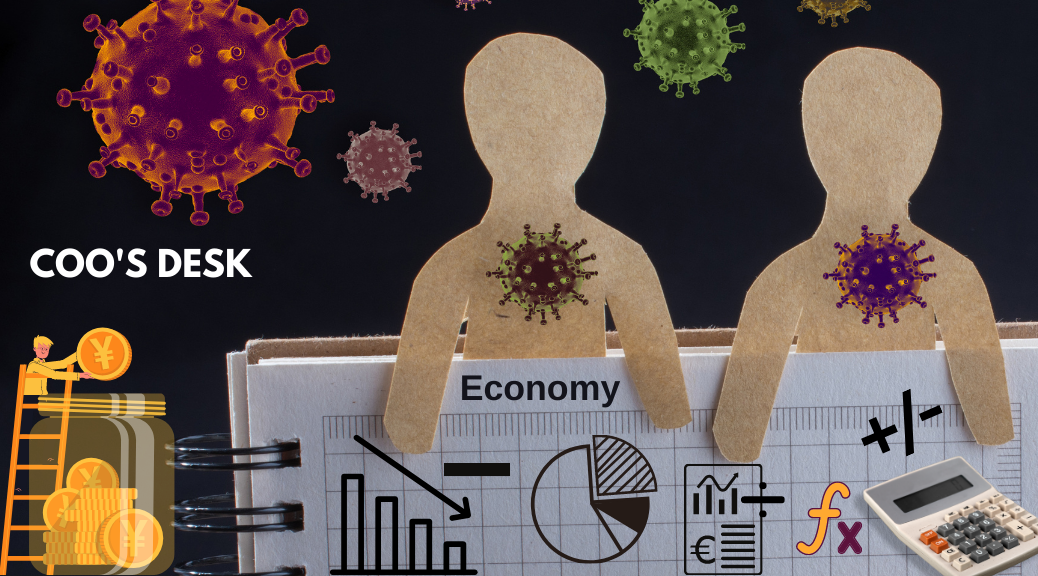
How has Coronavirus impacted the Indian Economy

As I sit down to write, there are reports of more than 3.68 lakh fresh corona cases in India in the last 24 hours and 10 states account for 73.78% of the new cases registered. This is likely to slow down India’s economic recovery, but the overall impact will be milder in comparison to last year’s devastation. Experts say that the extent of economic loss during the second wave will primarily depend on how fast the chain of infections can be broken. Although most economists indicate that the impact of the second wave on the economy will not be as harsh as last year, there are several risks that can derail the economy. Some of them are rising income inequality, unemployment, sectoral impact, consumer confidence and inflation.
According to a research conducted by Hong Kong-based brokerage firm CLSA, the second wave of corona virus is likely to peak only in June. The prediction is based on an analysis of 12 countries including the US, Brazil, and the UK which faced a strong resurgence of Covid-19. CLSA found that the second waves in these countries peaked when incremental cases had hit the median of 2% of the population.
Local-level restrictions reasons for economic stress
Several indicators show that India’s economy is already feeling the stress of the ongoing deadly pandemic wave. While some of this impact is due to local-level restrictions that some state governments have imposed, others are because citizens are choosing to stay indoors. As per Apple’s driving index, which is compiled monthly on the basis of the number of requests made on Apple Maps for directions, Indians across major cities are commuting far lesser in April than in the previous three months.
The stress level even among the people who are not infected is on the rise. Everywhere there are daily health anxieties, deaths, increasing unemployment, isolation resulting in feelings of frustration and anger. While there is stress, people adopted various strategies to cope with the effects of the pandemic. In every market, consumers are the drivers of the market competitiveness, growth and economic integration. With economic instability, consumers are also experiencing a transformation in behaviour, though how much of transformation experienced during the crisis will sustain is a question. The most important factors which model the consumer’s behaviour in crisis are risk attitude and risk perception. Risk attitude reflects consumer’s interpretation concerning the risk content and how much he or she dislikes the content of that risk.
Online Shopping takes over the stage
In a matter of days there is a high level of dexterity and comfort in online shopping across the board. it is possible that people will reconsider venturing into public domains such as shopping malls and movie theatres with the same carefree and reckless gusto as before. Consumer behavior is influenced deeply by cultural factors. We are a social community with a high need for group activities – travel, tourism, shopping, religion, and entertainment. However Covid lockdowns have changed our mindsets and it’s a safety first approach. Also economists are worried that the cost due to the ongoing public health crisis can be one of the reasons behind the sharp rise in inflation shrinking the pockets of the consumers.
During the pandemic, people are spending less of their income on items perceived as nice-to-have or non-essential (such as clothing, shoes, make-up, jewellery, games and electronics). Globally too, during COVID-19, the developed nations are shifting towards steady state purchasing post-stock piling. Lower-income and younger consumers show a higher propensity to plan to reduce their spending, while older and higher-income groups exhibit more resilience.
The hospitality, tourism and entertainment sectors have been hit hard during the second wave. Pressure is mounting on other sectors like consumer durables, aviation and real estate as well. Most of these sectors have seen a reduction in business activity as consumer confidence has taken a knock due to the second wave. People are worried about their savings, jobs and health as the second wave rages on. Experts said that weak consumer confidence can hurt India’s economy as reluctance to spend on discretionary items could lower demand.
Evolving market for Consumers
The COVID -19 pandemic has fundamentally changed the world as we know it. People are living differently, buying differently and, in many ways, thinking differently. Supply chains have been tested . Retailers are closing doors. Consumers across the globe are looking at products and brands through a new lens. New habits formed now will endure beyond this crisis, permanently changing what we value; how and where we shop; and how we live and work. So consumers of all strata, across regions and states, beyond income levels are looking confused. The evolving market place is creating more puzzles than solutions as life and death are bigger priorities for consumers. Survive today for maybe a better tomorrow sees the consumers withdrawing their hands from their pocket. So practically, consumers are living a day to day life amidst chaos, confusion, hospitalization, deaths and hanging on the footboard with a sense of hapless feelings.
For other articles by Consumer VOICE COO’s Desk, click here
Mutual Funds
Fixed income funds, money market funds, SIPs, NAVs, know about the best mutual funds here.
A mutual fund is a type of investment vehicle consisting of a portfolio of stocks, bonds, or other securities.
They are divided into several kinds of categories, representing the kinds of securities they invest in, their investment objectives, and the type of returns they seek.
Consumer VOICE banking and finance experts have studied different mutual funds and will help you with the best choice.
Articles
The page you requested could not be found. Try refining your search, or use the navigation above to locate the post.
Related
The page you requested could not be found. Try refining your search, or use the navigation above to locate the post.
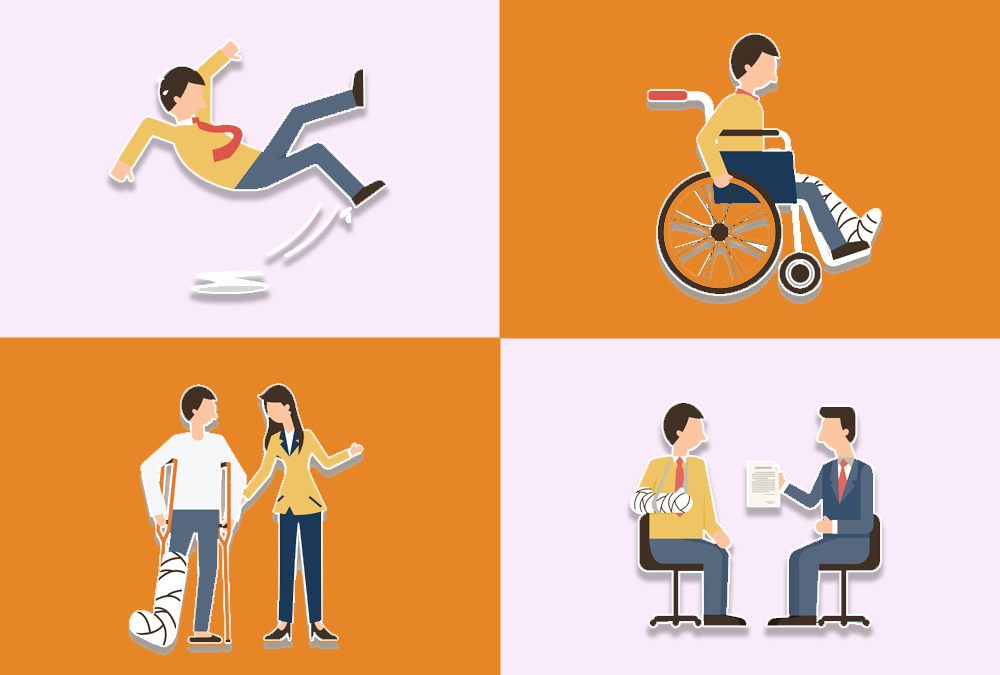
Many people opt for different financial policies and covers to guard against difficult times. Among the myriad choices, we have personal accident insurance scheme to choose from. The policy is helpful in protecting from financial troubles caused by accidents. Also, it helps the family to recover financially in the event of death. It is a type of policy that helps in recovering from economic loss due to accidental disability or death.
Before we look into the benefits of personal accident insurance here are some alarming statistics. As per the Road Accident Report for 2019, a total number of 449,002 accidents took place in the country during the calendar year 2019leading to 151,113 deaths and 451,361 injuries. However, a personal accident insurance policy covers more than road accidents. For example, it includes gas cylinder blast to electric shock, sliding at the bathroom, injuries caused while at the gym, and drowning, fire accidents etc.
Types of Personal Accident Insurance
The personal accident insurance can be broadly classified into two categories – Group Accident Insurance and Individual Accident Insurance.
As the name suggests, the business owners or employers buy group personal accident insurance to cover their employees. Depending on the size of the organisation, and the number of employees, the insurance companies offer a discount on the premium. This serves as an incentive for the employees as financial safety is taken care. A group personal accident policy is an excellent incentive for the employees as it assures them financial safety in the event of any mishap at the workplace.
This is an individual policy that guards the policyholders against the accidental damages. It usually covers accidental death, loss of body parts and other disabilities resulting from an accident.
What is covered?
Accidental death- In the event of death due to an accident, the policy holder’s family (or nominee) gets accidental death compensation of Sum Insured Value just before death (usually 100%+ no claim bonus). Some insurance policies also provide for reimbursement by way of payment of lumpsum on education expenses of two kids under the Education Fund.
Accidental permanent disability- It covers a policyholder in the case of loss of one or more limbs due to an accident or one or more parts of his/her body gets dismembered. The insured person is liable to get a certain amount as reimbursement of treatment cost (usually 100 to 125 per cent of the Sum Insured).
Accidental permanent partial disability- One can avail the benefit of the policy in the event of loss of one index/thumb finger or one ear or loss of vision in one eye or loss of one hand/arm/leg- partial damage of permanent nature which is irreversible. Here, the compensation is a calculated percentage of the Sum Insured.
Accidental temporary disability- When the policyholder gets severe injuries that have made him/her temporarily disabled/physically disadvantaged (physically challenged). In this case, he/she is entitled to get a lump sum compensation for the number of days where he/she is not able to work.
Medical reimbursement for health complications that have arisen from the accident- Many personal accident policies also provide reimbursement for medical complications that have arisen due to an accident, like treatment of mental trauma (cost of medicines or cost of psychiatric counselling sessions), and so on.
To learn more about the benefits and how to apply for personal accident insurance, get the April 2021 digital copy of Consumer VOICE.
Related
The page you requested could not be found. Try refining your search, or use the navigation above to locate the post.