No Results Found
The page you requested could not be found. Try refining your search, or use the navigation above to locate the post.


There are a lot of co-operative banks in India and so long that we are just used to them being there. Have you ever paused and thought why India has so many co-operative banks? Are they essential for the economy? Are they vital for democracy? If so, you’ll get all the answers right here.
For the uninitiated, a co-operative bank is a financial entity that belongs to the members. The members of such banks are the customers as well as the owners of the bank. Though these banks need to comply with prudential bank regulations, they usually belong to the people who created them. These people often belong to the same professional or local community.
These banks play a key role in rural financing which includes but is not limited to providing finances for agriculture, milk, livestock, personal finances, nursery, etc.
They promote the development of urban areas by facilitating self-employment, personal finance, home finance, consumer finance.
They also help in the promotion of industries and small-scale units.
These banks promote democratic principles because they are created for the people, by the people and are of the people.
In essence, it can be said that co-operative banks in India are essential because they help in the development and welfare of the people and are not just profit-oriented. These banks reach out to those in need of money in rural areas and hence help in the development of remote areas. Though upgrading these banks and managing them better is the need of the hour, eliminating them won’t be a good idea.
Nutrition is a basic human need and a prerequisite to a healthy life. A proper diet is essential from the very early stages of life for proper growth, development and to remain active. RDA represents the nutrients in terms of diets that should be consumed by the population.
Recommended Dietary Allowance (RDA) is the amount of essential nutrients such as vitamins, minerals etc that has been established by Indian Council of Medical research (ICMR) as adequate to meet the average daily nutritional needs of most healthy persons according to age group and sex.
In India, the concept of RDA dates back to the 1944. The first attempt to define nutrient requirements was made by Nutrition Advisory Committee of the Indian Research Fund Association now known as Indian Council of Medical Research (ICMR) in 1944. Since then it is revised every 10 years. Current RDA was set in year 2010.
Recommended Dietary Allowance for individuals would depend upon different factors. These include:
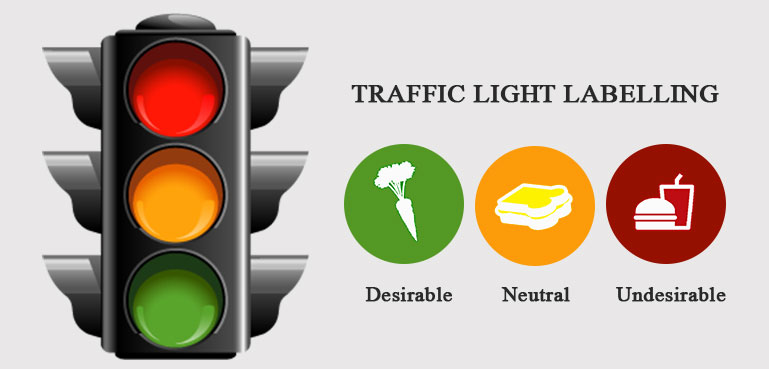
With epidemic increase of consumption of ready to eat food or packed snacks that suit the sedentary lifestyle, it is important to know how much energy and fat these little packets contain. Consumer VOICE decodes food labels of popular products and brands. We compare not only the energy and protein levels but the safer and dangerous limits of salt, sugar and fat as per the Traffic Light labeling System.
Related
The page you requested could not be found. Try refining your search, or use the navigation above to locate the post.

The page you requested could not be found. Try refining your search, or use the navigation above to locate the post.