No Results Found
The page you requested could not be found. Try refining your search, or use the navigation above to locate the post.


Our food systems are constantly evolving every day. Innovations like vegan meats and NutriLock technology are already transforming our food systems. These innovations not only improve the nutritional adequacy of food, and its taste but also address sensitive issues like food carbon emissions and food shortage. Hydroponics is one such technology that is gaining in popularity in recent times. Let us know here, the benefits of consuming Hydroponics grown foods.
By Richa Pande
Hydroponics is derived from two Greek words ‘hydro’ meaning water, and ‘ponos’ meaning work. It is the technique of growing plants without soil. Yes, you read it right- farming without soil! With the rise in the global population, the demand for food has also constantly increased. To increase food production and prevention of its spoilage by pests, farmers use fertilizers, pesticides, and insecticides. Further, to ripen fruits and to aid faster growth of fruits and vegetables, chemicals in the form of ripening agents are used. At the same time, with growing awareness of the health hazards from these chemicals, more and more people are opting for chemical, insecticide, pesticide free food these days. Hydroponics offers a safer option for growing food in the coming times. And if you are not very fond of growing them yourselves, you can purchase them from the growers in your local vicinity.
Let us now understand one by one what are the advantages of consuming foods that are grown hydroponically.
You can buy hydroponic grown food from your local sellers. You can access the details of these sellers from their websites by just typing hydroponics plant and your city name/locality name in the search engine and check relevant details.
You can purchase hydroponic DIY kits if you are fascinated by this technique and are planning to set your own hydroponics system. These can be easily set indoors as well on the roofs, and in your garden. Some of them can even fit into your balconies. The DIY kits for hydroponics can be purchased from e-commerce websites as well as local suppliers. Sellers often provide tutorials to setup the hydroponics system and to grow your own produce. Some suppliers can help us in developing an understanding about –
Initially, you might need a professional guidance or even training sessions because you are learning a new concept. But with time you can learn to grow food items that we need as per your convenience. Imagine foods you wish to eat can be grown in your own gardens/ balconies. You don’t have to depend on others to supply it or worry about food safety. Isn’t that fascinating, isn’t that empowering?
The page you requested could not be found. Try refining your search, or use the navigation above to locate the post.

Air Conditioner
Ohh that soothing cool air on a hot and humid day – only the best AC can do the job!
In a country like India where temperatures rise to 47 degrees C and even more at some places, AC is no longer a luxury. It has almost become a necessity.
From a split AC to a window AC, the market is flooded with different types of AC to suit every household.
Consumer VOICE experts review will help you choose the best AC!
Articles
The page you requested could not be found. Try refining your search, or use the navigation above to locate the post.
Related
The page you requested could not be found. Try refining your search, or use the navigation above to locate the post.


The mushrooming of the pre-owned car industry over the past few years has resulted in the growth of various players who act as intermediaries in the transaction between buyer and seller, including online marketplaces. However, it is important to note that there are no regulatory provisions for these intermediaries although they are at the center of transactions for pre-owned cars and trade the car multiple times before it is eventually registered in the name of the ultimate owner.
The Motor Vehicle Act, which is the current law on sale, purchase and registration of motor vehicles has been unable to keep up with the changing dynamics in the market, particularly with respect to the role played by intermediaries. Therefore, it is imperative that the Ministry of Road Transport and Highways (MoRTH) revisits the provisions of law, particularly because in absence of any regulatory framework, the operation of the market leads to many concerns.
Chase India, a leading public policy research and advisory firm, and Consumer VOICE, a prominent consumer-centric voluntary organization, today released a comprehensive industry report highlighting the need to define the motor vehicle intermediary as well as regulating and providing policy clarity for the exponential growth of the sector. The report titled, “Unlocking True Potential of Pre-Owned Car Industry post COVID-19”, advocates to build a robust and resilient policy ecosystem for the used car industry.
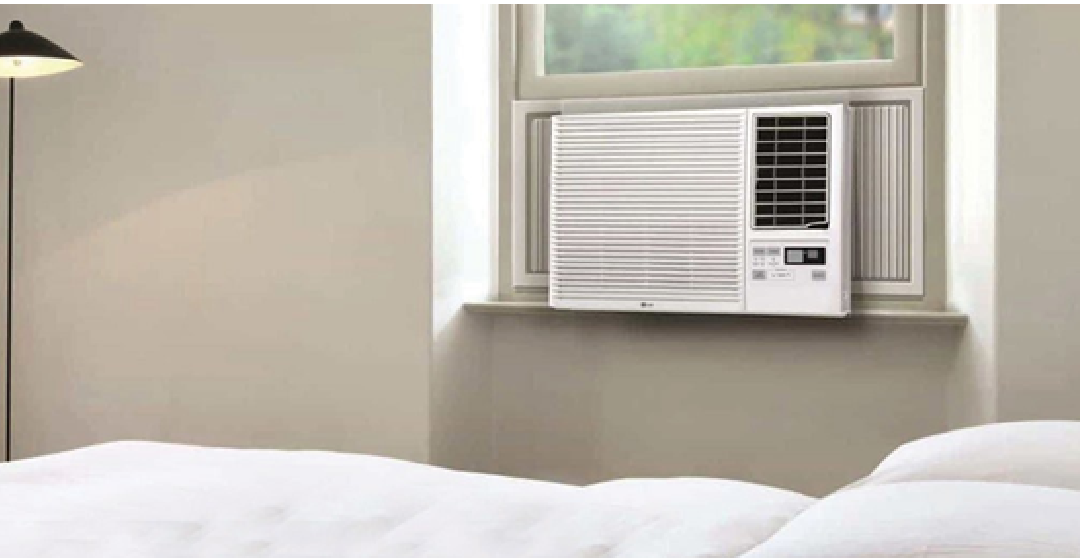

Different brands with varied models and differences mainly in aesthetics, design, appearance, colour, shape and size etc jumbles up the selection process. However, all who wonder are not lost! We offer you an evaluation report below that carries reviews of top window AC models. We checked them on different parameters- primarily on factors including its energy efficiency ratio, power consumption and cooling capacity besides special features. You can read this now and thank us later!
Consumer Voice Report
A major deciding factor for consumers is whether you want a window AC or a split
AC model or latest Inverter Type AC (variable speeds). Though window units are cheaper and easy to install, split ACs are quieter, aesthetically more pleasing and provide better air distribution. But if there is a good provision for installing window category, go for window only. Globally, windows ACs have almost gone out of production but in India we still have a good choice. Once you have decided to buy an air conditioner then a careful market study is required for which Consumer VOICE has done some basic research.
Window air conditioners are quite popular because of their lower initial cost, compactness (single unit) and efficiency and ideal for small size rooms, bed rooms, small offices where provision of windows are already there to accommodate the unit. Window AC units are self-contained, single- unit air conditioners that are mounted inside an open window. Split type AC is very popular because it can be fitted in a room without having open up walls or windows to install AC. Split air conditioners are made up of two parts – an indoor unit and an outdoor unit that work together to cool the room. Usually, Split ACs are faster at cooling, more energy efficient and quieter than window AC. Split air conditioners for domestic and small offices use come in the cooling capacity ranging from 0.75 to 3.0 tons.
Tonnage refers to the cooling capacity of the air conditioning system, where one ton is defined as the amount of heat required to melt one ton of ice in 24 hours. It is essential to choose an air conditioner with the right tonnage according to the size of your room.
| Room Size | Tonnage |
| >120 Sq. feet | 0.75 |
| 120-150 Sq. feet | 1.0 |
| 150-180 Sq. feet | 1.5 |
| 180-220 Sq. feet | 2.0 |
Window ACs are usually cheaper and relatively easier to install, however, they are much noisier as compared to a split AC. Split ACs provide better air distribution, are more beautiful to look at, and provide comparatively faster cooling. Additionally, split ACs provide higher efficiency and are more suitable for long-term use. Both types of air conditioners are available in a large variety of designs and sizes.
Important criteria’s for buying an air conditioner:
Capacity:
The capacity of the air conditioner should be considered depending on the floor size of the room for which the AC is required. A rough measure is that an area in range of 120 ~140 Sq. ft. area will need 1 ton, 150 ~180 Sq. ft. area will need 1.5 ton and 180 ~240 Sq. ft. area will need 2 ton cooling capacity air –conditioner.
Energy efficiency: Air conditioners come with star rated energy efficiency ratings; which has been implemented by the Bureau of Energy Efficiency (BEE). Therefore, any unit with more stars will consume lesser electricity than one with a lower star rating.If the regular usage of ACs are more than 4 Hrs/day , go for higher star rated (4-5) AC, else 3 star can serve your purpose. 3 star ACs are most popular as mid range power saving gives consumers a great price advantage as compared to 5 star.
COPPER VS ALUMINIUM COILS:
Since few years, ACs also come in the aluminum coils (Condenser coils) where the cost is slightly lower but has much lesser life/durability. So do insist to ensure condenser have copper coils and do not compromise on the cost and always insist for copper coil ACs. They have much longer life and less leakage complaints.
Installation & cartage :
Window air conditioners are so simple to install that even a person without much skill can do it.While placing order clear terms of payment (cash or cheque/draft) installation charges if any as it is generally included in the unit cost. Also insist for the free Home delivery while placing the order.
After sales services: Look for a longer service oriented reputed brands which has the capabilities and good network to meet the servicing need of your product. Ask your friends and relatives for feedback.
Brand Selection:
You should carefully choose an air conditioner brand which fulfills your need of maximum energy saving through highest EER, best cooling performance and extensive after sales service.
Energy efficiency Ratio (EER) – A room air conditioner efficiency is measured by the energy efficiency ratio (EER). The EER is the ratio of the cooling capacity (in British thermal units [Btu] per hour) to the power input (in watts). The higher the EER rating, the more efficient the air conditioner.
Cooling Capacity: Cooling capacity is the measure of a cooling system›s ability to remove heat.
Power consumption :
Electrical energy over time supplied to operate an electrical appliance.
Window Type Air Conditioners: Comparison at a Glance
We focused our study and shortlisted major & regular selling brands of 1.5 ton window AC having information on Energy Efficiency ratio, cooling capacity, power consumption and Noise level on the basis of which a consumer can make a choice among the large no. of brands/models available in the market.
We conducted the survey of regular-selling models of window type air conditioners during 4th week of May 2021.
| Sl No. | Brand | Model |
Energy- Efficiency Ratio (EER) (W/W) |
Nominal marketing capacity (ton) | Cooling Capacity, W | Nose Level (dB) | Power consumption (watt) | Star Rating | Retail price (Rs) | Warrantee (Product+ compressor), year |
| 1 | Voltas | 185 DZA | 3.31 | 1.5 | 5050 | 54 | 1525 | 5 | 29999 | 1+5 |
| 2 | LG | JW-Q18WUXA1 | 3.0 | 1.5 | 44 | 1126 | 3 | 29199 | 1+10 | |
| 3 | Blue Star | 5W18GBT | 3.40 | 1.5 | 5100 | 50 | 1500 | 5 | 31200 | 1+5 |
| 4 | Voltas | 183 DZA | 1.5 | 5050 | 58 | 3 | 25190 | 1+5 | ||
| 5 | Hitachi | RAW518KUDZ1 | 3.35 | 1.5 | 5275 | 1575 | 5 | 31950 | 1+5 | |
| 6 | Voltas | 185 LZH | 3.35 | 1.5 | 54 | 1155 | 5 | 27900 | 1+5 | |
| 7 | Panasonic | CW-LC183AM | 3.01 | 1.5 | 5050 | 56 | 1677 | 3 | 26290 | |
| 8 | Hitachi | RAW518KUD | 3.35 | 1.5 | 5276 | 50 | 1575 | 5 | 33300 | 1+5 |
| 9 | Blue Star | 3W18GBT | 1.5 | 5078 | 50 | 1341 | 3 | 26459 | 1+5 | |
| 10 | LG | JW-Q18WUZA | 3.50 | 1.5 | 44 | 1106 | 5 | 35399 | 1+10 | |
| 11 | Hitachi | RAW518HEDO | 3.60 | 1.5 | 50 | 1134 | 5 | 32300 | 1+5 | |
| 12 | Daiken | FRWL50TV162 | 3.04 | 1.5 | 5050 | 1634 | 3 | 28999 | 1+5 | |
| 13 | MarQ | FKAC153SFWACA | 3.11 | 1.5 | 5100 | 60 | 1640 | 3 | 23990 | 1+5 |
| 14 | Hitachi | RAW518KUDZ1 | 3.00 | 1.5 | 5275 | 5 | 31950 | 1+5 | ||
| 15 | Daiken | FRWF50TV162 | 3.34 | 1.5 | 5050 | 1464 | 5 | 32100 | 1+5 | |
| 16 | Lloyd | GLW18B32WSEW | 2.99 | 1.5 | 53 | 169 | 3 | 23500 | 1+5 | |
| 17 | Haier | HWU18C-CV3CNB | 2.91 | 1.5 | 1359 | 3 | 24590 | 1+6 | ||
| 18 | Panasonic | CW-XN181AM | 3.34 | 1.5 | 5050 | 57 | 1510 | 5 | 28300 | 1+10 |
| 19 | Lloyd | GLW18B32WAZS | 1.5 | 38 | 1100 | 3 | 24900 | 1+5 | ||
| 20 | Voltas | 185 LZH | 3.35 | 1.5 | 54 | 1155 | 5 | 27900 | 1+5 |
Note: All models had copper condenser tubes. Prices may vary with time. Please check latest prices at amazon.in or flitkart.com.
On a hot day – say 43 degrees C – you may be tempted to put the air conditioner way down to 20 degrees C to get the room cool as quickly as possible. But if you can cope with setting the temperature at 25 degrees C, you will save big on your energy bill. Each degree cooler, or warmer in winter, can add about 10 per cent to the running cost. The same principle applies in winter. If it’s 10 degrees C outside, try setting the indoor temperature to 18 degrees C rather than 25 degrees C. Generally you’ll get better efficiency by aiming for a maximum temperature differential of about 8 degrees C. So, on a 35 degrees C day, set your indoor thermostat to 25 degrees C. Realistically, most people will still go for a cooler temperature. You can probably aim for a bigger differential if your house is very thermally efficient (well-insulated, double-glazed, etc).
Once you’ve worked out what capacity you need, compare the star ratings of models of similar capacity. The more the stars (from 1 star to 5 stars), the lower the running costs and greenhouse gas emissions. Air conditioners come with star-rated energy-efficiency ratings; these have been standardized/implimented by the Bureau of Energy Efficiency (BEE), Govt Of India. Therefore, any AC with more stars will consume less electricity than one with a lower star rating.
1. Do not install AC units on walls that are exposed to direct sunlight through a major part of the day during summers.
2. Reduce air-conditioning energy use by as much as 40 percent by shading your home as windows and walls. Plant trees to keep the day’s hottest sun off your house.
3. Try turning your AC down at night and utilize the “sleep mode” which lowers the output on a timer.
4. One will use 3 to 5 percents less energy for each degree air conditioner is set above 25°C to provide the most comfort at the least cost. Keeping ACs at (24-26 degree centigrade) can save electricity.
5. Using ceiling fans allows you to set the temperature higher because the air movement will cool the room.
6. Clean the air-conditioner filter every month. Clean filters enable the unit to cool down quickly and use less energy.
7. Have your air conditioning unit checked if the Freon gas level is not correct, you will waste a lot of energy and your home will never be as cool as you want it.
8. The gaps around the windows and doors leads to A C loss.
9. Buy Inverter or split ACs instead of window ACs. They cost more, but they are more energy efficient and consume lesser electricity.
10. Switch to evaporative coolers from air conditioners during hot/dry summer days.
Related
The page you requested could not be found. Try refining your search, or use the navigation above to locate the post.

Inverter technology-based air conditioners stack up well against the non-inverter one as it saves energy in doing away the need to start and stop constantly. This kind of ACs controls the temperature by slowing down or speeding up as required. Choosing it over other conventional ACs may seem to be a smart decision. Here’s a guide that tells you what brand of inverter AC has what and comes at what price.
Consumer Voice Report
In choosing an inverter AC, naturally you will head towards the best product. But do you know what is best? The best according to your need, capacity, budget, preference and best according to the environment? Other practical concerns can run the gamut from size and cost to capacity and noise, and after-sales service
as well.
In an inverter AC, the compressor (fitted in the outdoor unit) is powered by a variable-speed drive or ‘inverter’ that enables the compressors to run at range of speeds from slow to fast, to match the output required. An inverter unit will gradually increase its capacity based on the capacity needed in the room to cool down or heat up the room. This means the compressor doesn’t need to switch on and off continuously, but instead just speeds up or down as need demands. By not actually having to stop and start several times a day, there’s less stress on the compressor and less electricity is used,which is why inverter models are generally more efficient and cost less to run. They can maintain a set temperature within a narrow range. Many split systems in the market these days are inverter models.
Most conventional compressors run at a constant speed and these types of units vary their capacity by switching on and off at different intervals. Switching on this type of unit will start to run on full load. This can cause more wear and tear on the compressor and uses more power to start up each time. These models aren’t as efficient to run as the inverter models, but can be cheaper to buy.
1. Window air conditioner: This is usually utilised for freezing individual room/ chamber/ apartments. Room A/C houses all the elements of an air conditioning operation in one casing.
2. Split air conditioner: This consists of an outside metal cabinet that holds the condenser, condenser and fan, and compressor, including an indoor assembly that holds the evaporator and air handler. BEE Star Rating and Labeling of Air Conditioners to choose energy efficient air conditioner.
3. Inverter Air Conditioner : In inverter air conditoner an inverter controls the speed of the compressor motor,which continously regulate the tempreture. The DC Inverter units have a variable-frequency drive that comprises an adjustable electrical inverter to control the speed of the electromotor, which means the compressor and the cooling / heating output.
Why Inverter Air Conditioners? The inverter air conditioner is by far the most energy-efficient. It is more economical and smoother in operation than the fixed speed air conditioner. It consumes less electricity due to its variable speed compressor and is also good for the environment.
Important Brands of Inverter AC: LG, Samsung, Daikin, Carrier, Midea, Haier,Voltas,O General, Hitachi, Blue Star, Mitsubishi Electric, Whirlpool,Toshiba and Panasonic.
Cooling capacity is the measurement of a cooling system and its ability to remove heat from a space. They can also be described in tons to signal how much water at X temperature can be frozen in X amount of time. For reference, 1 ton of refrigeration is equivalent to 211 kJ/min or 200 Btu/min.
How to choose right capacity: The capacity of air conditioners is measured in terms of tons. Split and window ACs are available in various capacities, ranging from 1 to 2 tons. The tonnage of an AC does not refer to its weight; it is a unit used to determine the rate at which an AC can cool a room. In simple terms, a larger room requires an air conditioner with a higher tonnage. A single ton is rated at 12000 BTU. As per international standards, it is said that you require about 20 BTU per sq. feet.
|
Room size |
AC capacity |
|
Upto 100 square feet |
0.8 ton |
|
Upto 150 square feet |
1.0 ton |
|
Upto 250 square feet |
1.5 ton |
|
Upto 400 square feet |
2.0 ton |
a) About 30 per cent to 50 per cent cheaper to run as it consumes less power compared to a conventional AC
b) No voltage fluctuation caused by compressor
c) Maintains constant room temperature
d) Efficient cooling and heating
e) Can be run on solar panels
f) Apart from savings in monthly electricity bill, there is huge savings on fuel if run on backup generator
g) The additional price paid for an inverter AC gets recovered in electricity bills within a few months
h) Environment-friendly due to the use of better
refrigerants
i) Safe for household wiring due to lower power consumption
j) Suitable for large and small rooms
a) If room is not insulated, power consumption increases and so does the electricity bill
b) Efficiency decreases at noon if weather is extremely hot (over 45 degrees C)
c) Relatively expensive repair and maintenance due to the expensive service support and the components used
d) Models too powerful for the room size may run frequent short cycles to achieve the target temperature. This can result in the room getting too cold or too hot; inadequate dehumidification (that is, not drying the air enough, making the room feel less comfortable); increased power usage and running costs; and wear and tear on the system
e) Underpowered models may have to run more often at maximum output and dry the air too much
Although an air conditioner with inverter technology adjusts its capacity based on the room requirement, it is very important to in- stall a right-sized air conditioner in a room. Make sure that you assess the room size and the AC capacity before going ahead with the purchase.
Noise
Check the air conditioner’s noise levels; these can be found in the specifications. Some models have a quiet mode for the indoor unit, and sometimes the outdoor unit too. This may reduce the cooling/heating power or airflow, but will keep the air conditioner running at a very quiet level.
A noisy indoor unit may interfere with your activities, conversation, or sleep. A noisy outdoor unit can disturb you or your neighbours.
Capacity
The capacity of the air conditioner should be considered depending on the floor size of the room where it will be installed. A rough measure is that an area in the range of 120 ~140 sq. ft area will need a 1 ton AC, 150 ~180 sq. ft area will need 1.5 ton, and 180 ~240 sq. ft area will need 2 tons.
Star-rating labels
Once you’ve worked out what capacity you need, compare the star ratings of models of similar capacity. The more the stars (from 1 star to 5 stars), the lower the running costs and greenhouse gas emissions. Air conditioners come with star-rated energy-efficiency ratings; these have been standardized/implimented by the Bureau of Energy Efficiency (BEE), Govt Of India. Therefore, any AC with more stars will consume less electricity than one with a lower star rating.Therefore, any unit with more stars will consume lesser electricity than one with a lower star rating.If the regular usage of ACs are more than 4 Hrs/day , go for higher star rated (4-5) AC, else 3 star can serve your purpose. 3 star ACs are most popular as mid range power saving gives consumers a great price advantage as compared to 5 star.
After-sales services
After-sales service and other add-on features like warranty will certainly be a plus for your purchase. Look for longer warranty and a service-oriented brand that has the capabilities and good network to meet the servicing need of your product.
AC condenser and evaporator coil cleaning. Dust and dirt are core enemies of your air conditioning or AC system as they cause overheating of the system. During AC service, the technician cleans the dust and debris from the condenser coil and evaporator coil and other key components of the system. Air Conditioners should be inspected, cleaned, and serviced at least once a year.
Copper vs Aluminium Coils: Since few years, ACs also come in the aluminum coils (Condenser coils) where the cost is slightly lower but has much lesser life/durability. So do not compromise on the cost and always insist for copper coil ACs. They have much longer life and less leakage complaints.
Installation & Cartage: While placing order clear terms of payment (cash or cheque/draft) installation charges if any as it is generally included in the unit cost. Also insist for the free Home delivery while placing the order.
Heating and cooling appliances account for about 40 per cennt of the energy usage. To save money when running your air conditioner, there are several things you can do.
Size: Having the correct AC size is an important
first step.
Star ratings: A model with more stars will be more efficient and use less power than a model with fewer stars.
Make your home as energy-efficient as possible.
Use economy mode (‘Eco mode’) if your air conditioner has one.
Set the thermostat (target temperature) to a reasonable temperature so the system doesn’t have to work too hard and use more power than really necessary.
On a hot day – say 43 degrees C – you may be tempted to put the air conditioner way down to 20 degrees C to get the room cool as quickly as possible. But if you can cope with setting the tempera- ture at 25 degrees C, you will not only save on wear and tear on the AC’s motor, you will also save big on your energy bill. Each degree cooler, or warmer in winter, can add about 10 per cent to the running cost. The same principle applies in winter. If it’s 10 degrees C outside, try setting the indoor temperature to 18 degrees C rather than 25 degrees C.
It also depends on the external temperature. Generally you’ll get better efficiency by aiming for a maximum temperature differential of about 8 degrees C. So, on a 35 degrees C day, set your indoor thermostat to 27 degrees C. Realistically, most people will still go for a cooler temperature. You can probably aim for a bigger differential if your house is very thermally efficient (well-insulated, double-glazed, etc).
The central government and the Bureau of Energy Efficiency (BEE) have set new energy performance standards for room air conditioners and have mandated that the default temperature must be set at 24° Celsius (75.2° Fahrenheit). This is to promote energy efficiency and reduce power demand.
For our survey, we shortlisted regular-selling models of inverter air conditioners. We conducted the survey during March 2021.
|
S No. |
Brand |
Capacity, Ton |
Model |
Condenser Coil Material |
ISEER (Wh/ Wh) |
BEE Star Rating |
Noise Level, dB |
Price in Rs. |
Warranttee, yrs |
|
1 |
IFB |
2.0 |
IACI24SA3G3C |
Copper |
3.89 |
3 |
38 |
44300 |
1+5 |
|
2 |
Voltas |
2.0 |
SAC_245V_ADZ |
copper |
4.75 |
5 |
49 |
52600 |
1+5 |
|
3 |
LG |
2.0 |
JW-Q24WUZA |
copper |
3.5 |
5 |
44 |
41990 |
1+10 |
|
4 |
Hittachi |
2.0 |
EMNG322HCEA |
copper |
|
3 |
37 |
49990 |
1+5 |
|
5 |
Daikin |
2.0 |
FTLKL71TV |
copper |
3.99 |
3 |
39 |
57200 |
1+10 |
|
6 |
LG |
1.5 |
MS-Q18YNZA |
copper |
4.73 |
5 |
31 |
41499 |
1+5 |
|
7 |
LG |
1.5 |
JW-Q18WUZA |
copper |
3.5 |
5 |
44 |
33570 |
1+10 |
|
8 |
Whirlpool |
1.5 |
MAGICOOL PRO |
copper |
3.95 |
5 |
43 |
35499 |
1+10 |
|
9 |
Voltas |
1.5 |
SAC_185V_JZJ |
copper |
4.51 |
5 |
43 |
38900 |
1+5 |
|
10 |
Sanyo |
1.5 |
SI/SO-15T5SCIC |
copper |
4.70 |
5 |
43 |
33990 |
1+5 |
|
11 |
Daiken |
1.5 |
FTKG50T |
copper |
4.70 |
5 |
35 |
43285 |
1+10 |
|
12 |
Blue star |
1.5 |
IC518DBTX |
Alloy |
4.60 |
5 |
41 |
38290 |
1+10 |
|
13 |
Daikin |
1.5 |
MTKL50TV |
copper |
3.7 |
3 |
35 |
38654 |
1+10 |
|
14 |
Hittachi |
1.5 |
RSOG518HDEA |
copper |
4.55 |
5 |
34 |
42490 |
2+10 |
|
15 |
IFB |
1.5 |
IACI18GB5G3C |
copper |
4.72 |
5 |
38 |
42415 |
1+10 |
|
16 |
Voltas |
1.5 |
183VCZT/183VCZT |
Copper |
3.70 |
3 |
|
33999 |
|
|
17 |
Onida |
1.5 |
IR185IRS |
Copper |
4.58 |
5 |
38 |
35999 |
1+4 |
|
18 |
Hitachi |
1.5 |
RSD/ESD/CSD-318HBEA..Z |
Copper |
3.95 |
3 |
|
37499 |
1+5 |
|
19 |
Daikin |
1.5 |
JTKJ50TV16U |
Copper |
5.20 |
5 |
|
53000 |
1+5 |
|
20 |
Voltas |
1.5 |
185V ADS |
Copper |
4.51 |
5 |
44 |
37990 |
1+5 |
|
21 |
Panasonic |
1.5 |
CS/CU-RU18VKYTW |
Copper |
3.80 |
3 |
|
39999 |
1+10 |
|
22 |
Samsung |
1.5 |
AR18NV3PAWK |
Alloy |
3.61 |
3 |
45 |
47499 |
1+10 |
|
23 |
Hitachi |
1.5 |
RSD317HBEA |
Copper |
3.80 |
3 |
36 |
37500 |
1+5 |
|
24 |
LG |
1.5 |
JS-Q18CPXD2 |
Copper |
3.72 |
3 |
31 |
40499 |
1+10 |
|
25 |
Daikin |
1.0 |
ATKL35TV |
copper |
3.70 |
3 |
38 |
30800 |
1+5 |
|
27 |
Godrej |
1.0 |
GIC 12YTC3-WTA |
copper |
3.52 |
3 |
38 |
27999 |
1+10 |
|
28 |
Daikin |
1.0 |
FTKT35TV |
copper |
3.99 |
3 |
26 |
31920 |
1+10 |
|
29 |
Blue star |
1.0 |
FS312AATU |
copper |
3.54 |
3 |
56 |
27900 |
1+5 |
|
30 |
Voltas |
1.0 |
123V CZT3 (R32) |
copper |
|
3 |
|
28490 |
1+5 |
|
31 |
Panasonic |
1.0 |
CS/CU-NU12XKYW |
copper |
4.60 |
5 |
37 |
34990 |
1+10 |
Note: Prices may vary. Please check latest prices at amazon.in or flitkart.com.
ISEER: ISEER stands for Indian Seasonal Energy Efficiency Ratio. It is the ratio of total annual amount of heat that the equipment can remove from the indoor air when operated for cooling in active mode to the total annual amount of energy consumed by the equipment during the same period. Higher ISEER rating means a more energy-efficient air conditioner that can help you save on your energy bills in the long run.
1. Do not install AC units on walls that are exposed to direct sunlight through a major part of the
day during summers.
2. Reduce air-conditioning energy use by as much as 40 per cent by shading your home as windows and walls. Plant trees to keep the day’s hottest sun off your house.
3. Try turning your AC down at night and utilize the “sleep mode” which lowers the output on a timer.
4. One will use 3 to 5 per cent less energy for each degree air conditioner is set above 25 degrees C to provide the most comfort at the least cost. Keeping ACs at (24–26 degrees C) can save electricity.
5. Using ceiling fans allows you to set the temperature higher because the air movement will cool the room.
6. Clean the air-conditioner filter every month. Clean filters enable the unit to cool down quickly
and use less energy.
7. Have your air conditioning unit checked if the Freon gas level is not correct, you will waste a lot of energy and your home will never be as cool as you want it.
8. The gaps around the windows and doors leads to energy loss.
9. Buy inverter or split ACs instead of window ACs. They cost more, but they are more energy ef-
ficient and consume lesser electricity.
10. Switch to evaporative coolers from air conditioners during hot/dry summer days.
• Use a ceiling fan to protect yourself from heat because at the cost of running one AC unit you can operate approx 25 fans.
• Keep the windows and doors of an air-
conditioned room closed.
• Avoid outer air inflow: because the outdoor air is hotter and holds more heat and moisture than the modified air and thus it raises electricity usage.
• Eliminate blocking to air passage to the unit. AC works most efficiently during intake and release airflows are free from nearby restrictions.
Related
The page you requested could not be found. Try refining your search, or use the navigation above to locate the post.