No Results Found
The page you requested could not be found. Try refining your search, or use the navigation above to locate the post.

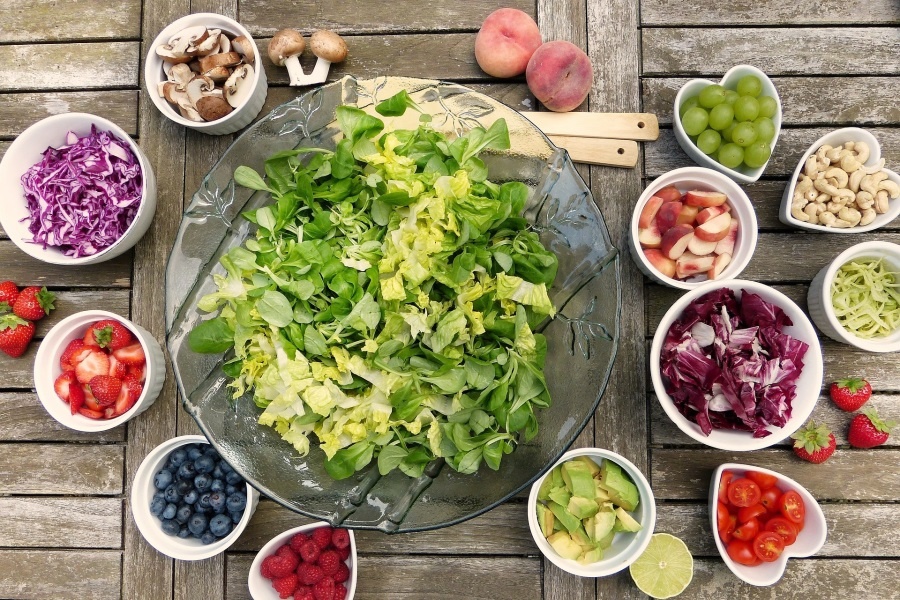
The Food Systems encompass various stages of the food value chain ranging from production, storage, processing and manufacturing, to distribution, retail, and consumption. This is a highly interconnected approach which involves a shared responsibility between governments, producers, food businesses along with consumers. Here, everyone has a role to play from farm to table to ensure that the food we consume is safe, nourishing and sustainable to both people and the planet.
With market and trade globalisation, people in both developed and developing nations have been experiencing many changes in their way of living as well as eating habits. Within the supply chain which is increasingly becoming more and more complex in the globalised market, adulteration (unintentional or intentional) is the key food safety issue. Regulatory bodies are challenged with major food safety and public health issues resulting from changes in the food production and supply along with environmental changes, leading to contamination of food with new and emerging bacteria, toxins, and antibiotic resistance and consumer preferences and habits leading to increase in imported foods.
Increase in imports of food/processed food items due to cost concerns, consumer demand for diverse food products also provides chances for food contamination/adulteration. At this juncture, what should be the effective strategies to address the emerging challenges to provide safe, healthy, nutritious and sustainable produced food to the world’s population? The answer lies in the food systems approach. The world needs to rethink the ways in which food is produced, processed and consumed.
This year’s Food Systems Summit, scheduled to take place in the month of September in New York, envisions for a common platform for ambitious actions, innovative solutions, and strategies to transform the world’s food systems, as part of the Decade of Action to achieve the Sustainable Development Goals by 2030. Guided by the Five Action Tracks mentioned below, the Summit 2021 envisions bringing together key players and drawing on the expertise of actors from the worlds of science, business, policy, healthcare and academia, as well as farmers, indigenous people, youth organisations, consumer groups, environmental activists, and other key stakeholders. These five steps include:
Convened by the United Nations Secretary General, the first ever UN Food Systems Summit’s fundamental commitment is inclusivity. This is truly a people’s Summit, and everyone everywhere is encouraged to contribute – from small farmers and research scientists, to indigenous leaders and corporate executives, to youth organisers and environmental activists, to supermarket cashiers and avid home cooks. There are many ways to get involved in the Food Systems Summit, from becoming a Food Systems Hero, helping to raise awareness of food systems on social media, to hosting or joining a dialogue. This will help bring about tangible, positive changes to the world’s food systems.
Towards ‘Sahi Bhojan. Behtar Jeevan’
The Eat Right India movement envisions safe and nourishing food for all Indians produced in environmentally sustainable systems. This has led the movement to gain a lot of national and international recognition. Recently, the Eat Right India movement was declared as one of the top visionaries for the Food Systems Vision Prize 2050. This Prize was instituted by the US-based Rockefeller Foundation in association with Second Muse and Open Ideo. The ten finalists shortlisted among over 1300 applicants were announced as Top Visionaries.
Based on the key themes of Eat Safe, Eat Healthy, and Eat Sustainable– the Eat Right India movement adopts a judicious mix of regulatory, capacity building, collaborative and empowerment approaches to ensure that our food is good both for the people and the planet. Further, it builds on the collective action of all stakeholders – the government, food businesses, civil society organisations, experts and professionals, development agencies and citizens at large.
The action plan of the movement includes a bouquet of initiatives to promote demand for, and supply of, safe and healthy food in a sustainable way. While the supply-side interventions are primarily aimed at building the capacity of food businesses to promote self-compliance, the demand-side initiatives work towards motivating consumers to demand safe and healthy food, by encouraging good food practices and habits.
Eat Right India has devised FIVE KEY ACTIONS to achieve its vision.
Eat Right India is also aligned with various government flagship programmes such as POSHAN Abhiyaan, Anemia Mukt Bharat, Ayushman Bharat and Swacch Bharat Abhiyaan. To institutionalise the Eat Right India, an inter-ministerial steering committee has been set up with representatives from all related ministries and departments such as women and child development, environment, science and technology, agriculture, food processing, food and public distribution etc. This also includes members from our training and audit community, development partners and industry representatives through associations. This would ensure continuity, scale up and real time monitoring of various initiatives and programmes under Eat Right India.
Eat Right India brings together diverse stakeholders from various institutions such as government departments, consumer organisations, development partners, industry associations, academia, professional associations etc., working closely on the food systems identified from pre-existing multi-stakeholder platforms or coalitions working on various food-related issues. The movement adopts a ‘whole of government’ approach, bringing together all food-related mandates from ministries of agriculture, health, environment and others.
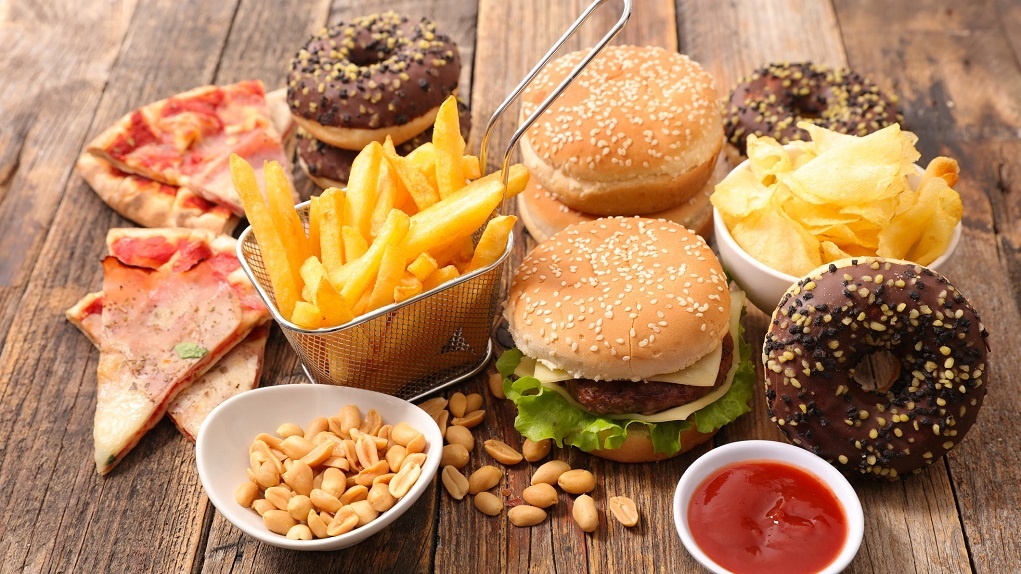
Processed foods have become a part of our lives. Experts recommend to avoid eating them in excess due to their unhealthy nutrition composition or the additives present in them. But most of the food we eat today has undergone some sort of processing and many times these processing procedures are even necessary to make the food edible. These processing measures do not alter the nutrition composition of a food product. In this article, we attempt to present the classification of processed foods and prepare a guide to differentiate between minimally processed and ultra-processed foods.
Richa Pande
All processed foods are not same. In fact, some foods must undergo primary and secondary stages of processing to make them palatable; sometimes to make them even edible too. There are three stages of food processing: primary, secondary, and tertiary. Foods prepared using primary and secondary techniques are classified as minimally processed foods. Processing techniques including baking, freezing, grinding, removal of inedible portions, drying, heating, milling, pasteurisation, roasting, etc. can be classified as primary and secondary food processing techniques.
These techniques also reduce the cooking time taken to prepare a meal and make things convenient for us. Imagine the efforts we will have to put if we must deshell the nuts every time, we eat them. But unshelled nuts can become rancid easily and thus they are available in vacuum packaging, another processing step that prevent nuts from becoming rancid. They also help in prevention of spoilage and extending the shelf life of foods we consume daily. Milk packs we use daily at our homes undergo pasteurisation, a processing technique that prevents milk and other dairy products from spoiling without altering their nutritional properties.
Ultra-processed foods on the other hand are typically foods with unhealthier nutrient profiles. They are either calorie dense and/ or have high fat or salt or sugar content or are high in all three of these nutrients of concern. This is the reason why ultra-processed foods are considered unhealthy. Having them regularly can increase our risk of having health concerns such as obesity, heart disease, diabetes, high blood pressure, cancer, hormonal disorders, anxiety, and depression.
Another concern about ultra-processed foods is the food additives in them. They are added in the food to increase the shelf life of the food or to retain its appearance or enhance its taste. Usually, they are not a cause of concern as the food regulatory authorities have set limits for these additives and food manufacturers to adhere to them. But it is important to note that some food additives may have no adverse effect on an adult weighing 70 kgs could be harmful for a child weighing 20 kgs. For example, it’s okay for adults to have foods with added food colors but some of these colors have been found to increase hyperactive behaviors in children. Also, adults need to mind the portion sizes to minimise their exposure to these food additives.
Ultra-processed foods have also been found to have negative impacts on the environment. There are many ways ultra-processed foods can damage the environment. Most of the ultra-processed foods in market are available in small disposable packaging. As ultra-processed foods are easily available at low cost, their consumption is quite high worldwide. These food packaging contribute to major environmental waste production. Many UPFs contain palm oil, which is known to have both negative health and environmental effects. One of the major reasons why health and environment activists insist on reducing the consumption of ultra-processed foods is because doing so would not lead to nutritional deficiencies in humans and would have positive impacts on their health.
Keeping all this in mind, we must aim to reduce the consumption of ultra-processed food and opt for food stuff locally grown with low environmental impacts that is affordable, nutritionally adequate, and safe for our consumption.
One of the easiest ways to so is by going through the product’s ingredient list. Ultra-processed foods typically have more ingredients in them. It is one of crucial ways to identify ultra-processed foods, foods that are known to have adverse effect on our health.
Let’s understand this with the help of an example- The pasteurised milk pack we use daily is a minimally processed food item. It is nutritious and is good for health. On the other hand, flavoured milk available in market can be classified as an ultra-processed beverage. It can have up to 18 grams of sugar added in one serving of milk with added food colours and other additives.
Another example that can help us to understand the difference between minimally processed foods and ultra-processed foods are corn and its different forms available in the market. Foods like husked corn, frozen sweet corn kernels, and dried corn kernels are minimally processed foods. Ready-to-eat popcorns, cornflakes, and nachos are corn-based food items that can be classified as ultra-processed foods.
Sometimes we can make food handling choices that are relatively healthier. For instance, we can choose not to roast corn after removing the husks and steam it instead as roasting the corn will lead to acrylamide formation which isn’t good for our health. Similarly, we can choose to pop corn kernels at home with less salt and butter or oil instead of having ready-to-make popcorns bought from the market as they are loaded with fat and salt.
Look at the table below. It will help you further to differentiate between minimally processed and ultra-processed foods-
| Unprocessed
Food item |
Minimally processed | Ultra-processed |
| Wheat | Flour | Cookies |
| Potato | Baked potato | French fries |
| Pineapple | Canned pineapple | Pineapple juice powder |
| Fresh fish | Canned fish | Fish nuggets |
| Apple | Apple custard, Apple juice, | Apple pie, Apple puff snacks |
| Corn | frozen sweet corn kernels, dried corn kernels | Instant popcorns, cornflakes, and nachos |
By developing an understanding about minimally-processed and ultra-processed foods, we can make food choices that are relatively healthier. For instance, we can choose not to roast corn after removing the husks and steam it instead as roasting the corn will lead to acrylamide formation which isn’t good for our health.
Similarly, we can choose to pop corn kernels at home with less salt and butter or oil instead of having ready-to-make popcorns bought from the market as they are loaded with fat and salt. Likewise, we can opt to have a fruit or freshly prepared juice without added sugar instead of drinking sugar loaded drinks readily available in the market.
The page you requested could not be found. Try refining your search, or use the navigation above to locate the post.
Investing in IPOs (initial public offerings) has been picked up lately. The trend is going to be here with Indian companies minting millions including the likes of Nykaa, who made its employees millionaires overnight with the listing. In the year 2021 alone, we saw nine startups to went public raising funds to the tune of $5.86 Bn. The year 2022 might see 16 startups to go public out of which two have received SEBI’s approval and five DRHPs are yet to be approved. There are quite a few Indian companies including MobiKwik, Delhivery, travel giant Ixigo, OYO, Droom to file their draft-red-herring-prospectus (DRHP). We consumers invest in IPO to get good returns. On the other hand, IPO is a similar process in which companies raise money from the market with the condition. So, what are the procedure to try one’s luck at the bourses? Let us check here.
Subas Tiwari
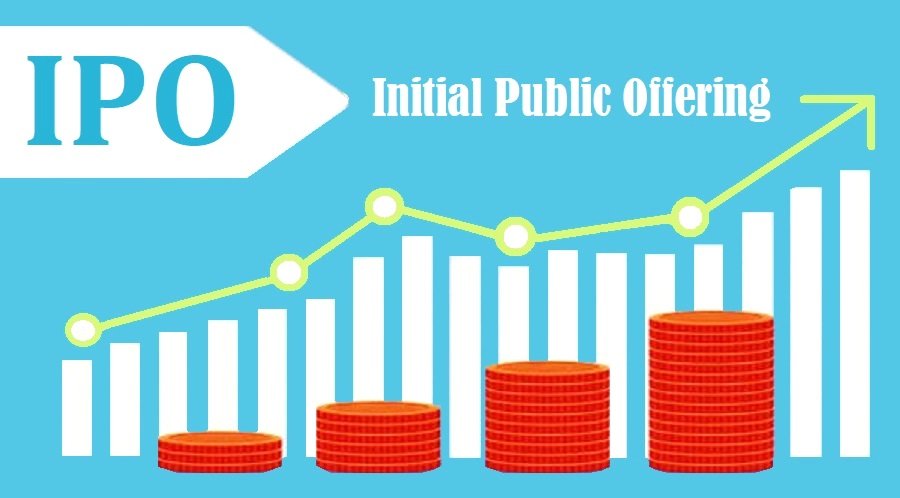
IPO or Initial Public Offering occurs when a company issues its common stock or shares to the public for the first time. IPO is issued by limited companies so that they can get listed on the stock exchange. After listing on the stock market, the shares of the company can be bought in the stock market. The company issues IPO to raise funding in case of investment or expansion. The two main reasons for a firm to start an IPO are to raise capital and to enrich former investors.
The lowest share price is known as the floor price and the highest stock price is known as the cap price. The final decision regarding the price of the shares is determined by the bids of the investors.
IPOs are ready to make the stock market buzzing in the new year as well. Companies are expected to raise up to Rs 1.5 lakh crore (IPO of 2022) from IPOs in 2022 as well, after the spurt in 2021. The IPO of the company (Ruchi Soya IPO) from Gautam Adani to Baba Ramdev is going to hit this month. Significantly, 2021 was the best year for IPO in the last two decades in the Indian market. Excess liquidity and increased participation from retail investors continued to fuel the IPO’s enthusiasm and companies raised over Rs 1.2 lakh crore this year amid the gloom of the pandemic. LIC’s IPO is also about to come.
Adani Wilmar’s IPO is going to come this month, which will be around Rs 4500 crore. Ruchi Soya’s IPO of about Rs 4300 crore is also going to hit this month. Go Airlines is also going for close to Rs 3600 crore IPO. MobiKwik’s Rs 1900 crore IPO is also expected this month. Apart from these, Rs 998 crore IPO of ESAF Small Finance Bank Ltd and Rs 500 crore IPO of Traxon Technologies will also come this month. On the other hand, Skanray Technologies will have an IPO of Rs 400 crore as well as OFS. ESDS Software Limited’s IPO of Rs 332 crore is also coming with OFS.
In the year 2022, massive fund raising through the primary market will start with a big IPO of public sector company Life Insurance Corporation (LIC). Apart from this, many new age digital players are ready to enter the IPO market.
However, some believe that the enthusiasm will be a bit low in 2022. The market sentiment next year will be affected due to the new nature of Covid-19 and in such a situation the uncertainty is taking a toll on the markets and the economy. The 2022 IPO will not be as encouraging as 2021 for the markets, especially considering that some of the big public issues like Paytm has not done well post listing in the recent past.
IPOs can be rewarding investments. As an investor, you definitely don’t want to miss out on these opportunities that don’t present themselves all too often. Here’s what you need to know about IPOs before investing.
Related
The page you requested could not be found. Try refining your search, or use the navigation above to locate the post.