No Results Found
The page you requested could not be found. Try refining your search, or use the navigation above to locate the post.

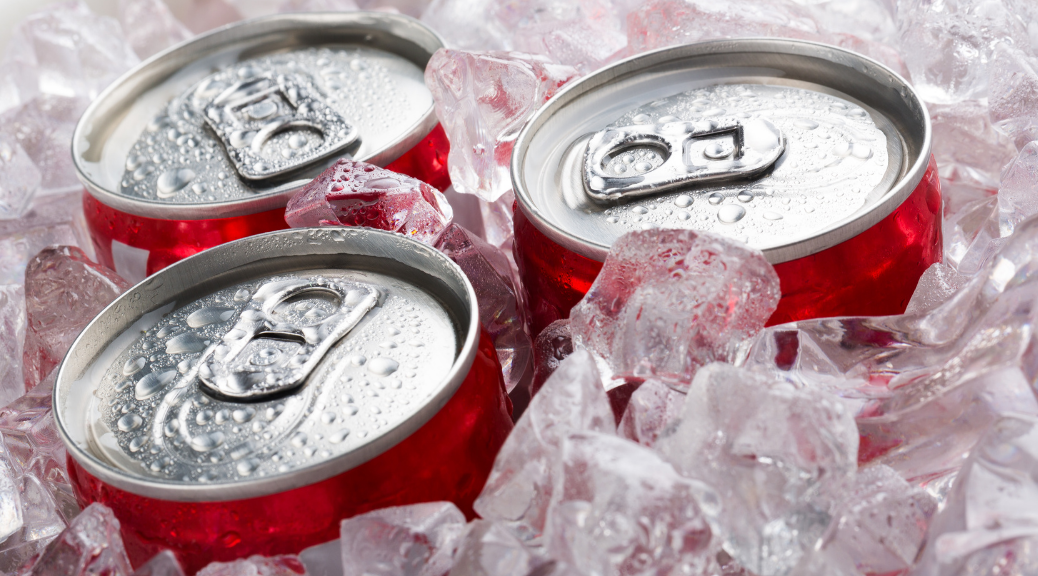
Diet sodas are a popular beverage all over the world, among people of all ages who are anxious to reduce their sugar or calorie intake. Instead of sugar, artificial sweeteners, such as aspartame, cyclamates, saccharin, acesulfame-k, or sucralose, are used to sweeten them. There is no doubt that diet soda is a better option for reducing calorie and sugar intake, but that’s not all. There is hardly any other nutritional value in these drinks. Although we do not have many scientific trials to document the long-term health outcome of diet soda, we cannot be mindless in the consumption of these drinks. Consumers are seeking a ‘healthier’ alternative to high-calorie-high-sugar beverages. However, should we straightaway assume that a food or drink that doesn’t contain calories or natural white sugar is ‘healthy’, without a thorough risk assessment? In this article, we share some recent research on artificial sweeteners and their adverse health effects raises multiple questions about regular diet soda consumption.
Richa Pande
Diet soda is composed of water, artificial sweeteners, synthetic colours, preservatives, and flavours. These sodas provide low or zero calories, contain no refined sugar, and zero nutrients to support overall health. Worldwide, millions consume diet soda to avoid weight gain or manage complications of diabetes without having to give up on their favourite soda. It is mindful to know the general composition of something that we consume. Given below are some ingredients commonly present in diet soda drinks:
| Contents of three diet sodas picked from the market | ||
| Ingredients | ||
| 1 | Brand 1 Sugar Free Soda | Carbonated Water, Acids (Citric Acid, Malic Acid), Natural Lemon and Lime Flavouring, Acidity Regulator (Sodium Citrate), Sweeteners (Aspartame, Acesulfame K), Potassium Chloride, Stabiliser (Pectin). |
| 2 | Brand 2 Diet Soda | Carbonated Water, Acidity Regulator (338), Sweeteners (951, 950), Preservative (211), Caffeine. Contains Permitted Natural Colour (150D) And Added Flavours (Natural Flavouring Substances), Contains No Fruit. |
| 3 | Brand 3 Zero Calorie Soda | Carbonated Water, Colour (Caramel E150d), Acids (Phosphoric Acid, Citric Acid), Flavourings (including Caffeine), Sweeteners (Aspartame, Acesulfame K), Acidity Regulator (Sodium Citrate), Preservative (Potassium Sorbate). Contains A Source of Phenylalanine. |
| 4 | Brand 4 Fizz Classic Cola |
Carbonated Water, Sweeteners (Steviol glycosides, Erythritol), Acidity Regulator (330, 331), Vitamin C, Herb Ashwagandha, Salt, Added Permitted Natural Food Colours (150D), Flavours.
|
Phenylketonuria is an inherited disorder that increases the levels of a substance called phenylalanine in the blood. Some diet soda contain aspartame, which is an artificial sweetener composed of two amino acids: aspartic acid and phenylalanine. It thus poses a severe health concern to phenylketonurics, or individuals afflicted with phenylketonuria. Hence Diet Coke using aspartame to provide sweetness while remaining sugar-free, needs to be avoided by phenylketonurics.
It has been found that sugar substitutes such as saccharin, sucralose and stevia can change the composition of the gut microbiota. Some polyols such as maltitol, lactitol, and xylitol, increase the numbers of bifidobacteria in human beings. Intriguingly artificial sweeteners like saccharin & sucralose that are widely used in manufacturing diet soda could impact the gut bacteria- E. coli and E. faecalis. Due to excessive consumption of diet soda that has above ingredients, pathogenic bacteria like E. coli and E. faecalis can adhere to the gut wall, invade the Caco-2 intestinal cell lining, and cause multiple health hazards.
Although diet soda doesn’t contain sugar like regular soda, it’s highly acidic and can take a serious toll on your smile if you drink a lot of it on a regular basis. One study found that both regular soda and diet soda significantly affects the surface roughness of tooth enamel, indicating that both can contribute to tooth erosion.
Diet soda contains several compounds that may negatively affect bone health and lead to bone loss. These compounds include caffeine and phosphoric acid. Caffeine consumption has been reported to decrease bone mineral density, increase the risk of hip fracture, and negatively influence calcium retention.
Some research suggests that the artificial sweeteners found in diet soda may have the same effect on the food reward pathway in the brain as regular sugar, which could lead to increased hunger and food intake. Whether, and how, these phenomena contribute to weight gain is still unclear. Research on this topic is mixed, so additional studies on diet soda and sugar cravings are needed.
Switching from regular soda to diet soda is an easy way to reduce your intake of carbohydrates and calories. However, diet soda doesn’t contain many nutrients, and drinking too much is associated with some short and long-term side effects. For this reason, if you want to drink diet soda, it’s best to enjoy it in moderation. Consider pairing it with a nutritious, well-balanced diet. You can also enjoy plenty of healthier beverage options to help you stay hydrated during summers.
coconut water, cold-pressed juice with no added sugar, freshly prepared lime soda.
The page you requested could not be found. Try refining your search, or use the navigation above to locate the post.

To encourage States/UTs to improve their performance and work towards establishing a proper food safety ecosystem in their jurisdiction, the Food Safety and Standards Authority of India (FSSAI) has released the State Food Safety Index (SFSI) annually for each financial year. The Index is a dynamic quantitative and qualitative benchmarking model that provides an objective framework for evaluating food safety across all States/UTs.
Shri Arun Singhal, CEO, FSSAI
The Food Safety Index reflects the overall performance of the States/ UTs on various parameters of food safety. These food safety parameters are broadly classified under following 5 significant factors assigned with separate weightage of marks.
Further, based on the fact that similar States should be compared to ensure comparability among similar entities for the generation of ranks of States/UTs under SFSI, the States/UTs are classified into 3 categories namely Large States, Small States and UTs for the evaluation and assessment.
The assessment and evaluation of each category were done by separate teams comprising of outside experts for food testing and food & nutrition professionals in addition to FSSAI officials. The teams examine the details received from States/UTs and also interacts with States/UTs through video-conferencing for verification and confirmation of data.
a) Ranking of States/UTs:
b) States/UTs with significant improvement in ranking during last year:
In an effort to galvanize States/UTs to work towards ensuring safe food for citizens, Union Minister for Health and Family Welfare Dr Mansukh Mandaviya released Food Safety and Standards Authority of India (FSSAI)’s 4th State Food Safety Index (SFSI) to measure the performance of States across five parameters of food safety. SFSI was started from 2018-19 with the aim of creating a competitive and positive change in the food safety ecosystem in the country. The index will help in providing safe and nutritious food to our citizens.
Dr. Mandaviya further added that the government is dedicated to ensure health security for every citizen in the country and for this it is focussing on primary, secondary and tertiary healthcare fronts with various initiatives like Health and Wellness Centres and strengthening of district hospitals under the National Health Mission. He praised the crucial role FSSAI plays in ensuring healthy and nutritious food to the citizens of our country. “It is important to note that states have an important role in ensuring food safety and healthy food practices. It is the need of the hour that we come together to ensure a healthy nation”, he further noted.
The Union Health Minister felicitated the winning State/UTs based on the ranking for the year 2021-22 for their impressive performance across parameters. This year, among the larger states, Tamil Nadu was the top ranking state, followed by Gujarat and Maharashtra. Among the smaller states, Goa stood first followed by Manipur and Sikkim. Among UTs, Jammu & Kashmir, Delhi and Chandigarh secured first, second and third ranks. Dr. Mandaviya also felicitated states which showed significant improvement in the State Food Safety Index.
To motivate Smart Cities to develop and execute a plan that supports a healthy, safe and sustainable food environment through adoption of various Eat Right India initiatives, the Health Minister also felicitated 11 winning smart cities of the EatSmart Cities Challenge, launched by FSSAI last year in association with the Smart Cities Mission under the aegis of Ministry of Housing and Urban Affairs (MoHUA). He also felicitated winners of the Eat Right Research Challenge for Cities and Districts and Eat Right Research Awards and Grants.
Encouraging the participants and congratulating them on the occasion of World Food Safety Day, Shri Rajesh Bhushan, Union Health Secretary, said that to prevent burden from food borne diseases and to ensure food safety, a multifaceted and multi stakeholder approach involving industries, government machinery, regulators, etc. is required and awareness must be created at each level of the society. Shri Arun Singhal, Chief Executive Officer (CEO), FSSAI said that food testing paradigm in the country is being improved in mission mode and Memorandum of Understanding (MoUs) have been signed with States/UTs, to carefully see the food safety implementation in their respective areas.
The page you requested could not be found. Try refining your search, or use the navigation above to locate the post.

Richa Pande
Aluminium utensils are used very commonly in Indian households. They are inexpensive, light weight and easy to clean. Aluminium is a good conductor of heat, and its utensils conduct heat faster. But according to some recent research studies, its long-term use can have pathological effects on our body because aluminium has the tendency to leach with long term use. Leaching can often lead to critical conditions such as anaemia, dementia and osteomalacia, etc. Usage of aluminium foils also has been known to have some food safety concerns. It is important to note that leaching from aluminium utensils and foils while cooking depends on factors like temperature, medium cooking, and Ph of the food product.
Given below are some tips to reduce exposure to aluminium while cooking and storing food:
Stainless cookware is inexpensive compared to other materials. Steel is durable, corrosion free, and easy to clean. Stainless steel doesn’t react with acids found in milk, meat, vegetables, and fruits. The heat is distributed evenly over its surface making it a good option for cooking many recipes.
Iron cookware and cast-iron cookware are both made from iron but cast iron is mixed with metal alloys. Iron ware is made of pure iron, which makes it usable for long term, but rust is a major concern with iron cookware. As it is pure iron, it may get rust and then it is not safe to cook food in such utensils. Special precautions must be taken if you wish to use iron cookware. On the other hand, cast iron cookware are better at smelting with metal alloys, eliminating the problem of rusting.
Glass dishes are durable, non-toxic, and eco-friendly. Glass dishes are generally dishwasher and microwave safe. Glass container looks great in your kitchen, but you must be careful in using them as they can break if they fall. Unlike plastic containers, glass dishes are not associated with risks. Choose food grade glassware as it is prepared in high temperature and will prevent breakage. Element like lead and cadmium are used in glassware making process, so purchase glassware that is food-grade. Do not purchase glassware that has paint on the inner surface as they may have unhealthy chemicals that can affect the quality of your food. Some downsides of using glassware include uneven heat distribution.
Ceramic is a non-reactive cookware. It has no added chemicals that can leach in your food. It is non-reactive i.e., nothing reacts with it. The heat transfer is quicker and more efficient. These days aluminium ware with ceramic coatings is available. They are non-stick, the most important property of ceramic. Ceramic is smooth and it requires less oil or butter as compared to cast iron or stainless steel. They are light weight as the base is made of aluminium base and ceramic coating. Ceramic cookware is safe at higher temperatures than Teflon pans and pots. However, be aware while buying ceramic ware as they may be purely ceramic and may have used glaze to seal them which can further leach into your food. So, choose food-grade ware only.
Non-stick cookware is easier to clean. If dishes are prepared in non-stick cookware, they require lesser amounts of oil or butter for preparation. Different types of finishing and materials are used to make different non-stick cooking wares these days. Earlier, all the non-stick cookware was lined with Teflon. These days’ different non-stick wares are available in market such as ceramic ware. Yet Teflon cookware is very popular. Traditionally, Teflon was prepared using a different formula. It used to have a chemical called perfluorooctanoic acid (PFOA), which was found to be associated with health conditions, including thyroid disorders, chronic kidney disease, liver disease, infertility, and low birth weight. Though now Teflon is usually termed safe for cooking, please note that it shouldn’t be exposed to very high temperatures. Cooking on high temperatures can break the coating or cleaning it roughly can also scrap its coating making is unsafe to use. At temperatures above 300°C, Teflon coating can start breaking down which might release toxic chemicals in the air. When these toxic fumes are inhaled, it can lead to flu-like symptoms, chills, fever, headache, and body aches.
Melamine can be only used to serve food and for eating. But it should never be used in a microwave to heat food. Avoid eating acidic food such as lemon, tomatoes, or tamarind in melamine ware.
Copper cookware conducts heat. Due to this, copper heats quickly and evenly, but it loses that heat just as fast. The base of pan is usually made of other metals like stainless steel with copper coating over it. Copper reacts to acidic foods and needs a greater level of care when cooking. To clean water stains on copper utensils, you can use vinegar. You can use peels of lemon and tomatoes to clean them.
Food grade means that the material is suitable to come into direct contact with food. Food safe means that the food grade material and finished product is suitable for its intended use and will not create a food safety hazard. A product is said to be food safe when it is declared safe to use for the specific purpose for which it is designed.
Food safe cookware and tableware can be identified with the help of this logo. The symbol for “food safe” indicates that the material used in the product is considered safe for food contact. The certification includes considerations like the temperature that the cookware will be used at, cleaning processes, etc.
The page you requested could not be found. Try refining your search, or use the navigation above to locate the post.
Shri Arun Singhal, CEO, FSSAI
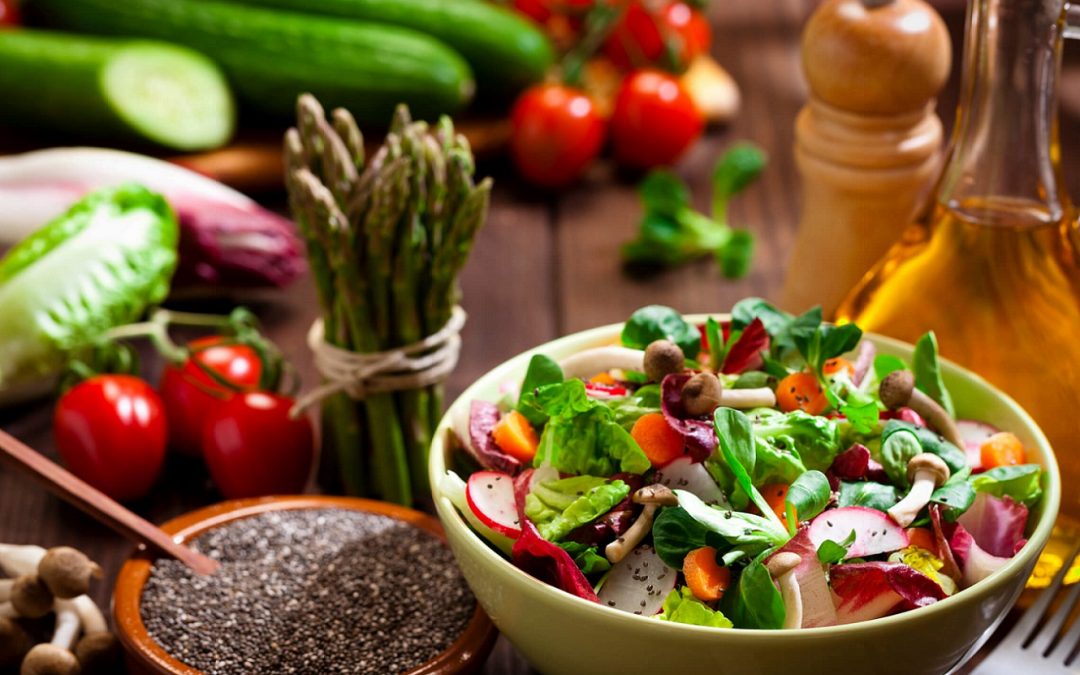
Food safety is one of the determinant of a sound and cohesive healthcare system in a country. Safe food is essential to promoting human health and well-being and ending hunger, two of the 17 main UN Sustainable Development Goals (SDGs).This underlines the need to focus on preventive healthcare through ensuring safe, healthy and sustainable food for all people. It is in this context, that the ‘Eat Right India’ movement has been launched by Food Safety and Standards Authority of India (FSSAI) under the Ministry of Health and Family Welfare.
Inspired by Mahatma Gandhi’s philosophy and habits of food and nutrition, the movement is envisioned as a transformative large-scale change initiative that combines regulatory, capacity building and empowerment approaches judiciously to protect and advance public health and improve quality of life of all people. Right food is the foundation for better life and its tagline, ‘sahi bhojan behtar jeevan’ (right food, better life) says it all. The movement is based on three key pillars of, ‘Eat Safe, Eat Healthy and Eat Sustainable’. Envisioned as a low cost, high impact collaborative and partnership based preventive health care strategy to promote consumption of safe and wholesome food, it requires interventions on both supply–side and demand-side, taken up together in a campaign mode. As foodborne illnesses and various diet-related diseases cut across all age groups and all sections of the society, the movement brings together food-related mandates of the agriculture, health, and environment ministries, and adopts an integrative or ‘whole of the government’ approach. Further it builds on synergies with flagship programmes like Ayushman Bharat, Swachh Bharat Mission, POSHAN Abhiyaan and Fit India movement to institutionalise preventive healthcare as a way of life.
A series of initiatives aimed at improving food quality and safety have been launched under the aegis of Eat right India targeting both supply and demand side. To build capacity of food businesses, FSSAI initiated ‘Food Safety Training and Certification’ (FOSTAC) – a unique program to ensure that there is a trained and certified Food Safety Supervisor (FSS) on each food business premises. Given the large unorganized food sector in India comprising a range of food businesses from street food vendors, dhabas, eateries, etc., several benchmarking and certification schemes to improve food safety and hygiene standards are in place. These involve training of food handlers and audits of food businesses by third-party audit agencies. Schemes such as ‘Clean Street Food Hub’, ‘Clean and Fresh Fruit and Vegetable Markets’, ‘Eat Right Station’ and ‘BHOG (Blissful Hygienic Offering to God) for Places of Worship’ are targeted to clusters of vendors. For individual outlets such as restaurants, catering establishments, sweet and meat shops, the ‘Hygiene Rating Scheme’ has been introduced.
Additionally, to create a culture of healthy eating habits across different settings like schools, workplaces, educational institutes, hospitals, etc., Eat Right School and Eat Right Campus certification programs have been launched. Under these initiatives, certification is awarded based on compliance to pre-defined benchmarks on safe, healthy and sustainable diets across these settings.
FSAAI uses various tools and mediums to create awareness about eating right. To celebrate ‘Azadi Ka Amrit Mahotsav’, FSSAI is organizing “Eat Right Walkathon and Eat Right Melas” in 75 cities across India to commemorate 75 Years of India’s Independence. The events are aimed for massive outreach to propagate the message of Safe, Healthy and Sustainable diets. It promotes millets as a nutri-cereal, local & seasonal produce and variety of healthy oils for optimal health and nutrition. The event kick-started in August 2021 and 26 such events has been organized so far.
FSSAI also releases ‘Myth Busters’ and ‘Guidance Notes’ for consumers from time to time to address any growing concerns related to food and clarify misconceptions at large. In addition to this, a pool of information including Pink Books for the Home Kitchens, the yellow books for schools, The Orange Books for the campuses etc., have been developed with the help of experts, nutritionists, doctors and chefs. The Eat Right Toolkit has been developed for Health and Wellness Centers under the Ayushman Bharat to ensure message reaches the grassroots level.
For mass consumer awareness and bringing about a shift in eating behaviours, emphasis has been placed on encouraging healthy food choices. FSSAI launched the “Aaj Se Thoda Kam” mass awareness campaign to reduce salt, fat and sugar in diets, and Trans-Fat Free India@75 to eliminate trans-fats by 2022. Apart from this, FSSAI promotes a variety of foods considering the vast diversity in diet, culture, customs, etc. for wholesome nutrition. Citizens are nudged to make the right food choices and promote diet diversification with a variety of whole grains ranging from wheat and rice, which are commonly consumed, to millets and other indigenous grains for better nutrition. Large-scale fortification of 5 staples including rice, wheat flour, edible oil, milk and salt with micronutrients appear to be good vehicles to deliver nutrients to large sections of the population. Nudging consumers to eat right not only creates awareness but constantly reiterates the importance of ‘mindful’ eating to ensure a sustainable change in habits.
To empower consumers to address adulteration, FSSAI has introduced The DART Book to check common food adulterants at home with simple tests. In addition, FSSAI has also launched mobile food testing vans, called Food Safety on Wheels (FSWs) to reach remote areas and conduct training and awareness activities as well.
To encourage and support sustainable food practices to protect the environment, FSSAI is spearheading initiatives such as ‘Jaivik Bharat’ for easy identification of authentic organic food; ‘Save Food, Share Food’ to reduce food waste and promote food donation; ‘Safe and Sustainable Packaging in Food and Beverage Sector’ to reduce the use of plastics and Repurpose Used Cooking Oil (RUCO) for safe and healthy use of cooking oil and repurposing used cooking oil to make biodiesel/soap, etc.
The Eat Right India targets people across ages, gender, regions, and socioeconomic groups. With the joint efforts of all stakeholders in the food systems from production to consumption, the Eat Right India movement can go a long way in addressing the issues around food safety and nutrition in the country.
The page you requested could not be found. Try refining your search, or use the navigation above to locate the post.
Shri Arun Singhal, CEO, FSSAI
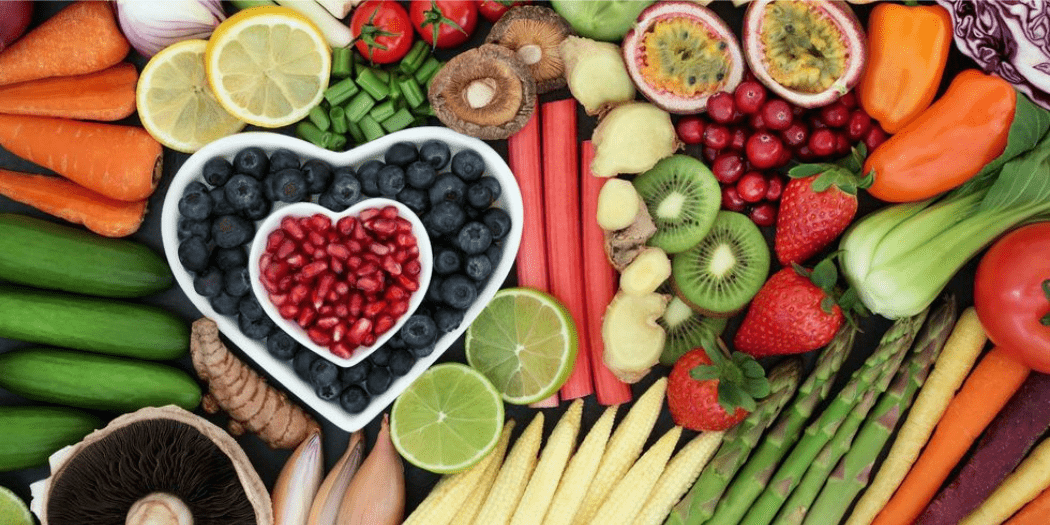
Launched in March 2021, the EatSmart Cities Challenge aims to motivate ‘Smart Cities’ to develop and execute a plan that supports a healthy, safe and sustainable food environment through adoption of various Eat Right India initiatives. The cities were required to implement an action under each of five action areas – Licensing and Registration of Food Businesses and Surveillance Drives; Benchmarking and Certification; Changing settings in schools and campuses; Creating a Sustainable Food Environment; Behaviour Change Campaigns, over a five-month implementation phase. A total of 108 cities had registered in the challenge out of which 20 cities were shortlisted for evaluation by an external jury panel comprising of national and international experts. Upon evaluation, 11 cities were selected as winners for the next phase of scale up.
In the pilot stage of the Challenge, significant improvements were made in the overall food ecosystem across the cities. Some of the key highlights include:
According to the CEO, FSSAI, Shri Arun Singhal, “The EatSmart Cities Challenge will have a positive impact on the lives of urban population by motivating them to eat right. This Challenge will support a large-scale effort to transform our Country’s food ecosystem to one that is safer, healthier and climate friendly. The world is seeking inspiration and innovation from the 11 chosen cities which are the front-runners of this challenge. I appreciate efforts displayed by all the participating cities and hopeful that this will be a game changer in creating massive social and behavioural change towards right eating practices in the years to come.”
In the scale up stage, cities will adopt an aggressive approach through food systems approach in implementation of various Eat Right India programs at a larger scale. They will also work towards making their interventions sustainable and to scale it up across wider network. To support the cities, FSSAI along with Food Foundation, UK will organize a series of activities and deliberation sessions to provide technical assistance and showcase their efforts at international forums. This will be a 3-month incubator programme where the winning cities will learn and develop strategy and policies to refine their food vision and integrate them with the overall smart cities structure. Food Foundation will also work with the cities and help them prepare to showcase their efforts at various international forums including the Food Cities 2022.
The page you requested could not be found. Try refining your search, or use the navigation above to locate the post.
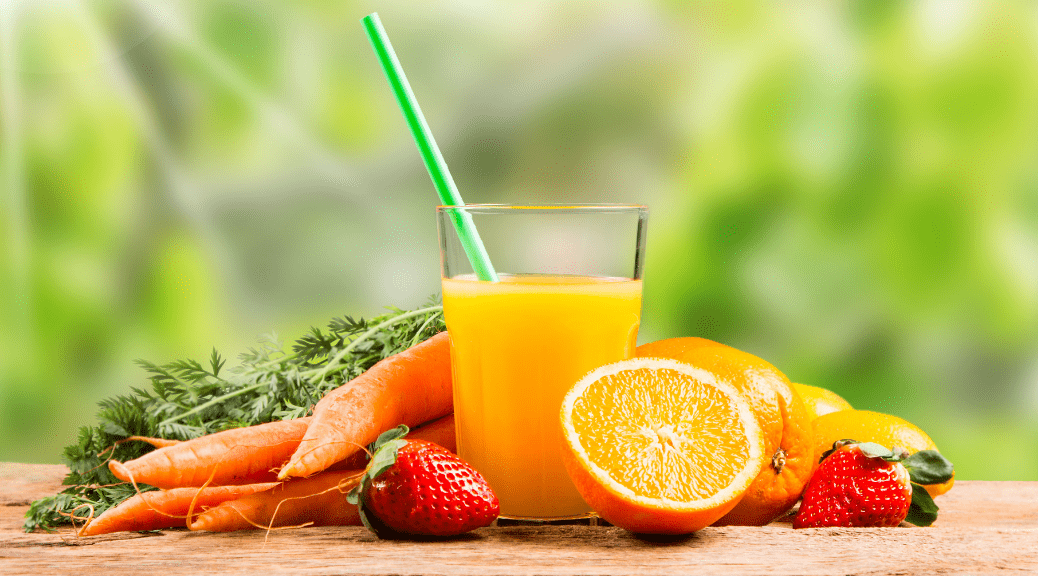
Summers are here, and accordingly we must make some dietary changes in this season to adapt to the heat. Summer calls for a diet which helps us to cool down our body temperatures. As temperature rise, we tend to sweat more in summers therefore keeping ourselves hydrated is very important. Also, it is important to watch the intake of the foods that ought to produce heat. Read this article to know more about keeping yourself healthy in this summer season.
Richa Pande
Take light and frequent meals instead of heavy meals rich in fats and carbohydrates as they tend to increase temperature of your body.
Try to include more fresh fruits and vegetables in your diet. Eat tomatoes, cucumber, watermelon, berries, and avocado. You can have them as salads or juices.
Keep drinking fluids. Drink at least 2-3 litres of water in a day. If you don’t like drinking plain water, then try infused water. It adds a flavour to plain water. Some common infused water choices can be-
Take plenty of juices, soups, and shakes. Hydration is not just about taking fluids but also maintaining the electrolyte balance in the body. It’s advisable to have electral to maintain the electrolytes and fluid balance. If you are indulging in a sport or any physical activity like trekking, be mindful about the timings i.e., choose early morning or evenings and keep yourself properly hydrated.
| Signs of Dehydration |
|
• Dry, itchy skin • Experiencing headache, dizziness, fatigue • Muscle cramps, not urinating frequently |
We are likely to eat more ice creams in summer as it makes us feel cool, but always choose ice-creams that are natural. Ensure that they contain no preservatives and pick the one with less amounts of sugar. Also, mind the portion sizes.
These drinks tend to dehydrate the tissues.
Food-borne illness episodes tend to increase during summers. Street vendors might not have proper sources to maintain the temperature of food, which may increase the risk of food borne illnesses.
During summers, the risk of food getting spoiled increases as compared to other seasons. Store leftovers in refrigerator if there are any. Try to consume more of freshly cooked food. Cook in small quantity and avoid eating stale or leftover food as it increases the chances of food poisoning. Raw foods and cooked foods must be separated when stored in the refrigerator. Store raw meat and fish in the freezer, keep raw fruits and vegetables in the basket below, and raw milk usually goes into the chiller.
Taking probiotics such as curd can help you improve your immune system, protect against infection, and improve your digestion and absorption of food and nutrients, including water.
Onion, garlic, black pepper, ginger, some root vegetables, and spicy foods are best avoided in the summer.
Avoid getting out during daytime. Prefer going out during morning or evening time. Ultraviolet rays are harmful for your skin. So, take necessary precautions to avoid sunburns. Always wear sunscreen. Heat strokes are very common in summers. Wear light colour clothes and light fabrics such as cotton. Avoid dark colour clothes (as they absorbs heat) or heavy fabrics such as silk as they tend to increase the body temperatures. Cover your body with clothes and try not to expose it much to sun as it’s not good for your skin. Always cover your eyes with sunglasses as ultra-violet rays are not good for your eyes as well.
The page you requested could not be found. Try refining your search, or use the navigation above to locate the post.