


Recurrent pregnancy loss

Recurrent pregnancy loss

Recurrent pregnancy loss

With an increasing number of affected couples, recurrent pregnancy loss (RPL) has become a widespread reproductive health problem. Clinically, it is defined as the loss of three or more pregnancies before the foetus reaches viability. It affects approximately 3 percent of couples attempting to conceive. Cases with multiple miscarriages with or without any viable children are also categorized as RPL.

Dr. Sarla Naglot, ICMR, New Delhi

According to the latest medical journals, uterine anomalies, antiphospholipid syndrome, inherited thrombophilia, abnormal endocrine factors, environmental factors, advanced parental age, and genetic factors may cause RPL by interfering with foetal development that eventually leads to miscarriages. Uterine abnormalities, like uterine septum and Müllerian anomalies, disrupt placenta growth by hampering the endometrium’s blood supply, resulting in miscarriages. Hormonal disorders like hyperprolactinemia, thyroid disorders, uncontrolled diabetes, luteal phase deficiency, and polycystic ovarian syndrome (PCOS) are also associated with RPL. RPL is also reported in patients with hyperprolactinemia and diabetes mellitus I. Moreover, environmental factors like obesity, smoking, excessive caffeine consumption, and alcohol intake are known to increase the risk of miscarriages.

Another significant factor influencing RPL pathogenesis is the maternal immune response against the foetus. The mother’s immune system often views the foetus, with its half-paternal genome, as a foreign body, but a protective immunological cascade gets activated during pregnancy to prevent its rejection. In RPL, autoimmune factors like antiphospholipid syndrome, antinuclear antibodies, and anti-thyroid antibodies lead to an immune reaction against the foetus causing its early rejection. Amongst the known autoimmune disorders connected with RPL, the antiphospholipid syndrome is garnering significant attention due to its high prevalence. Another factor usually seen in RPL cases is embryo chromosomal abnormalities, due to natural selection such foetuses do not survive beyond the 10th week of gestation. As one of the factors involved in RPL is maternal age, couples are strongly advised to undergo peripheral karyotyping. This particular cause of RPL is highly encountered by the new generation of would-be parents due to their late family planning. It has been reported that there is an increased incidence of foetal aneuploidy in older mothers, likely due to fewer optimally developed oocytes. On the other hand, the correlation with male partners is not yet understood. While diagnosis of RPL can be disheartening, many affected couples can carry a pregnancy successfully with available modern therapy and management procedures, especially when underlying causes are endocrine diseases, antiphospholipid syndrome, or anatomical abnormalities.

Unfortunately, around 40% of RPL cases remain unexplained even after extensive clinical investigations and are termed idiopathic RPL (iRPL). Couples afflicted by iRPL go through a difficult and frustrating ordeal, facing financial burdens and feelings of fear and uncertainty. The lack of understanding about the causes of iRPL cases also poses a significant challenge for doctors. A major limitation of RPL clinical workup is that it is mostly focused on female partners and only two clinical evaluations—semen analysis and karyotyping—are recommended for male partners. This is because RPL is not related to conception or impregnation but rather to carrying the conceptus to a live birth, undervaluing the importance of male components after fertilization. However, recent discussions about the significance of sperm in fertilization and early embryonic development have shed light on the investigation of sperm-related factors in RPL. Studies have found chromosomal abnormalities, embryonic aneuploidy, oxidative stress, fragmentation of sperm DNA, and other male contributory factors in iRPL cases. Abnormal expression of certain sperm proteins that may influence feto-maternal communication, foetal development, and embryo implantation has also been identified. Proteins play a significant role in the development and efficient function of spermatozoa, impacting functional pathways and thus, uncovering molecular insights about the role of spermatozoa in fertilization and embryo development is critical for understanding successful pregnancies. Regardless of recent advancements in RPL pathogenesis and molecular insights, it continues to raise concerns and calls for auxiliary molecular research.

The research on the correlation between oxidative stress, DNA fragmentation, and pregnancy loss is still in the early stages and requires more studies to yield conclusive results. Further explorations in this area can elucidate the potential role of male contributory factors in idiopathic cases, potentially improving iRPL management. Based on the findings of our research, we believe that iRPL patients may benefit from medical treatments targeting oxidative stress and DNA fragmentation. Traditionally, the male contribution, particularly of their spermatozoa, has been perceived as limited to fertilization, and any adverse events after conception are attributed to mothers. Biomedical research, however, emphasizes the contribution of male factors in iRPL cases after fertilization. Thus, one of the significant impacts of pre-clinical research findings on male characteristics in RPL is raising awareness in society and changing clinical standards.

In conclusion, conducting more thorough investigations on male partners in RPL can help reduce the incidence of idiopathic cases, raise public awareness, and alleviate the psychological strain on women. Understanding the role of sperm-related factors and employing a molecular approach may provide critical insights into RPL, leading to improved care and better outcomes for affected couples. By unravelling the molecular mechanisms involved in RPL, researchers can identify potential biomarkers for screening and to develop targeted treatments, bringing hope to couples facing these challenges.

From Grain to Gain: Mastering the Art of Aata Selection

From Grain to Gain: Mastering the Art of Aata Selection

From Grain to Gain: Mastering the Art of Aata Selection

Are you aware of what goes into that essential ingredient that forms the foundation of countless Indian meals? Yes, we’re talking about aata, the versatile flour that brings us the beloved rotis, chapatis, and parathas. But have you ever stopped to consider the quality and integrity of the aata you purchase from the market? In a world where consumer choices abound, it’s crucial to be aware and informed about the products we bring into our kitchens. This article aims to shed light on the importance of consumer awareness when it comes to buying aata, ensuring that you make the best choices for your health and well-being. So, join us on this journey as we uncover the secrets hidden within those seemingly innocent bags of flour and empower you to become a discerning and confident aata buyer. Let’s dive in!

                                                                                                                                                                  Richa Pande

When it comes to aata, there’s more than meets the eye. This humble flour comes in various types, each with its unique characteristics and benefits. From the finely ground wheat aata that gives you those soft and fluffy rotis to the nutrient-packed multigrain aata that adds a wholesome twist to your meals, the choices seem endless. However, amidst the vast array of packaged aata available in the market, there are common concerns that conscientious buyers like you should be aware of. Adulteration, contamination, and misleading packaging practices have become all too prevalent, compromising the quality and safety of the flour we bring home. That’s why it’s crucial to choose your aata wisely, considering factors such as purity, nutritional value, and transparency. By making informed decisions and opting for high-quality aata, you not only safeguard your health but also contribute to the overall well-being of your family. So, let’s delve deeper into the world of aata and discover why being a discerning buyer is the key to nourishing your loved ones with the best.

In a world where food products often conceal hidden truths, it’s not uncommon for seemingly innocent bags of aata to harbor their own set of concerns. As an informed consumer, it is crucial to be aware of the common pitfalls when purchasing aata. Let’s unveil the hidden realities behind these packages filled with flour.

  1. Adulteration and Contamination
  • Mixing of Low-Quality Grains:One of the most prevalent issues in the aata market is the mixing of low-quality grains. Some unscrupulous sellers may blend inferior or even damaged grains to cut costs and maximize their profits. This compromises the overall quality and nutritional value of the aata, leaving you with subpar flour.
  • Presence of Artificial Additives:To enhance texture, colour, or shelf life, some manufacturers resort to adding artificial additives to their aata. These additives may include chemicals, preservatives, or synthetic flavour enhancers that are not only detrimental to your health but also mask the natural characteristics of the flour.
  • Contaminants such as Pesticides or Chemicals: Inadequate quality control measures during cultivation, processing, or storage can lead to the presence of contaminants like pesticides or harmful chemicals in aata. Consuming flour contaminated with such substances poses serious health risks and can have long-term implications for you and your loved ones.
  1. Misleading Packaging and Labelling
  • False Claims of Nutritional Value:It’s not uncommon to come across aata packages flaunting bold claims about their nutritional value. However, many of these assertions may be misleading or outright false. Some brands may exaggerate the health benefits of their product without any scientific backing, leaving you uncertain about the actual nutritional composition of the flour.
  • Incomplete Ingredient List:Another packaging concern is the lack of transparency when it comes to the ingredient list. It’s crucial to be aware of what goes into your aata, but unfortunately, some brands conveniently omit or provide incomplete information about the ingredients used. This lack of transparency hampers your ability to make informed decisions about the flour you’re purchasing.
  • Deceptive Branding and Marketing Tactics:Eye-catching packaging, captivating taglines, and clever marketing tactics can sway even the most discerning buyer. However, it’s important to go beyond the surface and not fall prey to deceptive branding. Some brands may use misleading imagery, buzzwords, or claims to create a false perception of quality and purity, leading you to choose aata that may not meet your expectations.

Different Types of Aata

Multigrain Aata

Multigrain aata, a blend of various grains, offers a nutritious alternative to traditional aata. Packed with a diverse range of nutrients, it adds depth and flavour to your meals. Different brands may offer different combinations of grains, leading to variations in taste and texture. If possible, sample a small quantity or read reviews to gauge the overall flavour and consistency of the multigrain aata. Opt for multigrain aata that is free from artificial additives, preservatives, or refined flours. Ensure that the grains used are of high quality and sourced from reliable suppliers.

Organic Aata

Organic aata, derived from organically grown grains, is gaining popularity among health-conscious consumers for several reasons. Organic aata is produced without the use of synthetic pesticides, fertilizers, or genetically modified organisms (GMOs). This means it is free from harmful chemical residues, making it a healthier choice for you and the environment. Organic farming practices focus on maintaining soil health, resulting in grains that are often more nutrient-dense compared to conventionally grown counterparts. Organic aata is known for its higher levels of vitamins, minerals, and antioxidants, contributing to a more wholesome diet. Also, organic farming methods promote sustainable agriculture, emphasizing soil conservation, biodiversity, and reduced pollution. Choosing organic aata supports sustainable practices and helps preserve the natural ecosystem. Look for recognized organic certifications, such as Jaivik Bharat, on the packaging. These certifications ensure that the aata has met stringent organic standards and is genuinely organic.

Fortified Aata

Fortified aata, enriched with iron, folic acid, and vitamin B12, offers several advantages in improving public health. It serves as a safe and effective method to prevent nutritional deficiencies, as wheat flour is widely consumed. Fortification is a cost-effective way to add back essential nutrients lost during milling. The inclusion of iron, folic acid, and vitamin B12 in fortified aata is crucial for combating anaemia and supporting blood formation. To identify fortified aata, look for the “+F” mark on the packaging. This mark signifies that the product has undergone rigorous testing and meets the required fortification standards. By choosing fortified aata, consumers can ensure that their meals are enriched with vital nutrients, contributing to a healthier and more nourished society. 

Making an Informed Choice

When it comes to buying aata from the market, a little research and attention to detail can go a long way in ensuring that you bring home a high-quality product. Here are some tips to help you make the best choices:

  • Read Online Reviews and Ratings:Before making a purchase, take some time to read online reviews and ratings of different aata brands. Feedback from other consumers can provide valuable insights into the quality and reliability of the product.
  • Seek Recommendations from Trusted Sources:Ask family, friends, or even local culinary experts for their recommendations on trusted aata brands. Personal experiences and word-of-mouth recommendations can help you make informed decisions.
  • Check for Recognized Certifications or Quality Seals:Look for recognized certifications or quality seals on the packaging. These certifications indicate that the aata has undergone rigorous testing and meets certain quality standards.
  • Look for Clear and Legible Information:Inspect the packaging for clear and legible information. Ensure that the brand name, ingredients, and nutritional information are easily readable. Avoid products with vague or ambiguous labelling.
  • Check the Expiry Date and Manufacturing Date:Always check the expiry date and manufacturing date of the aata. Freshness is key when it comes to flour, so choose products with longer shelf lives and recent manufacturing dates.
  • Ensure Proper Sealing and Tamper-Proof Packaging:Ensure that the packaging is properly sealed and tamper-proof. Airtight packaging helps maintain the quality and freshness of the aata, while tamper-proof seals provide assurance that the product hasn’t been tampered with.

When it comes to ensuring safety and quality at home, proper storage and regular inspection of aata play crucial roles. By following simple guidelines, such as storing aata in airtight containers in cool and dry places, we can protect it from moisture and pests, preserving its freshness and integrity. Regularly inspecting the aata for signs of spoilage or insects allows us to promptly discard any compromised products, preventing health risks. Additionally, being mindful of the expiry date and discarding aata past its prime ensures that we consume only the freshest and safest flour. By adopting these practices, we can confidently prepare meals that not only delight our taste buds but also prioritize our health and well-being.

Related

Personal Accident Insurance

During these times when people have to adhere to strict timelines, work longer hours, attend tours and meetings, the working class is always on the...

read more
Are freebies good for economic health and can they empower the poor?

Are freebies good for economic health and can they empower the poor?

Are freebies good for economic health and can they empower the poor?

Does India need freebies from the government to survive? What is now popularly called the ‘freebie politics’ has its own economic implications. As the proverb goes there are no free lunches, freebies in the form of free units of power can be detrimental for the economy. Though welfare schemes are common and need for a country like India, there is a thin line between welfare schemes and free distribution.

This is what Dr Bhamy V.Shenoy discusses in its 4-part series on economic freebies. Part 1 of the series follows below:

Are economic freebies a boon or a bane for the poor?

One of the oft repeated arguments against freebie is that it can result in unmanageable deficit and create economic havoc. Still political parties can win elections by offering all kinds of freebies. However our constitution makers anticipated such a situation. They have provided guard rails to stop such behavior on the part of political parties of ever increasing freebies.

Politicians especially from the AAP claim that India’s constitution allows them to offer welfare measures. At the same time the same constitution through Articles 292 and 293 mandate borrowings to be within limits. The Constituent Assembly of India discussed these articles on 10th August 1949 led by H V Kamath and Ananthasayanam Ayyangar. To quote them,” So far as borrowing is concerned they may be short or long-term imposing heavy obligations upon not only the present generation but future generation also”. How true.

Let us take a look at the research findings of international institutions (International Monetary Fund, International Energy Agency and the World Bank) and academicians who have studied the controversial topic of subsidy in different parts of the world.

Their findings show that a subsidy like Gruha Jyothi (subsidizing power consumption) is harmful and in the long run affect the very poor people it is expected to help. However all of them do support giving conditional or unconditional benefits in the form of cash to needed families. In fact even the concept of minimum guaranteed income (Graha Lakshmi is one such admirable guarantee and so also earlier Bhagya Lakshmi) is justified if financial conditions of the countries allow such schemes and keep deficit within limits.

In 2010 Iran successfully replaced offering subsidized fuels by giving cash transfer. Even though petrol prices increased by 400% and diesel prices by 900%, subsidy reform was widely accepted. Like Iran, Jordon implemented similar subsidy reform in 2015 with equal success. In fact way back in 1997, five million poorest families were helped in Mexico with conditional cash transfer (if they send their children to school) and was a great success. Similar success stories of cash transfers instead of subsidyhave succeeded in Yemen, Mauritania, and Morocco.

Economic historians will have a challenging task to figure out why India took many years to learn from all these successful efforts.

Bhamy Shenoy

About the Author

Dr. Bhamy V. Shenoy, an IITM graduate has worked in International energy  sector and has more than 50 years of experience. He is currently the Trustee and Board Member of Consumer Voice of Delhi, Trustee of Sehgal Foundation of Gurugram, Governing Council member of Nitte Engineering College, Advisor to Pratham Mysuru and Founding Working President of Mysuru Grahakara Parishat. He has served as board member of Georgian National Oil Company, advisor to ONGC, governing council member of Manipal Institute of Technology, advisor to Center for energy economics at University of Texas, Austin, etc. Dr. Shenoy has fought since early 90s till recent years to expose mother of all corruption in PDS kerosene distribution and residential LPG generating more than Rs. 50,000 crores of black money per year before the introduction of DBT. He has also successfully fought to expose rampant corruption in oil sector in Georgia.

You can reach out to the author through bhamysuman@gmail.com

Related

DNA Fingerprinting: A key to know your ancestry

DNA Fingerprinting: A key to know your ancestry

DNA Fingerprinting: A key to know your ancestry

A new field of study was opened in 1984 when Professor Sir Alec Jeffreys generated the first genetic fingerprint in his lab at the University of Leicester. Talking about his discovery, Sir Alec said, “My life changed on Monday morning at 9.05 am, 10 September 1984. What emerged was the world’s first genetic fingerprint. In science it is unusual to have such a ‘eureka’ moment. We were getting extraordinarily variable patterns of DNA, including from our technician and her mother and father, as well as from non-human samples. My first reaction to the results was ‘this is too complicated’, and then the penny dropped and I realised we had genetic fingerprinting.”

Dr. Anil Kumar Tomar

Scientist-D

Department of Biophysics, AIIMS, New Delhi

Genetic fingerprinting, or commonly referred as DNA fingerprinting, is a revolutionary method that has transformed the study of forensic science. It is a method that employs analysis and comparison of DNA to solve legal issues like paternity testing and inheritance disputes, establish identity in criminal cases when biological evidence is discovered at crime scenes, and identify victims of major catastrophes, and mutilated and unidentified bodies. In addition, it is also routinely applied in immigration issues, and wildlife forensics. The principle behind DNA fingerprinting is the idea that some portions of each person’s genome have a unique genetic code. To discover a person’s unique genetic profile, this technique entails analysing and comparing specific segments of their DNA. Within the DNA molecule, this code is made up of nucleotide sequences that are organised in a definite order. Short tandem repeats (STRs), for example, are highly variable DNA sections that can be used to create a unique pattern or “fingerprint” for each person. There are various steps involved in the DNA fingerprinting process. A biological sample is first used to extract DNA; this sample could be blood, saliva, hair, or any other bodily fluid. DNA is cut into specified fragments using restriction enzymes and the polymerase chain reaction (PCR) is used to amplify DNA segments, which are then separated by a gel electrophoresis technique and bands of DNA fragments are visualised by X-ray. The DNA profile of the person is represented by the resulting band pattern.

Soon after its discovery, the first paternity case, an immigration case, and the identification of identical twins were all solved in 1985 using DNA fingerprinting. While, the first criminal investigation to use DNA fingerprinting evidence occurred in 1986. Few years later, a leading British chemical company, Imperial Chemical Industries (ICI) marketed the first commercially available kit. As a very accurate and reliable technology for identifying suspects, establishing ties between crime scene evidence and criminals, DNA fingerprinting has had a significant impact on forensic investigations. Further, identifying disaster or mass casualty victims, settling paternity and kinship issues, and studying genetic diseases and population genetics have all benefited greatly from its use. However, the ability to trace and identify ancestral lineages using DNA fingerprinting has become more important. Scientists can discover the genetic markers that have been passed down through the generations by examining particular sections of an individual’s DNA, revealing information about one’s ancestry.

The widespread use of DNA fingerprinting by anthropologists, social scientists, and genealogists to support conventional / historical research and create connections with biological parents is a result of technology advancements and low costs. The capabilities and applications of DNA fingerprinting have been substantially enhanced by the development of DNA sequencing technologies. The simultaneous examination of several genetic markers using next-generation sequencing (NGS) technology boosts the efficiency and discriminatory power of the process. Ancestry DNA tests help people to discover more about their family roots. People frequently utilise DNA ancestry tests to learn about their ethnicity and family history. DNA ancestry tests available to the public are Y chromosome test, mitochondrial DNA test, autosomal DNA test, single nucleotide polymorphisms (SNPs), etc.

A Y chromosome test is employed to ascertain whether tested males have the same paternal ancestry. The Y chromosome is passed down from father to son and has extremely low mutation over many generations. All males in a direct male line will have the same Y chromosome profiles, if such a line can be identified. This test is the best way to determine whether alleged males are genuinely connected biologically. On the other hand, mitochondrial DNA testing is used to determine maternal lineage. While mitochondrial DNA is inherited by all children, only biological females have the ability to pass it on to future generations. Thus, this test is applicable to both biological males and females to know about their maternal ancestry. Autosomal DNA tests are not specific in that way and are applied to confirm parent/child relationships and all other relationships up to the second cousins. Autosomal DNA is inherited from the autosomal chromosomes. Humans have 22 pairs of autosomal and one pair of sex chromosomes (X and Y). SNPs are the most prevalent form of genetic variations in people. Each SNP is a variation in a single nucleotide, the basic unit of DNA. SNPs are common genetic variations that can be used to infer a person’s ethnicity or ancestry. SNP testing may be superior to Y chromosome or mitochondrial DNA testing, which only consider one ancestral line. Their ability to identify degraded DNA strands is an advantage.

Looking at present scenario, this technique has evolved exponentially in terms of technological innovations and commercialization. It is now commercially available for consumers at a reasonable price. If you want to learn about your ancestry, you can simply select and order from a range of DNA fingerprinting tests as per your requirements. The major global firms that provide these test facilities are Family Tree DNA, Easy DNA, Ancestry.com DNA, and 23andMe. Several companies in India are also offering these services, including DNA Forensics Laboratory, DDC Laboratories India, map my genome, Xcode Life, and DNA Labs India.

Related

Decoding the Secrets of Buying the Best Saffron

Decoding the Secrets of Buying the Best Saffron

Decoding the Secrets of Buying the Best Saffron

Did you know that saffron is one of the most expensive spices of the world? It is used in a variety of dishes in India. Its application extends to traditional medicine and cosmetics as well. Also, saffron is an important part of many religious ceremonies in India, particularly in Hinduism and Buddhism. However, shopping for saffron can be confusing and overwhelming. As a consumer, it’s important to consider quality, safety, price, and other factors when purchasing this delicate spice.  In this article, we talk about saffron, its benefits, and some consumer tips that can help you in your search for the perfect saffron in the market. 

                                                                                                                         Richa Pande

Saffron cultivation requires specific geographic and climate conditions. This limits its production to specific areas, which contributes to its high cost. Saffron is primarily produced in these countries- Iran, Afghanistan, India and Spain. It’s also cultivated in Morocco and Greece. Saffron cultivation and harvesting is a labour-intensive process that must be done by hand, which makes the production of saffron a time-consuming and expensive process. Also, it is only harvested once a year. This means that there is a limited supply of saffron each year, which drives up the price. It is used in a variety of dishes due to its unique flavour, and aroma. It is also used in traditional medicine and cosmetics due to its potential health benefits. This high demand drives up the price of saffron.  

Saffron has a long and rich history in the Indian state of Kashmir, where it has been cultivated for centuries. Saffron was first introduced to Kashmir by Persian traders in the 11th century, who brought the spice to the region for cultivation. The spice quickly became popular in Kashmir due to its potential health benefits and its use in culinary and religious ceremonies The Mughal emperors, who ruled over Kashmir during the 16th and 17th centuries, were particularly fond of the spice and encouraged its cultivation. Saffron production in Kashmir declined in the 20th century due to factors such as political unrest and the availability of cheaper imports. In recent years, efforts have been made to promote sustainable farming practices and improve the quality of the Kashmiri Saffron. Today, Kashmir is still one of the major producers of saffron in the world, with the spice being a key part of the region’s cultural and culinary heritage.

Saffron is an essential spice in Indian cuisine. Its unique flavour and aroma make it a popular choice in both sweet and savoury dishes. Saffron is used to add colour and flavour to popular dishes like Biryani and Korma. It is added to kheer, and other milk-based recipes such as Lassi, Shrikhand, and Kulfi. It gives these delicacies a beautiful yellow colour and a distinct aroma. Saffron is also a popular ingredient in many Indian sweets and desserts, including Rasmalai, Jalebi, Gulab Jamun, and Kesar Peda. It gives them a rich and exotic flavour.

Saffron in also used to prepare Kashmiri Kahwa, a traditional Kashmiri tea made with green tea leaves, saffron, cardamom, cinnamon and almonds. It is known for its unique taste and aroma and is commonly consumed in the Kashmir as a refreshing beverage. In addition to its delicious flavour, Kashmiri Kahwa is believed to have several health benefits.

Easy recipe to make Kashmiri Kahwa

Ingredients:

  • 4 cups water
  • 2 teaspoons green tea leaves
  • 2-3 strands of saffron
  • 1 cinnamon stick
  • 4-5 cardamom pods
  • 1 tablespoon honey or sugar (optional)
  • 1/4 cup slivered almonds

Preparation:

  • In a pan, bring the water to a boil.
  • Add the green tea leaves, saffron, cinnamon stick, and cardamom pods to the boiling water. Lower the heat and let it simmer for 2-3 minutes.
  • Turn off the heat and let the tea steep for 2-3 minutes.
  • Add honey or sugar (optional) and stir well.
  • Strain the tea and discard the tea leaves and spices.
  • Serve hot with slivered almonds on top.

Enjoy the delicious Kashmiri kahwa!

Saffron has been used in traditional medicine for centuries due to its various health benefits. Here are some of its potential health benefits.

  • Anti-inflammatory properties: Saffron contains compounds like crocin and safranal, which have anti-inflammatory properties. These compounds can help reduce inflammation in the body, which can be beneficial for conditions such as arthritis and asthma.
  • Antioxidant properties: Saffron is a rich source of antioxidants, which can help protect the body from damage caused by free radicals. Antioxidants can help reduce the risk of chronic diseases such as cancer, heart disease and diabetes.
  • Mood enhancer: Saffron is believed to have mood-enhancing properties and can help alleviate symptoms of anxiety and depression.
  • Digestive health: Saffron can aid digestion by increasing the secretion of digestive enzymes, reducing inflammation in the gut, and promoting healthy gut bacteria.
  • Respiratory health: Saffron has been used to treat respiratory problems such as asthma and cough, as it can help relax the airways and reduce inflammation in the respiratory tract.
  • Heart health: Saffron may help improve heart health by reducing cholesterol levels, improving blood circulation, and reducing inflammation in the blood vessels.
  • Immune system booster: Saffron has been shown to boost the immune system and may help prevent infections and illnesses.
  • Eye health: Saffron contains compounds that may help prevent age-related macular degeneration and improve vision.

Skin health: Saffron can help improve skin health by promoting blood circulation, reducing inflammation, and preventing oxidative damage.

Traditional Preparation for Good Skin Health using Saffron, Aloe Vera & Kumkumadi Tailam

  • Soak a few strands of saffron in a tablespoon of milk /distilled water for about 15-20 minutes. This will help extract the beneficial compounds from the saffron.
  • Mix the saffron-infused milk with a tablespoon of aloe vera gel and a few drops of kumkumadi tailam.
  • Apply the mixture onto your face and neck, massaging gently in circular motions.
  • Leave the mixture on for about 20-30 minutes before rinsing off with lukewarm water.
  • Use this mixture 3-4 times a week for best results.

*Note- It is important to note that if you have sensitive skin or are prone to allergies, it is recommended to do a patch test before using any new skincare products or ingredients.

Skin benefits – It hydrates skin, prevents premature aging, and evens out the skin tone and reduces the appearance of pigment.

Buying High-Quality Saffron 

  • Choose  ISO Certified Grade A++ Saffron 

The ISO grading system categorizes saffron into grades based on the levels of crocin, picrocrocin, and safranin present in the spice. Choose Saffron with A++ gradation marked on the label. 

  • Look for the  GI TAG 

Geographical Indication (GI) sign is used on products that have a specific geographical origin and possess qualities or a reputation that are due to that origin. In India, there’s GI tagging available Kashmiri Saffron. By choosing saffron with Kashmiri saffron GI Tag, you ensure that you aren’t buying adulterated saffron. Buying it also is in economic interests of Indian Saffron producers.

What is Kashmiri Mongra Saffron?

Kashmiri Mongra Saffron is one of the best quality saffron in the world. It has a higher percentage of crocin, the compound responsible for its colour, flavour and aroma, which makes it more potent and flavourful than other varieties of saffron. It is grown in the Kashmir Valley, has a unique climate and soil that is ideal for growing saffron. The region experiences cold winters and mild summers, which is optimal for saffron cultivation. The soil in the Kashmir Valley is also rich in minerals, which helps to enhance the flavour and aroma of the saffron. It is traditionally cultivated using organic methods, without the use of any pesticides or chemical fertilizers. This results in saffron that is pure and free from harmful chemicals.

  • Check Packaging Before Purchasing Saffron

Saffron should be packaged in an airtight container to preserve its quality. Look for saffron that is packaged in a sealed, opaque container to protect it from light and air.

  • Compare Prices

Saffron is a highly valued spice, and its price can vary widely depending on the quality and the seller. Compare prices, and attributes of saffron sold by different sellers to ensure that you are getting a fair price for good quality saffron.

Determining Saffron Adulteration 

Common adulterants- Parts of saffron flowers other than stigma, filaments from other plants, including corn fibres, safflower stigmas, calendula stigmas, pomegranate fruit fibres, filaments from other sources dyed with plant dyes such as beetroot, turmeric powder, and

Test 1

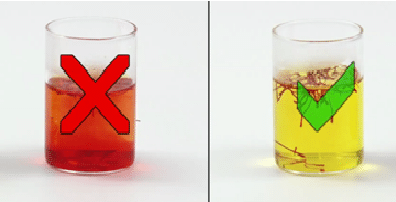
Check for colour and aroma. Good quality saffron should have a bright red colour and a strong, pleasant aroma. If the saffron looks dull or has a weak or unpleasant aroma, it may not be of good quality. Do not buy the same brand again.


Test 2 

Put the saffron threads in lukewarm water. If the saffron threads loose the colour rapidly, then it’s adulterated.

All Guest Column

No Results Found

The page you requested could not be found. Try refining your search, or use the navigation above to locate the post.

Rise and decline of the Consumer Movement in India

Rise and decline of the Consumer Movement in India

Rise and decline of the Consumer Movement in India

The consumer movement is an organised social movement that promotes consumer protection and is often led by consumer organisations. It argues for consumer rights, particularly when those rights are actively violated by the activities of corporations, governments, and other organisations that offer customers with goods and services. Consumer movements frequently push for higher health and safety standards, truthful product information in advertising, and consumer representation in legislative bodies.

Bhamy V. Shenoy

Ralph Nader is widely regarded as the founder of the current consumer movement in most parts of the world. In India, however, we do not have a single such towering leader. Manubhai Shah, the founder of the Consumer Education and Research Centre (1978), and H. D. Shourie, the founder of Common Cause (1980) are both deserving of such a high honour.  Manubhai Shah focused mostly on assisting individuals with personal problems or identifying consumer issues.  Shourie’s initiatives aimed to effect systemic change through PILs filed before the Supreme Court.  

In Karnataka some of the pioneers of the consumer movement were Jajie Mandanna, the founder of Karnataka Consumers Services Society (1974),  Dr. K P S Kamath, the founder of Udupi Balakedarara Vedike (1980), and Prof Narayan Rao in Udupi. There were some well-known NGOs who followed the pioneers at the national level: Sriram Khanna of Consumer Voice in Delhi (1983), S R Desikan of Consumer Association of India in Chennai (1983), and Pradeep Mehta of Consumer Unity and Trust in Kolkata (1984). But before the mid-80s, there were not many NGOs in the consumer protection movement. However, special mention must be made of an individual activist M. R. Pai of free enterprise in the 80s. He concentrated on fighting for consumer-friendly services from monopolies like Indian Airlines, Indian Nationalized Banks, and Indian Telephones.     

The adoption of the Consumer Protection Act on December 24, 1986 (COPRA) was a major impetus for the Modern Consumer Movement in India. Because of such a revolutionary Act, India observes December 24 as National Consumer Day. However, even after ten years, there were less than 800 NGOs, most of which had minimal budgets and relied on government handouts. There are currently roughly 2000 NGOs, the majority of which exist simply on paper.

It is paradoxical that in the US, President Kennedy has been credited as launching the Consumer Movement on March 15, 1962 by declaring four consumer rights – right to Safety, right to Information, right to be Heard, and right to Choose. In 1982, Consumer International, which has membership of 250 consumer groups, decided to celebrate March 15 as World Consumers Rights Day.

Consumers in the US were protected through competition and strong laws preventing unfair trade practices. But in India where consumers were taken for a ride in the absence of competition, we had to wait till 1986 to get the progressive Consumer Protection Act.  To add to the woes of Indian consumers, our court system is notoriously slow in solving disputes where justice was often delayed and thus denied by endless adjournments. Thus, COPRA was a saviour. Unfortunately, it did not last long. The main ideals of COPRA were to give speedy (within 90 days) and summary justice without involving lawyers. Unfortunately, today these consumer redressal commissions have become “civil courts” where adjournments are normal, lawyers are never present and summary trials are never held.

But none of the consumer NGOs was big enough or had enough expertise to bring about systemic changes to promote competition. It was the time when one had to wait for months, if not years to buy scooters/motor bikes, get telephone connection, procure LPG, etc. For buyers of cars, choice was limited to three brands. It was only after 1991 when economy was liberalized, consumers were able to have their choice while buying cars and two wheelers and too without waiting. Air travel became easier and cheaper with the entry of several private airlines, and much later, we also had the choice of phone connections when mobile phones became available.  

However, the nascent consumer movement did not realize that the best weapon to help consumers is competition and not a plethora of laws and regulations.  For that matter, even now most NGOs concentrate on helping consumers through COPRA, which was significantly improved in 2019. New features of the Consumer Protection Act were mediation, imposing fines on celebrities for misleading and false ads, bringing online trading under the preview of the act, filing cases online, product liabilities, setting up of a Consumer Protection Authority, etc.  

Nevertheless, even the best act cannot help the consumers if those in authority fail to implement it in true spirit and have empathy for long suffering consumers. Food Safety and Standards Authority of India (FSSAI) Act is one such act. Because of the failure to implement it, food adulteration is rampant (as much as 20%), affecting the health of millions. NGOs need to work in not only helping consumers to use COPRA but also to put pressure on the government to enforce the implementation of the Acts in true spirit. Often the laws like FSSAI are used as weapons of corruption rather than to help citizens.

Soon after the passage of COPRA, consumer NGOs organized national level annual meetings to discuss strategies to strengthen consumer movement. First such meeting was held in Kochi (1990) followed by Delhi (1991 and 1993), Kolkata (1992), and Hyderabad (1995). Efforts to form a pan-India umbrella organization did materialize in 1991 to form Confederation of Indian Consumer Organizations. But it lasted only for a few years. Well-established leaders like Manubhai Shah, and H. D. Shourie kept away from such meetings. Once the initial momentum of COPRA started to wane and consumer redressal commissions became replica of civil courts, the decline of Indian consumer movement began.  

While we can find fault with the NGO leaders for their lack of vision and leadership qualities, main culprits are the consumers themselves. We the citizens, especially the literate ones, do not take responsibility while living in a democracy. Our duty is to take an active part in the democratic process of electing honest, dedicated, and competent leaders by casting our votes. Only then does a Consumer become King in the private sector, and citizens will be treated as masters while seeking services from servants of the government. Unfortunately, today, we are neither “Kings” nor “Masters” because of our failure to fulfil our duties s citizens.  

Even the basic responsibility of getting a receipt while buying goods or services is not complied with by most consumers. When given a chance to save taxes, we are tempted not to demand receipts. We do not realize that we then lose our rights as consumers to use the Consumer Protection Act however progressive it may be. Even when we are cheated, how often do we protest?  

Though we know very well that only when we are united and have a strong organization (think of labour unions fighting for members’ rights), we can fight for our consumer rights against the more powerful profit-driven private enterprises or corruption-ridden, inefficient government bureaucracy. Still, we do not even become a member of credible NGOs to support activists which are public-spirited. On the other hand, some try to find faults with the activists or criticize them for not taking up what they think are more pressing problems, or they completely ignore them just as they ignore taking part in democratic processes.

To revitalize the consumer movement, we need just two simple strategies – to take active part in the democratic process of electing the most suitable candidates, and second, to support and take active part in the consumer movement. The million-dollar question is how to implement these strategies.  

After examining the growth and fall of the consumer movement, as well as proposals for revitalization, it may be good to conclude by relating the experience of Mysuru Grahakara Parishat (MGP). Even at the risk of being accused of blowing my own horn, I’d like to explain briefly, if subjectively, the successes and shortcomings of MGP, which I founded in 1989.  

There has not been a single issue affecting Mysuru that MGP has not attempted to resolve in its 33 years of existence. Apart from assisting thousands of individual citizens in resolving their problems, MGP attempted to effect systemic changes in institutions in order to minimise corruption and improve the standard of living for all customers.  

They are:

  • Recommending self-assessment of property tax system,
  • Breaking single monolithic Karnataka Electricity Board into power generation and distribution companies,
  • Removal of lead from petrol,
  • Getting regulatory bodies to fix tariff like KERC for monopolies,
  • Participating actively in development of Mysuru Development plans to prevent Mysuru going the way of Bengaluru,
  • Preserving lakes,
  • Saving parks from encroachment,
  • Greening and cleaning Mysuru,
  • Promoting an autonomous and professional company to manage water supplies and sewage,
  • Improving traffic safety, streamlining operations at RTO to eliminate corruption,
  • Eliminating diversion of subsidized PDS kerosene and residential LPG,
  • Preventing food adulteration.   

Despite our mixed success, we have considerable visibility in the city today. Some commissioners’ have complimented that every city should have an NGO like MGP, which is beneficial to authorities too. However, despite MGP’s initial objective of obtaining 10,000 members in the first five years, we have never surpassed 1000. However, MGP has succeeded in establishing a strong platform for a number of activists to serve Mysuru. This was accomplished entirely via the efforts of volunteers, with no government funding.   

Ralph Nader

Ralph Nader

Jajie Mandanna

 Jajie Mandanna

HD Shourie

H D Shourie  

MR Pai

M R Pai

Manubhai Shah

Manubhai Shah

KPS kamath

 K P S Kamath  

Enquire Now

    X
    Enquire Now