No Results Found
The page you requested could not be found. Try refining your search, or use the navigation above to locate the post.


Recently, the Food Safety and Standards Authority of India (FSSAI) issued a strong advisory urging both consumers and food vendors to refrain from using newspapers in any capacity related to packing, serving, or storing food items. The FSSAI emphasized the potential health hazards associated with the ink used in newspapers, citing its composition of bioactive materials known to have adverse effects on health when ingested. Additionally, these printing inks may contain chemicals such as lead and heavy metals, which can leach into the food, posing serious long-term health risks. The FSSAI is actively collaborating with state food authorities to enforce a ban on the use of newspapers for packaging or wrapping food items. Besides newspapers, there are many other food contact materials we encounter daily that can significantly influence our health. In this article, we will delve deeper into some of these materials, discuss how their usage can affect our health, and provide tips on safeguarding our health against their potential risks.
Food contact materials encompass items directly or indirectly interacting with food. This includes any material intentionally or likely to come into contact with food, packaging materials, cleaning agents, cutlery, dishes, containers, cutting boards, and more.
“Forever chemicals” refer to a group of synthetic chemicals known as PFAS (per- and polyfluoroalkyl substances), notorious for their long-lasting nature. These chemicals earned the nickname “forever chemicals” due to their remarkable durability. According to the Centre for Disease Control and Prevention, PFAS are utilized in nonstick cookware, disposable take-away food packaging, pizza boxes, burger wrappers, water-resistant clothing, stain-proof fabrics, microwave popcorns bags, some cosmetics and various other items designed to repel grease, water, and oil. Unfortunately, these chemicals have been associated with heightened risks of thyroid disease, cancer, liver diseases, decreased fertility, low birth weight, non-communicable diseases, and other significant health issues.
It is very difficult to avoid forever chemicals but there are some steps you can take to reduce exposure to PFAS via everyday products:
Minimizing food’s contact with plastic is critical due to potential health risks associated with chemicals like BPA (bisphenol A) and phthalates, as well as the presence of microplastics in food and water. However, it’s important to note that certain food-grade plastics deemed safe for use have undergone rigorous testing to meet specific safety standards. Nonetheless, continuous exposure to even food-grade plastics may carry risks, prompting a need to limit reliance on plastic in food storage and preparation.
|
Plastic Chopping Boards |
Wood Chopping Boards |
|
Plastic Containers |
Steel & Glass Containers |
|
Dishwashing Liquids & Bars (Laced with chemicals) |
Natural Alternatives |
|
Refined Cooking oil in Plastic Pouches or Containers |
Cold-pressed cooking oil in glass bottles |
|
Easy Swaps for Better Health |
|
Common dishwashing liquids, promising effective grease removal and pleasant scents, often hide a range of active ingredients that pose risks to both your well-being and the environment. Ingredients like Disodium EDTA, phosphates, triclosan, and SLES are frequently found in these products. Even after a thorough cleaning, remnants of these liquids persist on our dishes, entering our bodies with every subsequent meal. This can potentially disrupt the gut microbiome, affecting our overall health and leading to various diseases and metabolic disorders.
Consider opting for natural ingredient-based alternatives. Not only are these alternatives effective for cleaning, but they also reduce exposure to potentially harmful chemicals. This eco-friendly approach to dishwashing ensures a safer and healthier environment for you and the planet.
The page you requested could not be found. Try refining your search, or use the navigation above to locate the post.

Alzheimer’s disease, a progressive neurodegenerative disorder, primarily affects memory and cognitive function. It is the most common cause of dementia, gradually impairing daily life. Research aims to understand its complex pathology and develop effective treatments for this widespread and challenging condition.
All of us have heard about neurological disorders like dementia and Alzheimer’s disease (commonly abbreviated as AD). However, general population is typically quite ignorant about these conditions and they fail to understand if there is any major difference between dementia and AD. To put in simple words, dementia is a generic term used for decline in mental ability of a person to the extent that it interferes with day-to-day activities. Common symptoms may include deterioration of memory, language, reasoning, and beyond. Various health conditions that cause damage to brain cells, like AD, depression, cardiovascular diseases, and others can cause these symptoms. Other causes may include excess consumption of alcohol, vitamin deficiencies, side effects of certain drugs, thyroid problems, etc. However, the most common cause of these symptoms is AD, diagnosed in 60-80% of dementia cases.
On the other hand, AD is a neurodegenerative disease characterized by complex changes in brain causing neuronal cell damage, which eventually leads to dementia. In addition to memory loss, people with AD experience difficulty finishing even basic chores. Changes in personality or mood swings are also common in these cases. Some people may become confused regarding names, locations, and events. Visual anomalies can also happen, such as trouble in understanding pictures. According to science, AD causes accumulation of aggregated proteins in the brain, such as phosphorylated tau and beta-amyloid and neuronal degeneration. Because all human functions—such as thinking, walking, and talking—depend on brain neurons, AD causes damage to the brain areas that govern these functions. As a result, cognitive, language, and memory problems become the initial onset signs of AD. Such patients can undergo behavioral, personality or emotional changes. One particular behavior that warrants attention is wandering, and being unable to find their way back. With time, more areas of the brain are affected and even performing daily tasks like dressing and bathing require professional caregivers. Even while AD appears to be a simple example of neuronal degeneration, it is really more complicated due to its 20-year latent phase. It is a degenerative disease, which worsens over time and its progression varies from person to person. The progression of AD from the unnoticeable brain changes to eventual physical disability is termed as the Alzheimer’s disease continuum. It includes three primary phases- preclinical AD, mild cognitive impairment (MCI), and Alzheimer’s dementia. Alzheimer’s dementia is usually noticed after 65 years and this is referred as late onset AD, and like other chronic illnesses, it develops as a result of various factors including genetics, cardiovascular health, traumatic brain injury, smoking, physical activity, diet, etc. People who experience cognitive changes should speak with a doctor to determine whether these changes are normal for their age, reversible, or indicative of Alzheimer’s disease or another dementia. Dementia cases are typically disregarded because of ignorance, stigma, or fear, but a diagnosis can assist medical professionals and caregivers in establishing a prognosis that can enable Alzheimer’s patients lead reasonably normal lives.
According to the most recent estimates, the condition affects about 57.4 million individuals globally and poses a significant health burden. The Global Burden of Disease Study (GBDS) 2019 projects that by 2050, the number of dementia cases would soar to 166%, affecting the lives of around 152.8 million people; these projections are in line with the predictions made by the WHO. In addition, it is anticipated that the rise in dementia cases would be greatest (up to 330%) in nations with poor sociodemographic index scores, such as India.1 According to recent estimates, 8.8 million Indians over 60 have dementia, with varying burden in different states and subpopulations in India.2 The prevalence of dementia is greater in women (9.0%) than in males (5.8%). Additionally, if the frequency stays the same, there may be 16.9 million instances of dementia by 2036 due to the growing older Indian population.
The Alzheimer’s condition can be tricky to diagnose, and only a comprehensive medical assessment including blood tests, mental status evaluations, and brain imaging can help in diagnosing AD. Fortunately, these AD workups are easily assessable in India. Getting AD as the diagnosis will be definitely heartbreaking as currently no definite cure for it is known; nonetheless, certain medications are available for those suffering from mild to moderate Alzheimer’s condition. Alzheimer’s dementia symptoms, like depression and restlessness can also be treated and managed. These medications do not treat AD; but in certain cases, they shortly halt the disease’s progression of symptoms ensuring a relatively quality life for the patients. For more information about the available medication, individuals should get in touch with the professionals. According to new guidelines by the World Health Organization (WHO), people can also lower their risk of dementia by exercising regularly, abstaining from tobacco and alcohol that can be harmful, controlling their weight, eating a healthy diet, and maintaining healthy blood pressure, cholesterol, and blood sugar levels.
Not only for the patients, AD can also be very difficult and stressful for the family members/ caregivers at times. There are, however, ways to deal with such situations. Some helpful tips for the caregivers’ are-
It is crucial to remember that some people have dementia-like symptoms but do not exhibit the progressive brain abnormalities associated with AD or other neurodegenerative diseases. Depression, untreated sleep apnea, delirium, medication side effects, Lyme disease, thyroid issues, specific vitamin deficiencies, and excessive alcohol consumption can also cause similar symptoms. Unlike AD, these problems can be treated to reverse them. Therefore, it is important to identify whether the root cause of the dementia is AD or any other condition. Extensive scientific research on Alzheimer’s disease is underway globally, with some advances seen in the presymptomatic years. In the meanwhile, public awareness has to be raised, since we can only prolong the lives of those afflicted with the disease by staying one step ahead of the disease.
2. Lee J, Meijer E, Langa KM, et al. Prevalence of dementia in India: National and state estimates from a nationwide study. Alzheimer’s Dement. 2023;19:2898–2912. https://doi.org/10.1002/alz.12928
The page you requested could not be found. Try refining your search, or use the navigation above to locate the post.

Authors: – Dr. Pankaj Bhardwaj (Dr Pankaj Bhardwaj,
Academic Head, School of Public Health (SPH),
Professor of Community Medicine & Family Medicine
All India Institute of Medical Sciences (AIIMS), Jodhpur
and
Dr. Madhukar Mittal (Additional Professor and Head, Department of Endocrinology and Metabolism, All India Institute of Medical Sciences (AIIMS), Jodhpur
Currently India is struggling with the triple burden of diseases. Beside the burden of malnutrition and communicable diseases, the burden of NCDs is increasing exponentially. Amongst NCDs, the increasing prevalence of diabetes and hypertension is thought to be both an important driver and consequence of the epidemiological transition. The weak control cascade of hypertension and diabetes from the time of screening till the attainment of optimal control of the condition is a public health challenge, particularly in resource limited settings.
India being the diabetes capital of the world requires that affordable access to diabetes care be made available in all parts of the country. The onset of type 2 diabetes in developing countries including India is commonly occurring much earlier in the 3rd-4th decade of life. With increased longevity and persistence of NCDs like diabetes into the twilight years, the burden of diabetes is bound to increase.
Consider the two conditions of diabetes and hypertension as the trunk of a tree. Heart, kidney, eyes, Brain, Feet are like the branches of this tree. If the tree is nourished properly and the trunk remains healthy, then the multiple branches also remain healthy. On the contrary, if diabetes and hypertension are detected late and are uncontrolled, then various complications including heart disease, stroke, chronic kidney disease, eye disease-blindness, foot ulcers, lower limb amputations are likely to occur. Diabetes is the single most common cause for chronic kidney disease, coronary artery disease, blindness (nontraumatic), foot ulcer and lower limb amputations (after road traffic accidents). Hypertension with diabetes is the single most common cause for brain stroke.
Government spending on healthcare is limited. In India, although the healthcare budget spending has increased over the years, there is still a vast gap between the actual needs of the population and the government expenditure. India has improved its indices with regards to infectious diseases. Currently, for any government to get the “maximum bang for the buck spent”, fiscal prudence demands focus on targeted spending on prevention of lifestyle disorders or NCDs, especially diabetes and hypertension. This would help in reducing/negating expenditure (both government and individual) to a significant degree on multiple other medical conditions like heart disease, kidney disease, eye blindness, brain stroke, lower limb foot ulcers and amputations.
Currently Government of India as well as state governments are digitalizing population based screening records of community in different NCDs including Diabetes. The Accredited Social Health Activists (ASHAs) are filling Community Based Assessment Checklist (CBAC) forms for early detection of NCDs. Apart from screening many barriers to optimal hypertension and diabetes care can be overcome through IT- based quality improvement strategies, which includes electronic case record form (eCRF) which allows nurses to enter patient demographic information, medical history, physical examinations, and laboratory investigations into an electronic form through a web-based “NCD portal”. Clinical decision support system (CDSS) which generates customized evidence-based treatment advisories for patients with hypertension and diabetes also supplements the routine care. So, we can help harness the power of technology to effectively tackle the rising burden of diabetes and hypertension in India.
Using this approach, we can achieve the goal of this year’s theme of providing accessible diabetes care to all.
The page you requested could not be found. Try refining your search, or use the navigation above to locate the post.
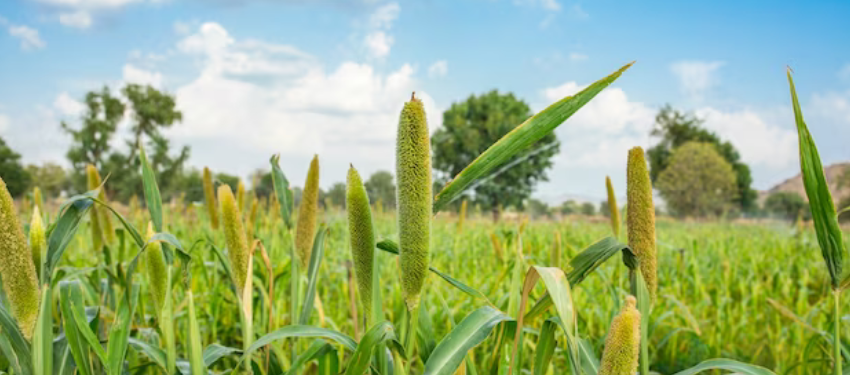
Shifting away from dependence on the ‘Big Food’ industry to boost millet production and consumption, policies should emphasize integrating millets into government food schemes. Highlighting the limitations of Production Linked Incentives in realizing millets’ nutritional value, the suggestion is to encourage street food vendors and small-scale outlets to offer millet-based meals, particularly in rural markets.
Reshma Roshania
NCAER (rroshania@ncaer.org)
India is leading a compelling initiative to encourage the consumption of millets. By successfully advocating for the designation of 2023 as the International Year of Millets at the United Nations, India has established itself as the worldwide hub for the production, research, and innovation of these healthful grains.
Millets hold significant promise in addressing India’s concurrent nutritional challenges, including prevalent ‘hidden hunger’ and elevated cardio-metabolic diseases. Nevertheless, the current approaches to reintegrate millets as a staple in mainstream diets may be off course and face the risk of failure unless more careful and imaginative strategies are implemented promptly.
The Ministry of Food Processing Industries’ Production Linked Incentive Scheme for Millet-Based goods (PLIS-MBP) is encouraging the “Big Food” industry to introduce millet-based goods through sales-based incentives in an effort to promote the consumption of millets. The program’s objective is to encourage the production of millet-based goods that are ready to eat and cook.
Food industry giants like Kellogg, Nestle India, Britannia, and Hindustan Unilever have joined on board and are creating a variety of packaged cookies, instant noodles, breakfast cereals, powdered drinks and savoury snacks that fall under the ultra-processed food category. Ultra-processed foods are made up of components that are extracted from whole foods using industrial processing techniques. To make the product more palatable and extend its shelf life, flavour enhancers, artificial colouring, stabilisers, and preservatives are typically added along with sugar, salt, and fat.
To encourage their use, ultra-processing millets is not the answer, though. It will actually be detrimental. There is little doubt about the findings: eating a diet high in processed foods raises the risk of obesity, heart disease, metabolic syndrome, depression, and early death (Pagliai et al. 2020). These dishes are becoming more and more well-liked in India across all socioeconomic classes, in both rural and urban settings. According to one research of teenagers in Delhi, ultra-processed meals can account for as much as 20% of a teen’s daily caloric consumption (Jain and Mathur 2020).
Furthermore, a lot of money is being invested in start-ups that are creating millet-based products. The Indian Institute of Millets Research’s Nutrihub incubator, in contrast to sales-based incentives, provides seed cash, training, mentorship, access to investor networks, and use of R&D facilities to “nutri-cereal” entrepreneurs during the idea and prototype stages. Numerous of these start-ups produce goods devoid of additives and artificial substances under the moniker “clean food.” Nevertheless, their prices are likewise exorbitant. It’s obvious that the formerly “poor man’s food” is now being promoted to the urban elite.
There is a difference between the so-called “People’s Movement,” which conjures up images of a fight for food sovereignty to give farmers more power and bring back the traditional millet, and the actual direction that this movement may take—that is, into the hands of Big Food and onto the tables of the wealthy.
A significant push from the Centre to integrate millets into the National Food Security Act’s pillars is absent from the plan. Although millets are frequently heralded as the “key” to resolving India’s food insecurity, particularly in light of the country’s unpredictable environment, they are by no means an essential part of the nation’s programmes for ensuring food security.
The strength of street food, which forms the foundation of Indian cuisine, must be acknowledged in the campaign for millets. Farmers are being pushed to grow more millet, while Big Food and start-ups are being encouraged to produce packaged items made from millet. The middle group, which consists of street vendors and small-scale food establishments, is severely lacking in representation. This group sources materials for producing fresh and minimally processed cuisine.
These entrepreneurs are able to provide millets to the general public in a more healthful manner. Think of dishes like bajra ladoos, ragi tikki chaat, and puffed jowar bhel. Is it possible for current incentive programmes to incorporate inventive suppliers and imaginative dhaba chefs in order to encourage reasonably priced and easily available millet-based products? The original ready-to-eat food was, after all, street food—minus the packaging and intellectual property.
It’s also critical to recognise and accommodate rural preferences. Since India is still 65% rural, millets must be both easily accessible and desired by the rural populace in order to genuinely become the staple meal they once were. Nonetheless, the majority of research on people’s knowledge, beliefs, and practises related to millets comes from urban India.
For example, a recent multi-city study discovered that the main justification for eating millets was the presence of a pre-existing medical condition, like diabetes (Kane-Potaka et al. 2021). Since non-communicable diseases are underdiagnosed in rural areas, such findings from the urban setting might not be very applicable there. Furthermore, millets are important in many rural areas since they are used as animal feed; therefore, before initiating awareness campaigns and “millet mahotsavs,” preferences should be investigated and understood in order to customise messaging.
Currently, PLIS-MBP criteria state that goods based on millet must include at least 15% millet in order for public money to be supported. This suggests that substances like sugar, hydrogenated fats, processed white flour, and additives could make up the other 85%. In spite of this, people are probably going to be sold these products as health foods. Examples of possibly mislabelled superfoods are products like Quinoa Puffs promoted as a diet snack or Oats Instant Noodles labelled as “nutrilicious”. Controlling Big Food labelling and advertising is essential to keeping millets from turning into a nutritional catastrophe.
It’s important to remember that rice and wheat became staples on our plates not because of massive marketing campaigns, celebrity endorsements, or international campaigns, but because of structural policies that guaranteed farmers’ profits and consumer affordability. Similar factors should direct millets’ path into general consumption in order to avoid potential problems in their marketing and promotion.
Jain, A and P Mathur (2020), “Intake of Ultra-processed Foods Among Adolescents from Low- and Middle-Income Families in Delhi”, Indian Pediatrics, 57(8):712-714.
Kane-Potaka, Joanna, et al. (2021), “Assessing Millets and Sorghum Consumption Behavior in Urban India: A Large-Scale Survey”, Frontiers in Sustainable Food Systems, 5(680777).
Pagliai, G, et al. (2021), “Consumption of ultra-processed foods and health status: a systematic review and meta-analysis”, British Journal of Nutrition, 125: 308-318.
This article first appeared in Hindu Business Line & I4I.
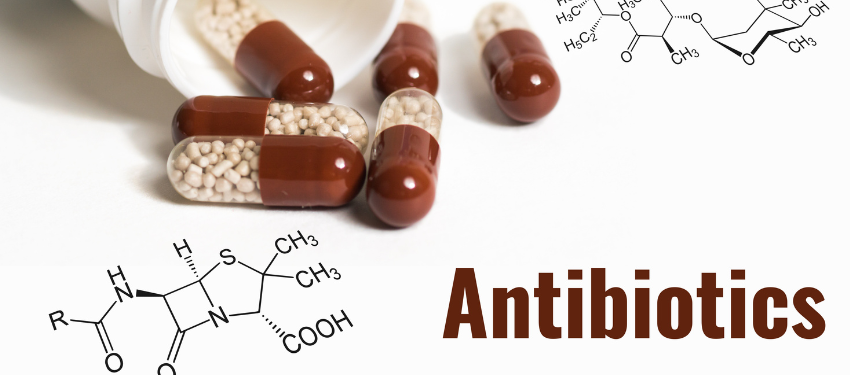
One of the greatest medical discoveries of the 20th century, antibiotics have saved countless lives by efficiently treating bacterial infections around the globe. However, the overuse and abuse of antibiotics have given rise to a formidable adversary, antibiotic resistance. This global health crisis threatens to undo decades of progress in healthcare, rendering once-treatable infections untreatable. Antibiotic resistance occurs when bacteria evolve and develop a resistant to the drugs designed to kill them. This alarming phenomenon is a global health threat, and raising social awareness about it is vital to combat this impending crisis effectively. This article intends to raise awareness of the serious problem of antibiotic overuse, its link to drug resistance, and the wide-ranging effects it has on people and society.
By Dr Vikrant Kumar, AIIMS, New Delhi
Antibiotic resistance is a complex issue with far-reaching consequences. It arises primarily due to the excessive and inappropriate use of antibiotics in both human and animal healthcare. When antibiotics are overprescribed or taken improperly, bacteria can adapt and develop resistance, making these potentially life-saving medications useless. This phenomenon is not new, as bacteria have also naturally developed resistance mechanisms over millions of years. However, the accelerated pace of resistance due to human activity is alarming. Factors contributing to antibiotic resistance may include:
The consequences of antibiotic resistance are dire and far-reaching:
Global Implications
Antibiotic resistance is a global threat, impacting countries regardless of their level of development. Resistant bacteria can spread internationally, endangering public health worldwide. In addition, resistant infections can disrupt international trade and travel, affecting economies and creating public health crises.
Antibiotic resistance calls for a diversified strategy:
If not addressed, antibiotic resistance poses a serious risk to the public’s health and could have catastrophic effects. At every level, from individual accountability to international cooperation, immediate action is required. We may expect to maintain the effectiveness of antibiotics and secure our ability to fight bacterial infections by embracing appropriate antibiotic use, encouraging research, and putting in place efficient rules, ensuring a healthier future for everyone. The moment to take action is now as the clock is running out.

The relationship manager of a well-established bank reached out to my daughter, who is in the beginning of her twenties, and proposed an investment plan. The investment plan, according to him, is the best investment option available at present in the market. Further, he added an insurance cover that makes this investment secure and lucrative. Describing the plan, he highlighted the investment plan’s key attributes such as guaranteed maturity benefit at the end of the term, yearly guaranteed addition coupled with a guaranteed loyalty addition, and a high premium benefit resulting in a higher basic sum assured. It is important to mention that investment plans of this type are becoming the norm and open to everyone. Emphasizing the word guaranteed repeatedly is especially effective in attracting younger individuals. However, it limits their access to better investment opportunities that could be a more financially sound decision for them to consider.
To support his argument, the relationship manager used an illustration to show that such type of investing is a wise decision. In addition, he orally stated that the proposed investment would yield returns of 8%, which is better than many existing corporate FDs.
|
End of Policy Year |
Premium (₹) |
Accrued Guaranteed yearly Additions (₹) |
Guaranteed Loyalty Additions |
Guaranteed Maturity Benefit |
Death Benefit (₹) |
| 1 | 50000 | 5000 | 0 | 0 | 605665 |
| 2 | 50000 | 15000 | 0 | 0 | 615665 |
| 3 | 50000 | 30000 | 0 | 0 | 630665 |
| 4 | 50000 | 50000 | 0 | 0 | 650665 |
| 5 | 50000 | 75000 | 0 | 0 | 675000 |
| 6 | 50000 | 105000 | 0 | 0 | 705665 |
| 7 | 50000 | 140000 | 0 | 0 | 740665 |
| 8 | 50000 | 180000 | 0 | 0 | 780665 |
| 9 | 50000 | 225000 | 0 | 0 | 825665 |
| 10 | 50000 | 275000 | 0 | 0 | 875665 |
| 11 | 0 | 275000 | 0 | 0 | 875665 |
| 12 | 0 | 275000 | 0 | 0 | 875665 |
| 13 | 0 | 275000 | 0 | 0 | 875665 |
| 14 | 0 | 275000 | 0 | 0 | 875665 |
| 15 | 0 | 275000 | 100111 | 875665 | 875665 |
Nevertheless, the proposal included an additional table that showed the actual premium to be paid, which included GST and Cess. The proposal has a single, convenient location where one can find the total premium amount, GST, and cess. The reason could be that they want to avoid prospective investors from factoring in the effect of GST and cess on the eventual returns. The final premium will align with the table below.
|
Premium |
First year |
Second year onwards |
|
Base Premium (Yearly) |
₹ 50,000 |
₹ 50,000 |
|
GST and Cess |
₹ 2,250 |
₹ 1,125 |
|
Total Yearly Premium (incl. GST and Cess) |
₹ 52,250 |
₹ 51,125 |
The typical focus on Table 1 figures may lead novice investors to be swayed by its substantial absolute figures and associated death benefits, Isn’t? Over time, ULIP and money back insurance policies have established this experience. We endeavor to offer recommendations to investors before they commit to this type of investment.
First, one should avoid focusing solely on absolute figures when evaluating returns. Initially, an absolute number may appear attractive, but eventually it may be inconsequential in terms of its value. The real value of ₹ 8.75 lakh after fifteen years will not hold much significance in this situation. The Rule of 72 may determine the extent to which inflation influences the worth of money over a period. For example, divide 72 by the annual inflation rate. By dividing 72 by the inflation rate of 8 percent, it can be determined that it takes 9 years for the purchasing power of money to decrease by 50 percent.
Second, the Death benefit clause has the potential to be alluring to many. It is unusual that a person in their twenties has financially dependent parents. Even if that is the case, the death benefit amount of this plan is meager to serve any significant purpose. If the purpose is to get compensated in the event of the individual’s demise, it would then be prudent to evaluate a basic term plan instead of the current one. Thus, if something unfortunate were to happen, the financial benefit to the supposed dependents would hold little value. That being said, it is also commonly accepted that the probability of experiencing misfortune in early life is insignificant. We believe that investors who have crossed a certain age threshold will not be eligible for such a scheme.
Third, one should not trust verbal investment returns without verification, and this is the last but not the least important thing to remember. One cannot rule out the possibility of mis-selling of such products. Consequently, it is advantageous to compute the Internal Rate of Return (IRR), an easily calculable metric using a financial calculator. Online calculation is an option if one cannot do it. Conceptually, IRR is that discount rate which equates the present value (PV) of the cash inflows with the PV of the cash outflow. We input the data into Excel and determined that investing in it would only yield a return of 5.66%. With such a low return, the investment will lose even its face value eventually because the retail inflation rate is higher than that. One may alternatively choose to invest in equities, mutual funds, or debt instruments such as PPF and EPF, given the investor is too conservative. The usual investing
rule is to invest in bonds that match one’s age. Young investors, therefore, should seriously consider equity investment over debt investments.
| Year 1 | Year 2 | Year 3 | Year 4 | Year 5 | Year 6 | Year 7 | Year 8 | Year 9 | Year 10 | Year 11 | Year 12 | Year 13 | Year 14 | Year 15 | IRR |
| -52250 | -51125 | -51125 | -51125 | -51125 | -51125 | -51125 | -51125 | -51125 | -51125 | 0 | 0 | 0 | 0 | 875665 | 5.66 |
About the foregoing discussion, it is advisable to avoid investment recommendations that involve complex products that combine investment and insurance. The investment plan must align with investment options, and a simple term insurance policy should provide insurance coverage. Last but not the least, it is a prerequisite to determine IRR when there are cash inflows and outflows happening over a period, regardless of the size or nature of those flows. We should compare the obtained IRR against our expected returns.
Sharad Ranjan-Professor of Economics, Zakir Husain Delhi College Evening (University of Delhi)
Hariti Tyagi – Analyst, KPMG Global Services
The page you requested could not be found. Try refining your search, or use the navigation above to locate the post.