What is the inverter technology in air conditioners?

What is the inverter technology in air conditioners?

The inverter technology (or DC inverter) is the latest evolution of technology concerning the electromotor of compressors. An inverter is used to control the speed of the compressor motor, so as to continuously regulate the temperature. The DC inverter units have a variable-frequency drive that comprises an adjustable electrical inverter to control the speed of the electromotor, which means the compressor and the cooling/heating output. The drive converts the incoming AC current into DC and then through a modulation in an electrical inverter produces the current of desired frequency. A microcontroller can sample each ambient air temperature and accordingly adjust the speed of the compressor.

How Does an Inverter Ac Save Energy?

The inverter technology eliminates wasted operation in air conditioners by efficiently controlling motor speed. In inverter ACs, temperature is adjusted by changing motor speed without turning the motor on and off. The motor speed in non-inverter ACs remains constant and temperature is adjusted by turning the motor on and off, thereby consuming more energy.

Consumer VOICE compared the energy efficiency of 20 models of AC to know the Best Inverter AC.

What Is the Benefit of Inverter Technology in Air Conditioners?

Every air conditioner is designed for a maximum peak load – for example, a 1.5 ton AC is designed for a certain room size, a 1 ton AC for a different size, and so on. But not all rooms are of same size. A regular air conditioner of 1.5 ton capacity will always run at peak power requirement when the compressor is running. On the other hand, an air conditioner with inverter technology will run continuously but will draw only that much power that is required to keep the temperature stable at the level desired. It automatically adjusts its capacity based on the requirement of the room it is cooling, thereby drawing much less power and consuming lesser units of electricity. Read More

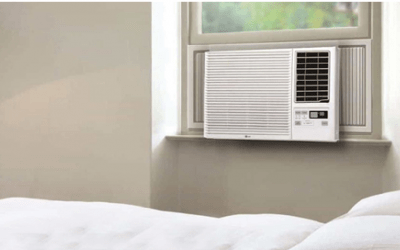
Are Window Acs With Inverter Technology Available in the Market?

There is no window AC with inverter technology.

Are There Star Ratings for Inverter Acs?

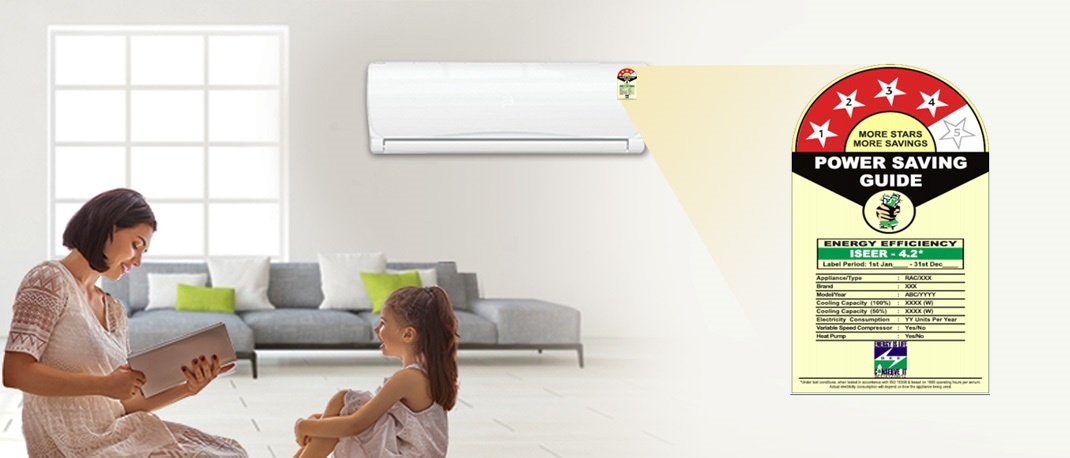
Bureau of Energy Efficiency (BEE) has established a new star rating standard for inverter technology ACs. Most of the inverter AC models are in 3, 4 and 5 stars rating range of BEE. The star ratings for energy labelling became mandatory for inverter ACs in January 2018. Read about Latest ISEER Rating

How to Install an AC: Principles of AC Installation

How to Install an AC: Principles of AC Installation

Consider installation costs and requirements when you’re shopping around. Here are some things to remember:

  • Most traders offer supply and install packages, and some installation only. Installation must be done by a company’s licensed air conditioner installer, due to the refrigerant gas handling.
  • Cool air is heavier than warm air. So, for optimum cooling, the air outlet should be installed as close to the ceiling as possible, with the louvres pointing horizontally or upward. For heating, point the louvres downwards.
  • It’s generally better to install an air conditioner on a longer wall of a room, but your installer should recommend the best place for your individual situation.
  • The outdoor unit of your split system needs to be installed on a firm base (for example, a concrete slab) or attached to a wall, using sturdy brackets. It should be as close as possible to the indoor air outlet, ideally with about three to five metres of pipes between the two units.
  • Shade the outdoor part of your air conditioner from direct sunlight.
  • Last but certainly not least, once you’ve got an air conditioner installed, be sure to keep it clean and well-maintained for years of efficient running.

Introducing ISEER Rating – Indian Seasonal Energy Efficiency Ratio

Introducing ISEER Rating – Indian Seasonal Energy Efficiency Ratio

The Bureau of Energy Efficiency (BEE) has introduced a new star-rating methodology called Indian Seasonal Energy Efficiency Ratio (ISEER) for air conditioners. This methodology factors in variance in higher temperatures in India and rates air conditioners accordingly. Consumers can now purchase air conditioners with higher efficiency, leading to lower electricity bills.

World over, the method of defining energy efficiency of air conditioners is Seasonal Energy Efficiency Ratio (SEER). The basic theory behind SEER is that the temperature does not remain the same round the year. As there is seasonal variation of temperatures, there is variation in the amount of cooling required. Amount of energy (or electricity) required by an air conditioner to cool a room to 25 degrees (or any other standard temperature) is different when outside temperature is 30 degrees, in comparison to when the temperature is 40 degrees. Also, the usage (in hours per day) will vary as per the seasons.

So, ISEER denotes the ratio of the total annual amount of heat that the equipment can remove from the indoor air when operated in active mode to the total annual amount of energy consumed by the equipment during the same period. This is the ideal number to compare two ACs as your usage of an AC may vary, directly affecting the electricity consumption. Check the ISEER rating of the Inverter Air Conditioners

How is ISEER different?

The ISEER (Indian Seasonal Energy Efficient Ratio) rating standard was made mandatory from 2018. On the newly introduced ISEER rating standard, the existing EER star ratings brackets were revised. Also, keep in mind that ratings are different for Window and Split air conditioners. Given below are BEE defined, ISEER ratings valid from 1st January 2018 to 31st December 2019.

ISEER ratings for Window ACs

(Fixed and Variable speed )


ISEER ratings for Split ACs

(Fixed and Variable speed )

Star level

Minimum

Maximum


Star level

Minimum

Maximum

1 Star

2.50

2.69


1 Star

3.10

3.29

2 Star

2.70

3.89


2 Star

3.30

3.49

3 Star

2.90

3.09


3 Star

3.50

3.99

4 Star

3.10

3.29


4 Star

4.00

4.49

5 Star

3.30


5 Star

4.50


Remember that it’s not fair to compare the star ratings of a split air conditioner with a window air conditioner. For example, a 4 star window air conditioner will not have the same efficiency as a 4 star split air conditioner. Most manufacturers are reducing their Window ACs line-ups and focusing more on Split ACs, many of which are inverter based. The manner in which they function leads to better energy efficiency compared to non-inverter models.

The Advantages and Disadvantages of an Inverter AC

The Advantages and Disadvantages of an Inverter AC

Advantages of Inverter AC

  1. About 30 per cent to 50 per cent cheaper to run as it consumes less power compared to a conventional AC
  2. No voltage fluctuation caused by compressor
  3. Maintains constant room temperature
  4. Efficient cooling and heating
  5. Can be run on solar panels
  6. Apart from savings in monthly electricity bill, there is huge savings on fuel if run on backup generator
  7. The additional price paid for an inverter AC gets recovered in electricity bills within a few months
  8. Environment-friendly due to the use of better refrigerants
  9. Safe for household wiring due to lower power consumption
  10. Suitable for large and small rooms

Consumer compared the energy efficiency of 10 Inverter Air conditioners to help you know the Best Inverter AC

Although an air conditioner with inverter technology adjusts its capacity based on the room requirement, it is very important to install a right-sized air conditioner in a room. Make sure that you assess the room size and the AC capacity before going ahead with the Purchase. Check other points listed in the Air Conditioner Buying Guide to help you make the right choice.

Disadvantages of Inverter AC

  1. If room is not insulated, power consumption increases and so does the electricity bill
  2. Efficiency decreases at noon if weather is extremely hot (over 45 degrees C)
  3. Relatively expensive repair and maintenance due to the expensive service support and the components used
  4. Models too powerful for the room size may run frequent short cycles to achieve the target temperature. This can result in the room getting too cold or too hot; inadequate dehumidification (that is, not drying the air enough, making the room feel less comfortable); increased power usage and running costs; and wear and tear on the system
  5. Underpowered models may have to run more often at maximum output and dry the air too much

Stay Cool with the Best Inverter AC

Stay Cool with the Best Inverter AC

Check Noise Level, Capacity, Star-rating, and After-sales to Buy an Inverter AC This Summer

You don’t go to buy an air conditioner every day. Therefore, when the need hit you badly, know that choosing an inverter air conditioner over other conventional AC may seem to be a smart decision. But at the best of time and with the best of information and budget, making the final choice can still be a challenge. What is the best? Which AC is best according to your needs, capacity, budget, and preference and best according to the environment?

Buying an inverter AC can be determined by checking the noise level, capacity, star-rating labels, and after-sales service besides understanding the budget and size of your room.  Here are a few important areas to evaluate before you click on the buy now button!

Keep Your Checklist Handy

Noise

Check the air conditioner’s noise levels; these can be found in the specifications. Some models have a quiet mode for the indoor unit, and sometimes the outdoor unit too. This may reduce the cooling/heating power or airflow, but will keep the air conditioner running at a very quiet level.
A noisy indoor unit may interfere with your activities, conversation, or sleep. A noisy outdoor unit can disturb you or your neighbours.

Capacity

The capacity of the air conditioner should be considered depending on the floor size of the room where it will be installed. A rough measure is an area in the range of 120 ~140 sq. ft area will need a 1 ton AC, 150 ~180 sq. ft area will need 1.5 ton, and 180 ~240 sq. ft area will need 2 tons.

Star-rating Labels

Once you’ve worked out what capacity you need, compare the star ratings of models of similar capacity. The more the stars (from 1 star to 5 stars), the lower the running costs and greenhouse gas emissions. Air conditioners come with star-rated energy-efficiency ratings; these have been standardized/implemented by the Bureau of Energy Efficiency (BEE), Govt Of India. Therefore, any AC with more stars will consume less electricity than one with a lower star rating.

After-sales Services

After-sales service and other add-on features like warranty will certainly be a plus for your purchase. Look for longer warranty and a service-oriented brand that has the capabilities and good network to meet the servicing need of your product.

10 Tips to have the most energy efficient AC to lower the electricity bill

10 Tips to have the most energy efficient AC to lower the electricity bill

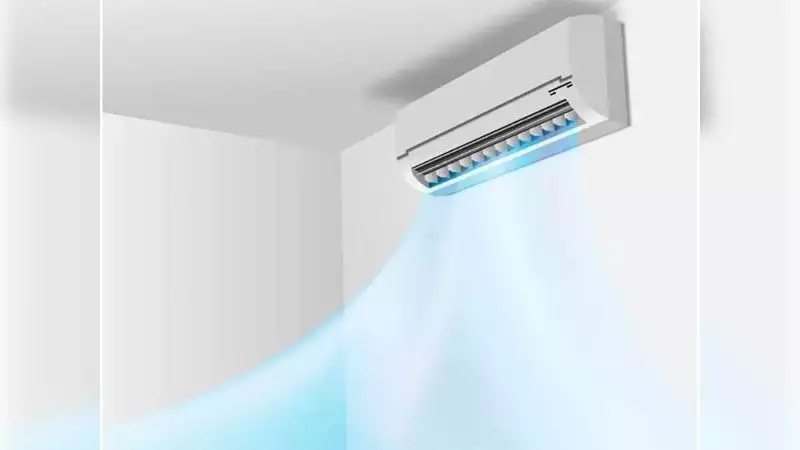
Electricity bills in summer shot up due to the use of ACs or Air Conditioners.  However you can control this by implementing a few best practices. Following tips will will help you to have the most energy efficient ACs which in turn will lower the electricity bills.

  1. Do not install AC units on walls that are exposed to direct sunlight through a major part of the day during summers. Read Principles of AC Installation. (Link to the Article)
  2. Reduce air-conditioning energy use by as much as 40 per cent by shading your home as windows and walls. Plant trees to keep the day’s hottest sun off your house.
  3. Try turning your AC down at night and utilize the “sleep mode” which lowers the output on a timer.
  1. Keeping a Reasonable Temperature: One will use 3 to 5 per cent less energy for each degree air conditioner is set above 25 degrees C to provide the most comfort at the least cost. Keeping ACs at (24–26 degrees C) can save electricity.

On a hot day – say 43 degrees C – you may be tempted to put the air conditioner way down to 20 degrees C to get the room cool as quickly as possible. But if you can cope with setting the temperature at 25 degrees C, you will not only save on wear and tear on the AC’s motor, you will also save big on your energy bill. Each degree cooler, or warmer in winter, can add about 10 per cent to the running cost. The same principle applies in winter. If it’s 10 degrees C outside, try setting the indoor temperature to 18 degrees C rather than 25 degrees C. It also depends on the external temperature. Generally you’ll get better efficiency by aiming for a maximum temperature differential of about 8 degrees C. So, on a 35 degrees C day, set your indoor thermostat to 27 degrees C. Realistically, most people will still go for a cooler temperature. You can probably aim for a bigger differential if your house is very thermally efficient (well-insulated, double-glazed, etc).

  1. Using ceiling fans allows you to set the temperature higher because the air movement will cool the room.
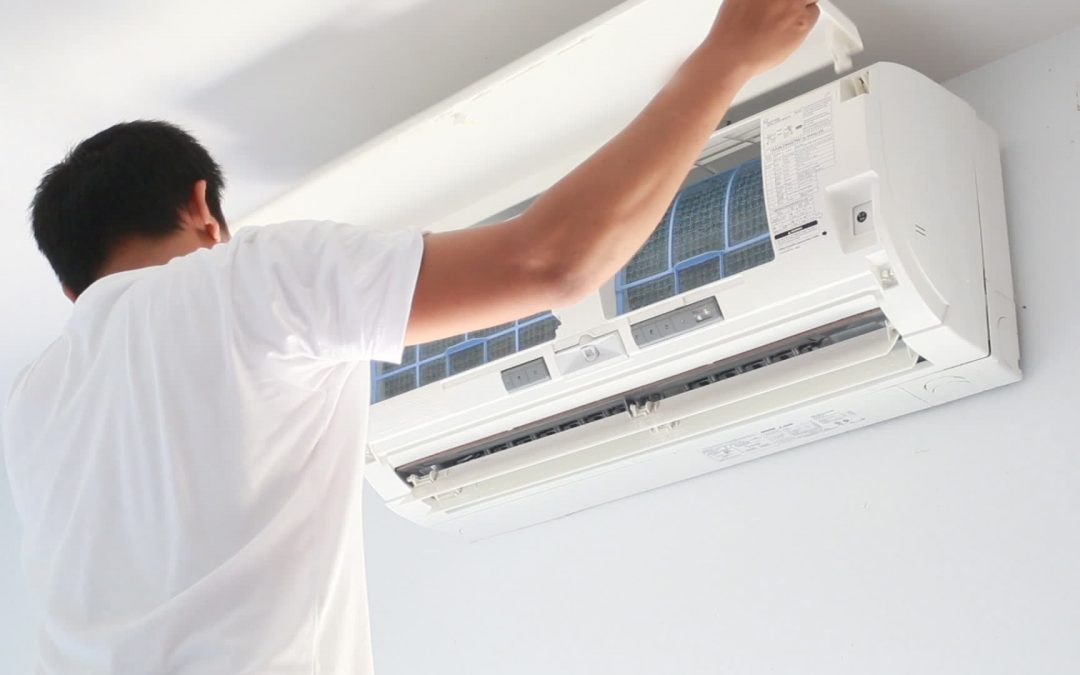
  2. Clean the air-conditioner filter every month. Clean filters enable the unit to cool down quickly and use less energy.
  3. Have your air conditioning unit checked if the Freon gas level is not correct, you will waste a lot of energy and your home will never be as cool as you want it.
  4. The gaps around the windows and doors leads to energy loss. Insulate your room properly.
  5. Buy inverter or split ACs instead of window ACs. They cost more, but they are more energy efficient and consume lesser electricity. Know which the Best 1.5 ton Split AC or which is the Best Inverter AC
  6. Switch to evaporative coolers from air conditioners during hot/dry summer days.

Related

Enquire Now

    X
    Enquire Now