Select Page

Embrace the Culture of Zero Irresponsible Drinking

Make Informed Choices. Protect Your Health. Save Lives.

Young people today face increasing social pressures, changing lifestyles, and greater exposure to alcohol. While alcohol consumption is a personal choice for adults of legal drinking age, excessive and irresponsible drinking can have serious consequences for health, safety, education, relationships, and future opportunities.

Objectives

  • Increase awareness about the health, psychological, social, and legal consequences of excessive alcohol consumption. 
  • Promote responsible decision-making among young adults. 
  • Encourage zero tolerance for drinking and driving. 
  • Build awareness about Alcohol by Volume (ABV) and understanding alcohol content across beverages. 
  • Engage educational institutions, public health experts, policymakers, and civil society in promoting evidence-based interventions. 
  • Support safer communities through awareness, prevention, and responsible behaviour. 

Vision

  • We envision a society where young people are empowered with accurate information, make responsible decisions, and contribute to safer roads, healthier communities, and improved public health.
  • Through awareness, education, and evidence-based support, we aim to reduce the harmful effects of excessive alcohol consumption and promote a culture of responsibility among India’s youth.

Key Facts at a Glance

  • Nearly 168 million Indians aged 15 years and above consume alcohol, according to the National Family Health Survey (NFHS-5). 
  • Around 5.2% of India’s population, more than 57 million people are estimated to have harmful or dependent alcohol use, requiring treatment or support. 
  • India’s per capita alcohol consumption has nearly doubled, increasing from 2.4 litres of pure alcohol in 2005 to approximately 4.9 litres in 2023, reflecting changing lifestyles, increasing affordability, urbanisation, and growing social acceptance of alcohol. 
  • According to the World Health Organization (WHO), total alcohol consumption among people aged 15 years and above in India was estimated at approximately 4.5 litres of pure alcohol per capita in 2020, demonstrating the continuing public health burden. 
  • Alcohol contributes to approximately 5.1% of the global disease burden and is a major risk factor for liver disease, cancers, cardiovascular diseases, mental health disorders, injuries, and road traffic crashes.

Youth and Alcohol: Why It Matters

Young people are particularly vulnerable to the harmful effects of alcohol because the brain continues to develop well into the mid-twenties. Early alcohol use can affect learning, memory, decision-making, emotional well-being, and increase the likelihood of future alcohol dependence.

Analysis of NFHS-5 (2019–21) data found that:

  • 10.9% of young men (15–24 years) reported having consumed alcohol, compared with 0.3% of young women. 
  • Although youth alcohol use declined compared with NFHS-4, significant regional disparities remain, highlighting the need for targeted awareness and prevention programmes. 
  • Researchers concluded that strengthening youth-focused education and evidence-based public health policies remains essential to reducing harmful alcohol use among young people. 

Why is Responsible Drinking Important for Youth

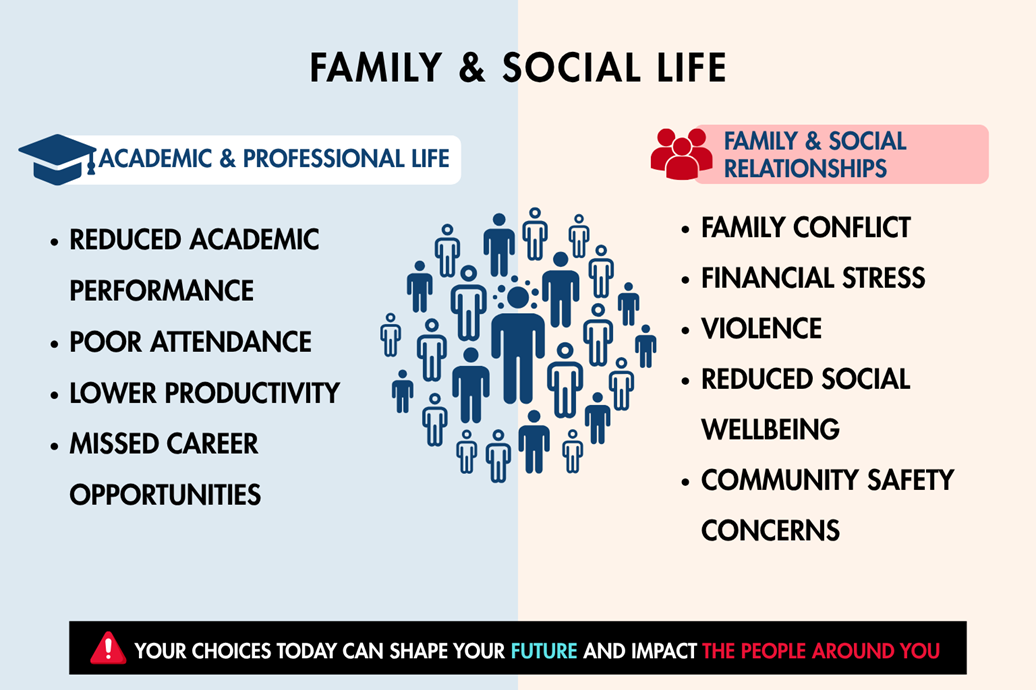
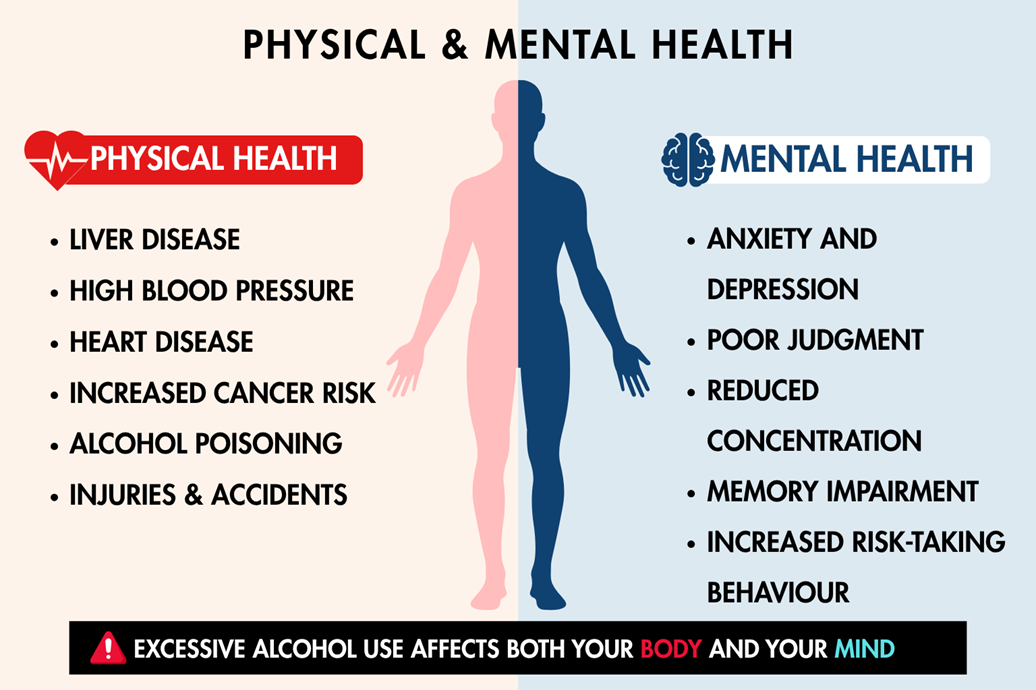
Young adults between 18 and 22 years are particularly vulnerable to the long-term impacts of harmful alcohol use. Excessive drinking can affect:

Food Label

Alcohol and Road Safety

Road crashes are among the leading causes of death and injury worldwide, and alcohol consumption is one of the most significant preventable risk factors. Every time a person chooses to drive after drinking, they increase the likelihood of endangering not only themselves but also passengers, pedestrians, cyclists, and other motorists. Even a single drink can affect the brain and body in ways that make driving unsafe.

How Alcohol Affects Driving

Alcohol impairs several critical functions required for safe driving:

  • Reaction Time: Alcohol slows the brain’s ability to respond to unexpected situations, such as a pedestrian crossing the road, sudden braking by another vehicle, or changes in traffic signals. 
  • Coordination: Driving requires precise coordination between the eyes, hands, and feet. Alcohol reduces muscle coordination, making steering, braking, and accelerating less accurate. 
  • Vision: Alcohol can cause blurred vision, reduced peripheral vision, difficulty focusing, and poor night vision, making it harder to judge distances and identify hazards. 
  • Decision-Making: Alcohol lowers inhibitions and impairs judgement, leading to risky behaviours such as speeding, aggressive driving, overtaking in unsafe conditions, or ignoring traffic rules. 
  • Concentration: Safe driving requires constant attention to multiple factors simultaneously. Alcohol reduces concentration and increases the likelihood of distraction and errors.

Choosing not to drink and drive protects not only yourself but also your passengers, pedestrians, and other road users.

The Impact Extends Beyond the Driver

Drunk driving does not only endanger the person behind the wheel. It puts at risk:

  • Family members and friends travelling with the driver. 
  • Pedestrians and cyclists sharing the road. 
  • Other motorists and passengers. 
  • Emergency responders and communities affected by road crashes. 

The consequences can include lifelong disability, emotional trauma, financial hardship, legal penalties, and loss of life.

If you drink, never drive. Plan your journey home before you start drinking.

Get Involved

Creating safer communities is everyone’s responsibility.

Whether you are a student, educator, parent, healthcare professional, policymaker, or community leader, you can help:

  • Promote responsible decision-making. 
  • Encourage conversations about alcohol-related harm. 
  • Support road safety initiatives. 
  • Share credible information. 
  • Inspire young people to make healthier choices. 

Together, we can build a culture of informed choices, responsible behaviour, and safer communities.

Enquire Now

    X
    Enquire Now