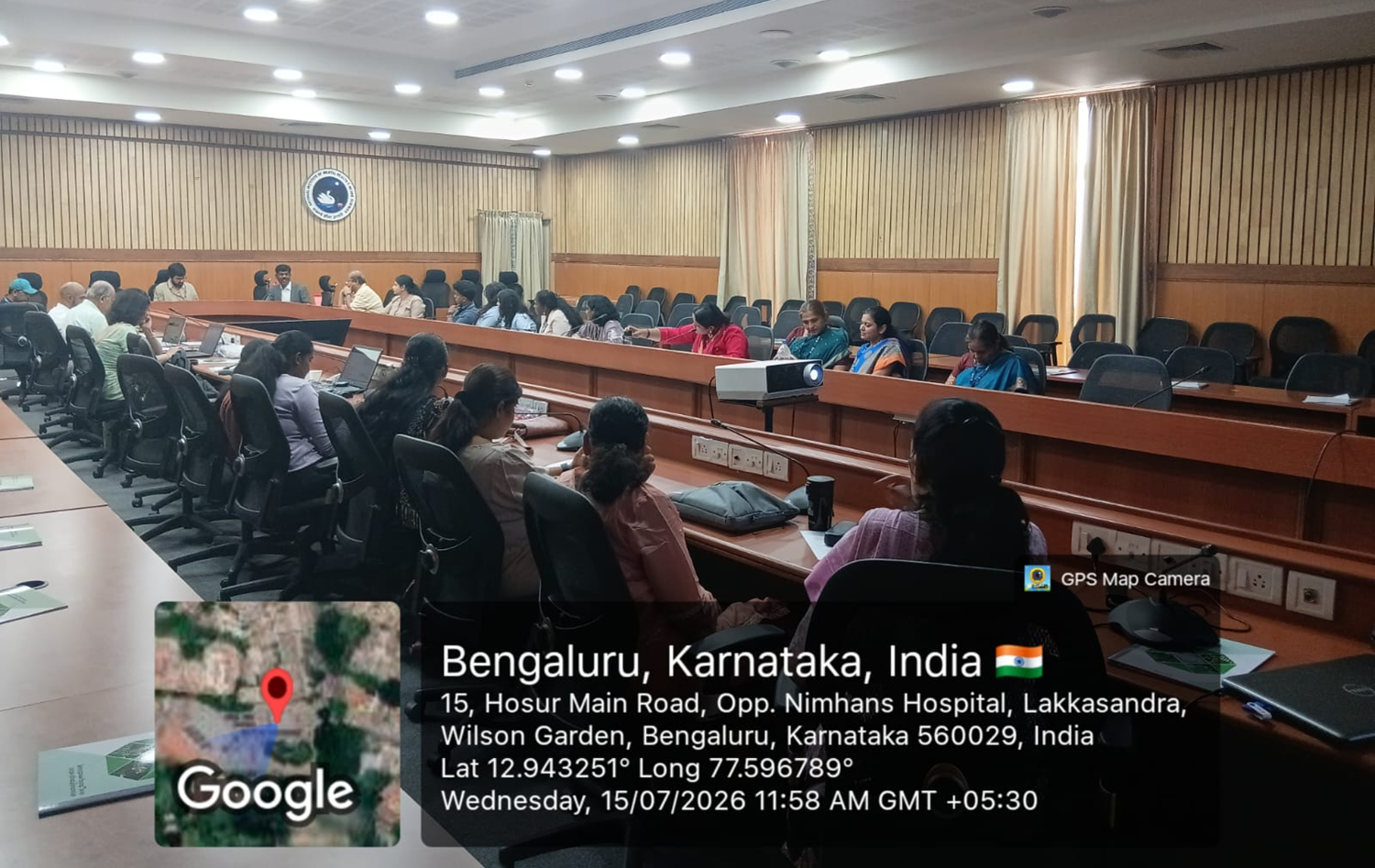
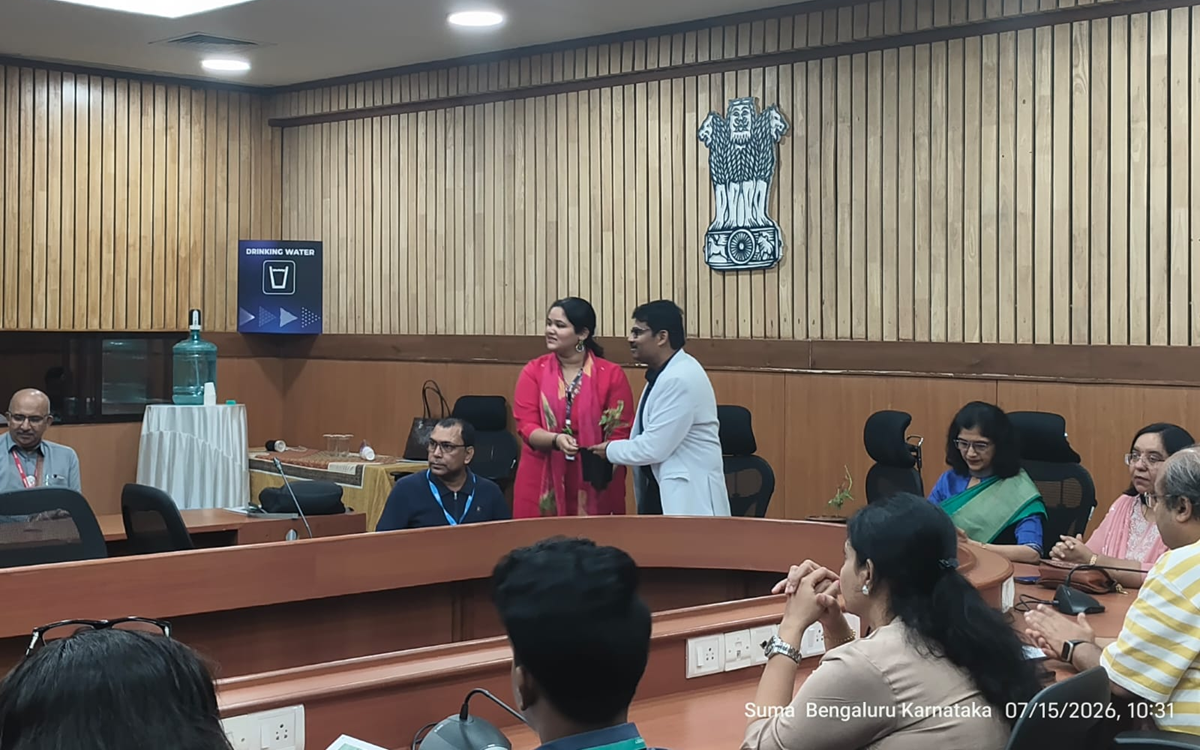
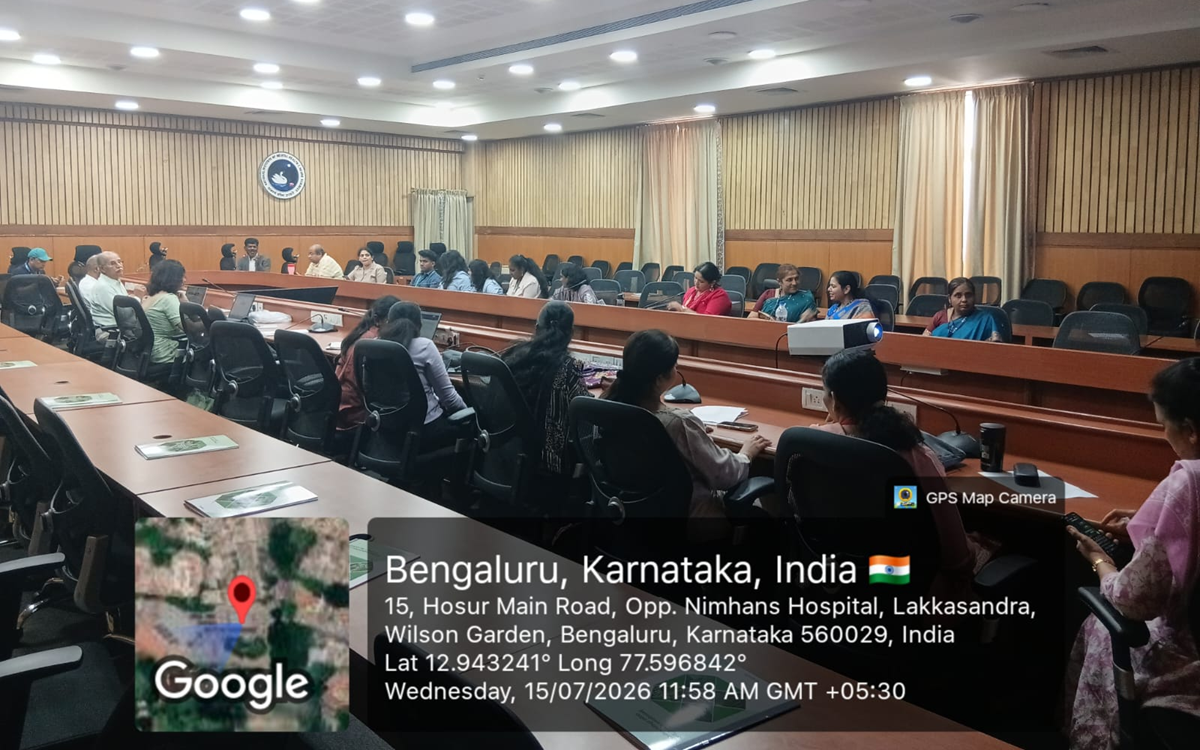
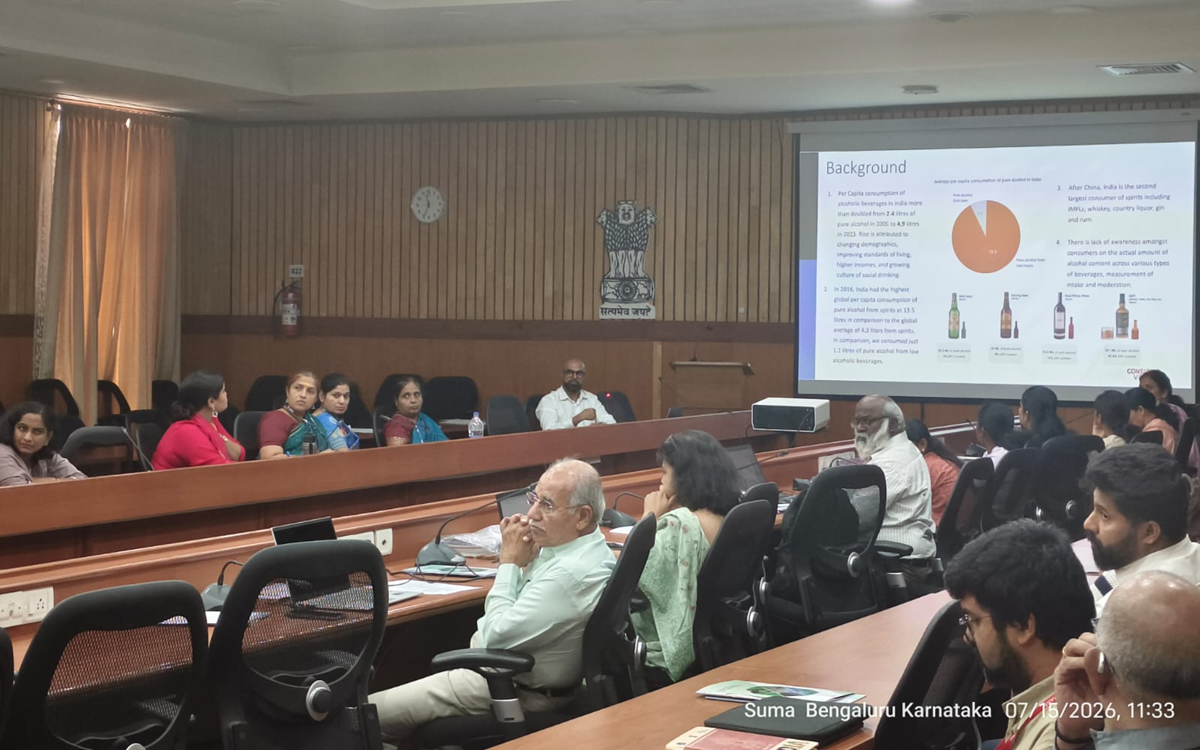
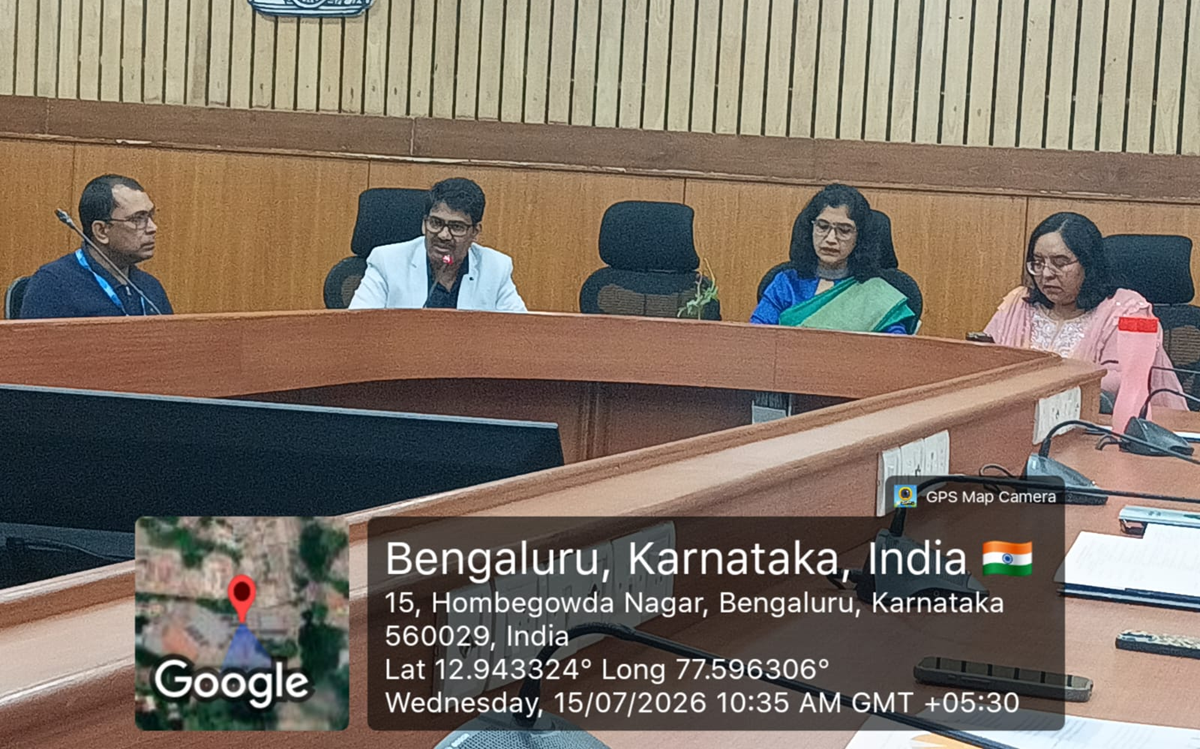
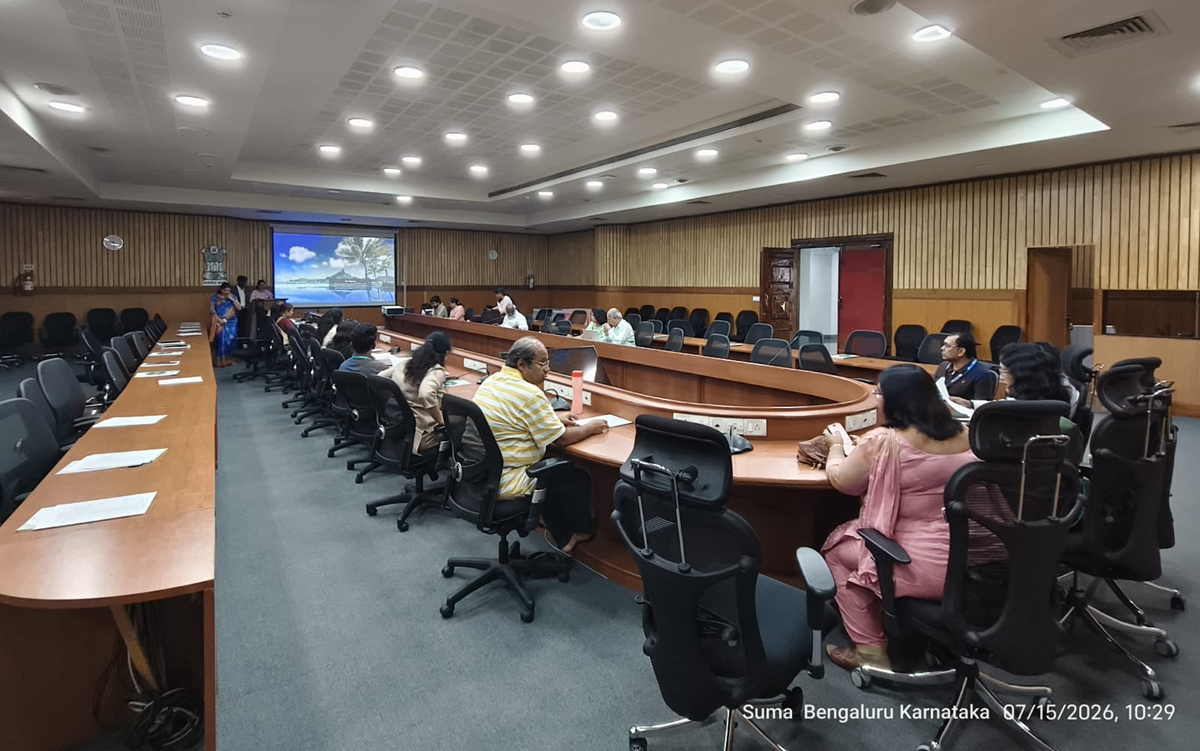
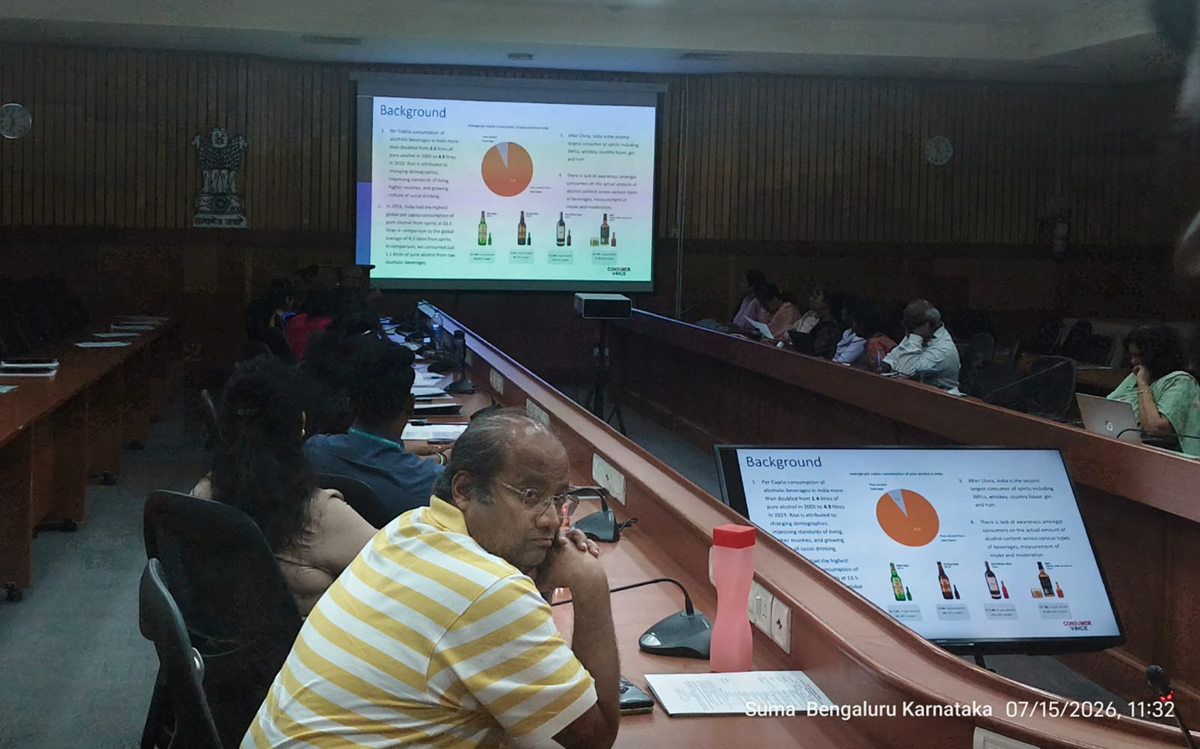
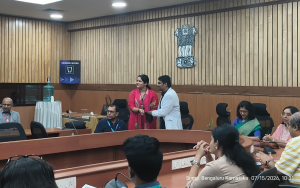
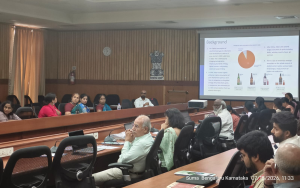
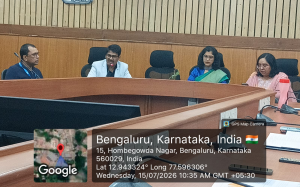
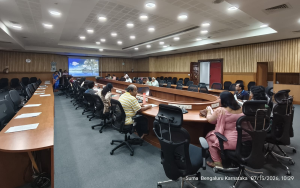
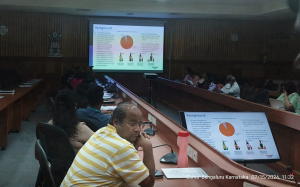
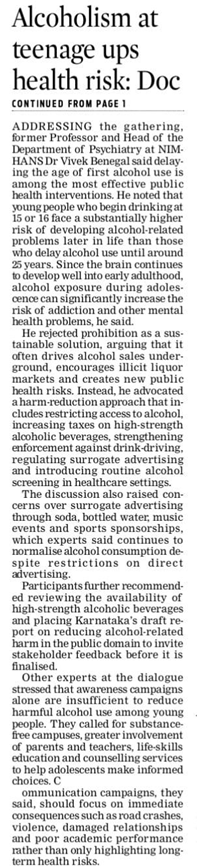
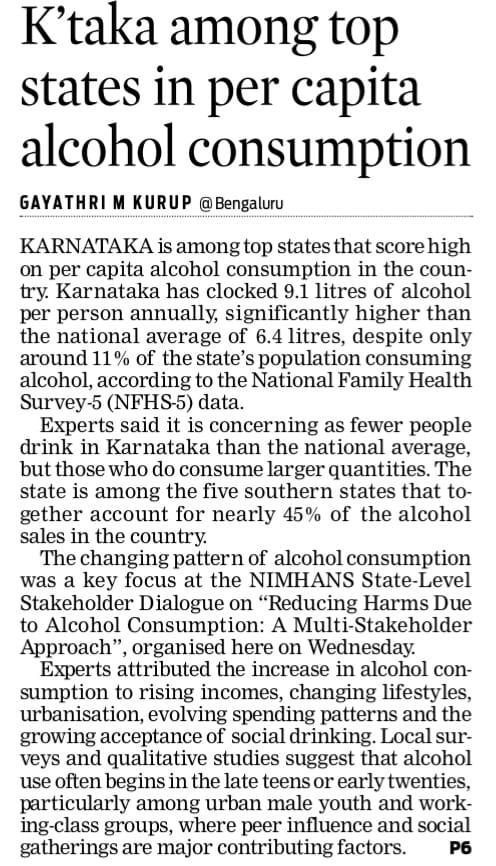
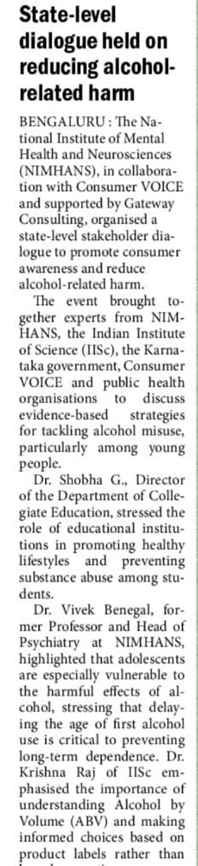
The technical sessions featured distinguished experts from diverse fields. Dr. Krishna Raj discussed alcohol taxation, public policy and the importance of consumer awareness regarding Alcohol by Volume (ABV), advocating taxation linked to alcohol content rather than beverage categories. Dr. Vivek Benegal highlighted the impact of alcohol on the developing brain, explaining why delaying alcohol initiation among young people is one of the most effective prevention strategies while also emphasising the broader social and economic costs of alcohol-related harm.
Speaking on consumer rights and responsible choices, Mr. Tushar Gandhi underscored the need for consumers to understand Alcohol by Volume (ABV), read product labels carefully, and critically evaluate alcohol marketing and promotional messages. He emphasised that transparent labelling empowers consumers to make informed decisions based on facts rather than advertising.
Addressing alcohol from a public health perspective, Dr. Girish N. Rao presented epidemiological evidence on the growing burden of alcohol-related diseases, injuries, mental health disorders and road traffic crashes, calling for stronger surveillance, research and evidence-based public health programmes. Dr. Rajani P. highlighted the Government of Karnataka’s initiatives on prevention, early identification, counselling, referral services, rehabilitation and community engagement, while stressing the importance of creating supportive educational environments where students can seek help without stigma.
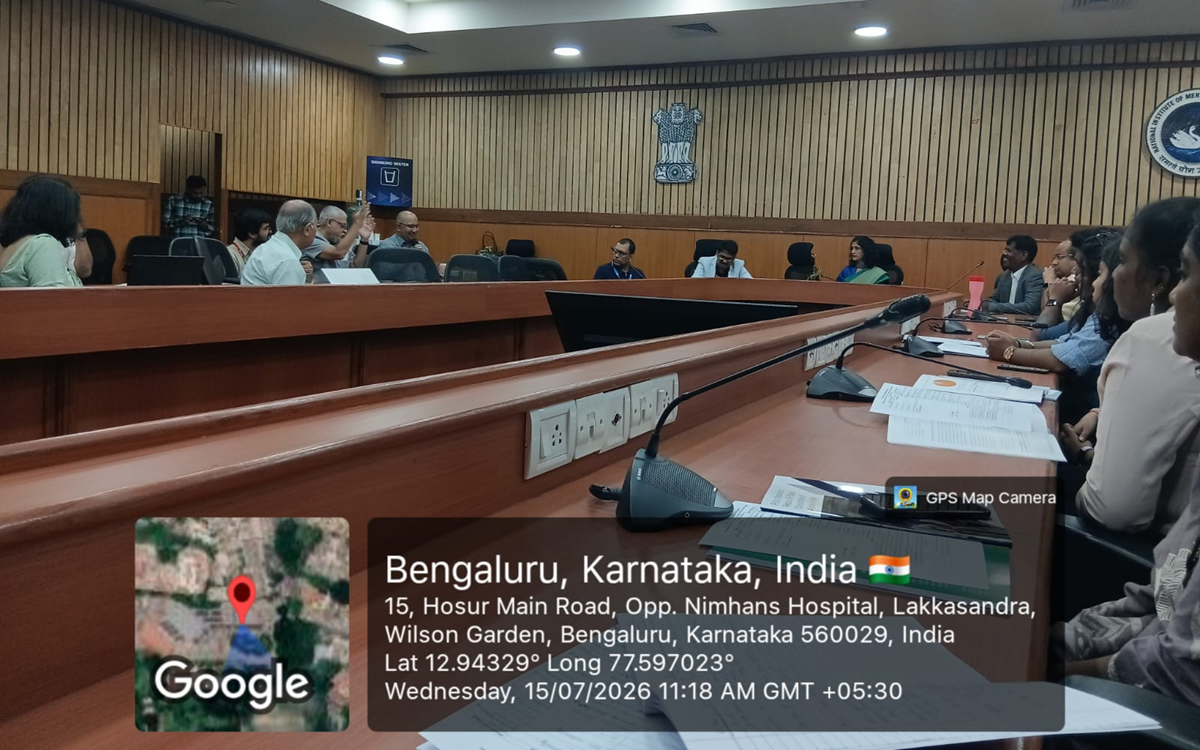
An interactive panel discussion, moderated by Dr. Jayanth Mahadevan, explored issues including alcohol-related public health risks, road safety, consumer awareness, misleading advertising, youth behaviour, mental health promotion and strategies for establishing substance use-free campuses. Participants from academia, healthcare, government and civil society actively engaged in discussions on practical solutions and evidence-based interventions.
The dialogue concluded with a set of recommendations, including establishing substance use-free campus policies, strengthening awareness on alcohol-related harms, promoting education on Alcohol by Volume (ABV) and product labelling, integrating life skills and mental health into university curricula, regulating misleading marketing practices, strengthening referral services, and enhancing collaboration among government, educational institutions, health systems and civil society organisations. The consultation reaffirmed the importance of informed consumer choices, responsible communication and multi-sectoral partnerships in building healthier campuses and reducing alcohol-related harms among young people.