No Results Found
The page you requested could not be found. Try refining your search, or use the navigation above to locate the post.

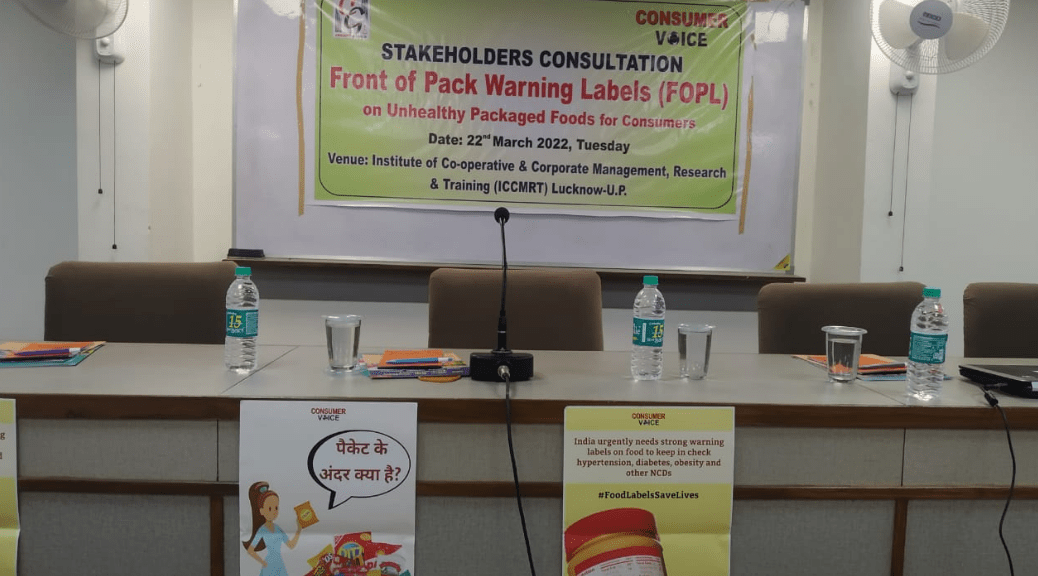
Consumer activists, government officials, doctors and consumers in general came together in various states across India on the second week of March, 2022 for a stakeholders’ consultation on front of pack labeling for packaged foods organized by based Consumer VOICE with various state partners.
The country as a whole is burdened with NCDs and cardio vascular diseases. The crisis is directly linked to excessive consumption of processed food that are high in sugar, salt and saturated fats. India is also one of the fastest growing markets for ultra-processed packaged foods. Many of these pre-packaged foods are processed with high levels of added sugars, sodium, saturated fats, and refined carbohydrates. Research has found these nutrients of concern are connected to NCDs directly.
In order to tackle the growing burden of nutrition-related non-communicable diseases (NCDs), government-led strategies and policies have been introduced to improve the diet in the population. Among the variety of possible interventions, Front-Of-Pack nutrition labels (FOPLs) have received growing attention from public authorities, and are now considered one of the key policies to tackle Non Communicable Diseases (NCDs) like diabetes, hypertension, obesity, cardiovascular diseases etc. Globally and in India, this account for almost 67% of the deaths.
The workshops sensitized the consumers in the states on the importance of Front of Warning lables and the need to have them on unhealthy packaged foods.
Kolkata | Rajkot | Chandigarh | Shimla | Bhopal | Guwahati | Lucknow
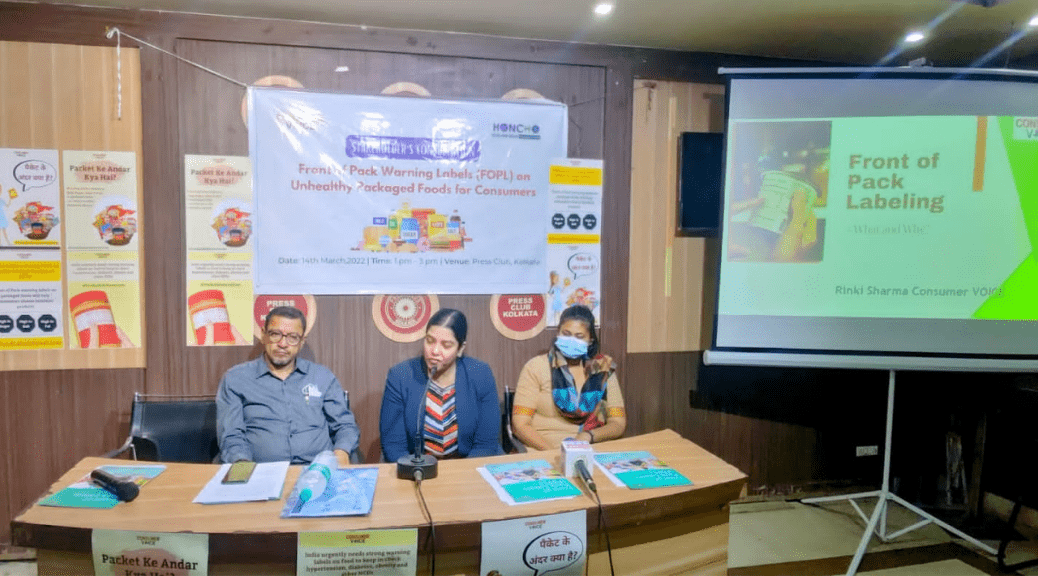
In Kolkata, West Bengal Consumer VOICE in association with Honcho Tech organized the event in Press Club, Kolkata, West Bengal on 14th March, 2022.
Inaugurating the workshop, Indranil Dasgupta, Director – Social Initiatives of Honcho Tech For Good Foundation said, “Consumption of ultra-processed foods and packaged foods is in the rise in West Bengal and irrespective of the socio economic background, it is putting the lives of our children and youth at peril. We can improve the situation by letting the consumers make the right choice with a simple warning label on the front of food packets for unhealthy foods. A front of pack warning label on packaged foods will help consumers identify the products that are high in salt, sugar and fat. FSSAI needs to accept WHO advisory standards set for India for limiting the Nutritional Profiles. Also, in FOPL they have proposed HSR label design which star ratings formula which consumers can never understand. As consumer organization, working at the grass root level we need to emphasize that a simple Warning Label symbol is always better for consumer understanding.“
While sensitizing the consumers with a presentation on FOPL and its importance, Rinki Sharma, Project Head of Consumer VOICE, said that “Amidst the rising concerns over obesity and other non-communicable diseases ailments in our country, it becomes imperative for consumers to be a stakeholder in deciding what to eat and what is to be avoided. Front-of-Pack warning labelling represents a key component of a comprehensive strategy to promote healthier lives. It enables consumers to identify in a quick, clear and effective way, products high in salt, sugar and fats”
Dr. Saibal Banerjee, while emphasizing on the harmful effects of packaged foods and rise in NCD burden in the state and in India, stresses diets high in salt, sugar and fats is a major risk factor for these chronic and difficult to treat ailments. “This has to be approached scientifically and the best model to be adopted for a country like India is the WHO SEARO nutrition profile model which have detailed specification about how much salt, sugar and fats are allowed in each type of food item. It is a globally agreed model and we would do well to just adopt it and make a tangible impact on health outcomes.”
The event was well attended by consumer activists, youth, parents, doctors, health and nutrition experts besides media. It was well covered by both print and electronic media.
Kolkata | Rajkot | Chandigarh | Shimla | Bhopal | Guwahati | Lucknow
March 14, 2022 | Paribartan News Channel
March 15, 2022 |Dainik Duronto Bangla
হোনচো টেক ফর গুড ফাউন্ডেশন ,কলকাতা প্রেসক্লাবে একটি সাংবাদিক সম্মেলন করেন, দুপুর একটা থেকে তিনটে পর্যন্ত, এই সম্মেলনের আয়োজন করেন দিরেক্টর সোশ্যাল ইনিশিয়েটিভ ইন্দ্রনিল দাস গুপ্ত, তিনি বলেন পশ্চিমবঙ্গ অতি প্রক্রিয়াজাত খাবার ... read more
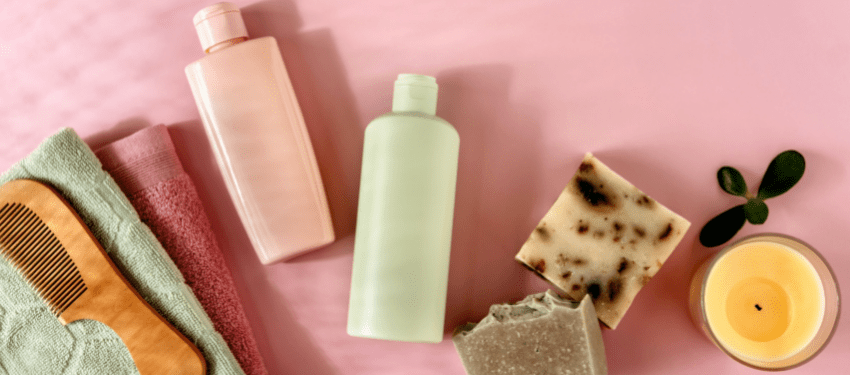
Parabens are a group of compounds widely used as preservatives in pharmaceuticals, food products, and cosmetic and personal-hygiene products.
Some parabens occur naturally in nature. Methylparaben is a pheromone (hormone) secreted by some insects. Parabens such as propylparaben and butylparaben are naturally found in some plants and insects. All commercially used parabens are synthetically produced, although some are identical to those found in nature.
The salts of the parabens have bactericidal and fungicidal properties. They are used extensively because when they are added to a product, they prevent its decomposition. An additional factor is their resistance to the high temperatures used in food processing. Apart from being efficacious preservatives, they are cost-effective too. Naturally occurring preservatives are inefficacious compared to parabens. While numerous preservatives are commercially available, the ideal preservative is inexpensive, has a long shelf life with broad antimicrobial coverage, is compatible with other chemicals, and is not irritating or toxic. Parabens meet many of these expectations and, therefore, have become one of the most commonly used preservatives in cosmetic preparations and topical therapeutics.
Everyday Things Where Parabens Can Be Found:
On a cosmetic pack: Parabens are quoted on the label as:
On a food pack Parabens in food packs are quoted as E numbers. They are mentioned in the ingredients list. Parabens commonly used as food additives are:
People can be allergic to paraben. They can experience an allergic reaction when they –
It is important to do a sensitivity test before you start using any cosmetic product. The test is simple. Apply the new cosmetic to a small skin patch and then observe any changes in the skin. The observation time may range between 24 and 48 hours. If no change in the skin patch is observed, you can start using the cosmetic.
Studies suggest that prolonged exposure to parabens can lead to endocrine disruptions. Parabens can mimic the ‘oestrogen’ hormone and therefore can cause an imbalance in the body’s hormonal system. In infants and children, paraben exposure can lead to development disorders, immune-system disorders, learning problems and reproductive disorders. They can even induce early onset of puberty in children. It is important that paraben exposure is kept in check.
Some studies indicate that paraben exposure can cause cancer but it is disputed by most researchers, according to whom cosmetics and food items do not contain the amount of parabens that can lead to cancer. For paraben, like any other additive or preservative, they have set a limit that is safe for human exposure. The US Food and Drug Administration (FDA) has stated that there is no reason for consumers to be concerned about the use of cosmetics containing parabens. The FDA has also classified methyl and propylparaben as ‘generally regarded as safe’ by medical and toxicological experts for use in preserving food. In a study, a high amount of methylparaben was found in the cancer tissues of patients who had breast cancer, but the researchers failed to prove that methylparaben caused these tumours.
Studies suggest that methylparaben increases sensitivity to sunrays and thus increases the damage caused by them. One must carefully check this ingredient while buying a cosmetic product.
Parabens are used extensively in cosmetics. Thus, they are often washed away in the water drains. They accumulate in the waste water and undergo waste-water treatment. Nevertheless, many studies have reported high levels of parabens in the treated water. The discarded parabens are also known to play a significant role in formation of chlorinated parabens that are difficult to be treated. Accumulation of these products in the environment leads to increase in paraben concentration. This can enhance the occurrence of health disorders associated with parabens.
Although the jury is out on the connection between parabens and human health, there is a growing band of products claiming to be parabensfree. Apparently, products that claim to be parabens-free use alternative preservatives such as phenoxyethanol, sodium benzoate, potassium sorbate, neolone, optiphen plus, hydantoin, glycacil, natrulon and benzethonium chloride.
As per the compendium on Food Safety and Standards (Food Products Standards and Food Additives) Regulations, 2011, the following parabens and derivatives are permitted to be added in food products as food additives:
The 2016 amendment in the Drugs and Cosmetics Act, 1940, states the name of the preservative used in the drug or the cosmetic product should be mentioned on the label.
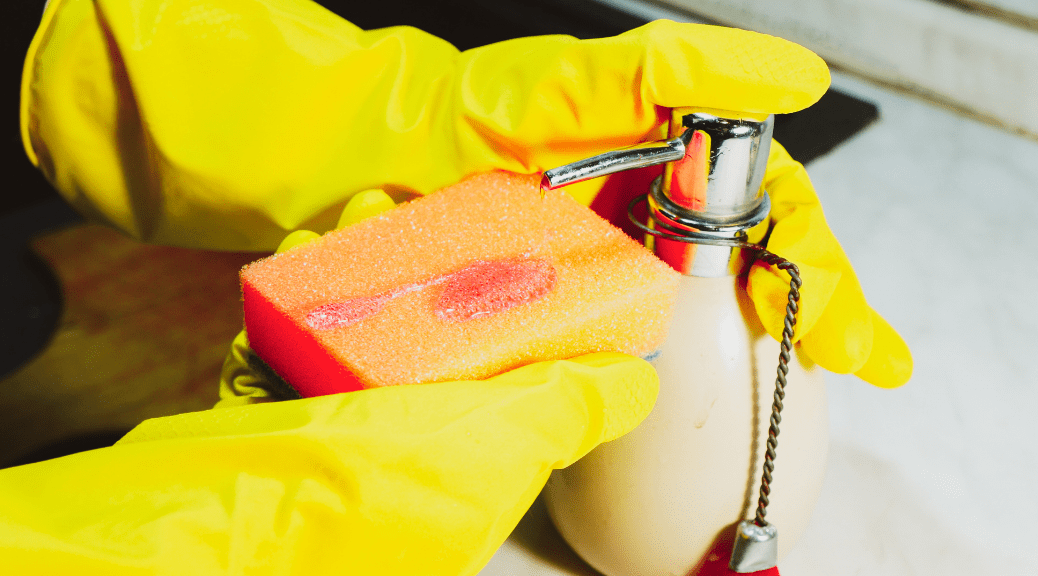
Keeping dishes and utensils clean is an important part of practicing good kitchen hygiene and food safety for everyone. While choosing your dishwash Liquid, it’s important to make sure that the dishwash soap/liquid meets all surfaces of the dish to property clean it. You can either create a sudsy solution in the sink or your largest dish or apply directly to the dish or sponge and scrub each one individually ensuring you get all sides, and inside hard-to-reach-items. However, choosing the best brand to clean utensils forms the most important task in hand given the fact that there are plenty to choose from. Therefore, we hand picked seven dishwash liquid/gel brands and tested these products following the Indian Standard IS: 6047:2009 specification for Scouring Products(liquid type) for utensils Cleaning. Read on to know which brand grabbed the top positions based on their performance scores.
A Consumer Voice Report
All the brands were evaluated and graded as per their overall performance based on the comprehensive lab-test reports. The products were tested on parameters including cleaning efficacy, tough soil cleaning, active matter, lather, surface damage, sensory tests, active alkalinity, packing, marking, net volume among others.
The following table is a ready reference to check the number one dishwasher liquid/gel.
Rank Total Score out of 100 (rounded off) Brands Variant Claim Net volume, ml Retail Price. Rs. Cost per 100 gm in Rs. Best Before, Months Manufacturer/ marketer
1 97 Clean Mate Lemon power Utensil Gel 250 43 17.20 24 Future Consumer Enterprises Ltd
1 97 Reliance Scrubz Extra Strong Concentrated
(Refill pack)500 125 (Buy 1 get 1 free) 25.00 Not marked Reliance Retail Ltd.,
2 96 Dettol Lime splash Disinfectant Kills 99.9% germs 200 72 36.00 24 Reckitt Benckiser India Pvt Ltd
3 94 Vim With Power of Lemon Concentrated Gel 250 65 26.00 Not marked Hindustan Unilever Ltd.,
3 94 Giffy Lemon & Active Salt Concentrated GEL 250 45(free santoor soap 75 gm) 18.00 24 Wipro Enterprise Pvt Ltd
4 93 Pitambari Lemon Concentrated Antibacterial 150 32 21.33 Not marked Pitambari Products Pvt. Ltd.,
5 92 Pril Lime Concentrate 425 98 23.05 24 Jyothy Laboratories Ltd.,
The above seven brands were evaluated and graded as per their overall performance based on the comprehensive lab-test reports. It is here to be noted that, brands Dettol and Pitambari claimed to be anti-bacterial.
|
Brand Test Parameters |
% Weight- age |
Clean Mate |
Reliance Scrubz |
Dettol | Vim | Giffy | Pitambari | Pril |
| 1. General Tests | ||||||||
| Packing | 3 | 2.5 | 2.5 | 2.5 | 2.5 | 2.5 | 2.5 | 2.5 |
| Net Volume | 3 | 3 | 3 | 3 | 3 | 3 | 3 | 3 |
| Marking/Labeling | 4 | 3.9 | 3.6 | 4.0 | 3.1 | 3.9 | 3.6 | 3.6 |
| 2.Physico-ChemicalTests | ||||||||
| Active Matter | 15 | 14.04 | 13.87 | 12.74 | 11.79 | 12.95 | 12.01 | 11.71 |
| Active alkalinity | 5 | 4.7 | 4.4 | 4.7 | 5.0 | 4.7 | 4.7 | 5.0 |
| Lather | 10 | 8.9 | 9.5 | 9.7 | 10.0 | 7.5 | 8.4 | 7.8 |
| Cleaning Efficacy | 25 | 25 | 25 | 24.25 | 23.50 | 24.25 | 23.50 | 23.50 |
| Tough soil Cleaning | 15 | 15 | 15 | 15 | 15 | 15 | 15 | 15 |
| Surface Damage | 10 | 10 | 10 | 10 | 10 | 10 | 10 | 10 |
|
Sensory Tests (Fragrance, Skin effect, colour) |
10 | 10 | 10 | 10 | 10 | 10 | 10 | 10 |
| Total Score | 100 | 97.04 | 96.87 | 95.89 | 93.89 | 93.80 | 92.71 | 92.11 |
|
Total Score, % (Rounded off) |
100 | 97 | 97 | 96 | 94 | 94 | 93 | 92 |
Rating: >91 – Very good *****, 71-90- Good ****, 51-70 Average ***, 31-50- Poor **, up to 30 – Very Poor *
Cleaning Efficacy| Tough Soil Cleaning| Active Matter| Lather| Surface Damage| Sensory Tests| Active Alkalinity| Marking| Net Volume| Packing
Test parameters for comparative testing were decided following the relevant Indian standard IS:6047-2009, which was reaffirmed in 2016.
Cleaning efficacy is the cleaning capability of the dishwash liquid for utensils. A fixed quantity of liquid, in this case 5 gm of liquid/gel was taken from each brand to check the cleaning efficacy. This test was done to evaluate the grease/oil removal efficiency of the product. As per the evaluation protocol, each 5 gm of sample should be able to clean minimum 5 plates. Here, in this test, all the brands could clean more than the minimum number of 5 plates while brands Reliance Scrubz and Clean Mate each had cleaned the maximum number of 20 plates, hence scored 10 out of 10.
To evaluate the tough soil cleaning efficiency test, a soiling mixture consisting of wheat flour 16.5 per cent, besan flour of 16.5 per cent, rice flour 17 per cent and 50 per cent vegetable oil was prepared and spread evenly on the stainless steel plate using a brush. Soiled plates were put on hot plate maintained at temp. Of 325°c for about 2 minutes and was cooled at room temperature. Then using the under-test products (liquid dishwash/gel), the plates were cleaned Thethoroughly. The soil solution was is spread evenly on the stainless steelstainless-steel plate using a brush such that the soil loading could be at is 0.2 g/cm2• The minimum tTough soil cleaning capacity should be at 5 per cent. All the brands were able to clean the tough soil adequately meeting the Indian Standard (IS) requirements. The brands performed well above the minimum requirement as well.
Active matter is the major key ingredients as amount of cleansing agent/compound present in the cleaning liquid in the form of detergent or soap for the cleaning purpose. Active matter shall be minimum 12.0 per cent. All the brands were found above the minimum requirement of 12 per cent. Brand Clean Mate (21.41) followed by Reliance Scrubz (21.12) were found with highest amount of active matter while other brands had met the minimum requirement of 12 per cent.
Foam/lather is the amount of foam generated after dissolving a fixed quantity of powered utensil bar in a specified quantity of water. This test indicates the foaming efficiency of the product. Lather shall be 70 ml minimum. All the brands passed the test. However, brands Vim and Dettol and followed by Reliance Scrubz generated the highest amount of foam.
The stainless-steel plates were soiled by applying 2 gms of oil and then cleaned using the under-test products. Scratches on plates were examined by visual inspection. As per the national standard, a maximum of 1 scratch is acceptable. All the brands passed this test.
Sensory tests were conducted in lab for parameters including fragrance, colour and effect on skin. All the brands had lemon/lime fragrance. Colour was green or yellow. No effect was observed on skin from any brand tested. Thus, they were found safe for use.
Active (reserve) alkalinity: The maximum limit for active alkalinity as per the Indian Standard (IS) is 20 ml. All the brands were rated between the balanced levels of alkalinity keeping in mind its effect on the skin of users. All the brands were well below the maximum permissible limit thus found safe to human skin. Brand Vim and Pril had the lowest active alkalinity at 0.10ml.
According to the prescribed standards, such product packages shall be marked with the following information:
Net volume: The net volume for all the brands was measured and compared with the declared value.
Net volume of all the brands was found as per their claim. Dishwash liquid/gel comes in concentrated gel/liquid form. Therefore, it should be diluted before use as per the instruction given on pack.
The materials shall be securely packed in plastics, wrappers, paper board containers, cartons as appropriate to the product. Packaging should be recyclable or biodegradable. All the brands except Pitambari were packed in plastic bottle. Pitambari was packed in plastic pouch packaging. Pouch packs are cheaper than plastic bottle pack.
Dishes and utensils cleaning products are the formulations in powder, bar, paste or liquid form, which contain a cleansing agent like synthetic detergent, soap, SLS etc. along with a powdered mildly abrasive materials (optional in case of liquid). These are used for cleansing of utensils, crockery, and kitchen shelf and at times for wash basin, cooker tops etc. where cleansing is affected by the combined action of detergency and scrubbing.
Dishwash Bars: Bars which are commonly used
for the purpose of cleaning the utensils.
Dishwash Liquid Washer: Liquid utensil washers are the liquid-based soaps which are more convenient to use as well as gives a good washing and reduces surface damage. Liquid soaps are more expensive and cause less wastage in comparison to bars as they do not have mushiness content.
Dishwasher can help save your time, water and energy. It is more water and energy-efficient than washing dishes manually— since a running sink uses more water, and the dishwasher uses less water in an entire cycle. Dishwashers are designed to clean at high temperatures, and yours might include a sanitization cycle. If you are busy or have a large household, a dishwasher will save you the time and effort of having to wash your dishes manually. Dishwashers can also clean more efficiently and are more hygienically. Water in dishwashers is heated to high temperatures to help kill any lingering bacteria, leaving your cutlery, dishes and glasses hygienically clean and ready to use again.
Based on the overall performance of the utensil liquids tested in the laboratory, a few brands have performed slightly higher than the others possibly due to higher quality of ingredients used in their compositions. The performance tests were conducted using the recommended stainless steel fresh/new plates as per guidelines of Indian standard. For tough soil cleaning test, the stainless- steel plates were kept in the oven for a specific time and performance of all the brands was found satisfactory. Thus, keeping into the overall test performance, brands Clean Mate and Reliance Scrubz attained the number 1 position followed by Dettol. On the other hand, we also found Clean Mate as the Value-For-Money brand in our test.
The page you requested could not be found. Try refining your search, or use the navigation above to locate the post.