


No Results Found
The page you requested could not be found. Try refining your search, or use the navigation above to locate the post.


Consumer VOICE in collaboration with its state partner Rajkot Saher Jilla Grahak Suraksha Mandal, Gujarat, organized a workshop on Rising Burden of NCDs & Prevention and Care of Hypertension on 15th July at the Conference Hall, Government Circuit House, Shahibaug, Ahmedabad, Gujarat.
The objective of the workshop was creating awareness among the people about the health – risks of Non-communicable diseases (NCDs), including hypertension (HTN) which is a major risk factor.
While talking about the rising cases of NCDs especially that of hypertension in the state, Ms. Darshaben Vaghela, Hon’ble M.L.A., Ahmedabad, Gujarat in his inaugural address spoke about the importance of community health workers as an attractive strategy for hypertension management. “To achieve the government’s goal of placing 75 million on Standard Care by 2025 it is important to fast track access to treatment services by strengthening interventions at the grass-root level.”


Admitting that screening and follow-up is crucial for reducing hypertension in the state, Mr. Niteshbhai Shah, Hon’ble State Nodal officer of NCD, Gandhinagar raised the alarming situation of hypertension in the state. “The rise was significant in both slightly above normal and moderately high categories for both urban and rural women. Among urban females the above normal hypertension in NFHS5 was 11.4% which rose from 8.2% from the previous survey while in rural women it rose from 6.7% to 12%.
Dr Bhavinbhai Solanki, Hon’ble Chief Medical Officer, Ahmedabad emphasized on the importance of regular screening to prevent mortality due to hypertension. “Regular screening at the PHCs has been prioritized by the state government and which has helped us to identify areas especially rural areas where there is high prevalence of hypertensive individuals with low level of awareness. It is important to strengthen the screening process and include ASHA workers and health care workers proactively.”
Mr. Ashim Sanyal, Hon’ble COO, Consumer VOICE made a detailed presentation highlighting prevalence of NCDs and HTN in India. Talking about how timely intervention can save patients from serious hypertension problems like stroke and organ damage, he said that “most Indians are not aware that they are suffering from hypertension.” He raised concern about the lowest screening of hypertensive individuals in Madhya Pradesh and said that strengthening primary healthcare will not only reduce mortality but also significantly reduce the need for secondary and tertiary care and its related costs.”
Dr. Pinaben V Soni, Hon’ble Chief District Medical officer and civil surgeon revealed “that screening of hypertensive individuals is crucial to prevent morbidity and mortality associated with hypertension.” Stressing on the importance of India’s frontline primary care in rural and semi-urban areas, she said that “primary health care centres in Gujarat support the efforts of the government through uninterrupted supply and availability of hypertension protocol medicines and helps in scaling up hypertension control in the state.”
Applauding the initiatives taken by the state government to reduce NCD burden, Dr. Sukumar Mehta, Hon’ble Cardiologist, Streeling Hospital, Ahmedabad said that “the initiatives need to be focused on the most excluded, and hard-to-reach rural population to expand comprehensive healthcare services at the community and household level.”
The steep increase in NCDs is aggravated by lifestyle choices of people such as diet, physical activity, stress levels. Ramjibhai Mavani of Rajkot Saher Jilla Grahak Suraksha Mandal, emphasized on the need for lifestyle modifications to curb hypertension. ”Along with monitoring of blood pressure regularly and taking BP pills regularly, one should also quit smoking, avoid alcohol and lead a healthy life,” he stressed.
Talking about how timely intervention can save patients from serious hypertension problems like stroke and organ damage, Dr. Rashmiben Sharma, Hon’ble Associates Professor, GMERS, Sola Ahmedabad revealed that “most Indians are not aware that they are suffering from hypertension. Many Gujaratis are suffering from hypertension and the reasons could be stress and food habits and lack of exercise. More younger patients are also reporting with high blood pressure”
According to the World Health Organization (WHO), nearly 27 per cent of deaths in India are attributed to cardiovascular disease (CVD) which affects close to 45 per cent people in the 40-69 age group. High blood pressure is among the most important risk factors for CVDs. Besides, there is low awareness about hypertension, lack of appropriate care through primary care, besides poor follow-up.
Related
The page you requested could not be found. Try refining your search, or use the navigation above to locate the post.

Over the past few years, there has been a growing awareness among individuals regarding health insurance. Furthermore, following the Covid-19 pandemic, there has been a significant surge in the number of people purchasing health insurance. It is now imperative for everyone to obtain a health insurance policy that covers their entire family. Particularly, if there are elderly parents residing in your household, the importance of obtaining health insurance becomes even more pronounced. This is primarily due to the elevated risk of various ailments associated with old age. By having health insurance, one can avoid incurring substantial hospital expenses during the treatment of such illnesses.
Subas Tiwari Before purchasing a health insurance policy for your elderly parents, it is crucial to familiarize yourself with certain aspects of health insurance. This understanding will enable you to address any issues that may arise when dealing with Senior Citizen Health Insurance.
Senior citizens must get health cover to evade health problems and avoid financial shock. Many aged individuals are worried about the spiraling cost of healthcare and what havoc it could do to their financial security. With medical inflation growing at 15% per year, the cost of procedures like angiography and gall bladder removal has increased tremendously, a report released by KPMG and Assocham noted. Around 38% of the elderly respondents to the survey in India ranked health and financial insecurity among key fears. Low insurance penetration in India means many senior citizens lack the resources to fund treatment.
The need for a health insurance cover is all the more necessary for those who enjoyed the health cover under the ‘Group Insurance Scheme’ floated by the insurance companies under a tie-up with their organization (both government-owned & private sector companies). Till their retirement, the employees/officers were covered under this Scheme, but the cover ceases abruptly immediately after their superannuation. Then the employee gets the ‘senior citizen’ tag & with it comes the financial limitation to live off his pensionary benefits & the sudden ‘disappearance’ of his health cover causing him anxiety.
We have also come across many instances of serving employees not bothering to take any sort of health cover during their service years especially in the un-organized sector & under the self-employed category.
Senior citizen health insurance is a necessity especially when you are planning to retire or already retired and carry on life on pension or interest income from savings. A sudden medical emergency can result in a financial crisis other than health setbacks. To avoid this, it is prudent to take a comprehensive senior citizen medi-claim policy.
According to the guidelines by IRDA, every health insurance provider has to mandatorily offer health coverage to individuals’ up to 65 years of age. However, most of the Health insurance Companies are offering health cover to senior citizens aged more than 65 years of age & even up to their platinum years. These guidelines will not only help individuals get coverage at later stages of their life but will also allow them to shift insurers (portability) in case they are not satisfied with their current health insurance provider.
Consumer VOICE readers might be aware that Consumer Voice had carried out a story on the same subject in May 2014. We at the BFSI Desk of CV wanted an updated information as there have been subtle changes brought out by the Health Insurance Companies under the regulatory control of IRDAI. Hence this story in the current issue.
Based on the financial capacity/affordability of the insured, we have opted for a Rs.3, 00,000 health insurance policy, as market indices indicate that an average man/woman above 60 years of age would be able to meet his medical treatment (excluding major lifelong diseases) within this amount, if he does not suffer from any serious medical complication at the time of taking a health insurance policy.
Covers medical expenses for Hospitalization due to an illness or accident.
Expenses incurred as a patient after admission of more than 24 hrs. The expenses include room charges, doctor fees, minor surgery cost, cost of medicine and drugs, etc.
Expenses which arise from use of special equipments or procedures like chemotherapy, dialysis, etc.
Medical expenses for pre and post of hospitalization; but the number of days it is made available before/after hospitalization will vary across insurers.
The medical expenses incurred by an insured for availing medical treatment at his/her home which would otherwise have required hospitalization (non-admission due to non-availability of beds or that the patient cannot be moved due to his poor medical condition duly certified by the Hospital).
These are medical expenses on harvesting the organ from the donor at the time of such organ transplants, but do not cover the cost of the organ itself.
This term means that this is a cost-sharing requirement where the policyholder/insured will bear a specified percentage of the admissible claim amount. However, this does not reduce the sum insured. It’s a kind of margin money the patient brings in while getting admitted for cashless treatment. This is often resorted to by health insurance companies as the cost of treatment for senior citizens could be high & this clause ensures that at least a part of the cost is picked up by the insured.
A senior citizen health policy covers medical expenses as well as helps you to get tax exemption under section 80D of the Income Tax Act, 1961. You are eligible for an income tax rebate of up to Rs 50,000 if you hold a mediclaim policy for senior citizens for your elderly parents.
An additional tax rebate of Rs 5,000 can be earned on payments made towards preventive health check-ups every financial year. Additionally, you can also get a rebate of up to Rs 1 lakh if the senior citizen undertakes a critical disease treatment.
In case you are an earning senior citizen and are also paying the health insurance premium on behalf of your son or daughter, then you can avail an additional income tax rebate of Rs 25,000. This means that you can avail tax deduction of up to Rs 75,000 in a financial year under section 80D.
In case of hospitalization, once your claim for a particular disease/ailment is fully exhausted, then you can invoke this basic cover for any other ailment within the same policy period
They are important for the consumer as it reduces his cost or covers additional medical expenses but is not going to alter his options in a major way while the senior citizen chooses a policy.
These are the expenses incurred in case patient is being treated at home due to non-availability of beds in hospital or if the patient is not in a medical condition to be moved to a hospital.
Domiciliary Hospitalization- In case of unfortunate situations, an elderly person’s health condition may not allow him/her to get admitted to a hospital. In such a case, health plans with domiciliary hospitalization cover will take care for home treatment expenses as long as it has been advised by a qualified doctor.
| Senior Citizens Health Insurance Plans | Entry Age | Sum Insured (Rs) | Pre-existing Disease Coverage | Co-Payment | Pre-Policy Medical Check-up |
| Aditya Birla Activ Care Plan | 55-80 years | Standard: 3 lakh to 10 lakh Classic: 3 lakh to 10 lakh Premier: 5 lakh to 25 lakh |
From the 3rd year | 10% under the Premier plan 20% under the Standard and Classic plan |
Required |
| Bajaj Allianz Silver Health Plan | 46-80 years | Plan A: 50,000 to 5 lakh Plan B: 3 lakh to 10 lakh |
From the 2nd year | 10% on all claims under Plan B 20% on all treatments in a non-network hospital under Plan A |
Required |
| Care Senior Health Advantage Plan | 60 years onwards | 5 lakh, 10 lakh | From the 3rd year | 50% on all claims up to 70 years 60% on all claims above 70 years |
Not required |
| Cholamandalam Flexi Health Supreme Plan | 18-75 years | Basic: 5 lakh to 25 lakh Plus: 5 lakh to 25 lakh Premiere: 30 lakh to 5 crore |
From 3rd/4th year (depending on the plan variant) | NA | NA |
| Digit Health Insurance Plan | 18 years onwards | 2 lakh to 3 crore | From 2nd/4th year (depending on the plan) | 20% if treatment is taken at a non-network hospital | May be required |
| Future Generali Varishta Bima | 60 years onwards | 2 lakh to 10 lakh | From the 2nd year | 50% on PED claims and 25% on all other claims | Required for sum insured of Rs 7.5 lakh & Rs 10 lakh |
| IFFCO Tokio Individual Health Protector Plan | 18-65 years | 50,000 to 20 lakh | From the 4th year | NA | Required for people above 45 years |
| Kotak Mahindra Health Premier Plan | 18-65 years | Standard: 2 lakh Advantage: 3 lakh to 10 lakh Edge: 5 lakh to 20 lakh Elite: 10 lakh to 25 lakh Absolute: 25 lakh to 2 crore 360: 2 lakh to 2 crore Total: 2 lakh to 2 crore |
From the 4th/5th year (depending on the plan variant) | 10% or 20% for treatment in a higher zone (depending on the zone) | Required for people above 55 years and/or sum insured of Rs 50 lakh & above |
| Liberty HealthPrime Connect Plan | 18-65 years | Essential: 10 lakh to 50 lakh Optimum: 10 lakh to 50 lakh Optimum Plus: 75 lakh, 1 crore |
From the 4th/ 5th year (depending on the plan variant) | No co-pay | Required for people above 35 years and/or sum insured of Rs 30 lakh & above |
| Magma HDI OneHealth Senior Plan | 56 years onwards | Gold: 3 lakh to 25 lakh Platinum: 3 lakh to 25 lakh |
From the 2nd year | 30% on all non-accidental claims | May be required |
| ManipalCigna Prime Senior Plan | 56-75 years | Classic: 3 lakh to 50 lakh Elite: 5 lakh to 50 lakh |
From the 3rd year | 20% | Not required |
| National Senior Citizen Mediclaim Policy | 50-80 years | Plan A: 1 lakh to 10 lakh Plan B: 1 lakh to 10 lakh |
From the 3rd year | 10% on PED diabetes/hypertension claims and 25% on both PED claims | Required |
| New India Senior Citizen Mediclaim Policy | 60-80 years | 1 lakh, 1.5 lakh | After 1.5 years | 10% | Required |
| Niva Bupa (Formerly known as Max Bupa) Senior First Plan | 61-75 years | Gold: 5 lakh, 10 lakh Platinum: 5 lakh to 25 lakh |
From the 3rd year | No co-pay | Not required |
| Oriental HOPE Insurance Plan | 60 years onwards | 1 lakh to 5 lakh | From the 3rd year | 20% | Required |
| Raheja QuBE Health Insurance Plan | 18-65 years | Basic: 1 lakh to 50 lakh Comprehensive: 3 lakh to 50 lakh Super Saver: 1 lakh to 50 lakh Ala Carte: 1 lakh to 50 lakh |
From the 5th year | 20% for people above 60 years (except under the Super Saver plan) | Required for people above 55 years and/or sum insured of Rs 10 lakh & above |
| Reliance Health Gain Plan | 18-65 years (No age limit for sum insured of Rs 3 lakh) |
Plus: 3 lakh, 5 lakh Power: 10 lakh to 20 lakh Prime: 25 lakh to 1 crore |
From the 4th year | 20% for people above 60 years | May be required |
| Royal Sundaram Lifeline Health Insurance Plan | 18 years onwards | Classic: 2 lakh to 4 lakh Supreme: 5 lakh to 1 crore Elite: 25 lakh to 1.5 crore |
From the 3rd/ 4th/ 5th year (depending on the plan variant) | 20% on all claims of international treatment for critical illness | NA |
| SBI Super Health Insurance Plan | 18 years onwards | Elite: 3 lakh to 25 lakh Premier: 3 lakh to 10 lakh Platinum: 10 lakh to 50 lakh Platinum Infinite: 50 lakh to 2 crore |
From the 3rd year | 20% on all OPD professional fee claims 30% on all OPD diagnostic & pharmacy claims 50% on OPD Dental/Vision cover |
Required |
| Star Senior Citizen Red Carpet Health Insurance Plan | 60-75 years | 1 lakh to 25 lakh | From the 2nd year | 30% on all claims | Not required |
| Tata AIG MediCare Premier Plan | 18-65 years | 5 lakh to 3 crore | From the 3rd year | NA | Required for people above 55 years and/or sum insured of Rs 50 lakh & above |
| United India Senior Citizen Health Insurance Plan | 61-80 years | 1 lakh to 3 lakh | From the 5th year | 20% on pre-post hospitalization claims | Required |
| Universal Sompo Senior Citizen Health Insurance Plan | 60-70 years | 1 lakh to 5 lakh | From the 3rd year | 10% on all hospitalization claims 15% on day care claims 20% on PED claims |
Required |
| Zuno (Formerly Edelweiss) Health Insurance Plan | 18-65 years (No age limit for the Platinum plan) |
Silver: 1 lakh to 5 lakh Gold: 5 lakh to 20 lakh Platinum: 15 lakh to 1 crore |
From the 3rd/ 4th/ 5th year (depending on the plan variant) | 20% for people above 60 years | Required for people above 50 years |
Product Info sourced from Policybazaar
Related
The page you requested could not be found. Try refining your search, or use the navigation above to locate the post.

Health insurance proves invaluable during challenging situations such as medical emergencies. It not only provides financial relief by covering the substantial expenses associated with major diseases but also offers peace of mind. However, this assurance is only realized when you, as the insured, receive the complete claim amount from your health insurance company.
Nevertheless, there are instances when insurance companies deny claims, leaving you responsible for the entire treatment cost. In order to prevent claim rejection by the insurance company, it is crucial to avoid making these mistakes.
Subas Tiwari
Please note that these reasons may vary depending on your specific insurance policy and provider. It’s important to review your policy documents and contact your insurance provider for accurate information about claim rejection reasons.
Remember that claim processing times can vary depending on various factors, including the complexity of the claim, documentation provided, and the efficiency of the insurance provider’s processes. By following these tips and maintaining proactive communication, you can increase the chances of receiving your health insurance claims faster.
It’s important to note that the specific process and contact details for filing complaints may vary depending on the insurance company. It is advisable to refer to the policy document or visit the insurance company’s website for the exact procedure to lodge a complaint.
Related

Apart from your own home, which place do you eat most frequently on a daily basis? If you think about it, it is likely to be your office, college or...

Food Safety and Standards Authority of India (FSSAI), has initiated the Eat Right India movement. The movement is based on three key themes, ‘if...

Chocolates are either critiqued to have negative impact on health or are portrayed by the marketers to have health benefits especially dark...
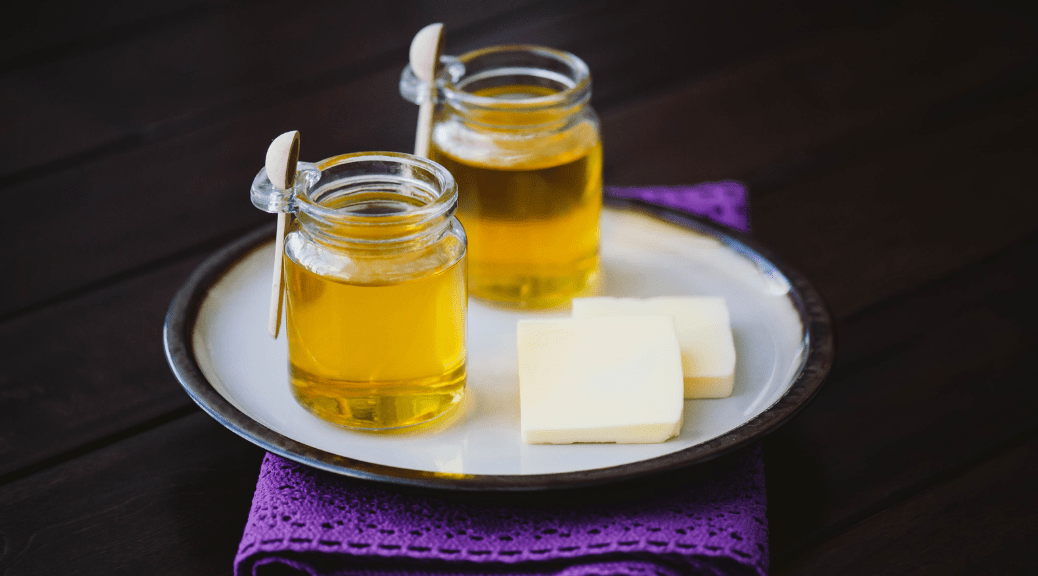
With a fascinating history that spans through the ages, ghee goes beyond a mere addition to our plates—it demands our attention as discerning consumers. In this article, we will uncover its ancient origins, explore the diverse range of types available, and delve into the unique nutritive compositions that set them apart. Along the way, we will carefully evaluate the pros and cons of incorporating ghee into our diets, unveiling its potential health benefits and important considerations to keep in mind. Get ready to embark on a journey that will deepen your appreciation for this culinary gem, as we unravel the remarkable world of ghee.
Richa Pande
Ghee is a type of clarified butter that has been used for centuries in traditional cooking and healing practices. It is made by simmering butter to separate the milk solids and water, leaving behind a golden, pure fat with a rich, nutty flavour. Ghee is highly regarded for its high smoke point, which makes it ideal for high-temperature cooking. It is also known for its potential health benefits, such as being a source of some essential vitamins, aiding digestion, and potentially possessing anti-inflammatory properties.
Ghee has a fascinating history that spans centuries and traverses different cultures. Its origins can be traced back to ancient times, with early references found in Indian Ayurvedic texts dating back over 5,000 years. Ghee holds a prominent place in Ayurvedic medicine and Indian culinary traditions. It was revered as a sacred substance and was used for various rituals, as well as for its healing properties. Ghee’s popularity spread to neighbouring regions and cultures, including the Middle East and Southeast Asia. Over time, ghee became an integral part of many cuisines worldwide, celebrated for its flavour, shelf stability, and versatility. Its rich history and cultural significance have cemented ghee as a timeless ingredient, treasured for its culinary and holistic attributes.
Ghee is a versatile ingredient that offers a multitude of benefits. It serves as a rich source of fat-soluble vitamins which contribute to maintaining healthy skin, supporting immune function, and promoting good gut health. With its high smoke point, ghee can withstand high cooking temperatures without breaking down or producing harmful compounds, preserving its nutritional properties and imparting a delicious flavour to dishes. In Ayurvedic medicine, ghee has been used for its digestive benefits, stimulating the secretion of stomach acids and aiding in the digestion and absorption of nutrients. Its lubricating properties may also provide relief from constipation and promote regular bowel movements. Ghee contains butyric acid, a short-chain fatty acid known for its potential anti-inflammatory properties. This can be particularly beneficial for individuals with inflammatory bowel diseases, as well as the omega-3 and omega-6 fatty acids present in ghee. Furthermore, ghee is lactose-free and shelf-stable, making it suitable for those with lactose intolerance and offering a longer shelf life compared to butter. Last but not least, ghee adds a delightful, nutty flavour to both sweet and savoury recipes, enhancing the overall culinary experience with its unique aroma and taste.
Buffalo ghee is a type of clarified butter that is derived from the milk of buffaloes. It is highly regarded in various culinary traditions, particularly in South Asian and Middle Eastern cuisines. Buffalo ghee has distinct characteristics that set it apart from other types of ghee. Buffalo ghee is known for its rich and intense flavour profile. It has a strong, slightly tangy taste that adds depth and complexity to dishes. The aroma of buffalo ghee is robust and distinctive, often described as earthy and nutty. In terms of its nutritional composition, buffalo ghee is a source of fat-soluble vitamins. It contains higher levels of fat compared to other types of ghee, making it a dense and energy-rich ingredient.
Cow ghee is a type of clarified butter made from cow’s milk. It holds a prominent place in various culinary traditions, particularly in South Asia. Cow ghee is widely valued for its unique flavour, rich aroma, and numerous potential health benefits. To make cow ghee, butter is traditionally prepared from cow’s milk, which is then heated and simmered to remove the water content and separate the milk solids. The resulting golden liquid is strained, leaving behind pure cow ghee. One of the distinct characteristics of cow ghee is its mild and subtle flavour profile. It has a delicate, buttery taste with a hint of nuttiness. This makes it a versatile ingredient that can enhance the flavours of both sweet and savoury dishes.
Bilona ghee is a traditional and artisanal form of ghee-making that has been practiced for centuries. It involves a meticulous process where curd made from whole milk or cream is hand-churned using a wooden churner or bilona. The manual stirring or whisking of the curd helps separate the butterfat from the buttermilk. The separated butter is then slow-cooked over a low flame, allowing the milk solids to caramelize and settle at the bottom. This slow-cooking process imparts a distinct aroma, rich flavour, and golden colour to the ghee. Bilona ghee is highly regarded for its superior taste, nutritional benefits, and the traditional craftsmanship involved in its production. It is cherished for its purity, quality, and the traditional touch it adds to dishes. The labour-intensive and time-consuming nature of bilona ghee-making makes it a revered and sought-after product, appreciated by those who value the authentic and artisanal approach to ghee production.
Grass-fed ghee is a type of ghee made from the milk of cows that are raised on a natural diet of grass and pasture. Unlike cows that are fed grains or confined to feedlots, grass-fed cows produce milk that is rich in essential nutrients and beneficial compounds. One notable advantage of grass-fed ghee is its higher content of vitamin K2, a fat-soluble vitamin that plays a crucial role in bone health, cardiovascular health, and proper calcium metabolism. Vitamin K2 is found in greater quantities in the milk and butterfat of cows that graze on fresh, green grass. By consuming grass-fed ghee, individuals can potentially increase their intake of vitamin K2, which is known to have important health benefits. Grass-fed ghee not only offers the traditional qualities of ghee, such as a high smoke point and rich flavour, but also provides an additional nutritional advantage through its naturally occurring vitamin K2 content.
A2 ghee is often marketed as a healthier alternative to regular ghee, claiming to be made from the milk of cows that produce A2 type beta-casein protein. However, the notion that A2 ghee is superior is largely a misleading marketing strategy that preys on consumer concerns. Firstly, ghee, by its very nature, is clarified butter where the milk solids, including proteins, are removed during the manufacturing process. This means that ghee, regardless of the type of milk used, contains negligible to no protein content. Therefore, claims about A2 protein in A2 ghee are baseless. Furthermore, the exaggerated prices of A2 ghee compared to regular ghee only add insult to injury. Consumers end up paying more money for a product that offers no significant nutritional advantage or health benefits.
Adding herbs and spices to ghee is a popular practice that enhances both the flavour and potential health benefits of this versatile ingredient. Turmeric ghee combines the anti-inflammatory properties of turmeric with the nutritional richness of ghee. Brahmi ghee may support cognitive function and memory. Garlic ghee infuses the distinct flavour and potential immune-boosting properties of garlic. Shatavari ghee is believed to promote hormonal balance and female reproductive health. Ashwagandha ghee is known for its adaptogenic properties, potentially reducing stress and promoting overall well-being. Incorporating these herbal-infused ghee variations into your diet can be a flavourful and convenient way to enjoy their potential health benefits.
When purchasing, handling, and consuming ghee, there are several important tips that consumers should keep in mind to ensure they make the best choices and derive maximum benefit from this versatile ingredient. Here are some essential consumer tips:
Look for ghee that is made from high-quality ingredients, preferably sourced from organic, grass-fed, or pasture-raised cows. Check for certifications or quality seals to ensure the authenticity and purity of the product.
Choose ghee that comes in airtight, light-proof containers to preserve its freshness and prevent oxidation. Glass jars or tin containers are preferred over plastic containers, as they are less likely to interact with the ghee.
Store ghee in a cool, dry place away from direct sunlight. Refrigeration is not necessary, as ghee has a long shelf life due to its low moisture content. However, if you live in a hot climate, refrigeration can help maintain its quality.
Use clean, dry utensils to scoop or measure ghee. Avoid introducing moisture or contaminants into the container to prevent spoilage.
Ghee has a high smoke point, making it suitable for high-heat cooking methods such as sautéing, frying, and roasting. However, avoid overheating or burning ghee, as it can lead to the formation of harmful compounds. Use medium to low heat for longer cooking durations.
Ghee is calorie-dense, so it is important to consume it in moderation. Consider your dietary requirements and consult a healthcare professional if you have specific health concerns.
Reading labels empowers consumers to be aware of the nutritional content of products and make conscious decisions that positively impact their health and well-being. Consumers must be vigilant and prioritize reading food labels, specifically comparing the values of saturated fats and polyunsaturated fatty acids (PUFA).Pick a brand with lesser saturated fats and more PUFA content.
Related
Apart from your own home, which place do you eat most frequently on a daily basis? If you think about it, it is likely to be your office, college or...
Food Safety and Standards Authority of India (FSSAI), has initiated the Eat Right India movement. The movement is based on three key themes, ‘if...
Chocolates are either critiqued to have negative impact on health or are portrayed by the marketers to have health benefits especially dark...

The news of 101 builders facing arrest warrants due to their failure to comply with RERA- Real Estate (Regulation and Development) Act orders has sparked significant discussions. Among them, Superteck builders are included and have been arrested for not adhering to the recovery order outlined in Section 40 of the RERA Act 2016. This event serves as a powerful message to the real estate industry, highlighting the growing authority of RERA.
Dr Prem Lata, Legal Head VOICE
A notable incident in the realm of builder affairs has attracted attention, as the developer failed to repay the loan obtained for the entire project, leading the bank to obtain an order for the property’s auction. However, on the complaint of registered homebuyers to RERA, the auction order issued under the SARFAESI Act was halted by the RERA Rajasthan High Court. This unconventional development resulted in a conflict between the stay orders of RERA and the recovery proceedings initiated by the bank under SARFAESI. The matter eventually reached the Supreme Court, which ruled that the bank had assumed the role of the promoter and therefore, as an assignee, the bank cannot compromise the interests of homebuyers by executing an order that goes against their best interests.
In this landmark judgment, the divisional bench of the Rajasthan High Court also established that complaints against banks can be filed with the Real Estate Regulatory Authority (RERA) in cases where lending banks have taken possession of a project as a secured creditor following the promoter’s default in loan repayment.
Following this thought-provoking ruling, numerous questions emerged that sparked debates. To address these inquiries pertaining to the real estate industry, it is necessary to examine the case of M/S. Newtech Promoters and Developers Pvt. Ltd. v. State of UP & Ors., Civil Appeal No(S). 6753 Of 2021 (Arising out of SLP (Civil) No(S). 3426 of 2021), Judgment Date 11 Nov 2021. This case extensively delves into every aspect of the RERA Act and the CP Act 2019, providing intricate details for further clarification.
Issue -1 Retrospective application of the Act
Concerning the retroactive application of the provisions of the Act 2016 in relation to ongoing projects, the Court determined that the Parliament, after thorough deliberation, deemed it essential to enact a central legislation in the best interest of effective consumer protection, uniformity, and standardization of business practices and transactions in the real estate sector. This legislation aims to ensure heightened accountability towards all stakeholders involved.
Issue -2 Jurisdiction of authority to direct return/refund of the amount to the allottee under Sections 12, 14, 18 and 19 of the Act
In terms of Section 18 of the RERA Act, if a promoter fails to complete or is unable to give possession of an apartment duly completed by the date specified in the agreement, the promoter would be liable, on demand, to return the amount received by him in respect of that apartment if the allottee wishes to withdraw from the Project. Such right of an allottee is specifically made “without prejudice to any other remedy available to him”. The right so given to the allottee is unqualified and if availed, the money deposited by the allottee has to be refunded with interest at such rate as may be prescribed. However, question of compensation is to be determined by judicial tribunal.
Referred case Imperia Structures Ltd. Vs. Anil Patni and Another held that Section 18 confers an unqualified right upon an allottee to get refund of the amount deposited with the promoter and interest at the prescribed rate, if the promoter fails to complete or is unable to give possession of an apartment as per the date specified in the home buyer’s agreement
Issue-3 Regarding delegation of power to single Member
In the present case, the authority made a special order on 5th December 2018, delegating its power to a single member for addressing complaints filed under Section 31 of the Act. As for the refund of the amount with interest, it should not be regarded as a strictly mechanical procedure. If the authority has delegated its power to the chairperson, who in turn delegates it to a single member under Section 81 of the Act, such delegation cannot be deemed contrary to the provisions of the Act.
Issue 4– Whether the authority has the power to issue recovery certificates for recovery of the principal amount under Section 40(1) of the Act?
Recovery of interest or penalty or compensation and enforcement of order, etc.—
Under Section 40(1) of the Act, the principal sum along with the accrued interest has been consolidated into a single amount that is to be recovered as arrears of land revenue. This case, which represents a landmark judgment of the year 2021, has effectively resolved all the pertinent issues concerning the real estate act, as determined by the Supreme Court.
Related
Apart from your own home, which place do you eat most frequently on a daily basis? If you think about it, it is likely to be your office, college or...
Food Safety and Standards Authority of India (FSSAI), has initiated the Eat Right India movement. The movement is based on three key themes, ‘if...
Chocolates are either critiqued to have negative impact on health or are portrayed by the marketers to have health benefits especially dark...