No Results Found
The page you requested could not be found. Try refining your search, or use the navigation above to locate the post.

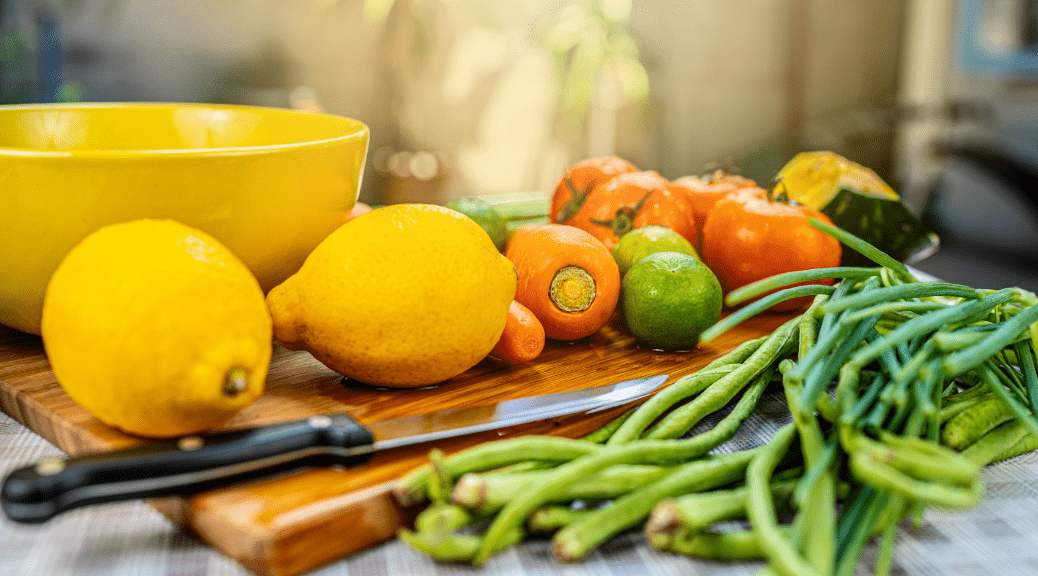
Raw fruits and vegetables may be better for your mental health than cooked ones, according to a new study from the University of Otago in New Zealand. The study, published in Frontiers in Psychology, found that people who ate more uncooked produce had lower levels of symptoms related to depression and other mental illnesses, compared to those who ate more cooked, canned, or processed fruit and vegetables.
The study was only able to show an association between raw produce and better mental health, not a cause-and-effect relationship. But the researchers say the link could have to do with the fact that many fruits and vegetables have more nutrients in their natural state—and that those nutrients may have a positive impact on mood and brain chemistry. They studied 400 people from New Zealand and the US aged 18 to 25 as this age group typically had the lowest fruit and vegetable consumption and were at high risk of mental health disorders.
Lead author and psychology professor Dr Tamlin Conner says public-health campaigns have historically focused on quantity of fruit and vegetables but the researchers suggest it is important to consider the way produce is prepared.
The top 10 raw foods related to better mental health are: carrots, bananas, apples, dark leafy greens such as spinach, grapefruit, lettuce, citrus fruits, fresh berries, cucumber, and kiwifruit.
“This research is increasingly vital as lifestyle approaches such as dietary change may provide an accessible, safe, and adjuvant approach to improving mental health,” Dr Conner says.
The researchers say their findings are important because most current health guidelines do not distinguish between raw and cooked or canned fruits and vegetables. “If our patterns are confirmed in intervention studies, it would suggest that heath policies could focus on promoting the consumption of raw and unprocessed produce for optimal well-being,” they wrote in their paper.
Related
The page you requested could not be found. Try refining your search, or use the navigation above to locate the post.

Summer months in India are from April- July and one has to eat right to prevent any stomach prone diseases. To battle any effects of the digestive system one must include fluids in their diet. Tea and coffee should be avoided. Drinking a good amount of water is key to fighting 90% of the diseases. Avoid fatty and fried foods, as they tend to heat up your body. One should also include foods with more fibre, like oats, barley and wheat. Have watermelon, cucumber and seasonal fruits like mangoes. Eating light is essential, else the body can generate excess heat that results in sleeplessness, exhaustion, inflammation, stomach upset and acidity. One has to keep a check on their diet during the summer months.
Related
The page you requested could not be found. Try refining your search, or use the navigation above to locate the post.
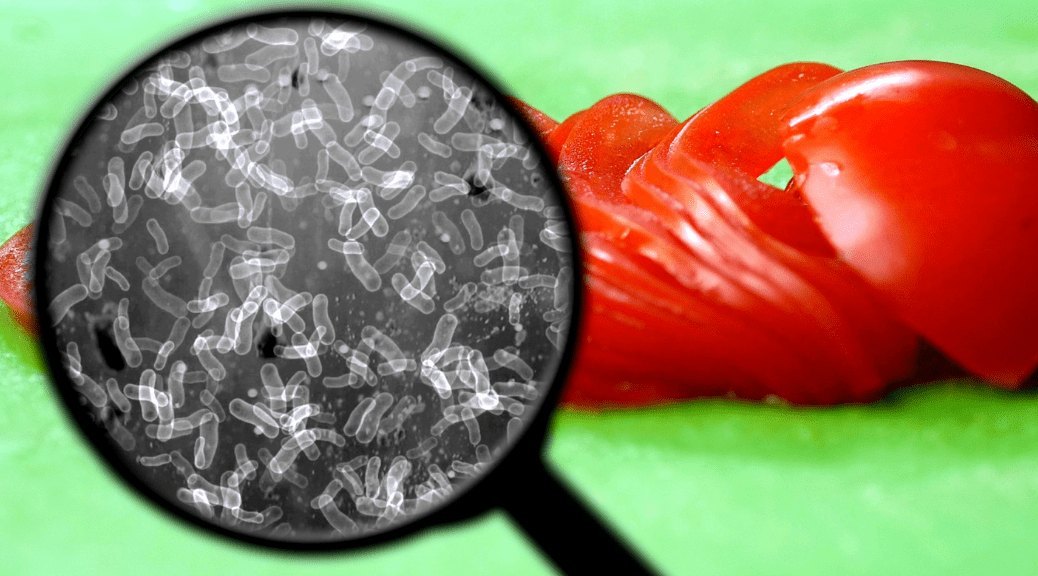
Quality, safety and preservation of food products are universal concerns. Food producers and handlers use antimicrobial agents to prevent spoilage of food as well as to prevent food-borne illnesses. Antimicrobial agents such as antibiotics and anti-fungal drugs extend the shelf life of food products. Now, there are two sides to the use of such drugs. On the one hand, their increasing use may have helped in addressing food-borne illnesses and given us food products with longer shelf life, but on the other hand this has triggered a situation where constant exposure has made human beings resistant to these drugs. This article explains the implications of such antimicrobial resistance (AMR) and why it is a major concern.
For one, constant exposure to antimicrobial agents damages the microbes that are helpful and in fact are needed for certain biological processes to happen in human beings (lactobacillus, for example, lives in the intestine and helps digest food). Antimicrobial resistance (AMR) is a more severe result of such exposure. Repeated, improper use of antibiotics—in both humans and animals—drives drug resistance among microbes and has made some of them virtually indestructible to modern medicine.
Antimicrobial resistance is the ability of bacteria/viruses/fungi/some parasites to survive the impact of antimicrobial agents (antibiotics, anti-fungal agents or antiviral agents) if they are constantly exposed to the same. All living beings have the ability to adapt. This is how species survive. So, if a microbe is constantly being exposed to an antimicrobial agent, it will eventually adapt and evolve to become more or fully resistant to antimicrobials that could previously treat it.
If a microbial species gets resistant to the antimicrobial agent, it makes the standard antimicrobial treatment ineffective. This results in non-treatment of the communicable disease caused by the microbial agent. It is important to note that the drug-resistant microbe reproduces and multiplies to form more drug-resistant microbes. The resistant bacteria can be transferred to humans through the food chain or direct contact. This can reduce the effectiveness of antimicrobials in treating diseases.
The infection spreads and it gets difficult to control it as the drug-resistant microbe spreads from one individual to another. As per Centers for Disease Control and Prevention (CDC), AMR accounts for 23,000 deaths per year in the United States.
Among the microbes that are now resistant to antimicrobial agents are some bacterial strains of salmonella and staphylococcus (both associated with food-borne illnesses and other infectious diseases).
Although antimicrobial resistance occurs in nature on its own, careless use and overuse of antimicrobial agents can accelerate the process. Antimicrobial resistance can be associated with factors such as over-prescription of antimicrobial agents such as antibiotics, consumption of antibiotics when one is suffering from viral infections such as common cold and flu, patients not sticking to the prescribed antimicrobial drug course, overuse of antimicrobial agents in animal agriculture, poor hygiene and sanitation practices that lead to frequent infections that in turn need antimicrobial drugs, poor infection control in healthcare settings which lead to spread of drug-resistant microbes, absence of new discoveries of antimicrobial drugs, and so on.
Suppose an antimicrobial agent is given to an animal over a long period of time. Let’s see what may happen as a result–
As this animal is exposed to a microbial regularly for a long period of time, the antimicrobials may not work when the animal catches an infection that is difficult to cure. Worse, the infection can spread to other animals.
Prolonged consumption of food products derived from such animals (egg, meat, dairy, etc.) by human beings can lead to development of antimicrobial resistance in the latter as well. When a human being catches an infection, the regular antimicrobial treatment course or dosage may not be effective enough.
Biopreservation refers to the technique of extending the shelf life of food by using natural or controlled microorganisms or their antimicrobial compounds or fermentation products. The fermentation products as well as beneficial bacteria are generally selected in this process to control spoilage and render pathogen inactive. Microbes that are harmless to humans, compete with spoilage and pathogenic bacteria, generate good odour, contribute in production of nice flavour, produce acids, antimicrobial substances and have fermentation capacity are used rather than those that have only fermentation property.
Certain lactic acid bacteria (LAB), with antimicrobial properties commonly associated with foods, are being used to increase the safety and/or prolong the shelf life of foods. Microbes thrive on nutrients to grow and multiply, and the presence of other microbes will necessarily limit the amount of nutrients available overall and thereby slow down the process of spoilage.
Related
The page you requested could not be found. Try refining your search, or use the navigation above to locate the post.

Compiled by Richa Pande
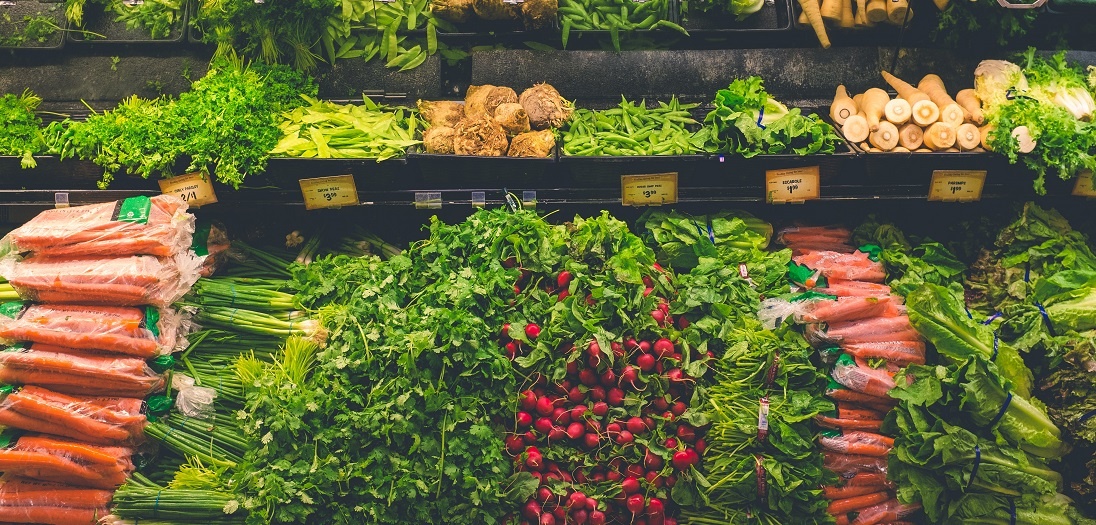
As organic food products start to find their way into more and more homes across India, the market suddenly seems to be inundated with all things ‘organic’. In at least some instances, the claims are clearly misleading and not entirely believable. To curb such false claims as also the sale of foods that aren’t organically grown, Food Safety and Standards Authority of India (FSSAI) rolled out the Food Safety and Standards (Organic Foods) Regulations in 2017. It also launched a logo with the tagline Jaivik Bharat. Read on to understand the key features of the regulations, which came into force on 1 January 2019.
The Food Safety and Standards (Organic Foods) Regulations, 2017, recognize two established systems of organic certification:
Let’s look at the key features of the new regulations:
Organic foods can be defined as food products that are grown or reared and processed without using hazardous chemicals and pesticides. If grown adequately, organic foods can be helpful in preventing health disorders linked with these chemicals.
The growth of organic products relies on biofertilisers such as compost, manure and bone meal. It puts emphasis on techniques such as crop rotation and mixed cropping. Biological pest control – that is, use of living organisms to address problems such as mites, insects and weeds – is encouraged in organic farming.
The new regulations define the terms that can be used on food labels as well as the criterion.
The new FSSAI organic-food certification mandates the presence of the Jaivik Bharat logo along with the FSSAI logo and license number of the product. In addition, the label may carry India Organic logo (NPOP-certified) or PGS India Organic logo, whichever is applicable.
Related
The page you requested could not be found. Try refining your search, or use the navigation above to locate the post.

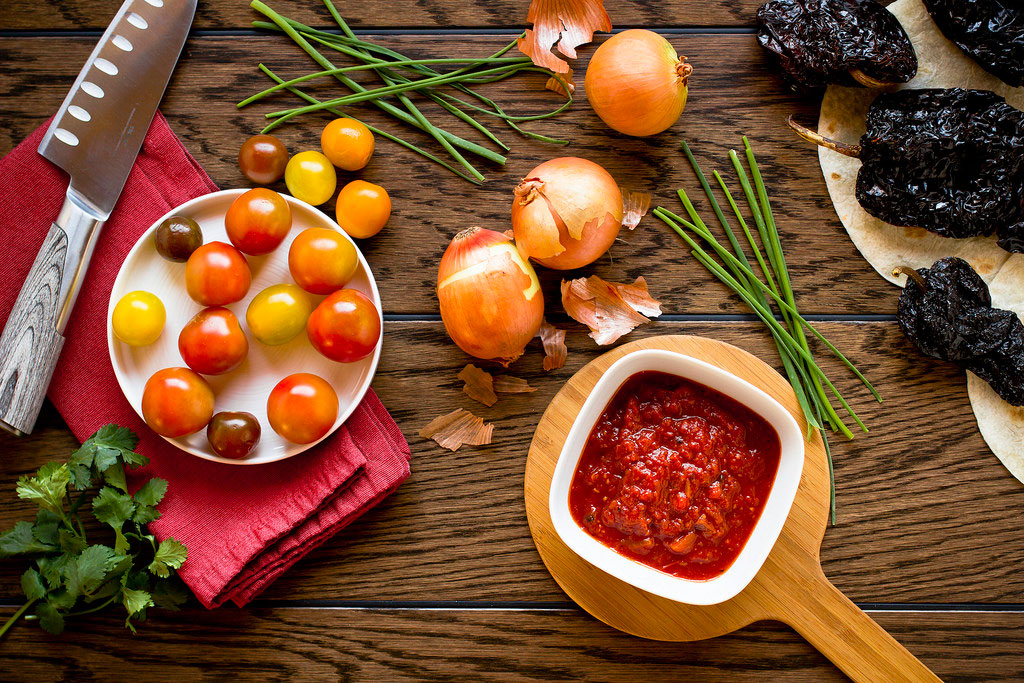
Food fortification is the process of adding one or more essential nutrients to the food to make sure that there is no deficiency of any nutrient. Though there is no doubt that there are immense benefits of food fortification, the process is not always harmless. Read on to know what are the benefits of food fortification and how can you make the most of it as a consumer.
Though there are many benefits of food fortification, there is a need to ensure that consumers stay away from fortified foods that are heavily processed or packaged. These kinds of foods are loaded with high fat, sugar and sodium content.
Even if your meals are loaded with fortified foods, you still need to ensure that you have a varied and well-rounded diet which includes fresh fruits, vegetables, and other whole foods. Food fortification or enrichment should never replace a healthy and balanced diet!
Related
The page you requested could not be found. Try refining your search, or use the navigation above to locate the post.