No Results Found
The page you requested could not be found. Try refining your search, or use the navigation above to locate the post.

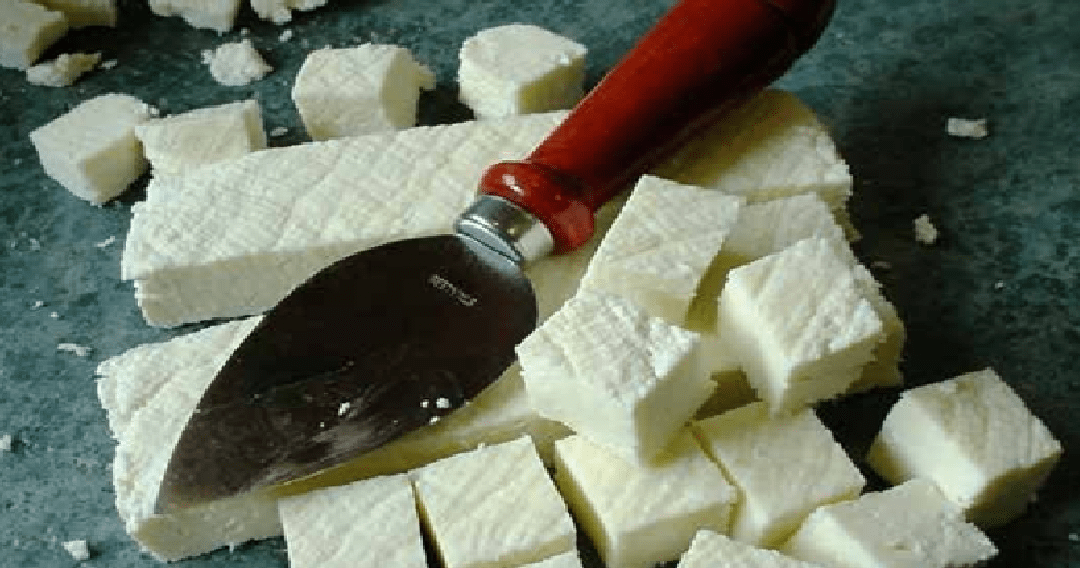
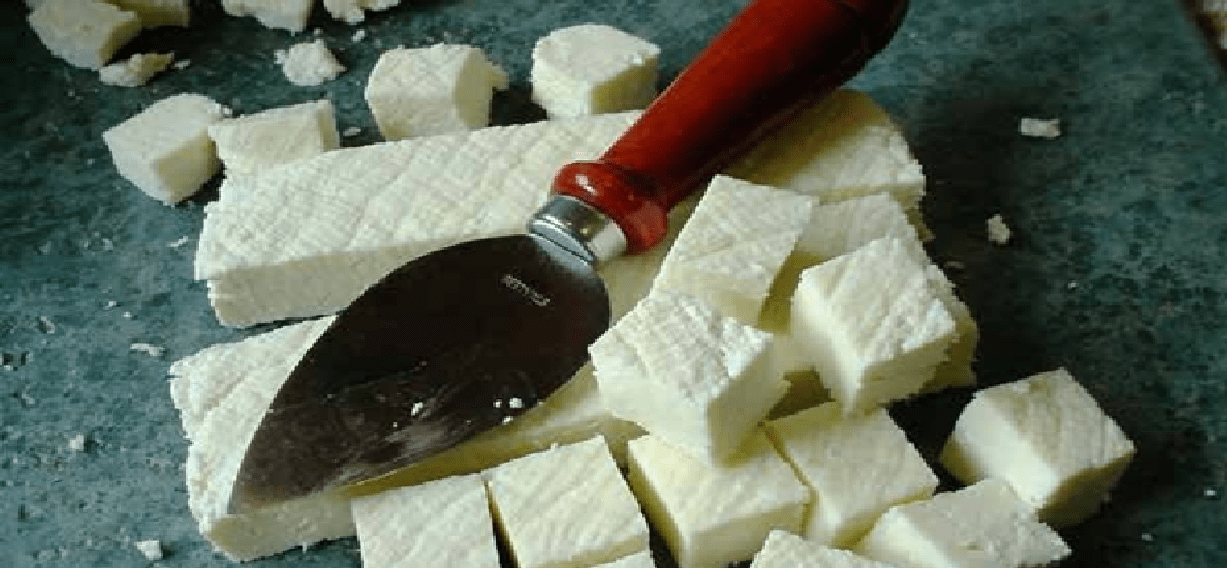
Paneer, the delight and pride of vegetarians, is consumed widely in India and the packaged product and the loose variant have their own share of patronage.As any other dairy product, paneer needs cold storage and everyone knows that. The question is: is the cold chain maintained throughout the supply chain? After all, paneer spoils bacteriologically at room temperature. What are the guidelines and regulations in this regard and are all packaged brands safety- and hygiene-compliant? The following report reproduces the findings of a firsthand study of the samples of eight popular brands of paneer. Find out how your favourite paneer brand fared in the tests. Apart from being microbiologically safe, does it have the requisite milk fat, protein, calcium, and energy value? Does it have the right balance of moisture and milk fat? Most of us look out for ‘soft’ attributes like the appearance and texture, but clearly there is a case for knowing if the paneer adheres to the regulatory standards.
Consumer Voice Report
We tested eight popular brands of packaged paneer on a range of quality, safety and acceptability parameters. These included milk fat, protein, calcium, energy, cholesterol, moisture and titratable acidity. The brands were further subjected to microbiological safety tests for total plate count (TPC), E. coliform, yeast and mould, S. aureus, Salmonella and
L. Monocytogenes, as well as sensory panel tests.
We will begin the report with results of microbiological tests as the results of these tests nullify all other results (physical, chemical, sensory). Even if the paneer performs fine in various other tests, failing the microbiological tests means that it is ‘not suitable for human consumption in raw form’.
The samples were tested as per specification laid out by FSS Regulations and the relevant Indian Standard IS: 10484 (specifications for paneer), as well as IS: 15346 (specifications for methods of sensory evaluation of paneer). The tests were conducted at an NABL- accredited laboratory.
| Rank | Total Score out of 100 (rounded off) | Brand | Quantity (gm) | MRP (Rs) | Best before | Manufactured/Marketed by |
| 1 | 87 | Ananda | 200 | 70 | 15 days | Gopaljee Dairy Foods Pvt. Ltd |
| 2 | 86 | Amul | 200 | 65 | 45 days | Gujarat Co-operative Milk Marketing Federation Ltd |
| 3 | 83 | Gowardhan | 200 | 75 | 75 days | Parag Milk Foods Ltd |
| 4 | 79 | Mother Dairy | 200 | 65 | 15 days | Mother Dairy Fruits & Vegetable Pvt. Ltd |
| 4 | 79 | Paras | 200 | 70 | 15 days | VRS Foods Pvt. Ltd |
| 5 | 77 | Nova | 200 | 60 (Rs 10 off) | 10 days | Sterling Agro Industries Ltd |
| 6 | 71 | Vita | 200 | 60 | ‘Use by’ date given | The Ballabgarh Co-op Milk Producers Union Ltd |
| 7 | 69 | Verka | 200 | 60/65 (Delhi, HP) | ‘Use by’ date given | Ropar District Co-op Milk Producers Union Ltd |
Note: ‘Use by’ date is given where shelf life is not more than seven days.
Score Rating: >90: very good*****, 71–90: good****, 51–70: average***, 31–50: poor**, <30: very poor*
Consumers are advised to buy paneer (preferably packaged) kept in a refrigerated condition. Paneer available in open form should not be consumed raw.
Paneer means the product obtained from milk by precipitation with sour milk, lactic acid, or citric acid. In simple terms, paneer is an indigenous milk product prepared by the combined action of acid coagulation and heat treatment of milk and the subsequent drainage of whey.
To prepare paneer, food acid (usually lemon juice, vinegar, citric acid or yogurt) is added to hot milk to separate the curds from the whey. The separated curd is pressed in muslin or cheesecloth and the excess water is drained out. The resulting paneer is dipped in chilled water for 2–3 hours to give it a good texture and appearance.
TEST RESULTS
Total Plate Count | Yeast and Mould Count | Coliform Count | E. coli | S. aureus | Salmonella | Listeria monocytogenes
As per 10th Amendment Regulations, 2016, Food Safety & Standards Authority of India (FSSAI) has specified microbiological requirements for process hygiene and food safety.
FSSAI has specified following criteria for process control at plant level. These are not applicable at retailer level. However, these parameters should be maintained up to retailer’s end as consumers buy the paneer directly from the retailer.
Given here are acceptable and non-acceptable limits of total plate count (TPC), coliform, yeast and mould, E. coli and S. Aureus for paneer.
Most edible products are normally contaminated with microbes (or microorganisms). They are so small that we need a microscope to see them. Microbes include bacteria, yeast, mould, algae, and protozoan. However, the organisms that normally contaminate and spoil foods are the bacterium with yeast and moulds of secondary importance. Under normal conditions, microbes feed on the food in which they live and reproduce and cause a variety of changes in the food, most of which result in a loss of the food’s quality. As per the regulations, there’s an acceptable standard limit of microbes prescribed for each food item.
Here ‘m’ represents an acceptable level; values that are only marginally above it are acceptable. The ‘M’ shows a microbiological criterion that separates ‘marginally acceptable quality’ from ‘unsatisfactory/ potentially hazardous quality’. Values above M are unacceptable in terms of the sampling plan and detection of one or more samples exceeding this level will be cause for rejection of the lot.
| Sl No. | Brand Name | Results | ||||
| TPC | E Coli | Coliform, cfu/gm | Yeast & Mould, cfu/gm | S.Aureus cfu/g | ||
| 1 | Amul | <10 | <10 | <10 | <10 | <10 |
| 2 | Ananda | 8,500 | <10 | <10 | <10 | <10 |
| 3 | Gowardhan | <10 | <10 | <10 | <10 | <10 |
| 4 | Paras | 550,000 | 4,300 | 66,000 | <10 | <10 |
| 5 | Mother Dairy | 930,000 | 30,000 | 71,000 | <10 | <10 |
| 6 | Verka | 330,000 | 5,200 | 79,000 | <10 | <10 |
| 7 | Vita | 580,000 | 3,200 | 35,000 | <10 | <10 |
| 8 | Nova | 650,000 | <10 | 4,000 | <10 | <10 |
• Amul and Gowardhan scored highest, followed by Ananda.
• Five brands – Mother Dairy, Paras, Verka, Vita and Nova – were found to be high in above microbiological tests.
• TPC was found to be high in Mother Dairy, Nova, Paras and Vita.
• E. coli was high in Mother Dairy, Paras, Verka and Vita.
• Coliform count was high in Mother Dairy, Nova, Paras, Verka and Vita.
• All brands passed in yeast and mould count and S. aureus tests.
Salmonella and Listeria monocytogenes are pathogenic bacteria and can leave one with an upset stomach. These shall be absent at retailer level also.
• All brands passed these tests.
Milk Fat | Protein | Calcium | Moisture | Energy | Cholesterol | Titratable acidity
Paneer derived from milk contains mainly milk fat, which is essential for better health. The percentage of milk fat in paneer depends on how fresh the milk is as well as milk composition. As per the national standards, paneer should contain at least 50 per cent milk fat when measured on dry basis.
Fat is an essential part of any balanced diet, providing essential fatty acids and a concentrated source of energy as well as aiding in digestion of certain fat-soluble vitamins. As per Dietary Guidelines for Indians by National Institute of Nutrition, Hyderabad, 2011, diets of young children and adolescents should contain about 30 grams to 50 grams fat per day. So, a higher amount of milk fat is better for consumers.
• All brands met the minimum requirement for milk fat content.
• Gowardhan (54.4 per cent) had the highest fat content followed by Ananda (52.6 per cent), and Nova the lowest (50.1 per cent).
Paneer is a rich source of protein and while the national standards have not prescribed requirements in this regard, a high amount of protein is considered to be good.
• Amul (23.1 gm/100 gm) was found with the highest amount of protein, followed by Nova (22.6 gm/100 gm) and Ananda (20.4 gm/100 gm). The lowest amount of protein was found in Vita (18.6 gm/100 gm).
Paneer, like other milk products, is a good source of calcium and its consumption helps in preventing osteoporosis.
Calcium plays an important role in building stronger, denser bones early in life and keeping bones strong and healthy later in life. Calcium deficiency can lead to rickets and poor blood clotting and osteoporosis. As per recommended dietary allowances (RDA), daily calcium intake should be 600 milligrams for man.
• Calcium content was highest in Nova (570.1 mg/ kg), followed by Mother Dairy (496.4 mg/kg) and Ananda (493.1 mg/kg). It was lowest in Vita (321 mg/kg).
Paneer is a highly perishable milk product that deteriorates rapidly because of high moisture content. Moisture up to a certain limit is an inherent part of fresh paneer. As per the national standards, it should not be more than 60 per cent.
• Moisture in all the brands was found within the specified limit.
• Amul had the lowest moisture (48.3 gm/100 gm), followed by Ananda (50.4 gm/100 gm). It was highest in Verka and Vita (55.1 gm/100 gm).
Energy value was measured to verify the label claims. There is no requirement in the standards in this regard.
• Amul (331.4 kcal/100 gm) was found to have the highest energy value, followed by Ananda (321.3 kcal/100 gm). It was lowest in Verka (286.7 kcal/100 gm).
Cholesterol increases the risk of heart and nervous-system problems, brain-synapse connectivity, gall-bladder stones and perhaps even cancer. These cholesterols are inherently found in the milk fats. The intake of cholesterol should not be more than 300 mg/day.
Cholesterol plays a central role in many biochemical processes but is best known for the association of cardiovascular disease. There are two main types of cholesterol – low-density lipoproteins or LDL (bad cholesterol), which can result in fatty deposits in our arteries, and high-density lipoproteins or HDL (good cholesterol), which absorbs cholesterol and carries it back to the liver, which flushes it from the body. So, while your body needs some cholesterol, too much of it can raise your risk of heart disease. A diet high in trans fats and saturated fats tends to increase blood cholesterol levels, whereas a diet high in unsaturated fats tends to lower blood cholesterol levels.
• Vita (593.7 mg/kg) was found with the highest amount of cholesterol, followed by Gowardhan (584.4 mg/kg) and Verka (572.8 mg/kg).
• Nova had the lowest cholesterol (446.5 mg/kg), followed by Ananda (524.1 mg/kg).
The maximum acidity allowed in paneer is 0.50 per cent.
Titratable acidity is a measure of the amount of acid present in a solution. Presence of acidity as lactic acid was measured as its presence in high quantity could cause the paneer to become bitter as well as allow microbiological activity to begin.
• Titratable acidity was slightly high in Verka, Nova and Gowardhan, exceeding the maximum limit specified by the national standards.
• Vita (0.33 per cent) had the lowest acidity, followed by Mother Dairy (0.42 per cent).
|
Parameter ¯ |
Weightage (%) | Ananda | Amul | Gowardhan | Mother Dairy | Paras | Nova | Vita | Verka |
| Milk fat | 14 | 11.31 | 9.18 | 13.33 | 10.08 | 11.09 | 8.51 | 9.74 | 9.07 |
| Protein | 10 | 7.24 | 8.86 | 6.58 | 7.30 | 6.70 | 8.56 | 6.16 | 6.94 |
| Calcium | 8 | 7.89 | 6.48 | 6.46 | 7.94 | 7.44 | 8.00 | 5.14 | 6.37 |
| Moisture | 8 | 6.34 | 6.67 | 5.84 | 6.16 | 6.00 | 6.13 | 5.58 | 5.58 |
| Energy | 7 | 6.23 | 6.80 | 5.43 | 5.68 | 5.45 | 5.61 | 4.47 | 4.30 |
| Cholesterol | 7 | 5.23 | 5.11 | 3.97 | 5.20 | 5.20 | 6.86 | 3.77 | 4.21 |
| Titratable acidity | 5 | 3.0 | 3.0 | 2.35 | 3.80 | 3.30 | 1.95 | 4.7 | 1.75 |
Based on the guidelines of IS: 15346-2003 (Method for sensory evaluation of paneer/channa), the following attributes were considered for judging the sensory attributes of paneer. The tests were conducted by expert panellists. Average mean scores were factored in for ranking of the samples.
Colour and appearance
Paneer shall be clear and free from dirt, surface discolouration, insects and rodent contamination, and foreign matter/particles and adulterants. It shall not have any free moisture/water. It should have a milky-white colour. No extraneous colouring matter shall be added to it.
Flavour/Odour
The paneer shall have a pleasant odour and a characteristic mild acidic flavour. It should be free from off-flavour and odour.
Body and texture
Paneer shall have a closely knit smooth and homogeneous texture, and a firm, cohesive and spongy body.
Taste and after-taste feeling
It shall have a good pleasant taste and not be bitter or have a smoky taste.
• Mother Dairy topped in the overall sensory scores,
followed by Paras, Amul and Ananda.
| Brand | Score out of 20 |
| Mother Dairy | 19.67 |
| Paras | 19.65 |
| Amul | 18.97 |
| Ananda | 18.40 |
| Gowardhan | 18.05 |
| Vita | 17.70 |
| Nova | 17.27 |
| Verka | 17.05 |
i) Marking/Labelling
As per the national standards, the following details should be clearly and indelibly marked on the labels:
a) Name and trade name of product
b) Name and address of manufacturer/marketer
c) Batch or code number
d) Net weight in grams
e) Date of manufacture
f) Best before (the date given by the manufacturer)
g) Green dot
h) Instructions for storage
i) Nutritional information
j) Maximum retail price
k) Customer-care details
• All the tested brands provided the required information on their labels.
ii) Packaging
The paneer shall be in clean and suitable food- grade packages/wrappers conforming to the relevant Indian Standard. The packing will prevent the product from imparting off-flavour or odour and also prevent it from being contaminated under normal conditions of manufacture, storage, and use.
• All the brands were packed in printed, high-density poly pack (plastic) material.
iii) Net Weight
The net weight was measured and compared with the declared values.
• All the brands were within the maximum permissible limit of net weight as per Legal Metrology Rules.
• It is a rich source of protein and calcium.
• The high protein component of paneer also helps in slowing the release of sugar into the blood and prevents abrupt hike and decline in blood sugar levels.
• The whey (remaining liquid part while making paneer) cleanses the bladder and helps prevent bladder infections.
• While high in fat, paneer works for people who have an active lifestyle as they will burn those calories easily and gain its nutrients.
• Paneer may help protect against heart disease by lowering the fat deposition in the arteries.
Related
The page you requested could not be found. Try refining your search, or use the navigation above to locate the post.
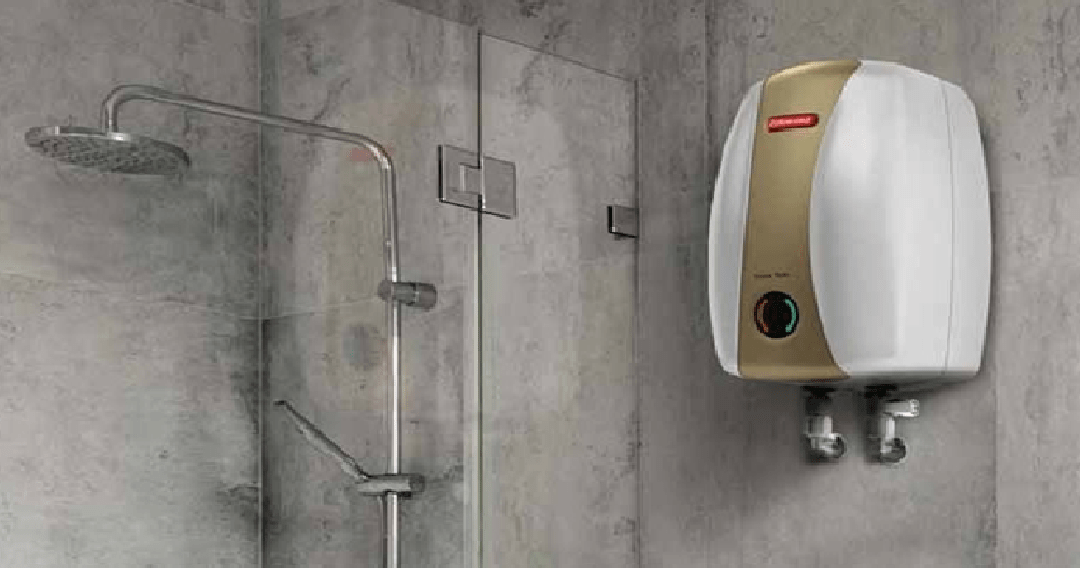
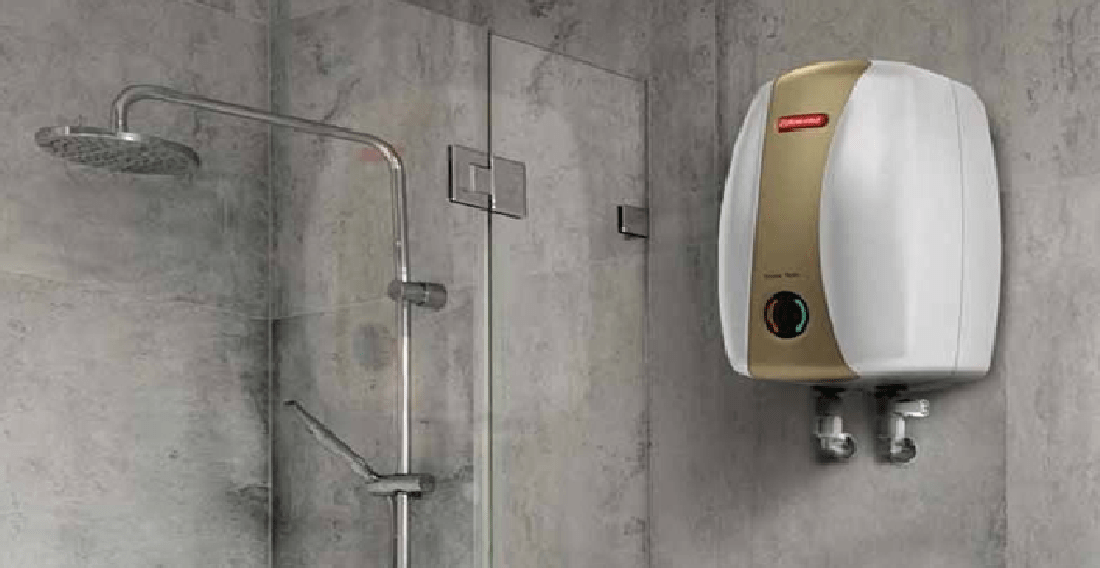
With the start of November, few parts of our country might have already started feeling the nip in the air and then we know that it’s time to take stock of our winter paraphernalia, beginning from quilts and woollens to electric heating devices including room and water heaters. This report is a result of our efforts to find out the best storage water heater/ geyser as per individual requirements, taking into consideration factors such as water usage, electricity consumption, standing loss, energy efficiency and longevity.
By best we mean the one that is not only efficient in terms of electricity consumption or heating capabilities, but also the safest. If you are planning to buy a new geyser, you may very well end up being puzzled by the types of geysers, models and sizes available. What you eventually choose will depend mainly on the purpose of the hot water, where you install the apparatus, bathroom spacing, your preference for instant geyser or storage geyser, and yes, your budget. Know that just the brand name may not be sufficient to base a buying decision on. While traditional electric water heaters are huge in size and consume high energy, their modern counterparts are relatively energy-efficient and produce hot water as per need.
While thinking to buy a water heater questions might be like which is the best brand, what size or capacity should I buy, which type of geyser will fulfill my needs, whether a 3-star geyser will do the job, or should I buy a 5-star geyser as there are multiple brands and types of geysers to choose from. This report can help you and will give you a fair idea of buying geyser.
The first decision is necessarily about the heating method: electric or gas?
An electrically heated storage-tank system is usually relatively cheap to buy and install, but is usually the most expensive to run, especially if it’s on the continuous (full day) rate. Electric instantaneous water heaters are also available. An LPG water heater is a good option if you want an instant water heater. It’s cheaper than the electric type.
Then there is the solar water heater (SWH), which is the conversion of sunlight into heat for water heating using a solar thermal collector. A sun-facing collector heats water that passes into a storage system for later use. You need a large tank to allow for days with less sunlight. If your panels cannot be installed in an ideal location, they may be less efficient and you will then need a larger collection area.
The next decision is between a water heater with storage tank and one that heats water instantly.
Most electric, gas and solar water heaters have a tank. Stainless steel tanks are more expensive but generally last longer and do not require as much maintenance as mild-steel tanks. Water heaters with copper tank are best but costlier.
Instantaneous or continuous-flow water heaters give only as much water as you need, when you need it. They are not truly instantaneous, though– it can take a few seconds before hot water starts flowing from the tap, especially when there is a fair distance of the pipe between the water heater and the tap. Instantaneous water heaters are available in gas and electric models. There are no heat losses; they are often cheaper to run than storage systems.
| Instant | Storage | |
| Wall space | It occupies small wall-mouting space | It occupies large wall-mouting space |
| Delay | Hot water comes immediately | Need to wait up to 5 minutes |
| Convenience | Need to wait for more water during bathing | Get all the water before the bath |
| Geyser Price | Little less | Little high |
| Water heating cost | less | little more |
| Best suitable for | Washing utensils, hand wash, bathing using bucket |
Bathing using bucket and bathing using shower |
| Available size | 1, 3 | 10 – 35 liters |
What the right size of water heater is will depend on how much hot water you use. For a small household (about 2 persons), an instantaneous water heater (gas or electric) will do just fine. For a medium- size household (3 to 4 persons), gas systems (instantaneous water heaters or storage) may be preferred. For a large household (5 persons+), multiple instantaneous water heaters may be an option; gas storage units may be more economical but are equally risky due to release of carbon monoxide in the closed toilets.
Electric water heaters have energy-efficiency star rating labels; the more the stars, the more efficient is the water heater. The highest rating is five stars. The modern tank less water heaters are much more energy- efficient than the traditional ones. When the water in the tank cools off, the power kicks in and heats it up again. An energy-efficient water heater saves you money on your monthly electricity bill. Before buying a water heater, look for one with a higher star rating.
A conventional water heater is bulky in size and may take up a good amount of space in your house. On the other hand, a tankless water heater is compact in size and takes up significantly less space than a conventional tank.
A tankless water heater’s longevity is more than that of a hot-water tank heater because the latter is subject to decay. A tankless on-demand water heater’s lifespan is approximately 20 years, compared to 10 to 15 years for a tank-type water heater. Tankless water heaters also have easily replaceable parts that extend their life.
This is a very useful feature and needs to be present in all appliances. In a heater with the auto-off feature, the appliance automatically turns off thereby preventing unnecessary power consumption.
Power consumption: A water heater may contribute as much as 15 per cent of your electricity bill. Winters are when you usually make most use of your water heater and hence its energy efficiency should be considered. Nowadays all home appliances are star-rated and opting for products with high star ratings is advisable.
The capacity of the water heater is important to consider. It is advisable to opt for instant water heaters for small requirements as it is budget-friendly and occupies very less space as compared to water heaters with storage tank.
Hard water is high in dissolved minerals, both calcium and magnesium. This kind of water requires special attention when you are buying a water heater. You will need to go for a corrosion-resistant tank and also install a water softener so as to reduce the water hardness.
Water heaters come with a thermostat capable of heating water up to 60 degrees – this also means you should be sure of mixing the water with normal to cold water. Most of the branded storage water heaters carry the ISI mark—assuring one of basic safety parameters.
Warranty coverage for most water heaters is 1 year to 2 years. Choose a water heater with the longest warranty. Always check ISI mark on geyser before buying. ISI mark on geyser means that geyser quality meets Indian standards and it is safe to use.
For our survey, we shortlisted 25 regular-selling brands of electric storage-type water heaters (vertical) of 25 litres capacity. We conducted the survey during October 2020.
|
Sl No. |
Brand |
Model No. |
Rated Capacity (litres) |
Outer body material |
Inner tank Material |
Rated Power (watt) |
#Stand- ing Loss (kWh) |
Star Rat- ing |
Price (Rs) |
Warrantee (Compre- hensive/ Tank,) Years |
|
1 |
Morphy Richards |
SALVO |
25 |
ABS |
Glass Lined |
2,000 |
0.562 |
5 |
9216 |
2 |
|
2 |
Havells |
Monza EC 25 |
25 |
|
cold rolled steel |
2 |
0.560 |
5 |
8945 |
2+5 |
|
3 |
AO Smith |
SDS 025 |
25 |
ABS |
lue Diamond Glass Lined |
2 |
0.550 |
5 |
10,027 |
2+7 |
|
4 |
AO Smith |
HSE-VAS- 025 |
25 |
Metal |
Diamond Glass Lined |
2,000 |
0.540 |
5 |
6799 |
2+7 |
|
5 |
AO Smith |
HSE-SAS- 025 |
25 |
|
Diamond Glass Lined |
2,000 |
0.620 |
5 |
9500 |
3+7 |
|
6 |
Bajaj |
New Shakti |
25 |
CRCA+ PP |
Mild Steel with Glass lined Coating |
2000 |
0.562 |
4 |
6821 |
2+5 |
|
7 |
Bajaj |
Cadlia |
25 |
ABS + PP |
Mild steel with glass lined coating |
2000 |
0.511 |
4 |
7349 |
2 |
|
8 |
V-Guard |
Steamer |
25 |
Mild steel |
Stainless Steel |
2,000 |
|
4 |
8900 |
1 |
|
9 |
Racold |
Buono Pro |
25 |
metal |
titanium enamel coat- ing |
2000 |
|
|
7049 |
2+3 |
|
10 |
V-Guard |
Sprinhot Plus 25 |
25 |
ABS |
stainless steel |
2,000 |
0.562 |
5 |
8016 |
2+5 |
|
11 |
V-Guard |
Krystal Plus 25 |
25 |
ABS |
Engineered Polymer Anti Corrosion |
2,000 |
0.562 |
5 |
8709 |
2+5 |
|
12 |
Venus |
Mega Plus 25 EV |
25 |
Metal |
Porecelain enamel glasslined |
2000 |
0.562 |
4 |
6985 |
2+5 |
|
13 |
Usha |
Aquagenie |
25 |
Metal |
Blue sapphire enamel coat- ing |
2000 |
0.511 |
5 |
8400 |
2+5 |
|
14 |
Inalsa |
PSG 25N |
25 |
ABS |
stainless steel |
2,000 |
0.618 |
4 |
6032 |
2+5 |
|
15 |
Remson |
Prime Aqua Prime CSS |
25 |
|
SS 304 |
2000 |
0.511 |
5 |
5030 |
2+5 |
|
16 |
Crompton |
Arno Neo ASWH 2625 |
25 |
|
Polymer coating |
2000 |
0.562 |
4 |
5800 |
2+5 |
|
17 |
Racold |
ANDRIS Lux plus |
25 |
ABS PLASTIC |
Glass lined |
2,000 |
|
4 |
8970 |
2+5 |
|
18 |
Havells |
Puro Plus 25 |
25 |
Feroglas dry powder coating |
cold rolled steel |
2,000 |
0.560 |
4 |
11100 |
2+5 |
|
19 |
Havells |
Monza Slim |
25 |
Feroglas |
|
2,000 |
0.618 |
3 |
9399 |
2+5 |
|
20 |
Kenstar |
5WH- KEN25 |
25 |
|
|
2000 |
0.511 |
5 |
6199 |
2+7 |
|
21 |
Polar |
Aqua hot 25 |
25 |
stainless steel |
304 grade SS |
2000 |
0.562 |
4 |
4899 |
2+5 |
|
22 |
MARC |
Neo clas- sic 25 |
25 |
Metal |
|
2000 |
0.511 |
5 |
5595 |
1 |
|
23 |
UNITED |
UNIHOT 25 |
25 |
ABS |
Stainless steel |
2000 |
0.511 |
5 |
4765 |
|
|
24 |
Bajaj |
Calenta |
15 |
ABS + PP |
Mild steel with glass lined coating |
2000 |
0.511 |
5 |
8213 |
2 |
|
25 |
USHA |
Verve Digital |
15 |
ABS |
blue sap- phire enamel coating |
2000 |
|
5 |
8549 |
2+3 |
|
26 |
Crompton |
Amica ASWH |
15 |
metal |
polymer coated tank |
2000 |
|
5 |
5590 |
2+7 |
|
27 |
Havells |
Monza Ec |
15 |
cold rolled steel |
stainless steel |
2000 |
0.419 |
5 |
7200 |
2+5 |
|
28 |
SPHERE- HOT |
TURBO 15 |
15 |
|
stainless steel |
2000 |
0.512 |
2 |
4290 |
2 |
|
29 |
THER- MOKING |
TKG 15 |
15 |
stainless steel |
|
2000 |
0.419 |
5 |
5999 |
2 |
|
30 |
V Guard |
Kristal Plus 15 |
15 |
ABS |
304 grade stainless steel |
2000 |
0.461 |
4 |
7140 |
2+5 |
# Standing loss (kWh/24 hour/45⁰ C)” means the energy consumption of a filled water heater, after steady state conditions have been reached when connected to electrical supply, and when no water is drawn for twenty-four hours and the standing loss shall be calculated as per IS 2082. Note: Price may vary from retailer to retailer. Before buying please check price on the amazon.in or flitkart.com website and compare the models.
|
Factors |
Electric Water Heater |
Gas Water Heater |
|
Ease of use |
Single touch and automatic operation. |
The water level and heating rate should be manually regulated. |
|
Time taken to heat water |
Takes relatively more time than Gas models, but stored models can deliver instantly. |
Heats water quickly |
|
Space occupied |
Requires less space due to the wall mounting build. |
Occupies more space and also an additional space to place LPG cylinder with proper ventilation. |
|
Environment impact/ Pollution |
No pollution as water is heated through electricity. |
High pollution, due to the emission of gas . Carbon monoxide can also be released. |
|
Safety |
The safest option and is mostly recommended for domestic purposes |
A bit risky and should never be used in houses. |
|
Ease of Installa- tion |
Easy to install. |
Connection for LPG and arrangement of outlet for ventilation and fumes needs experience. |
|
Price |
A bit expensive, compara- tively. The price varies from instant geyser to storage geysers. |
Cheaper than electric type |
Related
The page you requested could not be found. Try refining your search, or use the navigation above to locate the post.
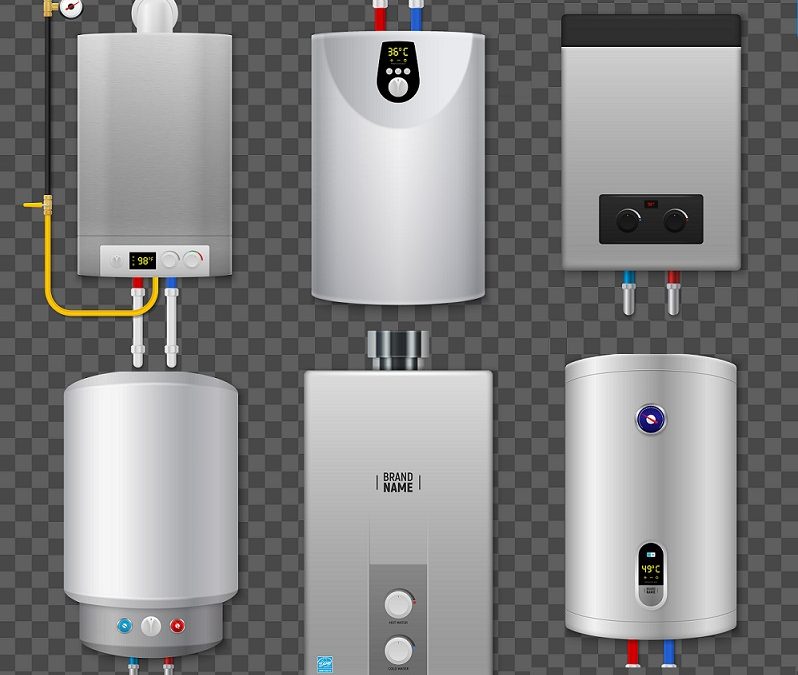
Water Heater
A splash of hot water on a cold winter morning can help you make a fresh start to the day!
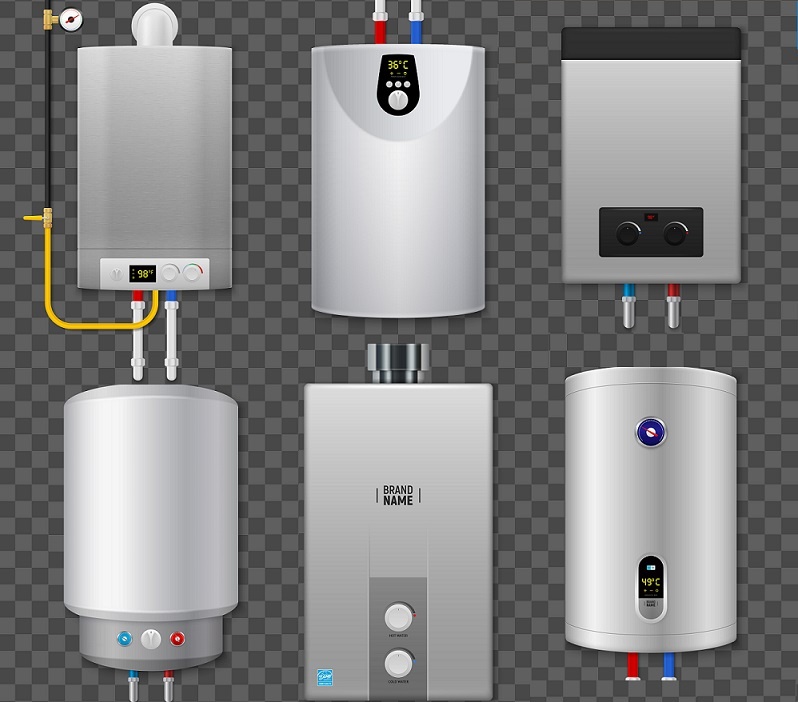
When it’s freezing cold, all you need is some hot water! Water heater is one of mankind’s best inventions.
It saves on time and gives instant hot water at your disposal. It can be instant tank water heaters or storage tank water heaters. With the market flooded with various brands of water heaters,
Consumer VOICE experts will help you select the best based on parameters like brand, warranty, energy efficiency, price etc.
Articles
The page you requested could not be found. Try refining your search, or use the navigation above to locate the post.
Related
The page you requested could not be found. Try refining your search, or use the navigation above to locate the post.
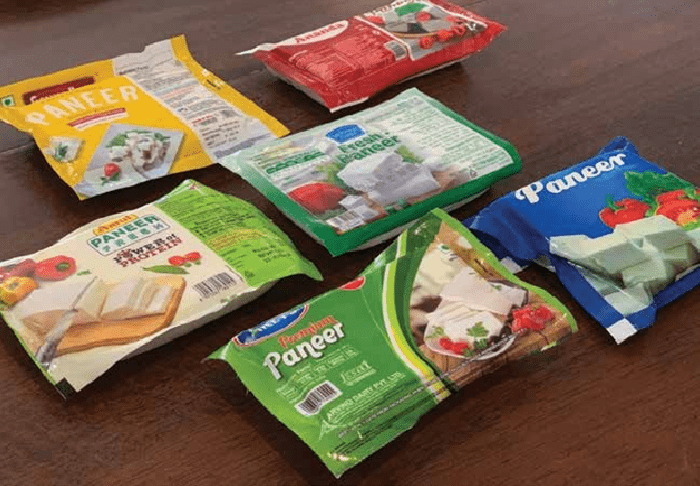
The delicious and easy-to-please everyone paneer does not need any introduction. The popularity and usages of it is archaic and revered by all. However, while choosing a packet of fresh packaged paneer, what parameters we look at in choosing the best product. Here’s our guide that tells you how to pick your paneer brand wisely.
A Consumer Voice Report
We know paneer as an indigenous milk product prepared by the combined action of acid coagulation and heat treatment of milk and subsequent drainage of whey. To prepare paneer, food acid (usually lemon juice, vinegar, citric acid or yogurt) is added to hot milk to separate the curds from the whey. The curds are pressed in muslin or cheese cloth and the excess water is drained out. The resulting paneer is dipped in chilled water for 2–3 hours to give it a good texture and appearance. The preparation of paneer diverges based on its use and regional variation.
The test programme for comparative testing of paneer has been done following the Food Safety & Standard Regulations and relevant Indian standard IS: 10484 (specifications for paneer) which covers the product requirements and methods of tests.
We purchased 11 regular selling brands of fresh packaged paneer for comparative testing. The table below represents which brands scored what, so that you can buy only the best.
| Rank | Score Out of 100 | Brand | Quantity, gms | MRP,
Rs. |
Best Before, days | Manufacturer/ Marketer |
| 1 | 91 | Ananda | 200 | 75 | 15 | Gopaljee Dairy Foods Pvt. Ltd |
| 1 | 91 | Amul | 200 | 74 | 45 | Gujarat Co-operative Milk Marketing Federation Ltd |
| 1 | 91 | DMS | 200 | 60 | Use by date# | Delhi Milk Scheme |
| 2 | 90 | Paras | 200 | 75 | 15 | VRS Foods Pvt. Ltd., Delhi |
| 3 | 89 | Mother Dairy | 200 | 75 | 15 | Mother Dairy Fruit & Vegetable Pvt. Ltd |
| 3 | 89 | Nova | 200 | 70_ | 10 | Sterling Agro Industries Ltd, |
| 3 | 89 | Madhusudan | 200 | 75 | Use by date# | SMC Group |
| 4 | 88 | Vita | 200 | 65 | Use by date# | The Ballabhgarh Co Op Milk Producers Union Ltd |
| 5 | 86 | Gowardhan | 200 | 85 | 75 | Parag Milk Foods Ltd, Mumbai |
| 6 | 85 | Patanjali | 200 | 75 | 45 | Patanjali Ayurved Ltd |
| 7 | 84 | Heritage | 200 | 75 | 15 | Heritage Food Ltd |
Ratings: >90 – Very good *****, 71-90- Good****, 51-70- Average ***, 31-50- Poor **, <30 – Very Poor*
# Use by date is given where shelf life of product is less than 7 days
• Based on the overall scores, three brands Ananda, AMUL and DMS have secured the No. 1 position.
• Additionally, DMS has been nominated as The Value for Money Brand. The product priced at Rs.60 for 200-gm followed by Vita at Rs. 65 for 200-gm.
• DMS has been found with the highest fat followed by Ananda and Amul.
• Highest protein has been found in Nova followed by Amul.
• We have found Patanjali with lowest cholesterol (made from cow milk).
• All the tested brands have met the national
standards requirements.
• All the brands have passed microbiological safety parameters; thus, they are safe to consume.
• One should preferably buy packaged paneer and store in refrigerator. Consumers must avoid consuming paneer in raw form; one can make it at home if the packaged product is not available in the nearby market. Home-made paneer is the best.
• At retailer level, the FSSAI prescribes microbiological requirements of Salmonella and Listeria Monocytogenes only. Other microbiological parameters such as TPC, E.coli, Coliform, Yeast and Mould and S.aureus are not applicable at retailer level. These requirements should be relevant at retailer level which is the collection point for consumers.
Milk Fat| Protein| Organoleptic Tests| Microbiological Safety| Energy Value| Cholesterol| Moisture| Titratable Acidity as lactic acid
| Brand→
Parameter ↓ |
Wt.
% |
Ananda | Amul | DMS | Paras | Mother dairy | Nova | Madhu- sudan | Vita | Goward- han | Patanjali | Heritage |
| Moisture | 8 | 6.94 | 6.75 | 7.23 | 6.80 | 6.91 | 6.48 | 6.85 | 6.16 | 6.69 | 6.06 | 6.06 |
| Milk fat | 20 | 18.74 | 18.68 | 19.58 | 18.32 | 18.38 | 16.76 | 17.48 | 17.42 | 17.44 | 17.18 | 17.78 |
| Titratable acidity as lactic acid | 5 | 4.55 | 4.70 | 4.40 | 4.70 | 4.85 | 4.25 | 5.00 | 4.40 | 4.25 | 3.80 | 3.95 |
| Protein | 18 | 16.27 | 17.41 | 13.01 | 15.92 | 16.29 | 17.55 | 16.26 | 15.78 | 15.81 | 12.90 | 12.82 |
| Energy value | 8 | 6.77 | 6.61 | 7.37 | 6.59 | 6.81 | 5.68 | 6.73 | 5.70 | 5.52 | 5.64 | 5.66 |
| Cholesterol | 8 | 6.74 | 5.74 | 7.97 | 6.83 | 5.23 | 7.65 | 5.80 | 7.45 | 4.83 | 8.00 | 7.10 |
| Microbio- logical safety ( Salmonella & Listeria Monocyto- genes) | 10 | 10 | 10 | 10 | 10 | 10 | 10 | 10 | 10 | 10 | 10 | 10 |
| Organoleptic tests
(Colour & Appearance, Body & Texture, Package) |
16 | 14 | 14 | 14 | 14 | 14 | 14 | 14 | 14 | 14 | 14 | 14 |
The test parameters have been adopted following the FSSAI regulations and relevant Indian Standard IS:10484. We conducted the comparative testing in a NABL lab for physical, chemical, microbiological and organoleptic parameters and the details are given below:
Paneer contains mainly milk fat, which contributes greatly to good health. Fat helps in gaining weight as well as it helps in digesting certain fat-soluble vitamins. The percentage of fat in paneer varies due to the availability of fresh milk and variation in milk composition. Hence as per the national standard, paneer should contain at least 50 per cent fat when measured on dry basis. All the brands have fat content above the minimum requirement of 50 per cent on dry matter basis. Hence, they have met the standard requirement. DMS had highest fat followed by Ananda and Amul.
Paneer is rich and inherent source of protein and calcium. National standard has not prescribed any requirement of protein however protein is good for health. It helps keep your muscles strong and healthy. You need protein in your diet to help your body repair cells and make new ones. Protein is also important for growth and development in children and teens. We found highest amount of protein in Nova followed by Amul and Mother Dairy and the level found lowest in Heritage and Patanjali.
Following sensory attributes have been judged by lab experts and their observations are given below:
a) Colour and appearance- Paneer shall be clear and free from dirt, surface discoloration, insects and rodent contamination, free from foreign matter/particles and adulterants. It shall not have any free moisture/water. It should have milky white colour and no extraneous coloring matter shall be added to paneer.
b) Body and texture – Paneer shall have a closely knit smooth and homogeneous texture, firm, cohesive and spongy body.
c) Package: Packaging shall be in good condition without damage.
The above attributes have been examined in the lab. All the brands have creamy colour and soft mass in appearance. Body and texture are soft mass having crumbly and compact texture.
The FSSAI has specified microbiological requirements for process hygiene criteria and food safety criteria. Microbiological parameters under process hygiene criteria are TPC, E.coli, Coliform, Yeast and Mould and S.aureus but these requirements are not applicable at retailer/consumer level.
We tested Salmonella and Listeria Monocytogenes under food safety criteria of FSSAI.
Salmonella and Listeria Monocytogenes are pathogenic bacteria and cause seriously upsetting the stomach. These shall be absent at retailer level. Salmonella and Listeria Monocytogenes have been absent in all the brands, thus all brands passed microbiological food safety criteria.
Food we eat provides energy in the form of calories. We need a minimum number of calories from food to sustain basic metabolic functions and more to carry out physical activities. There is no specified standard requirement. However, the energy value has been measured to verify the label claims and compare them. We found DMS with highest energy value followed by Mother Dairy and Ananda.
Cholesterol is necessary to the normal permeability and function of the membranes that surround cells. Your body needs some cholesterol, but too much can raise your risk of heart disease. A diet high in saturated fats tends to increase blood cholesterol levels, whereas a diet high in unsaturated fats tends to lower blood cholesterol levels. There is no specified standard requirement. However, it should be on lower side. Brand Patanjali has lowest cholesterol (made from cow milk). We found highest amount of cholesterol in Gowardhan followed by Mother Dairy and Amul.
Paneer is a highly perishable milk product which deteriorates rapidly because of high moisture content. Moisture up to a certain limit is an inherent part of fresh paneer. As per the national standards, it should not be more than 60 per cent by mass. All the brands have been found well below the specified limit of 60 per cent moisture. DMS had lowest moisture contents followed by Ananda among the brands tested.
Titratable Acidity as lactic acid is a measure of the amount of acid present. It shall be 0.50 maximum in paneer as per the BIS standard. Our test has found it within the specified standard limit.
Paneer shall be packed in clean suitable food grade packages/wrappers which protect them from imparting off-flavor or odour. It also protects food from product contamination. Only food grade packaging conforming to the relevant Indian Standard should be used. Packaging should not be torn/damaged. All the brands have been packed in printed high-density poly pack (plastic) material and found in good condition.
As per the national standards, following details should be clearly and indelibly marked on the product label:
– Name and trade name of the product
– Name and address of the manufacturer/ marketer
– Batch or code number
– Net weight in grams
– Date of manufacture
– Best before/use by date
– Green dot mark
– Instructions for storage
– Nutritional information
– M.R.P
– Customer care details
All the brands fulfilled the marking/labeling national standards requirements.
The net weight of paneer has been measured and compared with their declared values. And, we found all the brands with net weight above the declared quantity.
1. Paneer contains good amounts of fat, protein and calcium.
2. Paneer is a good source of calcium, which helps build strong bones and teeth, and also prevents osteoporosis.
3. Paneer is a good source of protein and bone health. In 100-gram of paneer, you will get 14- 20-gram of protein.
4. Owing to its high nutrition and high fat, paneer is good for children. It can be consumed once or twice a week.
5. It would be better to avoid regular consumption of paneer for those with hypertension and diabetes due to its high level of fat and cholesterol. It can however, be used in small quantities for such patients once or twice a week.
• Bring the milk to a temperature just below boiling. Then turn off the heat.
• Add lemon juice or citric acid, 5-ml (one teaspoon) at a time. Stir the milk until the milk separates;
the solid curds part from the green and watery whey.
• If milk does not start to curdle immediately, start by adding only one teaspoon of lemon juice at a time in a stepwise manner until the milk curdles. Do not add more lemon juice than necessary; otherwise, the paneer will not be soft, as well as will taste sour and bitter.
• Stirring gently and continuously
• Curdling process is finished once the curds have stopped precipitating from the greenish
colored liquid whey.
Related
The page you requested could not be found. Try refining your search, or use the navigation above to locate the post.
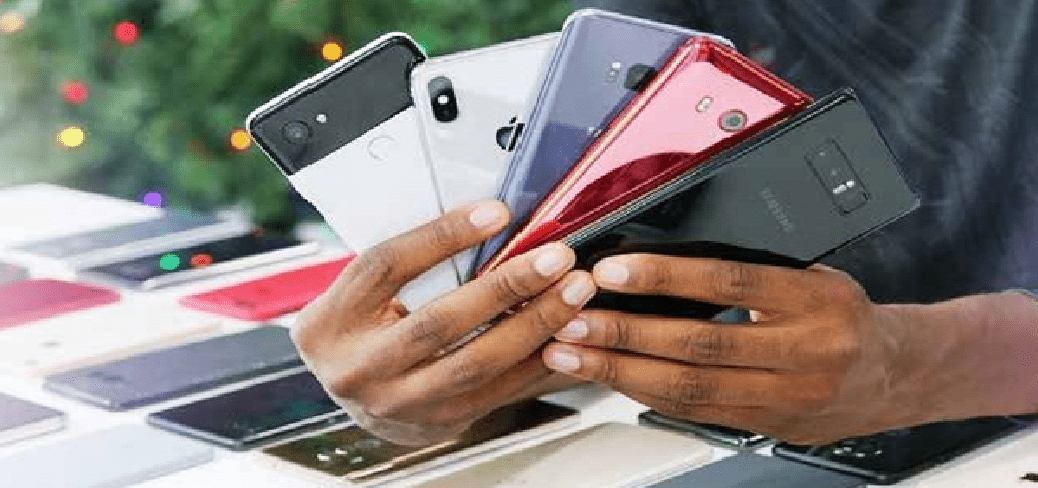
That choosing a smartphone is today nothing short of a dilemma is as deep an understatement as any. Thankfully there is no shortage of information and reviews out there but then, sifting through the reams of writing and reviewing (and shouting) demands skill too, apart from patience. Personal preferences play a huge role of course. Overall, getting objective is easier said than done and hence we have in this report tried to simplify the choosing task by zeroing in on the attributes that commonly matter.
It is worth discussing the main features that one normally checks before deciding on a particular
device.
• Display size and resolution: Display has two dimensions – size and resolution. If you are a regular user, you need a smartphone for checking emails as well as chatting and browsing social media, in which case anything from a 12.7 cm to
13.9 cm (5 inches to 5.5 inches) HD or full-HD display handsets are perfect for you. Otherwise you can opt for a tablet.
• Processing power: The processor is the key characteristic that enables real smart usage of the mobile phone/tablet. The processing power varies from one device to another, depending on several factors such as the OS version, UI, bloatware and more.
• Camera: Most users want to know how many megapixels the camera has. But just having a higher number of megapixels does not mean that the camera is better. Several other specifications
– such as camera aperture, ISO levels, pixel size, auto-focus and more – are also important.
• Battery: It is important to have a battery with longer staying power. If you are a heavy user and work on internet/apps, play games, stream videos and more, then go for a smartphone with at least a 3,500 mAh battery or above. If you are an average or light user, a handset with a 3,000 mAh battery would be good enough to run for a full day.
• The build: The build is directly linked with the durability of a smartphone. The entire handset market is broadly divided into two types of builds – metal and plastic. Which option you select should be based on how you evaluate your own usage pattern
– do you tend to be very careful with your devices or are you clumsy and rough? Metal built would be more durable and robust but more expensive.
• User interface: The user interface and OS version are key factors to choosing the best devices. The interface is that part of the phone that you interact with each time you access any function, so it should be easy and simple.
• Storage: Nowadays storage is available in options of 16 GB, 32 GB, 64 GB or more. Higher storage volumes are mainly required by users who store movies or play heavy games. It is advisable to go for a minimum of 32 GB storage, else you will have to deal with the problem of hanging/ functions slowing down when closer to reaching full storage.
• Security: Our smartphone contains private data and pictures that we don’t want to share with anyone. So, security features are important and can include fingerprint sensors or even iris sensors.
• Service: Another factor to consider is whether or not the phone supports the newer, high-speed 4G networks.
• Design: A very important feature is the look and feel of a device. If the device fits in your hand, then it is easy to access its features.
Comparison at a Glance: Of Top smartphone Features
For our survey, we shortlisted 11 regular-selling smartphones.
| Phone | Display Size | Processor | Camera | Battery |
| Google Pixel XL | 13.9 cm
(5.5 inches) 1440 x 2560 |
Qualcomm Snapdragon 621, 1.6GHz quad-core | R: 12.3 MP
F: 8 MP |
3,450
mAh |
| OnePlus 5T | 15.2 cm
(6.01 inches) 1080 x 2160 |
Qualcomm Snapdragon 835, 2.45GHz octa-core | R: 20 MP
F: 16 MP |
3,300
mAh |
| Nokia 8 | 13.4 cm
(5.30 inches) 1440 x 2560 |
Qualcomm Snapdragon 835, 1.8GHz octa-core | R: 13 MP F:13 MP | 3,090
mAh |
| Sony Xperia XZ Premium | 13.9 cm
(5.50 inches) 2160 x 3840 |
Qualcomm Snapdragon 835, octa-core | R: 19 MP
F: 13 MP |
3,230
mAh |
| Oppo F5 | 15.2 cm
(6.00 inches) 1080 x 2160 |
Media TekMT6763T octa- core | R: 16 MP
F: 20 MP |
3,200
mAh |
| Honor 8 Pro | 14.4 cm
(5.70 inches) 1440 x 2560 |
Kirin 960, 1.8GHz octa-core | R:12 MP F: 8 MP | 4,000
mAh |
| Xiaomi Redmi Note 4 | 13.9 cm
(5.50 inches) 1080 x 1920 |
Qualcomm Snapdragon 625,2GHz octa-core | R: 13 MP
F: 5 MP |
4,100
mAh |
| Samsung Galaxy S9+ | 15.75 cm
(6.2 inches) 2960 x 1440 |
Exynos 9810 Snapdragon
845 |
R: 12 MP
F: 8 MP |
3,500
mAh |
| Google Pixel 2 XL | 15.24 cm
(6 inches) 2880 x 1440 |
Snapdragon 835, 1.9GHz | R: 12.2 MP
F: 8 MP |
3,520
mAh |
| Honor View 10 | 15.21 cm
(5.99 inches) 2160 x 1080 |
Kirin 970, 1.8GHz octa- core | R: 20 MP
F: 16 MP |
3,750
mAh |
| iPhone X | 14.7 cm
(5.8 inches) 2436 x 1125 |
Hexa-core bionic | R: 12 MP
F: 7 MP |
2,716
mAh |
| Build | UI | Storage | Security | Sim | Price (Rs) |
| Metal, plastic and glass | Android 7.1 nougat | 32 GB internal 4 GB RAM | Face detection | 1 | 61,000 |
| Full metal | Android 7.1.1 nougat | 62 GB internal
6 GB RAM |
Face detection, fingerprint scanner | 2 | 32,999 |
| Aluminium unibody design with metal | Android 7.1.1 | 64 GB internal 4 GB RAM | Fingerprint detection | 2 | 29,990 |
| Metal body | Android 7.1.1 | 64 GB internal 4 GB RAM | Fingerprint scanner | 2 | 61,990 |
| Metal edges | Android 7.1.1 | 32 GB internal 4 GB RAM | Fingerprint detection, face recognition | 2 | 24,990 |
| Metal body | Android 7.0 | 128 GB internal 6 GB RAM | Fingerprint detection | 2 | 29,999 |
| Metal body | Android 6.0 | 64 GB internal 4 GB RAM | Fingerprint detection | 2 | 9,999 |
| Scratch-resistant Corning Gorilla Glass 5 | Android
8.0 Oreo OS |
64 GB internal 6 GB RAM | Face and iris recognition | 2 | 64,549 |
| Gorilla Glass 5 | Android
8.0 Oreo |
64 GB internal 4 GB RAM | Fingerprint sensor | 1 | 53,999 |
| Front glass, aluminium body | Android 8.0 Oreo | 128 GB internal 6 GB RAM | Face recognition | 2 | 29,999 |
| Glass | iOS 11 | 64 GB internal 3 GB RAM | Face recognition | 1 | 83,750 |
The operating system (OS) is the software that powers your phone. The phone’s operating system (OS) is the thing that’ll turn the phone (and possibly you) on or off. There are three options to choose from:
Apple iPhone Os (iOs)
If you already have, or plan to buy, other devices made by Apple such as an iPad tablet, Macbook laptop or Mac desktop, then an iPhone using iOS would be a good choice. The operating system for the Apple laptop and desktop computing devices have been evolving into a similar look and feel, so you should be comfortable moving from one device to another without having to relearn anything. And if you’re considering buying the Apple Watch, then you need an iPhone, as the Apple Watch won’t work with any other smartphone.
Pros: It’s easy to use and quick to learn, even if you haven’t used a smartphone before. It provides access to the well-stocked Apple app store – where apps are vetted before being released, so you can rest assured they’re safe to use.
Cons: Apple iPhones are expensive – the latest iPhone 8 (64 GB) will set you back by around £700, while the iPhone 8 Plus (64 GB) costs around £800. And the all-new iPhone X (64 GB) costs an eye- watering £999. If you’re not obsessed with having the latest tech, you can find cheaper deals on older handsets. Apple iPhones also do not come with a micro-SD card slot, so you’ll need to choose the memory capacity carefully to avoid running out of space for your app, music and photo collection.
Overall, if you like dependable sameness with no surprises and rock-solid compatibility with a good range of devices, then you should consider an iPhone using iOS, although you do pay a premium price.
Google Android is an open platform, which means any company can develop apps for smart devices that use the Android operating system. The Android operating system is in a variety of devices from smartwatches to TVs to fridges. However, the open nature of this operating system also means there isn’t the same ‘sameness’ in the look and feel compared to Apple’s closed iOS environment. The latest Android smartphones are made by companies that introduce their own look-and-feel elements. So you may be a fan of LG or HTC mobiles and not so keen on Sony or Samsung mobiles, even though all of these models operate on the same operating system.
Pros: It’s generally easy to use, extremely customisable, and provides access to the wide variety of apps, games and entertainment available from the Google Play store. There’s also loads of Android phones to choose from, whatever your budget.
Cons: In the past, Android has been slightly more vulnerable to attack than Apple handsets. That’s beginning to change now, though – Google is putting more emphasis on vetting apps in the app store and patching security holes before they’re released on the Google Play store. Sometimes the manufacturer and network provider can be slow to release Android updates to users – for instance, some phones still haven’t received the 2015 Marshmallow version, let alone 2016’s Nougat or 2017’s Oreo.
Overall, If you like to customise your mobile experience and want to work with the latest tech devices as soon as they come out, then an Android-based smartphone is your best bet.
Windows is not as popular as Android or iOS, but it has a few options at the cheaper end of the market.
Pros: Microsoft offers a range of decent-yet-affordable Windows phones – you can pick one up for around £120. Windows phones are fully compatible with Windows laptops and computers – good for finishing tasks while on the move.
Cons: There aren’t as many apps made for Windows phones as there are for iOS and Android. That said, many of the major apps such as Facebook, Google Maps and BBC News are available.
Smartphones are getting bigger and bigger, with the latest high-end models measuring 5.5 inches and more – including the Samsung Galaxy Note 8 and iPhone 8 Plus. However, while bigger phones are great for watching films and browsing the web, they won’t suit everyone. Some people find them too large and awkward to hold, and would prefer a model they can comfortably use with one hand. The best way to find out which handset size is right for you is to try holding a few in a shop. If you do want something that will slip more easily into your pocket or bag, pick a 4–5-inch phone.
Source: https://www.which.co.uk
Official websites of brands:
https://store.google.com/product/pixel_phone https://oneplusstore.in/5t https://www.nokia.com/en_in/phones/nokia-8
https://www.sonymobile.com/in/products/phones/xperia- xz-premium/
https://www.oppo.com/in/smartphone-f5
http://www.hihonor.com/in/products/mobile-phones/ honor8pro/
http://www.mi.com/in/note4 https://shop.samsung.com/in/galaxy-s9plus.html https://store.google.com/sg/product/pixel_2_xl
https://www.hihonor.com/global/products/mobile- phones/honorview10/index.html https://www.apple.com/in/iphone-x/
Related
The page you requested could not be found. Try refining your search, or use the navigation above to locate the post.