No Results Found
The page you requested could not be found. Try refining your search, or use the navigation above to locate the post.


When shopping online, ensure it is done using a personal device and that it has effective anti-virus/ malware protection. Apart from installing an anti-virus and malware protection, it is also important to run regular updates and keep checking for device performance.
Public wifi’s and open/insecure connections are an open invitation to cyber frauds and crimes. Use either a private secured wifi or a personal mobile hotspot network.
It is important to check if the e-commerce platform is on an HTTP or an HTTPS website when shopping online. HTTPS offers encrypted and secure transactions on the site and should be preferred over the HTTP ones.
In case using a rare e-commerce platform or trying out a new one for the first time, it is advisable to log out as a guest, where one does not need to add personal details. This is also useful when shopping through public internet connections
Once the purchase has been made, it is important to check the bank account details to ensure the amount paid is the amount debited. Also, regular check on the bank account details can help spot fraudulent transactions
If the site requires to generate/create a new password, ensure it is a unique one. It is also important to not repeat passwords or duplicate the passwords of the email address or other frequented sites.
A little background check or reading the reviews of the merchant/sellers before buying the product, helps verify and understand the authenticity of the merchant.
E-commerce sites that request additional information i.e. more than what is needed to process the order and deliver, should be avoided. Common ploys are sites asking to register for loyalty cards or gift cards etc., and seeking additional information.
Shipping terms and conditions can sometimes be tricky and imply a third-party service provider who may or may not be of repute. Additionally, one should be varying if shipping charges cost double the actual amount of the product.
When shopping online, especially during the festive season, be careful of deals that seem too good to be true or have special discounts that offer way too much discount, compared to the average market price for similar products.
While most of the above are important but simple security practices for shopping online, not many consumers are applying them. This has resulted in the rise of cyber frauds and caused heavy monitory losses to both, the web portal and the customers. As we step into an increasingly active world of virtual transactions, it is important for consumers to become aware and educate themselves about the wide range of potential threats and how to best avoid them. This, coupled with a strong legal framework for cybersecurity, these unwarranted and fraudulent interferences can be handled, to make India a truly robust digital superpower.
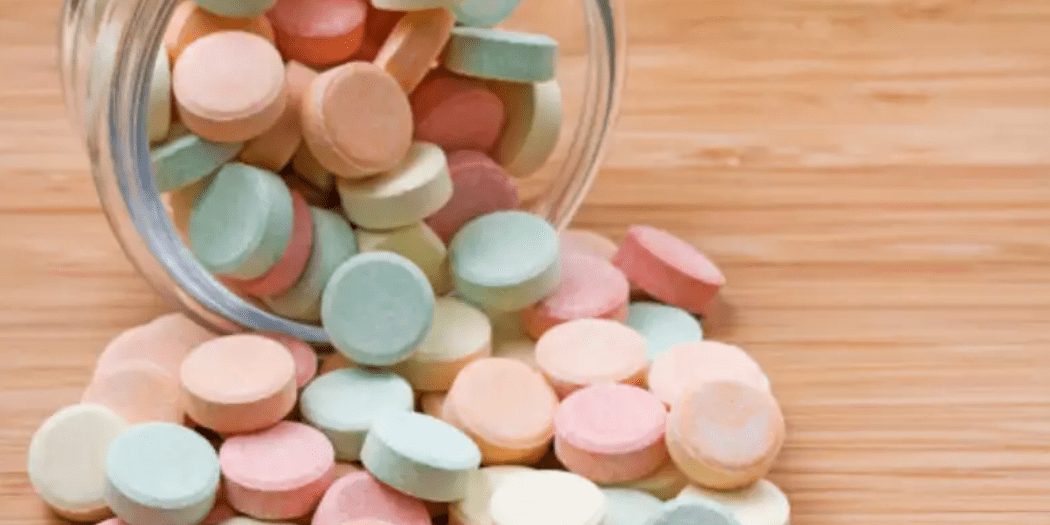
There are these advertisements that feature individuals gulping down food in excessive amounts, leading to indigestion (also known as heartburn and acidity). This discomfort is often shown to be eased by the branded antacid, and invariably has a funny and loud burp as an accompaniment. The portrayal is funny but doing this – that is, resorting to the antacid – on a long-term basis can lead to serious health concerns. Such advertisements trick the consumers into believing that one can stuff their stomach with large amounts of food and subsequently ease the discomfort by popping an antacid. And trick it certainly is, for too much consumption of antacids is unhealthy. Find out why.
It is important to know that apart from gulping down an antacid to ease the discomfort, one must understand the cause of it and address it. One’s long-term health may be determined by this. Taking antacids doesn’t actually solve the problem; it merely affords immediate relief.
Heartburn happens when acidic contents of the stomach reflux back into the oesophagus (long, muscular tube that connects your mouth to your stomach) and inflame its sensitive lining. This leads to a burning sensation in the oesophagus. Antacids contain alkaline chemicals that neutralize the action of excessive acid produced in the stomach.
Our stomach naturally produces acid to properly digest the food we eat. The production of this acid is dependent on the type of food and the quantity in which we eat it. Unhealthy lifestyle habits – such as an imbalanced diet and low physical activity – may contribute to an imbalance in the production of this acid.
Too much acid production can lead to ulcers and other serious health concerns. Any long-term stomach discomfort must be reported. In any case, antacids should never be consumed for the long term without consulting a physician.
Antacids can be divided into systemic and non-systemic antacids. Systemic antacids are absorbed mostly from the gut into the bloodstream, whereas non-systemic antacids are not.
Source: Antacids and alginate*-containing preparations: What is their mechanism of action and their place in the management of GERD? C. Scarpignato, G. Gimbo (Parma)
Alginates are also used commonly to treat indigestion issues. Preparations containing alginate are very effective in easing acid refluxes. A combination of both is considered to be an apt solution for acid refluxes.
There are many indigenous preparations that are known to relieve the symptoms of indigestion. These are marketed as ‘ayurvedic proprietary medicines’. Yet, despite being labelled as ‘ayurvedic’, quiet often these preparations are not completely ayurvedic. Also, to stabilize the ayurvedic ingredients, additives are added to these preparations.
Antacids are alkaline (basic) in nature. This is why they shouldn’t be taken along with acidic medicines (such as digoxin, phenytoin and chlorpromazine). The reason is simple. Antacids will react with these medicines and will limit the absorption of these drugs. Antacids containing magnesium reduce the absorption of antibiotics. Antacids also impact the elimination of some drugs from the body.
Liquid forms of antacids work faster than tablets. If you are taking a tablet, chew it slowly. Do not gulp down the whole tablet with water. If you are taking liquid, it is advisable to take it undiluted or with very little water.
Antacids may impact the nutrient absorption in the body and their regular use may lead to depletion of essential vitamins and minerals in the body.
Patients suffering from kidney disease/heart disease/liver disease must not consume antacids without consulting a physician. Some antacids have sodium bicarbonates, which can lead to adverse effects.
Other foods that you can add to your diet to help relieve heartburn include bananas, melons, oatmeal, grains, potatoes, ginger and green veggies.

The findings, led by the University of Plymouth in England, showed that cadmium ceramics wares and glass painting in your house might contain high levels of cadmium that could raise the risk of cancer.
Cadmium is commonly used to give products a bright red, orange or yellow pigment, but over time the decoration on glass can start to flake and the glaze on ceramics fail, ingestion of which can potentially raise risks to human health as well as the environment.
As per the findings, cadmium was also found in everyday household products like secondhand plastic toys, drinking glasses and alcoholic beverage bottles. The surfaces of these common items were covered by cadmium more than the recommended levels, said to be ranging from 50 to 800 parts per million (ppm).
The highest readings of up to 70,000 ppm were recorded on the enamels of old and new drinking glasses and bottles, with cadmium detected in about 70 per cent of the 197 logos, patterns, text, pictures and cartoons tested on 72 products, the researchers revealed in the paper published in the journal Science of the Total Environment.
“If you asked most people about cadmium, they would probably know very little about it. But it is listed among the World Health Organization’s 10 chemicals of major public health concern, alongside substances such as lead and asbestos,” said Andrew Turner, associate professor from the varsity.
“The health risk depends on how easily the cadmium can flake off or leach out. Additional tests performed indicate that this is greatest for enamelled glassware,” said Turner.
In addition, cadmium was found in new ceramic items such as mugs, plates and bowls, with the highest recorded level of 40,000 ppm, and in old plastic products including toys, with a maximum 35,000 ppm in a small decorative brooch.
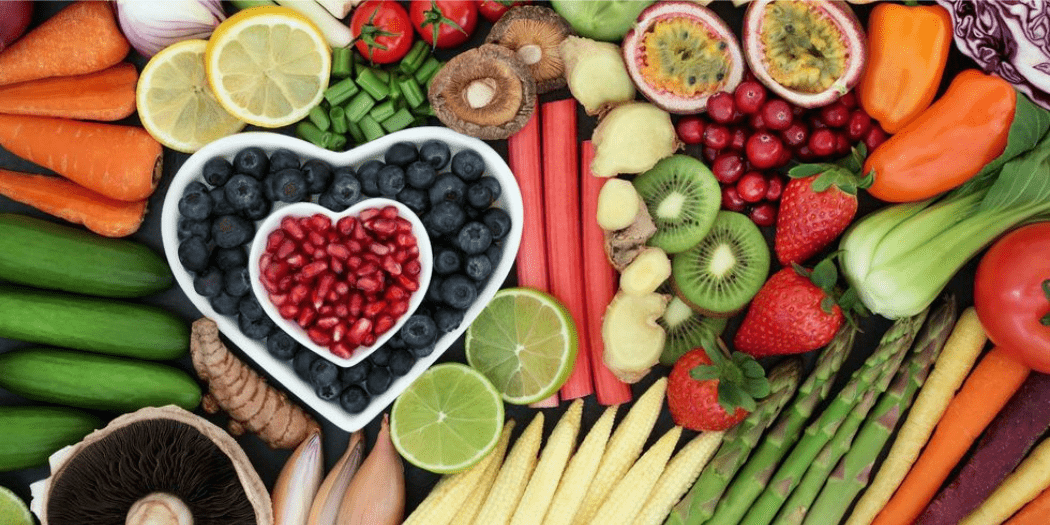
Half-a-million people die every year due to trans-fats, according to a World Health Organisation (WHO) study released in 2019. Trans-fat is the worst kind of fat, and yet it is surprisingly common. Understanding two of its major sources can help you avoid it. Naturally formed trans-fats are found in animal products, including high-fat meat, lamb and full-fat dairy foods.
On the other hand, trans-fats are also formed during the process of partial hydrogenation which is an industrial process to convert unsaturated oils into saturated fat. During this process, vegetable oil, which is liquid at room temperature, is converted into partially hydrogenated vegetable oil, which is solid at room temperature. As a result, it has better textural properties, better flavour and stability. Some food manufacturers also use partially hydrogenated oils to improve food’s texture, shelf life, flavour and stability in baked foods.
WHO has set in motion a plan to eliminate industrially-produced trans-fat by 2023, citing linkages to increased risk of coronary heart diseases, including mortality. Demonstrating the dangers of trans-fats in an Indian context, an Indian Council of Medical Research (ICMR) report found that our country has the highest number of trans-fat consumption-related deaths—77,000—per year.
Clearly, heart-healthy fats—those of plant and vegetable origin are the way to go. These help to maintain desirable levels of blood lipid profile. Replacing partially hydrogenated fat, saturated fat and fat of animal origin with natural vegetable oils (unsaturated fat) has been linked to a reduced risk of heart problems. Completely refusing street food/outside food or packaged foods is simply impossible for a majority of people.
An occasional cookie/mathri, samosa or cupcake with our tea or coffee is not going to harm our health if we have a predominantly healthy diet and lifestyle. It is not going to be possible to practice a completely zero-eating-out policy. Culturally, eating out is often the most common social activity. In both scenarios, we should simply watch out for the sources of trans-fat.
When eating out, understand the way food has been prepared and avoid items that are prepared with reheated used cooking oil (samosa, kachori, cutlets, spring rolls, deep-fried dim sums, fries, etc.). Exercise the same caution when it comes to savoury snack items (e.g. bhujjia, namkeen) and bakery goods (cake puffs, khaari, and naankhatai). Reuse of heated oil for frying, a common street food practice, can increase the trans-fat content of fried products. Trans-fats also enters our diet through snacks like pizzas, burgers, french fries, mathris, etc., for which vanaspati is used as a shortening fat.
When you go shopping, read the labels on the foods you are thinking of buying, and look for options labeled as trans-fat-free. Also, look for foods that use natural vegetable oils (soybean, canola, corn, safflower and sunflower oils). When shopping for cookies, frozen desserts, chocolates, snacks and bakery items add to your shopping cart only items that are made from vegetable oil/fat and are not fried or cooked in hydrogenated vegetable oil or vanaspati or fat of animal origin.
When compared to more ambitious food resolutions, these changes may seem small but that is what makes them achievable. And, in the long run, they can have a significant impact on your heart health.
Related
The page you requested could not be found. Try refining your search, or use the navigation above to locate the post.