No Results Found
The page you requested could not be found. Try refining your search, or use the navigation above to locate the post.





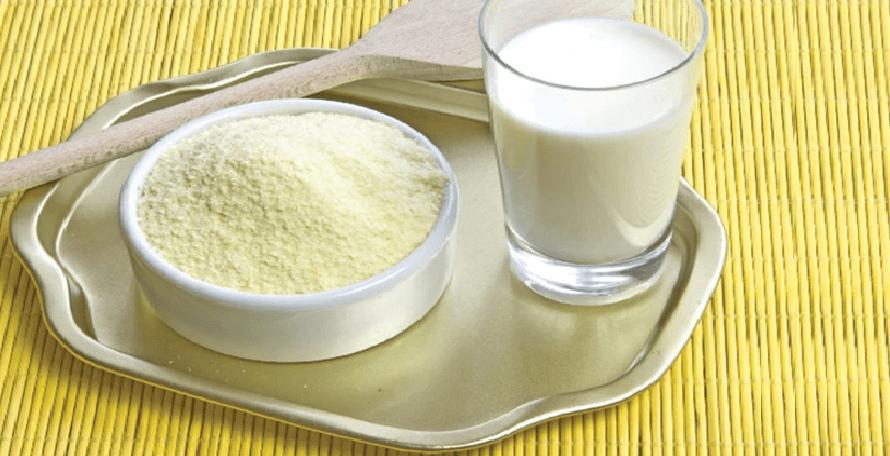
There has been a surge in the consumption of dairy whiteners these days. Those who use them in coffee and tea find it dissolves easily and gives their tea a very great whitening ability. We have a good number of dairy whitener brands available in the market which gets sold on different claims. Be it an easily dissolvable quality promise, taste, colour or something else. Now the question is if a particular brand contains all ingredients right. The below report comes with the best dairy whitener brand information, tested parameters details and relevant test results, so that you choose the best.
A Consumer Voice Report
The comparative testing of dairy whitener has been done following specification laid out by FSSAI, Indian Standard IS: 12299 and Legal Metrology (Packaged Commodities) Rules.
The test has been carried out at an independent accredited laboratory and standard test methods being used for testing. Thetesting primarilyfollowed FSS regulations and IS: 12299.
Eight popular dairy whitener brands have been selected for comparative testing as per our finalised test program. Among these, three we chose from high fat and five from medium fat dairy whitener categories depending upon the popularity. The following table shows which brand secures what score.
|
Rank |
Score (rounded off score of 100) |
Brand |
Product claim |
MRP, Rs |
Net weight, gms |
Price per 100 gm, Rs. |
Best before, Months |
Manufactured/ Marketed By |
|
High Fat Dairy Whiteners |
||||||||
|
1 |
91 |
Ananda |
High fat |
180 |
500 |
36 |
12 |
Gopalji dairy Food Pvt Ltd |
|
2 |
88 |
Amulya |
(ISI marked) High fat |
212 (Rs. 15 off) |
500 |
42.4 |
12 |
Gujarat Co-operative Milk Marketing Federation Ltd., |
|
3 |
87 |
Verka |
High fat |
175 |
500 |
35 |
12 |
The Punjab state Co Op. Producers Union Ltd |
|
Medium Fat Dairy Whiteners |
||||||||
|
1 |
90 |
Mother Dairy |
Medium fat |
200 |
500 |
40 |
9 |
Mother Dairy Fruit & Vegetable Pvt. Ltd., |
|
2 |
88 |
Nestle |
Medium fat |
203 |
400 |
50.75 |
12 |
Nestle India Ltd., |
|
3 |
88 |
Anik |
Medium fat |
200 |
500 |
40 |
12 |
Anik Milk Products Pvt Ltd |
|
4 |
86 |
Nova |
Medium fat |
205 |
500 |
41 |
12 |
Sterling Agro Indus- tries Ltd., |
|
5 |
84 |
Signutra |
Medium fat |
200 |
400 |
50 |
12 |
Win Medicare Pvt Ltd |
Rating: >90 – Very Good *****, 71-90- Good ****, 51-70- Fair ***, 31-50- Poor **, up to 30 – Very Poor *
• Ananda secured top position in the High Fat category and Mother Dairy topped in the Medium Fat Category.
• Ananda and Mother Dairy are value for money brands respectively in high fat and medium fat categories.
• Five out of eight brands did not meet FSSAI’s milk protein standards as they have been found with lower than minimum requirement. Highest Protein has been found in Ananda followed by Amulya and Mother Dairy.
• Milk Fat has been found highest in Amulya
and Nova in respective categories.
• Nestle has been liked most in sensory tests followed by Mother Dairy and Signutra.
• Milk Solid Fat has been found highest in Ananda in high fat category and Nestle in medium fat category.
• Amulya is only ISI marked.
• All the brands contained added sugar (as sucrose) in the range of 15.20- 18.8 per cent. It has been found lowest in Nestle and highest in Nova.
• A ll the br and s ha v e been fo und microbiologically safe for consumption.
|
|
|
High Fat Dairy Whitener |
Medium Fat Dairy Whitener |
||||||
|
Test Parameters |
% wt. |
Ananda |
Amulya |
Verka |
Mother Dairy |
Nestle |
Anik |
Nova |
Signutra |
|
Moisture |
5 |
3.95 |
3.57 |
3.80 |
4.03 |
4.25 |
4.10 |
4.78 |
4.25 |
|
Insolubility index |
5 |
4.5 |
4.0 |
5.0 |
5.0 |
5.0 |
5.0 |
5.0 |
4.50 |
|
Total ash |
5 |
3.63 |
4.25 |
4.13 |
4.00 |
4.13 |
3.63 |
5.00 |
4.75 |
|
Milk Fat |
12 |
10.80 |
12 |
11.52 |
10.98 |
9.18 |
10.92 |
11.10 |
9.24 |
|
Acid insoluble ash |
6 |
6.0 |
6.0 |
5.4 |
6.0 |
5.7 |
6.0 |
6.0 |
5.10 |
|
Added sugar as sucrose |
6 |
5.37 |
5.04 |
5.31 |
5.07 |
5.94 |
5.22 |
4.86 |
5.10 |
|
Milk Protein |
12 |
12.00 |
9.55 |
7.54 |
9.41 |
5.88 |
8.11 |
4.44 |
4.08 |
|
Milk Solid not fat |
12 |
8.59 |
7.20 |
8.11 |
8.98 |
11.95 |
9.31 |
9.02 |
10.51 |
|
Added sugar as dextrose |
2 |
2 |
2 |
2 |
2 |
2 |
2 |
2 |
2 |
|
Microbiological tests* |
8 |
8 |
8 |
8 |
8 |
8 |
8 |
8 |
8 |
|
Sensory Panel Tests# |
22 |
20.72 |
20.96 |
21.04 |
21.17 |
21.31 |
21.00 |
20.72 |
21.05 |
* Microbiological tests include Salmonellasp., Listeria monocytogenes, Sulphite Reducing clostridiaand Bacillllus cereus
# Sensory Panel Tests includesAppearance of dry product, Appearance of reconstituted milk, Body & Texture of reconstituted milk, Flavour of reconstituted milk and Appearance of package
Consumers are very critical on selection of product that makes brand most acceptable/least acceptable. We conducted sensory tests to judge the sensory quality of dairy whiteners. These tests were conducted as per the Indian Standard IS: 10030 under the supervision of trained experts. Sensory parameters includeappearance of dry product, appearance of reconstituted milk, body andtexture of reconstituted milk, flavour of reconstituted milk and appearance of package.
The product shall be white or light cream in colour and free from lumps except those that break up readily under slight pressure. The product shall be free from extraneous matters and added colours.The flavour of the product before or after reconstitution shall be pleasant and sweet. It shall be free from off flavours. Verka scored highest in high fat category and Nestle scored highest followed by Mother Dairy in Medium fat category.
Milk has mainly two constituents: fat and solids- not-fat (SNF). Solids such as vitamins, minerals, protein and lactose together make up SNF. SNF is the most essential part of the milk. As per the Indian Standard, it should be a minimum 57 per cent in dairy whiteners.As per its rules,milk solid not fat shall not be less than the specified minimum limit of 57 per cent. All the brands passed this test.It was found highest in Ananda in high fat category and in medium fat category it was highest in Nestle followed by Signutra.
Fat is an essential part of any balanced diet, providing essential fatty acids and helping the body absorb fat-soluble vitamins.As per the FSS regulations, high fat dairy whitener shall have minimum fat of 20 per cent by mass and in medium fat dairy whiteners between 10-20 per cent by mass. All the brands have met the minimum requirement specified by the national standard. In high fat category it was highest in Amulya and in medium fat category it was highest in Nova followed by Mother Dairy.
Protein is an essential nutrient and inherently found in milk and milk products. It plays an important role in cellular maintenance, growth and functioning of the human body. Milk protein shall be minimum 34 per cent as per the FSS regulations.
Milk protein (in solid not fat) was found highest in Ananda and lowest in Verka in the High Fat category. In the medium fat category it was highest in Mother Dairy and lowest in Signutra. The Brands Signutra, Nova, Nestle, Verka and Anik did not match the FSSR requirement of minimum 34 per cent by mass.
Microbiological contamination is a very serious issue for food products.Microorganisms is responsible for many foods borne disease. As per the FSS Regulations, we conducted microbiological tests for salmonella sp.listeria monocytogenes, sulphitereducing clostridia and bacillllus cereus. All the brands have been found within the specified limit for the aforementioned microbiological parameters.
Acid-insoluble ash indicates the presence of sand, dirt and dust. It should not be more than 0.10 per cent. All the brands have been found within the specified limit.
Added sugar (as sucrose)
Added sugars are sugars and syrups put in foods during preparation or processing. This does not include naturally occurring sugar such as those in milk. For optimal health, we should restrict our added-sugar intake. As per the FSS Regulation and Indian standard, added sugar as sucrose shall be maximum 18 per cent.Nova has been found with slightly higher added sugar as sucrose. However, it has been found lowest in Ananda and Nestle in respective category.
Moisture is an important factor in food quality, preservation, and resistance to deterioration.
Moisture in inappropriate amounts is damaging to the useful life of food. The presence of moisture is inherent in the processing of food and to some extent is good for maintaining its taste and odour but excess of moisture is undesirable. As per the FSS regulations, moisture shall be 4.0 per cent maximum. All the brands have been found within the specified limit thus have passed the test.
The extent to which milk powders are insoluble in water has traditionally been measured in the milk powder industry using an insolubility test. It shall be maximum 1.5 ml. All the brands have been found well within the specified limit.
The analysis of ash content in foods is simply the burning away of organic content, leaving inorganic minerals. It shall be maximum 9.3 per cent as per the FSSR and 8.2 per cent as per the BIS.
Total ash in all brands has been within the maximum permissible limit. However, it has been found lowest in Novaand highest in Ananda / Anik.
Dextrose is a type of sugar that usually comes from corn or wheat. Dextrose is almost identical to glucose, which is the sugar found in the bloodstream. For that reason, it can be quickly used as a source of energy by the human body. Dextrose is often used in foods as an artificial sweetener or a preservative. There is no standard requirement of added sugar as dextrose. The test was conducted for presence of added sugar as dextrose however it was not detected in any brands tested.
Salmonella is a genus of gram-negative bacteria of the family enterobacteriaceae and may cause gastroenteritis and focal infections. Salmonella shall be absent in 25 g. All the brands passed in this test.
Listeria monocytogenes is pathogenic bacteria that causes the infection listeriosis.
It shall be absent/ g.All the brands passed in this test.
Sulfate-reducing bacteria (SRB) facilitate the conversion of sulfate to sulfide with the sulfides reacting with heavy metals to precipitate toxic metals as metal sulfide.It shall not be more than m- 50/g, M- 1×10 2/g.It shall be absent/ g.All the brands passed in this test.
Bacillus cereus is a toxin-producing bacteria that is one of the most common causes of food poisoning. It shall not be more than m-5×10² /g , M-1×10³/g. All the brands have been found within the specified limit and passed this test.
The products were verified agains t the m arking standard requirements:
1. Name of material and brand name, if any
2. Name and address of the manufacturer
3. Month and year mfg or packing
4. Direction for storage
5. Net weight
6. Best for consumption
7. Batch or code number
8. Green Dot mark
9. MRP
10. FSSAI License number
11. Customer care details
All the brands have provided above listed information
Net weight should not be less than their claimed quantity however legal metrology rule has specified some tolerance on declared quantity according to pack size. The net weight of all brands has been found to be above the declared quantity.
Packing plays an important role in maintaining consistent quality of the product, preventing its deterioration, and increasing the shelf life.Packaging should be proper because it prevents the product from deterioration and increases shelf life.The product shall be packed in food grade packaging. All the brands have been packed in suitable flexible packaging (polypack).
|
|
|
High Fat Dairy Whitener |
Medium Fat Dairy Whitener |
||||||
|
Characteristics |
% wt. |
Ananda |
Amulya |
Verka |
Mother Dairy |
Nestle |
Anik |
Nova |
Signutra |
|
Appearance of dry product |
3 |
2.82 |
2.82 |
2.8 |
2.9 |
2.9 |
2.9 |
2.82 |
2.8 |
|
Appearance of reconstituted milk |
3 |
2.8 |
2.82 |
2.82 |
2.9 |
2.92 |
2.9 |
2.8 |
2.86 |
|
Body & Texture of reconstituted milk |
6 |
5.58 |
5.52 |
5.58 |
5.64 |
5.67 |
5.64 |
5.58 |
5.73 |
|
Flavour of reconstituted milk |
8 |
7.56 |
7.8 |
7.84 |
7.73 |
7.82 |
7.63 |
7.56 |
7.7 |
|
Appearance of package |
2 |
1.96 |
2 |
2 |
2 |
2 |
1.96 |
1.96 |
1.96 |
|
Total Score |
22 |
20.72 |
20.96 |
21.04 |
21.17 |
21.31 |
21 |
20.72 |
21.05 |
This report presents our findings on eight brands of dairy whitener on various quality, safety and acceptability parameters.Ananda performed highest in high fat category and Mother Dairy in medium fat category. Three out of eight brands namely Ananda, Amulya and Mother Dairy passed in all the tests.
As a matter of policy, before publication, the test results of the brands have been shared with their respective manufacturers/marketers inviting their views/comments. Some of them have shared their comments on our test results which you can go through in the below table.
|
Brands |
Manufacturers’ Comment |
Consumer Voice’s Reply |
|
VERKA |
1. Milk Protein (N×6.38),on SNF basis, % by mass is 32.8 i.e; below the norms. We have got tested the same sample in our laboratory and as well as from NABL accredited lab. The result is of Protein (% w/w) 20.76 i.e; % Protein – 36.04 (SNF basis). So, you are requested to retest the same sample again. 2. Our Verka Jalandhar Dairy team have objections in testing results. 3. You can analyse the sample for % Protein once again from Third Party NABL accredited lab. You are requested to kindly discuss the same before publishing the results. |
1) Our designated lab has conducted retest for milk protein and their reply is as follows: “We would like to submit that we have repeated the test and found the results are in order as reported.” 2. Our designated lab has agreed to conduct witness testing in presence of your representative. 3. Our designated lab is third party lab, NABL accredited for dairy products already repeated the test and found the same results. The lab has no reservation and also agreed for witness testing in presence of your representative. We strongly feel that it will not be fruitful as the outcome would be similar. |
|
NESTLE |
Given method is basically for analysis of protein. Milk Protein (in solids not fat) is calculation method & the formula is give below – MSNF= (100-(Fat + Moisture + Maltodextrin(6.4%) + Sucrose)) Protein in MSNF = Protein⁄MSNF X 100 |
The lab has repeated milk protein test following standard test method- IS: 7219 and found same results as reported earlier. The calculation method proposed by you has value from label declaration which can’t be used in independent lab testing. Also, we submit masked and coded samples to lab. |
Related
The page you requested could not be found. Try refining your search, or use the navigation above to locate the post.