No Results Found
The page you requested could not be found. Try refining your search, or use the navigation above to locate the post.



World Consumer Rights Day was inspired by John F Kennedy, who was the first leader to send a special message on 15 March 1962 to the US Congress in which he formally discussed consumer rights concerns. In 1983, it was first marked by the consumer revolution and now mobilizes every year because of important issues and campaigns which is now celebrated every year on March 15 as World Consumer Rights Day (WCRD) raising global awareness of consumer rights, consumer protection and empowerment.
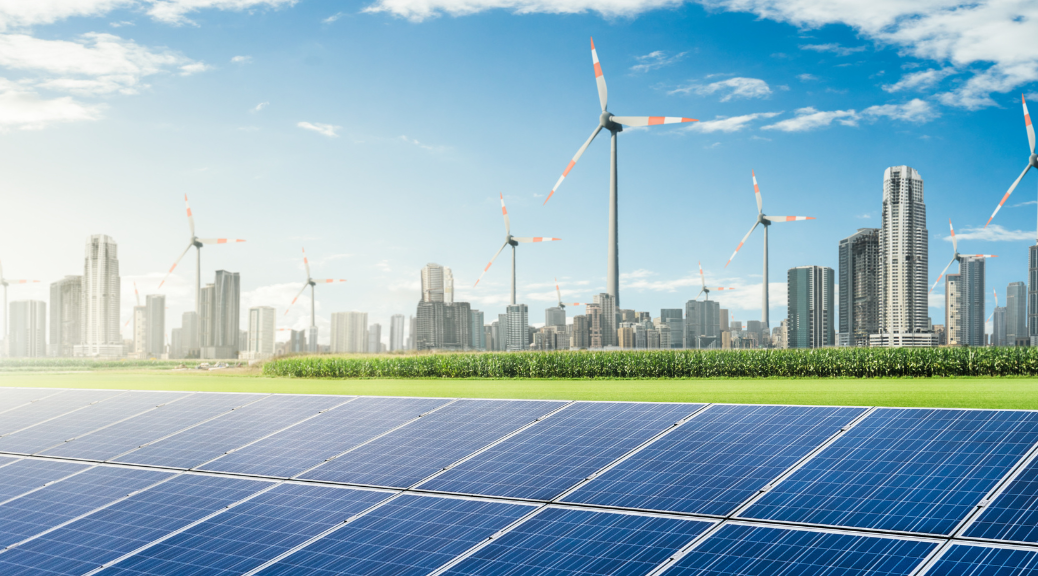
This year the theme of WCRD 2023 will be: Empowering Consumers Through Clean Energy Transitions. In India too the day is being celebrated by the Department of Consumer Affairs and other organizations.
Global energy crisis is looming large with energy shortages, increased prices of oil and other economic factors especially after the pandemic. However, the energy crisis deepened following Russia’s invasion of Ukraine in February 2022. This had an untold impact on vulnerable consumers and also on climate change. The International Energy Agency (IEA) said the world faces its first “truly global energy crisis” in addition to unaffordable energy bills. It added that unaffordable energy bills remain a huge problem, driven up as the exports of oil and gas have been restricted.
Currently most of the global energy is depended on excessive use of non-renewable sources of energy like coal and gas which in turn puts a strain on our water and oxygen resources by causing pollution. Fossil fuels contribute to almost 75 percent of global greenhouse gas emissions and nearly 90 percent of all carbon dioxide emissions. It is therefore imperative to prevent deadliest impact of climate change to reduce greenhouse gas emissions by almost half by 2030 and reach net-zero by 2050.This should be seen as a turning point for speeding up the world’s transition to green energy.
The clean energy transition means shifting energy production away from sources that release a lot of greenhouse gases, such as fossil fuels, to those that release little to no greenhouse gases. Nuclear power, hydro, wind and solar are some of these clean sources.
One must realize that the shift to clean and sustainable energy resources will involve shift of resources between industrial sectors and local governments. Governments must quickly adapt to the use and disbursing of renewable energy as availability and quality of renewable resources vary.
Stakeholders in this process have varying degrees of political and economic power, and understanding how political economic factors influence clean energy transitions is crucial to effective policy formulation and facilitating transitions to sustainable energy systems. A ‘clean energy transition’ refers broadly to a substitution of technologies and associated fuel inputs across the full set of energy subsectors and consumers of energy, both as intermediates and final goods.
No one needs a net zero world more than the world’s largest and oldest democracy- India. India has huge potential for green transition investments such as solar, hydro or wind.
However, a clean energy transition is highly unlikely to occur on its own. Political economy considerations take a leading role. India and China are cases in point. In 2009, it is fair to say that India’s negotiation strategy aimed to position climate change as a developed country problem. In contrast, India’s INDC (Intended Nationally Determined Contributions) offers serious attempts to reduce the carbon intensity of its GDP. China has gone further, offering to peak emissions by 2030 with declines thereafter.
However in 2019 India announced that it would take up its installed capacity of renewable energy to 450 GW by 2030. The Production Linked Incentive Scheme (PLI) scheme is another initiative of the Government of India with respect to enhancing the manufacturing sector for the production of raw materials for renewable energy. Offshore wind too has been given a new lease of life through recent government reforms and targets. With a coastline of about 7,600 km, offering the potential to install ~195GW of offshore wind capacity, the segment can contribute to India’s clean energy target.
A latest report of Institute for Energy Economics and Financial Analysis, India’s renewable energy capacity is projected to grow rapidly with 35-40 GW added annually through to the fiscal year 2029/30. Installed renewable energy capacity (including large hydro) rose from a few megawatts (MW) in 2010 to ~163 gigawatts (GW) as of August 2022. India’s ambitious renewable energy targets and the associated policy and reform framework have been an important tailwind for the sector’s development.
“The good news is that the lifeline is right in front of us,” says UN Secretary-General António Guterres, stressing that renewable energy technologies like wind and solar already exist today, and in most cases, are cheaper than coal and other fossil fuels. We now need to put them to work, urgently, at scale and speed.
The page you requested could not be found. Try refining your search, or use the navigation above to locate the post.

World Consumer Rights Day was inspired by John F Kennedy, who was the first leader to send a special message on 15 March 1962 to the US Congress in which he formally discussed consumer rights concerns.
In 1983, it was first marked by the consumer revolution and now mobilizes every year because of important issues and campaigns
which is now celebrated every year on March 15 as World Consumer Rights Day (WCRD) raising global awareness of consumer rights, consumer protection and empowerment.
This year the theme of WCRD 2023 will be: Empowering Consumers Through Clean Energy Transitions. In India too the day is being celebrated by the Department of Consumer Affairs and other organizations.
Global energy crisis is looming large with energy shortages, increased prices of oil and other economic factors especially after the pandemic. However, the energy crisis deepened following Russia’s invasion of Ukraine in February 2022. This had an untold impact on vulnerable consumers and also on climate change. The International Energy Agency (IEA) said the world faces its first “truly global energy crisis” in addition to unaffordable energy bills. It added that unaffordable energy bills remain a huge problem, driven up as the exports of oil and gas have been restricted.
Currently most of the global energy is depended on excessive use of non-renewable sources of energy like coal and gas which in turn puts a strain on our water and oxygen resources by causing pollution. Fossil fuels contribute to almost 75 percent of global greenhouse gas emissions and nearly 90 percent of all carbon dioxide emissions. It is therefore imperative to prevent deadliest impact of climate change to reduce greenhouse gas emissions by almost half by 2030 and reach net-zero by 2050.This should be seen as a turning point for speeding up the world’s transition to green energy.
The clean energy transition means shifting energy production away from sources that release a lot of greenhouse gases, such as fossil fuels, to those that release little to no greenhouse gases. Nuclear power, hydro, wind and solar are some of these clean sources.
One must realize that the shift to clean and sustainable energy resources will involve shift of resources between industrial sectors and local governments. Governments must quickly adapt to the use and disbursing of renewable energy as availability and quality of renewable resources vary.
Stakeholders in this process have varying degrees of political and economic power, and understanding how political economic factors influence clean energy transitions is crucial to effective policy formulation and facilitating transitions to sustainable energy systems. A ‘clean energy transition’ refers broadly to a substitution of technologies and associated fuel inputs across the full set of energy subsectors and consumers of energy, both as intermediates and final goods.
No one needs a net zero world more than the world’s largest and oldest democracy- India. India has huge potential for green transition investments such as solar, hydro or wind.
However, a clean energy transition is highly unlikely to occur on its own. Political economy considerations take a leading role. India and China are cases in point. In 2009, it is fair to say that India’s negotiation strategy aimed to position climate change as a developed country problem. In contrast, India’s INDC (Intended Nationally Determined Contributions) offers serious attempts to reduce the carbon intensity of its GDP. China has gone further, offering to peak emissions by 2030 with declines thereafter.
However in 2019 India announced that it would take up its installed capacity of renewable energy to 450 GW by 2030. The Production Linked Incentive Scheme (PLI) scheme is another initiative of the Government of India with respect to enhancing the manufacturing sector for the production of raw materials for renewable energy. Offshore wind too has been given a new lease of life through recent government reforms and targets. With a coastline of about 7,600 km, offering the potential to install ~195GW of offshore wind capacity, the segment can contribute to India’s clean energy target.
A latest report of Institute for Energy Economics and Financial Analysis, India’s renewable energy capacity is projected to grow rapidly with 35-40 GW added annually through to the fiscal year 2029/30. Installed renewable energy capacity (including large hydro) rose from a few megawatts (MW) in 2010 to ~163 gigawatts (GW) as of August 2022. India’s ambitious renewable energy targets and the associated policy and reform framework have been an important tailwind for the sector’s development.
“The good news is that the lifeline is right in front of us,” says UN Secretary-General António Guterres, stressing that renewable energy technologies like wind and solar already exist today, and in most cases, are cheaper than coal and other fossil fuels. We now need to put them to work, urgently, at scale and speed.
Case Title: Jacob Punnen and another versus United India Insurance Co Ltd
Decided on 9 Dec 2021
“The Insurer had a duty to inform the appellants that a change regarding the limitation on its liability was being introduced”
In this case Jacob Punnen and another versus United India Insurance Co Ltd, a bench comprising Justices S Ravindra Bhat and KM Joseph was considering an appeal against an order of the National Consumer Disputes Redressal Commission, which denied relief to the appellants.
The appellants, two senior citizens, had availed a mediclaim policy from United India Insurance in 1982, which was renewed on yearly basis. In 2008, the second appellant had to undergo angioplasty surgery. A claim of Rupees 3.82 lakhs was submitted by the appellants to the insurer with respect to the angioplasty surgery. The coverage at the relevant time was Rs 8 lakhs. However, the insurer accepted the claim for only Rupees 2 lakhs, saying that the renewed agreement had a clause which limited the liability with respect to surgeries like angioplasty to an amount of Rs.2 lakhs.
Duty of insurers
“‘The Insurer had a duty to inform the appellants that a change regarding the limitation on its liability was being introduced. there was unjustifiable non-disclosure by the Insurer about the introduction of clause of limitation and, in this case, it constituted a deficiency in service and resultantly the appellants are entitled to relief”.
Case Title: Pauly Vadakkan v. Lulu International Shopping Mall Pvt Ltd. (WP(C) NO. 29749 OF 2021),January 28, 2022.
The first petition was moved by a social worker Bosco Louis who appeared as a party in person. Another petition was moved by film director Pauly Vadakkan after he was charged Rs 20 as parking fees when he visited the mall on December 2.
In his plea, Vadakkan had alleged that the mall staff closed the exit gates and threatened him when he initially refused to pay the amount
Kerala High Court on Friday opined that prima facie, the collection of parking fees by Lulu International shopping mall was not appropriate while adjudicating upon a couple of pleas alleging that the mall collecting parking fees from its customers was illegal.
Justice P.V. Kunhikrishnan sought a clear response from the Kalamassery Municipality on this question and posted the matter to be taken up after two weeks.
“As per the Building Rules, parking space is a part of the building, and a building permit is issued on the condition that there will be a parking space. Based on this undertaking a building is constructed. After construction, whether the owner can collect a parking fee is the question. Prima face, I am of the opinion that it is not the case. Now I want to know the stand of the Municipality in this issue.”
The Court after hearing both sides directed the Municipality to file a statement on its definite stand whether a parking fee can be collected for a parking space mandatory under Building Rules
The matter taken up on January 28, 2022.
Prepared By Dr Prem Lata
Case Law ;Goutam Roy V/S Avolon Projects
CC No 1941 of 2018 ,Decided on 24.01.2023 (NC)
Builder and Home buyer signed an agreement having forfeiture clause. In case of cancelling the booking by Home Buyer, 20% of total basic sale price shall be forfeited.
Question before the National Commission was as to how much deduction is reasonable and justifiable
National commission while referring to number of SC cases on the issue relied upon section 74 of 1872 Contract Act that in case of breach of contract actual damage is to be proved for penalizing the other party. In such matters cancelling the booking flat or property by the buyer, the property remains with builder only and there is hardly any loss to the builder
National commission ordered for forfeiture of 10% of the total sale cost of the property
Cases Referred:
Moula Bux V/S Union of India 1970 SC
Sirdar K B Ram Chandra Raj URS v/s SC 2015theory of actual damage as per section 74 of contract act