Empowering University Students in Prayagraj to Promote Responsible Choices and Reduce Alcohol-Related Harm
by admin | Aug 31, 2026 | zero-irresponsible-drinking
Empowering University Students in Prayagraj to Promote Responsible Choices and Reduce Alcohol-Related Harm
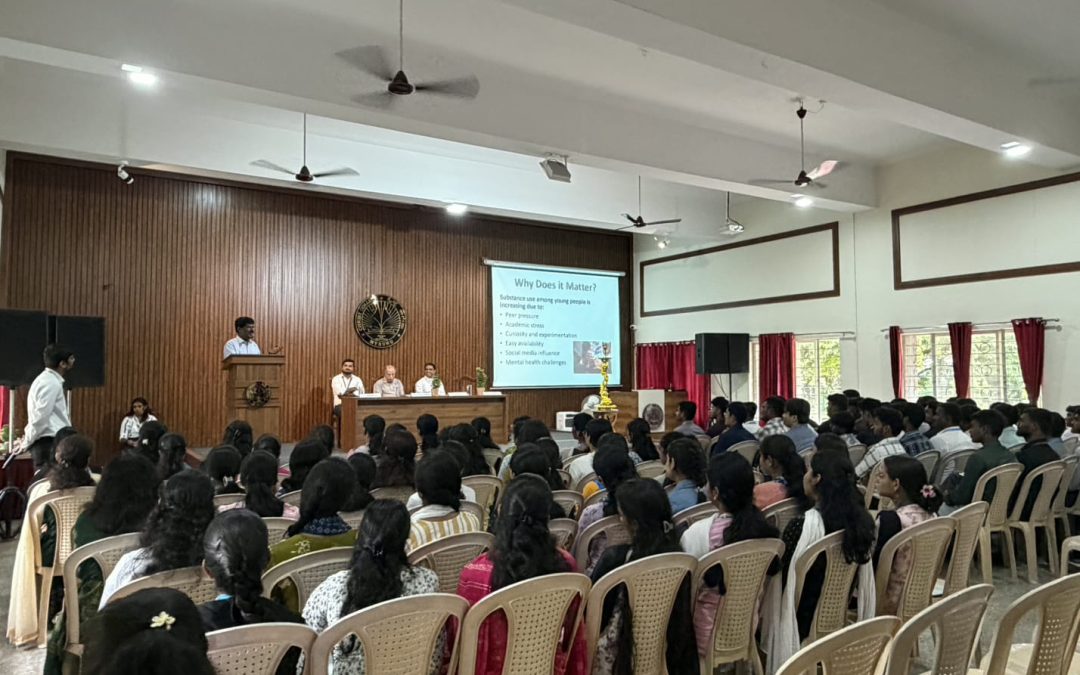
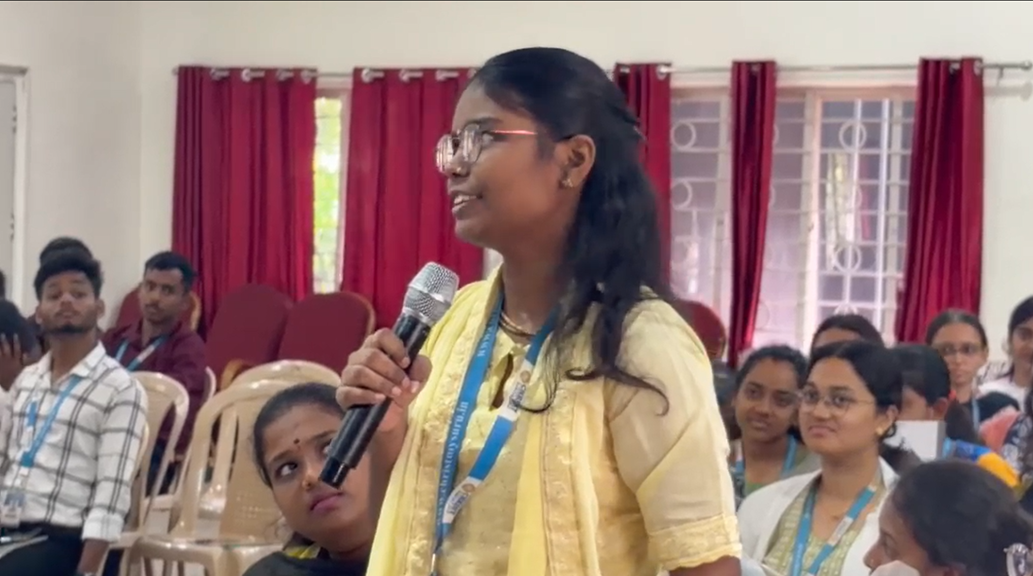
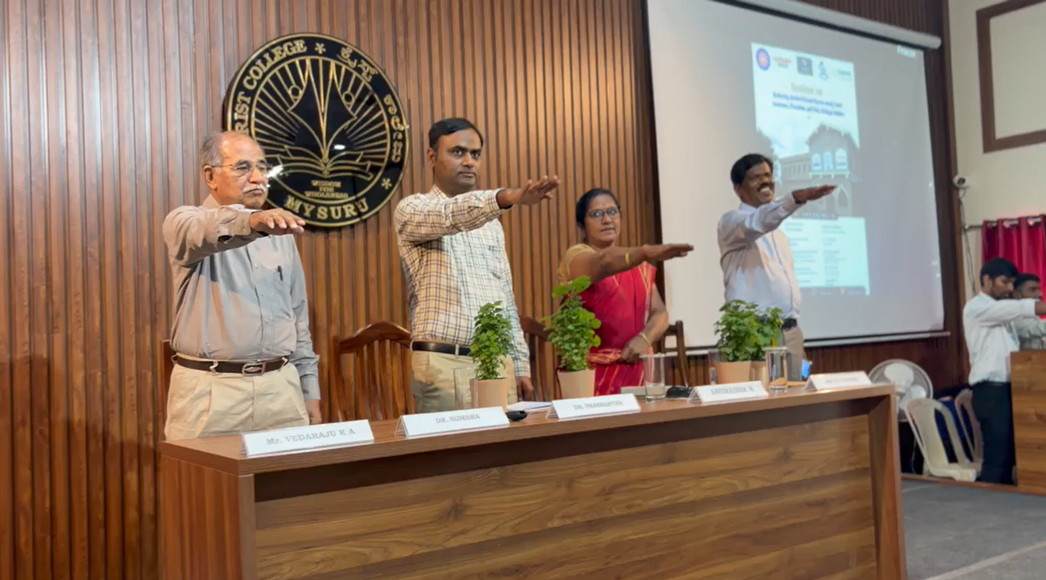
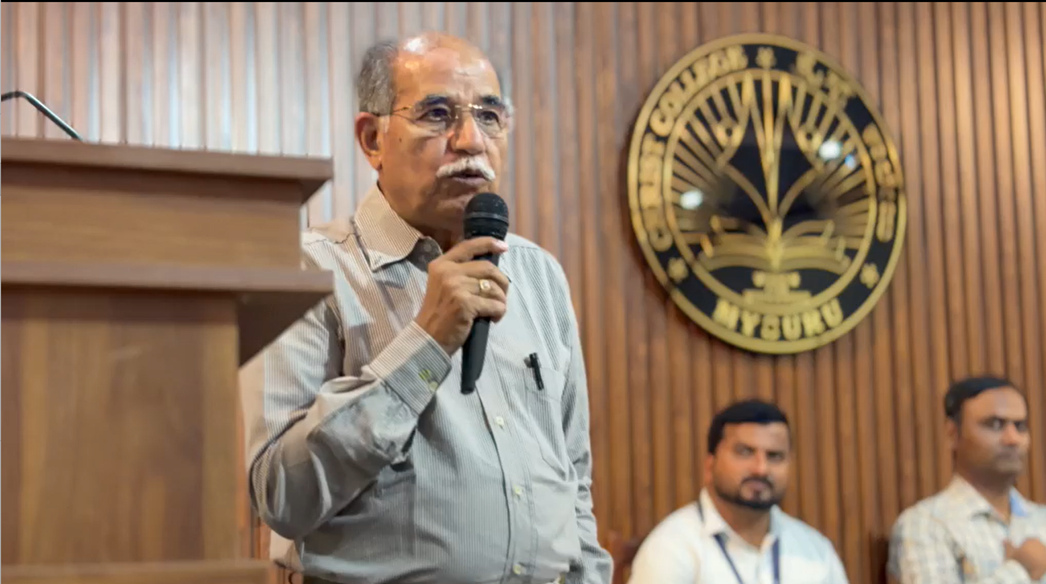
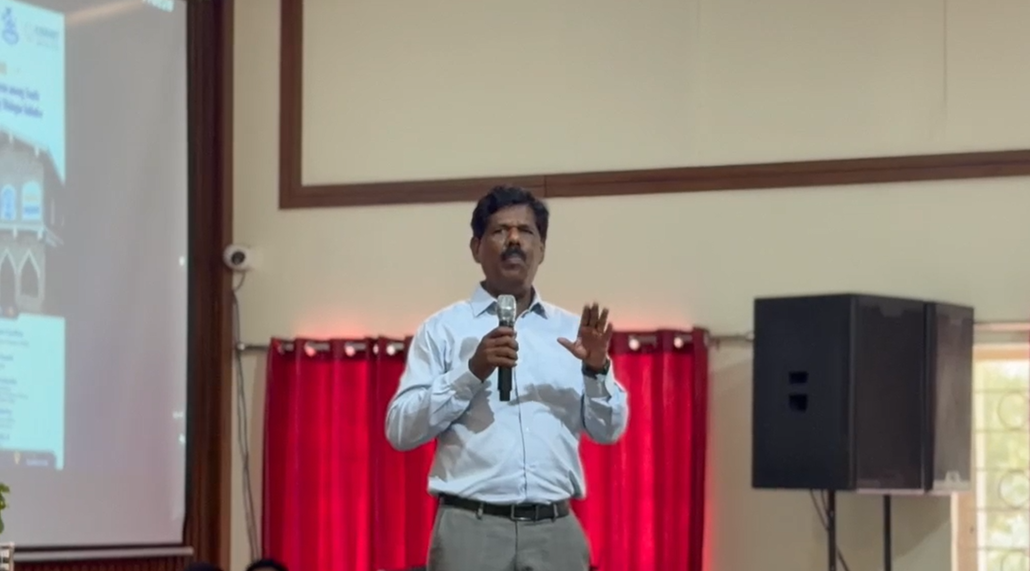
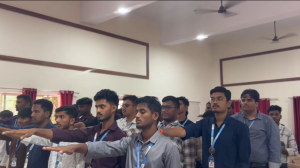
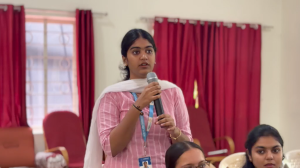
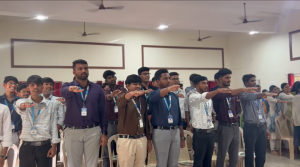
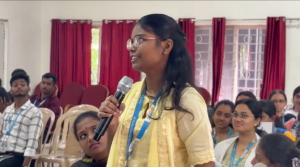
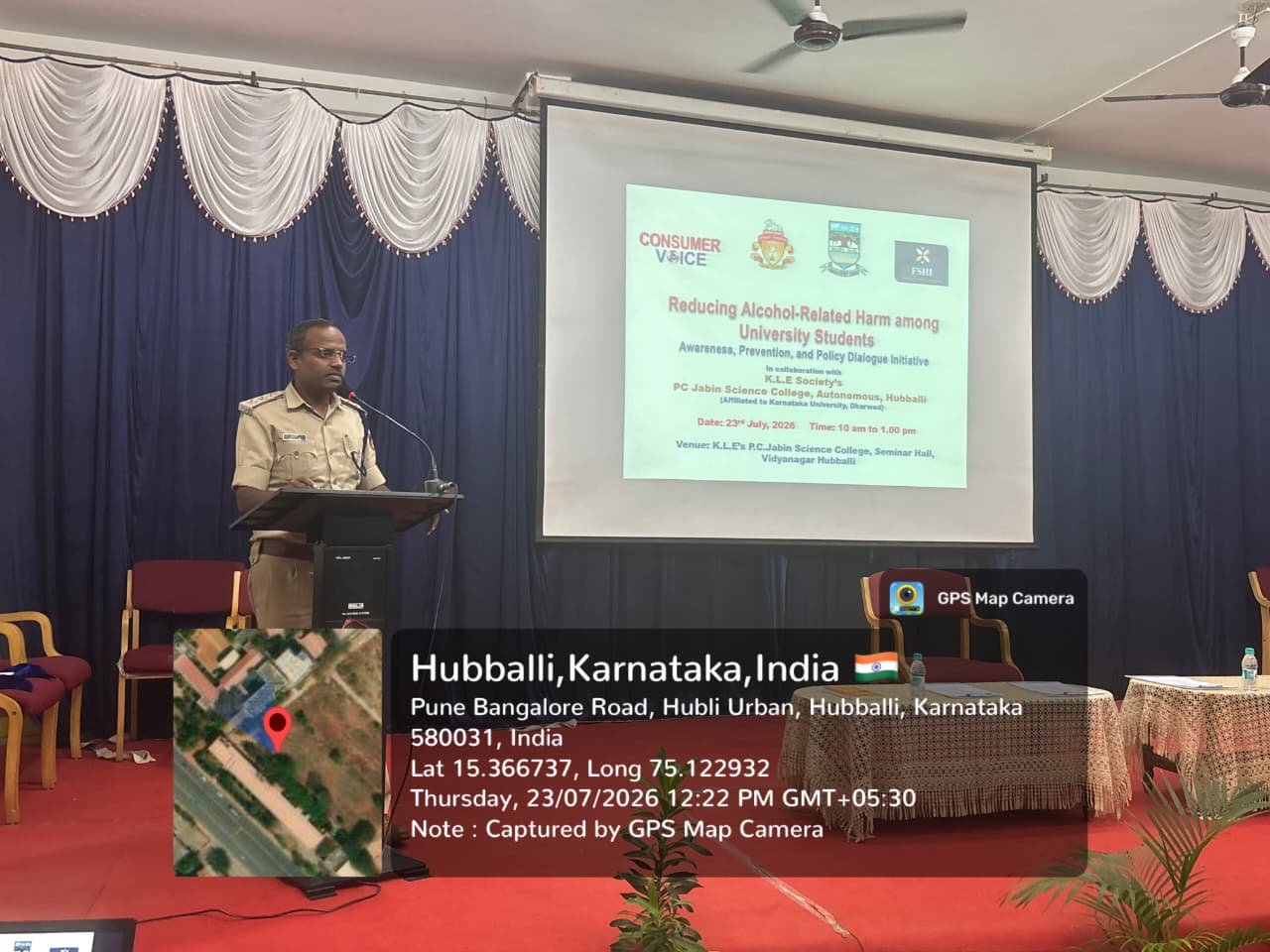
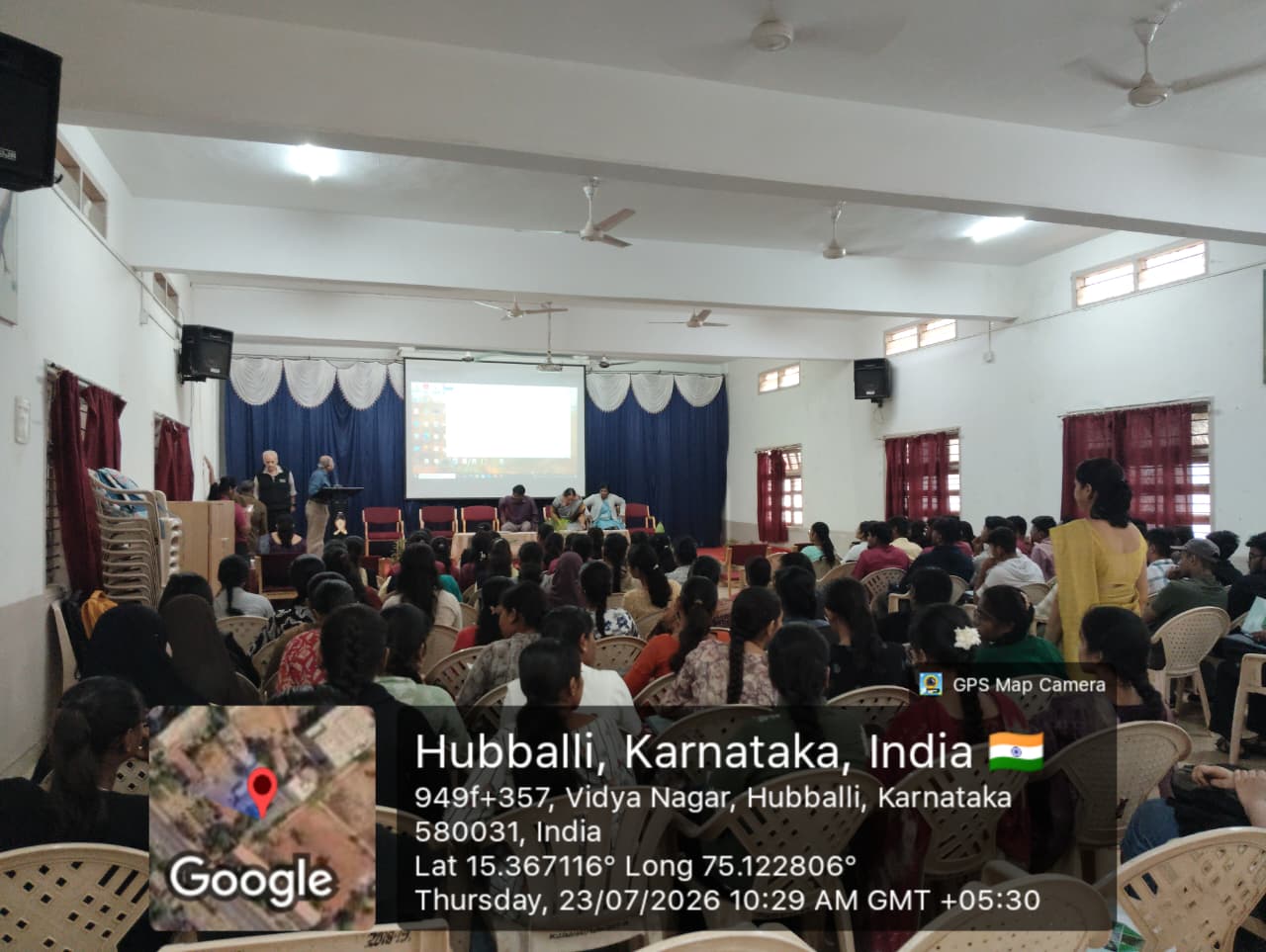
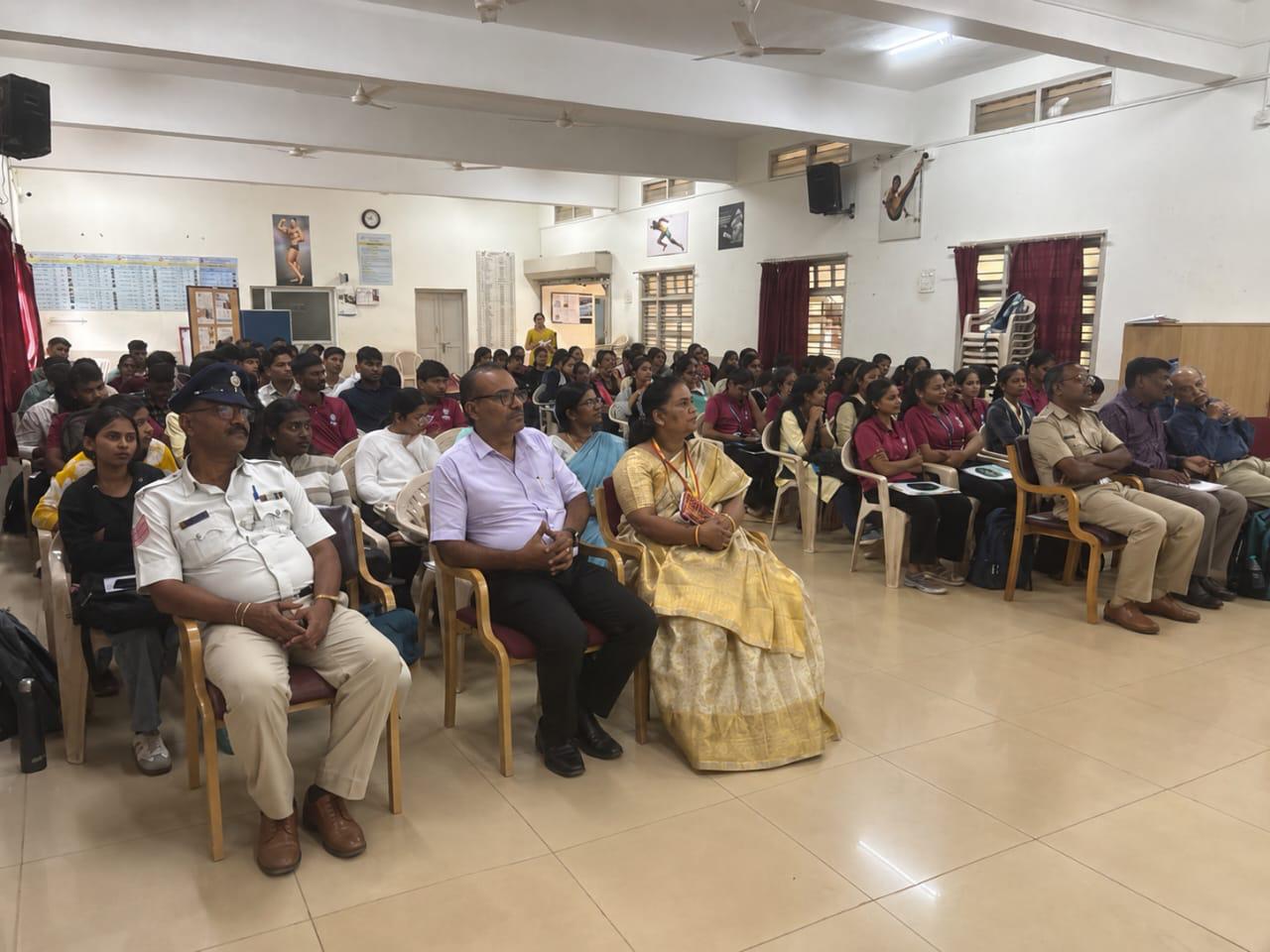
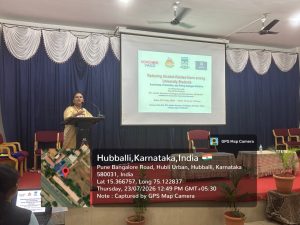
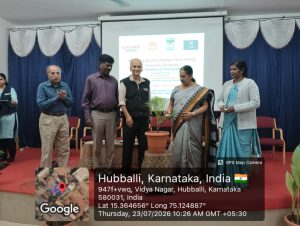
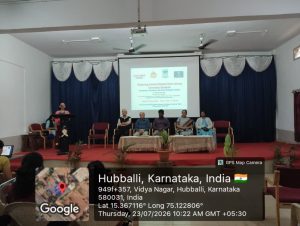
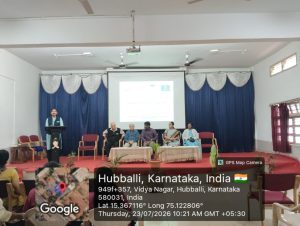
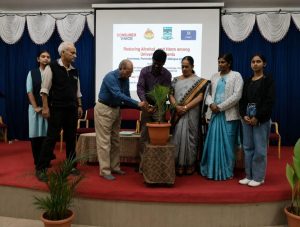
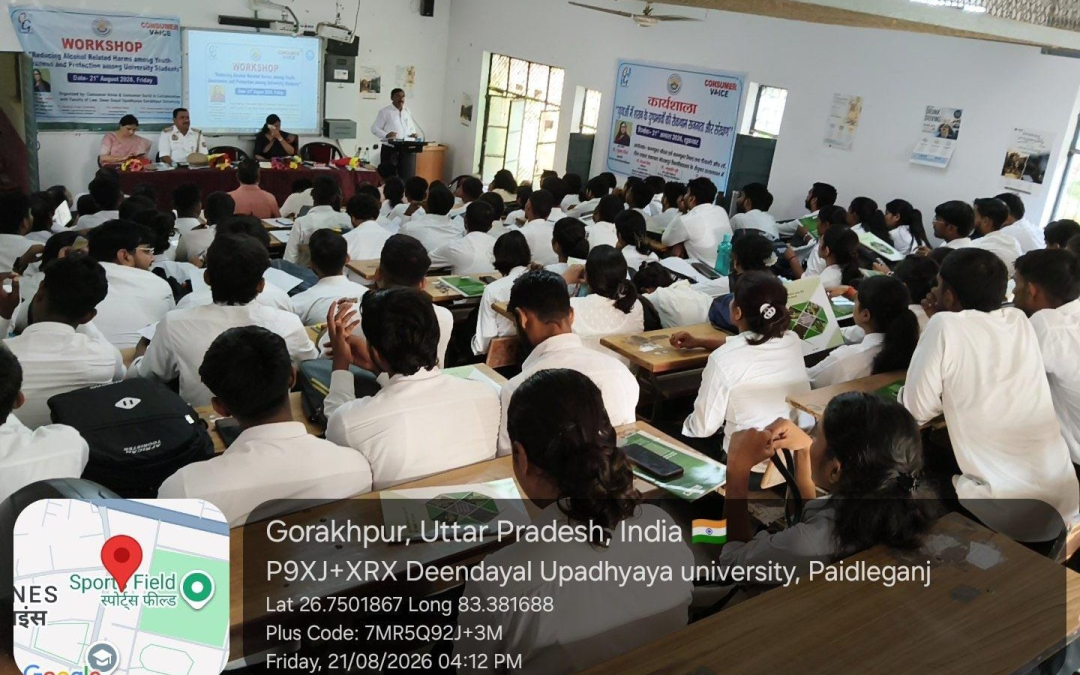
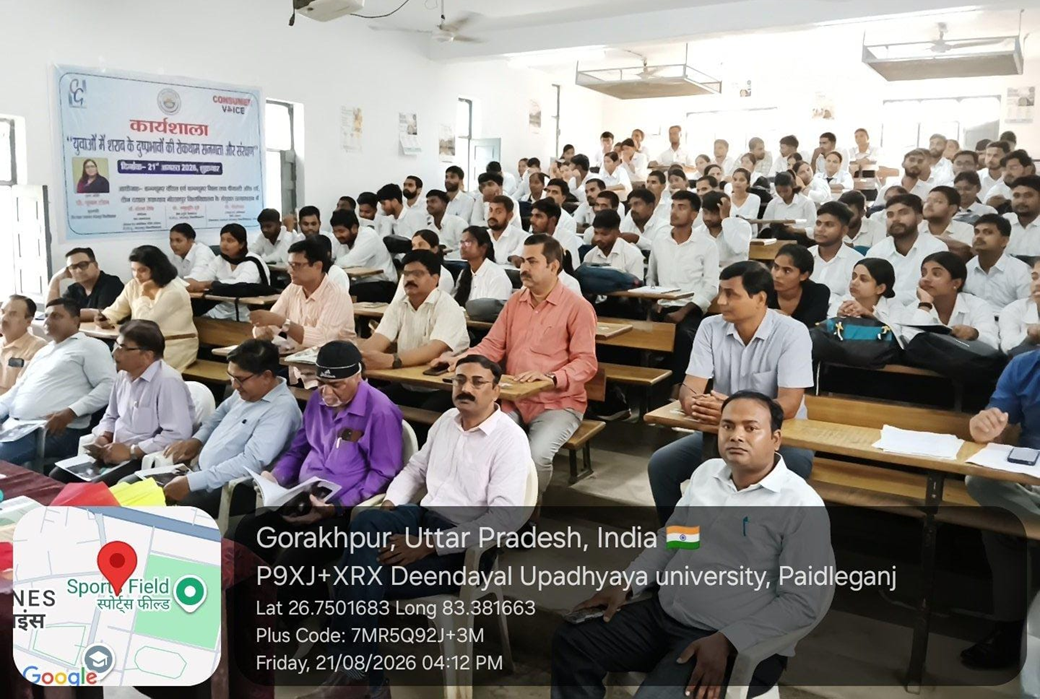
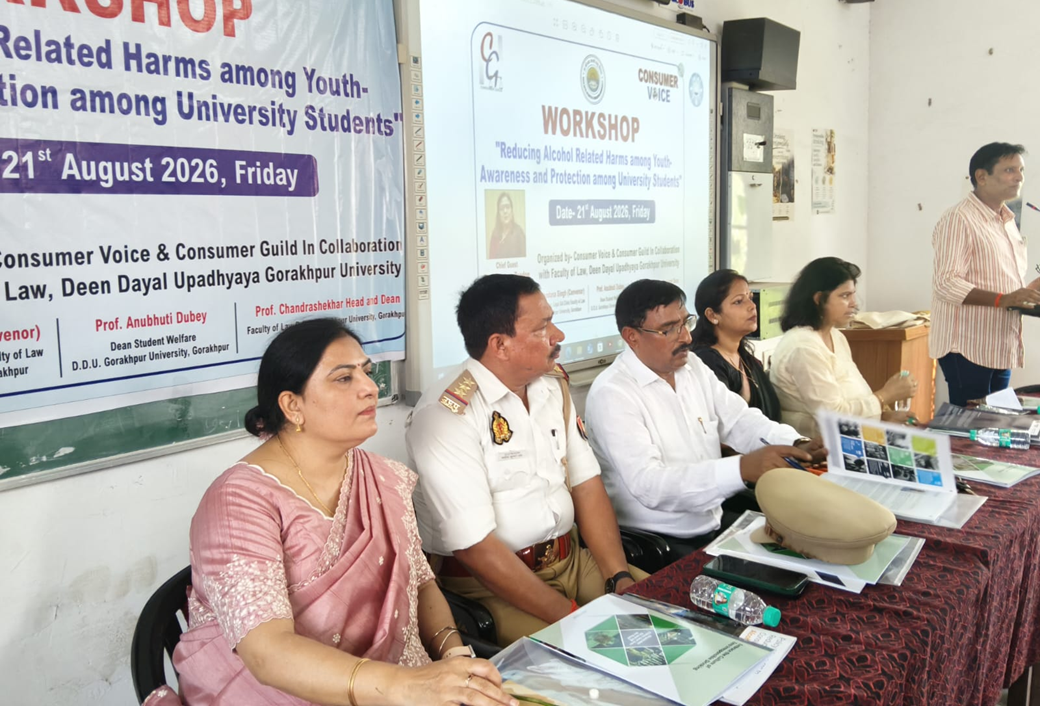
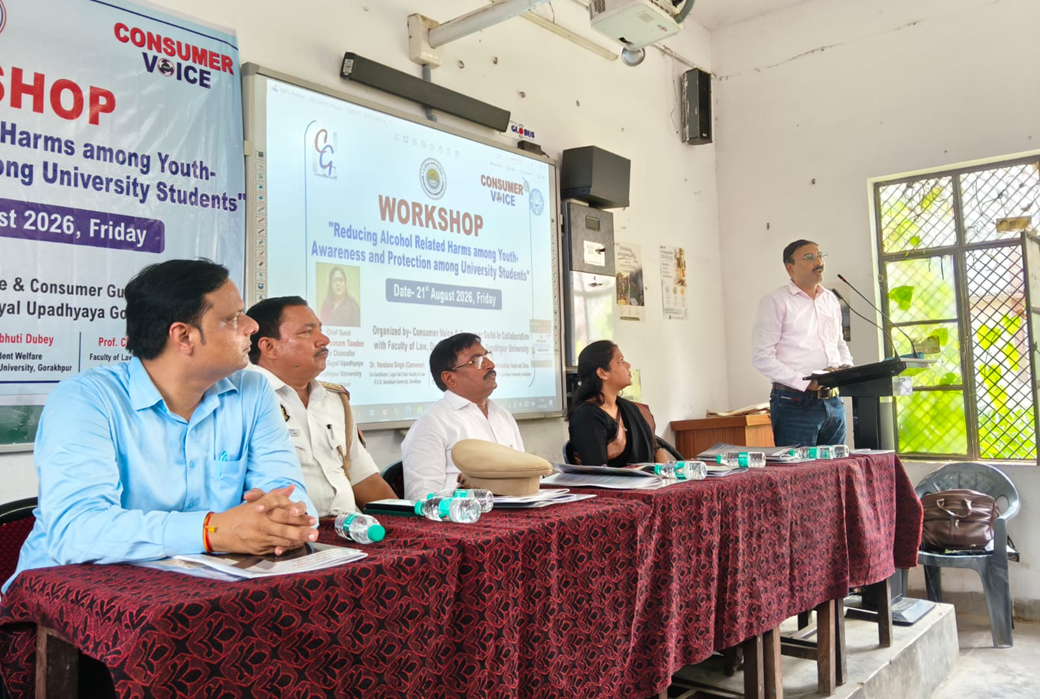
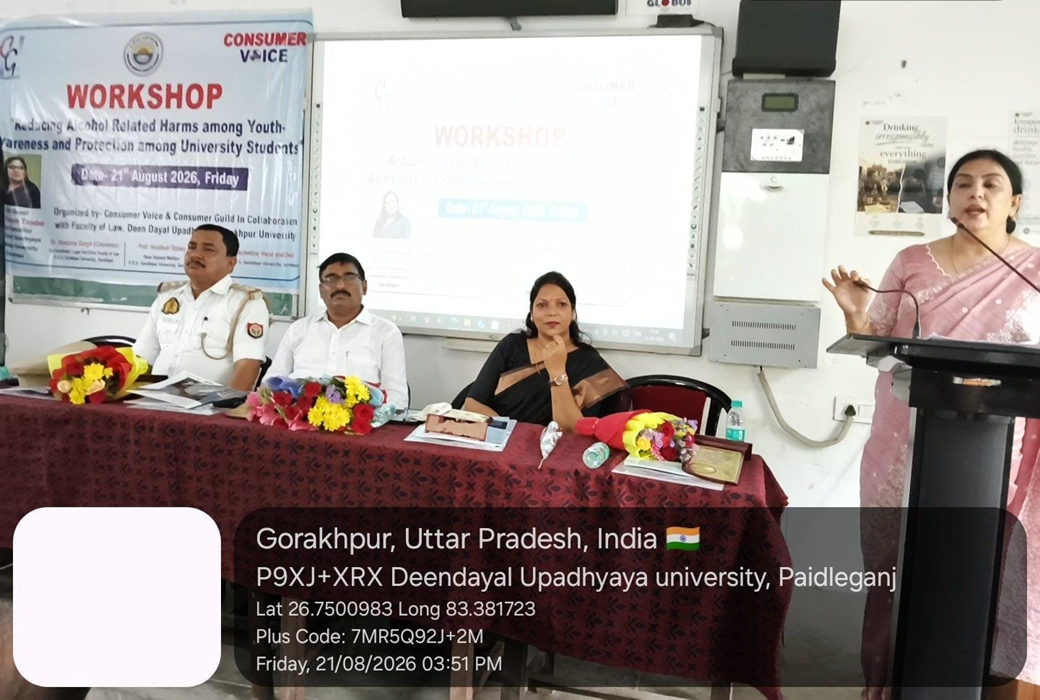
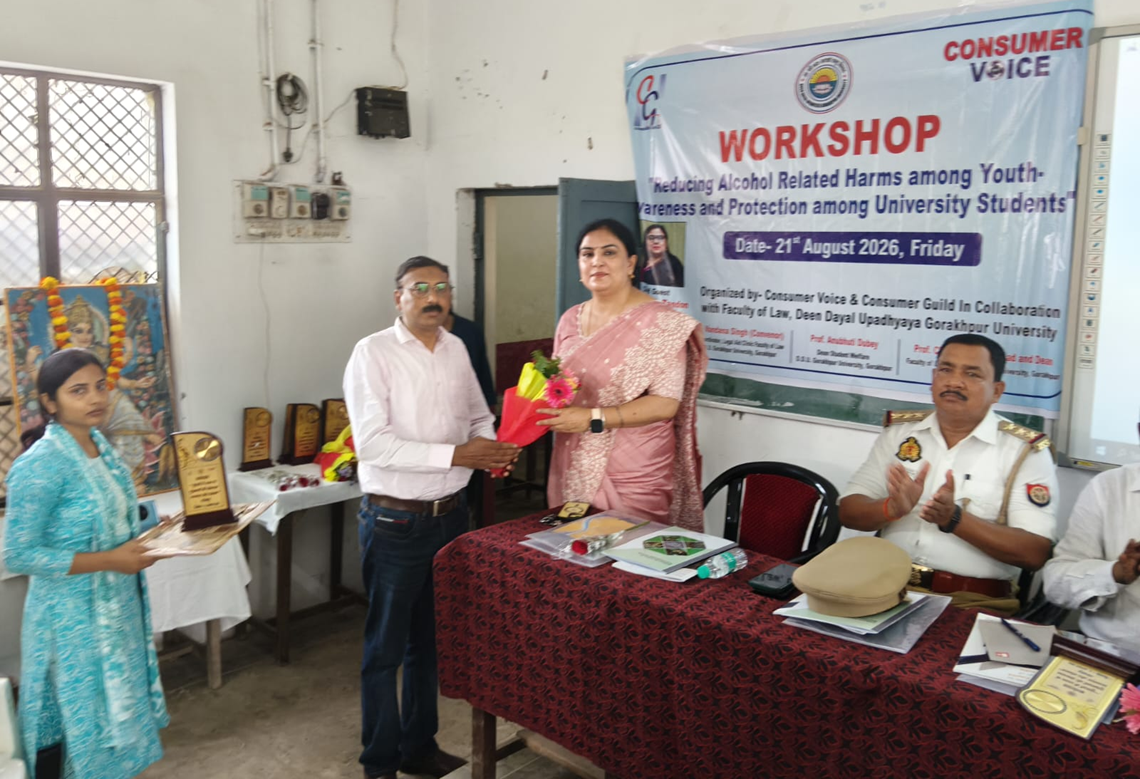
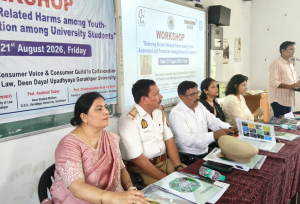
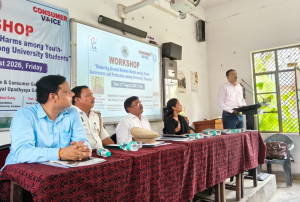
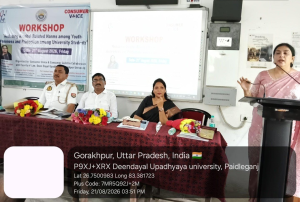
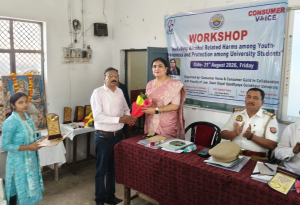
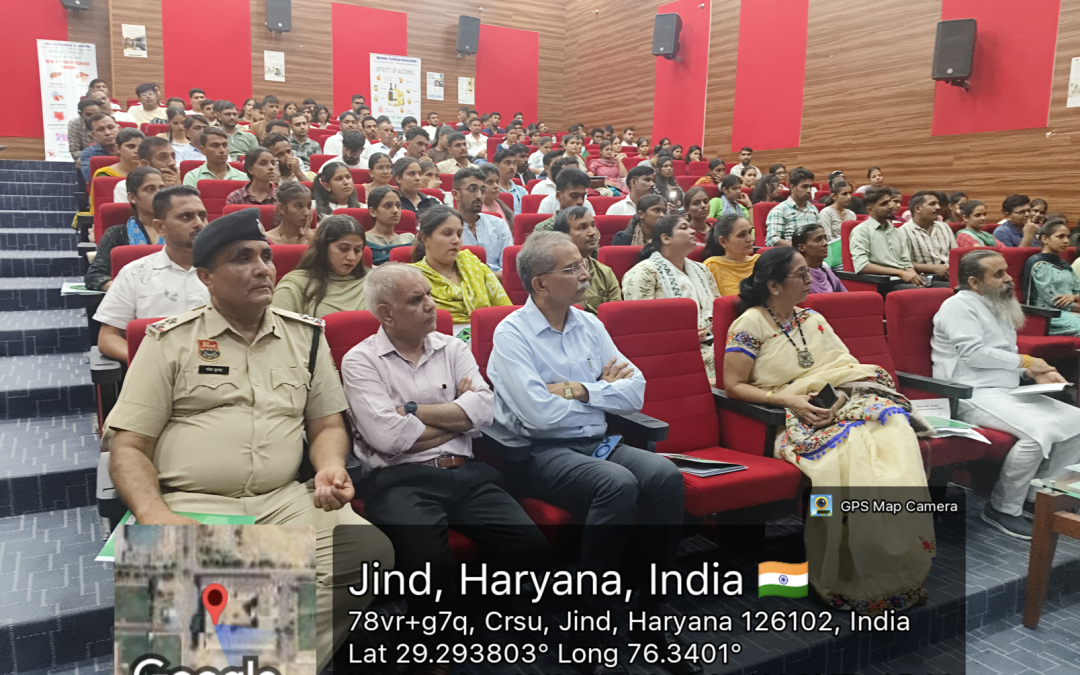
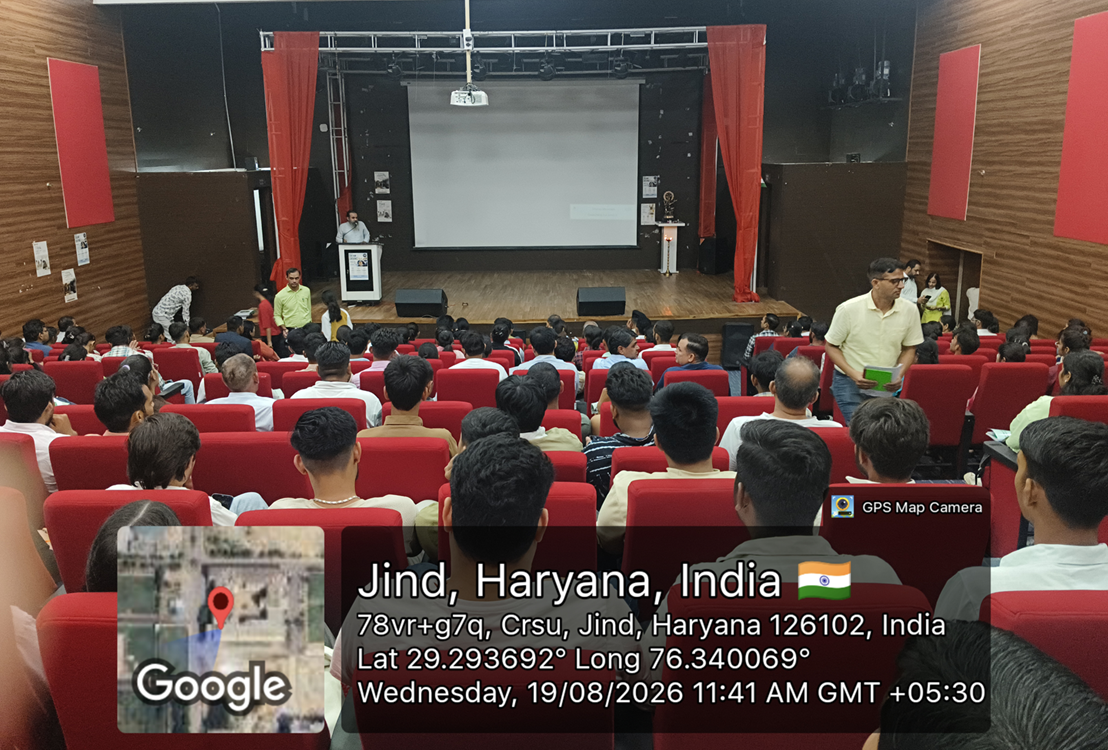
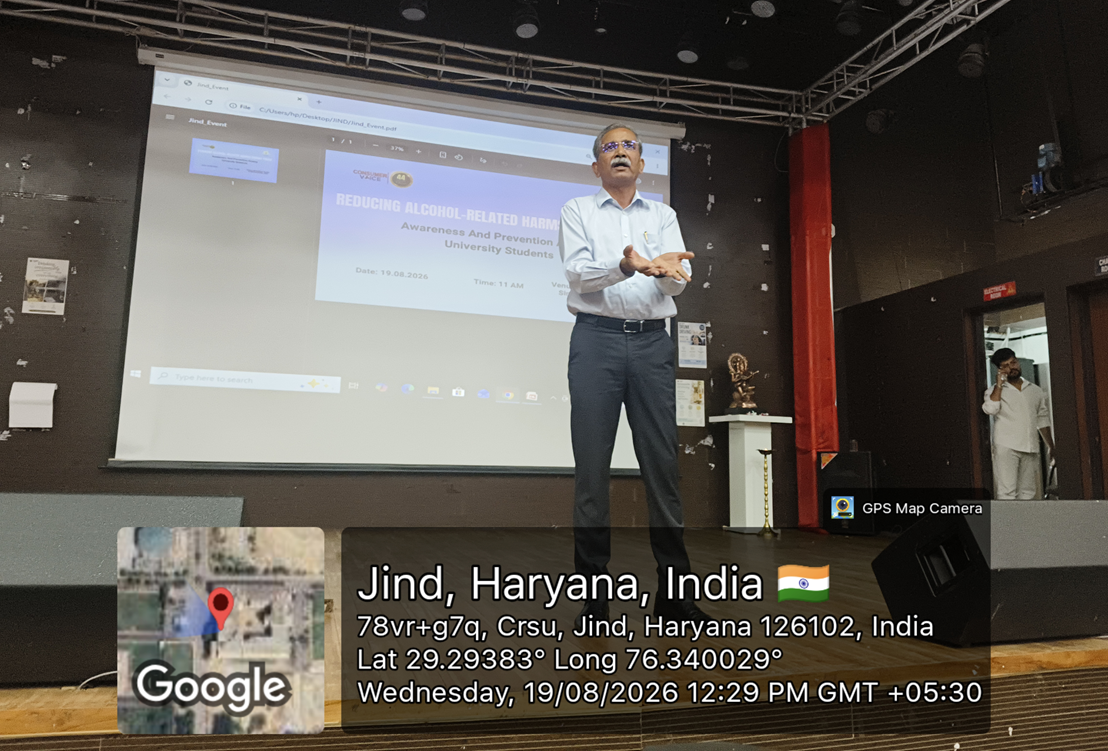
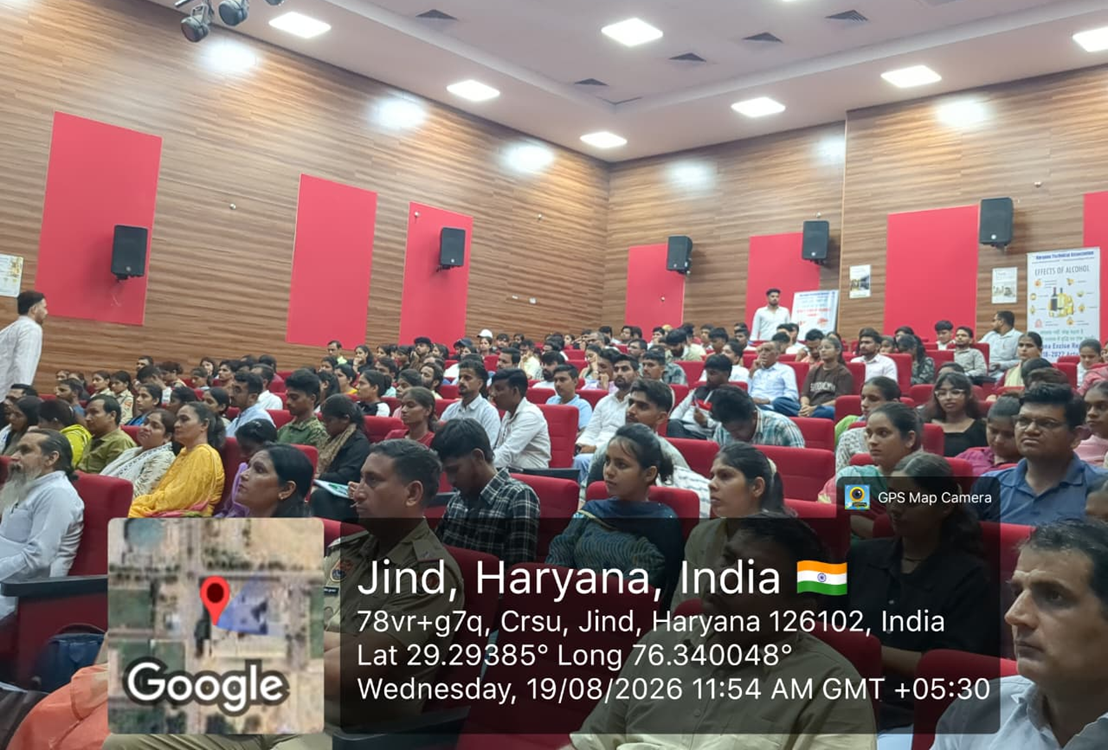
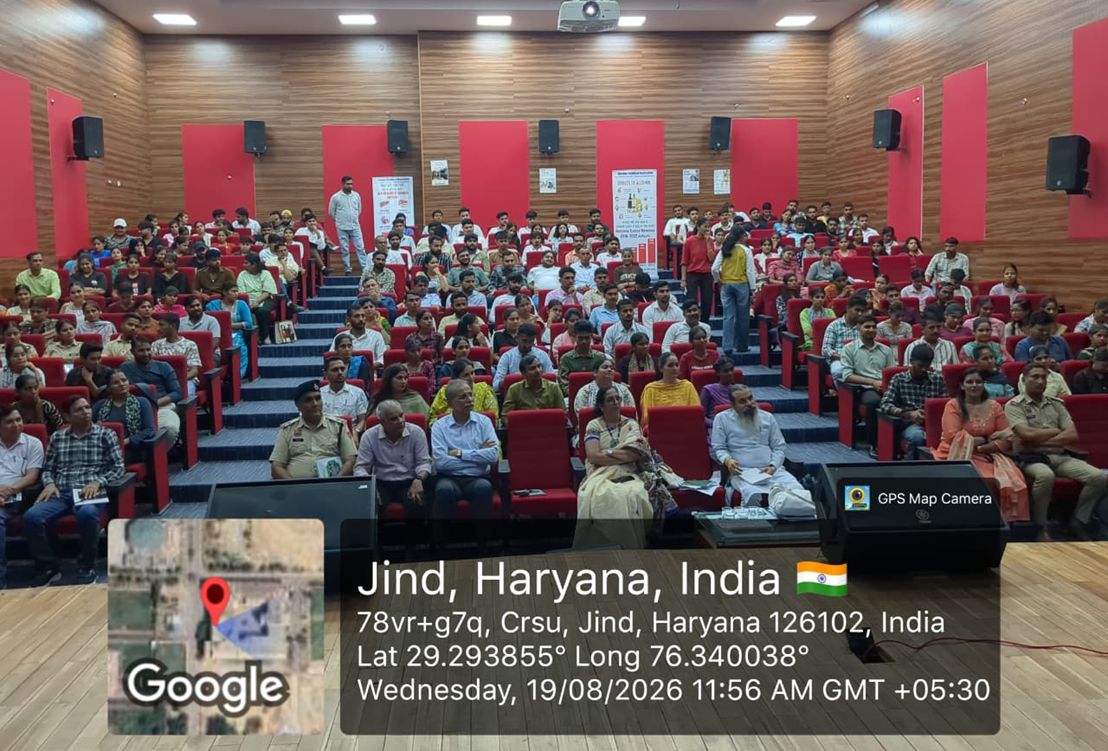
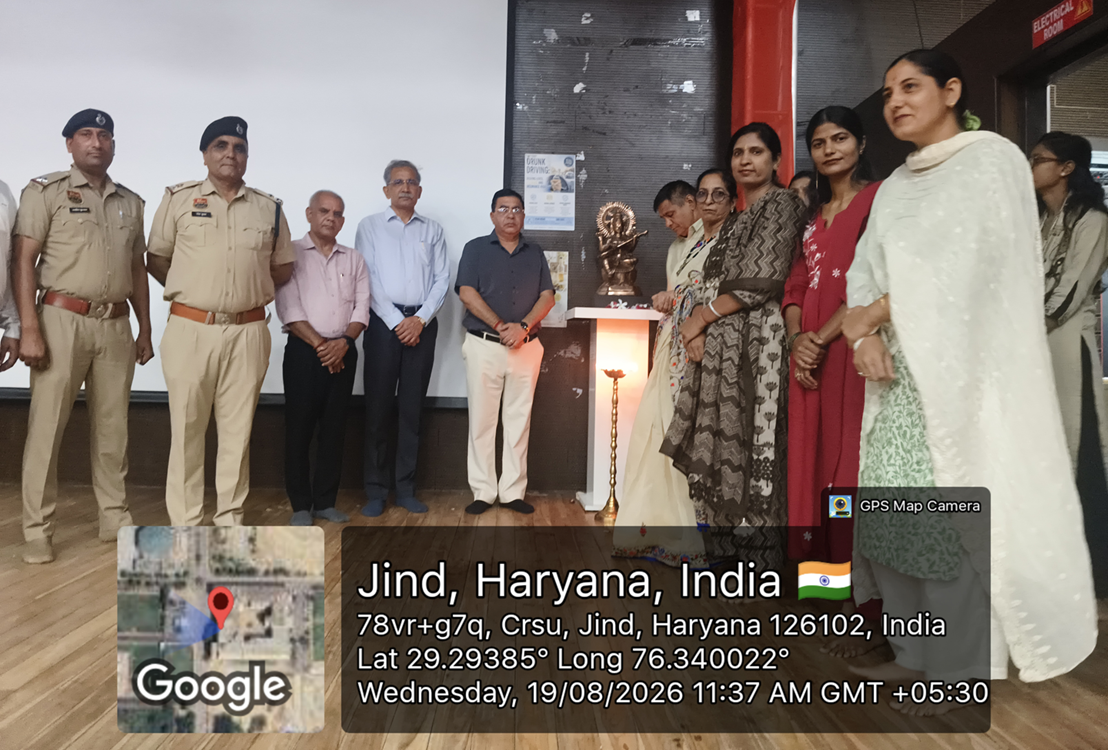
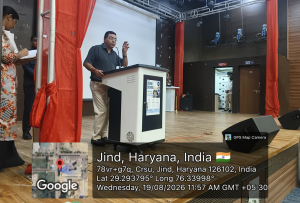
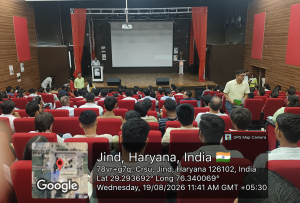
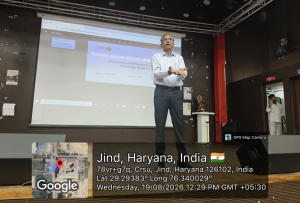
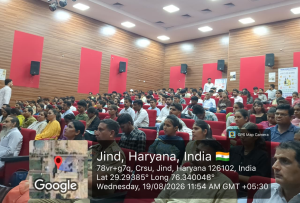
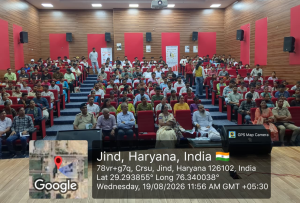
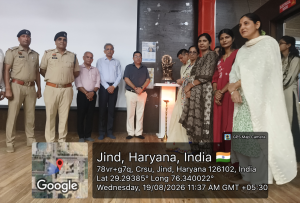
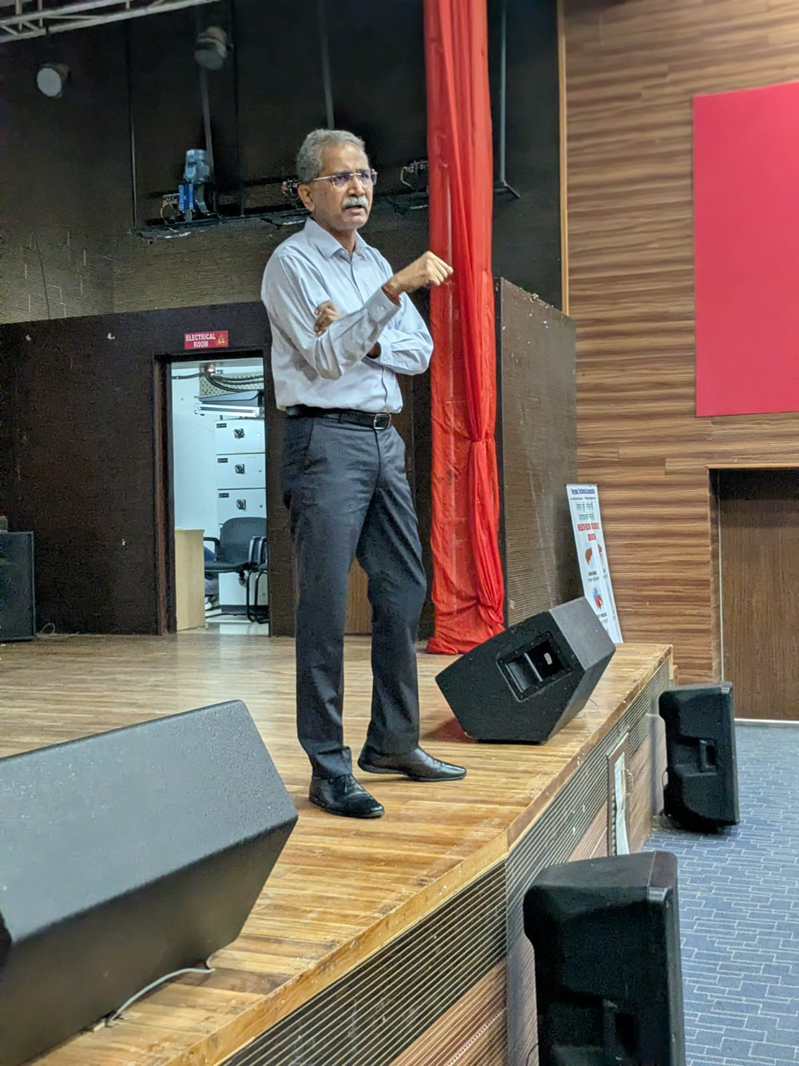
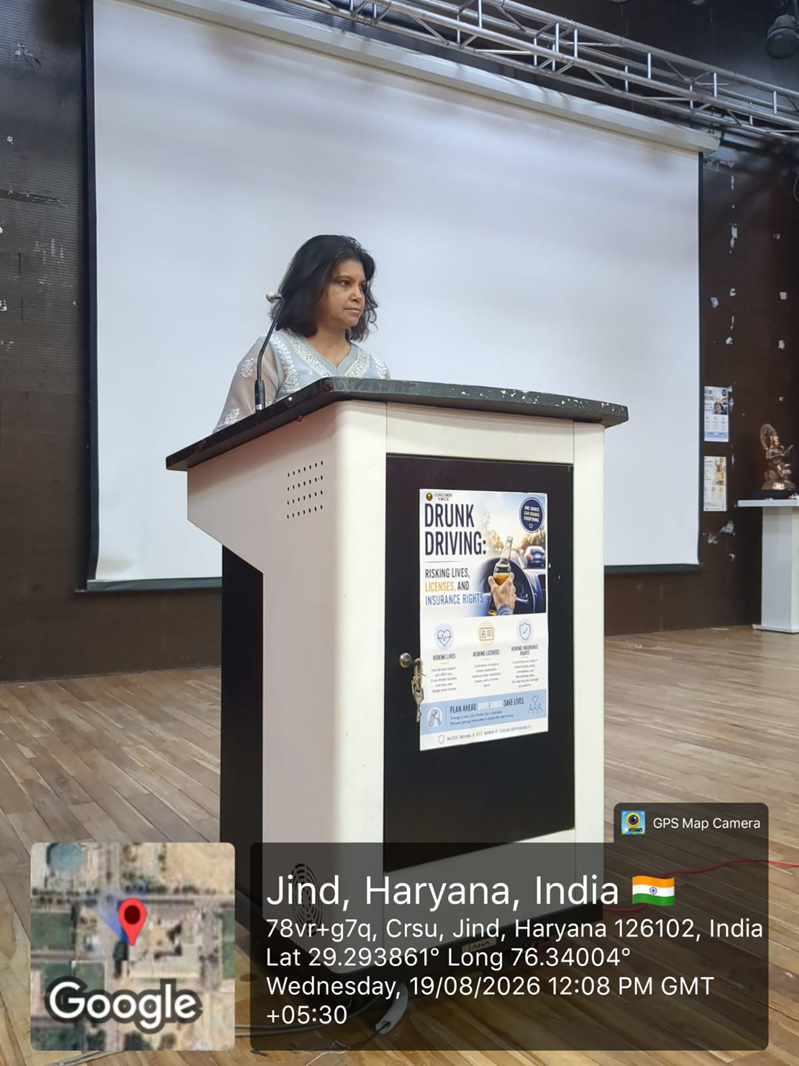
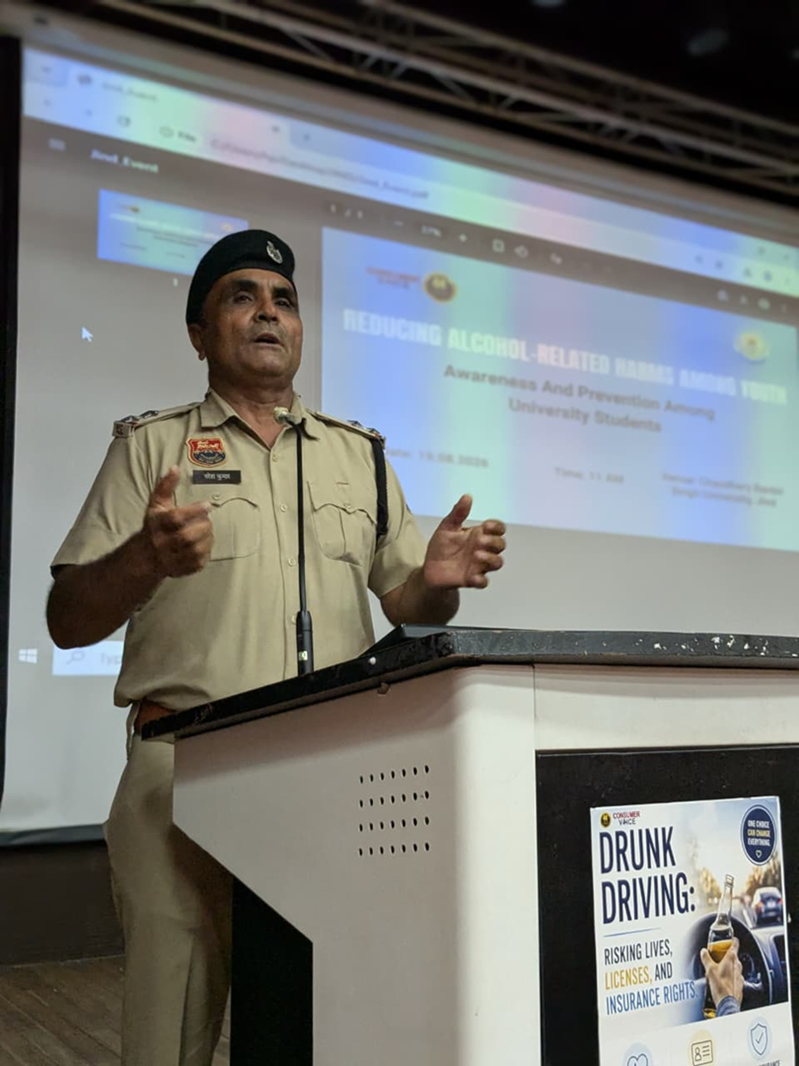
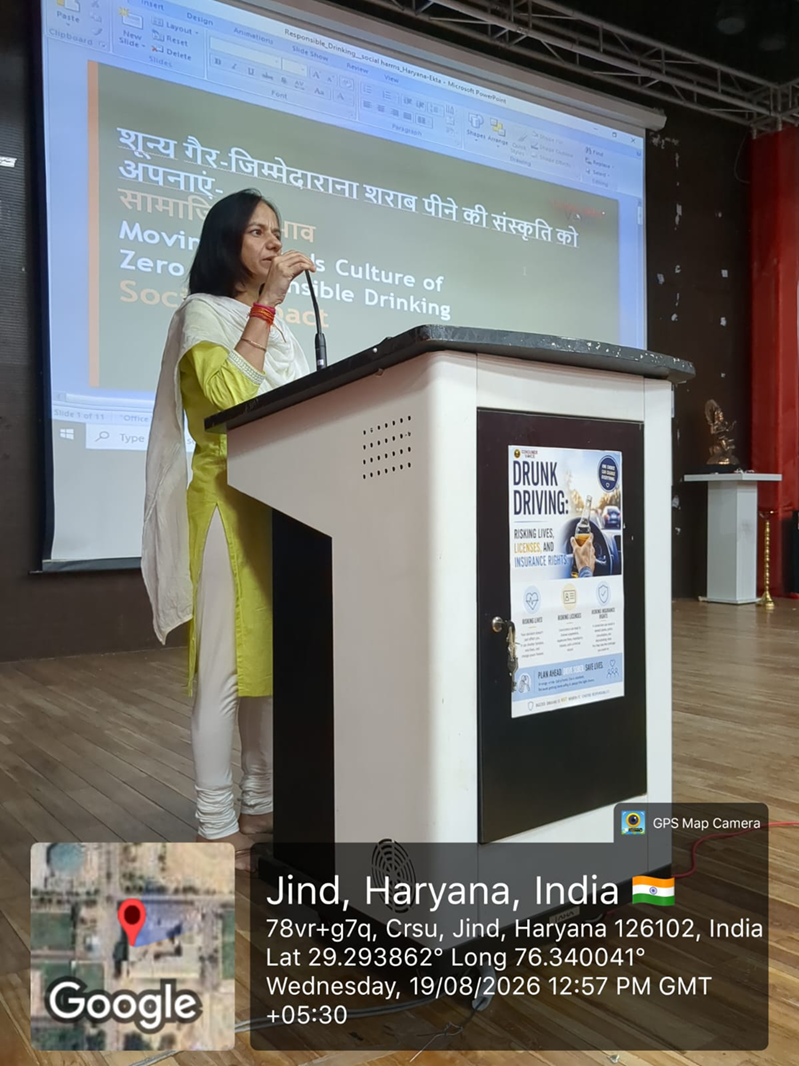
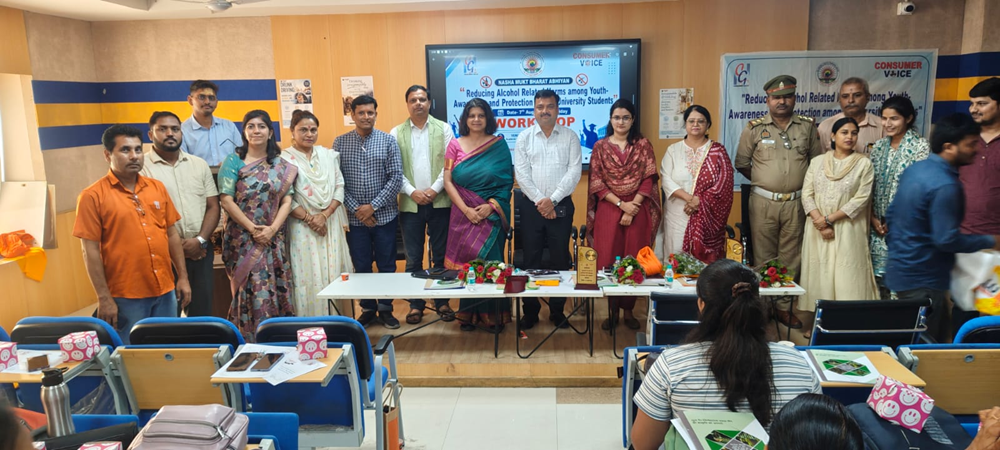
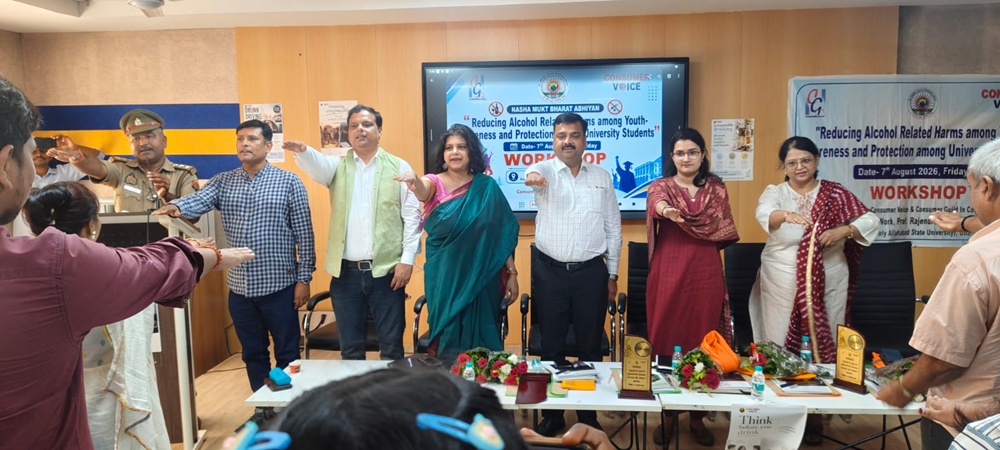
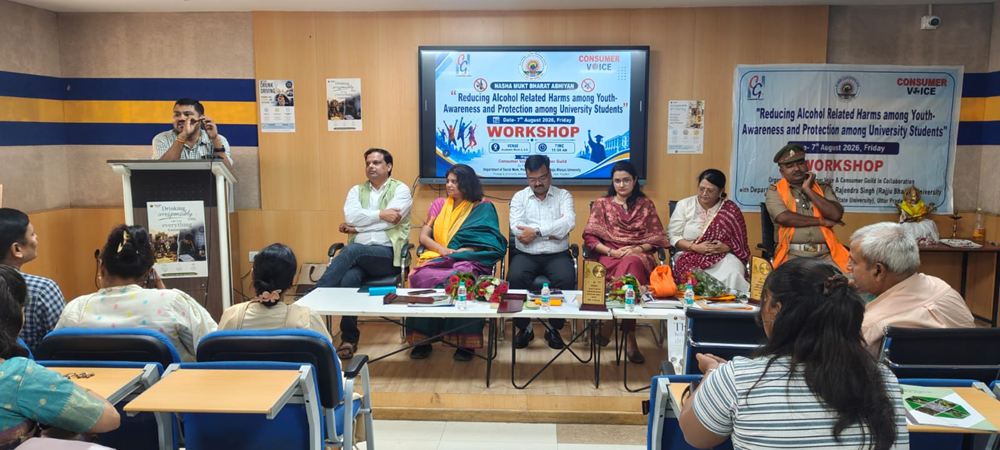
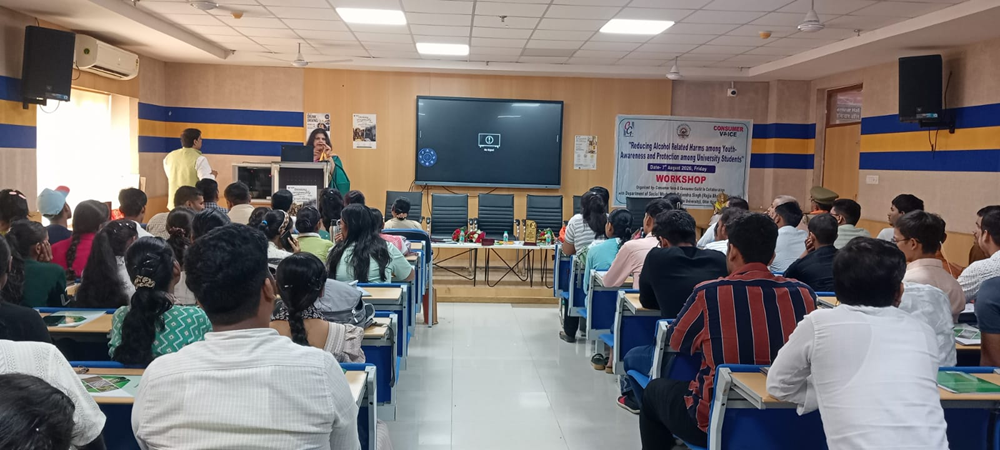
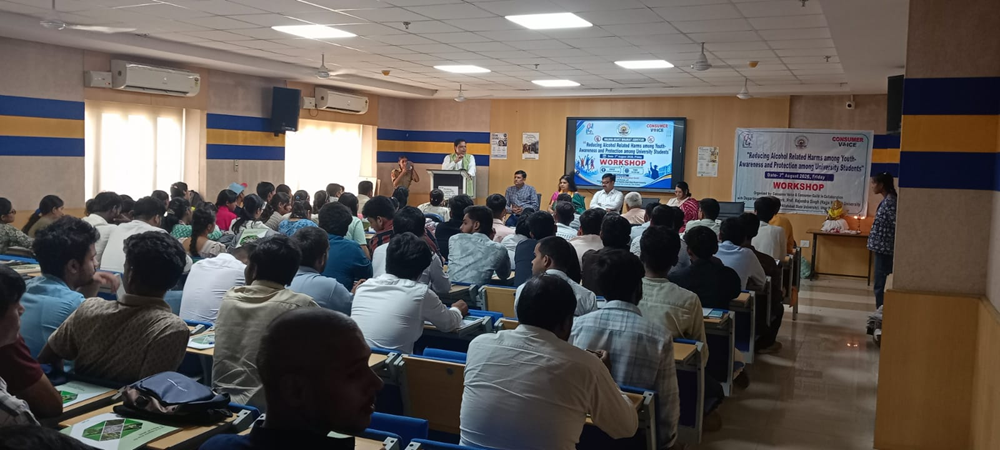
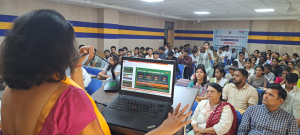
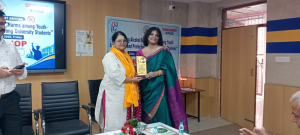
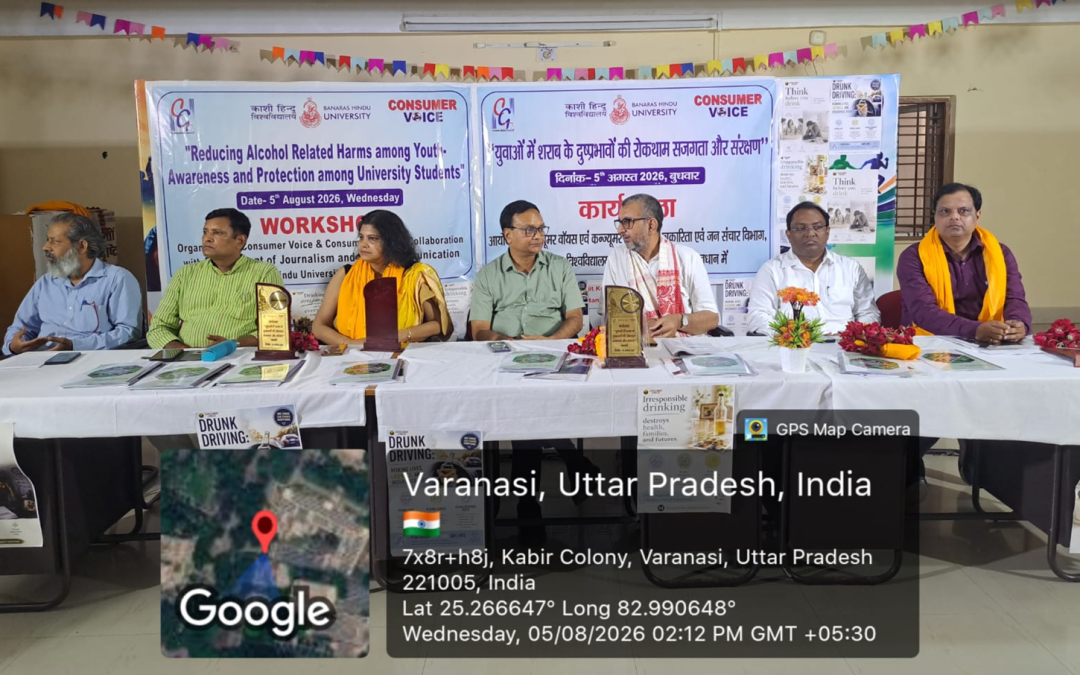
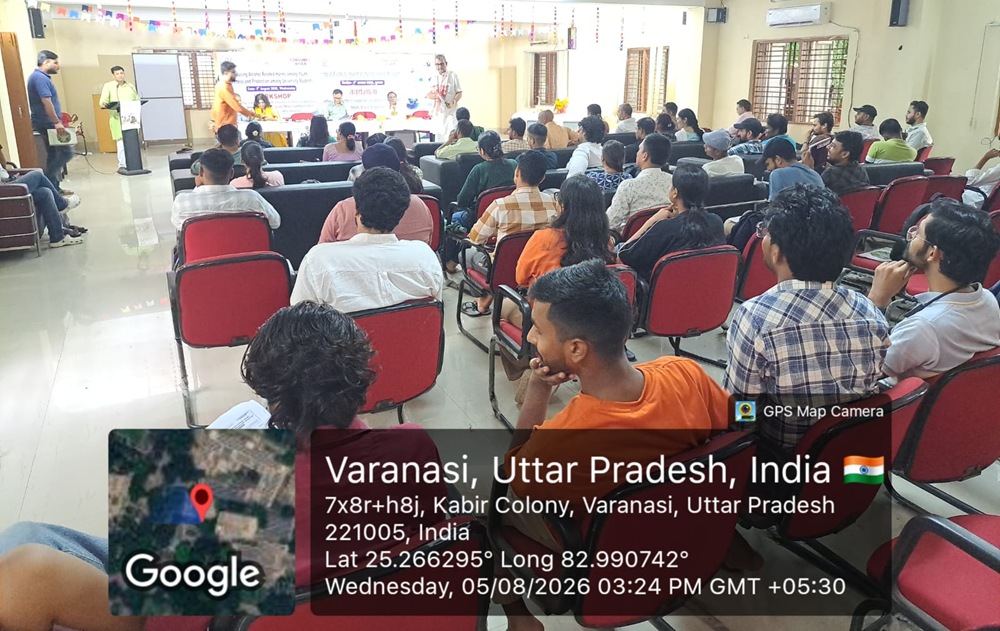
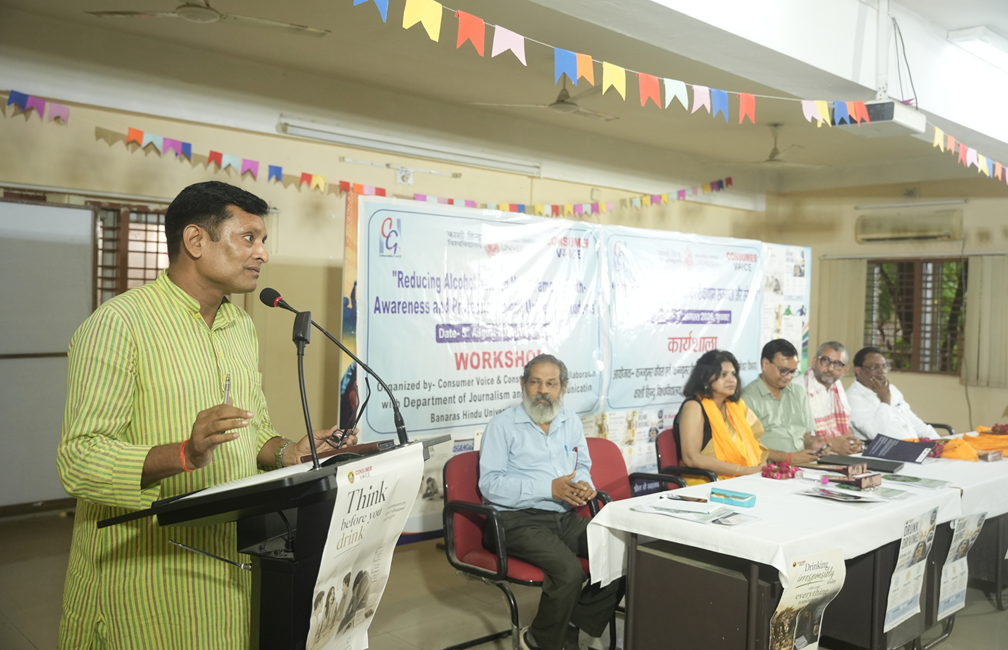
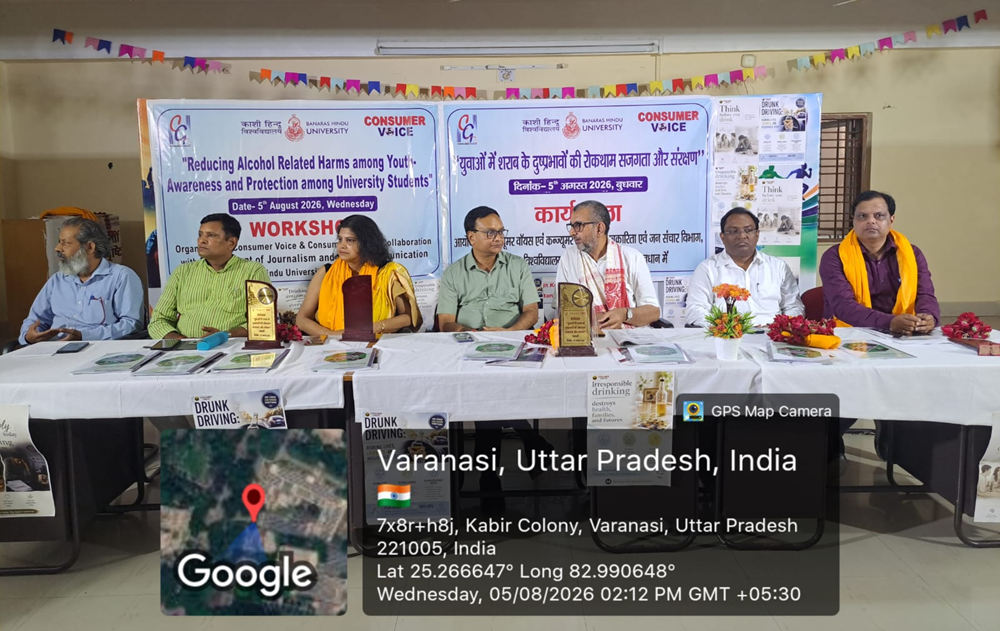
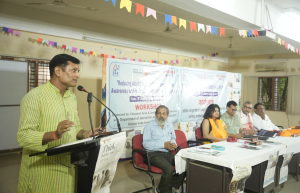
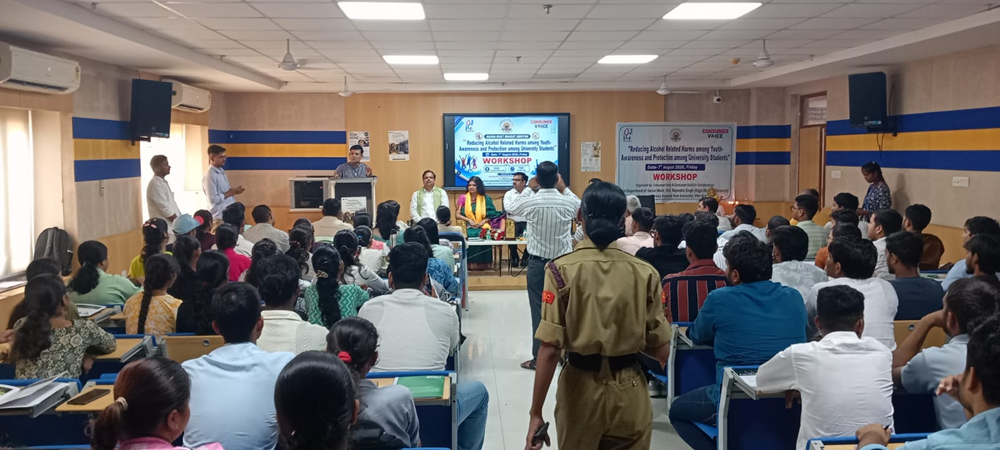
A comprehensive Youth Awareness Campaign on the Prevention of Irresponsible Alcohol Consumption and Road Safety was organised on 7 August in Prayagraj as a joint initiative of Consumer VOICE, Consumer Guild, and the Department of Social Work, Professor Rajendra Singh (Rajju Bhaiya) State University, Prayagraj.
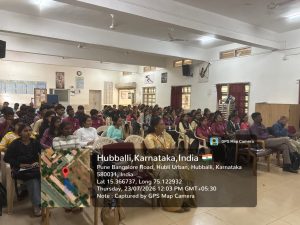
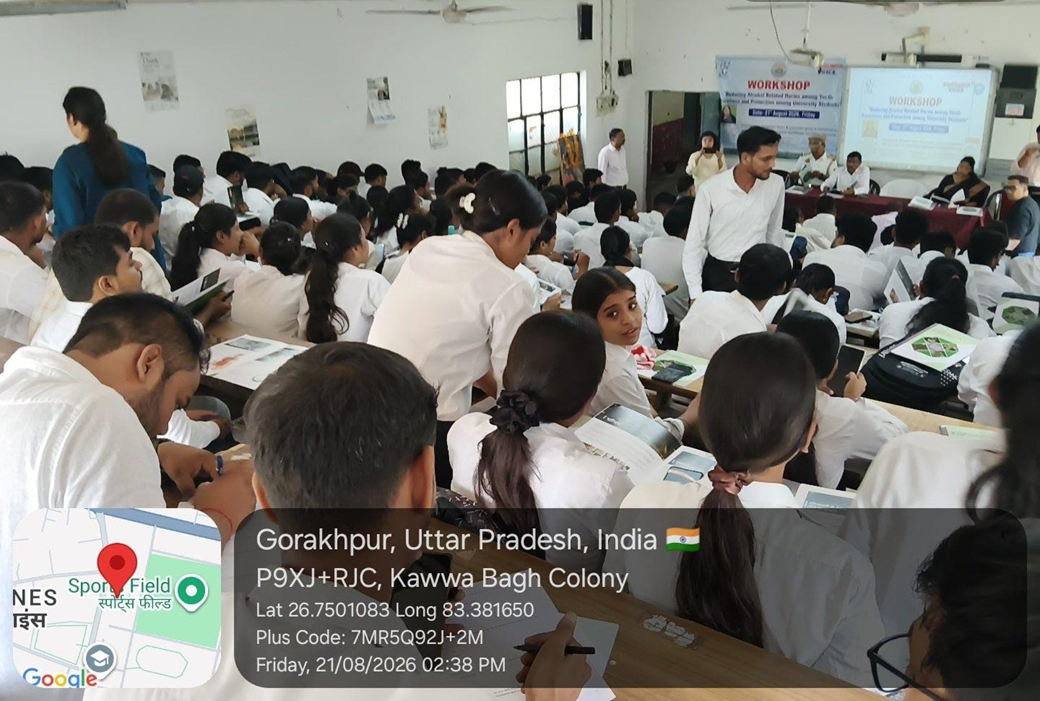
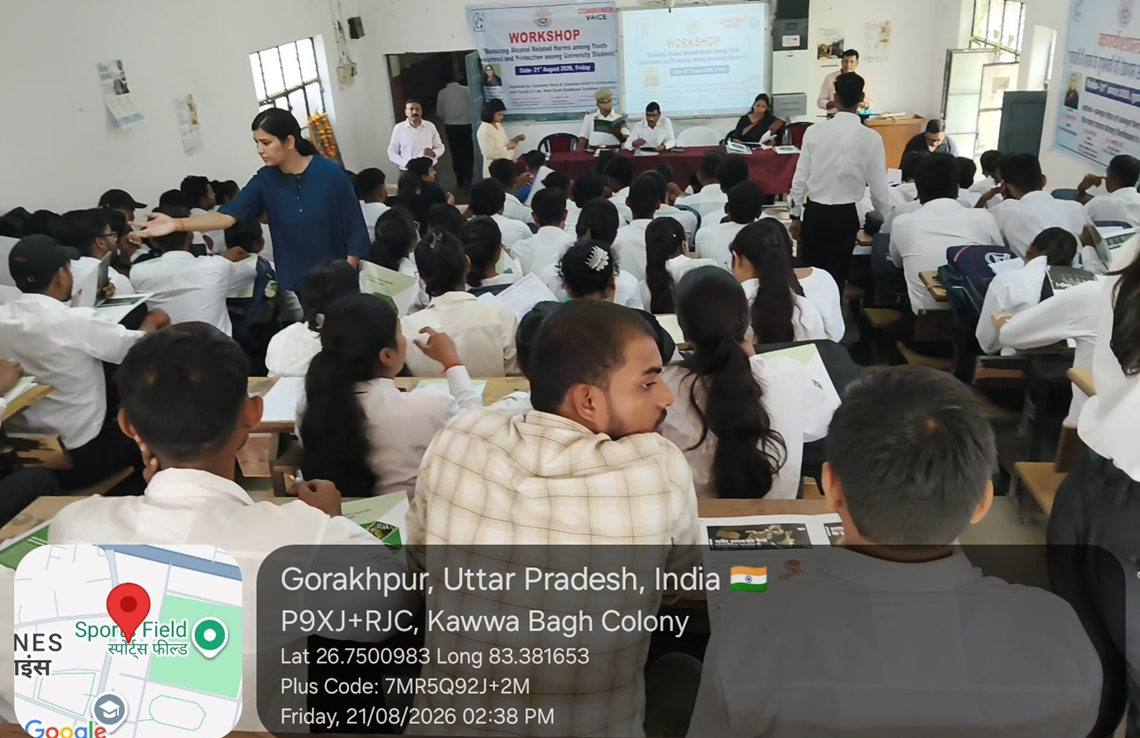
The programme brought together representatives of civil society, university faculty, students, road-safety professionals, psychologists, legal experts and social workers to sensitise young people about the growing risks associated with irresponsible alcohol consumption, binge drinking and driving under the influence of alcohol. The campaign emphasised the importance of healthy lifestyles, responsible decision-making, mental well-being, prevention of road crashes and greater social responsibility among young people.
The programme was organised with the objective of creating a deeper understanding among students about the physical, psychological, social, economic and legal consequences of harmful alcohol use, while particularly highlighting the serious risks posed by drunk driving to drivers, passengers, pedestrians and other road users.
Alcohol Prevention is a Collective Social Responsibility
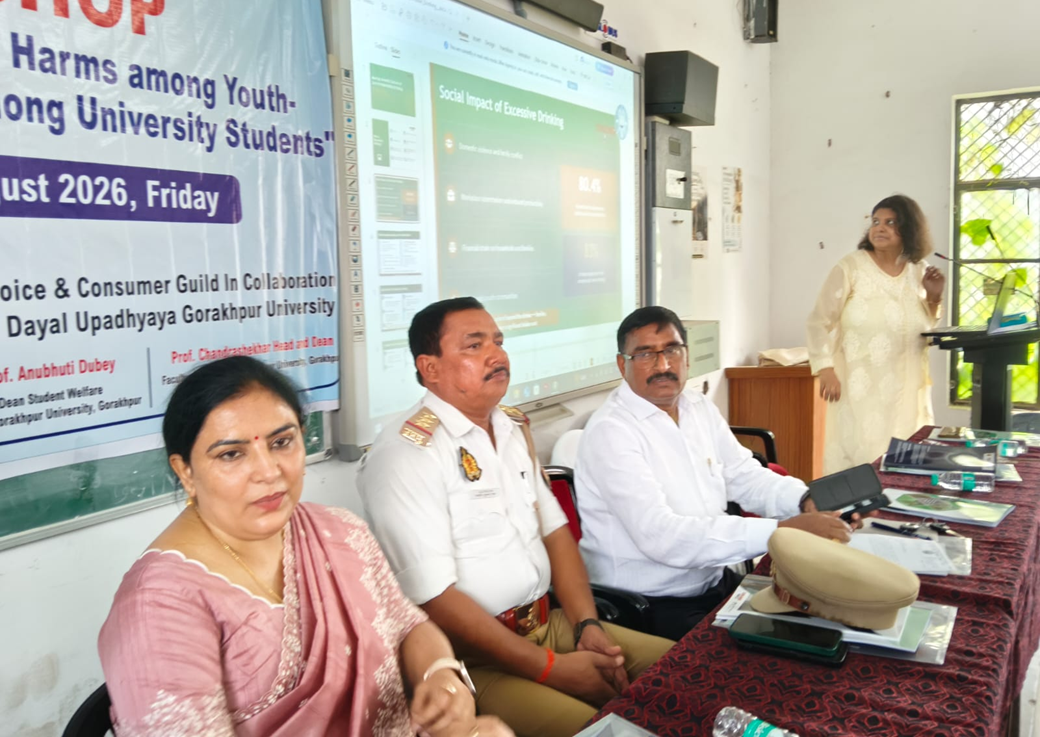
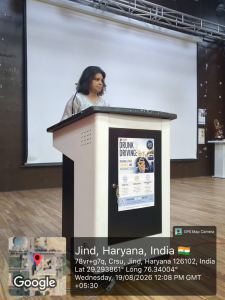
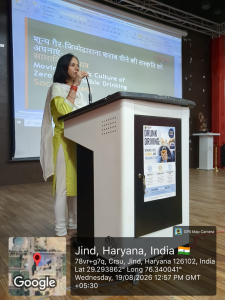
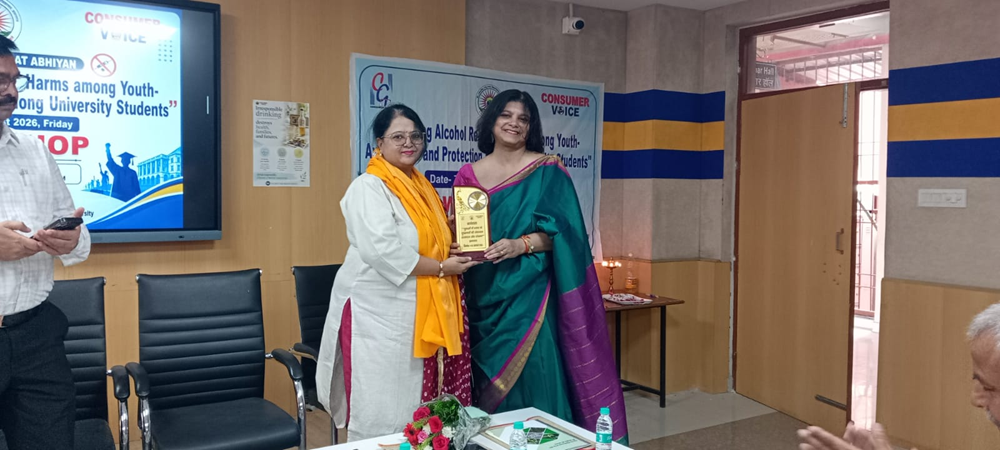
The Chief Guest, Ms. Charul Mishra, Regional Prohibition and Social Uplift Officer, Prayagraj Zone, emphasised that preventing young people from becoming victims of alcohol addiction is not merely the responsibility of families or the government, but a collective responsibility of society as a whole.
She called upon young people to adopt a healthy, disciplined and balanced lifestyle and encouraged them to stay away from addictive substances. She stressed that preventive awareness, particularly among students and young adults, can play an important role in reducing the long-term social and health consequences associated with substance abuse.
She further emphasised the importance of strengthening community participation and ensuring that young people receive accurate information and appropriate guidance before harmful patterns of consumption become established.
Strong Message Against Drunk Driving
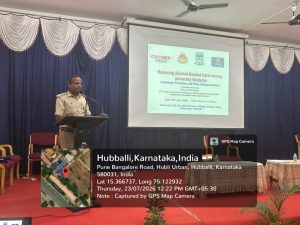
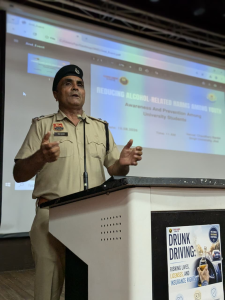
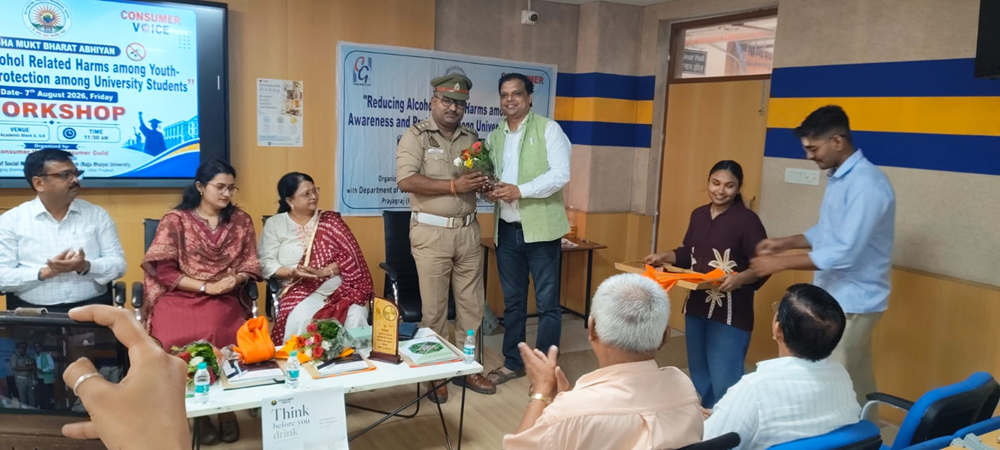
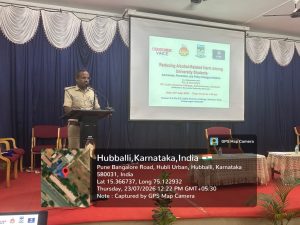
The Guest of Honour, Traffic Inspector Mr. Pawan Pandey, delivered a strong message on road safety and urged young people to never drive after consuming alcohol. He explained that impaired driving significantly increases the risk of crashes because alcohol can affect judgement, reaction time, concentration, coordination and the ability to make safe decisions.
He also highlighted that alcohol-related harm extends beyond the individual consumer. A person who drives after drinking can place the lives of passengers, pedestrians, cyclists, two-wheeler riders and other motorists at serious risk.
Mr. Pandey stressed that responsible road behaviour must become an integral part of youth culture and that young people should also intervene positively when friends or peers attempt to drive after consuming alcohol.
Youth and the Vision of a Developed India
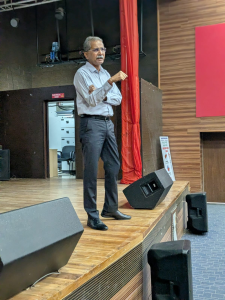
Presiding over the programme, Prof. Vivek Singh, Head of the Department and Dean, Faculty of Arts, Professor Rajendra Singh (Rajju Bhaiya) State University, Prayagraj, said that a healthy and responsible youth population is essential for building a developed India.
He observed that young people constitute one of the country’s most valuable resources and that substance abuse can adversely affect their education, productivity, family relationships, health and future prospects. He emphasised that awareness programmes of this nature help develop a sense of social responsibility, self-discipline and responsible citizenship among students.
He further stated that universities have an important role to play in creating awareness among young people and providing them with a supportive environment in which healthy choices and positive lifestyles can flourish.
Psychological Impact of Alcohol and Substance Abuse
Dr. Malavika Rao, Psychologist, explained the psychological and behavioural effects associated with alcohol and substance abuse. She highlighted how harmful consumption patterns can contribute to problems related to emotional well-being, decision-making, relationships, academic performance and social functioning.
She particularly emphasised the importance of developing healthy methods of coping with stress. Students were encouraged to engage in sports, yoga, physical exercise, creative activities, hobbies and constructive social engagement rather than relying on alcohol or other substances as a means of managing stress or emotional difficulties.
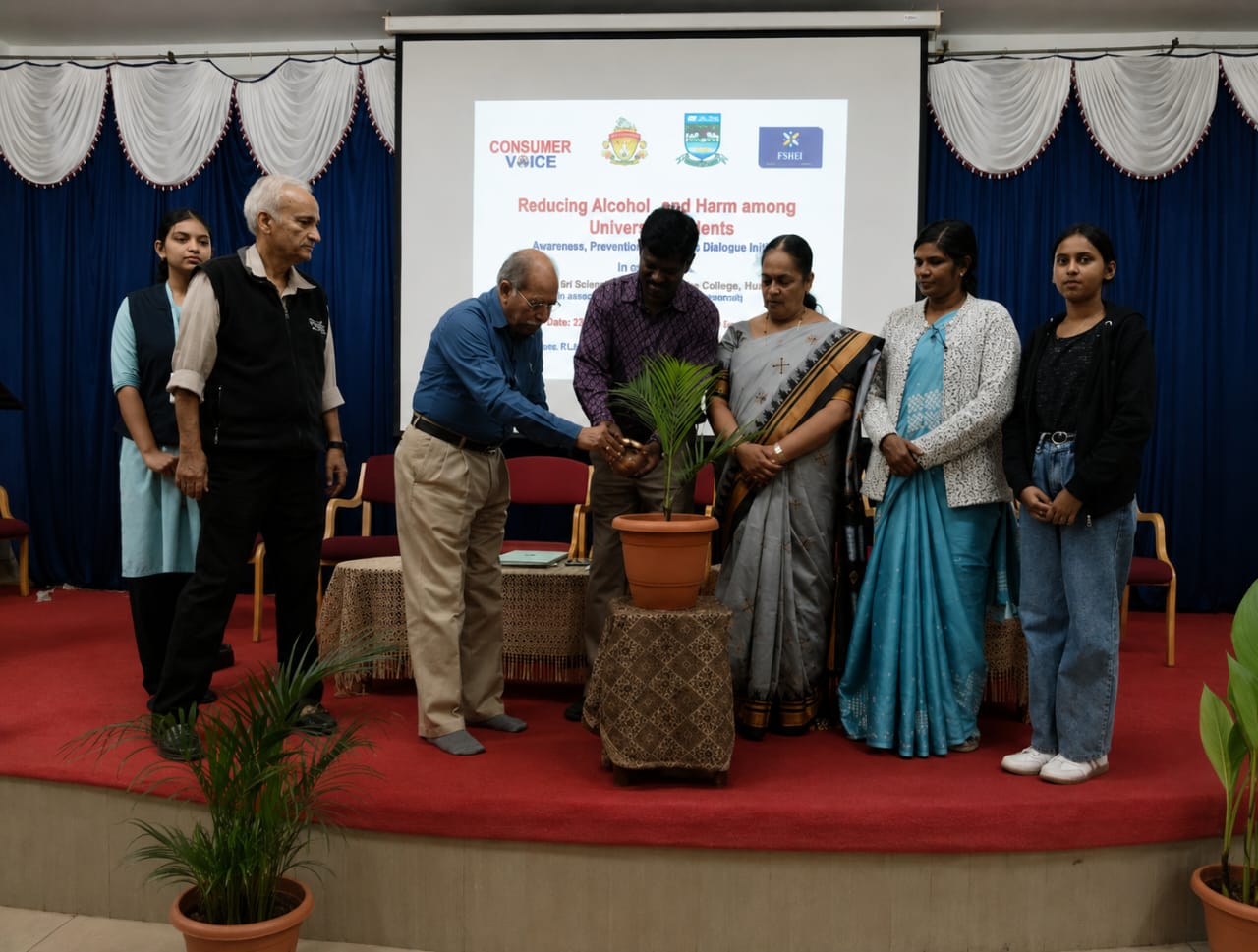
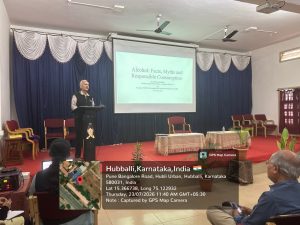
She also stressed that early awareness and timely support can help young people avoid developing harmful patterns of alcohol use and making responsible choices
Promoting Responsible Drinking Awareness
Nilanjana Bose, Consumer VOICE, stressed the importance of creating a culture of responsible decision-making and awareness among young people. She emphasised that consumer awareness should extend beyond conventional product-related issues and include matters affecting public health, safety and quality of life.
She called for sustained youth-focused awareness campaigns through educational institutions, civil society organisations and community networks so that young people can understand the potential consequences of harmful alcohol consumption and make informed choices.
Legal and Road-Safety Dimensions
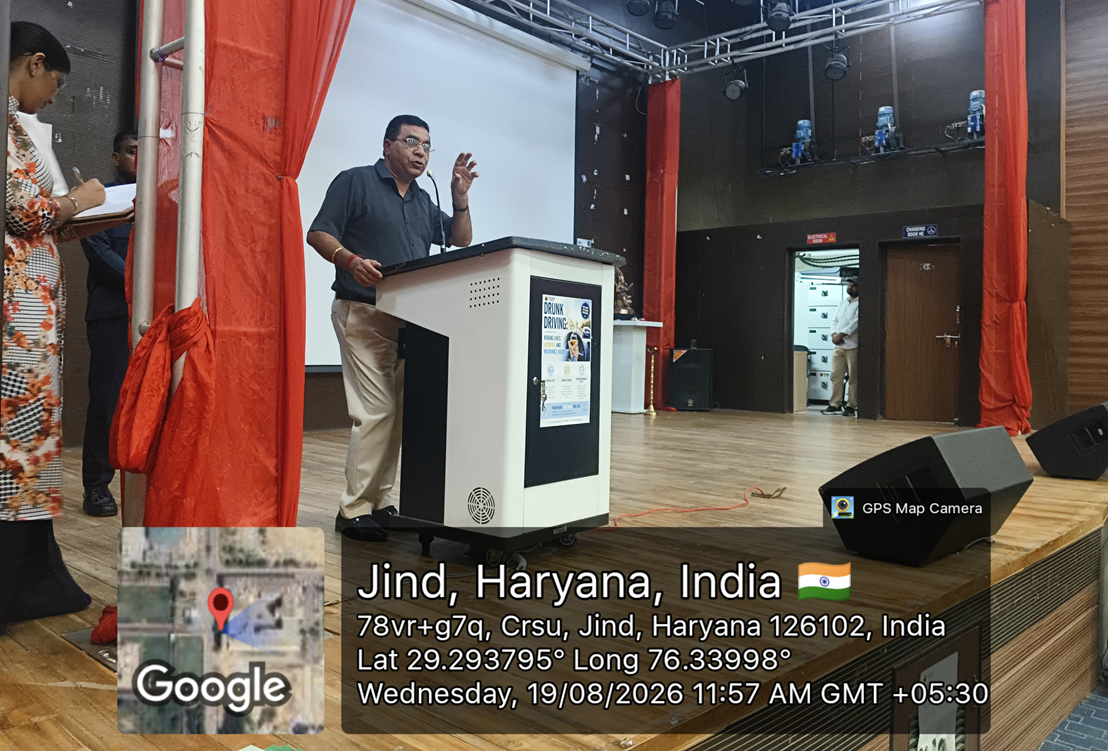
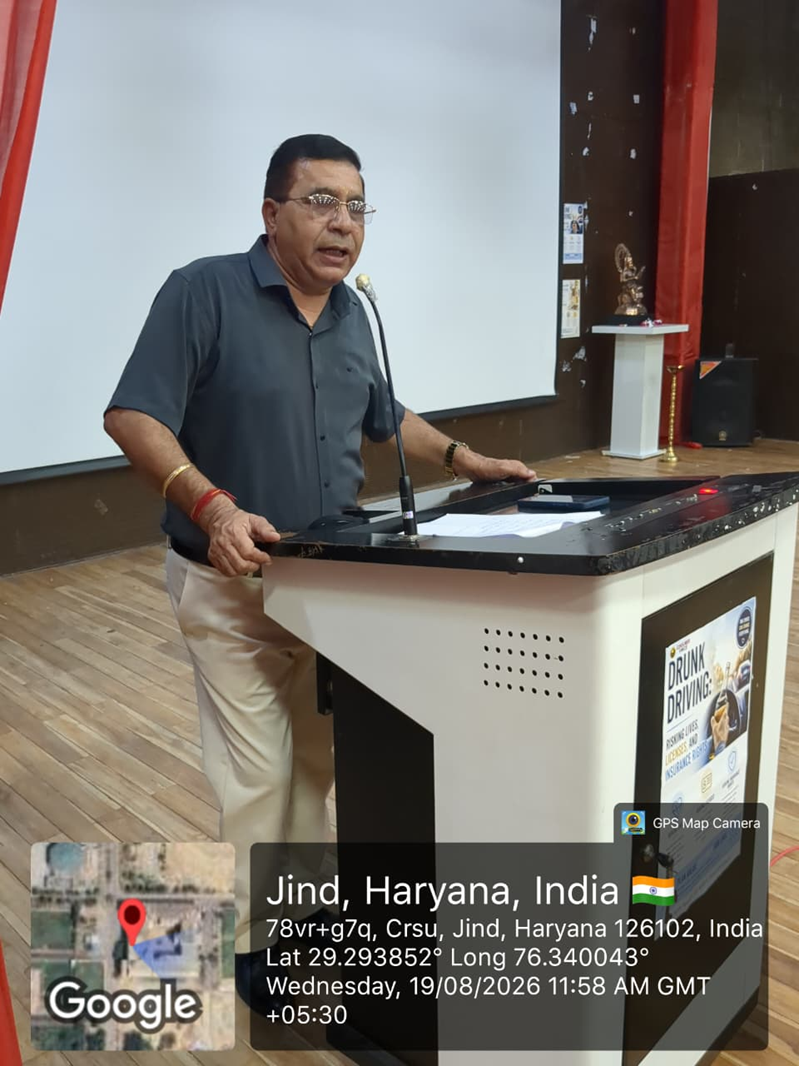
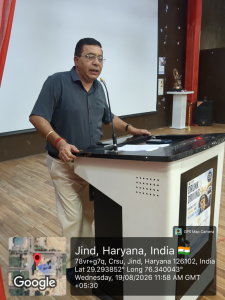
Legal expert and Advocate Abhishek Srivastava sensitised participants about the legal consequences and road-safety risks of driving under the influence of alcohol.
He explained that drunk driving is not merely an issue of personal choice but a serious public-safety concern. Driving after consuming alcohol can result in loss of vehicle control, delayed reactions, impaired judgement and a substantially increased risk of causing serious injury or death.
He further explained that individuals involved in drunk-driving incidents may face serious legal consequences in addition to financial losses, damage to their reputation and long-term personal and social consequences. He urged students to adopt a simple and practical principle: if you have consumed alcohol, do not drive.
He also encouraged students to take responsibility for their peers by preventing friends from driving after drinking and by using safe alternative transportation arrangements whenever necessary.
Growing Concern Over Alcohol Consumption
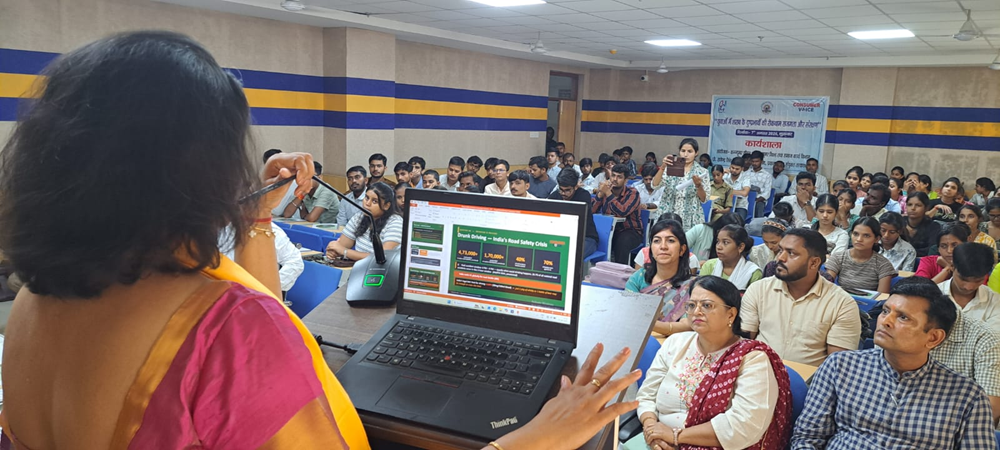
During the programme, attention was also drawn to the broader trend of alcohol consumption in India. According to the World Health Organization’s 2023 reporting, the country’s recorded alcohol consumption per capita increased from approximately 2.4 litres in 2005 to 4.9 litres in 2023. The speakers emphasised that such trends underline the importance of preventive education, public awareness and community-level interventions, particularly among young people.
The participants noted that alcohol-related harm should be addressed through a comprehensive approach involving health education, mental-health support, road-safety awareness, responsible decision-making, family support, community participation and effective implementation of applicable laws.
Role of Civil Society and Educational Institutions
The campaign highlighted the important role of civil society organisations and educational institutions in addressing alcohol-related harm. The organisers emphasised that awareness programmes should not be limited to one-time events but should become part of sustained youth engagement.
Universities can serve as important platforms for promoting healthy lifestyles, road safety and responsible citizenship. Similarly, consumer organisations and civil society groups can contribute through public awareness campaigns, educational programmes, community outreach and policy advocacy.
The campaign therefore sought to build a broader partnership among young people, universities, government agencies, civil society organisations, professionals and the community for preventing alcohol-related harm and promoting safer roads.
Participation and Conclusion
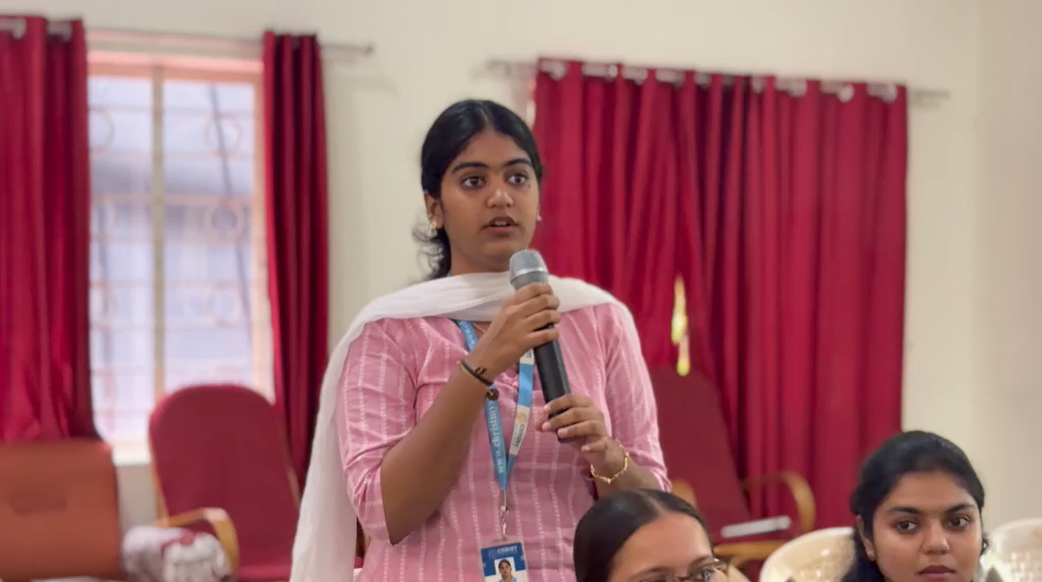
The programme was conducted by senior social worker Om Prakash Mishra, who facilitated the proceedings and encouraged meaningful participation from students and other stakeholders.
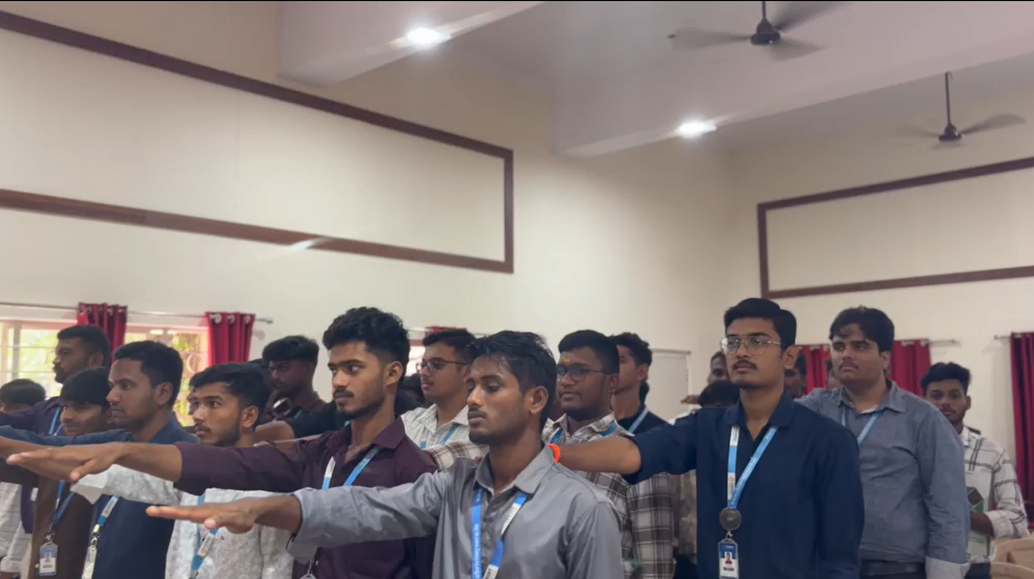
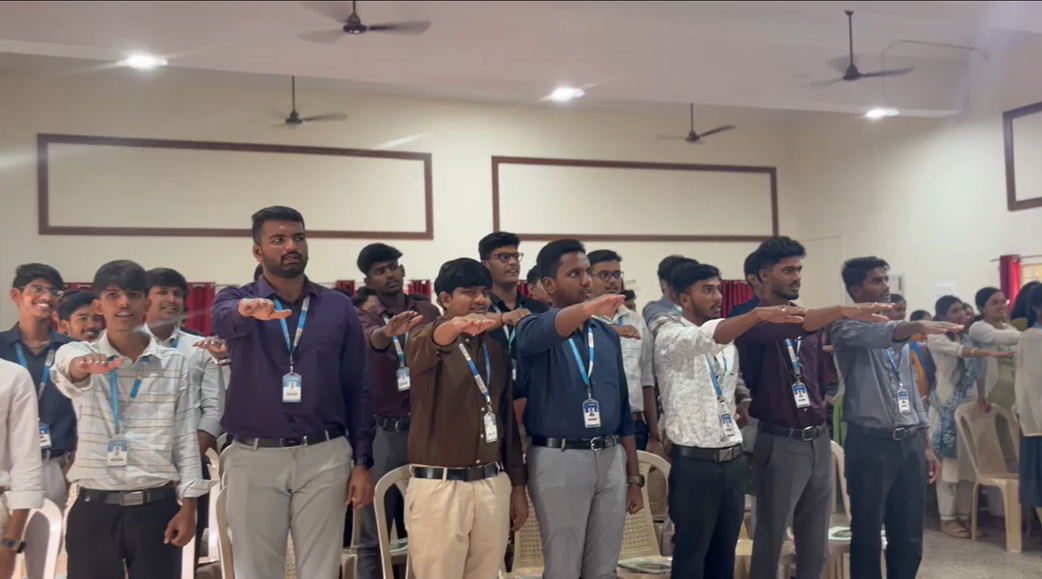
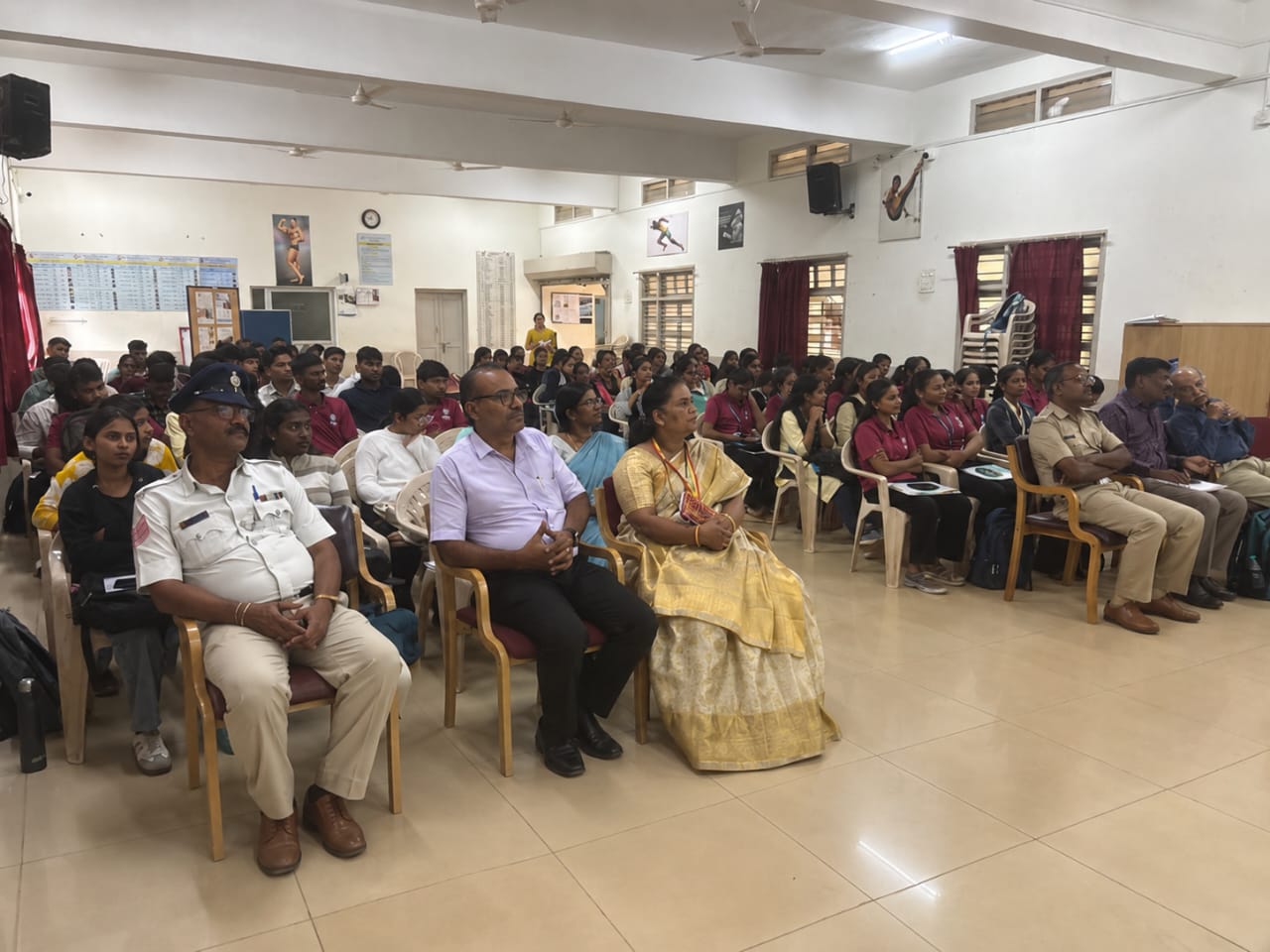
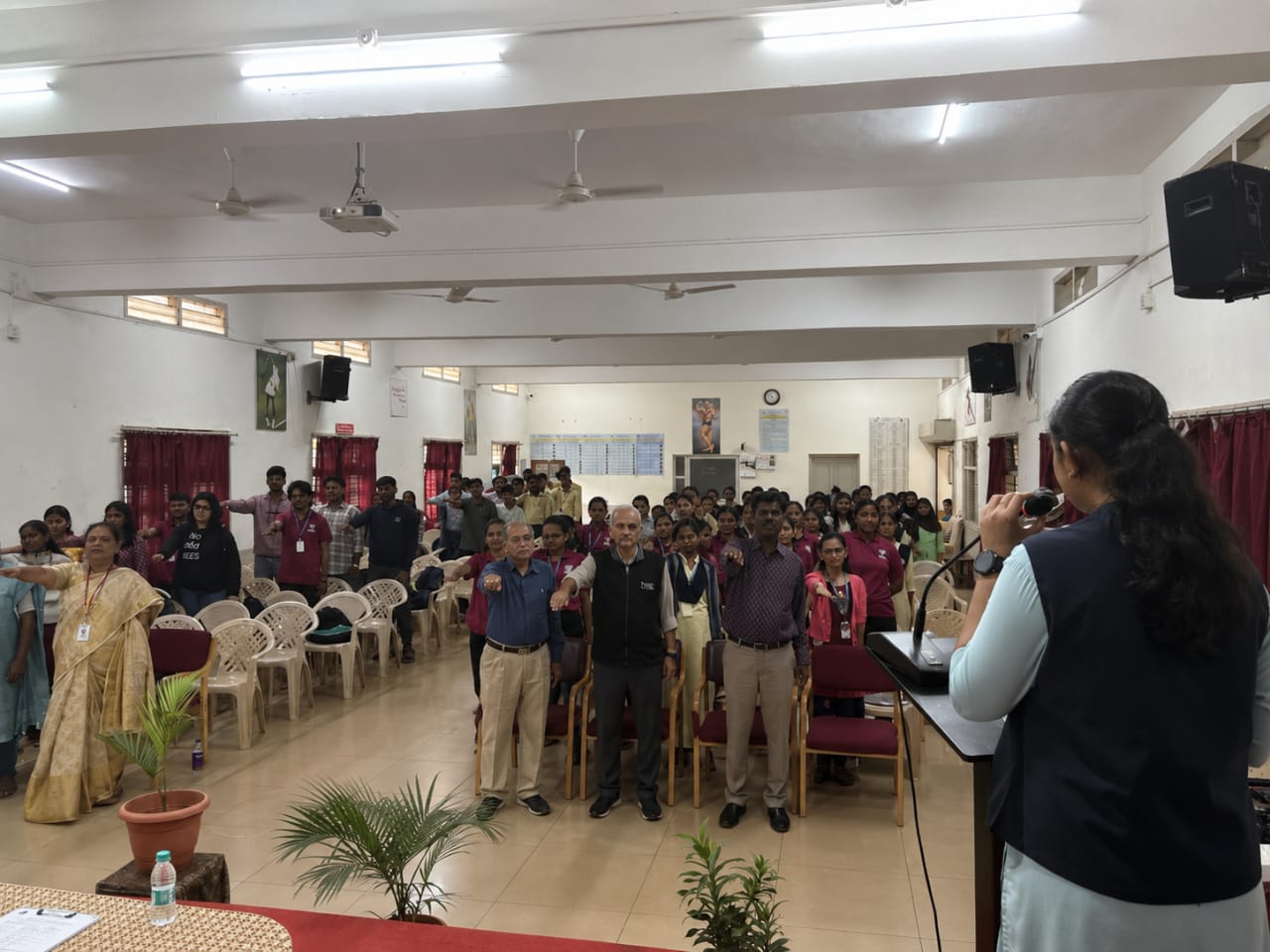
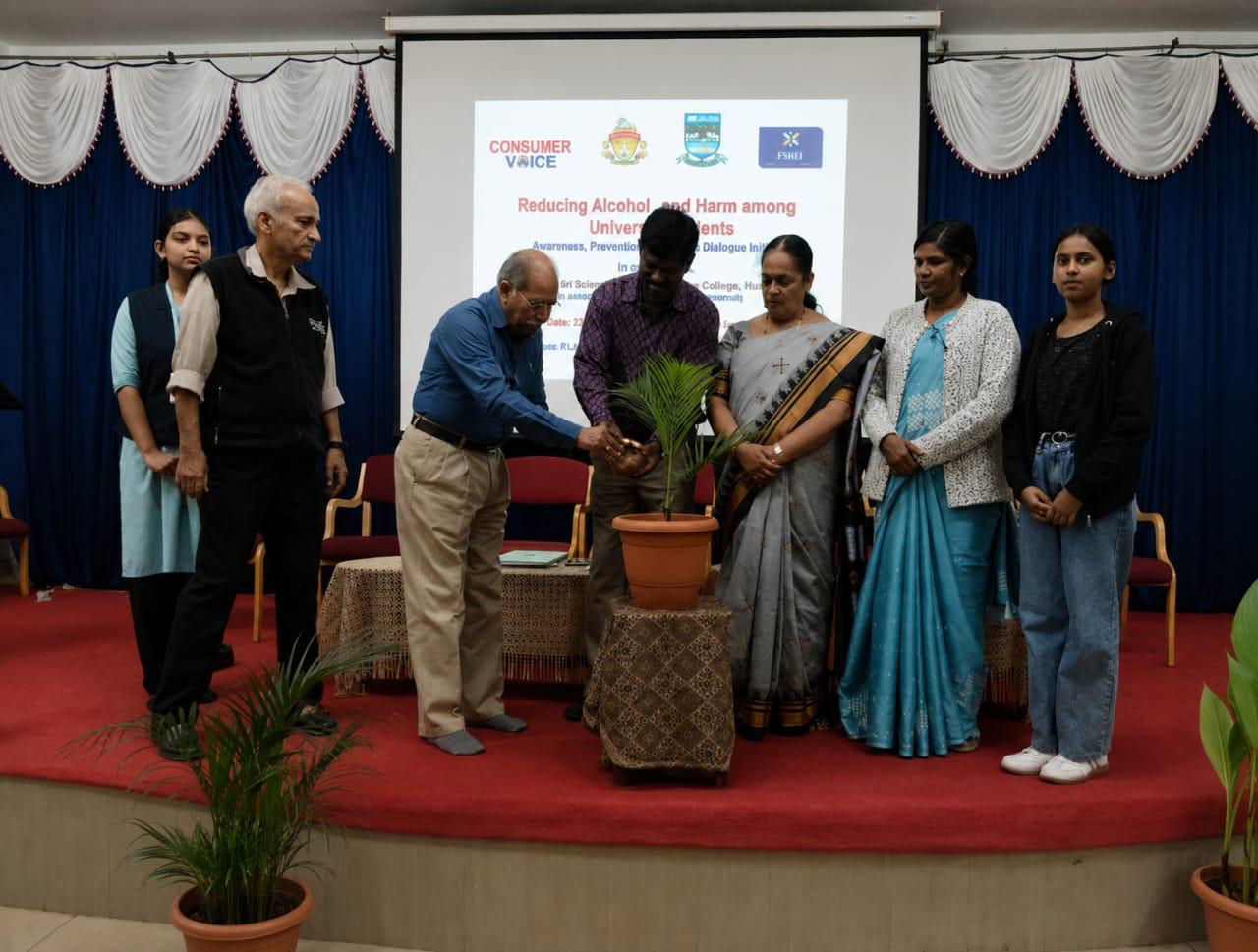
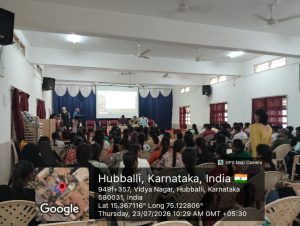
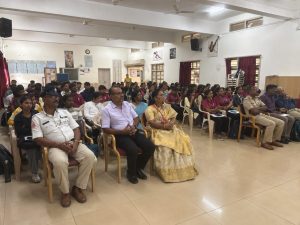
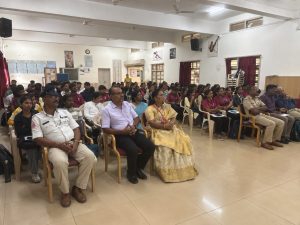
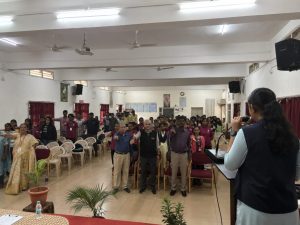
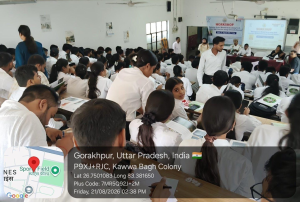
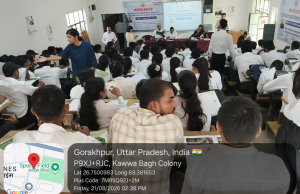
Dr. Kavita Gautam, Dr. Geetanjali Srivastava and Dr. Ashok Maurya from social work department faculty , and Gudiya Singh, Abhijeet, along with a large number of students, teachers, social workers and representatives of civil society organisations, attended the programme.
The campaign concluded with a strong call for greater youth participation in promoting healthy lifestyles, responsible decision-making, road safety and social responsibility. The organisers reiterated that preventing alcohol-related harm requires sustained awareness, collective action and active participation from educational institutions, government authorities, families, civil society and young people themselves.
The event reinforced the message that a safer society begins with informed and responsible choices, and that young people can play a leading role in building a healthier, safer and more responsible India.
IEC booklets in Hindi and English were distributed and offline pre and post survey forms were also filled.
Click for Media
Back to Main Campaign