No Results Found
The page you requested could not be found. Try refining your search, or use the navigation above to locate the post.

A Consumer Voice Report
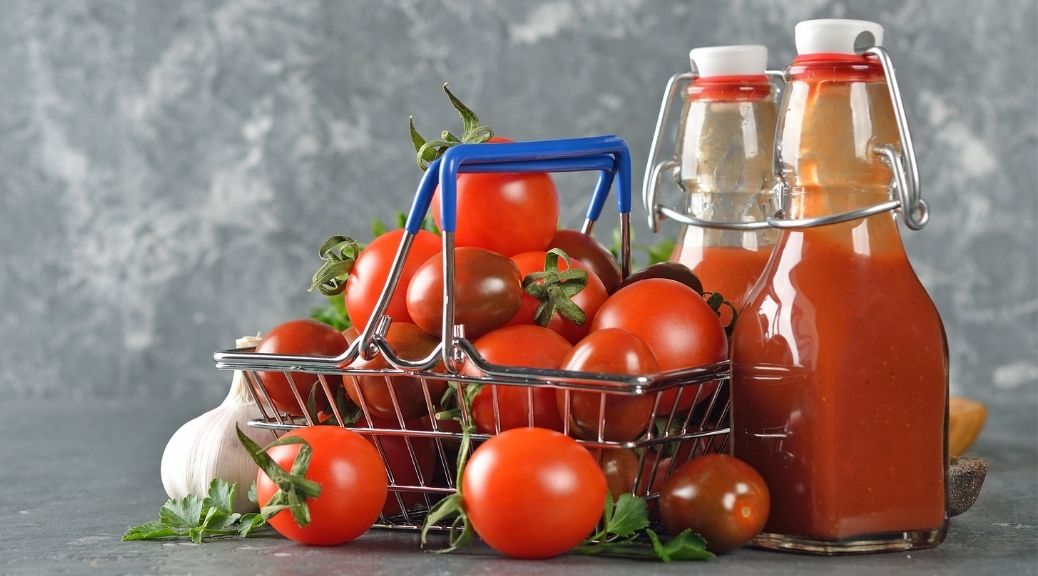
The table below reflects scores of different brands based on their overall performance.
| Rank | Rounded
off Score (out of 100) |
Brand | Quan-
tity, gms |
MRP,
Rs |
MRP
per 100 gm |
Best
Before, Months |
Manufacturer/ marketer |
| 1 | 95 | Maggi | 500 | 100 | 20 | 12 | Nestle India Ltd., |
| 2 | 92 | Kissan | 500 | 99 | 19.8 | 12 | Hindustan Unilever Ltd, |
| 2 | 92 | Veeba | 360 | 89 | 24.72 | 9 | Veeba Food Services Ltd |
| 2 | 92 | Snactac | 500 | 97 | 19.4 | 12 | Reliance Retail Ltd., |
| 3 | 91 | Delmonte | 1000 | 140 | 14 | 12 | Field Fresh Foods Pvt. Ltd., |
| 3 | 91 | Patanjali | 1000 | 130 | 13 | 12 | Patanjali Ayurved Limited, |
| 4 | 90 | Cremica | 950 | 155 | 16.31 | 12 | Cremica Food Industries
Ltd., |
| 5 | 89 | Heinz | 600 | 160 | 26.66 | 24 | Heinz India (P) Ltd. |
Tomato ketchup is fun food and taste enhancer consumed in limited quantity therefore this parameter is the most important and given the highest point of 40 per cent. Sensory panel tests were conducted in test lab involving experienced lab scientists under the guidance/supervision of technical experts. The tests were conducted as per the specifications laid down in the Indian standard including colour, consistency, taste and flavour and absence of defects.
Following parameters were tested by the panelists and given scores based on their judgements.
1.Colour
2.Consistency
3.Taste &Flavour
4.Absence of defects
Kissan performed highest in sensory panel tests followed by Maggi and Cremica.
The more the lycopene, the more is the ripened tomato content. Low levels of lycopene indicate the use of either less or unripe quantity of tomato pulp or poor quality of tomatoes. There is no specified requirement for lycopene in the BIS or Food Safety and Standards Regulations. Lycopene is a strong antioxidant and linked to health benefits. Patanjali was found with highest lycopene content followed by Snactac and Maggi.
A total soluble solid is an expression for the combined content of all inorganic and organic substances. The main ingredients of the tomato ketchup are water, tomato paste, sugar, salt and a minor quantity of vinegar, spices, preservative, etc. As per the national standards (BIS & FSS Regulations,), tomato ketchup should not have less than 25 per cent of total soluble solids. All the brands were found well above the minimum requirement of 25 per cent. Highest total soluble solid was found in Veeba and lowest in Heinz. High total soluble solid may occur mostly because of excess added sugar in tomato ketchup. The National standard body should specify maximum added sugar requirement in standard as sugar was declared 23- 39.2 per cent in the tested tomato ketchups.
There is no requirement specified in FSSAI and BIS. Salt is used in tomato ketchup as taste enhancer therefore It should be in moderate quantity. Sodium chloride is a salt used commonly to balance the taste. Salt was highest in Heinz (3.5 per cent) and lowest in Kissan (2.5 per cent).
Acidity related to the shelf life of the product. If acidity (acetic acid) is lower than the minimum limit, microbes may grow and will allow contamination of the product thereby reduce the shelf life of the product. As per the FSS regulation, it shall not be less than 1.0 per cent and as per the BIS requirement, 1.2 per cent is minimum. All the brands were within limit of standard thus passed the test.
Benzoic Acid is a preservative. The presence of preservative generally increases the shelf life of the product and prevents the deterioration of nutritional values, taste, odour and microbial contamination. However, an excess amount of preservative is not desirable. As per the standards, the product should not contain more than 750 ppm (parts per million) of permissible preservative. All the brands were found within the limit. Benzoic acid was not detected in Heinz and Veeba as claimed by them.
Toxics like arsenic and lead are a cumulative poison that enters either through the soil or during production. These accumulate in the body and cause irreversible damage to the brain, nerve cells, red blood cells and the kidneys. Ingestion of a large amount of arsenic can lead to gastrointestinal symptoms such as severe vomiting, high blood pressure and even heart attack.
The permissible limit for arsenic in tomato ketchup is a maximum 1.1 ppm, and for lead it is a maximum 2.5 ppm.
Reqt-1.1 PPM Max. All the brands were well within the limit of standard.
Reqt-2.5 PPM Max.
All the brands were found within the specified limit. Lead was detected in Snactac (0.2ppm, Cremica (0.3ppm) and Delmonte (0.3ppm).
Microbiological contamination is a very important factor in determining the quality of food products. Microbiological tests were conducted for three major microbes present in food products as TPC (total plate count), mould count and yeast & spores count. These microorganisms are responsible for many foods borne disease. Due to the improper or poor manufacturing practices microorganisms occur in the finished product. As per the national standards, the product shall comply to the following requirements:
Total Plate Count: – Not more than 10000/ml Yeast & Spores: – Not more than 125 per 1/60 c.m.m
Mould Count: – Positive in not more than 40 per cent of the field examined. All the brands passed this test.
Packing is an important part of the product for maintaining its consistent quality. Packaging should be user friendly in shape and size. Seven out of eight brands were packed in glass bottle, only brand Veeba was packed in PET bottle.
Following information should be there on the product label:
a)Name of the material
b)Name & address of the manufacture
c)Batch number
d)Date or month of manufacture
e)Net weight of the contents (in gms/kilograms)
f)List of ingredients
g)FSSAI license no
h)Green Dot Mark (Vegetarian mark)
i)MRP in Rs
j)Best Before Month & year
k)Instructions for storage and use
l)Nutritional facts/information
m)Customer care contact details
All the brands had proper labeling/marking.
The weight of the tomato ketchup was measured and compared with the declared values on their packaging. Legal metrology rule has specified different tolerances for different sizes of packs. All the brands passed in this test as they were found carrying the declared net weight.
The container shall be well filled with the product and shall occupy not less than 90.0 per cent of the net weight of the container, when packed in the rigid containers. The net weight of the container is the volume of distilled water at 20oC which the sealed container is capable of holding when completely filled. Kissan scored highest in this parameter followed by Veeba and Cremica / Patanjali.
|
Brands
Parameter |
Wt. % | Maggi | Kissan | Veeba | Snactac | Delmonte | Patanjali | Cremica | Heinz |
| TEST PARAMETERS | |||||||||
| Packing | 2 | 2 | 2 | 2 | 2 | 2 | 2 | 2 | 2 |
| Marking | 3 | 3 | 3 | 3 | 3 | 3 | 3 | 3 | 3 |
| Physicochemical tests | |||||||||
| Net weight | 3 | 3 | 3 | 3 | 3 | 3 | 3 | 3 | 3 |
| Product Fill | 3 | 2.64 | 2.99 | 2.81 | 2.70 | 2.45 | 2.76 | 2.76 | 2.49 |
| Total soluble solids | 8 | 7.18 | 6.62 | 7.44 | 7.40 | 6.98 | 7.36 | 7.08 | 5.74 |
| Acidity as acetic acid | 5 | 4.1 | 3.8 | 4.4 | 4.1 | 4.1 | 4.1 | 4.4 | 5.0 |
| Preservative as Benzoic acid | 4 | 3.47 | 2.62 | 4.0 | 3.11 | 2.71 | 2.81 | 2.78 | 4.0 |
| Lycopene | 12 | 11.52 | 9.60 | 10.56 | 11.52 | 10.56 | 12.00 | 8.40 | 9.12 |
| Salt as NaCl | 5 | 4.60 | 5.0 | 3.80 | 4.4 | 4.2 | 4.2 | 4.2 | 3.0 |
| Heavy Metals | |||||||||
| Arsenic | 3 | 3 | 3 | 3 | 3 | 3 | 3 | 3 | 3 |
| Lead | 3 | 3.0 | 3.0 | 3.0 | 2.70 | 2.55 | 3.0 | 2.55 | 3.0 |
| Sensory Tests | 40 | 38.45 | 38.63 | 36.25 | 35.81 | 37.87 | 34.6 | 38.22 | 36.54 |
| Microbiological Tests | |||||||||
| Total Plate Count | 3 | 3 | 3 | 3 | 3 | 3 | 3 | 3 | 3 |
| Mould Count | 3 | 3 | 3 | 3 | 3 | 3 | 3 | 3 | 3 |
| Yeast & Spores Count | 3 | 3 | 3 | 3 | 3 | 3 | 3 | 3 | 3 |
Tomato ketchups are a super taste enhancer for sure. However, just because tomato ketchup is a perfect match for those foods, one should not consume it a lot. Therefore, moderate consumption is advisable since ketchups contain preservatives, sugar, salt, and vinegar. Too much consumption of tomato ketchup for a long period may have some adverse effects on human health.
We have evaluated eight different tomato ketchup brands as per the relevant national standards so that the consumers buy only the best. All the brands met the minimum requirements specified in the national standards, making them safe for consumption. All the brands were found safe for consumption as heavy metal (arsenic and lead), microbiological tests (total plate count and mould count and yeast & spores) found well within specified limits of standard. Therefore, seven out of eight brands fall in very good category scoring over 90 per cent. Brand Maggi performed on top among the brands tested. Kissan performed highest in sensory panel tests.
The page you requested could not be found. Try refining your search, or use the navigation above to locate the post.

Like more fat content can be used to claim superior value for full-cream milk, health enthusiasts will vouch for the less fat in toned milk. It’s all about priorities, convictions and convenience. And convenient it certainly is, getting our regular supply of milk in neat little packs, all stacked in neat little sections at the grocer’s down the street. More and more consumers are switching to branded packaged milk due to concerns regarding adulteration (with water, vegetable oils, detergents, caustic soda, urea, starch, blotting paper, white paint, you name it). The perception that loose milk is fresh is not as entrenched any more. This report will, among other things, put to rest most of our concerns about milk adulteration and contamination, and affirm or dispute the health-related claims of leading brands of packaged toned milk. It may be noted that the food regulator of India prescribes certain microbiological requirements for plant level but not at retailer level. This is a yawning gap and since consumers buy their milk from retailers, we checked the samples for critical safety aspects. A couple of findings from our test results will establish that the important determinants of quality vary across brands.
A Consumer Voice Report
We tested nine popular brands of packaged toned milk on a range of quality, safety and acceptability parameters. These included milk fat, milk solids not fat, saturated fat, cholesterol, calcium and vitamin A. Milk is expected to be high in fat content as well as milk solids not fat (SNF), which is an indicator of the quality of milk. The brands were further subjected to adulteration tests, microbiological tests, tests for lead and arsenic, phosphatase test and sensory (organoleptic) tests. The tests were conducted at an NABL-accredited laboratory.
The samples were tested as per specification laid out by FSS Regulations, 2011, and relevant Indian Standard IS: 13688: 1999 reaffirmed in 2014 for ‘packaged pasteurized milk’ wherein the categorisation of milk has been done based on minimum quantity of milk fat and SNF present.
So, here are the test results and rankings. The table below will show you which brand secured the highest and lowest positions.
|
Rank |
Total Score out of 100 (rounded off) |
Brand |
MRP (Rs) |
Net Quantity (ml) |
Manufactured/Marketed by |
|
1 |
88 |
Ananda |
21 |
500 |
Gopaljee Dairy Foods Pvt. Ltd |
|
2 |
87 |
Kwality |
21 |
500 |
Kwality Ltd |
|
2 |
87 |
Heritage |
20 |
500 |
Heritage Foods Ltd |
|
2 |
87 |
DMS |
21 |
500 |
Delhi Milk Scheme |
|
3 |
86 |
Madhusudan |
21 |
500 |
SMC Foods Ltd |
|
3 |
86 |
Mother Dairy |
21 |
500 |
Mother Dairy Fruit & Vegetable Pvt. Ltd |
|
4 |
85 |
Namaste India |
21 |
500 |
NIF Pvt. Ltd |
|
4 |
85 |
Amul |
21 |
500 |
Gujarat Cooperative Milk Marketing Federation Ltd |
|
5 |
84 |
Paras |
21 |
500 |
VRS Foods Ltd |
Score Rating: >90: excellent*****, 71–90: very good****, 51–70: good***, 31–50: average**, up to 30: poor*
Packaged milk can be categorized according to fat and solids-not-fat (SNF) content as follows:
Full-cream milk means milk or a combination of buffalo or cow milk or a product prepared by combination of both that has been standardized to fat and solids-not-fat (SNF) percentage, by adjustment/addition of milk solids. It shall meet the minimum laid-down requirement of 6 per cent for fat and 9 per cent for SNF. Full-cream milk shall be pasteurized. It shall show a negative phosphatase test. It shall be packed in clean, sound and sanitary containers properly sealed so as to prevent contamination.
Toned milk means the product prepared by admixture of cow or buffalo milk or both with fresh skimmed milk; or by admixture of cow or buffalo milk or both that has been standardized to fat and solids-not-fat percentage by adjustment of milk solids. It shall meet the minimum laid-down requirement of 3 per cent for fat and 8.5 per cent for SNF. It shall be pasteurized and shall show a negative phosphatase test.
Fat is an essential part of any balanced diet, providing essential fatty acids, fat-soluble vitamins and a concentrated source of energy. The fat content of milk is the proportion of milk made up by butterfat. As per Indian Standard and FSS Regulations, 2011, fat content of toned milk should not be less than three per cent by mass.
Milk has mainly two parts: fat and solids not fat (SNF). Apart from fat, all other solids such as protein, lactose, vitamins and minerals together make up SNF. SNF is the most essential part of the milk. As per Indian Standard and FSS Regulations, it should not be less than 8.5 per cent by mass.
Vitamin A is essential for good health – notably for eyes and skin, immune function, reproduction and bone growth. Milk is a rich source of vitamin A. And is expected to have a higher amount of it
Milk is a well-known source of calcium and hence expected to be rich in calcium content.
Cholesterol, especially bad cholesterol, also increases the risk of nervous-system problems, brain- synapse connectivity, gall-bladder stones and perhaps even cancer. These cholesterols are inherently found in the milk fats. The intake of cholesterol should not be more than 300 mg/day.
Saturated fats are inherent fats in milk.
| Parameter | Weightage (%) | Ananda | Kwality | Heritage | DMS | Madhusudan | Mother Dairy | Namaste India | Amul | Paras |
|---|---|---|---|---|---|---|---|---|---|---|
| Milk fat | 12 | 9.12 | 8.4 | 9.12 | 10.56 | 9.12 | 9.12 | 9.12 | 8.4 | 8.4 |
| Milk solids not fat | 12 | 8.4 | 9.12 | 8.4 | 9.84 | 8.4 | 8.4 | 9.12 | 8.4 | 9.12 |
| Vitamin A | 7 | 6.42 | 7 | 4.73 | 4.11 | 4.42 | 4.62 | 3.84 | 5.43 | 4 |
| Calcium | 6 | 4.72 | 4.9 | 5.35 | 4.7 | 5.12 | 4.85 | 5.52 | 3.81 | 4.94 |
| Cholestrol | 5 | 3.72 | 3.54 | 4.22 | 3.38 | 3.81 | 3.95 | 3.18 | 4.12 | 4.46 |
| Saturated Fat | 5 | 3.4 | 3.4 | 3.4 | 2.8 | 3.4 | 3.1 | 3.4 | 3.4 | 3.4 |
Microbiological contamination is a very serious issue for milk. Microorganisms are responsible for many food-borne diseases. We conducted tests for total plate count, yeast and mould count, coliform count, E. coli, aureus, Salmonella, Shigella, Listeria monocytogenes, anaerobic spore count, and methylene blue reduction time (MBRT).
The total plate count is a measure of the biological activity in milk sample. This is a count of all bacteria that will grow in aerobic conditions. For pasteurized milk, microbiological requirements have been prescribed for aerobic plate count, coliform count and S. aureus only at manufacturing-process level; there is no requirement given at market/retailer level. Since consumers buy milk from retail shops, requirements should be specified accordingly. We conducted the microbiological tests on poly-packed milk purchased from retailers. As per FSS Regulations, total plate count should not be more than 30,000/gram at plant level.
Coliform bacteria are destroyed at a temperature of about 46 degrees C, which means pasteurisation can easily eliminate them up to a certain number. The presence of coliform bacteria in pasteurized milk indicates that there were unsanitary conditions or practices after pasteurisation and before packing in the milk plant itself.
Methylene blue reduction time is an indicative test to check the bacterial load in milk. As per Indian Standard, MBR time for milk is not less than five hours.
|
Microbiological Tests |
|
|
Brand |
Score out of 12 |
|
Madhusudan |
11.55 |
|
Heritage |
11.52 |
|
Ananda |
11.49 |
|
DMS |
11.49 |
|
Mother Dairy |
11.49 |
|
Amul |
11.46 |
|
Namaste India |
11.40 |
|
Kwality |
11.10 |
|
Paras |
8.80 |
Panel members judged the samples for these sensory attributes: colour and appearance, odour, flavour and taste. Conducted under the supervision of trained experts, these tests were based on IS: 7768- 1975. Among other things, milk should be free from suspended particles, filth and foreign matters. It should not have stale, acidic or any other abnormal odour. Milk should not have any cooked, oxidized, rancid, metallic or neutralizer flavour. It should be free from any objectionable flavour due to adulterants and other additives. Milk should be free from watery, ropy and curdy body.
|
Brand |
Score out of 10 |
|
Paras |
9.54 |
|
Heritage |
9.42 |
|
Amul |
9.33 |
|
Ananda |
9.32 |
|
Mother Dairy |
9.32 |
|
Madhusudan |
9.30 |
|
DMS |
9.06 |
|
Namaste India |
8.90 |
|
Kwality |
8.71 |
Related
The page you requested could not be found. Try refining your search, or use the navigation above to locate the post.
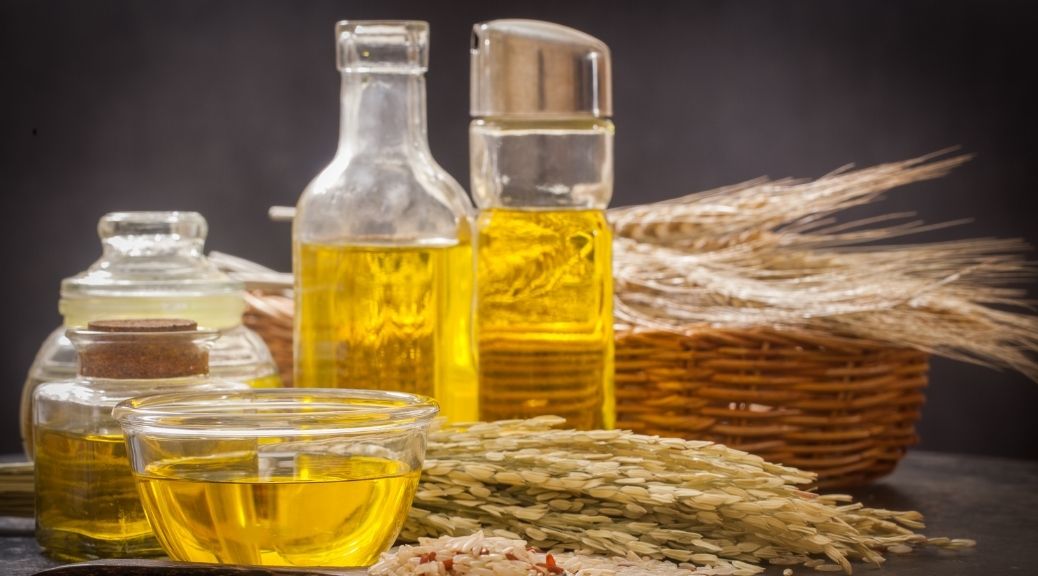
Wanting to live a healthy life is a decision to make. It’s no more a choice. Hence, the below compilation that takes you through the many nuances of choosing the best rice bran oil holds good for everyone. Here, we are going to talk about rice bran oil, a cooking oil enriched with oryzanol (a natural antioxidant). Among the many health benefits, the oil is also helpful in reducing hypertension, which is a major risk factor for cardiovascular disease, the deadliest non-communicable disease. As they say a stich in time saves nine, why not to know about the best rice bran oil that will satiate your hunger pangs and keep you fit as well. Here’ a complete guide.
A Consumer Voice Report
In this month’s comparative test study, our team has singled out seven popular brands of rice bran oils and tested the brands at an NABL accredited lab to rank the oils as per their performances. Rice bran oil is preferred primarily for its rich oryzanol, vitamin E, ideal fatty acid balance, antioxidant capacity, and cholesterol lowering abilities. Moreover, the oil is very light and the flavor is delicate. Foods cooked with rice bran oil absorb up to 15-20 percent less oil! Less oil absorbed results in reduced calories, better, lighter tasting food and enhanced flavor and palatability. Less oil absorbed also makes it more economical. In our comparative test of seven regular selling brands, each brand was evaluated based on parameters including oryzanol, saponification value, unsaponifiable matter, MUFA, PUFA, saturated fatty acid, moisture, refractive index, specific gravity, iodine value, peroxide value, flash point, argemone oil, etc. among others.
The comparative testing was done by following specified national standards FSS regulations. However, a few parameters were taken from other relevant national standard IS: 3448-2014 rice bran oil specifications. And as usual, the testing was conducted at an NABL accredited and FSSAI approved laboratory following the standard test procedures. Each brand was purchased from the retail market, masked and coded before given to the lab for testing.
So, here are the test results and rankings. The table below will show you which brand secured the highest and lowest positions.
| Rank | Score | Brand | Quantity,gm | MRP, Rs | Best Before, Months | Manufacturer/ marketer |
| 1 | 92 | Gemini | 1L (910 gm) | 215 | 9 | Cargill India Pvt Ltd |
| 2 | 90 | Good Life | 1L (910 gm) | 185 | 9 | Reliance Retail Limited |
| 2 | 90 | Freedom | 1L (910 gm) | 185 | 9 |
Gemini Edible & Fats India Pvt. Ltd. |
| 3 | 87 | Patanjali | 1L (910 gm) | 175 | 9 | Patanjali Ayurved Limited |
| 4 | 86 | Emami | 1L (910 gm) | 180 | 8 | Emami Agrotech Limited |
| 4 | 86 | Fortune | 1L (910 gm) | 205 | 12 | Adani Wilmar Ltd. |
| 5 | 84 | Ricela | 1L (910 gm) | 215 | 9 | A.P. Organics Ltd. |
|
Brand Parameters |
Wt. % |
Gemini |
Good Life |
Freedom |
Patanjali |
Emami |
Fortune |
Ricela |
|
Moisture |
5 |
4.1 |
3.5 |
5.0 |
4.4 |
5.0 |
3.5 |
3.5 |
|
Refractive index |
5 |
4.50 |
4.2 |
4.35 |
4.20 |
4.55 |
4.2 |
4.20 |
|
Specific Gravity |
5 |
3.60 |
3.02 |
3.96 |
2.56 |
3.04 |
2.98 |
2.50 |
|
Iodine value |
7 |
6.12 |
5.52 |
6.16 |
5.55 |
4.81 |
4.92 |
5.61 |
|
Peroxide value |
5 |
4.50 |
4.65 |
4.75 |
4.85 |
5.00 |
5.00 |
4.85 |
|
Saponification value |
7 |
6.32 |
6.75 |
6.62 |
6.76 |
5.10 |
5.40 |
5.94 |
|
Unsaponifiable matter |
7 |
6.44 |
7.00 |
6.16 |
5.32 |
5.60 |
5.04 |
4.76 |
|
Flash Point |
3 |
3.00 |
2.70 |
2.76 |
2.82 |
2.70 |
2.82 |
2.88 |
|
Acid value |
4 |
4.00 |
3.72 |
3.44 |
3.72 |
3.72 |
3.72 |
3.72 |
|
Argemone oil |
2 |
2 |
2 |
2 |
2 |
2 |
2 |
2 |
|
Oryzanol |
12 |
11.28 |
12.00 |
9.36 |
10.32 |
9.84 |
10.80 |
9.12 |
|
MUFA |
5 |
4.10 |
4.18 |
4.99 |
4.12 |
4.17 |
4.12 |
4.13 |
|
PUFA |
5 |
4.95 |
4.32 |
3.11 |
4.25 |
4.26 |
4.60 |
4.40 |
|
Saturated Fatty Acid |
4 |
2.83 |
2.53 |
3.53 |
2.32 |
2.45 |
2.60 |
2.48 |
|
Trans Fatty Acid |
2 |
2 |
2 |
2 |
2 |
2 |
2 |
2 |
|
Heavy Metal (Pb,As,Cd,Hg) |
8 |
8 |
8 |
8 |
8 |
8 |
8 |
8 |
|
Aflatoxin total |
4 |
4 |
4 |
4 |
4 |
4 |
4 |
4 |
|
Organoleptic tests |
3 |
3 |
3 |
3 |
3 |
3 |
3 |
3 |
Oryzanol is a natural antioxidant and is known to reduce the absorption and deposition of LDL and VLDL (bad) serum cholesterol. Oryzanol may help in reducing hypertension. It may also improve bone-mineral density and liver function and gives relief from gastrointestinal distress. It shall not be less than one percent.
Oryzanol has been found well above the minimum requirement in all tested brands. Good Life had the highest percentage of oryzanol followed by Gemini and Fortune.
Unsaponifiable matter includes substances those are frequently found dissolved in fatty acids and drying oils. Unsaponifiable matter should not be more than 3.5 per cent for chemically refined oil and 4.5 per cent for physically refined oil. All the brands have been found within the specified limit. Good Life scored highest in this parameter followed by Gemini and Freedom.
The saponification value helps to detect the presence of other oils/fats. Saponification value of rice bran oil should be between 180 and 195. All the brands have been found within the specified limit. Patanjali scored highest in this parameter followed by Good Life and Freedom.
The iodine value is a measure of unsaturated fats. It is a quality parameter for edible oil. Iodine value of rice bran oil shall be between 90-105. All the brands have been found within the specified limit. Freedom scored highest in this parameter followed by Gemini and Ricela.
MUFAs are a healthy type of fat. MUFA and PUFA as per the dietary recommendation helps in biochemical processes associated with nerves, brains, heart, digestion, and cell maintenance. Sunflower oil contains as much as 85 per cent MUFA. MUFAs lower the level of bad cholesterol (LDL) in the blood and raise the good cholesterol (HDL). MUFA was highest in Freedom and lowest in Gemini.
Polyunsaturated fats can help reduce bad cholesterol levels in your blood which can lower your risk of heart disease and stroke. Sources of PUFA include walnuts, sunflower seeds, sesame seeds, peanut butter and peanuts, flaxseed, poppy seed and oil of avocado, olive and safflower. PUFA has been found highest in Gemini and lowest in Freedom.
Detection of peroxide gives the initial evidence of rancidity in unsaturated fats and oils. Concentration of peroxide in an oil or fat is useful for assessing the extent to which spoilage has advanced. As per the FSS Regulation it shall be up to 10 Meg/kg. All the brands have been found within the specified limit.
Specific gravity is the ratio of the density of a material to the density of water. Specific gravity of edible oils should be less than 1.00 as they are immiscible liquids, which means they are insoluble in water. As per the Indian Standard, specific gravity of rice bran oil shall be in the range of 0.910–0.920.
Moisture is the amount of water present in edible oils. The amount of water should be lower than 0.10 per cent by weight which is standard permissible limit. All the brands have been found within the specified limit. Freedom and Emami scored highest in this parameter.
Refractive index of oil is used to detect rancidity in edible oil. It shall be between 1.4600-1.4700 for rice bran oils. All the brands have been found within the specified limit. Emami and Gemini scored highest in this parameter.
At the flash point, the vapour may cease to burn when the source of ignition is removed. It should not be less than 250 degrees celsius in case of rice bran oil. The higher the flash point of rice bran oil, the lower is the risk of ignition in the oil. Flash point of all the brands was above 250 degree C thus meeting the requirement of standard. Gemini scored highest in this parameter.
It is a relative measure of rancidity as free fatty acids are normally formed during decomposition of oil. It shall be not more than 0.5. All the brands have been found within the specified limit. Gemini scored highest in this parameter.
The oil shall be free from argemone oil. Consumption of this oil can lead to health hazards. Argemone oil was not detected in any brand.
Edible oils are generally low in trace element concentrations, however, metals such as arsenic (As), lead (Pb), cadmium (Cd) and mercury total can be found and are known for their toxicities which affect the health of consumers. All the brands passed these tests.
The total aflatoxin shall be maximum 15 µg/kg.
The crops can be contaminated by aflatoxins mainly due to the insufficiency of cultivation or storage techniques. The possible presence of aflatoxins in edible oil is inevitable which can cause some health problems for consumers. All the brands have been found within the specified limit.
The proportion of different types of fatty acids varies from one type of oil to another. An average person should limit the saturated-fat intake. Eating a lot of saturated fat increases the level of bad cholesterol (low density lipoproteins, or LDL) in the blood. And it is generally acknowledged that high levels of LDL place one at greater risk of heart disease. Saturated and trans fats are unhealthy ‘bad’ fats that can increase one’s cholesterol, harden the arteries and eventually increase one’s risk for heart disease. Approximately 20 per cent to 35 per cent of one’s total calories should come from ‘good’ fats, like PUFAs and MUFAs.
Eating foods that contain saturated fats raises the level of cholesterol in your blood. Saturated fats raise HDL cholesterol and change LDL from small, dense (bad) to large LDL, which is mostly benign. Saturated fat has been found highest in Patanjali and lowest in Freedom.
Rice bran oil is known for trans fat free oil. Trans fat was not detected in any brand.
All brands have golden yellow colour, acceptable taste and flavor.
Rice bran oil shall be packed in suitable well closed tin or plastic containers of food grade. The packing material should not affect the properties of the oil and at the same time maintains the shelf life of the product. All the brands of rice bran oils except Patanjali were packed in poly pack of 1 liter capacity. Patanjali had plastic bottle packing.
The containers shall be marked with the following information:
All the brands were marked with above information.
Net weight should be as declared on packaging. However as per legal metrology (Packaged commodity) rule, tolerance allowed is 1.5 per cent. All the brands have been found above or within tolerance 1000 ml.
The seven tested rice bran oil brands are safe in terms of toxic metal and aflatoxin. They have been found free from argemone oil and adulteration of other oils. Oryzanol was found well above the specified limit which is a natural antioxidant and is known to reduce the absorption and deposition of low-density lipoprotein (LDL). In a nutshell, rice bran oil is considered to be heart- friendly oil that might help in lowering cholesterol because it contains the right amount of oryzanol. All the brands passed the national standard requirement. In overall brand Gemini performed on top followed by Good Life and Freedom.
All brands have mentioned its shelf life between 8-12 months. Consumers must keep this in mind while buying (particularly large Pack above 5 Liter capacities), must ensure that its shelf life is adequate that it would remain stable within the consumption period.
|
Better to Know a. Shelf life All the tested brands had a shelf life of 8-12 months. Consumers buying above 5-liter capacities must ensure that the product shelf life is adequate for the consumption period. b. Good and bad fats in edible oils |
|||
| Monounsaturated | Polyunsaturated | Saturated | Trans |
| Good fat | Good fat | Bad fat | Bad Fat |
| Reduces bad cholesterol (LDL) levels and increases good cholesterol (HDL) levels | Reduces bad cholesterol (LDL) levels | Increases overall cholesterol levels, especially bad cholesterol | Inc reases the bad cholesterol (LDL) level and decreases good cholesterol (HDL) levels |
| Found in nuts and seeds, avocados, olive oil, and canola oil |
Found in fatty fish such as salmon, mackerel, trout and sardines, and also in corn, safflower, sunflower and soybean oils |
Found in animal-based foods such as meat, poultry and eggs, and also in butter, cream and other dairy products Also found in plant-based products such as coconut, coconut oil, palm oil, and palm kernel oil, and cocoa butter |
Found in hydrogenated oil products such as vanaspati, margarine and vegetable shortenings used in packaged snack foods such as cookies, crackers, and chips, and fried foods. |
Related
The page you requested could not be found. Try refining your search, or use the navigation above to locate the post.

In a family where members have varying tastes, it becomes absolutely important to first decide what kind of coffee will be made on a daily basis. Are you looking for something basic to start with or are you keen on getting an espresso and cappuccino maker? Or are you considering investing in a superior, more advanced machine loaded with a variety of features? Just read the report that follows.
For many people, there’s no better way to start the day than with a great cup of coffee. But today’s coffee makers do far more. Some grind beans, others froth milk for lattes and macchiatos, and a few even brew iced coffee. You start out by thinking it’s only about an appliance that will give you your daily cuppa and so there can’t be anything much to ponder about. Then, when you do some basic research, you realize there is a whole world of features out there and not only that, there are all these coffeemakers with different features and different features in different combinations. So, what should be your pick?
If one cup is enough to jumpstart your day, choose a one- or two-cup drip model or a single- serve machine. Need more? Choose a larger automatic drip or one of the specialty machines.
Most large models brew 10 to 12 cups.If you space your coffee drinking throughout the day, consider a model with an insulated mug or carafe. These keep coffee hot and fresh-tasting for hours.
For some people, filling the coffee machine and turning it on is too much to handle in the morning. If you are one of them, consider a unit with an automatic ‘on’ switch. For the forgetful who rush out of the house in the morning, an automatically timed ‘off’ feature is also important.
Through all this, remember that the basic mechanism of all automatic-drip coffeemakers remains the same across brands. How they differ is in terms of the design, the compact structure, the glass carafe, the shape of the funnel, the time taken to brew, the water- filtration process, the flavour of the final brew, etc. All these factors together contribute to making one coffee machine different from, or better than, another one. Some also have added features such as timers for automatic start and inbuilt coffee-grinding mechanisms, but these are hard to find as compared to the basic ones.
For our survey, we shortlisted regular-selling models of drip and espresso coffee makers
|
Brand |
Model |
Ca- pacity |
Features |
Power Consu mption, watts |
Price, Rs. |
War- rantee, years |
|
Drip Type |
||||||
|
Tefal |
Appre- cia |
600 ml |
Easy to clean glass carafe for serving and storing Water level window to indicate Compact and ultra-convenient |
600 |
2690 |
|
|
Preethi |
Cafe Zest C |
500 ml |
Water level indicator,Anti drip system, Heat sensitive, Thermal Fuse |
450 |
2349 |
1 |
|
Won- derchef |
Regalia |
700ml |
Does not allow the coffee to flow out once the carafe is removed |
550 |
2399 |
2 |
|
Black & Decker |
DCM25- IN |
1 cup |
Covered reservoir, Removable drip tray, Indicator light, Ceramic cup, Permanent filter |
330 |
1050 |
2 |
|
Insta- Cuppa |
800 ml |
|
Complete Pour Over Coffee Dripper |
|
2499 |
|
|
Espresso Type |
||||||
|
Singar |
Xpress Brew |
4 cup |
Stainless Steel Filter & Metal Funnel Au to m a ti c P r e s s u r e R e l e a s e Protection with Frothing Function Glass Carafe & Removable Drip Tray |
800W |
2999 |
2 |
|
Morphy Richards |
Fresco |
4 cup |
Overheat protectionRemovable drip tray for easy cleaning, Glass carafe |
800W |
4835 |
2 |
|
DE- LONG- HI |
ECP 31.21 |
1.1 liter |
Can make- espresso, cappucino& dispense hot water Advanced in-built cappuccino system |
1100 |
18950 |
|
|
Russell Hobbs |
RCM1 |
0.125L |
Pull out filter holder, Permanent filter |
330W |
1,125.00 |
2 |
|
Morphy Richards |
New Europa |
4 cups |
Removable drip tray for easy cleaning, Steam control knob |
800 |
4299 |
2 |
|
Black & Decker |
BXC- M0401IN |
4 cup |
Steam knob for coffee and frothing High temperature carafe with water level indicator Detachable drip tray for easy cleaning |
870 |
4070 |
2 |
|
DeLong- hi |
EC 685 |
1 litre |
Can make- espresso, cappucino Advanced in-built cappuccino system Professional aluminium filter holder for ground coffee |
1350 |
23100 |
|
Note: Prices may vary; check on amazon.in or flitkart.com for latest price
Drip/Filter coffee: Also called drip coffee, it is prepared by using finely ground coffee placed on paper through which steaming hot water is passed and the final brew is obtained in the decoction.
Espresso: The coffee ground is very fine, over which pressurised hot water is passed. The coffee obtained is filled inside the cups placed beneath the outlet. The coffee also has a layer of fine and creamy foam.
An average 148 ml cup of ground coffee contains 85 mg of caffeine (that’s 57 mg of caffeine per 100 ml). Up to 400 milligrams (mg) of caffeine a day appears to be safe for most healthy adults. That’s roughly the amount of caffeine in four cups of brewed coffee.
Buy whole beans in small batches. Coffee beans lose flavor over time. Keeping the beans whole and storing them at room temperature in an airtight container. Grinding them just prior to use with a burr grinder will ensure that the coffee is ground evenly, resulting in coffee that is flavorful and balanced.
Related
The page you requested could not be found. Try refining your search, or use the navigation above to locate the post.


A food system is defined as a system that embraces all the elements (environment, people, inputs, processes, infrastructure, institutions, markets and trade) and activities that relate to the production, processing, distribution and marketing, preparation and consumption of food and the outputs of these activities
UN Secretary-General António Guterres will convene a UN Food Systems Summit to be held during the UN General Assembly in New York on September 23 as part of the Decade of Action to achieve the Sustainable Development Goals (SDGs) by 2030. The Summit will launch bold new actions to deliver progress on all 17 SDGs, each of which relies to some degree on healthier, more sustainable and equitable food systems. The Summit process aims to deliver the following outcomes:
All of us are consumers of goods and services. The Consumer Protection Act, 2019 is an Act to provide for protection of the interests of consumers and for the said purpose, to establish authorities for timely and effective administration and settlement of consumers’ disputes and for matters connected therewith or incidental thereto. The Consumer Protection Bill, 2019 was introduced in Lok Sabha by the then Minister of Consumer Affairs, Food and Public Distribution, late Shri Ram Vilas Paswan on July 8, 2019. The Bill replaces the Consumer Protection Act, 1986.
A consumer is defined as a person who buys any good or avails a service for a consideration. It does not include a person who obtains a good for resale or a good or service for commercial purpose. It covers transactions through all modes including offline, and online through electronic means, teleshopping, multi-level marketing or direct selling. These rules may be called the Consumer Protection (Central Consumer Protection Council) Rules, 2020. They came into force on the 20th day of July,2020.
consumer rights have been defined in the Bill, including the right to: (i) be protected against marketing of goods and services which are hazardous to life and property; (ii) be informed of the quality, quantity, potency, purity, standard and price of goods or services; (iii) be assured of access to a variety of goods or services at competitive prices; and (iv) seek redressal against unfair or restrictive trade practices.
The central government will set up a Central Consumer Protection Authority (CCPA) to promote, protect and enforce the rights of consumers. It will regulate matters related to violation of consumer rights, unfair trade practices, and misleading advertisements. The CCPA will have an investigation wing, headed by a Director-General, which may conduct inquiry or investigation in to such violations.
CCPA will carry out the following functions, including: (i) inquiring into violations of consumer rights, investigating and launching prosecution at the appropriate forum; (ii) passing orders to recall goods or withdraw services that are hazardous, reimbursement of the price paid, and discontinuation of the unfair trade practices, as defined in the Bill; (iii) issuing directions to the concerned trader/ manufacturer/ endorser/ advertiser/ publisher to either discontinue a false or misleading advertisement, or modify it; (iv) imposing penalties, and; (v) issuing safety notices to consumers against unsafe goods and services.
Consumer Disputes Redressal Commissions (CDRCs) will be set up at the district, state, and national levels. A consumer can file a complaint with CDRCs in relation to: (i) unfair or restrictive trade practices; (ii) defective goods or services; (iii) overcharging or deceptive charging; and (iv) the offering of goods or services for sale which may be hazardous to life and safety. Complaints against an unfair contract can be filed with only the State and National Appeals from a District CDRC will be heard by the State CDRC. Appeals from the State CDRC will be heard by the National CDRC. Final appeal will lie before the Supreme Court.
The District CDRC will entertain complaints where value of goods and services does not exceed Rs one crore. The State CDRC will entertain complaints when the value is more than Rs one crore but does not exceed Rs 10 crore. Complaints with value of goods and services over Rs 10 crore will be entertained by the National CDRC.
This is also a provision introduced which has a great ramification over product quality which the consumer doesn’t have to prove extensively. The onus lies upon the seller / brand. Product liability means the liability of a product manufacturer, service provider or seller to compensate a consumer for any harm or injury caused by a defective good or deficient service. To claim compensation, a consumer has to prove any one of the conditions for defect or deficiency, as given in the Bill.
Misleading and false advertisements is one of the many aspects that were introduced by the 2019 Act. The repealed Act did not deal with the concept of misleading and false advertisements. Misleading advertisement is defined under Section 2(28) of the Act and includes any advertisement, which gives false description of a product or service, gives false guarantee misleading the consumers, conveys express representation constituting unfair trade practice and deliberately not revealing essential information about the product.
Alternate Dispute Resolution: If it appears to the Consumer Dispute Redressal Forum that the consumer dispute can be settled by way of mediation, it may refer the parties to mediation with their consent. For the purpose of mediation, the State Government shall establish a consumer mediation cell for each District Commission and State Commission. The Central Government shall establish a consumer mediation cell attached to the National Commission The consumer mediation cell will be responsible for maintaining a list of empanelled mediators, cases handled by the cell, record of proceeding and other information by specified regulations. The cell also has to submit a quarterly report to the commission it is attached to.
E-Complaints : Section 17 of the Act provides that a complaint regarding unfair trade practice, violation of consumer rights or misleading and false advertisements can be filed in electronic mode also to the District Collector, the Regional Office Commissioner or the Central Authority.
In spite of certain lacunas in the Act, the Consumer Protection Act, 2019 is a positive step towards development and reformation of consumer laws in the country. With the new act based on the foundation of fair trade practices, the consumers are no more asked to beware. Today, a consumer is treated like a King. Hence, it becomes important for the owners of consumer driven businesses, like e-commerce or retail to be mindful of the changes in the legal landscape and have robust policies that deal with consumer redressal in place. Consumer driven businesses need to be cautious before opting for unfair trade practices.
Related
The page you requested could not be found. Try refining your search, or use the navigation above to locate the post.