No Results Found
The page you requested could not be found. Try refining your search, or use the navigation above to locate the post.


Stress is a natural reaction to the events we experience daily. It could be triggered by daily events such as running late for a meeting, being stuck in traffic, working on a deadline, prolonged screen hours, meeting everyday responsibilities or could be caused due to transitioning life events like preparing for an examination, getting diagnosed with a disease, war, loss of a loved or moving to a new place for better career opportunities. Short-term stress can be beneficial as it helps you cope with serious situations, and meeting goals but long-term stress also known as chronic stress can have several negative impacts on your health. In this article, we have tried to summarise how chronic stress can harm your health, and how it can be managed.
Richa Pande
Let’s begin by understanding what happens to your body when you experience stress. In situations of stress, your body responds to it by releasing hormones that helps you to cope up with the situation that’s causing the stress. This reaction to stress is also known as “fight-or-flight” response. In our hunter-gatherer ancestors, it acted a survival mechanism that enabled our ancestors to react quickly to life-threatening situations which involved a series of hormonal changes and physiological responses that enabled a person to cope up with the situations. Today, our body react to some triggers in similar manner, but they are not life-threatening. This includes work pressure, personal problems, taking up an exam, etc. If the stress levels stay elevated for longer, then it can take a toll on your health. Chronic stress can cause a variety of symptoms and affect your overall well-being.
Have you noticed changes in your body during a stressful situation, say, when you are delivering a speech in public. Your heartbeat increases, you start breathing heavily, you might start sweating. This is because during the stressful situations, our body releases stress hormones in the blood stream which causes these changes. If someone experiences continuous stress every day, these hormones are released in their bloodstream for a longer duration, and they can experience health concerns such as fatigue, sleeplessness, weight gain, increased blood sugar levels, increased blood pressure, irritable mood, irregular menstruation, poor sleep, or even in extreme cases anxiety and depression.
Stress can also be bad for your heart health as stress can cause irregular heart rate and rhythm, increased blood pressure, chronic intrinsic inflammation, and reduced blood flow to the heart. These hormonal surges can damage blood vessels and arteries, increasing blood pressure and raising risk of heart attacks or strokes. Prolonged stress can have negative impact on your digestive health as well. It can cause acid reflux, diarrhoea, constipation, stomach aches, heartburn, and can also increase your risk for having ulcers. Stress can also contribute to the build-up of adipose tissue and weight gain by increasing appetite and increasing storage of unused nutrients such as fat. Release of these stress hormones can weaken your immune system and reduce body’s response to infections. Individuals experiencing chronic stress are more susceptible to infections and prolong recovery from an illness or injury. Individuals with chronic stress can also experience behaviours such as overeating, alcohol or drug abuse, and social withdrawal. Stress can also lead to irregular, heavier, or more painful periods in women and can worsen the symptoms of menopause in women.
Minimize screen time
Several studies have linked excessive increased screen with increased levels of stress. Increased screen time can also negatively affect sleep, which may also lead to increased stress levels. Try to limit your screen time and take breaks in between if your need to work on screen for long hours.
Indulge in self-care
Understand that you can’t control all the stress triggers, but you can train yourself to respond towards them. Practice relaxation techniques including deep abdominal breathing, visualizing tranquil scenery, chanting, relaxation baths, massages, spas, and yoga to help you cope up with stress. It has also been found that taking up many responsibilities may leave you feeling overwhelmed, increasing your stress levels. Another way to manage stress is to focus on your priorities and avoid procrastinating as it may hamper your productivity and leave you stressed, negatively impacting your health and sleep quality.
Start being physically active
Physical activity has been found to have a calming effect on individuals experiencing stress. Practicing stretches or taking walks between work hours have been found to be effective against stress.
Nutrition supplements
Micronutrients can play an important role in determining body’s stress response and elevating your mood levels. Some dietary supplements may help reduce stress levels and improve your mood. For example, magnesium plays an important role in determining body’s stress response. Taking magnesium supplements have been found to improve stress levels. Coupled with vitamin B6 supplements, magnesium supplementation works in a better manner. Make sure your consult a healthcare professional to take recommended dosage of these supplements.
Maintain a healthy sleep pattern
Your stress levels are closely interlinked with your sleep pattern. Individuals who sleep for less than eight hours have been reported to have more stress levels than those who sleep at least eight hours every night. Limit your screen time as increased screen timings are linked with disturbed sleep patterns. It’s also important that you keep a check on the caffeine intake. Caffeine is found in coffee, some chocolates, some soft drinks, and energy drinks. Consuming too much caffeine may worsen and increase feelings of anxiety and harm your sleep pattern. People have different thresholds for caffeine. It’s recommended to keep caffeine intake under 400 mg per day.
Spend time with your loved ones
Spend time with your friends and family. Plan recreational activities with them. It has been also found that people who enjoy close relationships with family and friends can successfully manage their stress levels.
Eat a healthy diet
Ensure that you have a well-balanced diet that has all essential macronutrients and micronutrients. Have foods rich in protein, omega-3 fatty acids, vitamin b complex, and magnesium. Also, include probiotics food in diet and avoid sugary foods.

Infrastructure is said to be the tangible aspects such as roads, railways, transportation, and electricity and so on which are indispensible to the day to day functioning of an economy. The state of the infrastructure is instrumental in determining whether the economy is a developed or developing economy.
Subas Tiwari
Mutual Funds that invest in infrastructure sector or its ancillary companies that own manufacture and operate infrastructure assets or infrastructure projects are known as Infrastructure funds. The companies invested in these sectors could be directly linked to infrastructure such a construction or production of capital goods or indirectly benefit from sectors like banking and metal. Currently these funds are heavily tilted in their investments towards sectors like, Auto & Auto ancillaries, Banking and Financial Services, fast moving Consumer goods, Telecom, Constructions and Projects and Petroleum and Gas.
(Make hay when the sun shines)
(Do not put all your eggs in a single basket)
(Infra funds have given good returns over a 3 year investment period than for a 5 -7 year period run)
Let’s take a look at the MF jargon of wordplay at work. Most of us get confused by their funny names! But the following are the major terminology one needs to know in the ‘variety’ in Mutual Funds.
| WHAT ARE | IT MEANS |
| LARGE CAP MUTUAL FUNDS |
Mutual Fund Investments in Companies With market capitalization of over Rs.20,000 Crores. The reference point to categorize them is at SENSEX or BSE-100 INDEX or NIFTY |
| MIDCAP FUNDS IN MUTUAL FUNDS | Mutual Fund investments in Companies having market capitalization from Rs.5,000 to Rs.20,000 Crores. (The Index is as above) |
| SMALL CAP FUNDS IN MUTUAL FUNDS | They are also called ‘micro-cap funds’. These refer to investments of less than Rs.5,000 Crores |
| MULTICAP FUNDS IN MUTUAL FUNDS | They are nothing but Diversified Mutual Funds that can be invested in stocks across market capitalization. Assets can be invested in shares of large, medium & small sized companies |
| BALANCED FUNDS IN MF | Is a combination of Stock Component (equity) & Bond Component (debt) in a single portfolio indicating investments that are likely to go into EQUITY-DEBT ratio (More equity-based will fetch more returns while the investment risk increases while Debt-oriented will get you modest returns while assuring you of modest risk of your investments) |
| INDEX FUNDS IN MF | These funds attempt to replicate the performance of a particular index such as BSE, SENSEX OR NSE-50. The portfolio of these schemes will consist of only those stocks that constitute the INDEX. The percentage of each stock to the total holding will be identical to the stocks index weightage |
| LIQUID FUNDS IN MF | These are open-ended schemes that invest in securities with a maturity of up to 91 days. These could include Treasury Bills (short term borrowing instruments of GOI which enables investors to park their surplus funds while reducing their market risk; they are regularly auctioned by RBI), Money-market instruments (Commercial Paper –CP) and very short-term Corporate Paper (Corporate Bonds). |
| HYBRID FUNDS IN MF | It is a category of mutual funds that is characterized by portfolio that is made of a mix of stocks & bonds which can vary proportionally over time or remain fixed |
| ARBITRAGE FUNDS IN MF | These are special types of equity mutual funds which generates returns based on arbitrage opportunities available in stock markets |
|
Fund name |
AUM |
1Y CAGR |
3Y CAGR |
Till Date CAGR |
|
Quant Infrastructure Fund (G) |
666.652 Cr |
15.80% |
38.40% |
5.50% |
|
Bank of India Manufacturing & Infra fund (G) |
82.63 Cr |
7% |
24.90% |
9% |
|
Invesco India Infrastructure Fund (G) |
450.581 Cr |
5.10% |
23.70% |
8.10% |
|
ICICI Prudential Infrastructure Fund (G) |
2116.925 Cr |
12.30% |
22.60% |
13.80% |
|
Canara Robeco Infrastructure fund (G) |
240.306 Cr |
12.40% |
22.60% |
13.20% |
|
Tata Infrastructure Fund (G) |
945.291 Cr |
11.90% |
21.80% |
13.80% |
|
Kotak Infrastructure & Economic Reform Fund Standard Plan (G) |
645.575 Cr |
11.40% |
21.80% |
9.10% |
|
HSBC Infrastructure Equity Fund (G) |
119.715 Cr |
4.50% |
20.80% |
6.10% |
|
SBI Infrastructure Fund (G) |
906.345 Cr |
7.80% |
19.90% |
6.60% |
|
Nippon India Power & Infra Fund (G) |
1825.346 Cr |
5.80% |
19.90% |
16.40% |
|
IDFC Infrastructure Fund (G) |
656.709 Cr |
2.50% |
19.40% |
7.90% |
|
Aditya Birla Sun Life Infrastructure Plan A (G) |
554.363 Cr |
-1.10% |
19.30% |
10.20% |
|
Franklin Build India Fund (G) |
1174.258 Cr |
4.50% |
18.60% |
15.70% |
|
LIC MF Infrastructure Fund (G) |
90.738 Cr |
10.40% |
18.40% |
6.10% |
|
Sundaram Infrastructure Advantage Fund (G) |
636.831 Cr |
4.40% |
18.30% |
10.20% |
|
Taurus Infrastructure Fund (G) |
5.413 Cr |
3.60% |
18.20% |
9.30% |
|
L&T Infrastructure Fund (G) |
1448.301 Cr |
5.90% |
17.20% |
6.20% |
|
UTI Infrastructure Fund (G) |
1499.642 Cr |
3.30% |
15.80% |
12.50% |
|
HDFC Infrastructure Fund (G) |
609.125 Cr |
9.20% |
14.20% |
– |
Sourced from- https://scripbox.com on 4th Oct 2022
Related
The page you requested could not be found. Try refining your search, or use the navigation above to locate the post.

The Unified Payments Interface (UPI) has changed the country’s payment system, thereby promoting economic growth. Since UPI was first launched, life has become easier. UPI is currently accepted everywhere, including by taxi drivers, valet parking services, malls, toll roads, electricity companies, and LPG booking services. Even our favourite snack corners accept UPI payments.
Many people believe that the growth and development of UPI has been detrimental to the candy industry. Do you recall the days when you used to receive candy rather than cash?
GrowthX’s founder, Abhishek Patil, recently tried to draw an association between candy business and UPI as a payment method. In the early 2010s, almost every significant candy-related company announced astonishing growth and future prospects, including Mondelez International, Mars, Nestle, Perfetti Van Melle, Parle Agro Pvt Ltd, and ITC Limited. However, the bulk of these brands have experienced a dramatic decline in toffee sales since UPI’s arrival.
Before the advent of UPI, shop owners would trade excess cash for toffees; the transaction did not occur the other way around. Many customers admitted that over time, these modest sums did turn into significant amounts of money. With the introduction of UPI, all of this came to an end as consumers began paying the full amount required without the chance to haggle, decimating daily toffee sales in the process.
Since the number of Covid-19 cases have decreased to a significant level, popular opinion is that the pandemic is nearing its end. Speaking at the Developing Countries Vaccine Manufacturers Network (DCVMN) annual general meeting, Adar Poonawalla, the chief executive officer of Serum Institute of India (SII) said that the Covishield vaccine manufacturer had stopped producing the shot as of December 2021, and that of the total stock that was then available, about 100 million doses had already expired. He further added that there is a little demand for COVID-19 booster vaccines and people are fed up of the epidemic.
Although waste at any level is undesirable, millions of lives have been saved thanks to record vaccine production. If we want a rapid global vaccination response system, experts believe that we must be willing to accept a certain amount of waste.
Ending on a high note with a very promising news, Prime Minister Narendra Modi launched the ‘Rozgar Mela’, a mega recruitment drive, on October 22 via video conference.
The PMO said this will be a significant step forward towards fulfilling the continuous commitment of the prime minister to providing job opportunities for the youth and ensuring the welfare of citizens. In June this year, Modi asked various government departments and ministries to undertake the recruitment of 10 lakh people in a “mission mode” in the next year and a half.
I hope you have loved reading the editorial and will continue to support us in bringing the best, interesting and informative articles for your perusal. In the meantime, keep reading the articles we have brought you this month. We discuss Infrastructure Funds, how stress affects your life, Personal loans and many more. Do share your thoughts at info@consumer-voice.org.
Until then, happy reading!
Pallabi Boruah
Editor
The page you requested could not be found. Try refining your search, or use the navigation above to locate the post.
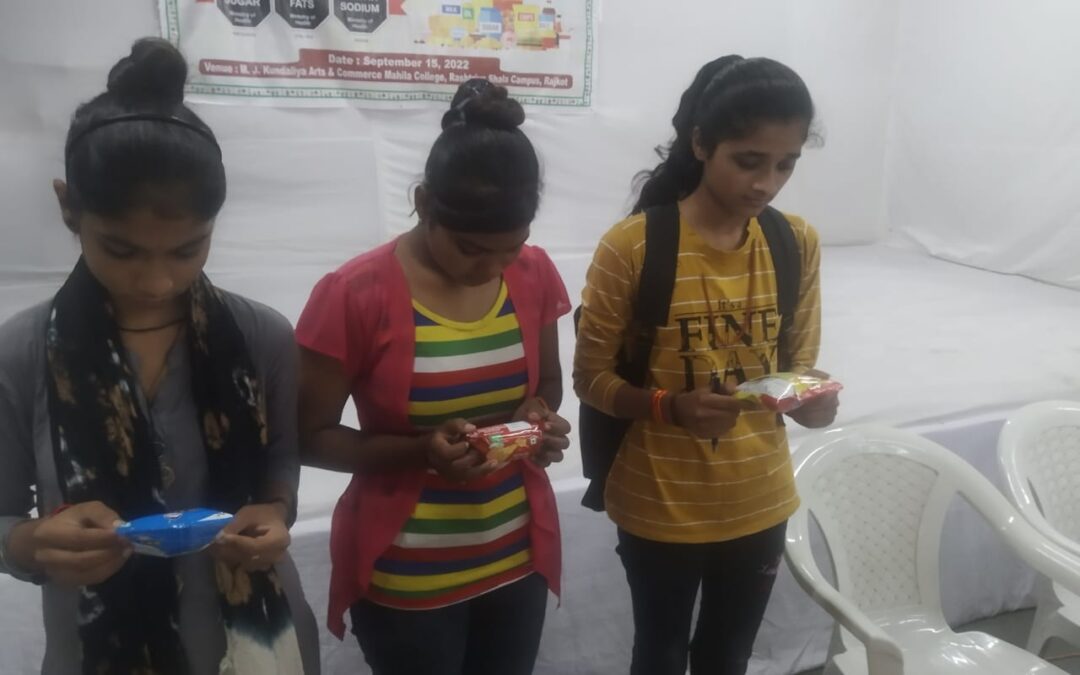
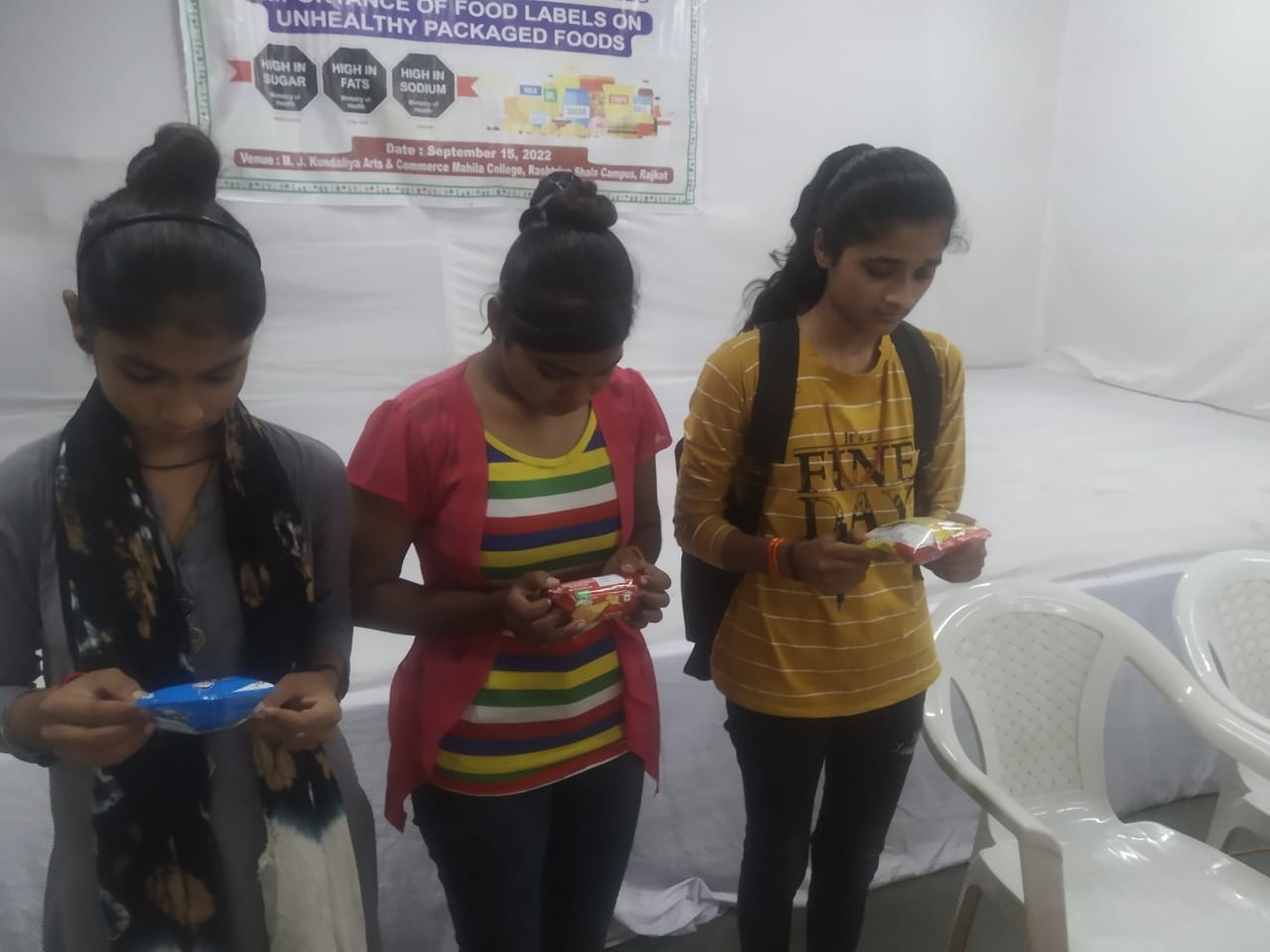
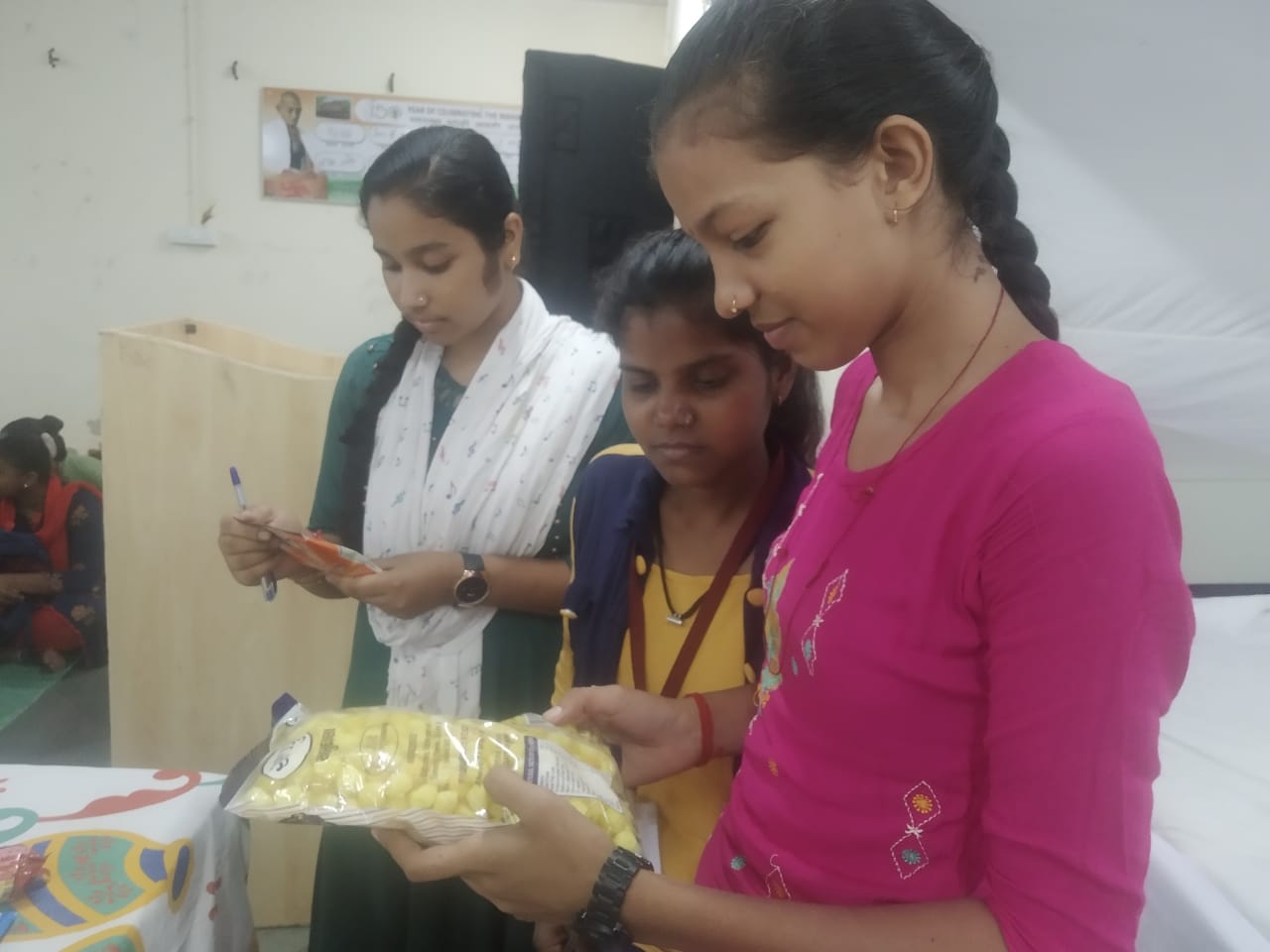
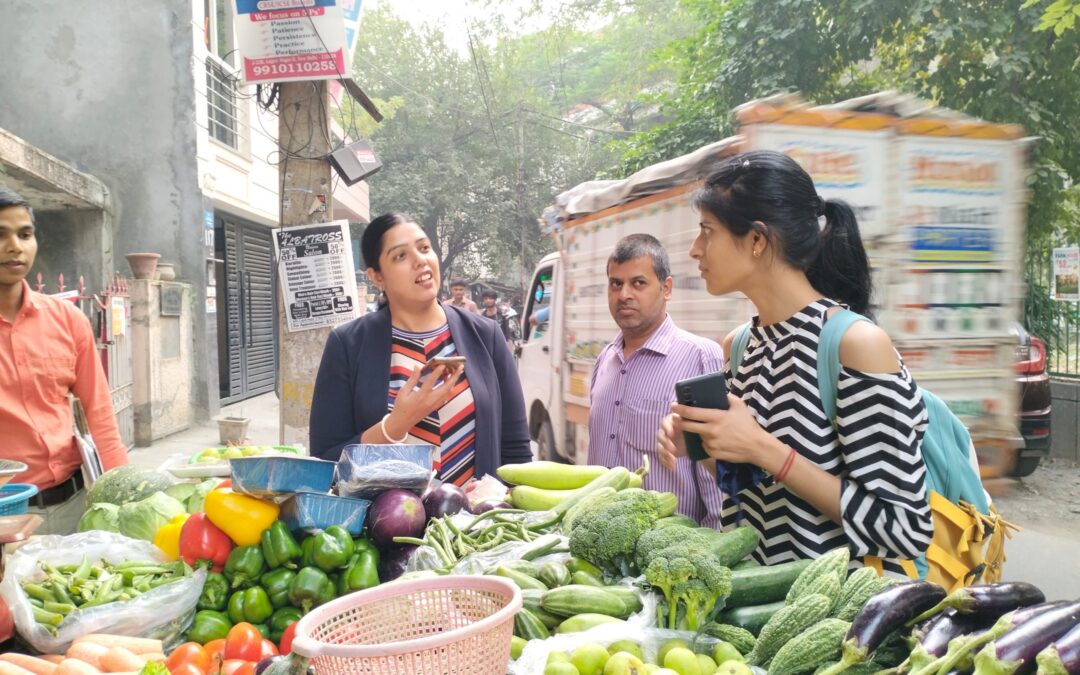
Consumer VOICE organised vendors and consumers sensitization drive in Lajpat Nagar New Delhi on 31st Oct 2022 as a part of Green Action Week activities. The main objective of the workshop was to sensitize and encourage the vendors and consumers to take action oriented efforts to fight against plastic pollution. The drive was organised at Lajpat Nagar and Consumer VOICE team members covered various blocks of the market and residential areas.
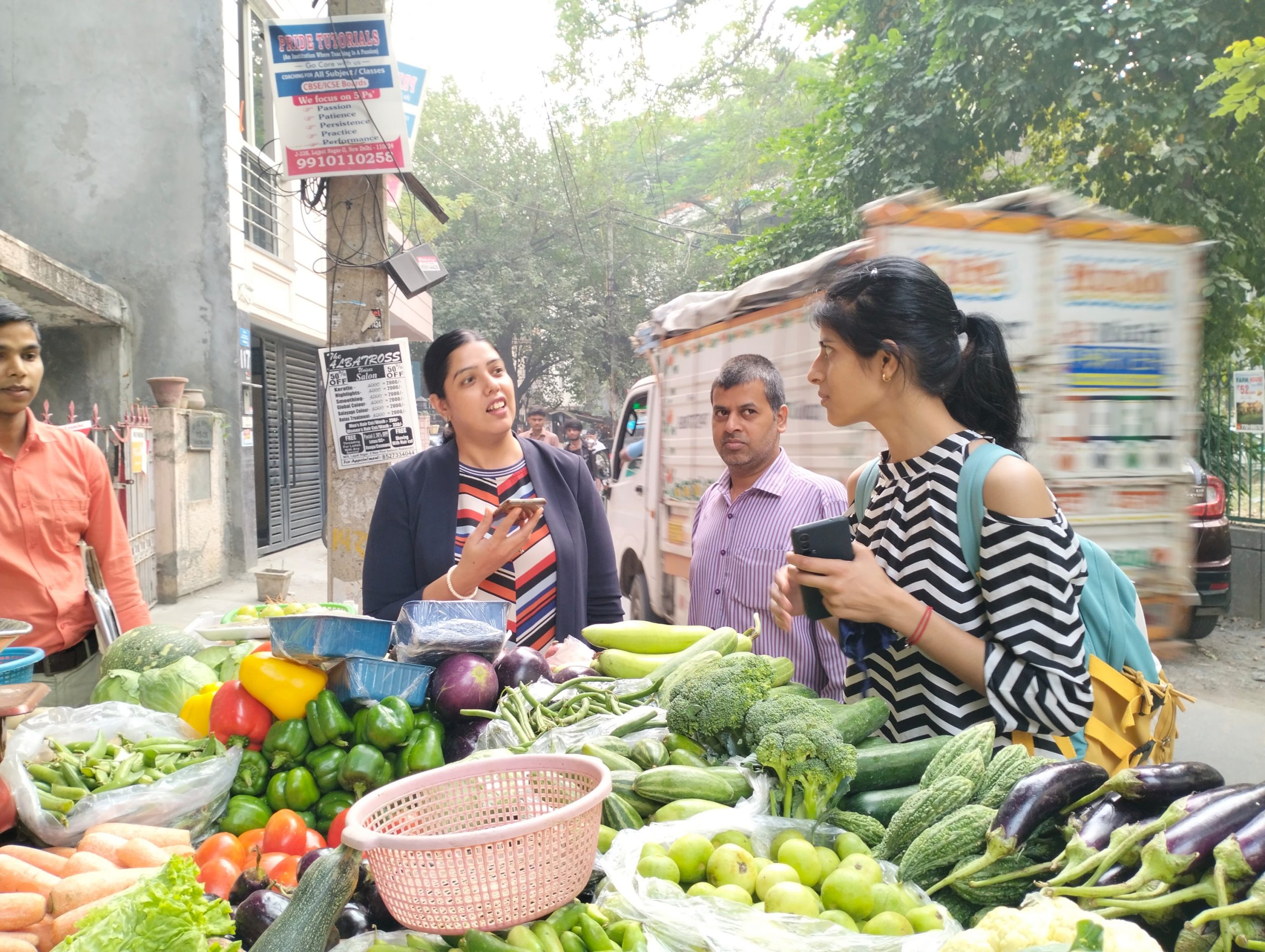
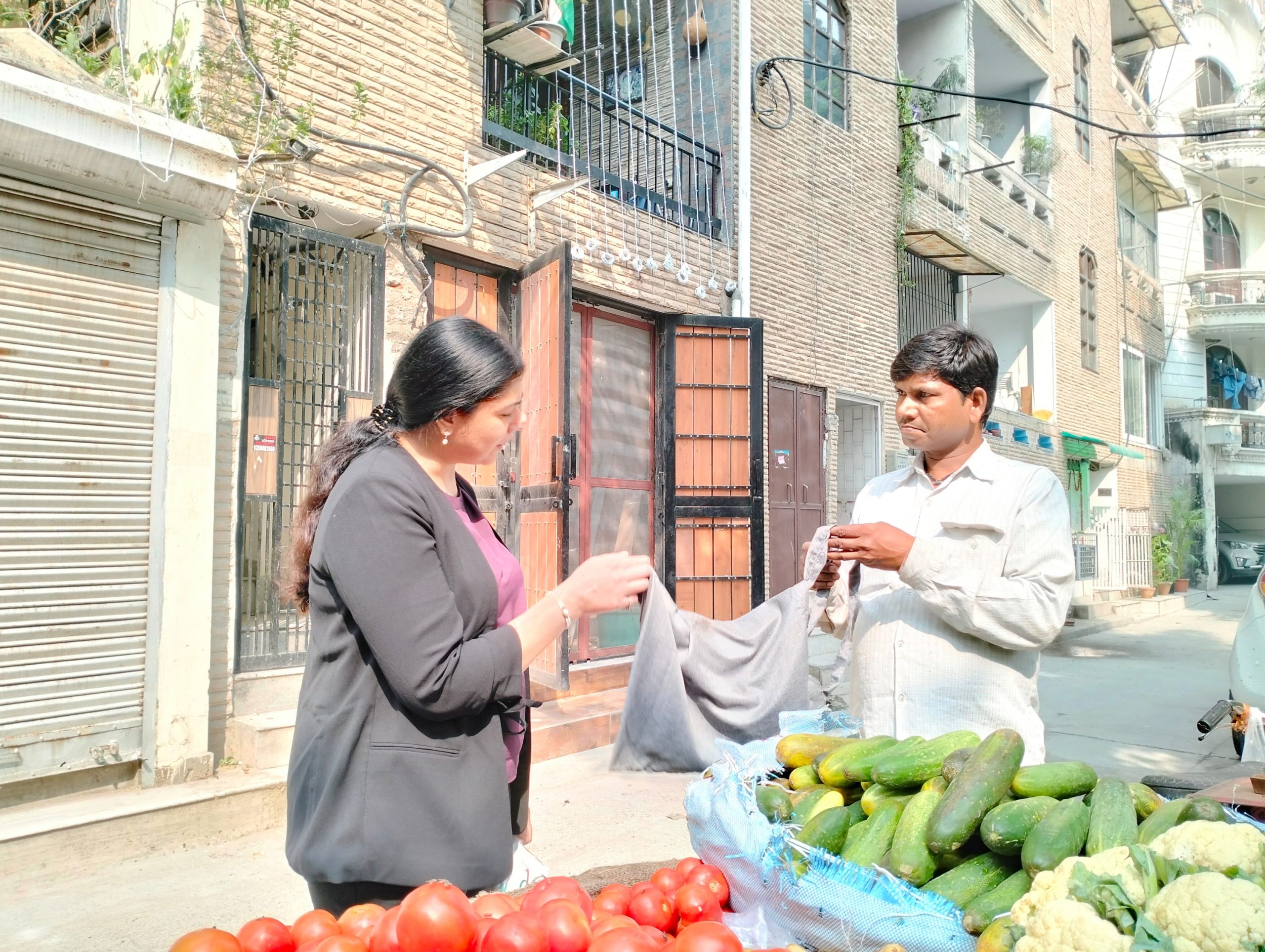
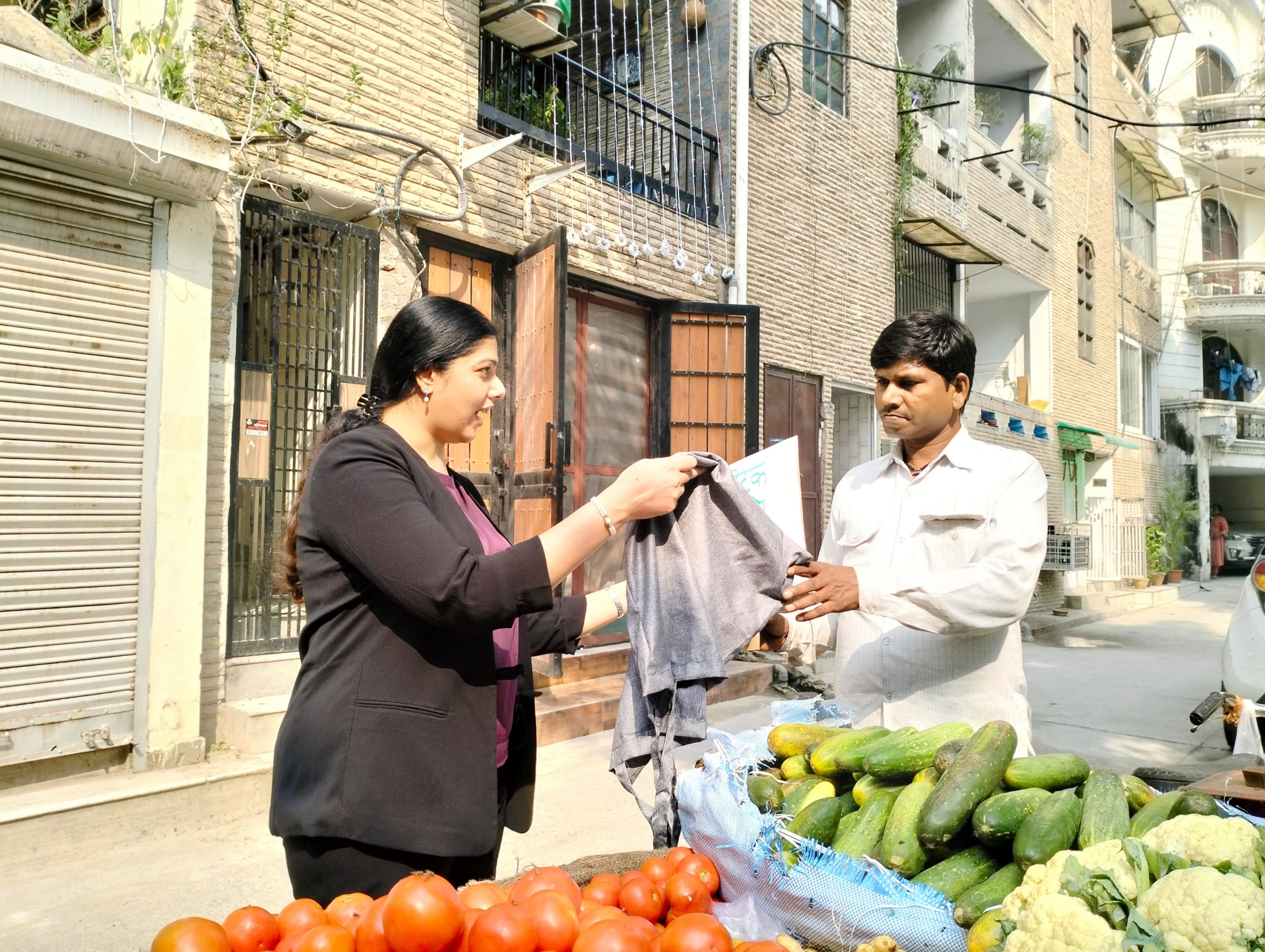
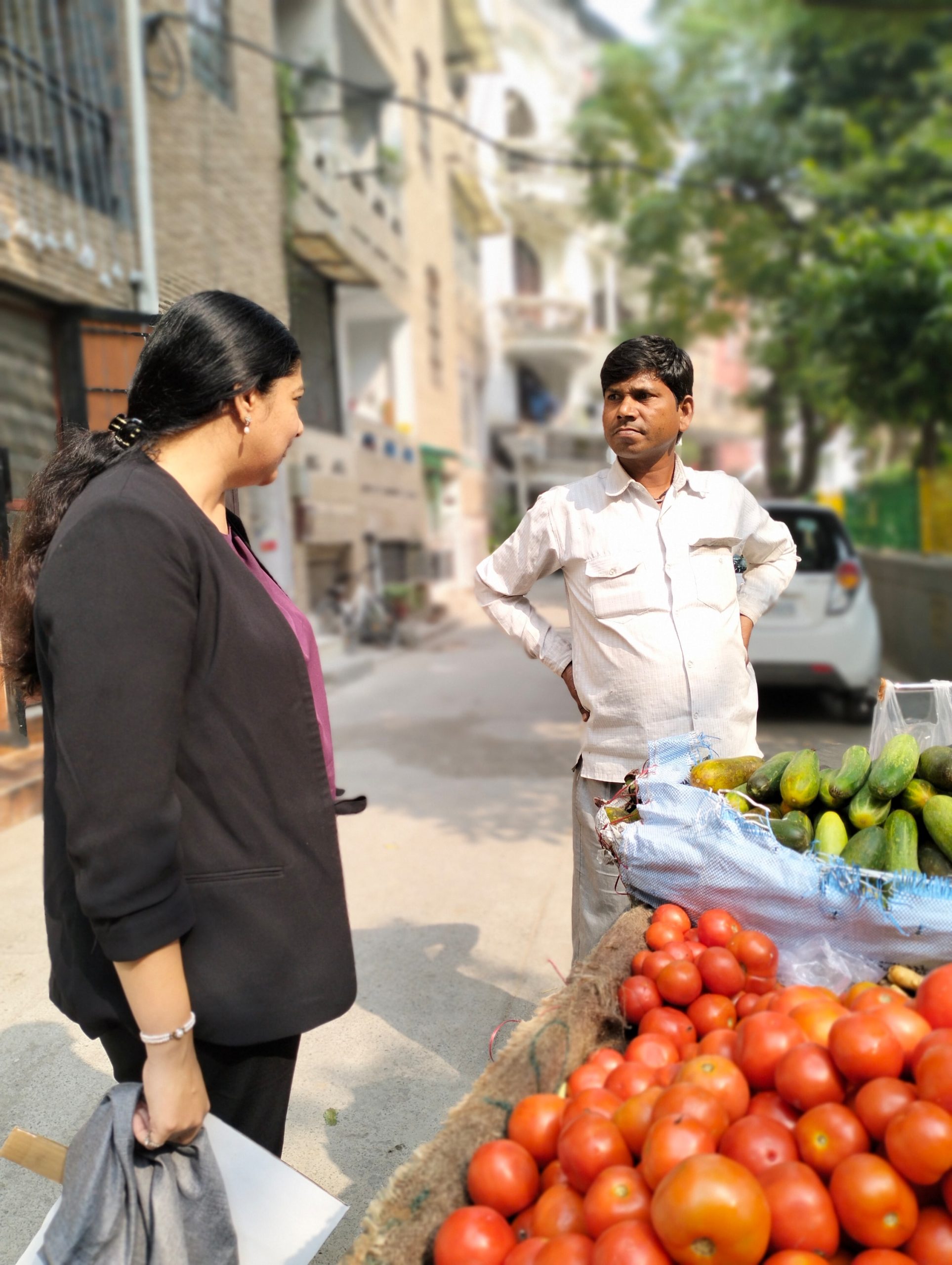
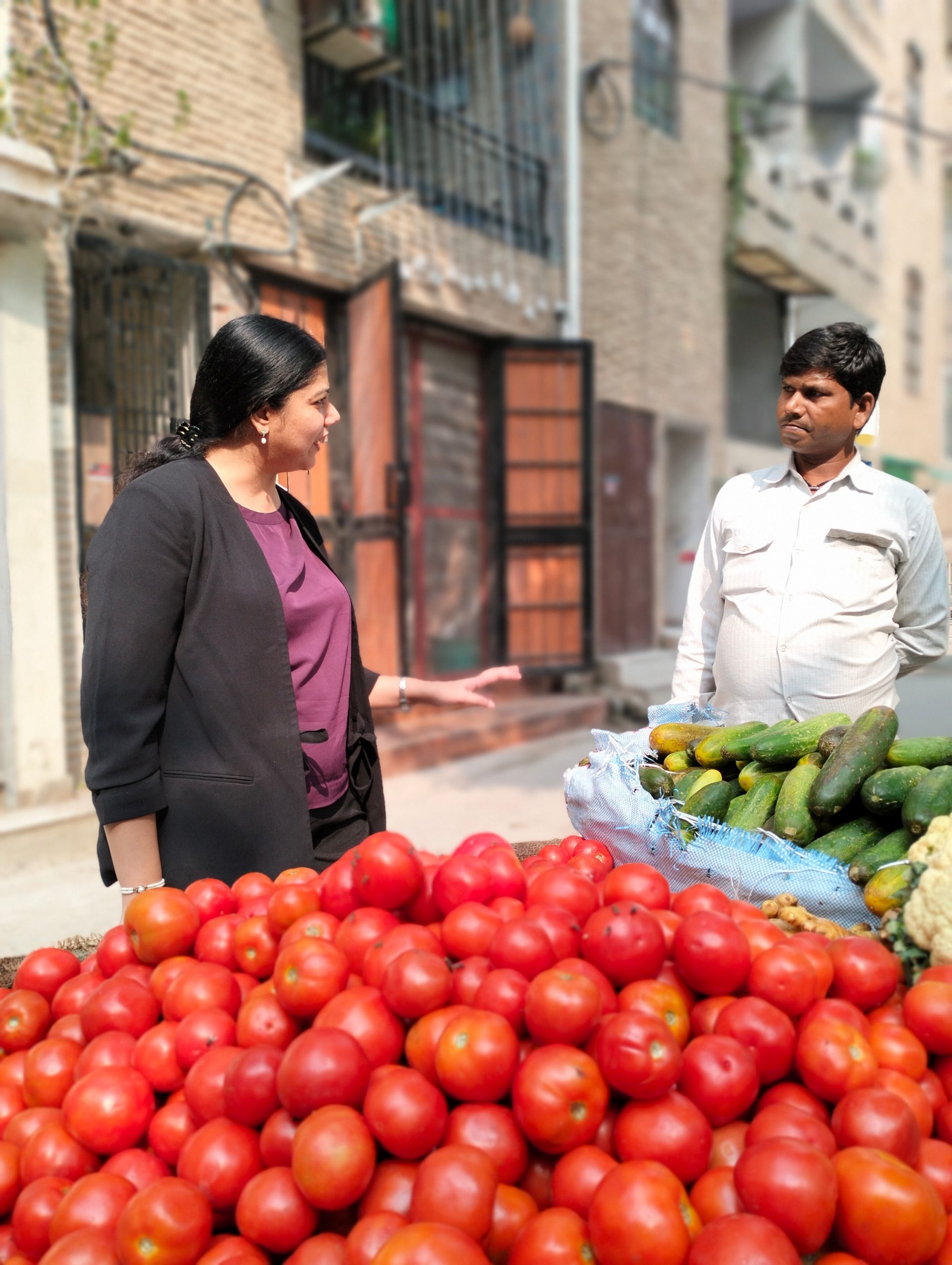
During the drive, team members interacted with vendors and consumers to understand their concerns and pattern of using plastic products and awareness regarding plastic pollution. We sensitized the audience regarding perils of single use plastic.
We encouraged the vendors and consumers to switch to sustainable products and avoid plastic products. Vendors told us that they are trying from their side to encourage consumers to not to ask for plastic bag and also to bring their own bags. They told us that they will put sticker on their shop or cart to “bring own bag”.
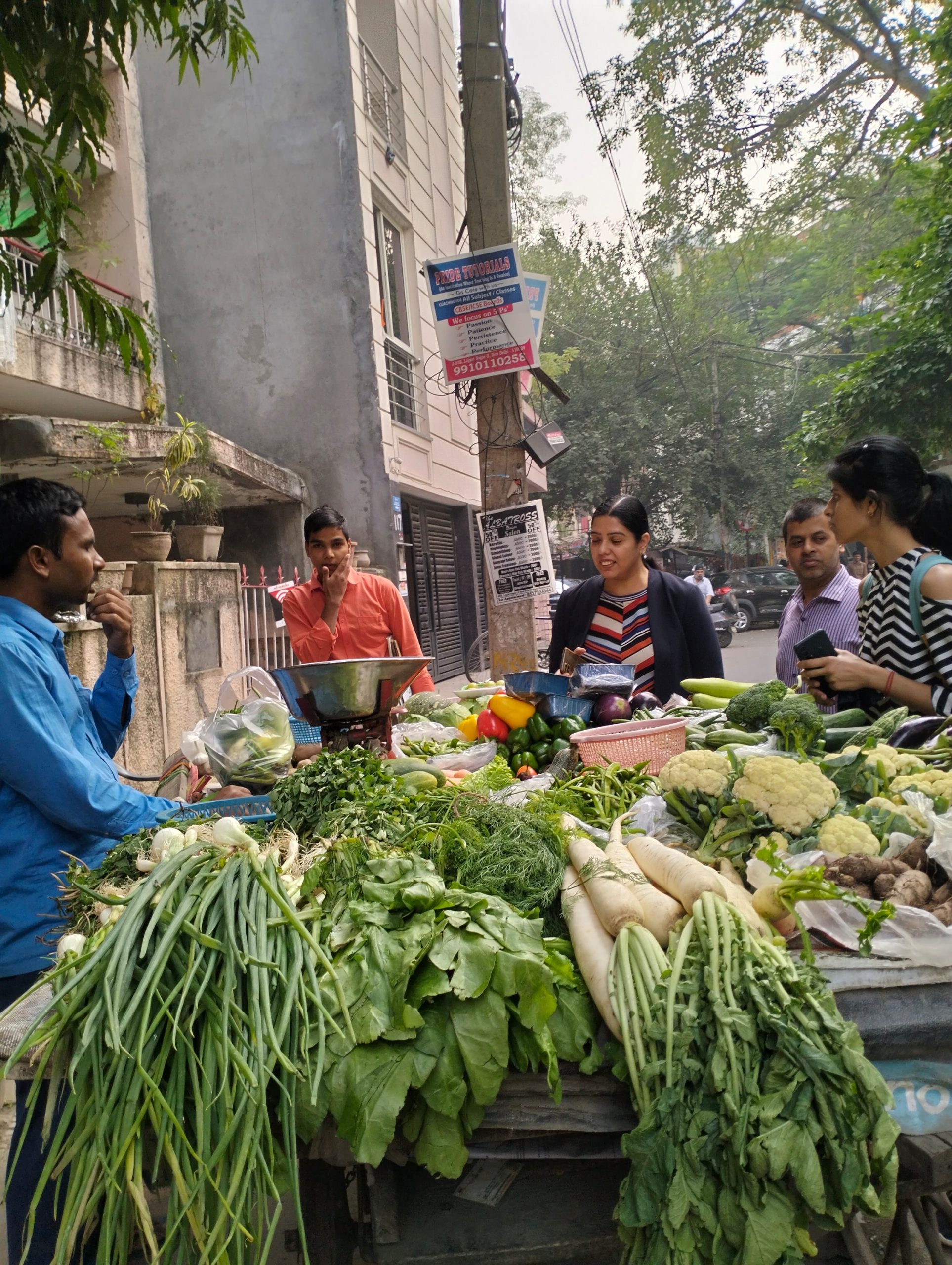
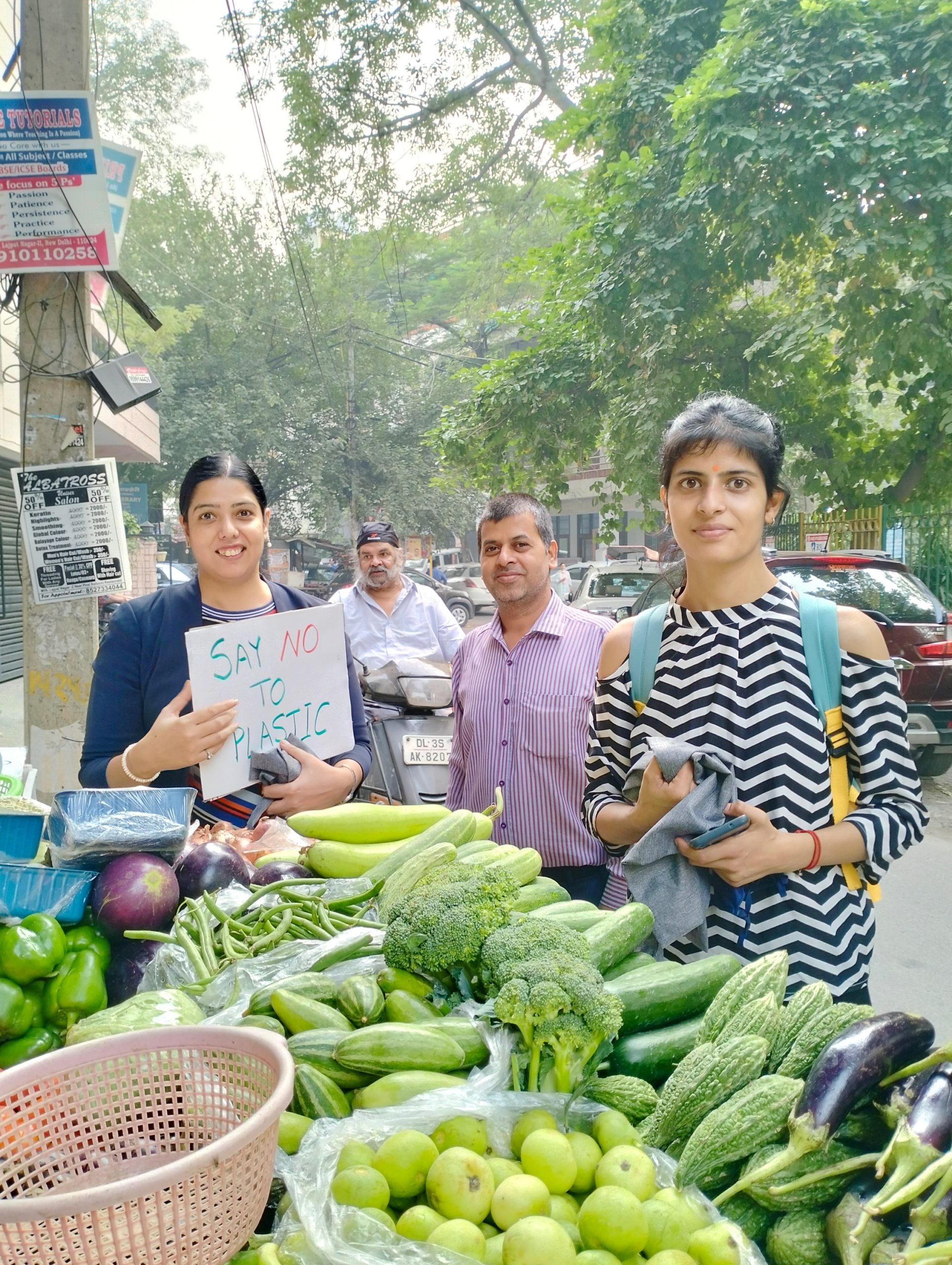
Sustainable cloth bags were distributed to vendors and consumers with whom interaction took place. We also approached members of Resident Welfare association of residential areas and marketing associations in this regard.