
Safe Food, Healthy Lives: Why Food Safety Is a Consumer’s Right
A batch of packaged red chilli powder was recalled after it did not comply with food safety regulations.
Recently, food safety authorities destroyed around 1.5 lakh kg of expired packaged food products in Jaipur after discovering a scheme to alter expiry dates and resell them in the market.
Recent developments in India show growing concerns about packaged food safety, including expired products, contamination in spices, adulteration, and inadequate labelling
Every day consumers make numerous food choices from fresh produce to packaged snacks and beverages. Behind each purchase lies a basic thought – Is the food we buy safe to eat and good for our health?
Food safety is not simply a matter of trust between consumers and food companies. It is a fundamental consumer right. The theme of World Consumer Rights Day 2026 — “Safe Products, Confident Consumers” highlights the importance of ensuring that food products in the market meet strong safety standards and protect consumers from harm.
Safe food is essential not only for consumer confidence but also for protecting public health and the right to a healthy life.
Why Food Safety Matters
Food is the most frequently purchased consumer product and directly affects human health. Unlike many other products, food enters the body and influences nutrition, immunity, and long-term well-being.
When food safety standards are maintained:
- Consumers can trust what they eat
- Families are protected from foodborne illnesses
- Nutritional choices become easier and more informed
- The food market becomes more transparent and accountable
However, unsafe food can have serious consequences. Contaminated or poorly handled food can lead to food poisoning, infections, and other health problems. In addition, misleading food claims and poor labelling may cause consumers to unknowingly consume products that are unhealthy.
Ensuring safe food is therefore not just a regulatory responsibility — it is a public health priority.
Safe Food and the Right to Health
The right to safe food is closely connected to the right to health, one of the most basic human rights. Consumers rely on food products every day to maintain their health, energy, and nutrition.
However, modern food systems have changed significantly. The consumption of processed and packaged foods has increased rapidly, and many of these products contain high levels of sugar, salt, and unhealthy fats. Excessive consumption of such ingredients is linked to rising rates of non-communicable diseases (NCDs) such as diabetes, hypertension, obesity, and heart disease.
In this context, food safety goes beyond preventing contamination. It also includes ensuring that consumers receive clear and honest information about what is in their food.
Transparent labelling and responsible food manufacturing practices allow consumers to make healthier dietary choices and protect their long-term health.
Importance of Food Labeling
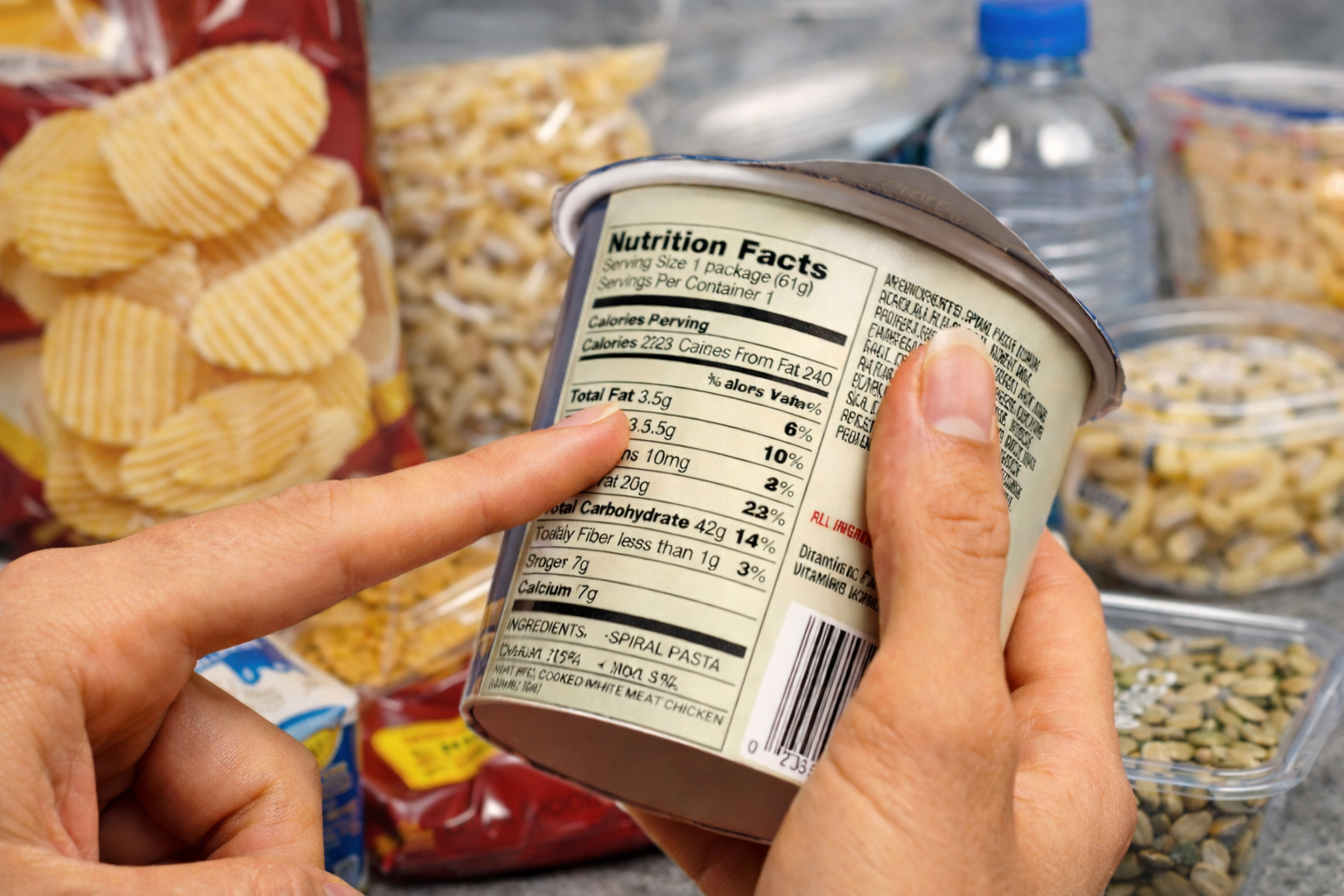
For packaged foods, labels are the primary source of information for consumers. A well-designed and transparent label can help consumers understand what they are eating and whether the product fits their dietary needs.
Food labels provide important information such as:
- Ingredients used in the product
- Nutritional value
- Allergen warnings
- Manufacturing and expiry dates
- Storage instructions
However, many food labels are complex or difficult to interpret quickly while shopping. Clear and easy-to-understand labelling systems can help consumers identify foods that contain excessive amounts of salt, sugar, or unhealthy fats.
Better food labelling empowers consumers to make healthier and safer choices for themselves and their families.
How Consumers Can Identify Safe Food Products
While regulators and food companies have the primary responsibility to ensure food safety, consumers can also take simple steps to protect themselves while buying food.
Read Food Labels Carefully
Before purchasing packaged foods, check the ingredient list, nutritional information, and expiry date. This helps consumers understand what the product contains and whether it is safe to consume.
Check Quality and Safety Marks
Look for recognised certification marks or regulatory approvals that indicate compliance with food safety standards.
Be Cautious of Misleading Claims
Terms such as “natural,” “healthy,” or “low fat” may sometimes be used as marketing tools. Consumers should read the full nutritional information rather than relying solely on such claims.
Inspect the Packaging
Avoid purchasing food products with damaged packaging, broken seals, or signs of leakage. Such issues may indicate contamination or improper storage.
Report Unsafe Food Products
If consumers find unsafe or contaminated food products, they should report them to consumer organisations or food safety authorities. Reporting helps prevent similar risks for other consumers.
Every consumer deserves safe food, transparent information, and the right to live a healthy life.