Select Page

Reducing Alcohol-Related Harms among Youth: Awareness and Prevention among University Students in Mysuru

Oct 4, 2026

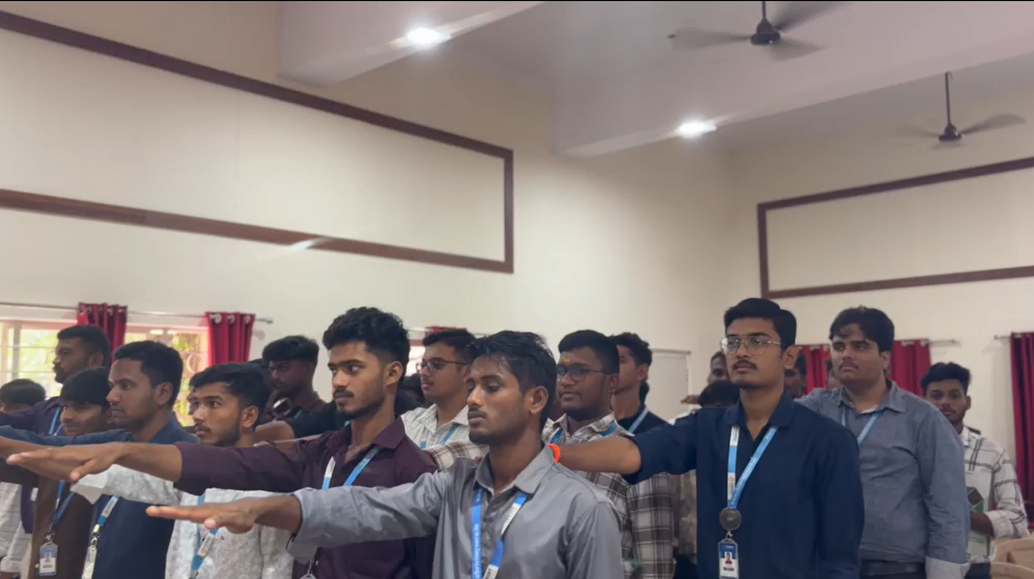
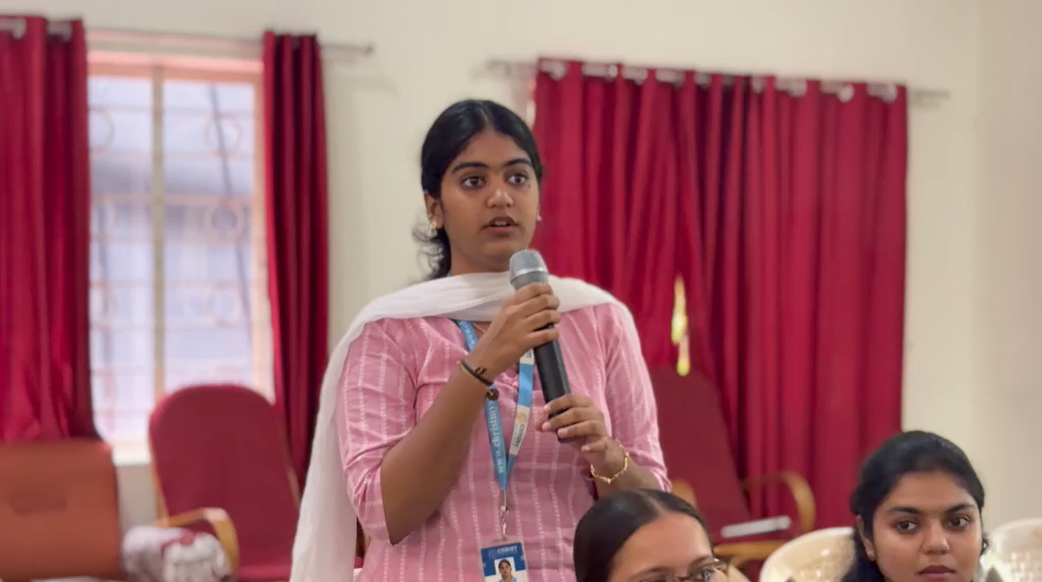
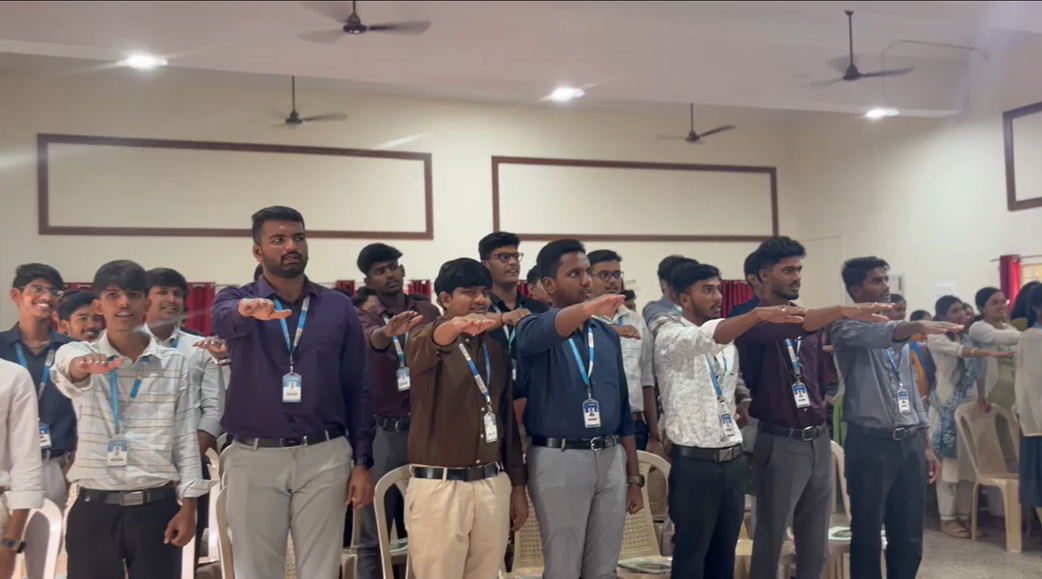
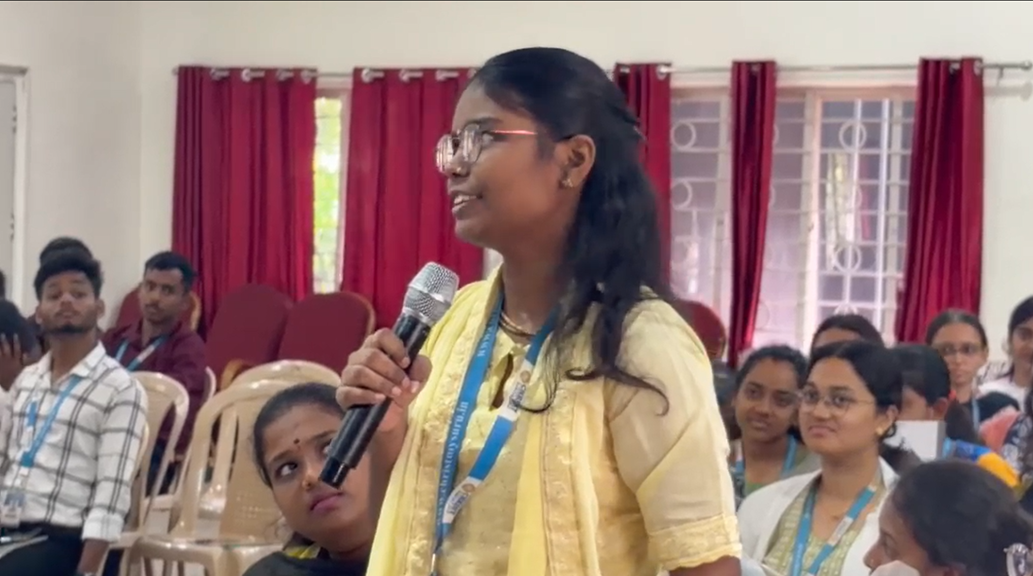
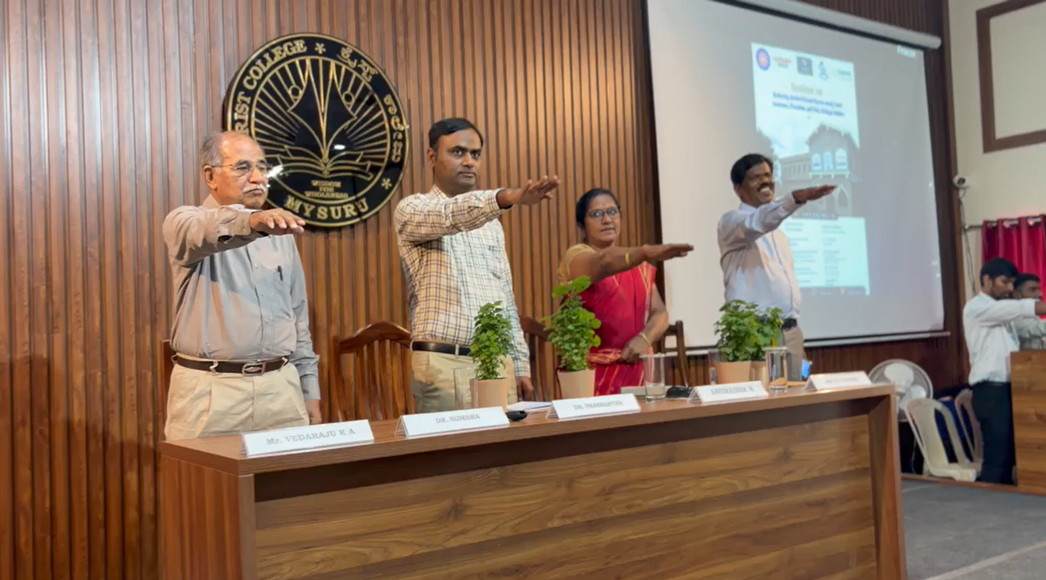
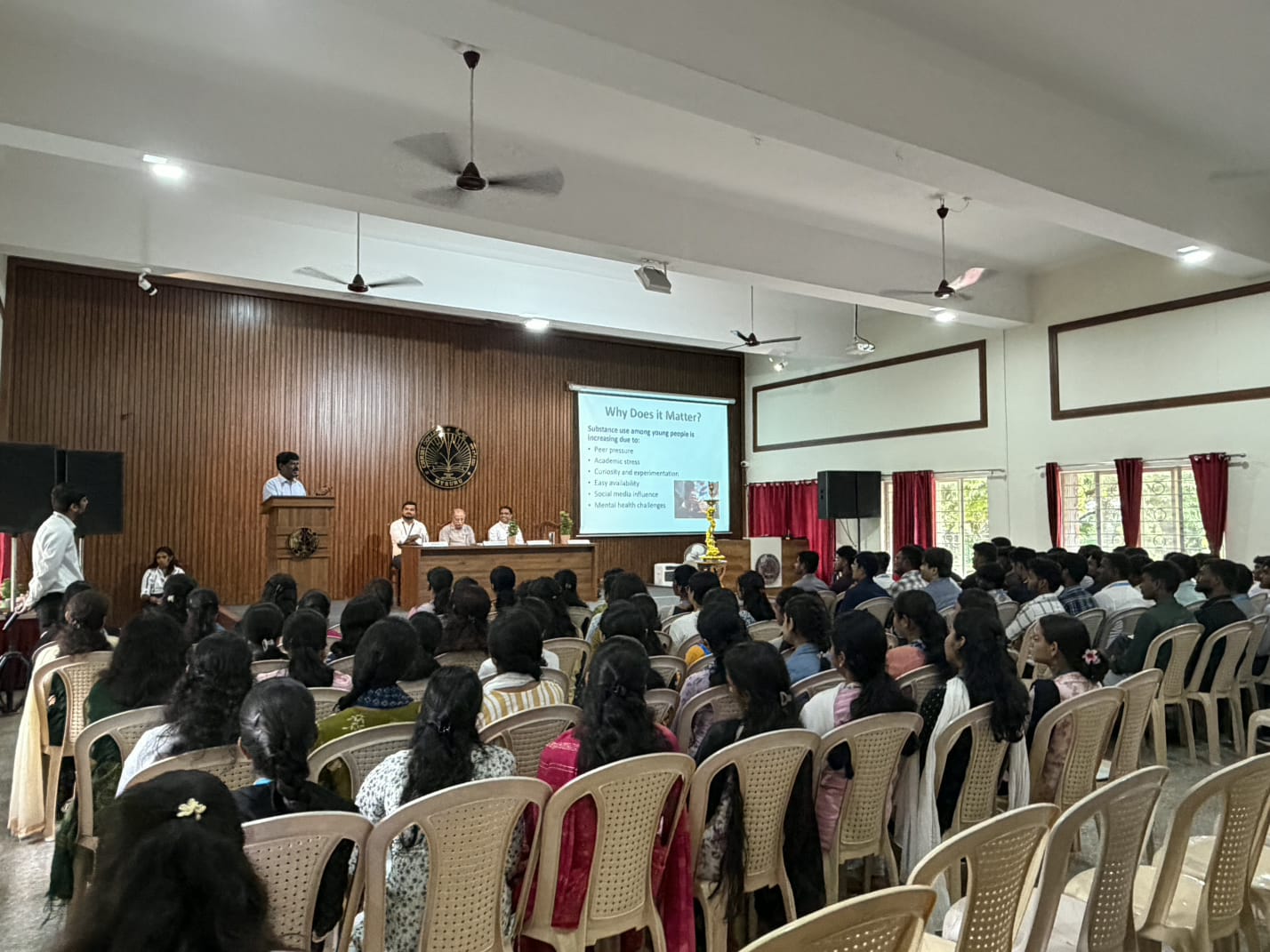
Young people face growing exposure to alcohol and other substance-related risks, making awareness, prevention and informed decision-making important components of a healthy campus environment. Recognising the need to engage directly with university students, the National Service Scheme (NSS) Unit of Christ College, Mysuru, affiliated with the University of Mysore, in collaboration with Consumer VOICE and in partnership with the Foundation for Scientific and Health Information (FSHI), organised a seminar on “Reducing Alcohol-Related Harms among Youth: Awareness, Prevention, and Policy Dialogue Initiative” on 9 July 2026.

The programme aimed to sensitise young people to the consequences associated with irresponsible alcohol consumption, with particular emphasis on preventing drinking and driving and understanding the financial, health and social consequences of harmful use. The initiative also sought to encourage a broader culture of “Zero Irresponsible Consumption” through youth engagement, institutional collaboration and public awareness.

Building Awareness among Young People

The seminar focused on equipping students with factual information and practical perspectives on alcohol-related risks. The objectives included:

  • Increasing awareness of the health and social harms associated with alcohol consumption.
  • Encouraging substance-free academic environments.
  • Improving students’ understanding of alcohol-related health, mental health, legal and road-safety concerns.
  • Supporting young people in making informed and responsible lifestyle choices.
  • Reinforcing the importance of preventing irresponsible alcohol consumption, particularly drinking and driving.

Participants were also provided with IEC material, including the booklet “Embrace the Culture of Zero Irresponsible Drinking” in English and Kannada, to support continued awareness beyond the seminar.

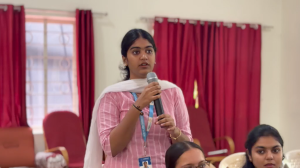
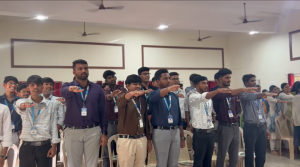
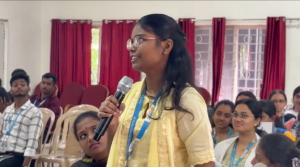
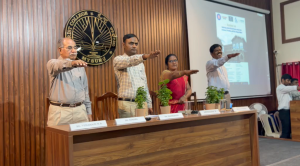
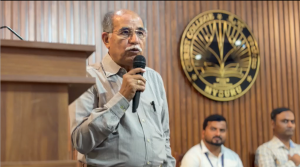
workshop on reducing alcohol related harms in Mysuru img1
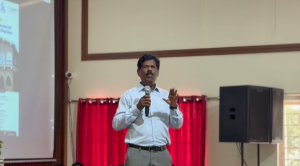
workshop on reducing alcohol related harms in Mysuru img3
workshop on reducing alcohol related harms in Mysuru img4
workshop on reducing alcohol related harms in Mysuru img7
workshop on reducing alcohol related harms in Mysuru img6
workshop on reducing alcohol related harms in Mysuru img2
workshop on reducing alcohol related harms in Mysuru img5
workshop on reducing alcohol related harms in Mysuru img1 workshop on reducing alcohol related harms in Mysuru img3 workshop on reducing alcohol related harms in Mysuru img4 workshop on reducing alcohol related harms in Mysuru img7 workshop on reducing alcohol related harms in Mysuru img6 workshop on reducing alcohol related harms in Mysuru img2 workshop on reducing alcohol related harms in Mysuru img5

Bringing Consumer Awareness and Youth Engagement Together

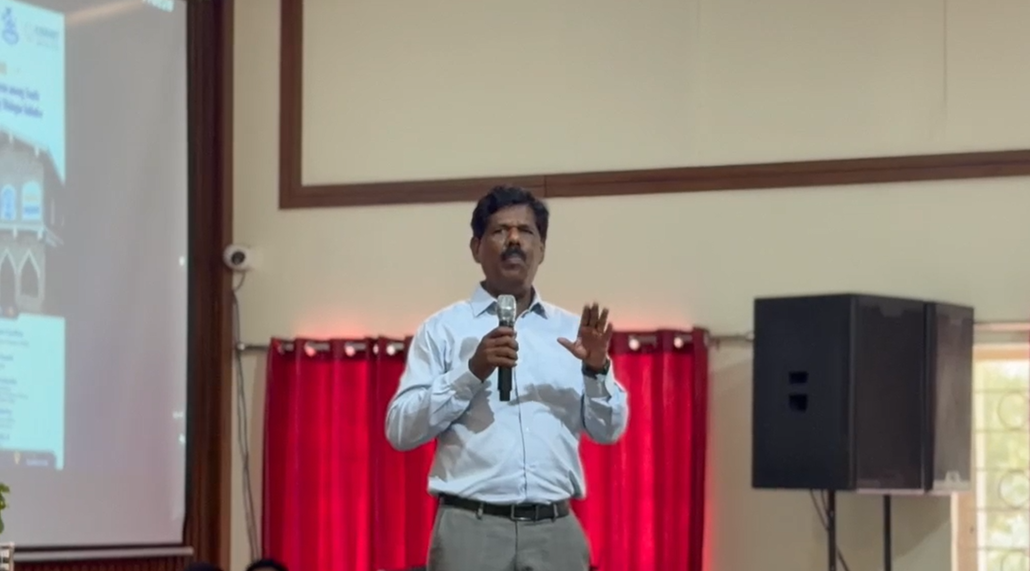
The programme opened with an introduction to the campaign by Mr Hemant Upadhyay, Advisor, Consumer VOICE, who highlighted the importance of consumer awareness and youth mobilisation in addressing alcohol-related harms.

Mr S. J. Chander, Director, FSHI, spoke about the importance of creating educational environments that are free from substance-related risks and emphasised the role of institutions in prevention and awareness.

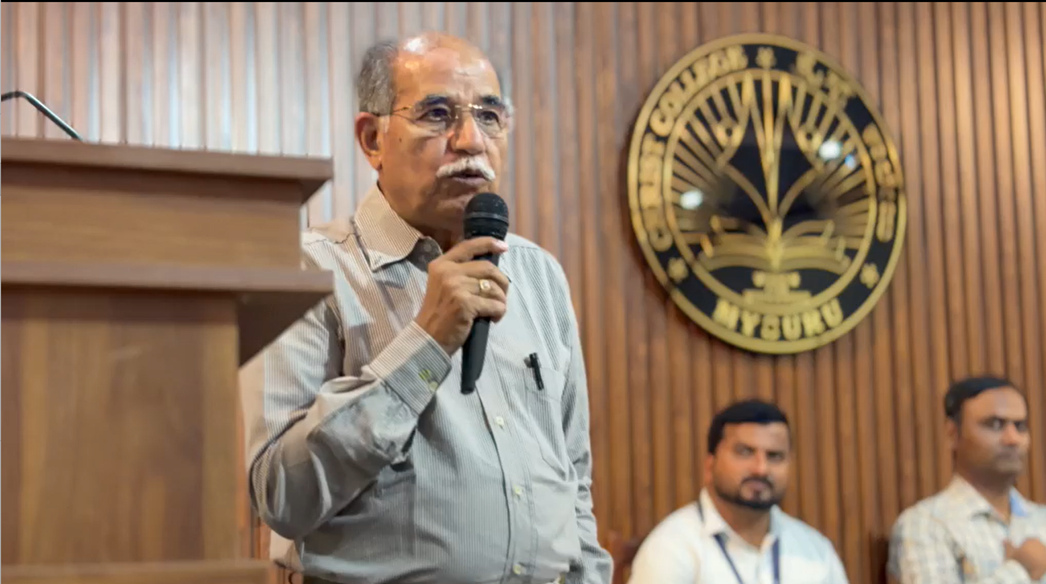
The event was formally inaugurated by Fr. Dr Augusty P., who underscored the importance of collaboration between educational institutions, experts and civil society organisations in creating a supportive environment for young people.

A pre-event survey, conducted by student representatives and FSHI, was also undertaken to understand participants’ baseline awareness before the technical sessions.

Understanding the Health Consequences of Alcohol

In the technical session on the clinical realities of alcohol consumption, Dr Prashantha, Associate Professor, Department of Community Medicine, Mysore Medical College, discussed the effects of alcohol on the body and addressed common misconceptions.

He explained that alcohol contains ethanol and acts as a central nervous system depressant, affecting cognitive control and behaviour. The session also covered how alcohol is absorbed into the bloodstream and metabolised by the body.

The discussion highlighted the potential health consequences associated with excessive and prolonged alcohol use, including liver disease, gastritis, pancreatitis, cardiovascular complications, neurological problems and certain cancers.

The session helped students understand that alcohol-related harm extends beyond immediate intoxication and can affect multiple aspects of physical health over time.

Drinking and Driving: A Preventable Road-Safety Risk

Road safety was a key focus of the seminar. Mr Sidesha, Sub-Inspector, Mysore City Traffic Police, delivered a presentation titled “The Real Cost of Drinking & Driving”.

Using national road-safety data, he highlighted the significant loss of life on Indian roads and the disproportionate impact of road crashes on young and working-age populations. The session stressed that driving after drinking creates risks not only for the driver but also for passengers, pedestrians and other road users.

Students were also informed about enforcement practices in Mysuru, including weekend checkpoint operations in areas such as Vijayanagar, Kuvempunagar, Hebbal and the ring road.

The presentation further covered India’s legal provisions concerning driving under the influence of alcohol, including the prescribed blood alcohol concentration limit and penalties under Section 185 of the Motor Vehicles Act.

The central message was clear: drinking and driving is a preventable road-safety risk, and choosing not to drive after drinking protects lives.

Understanding the Psychological and Social Dimensions

Alcohol-related harm can also have significant psychological and social dimensions. Mrs Anuradha K., Clinical Psychologist, discussed the progression of problematic alcohol use and the range of environmental and behavioural factors that can contribute to dependency.

The session explored factors such as peer pressure, isolation, environmental influences and low frustration tolerance, while explaining how patterns of alcohol use can develop over time.

The discussion also introduced students to the seriousness of alcohol withdrawal and highlighted the importance of professional support where dependence is present.

Mrs Anuradha also discussed group therapy as one therapeutic approach, explaining how a confidential and supportive group environment can help individuals recognise maladaptive behaviours, develop coping mechanisms and rebuild self-esteem.

The emphasis was on understanding alcohol-related problems as issues that require appropriate support, counselling and care rather than stigma alone.

The Mysuru seminar brought together students, educators, health professionals, law-enforcement representatives and civil society organisations around a shared objective: reducing alcohol-related harms among young people.

For university students, awareness is an important first step. Understanding the health consequences of alcohol, recognising the risks of drinking and driving, knowing the legal framework and being aware of available support can help young people make informed decisions.

The initiative reinforces the importance of moving from awareness to action—encouraging responsible choices, safer roads, supportive campuses and a culture of zero irresponsible consumption.

Click for Media

Enquire Now

    X
    Enquire Now