Reducing Alcohol-Related Harm Among University Students: Awareness, Prevention and Policy Dialogue in Hubbali
Oct 4, 2026

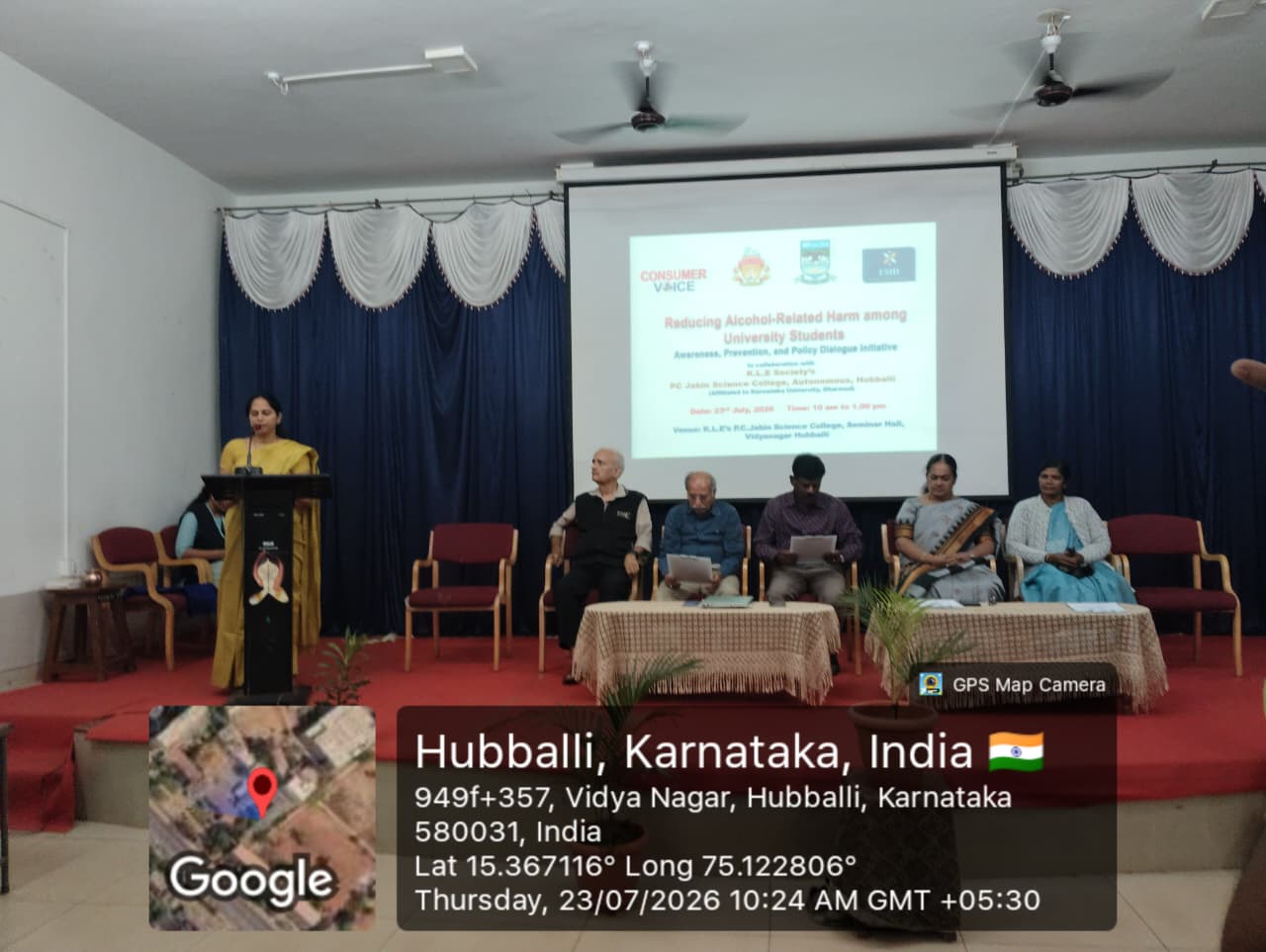
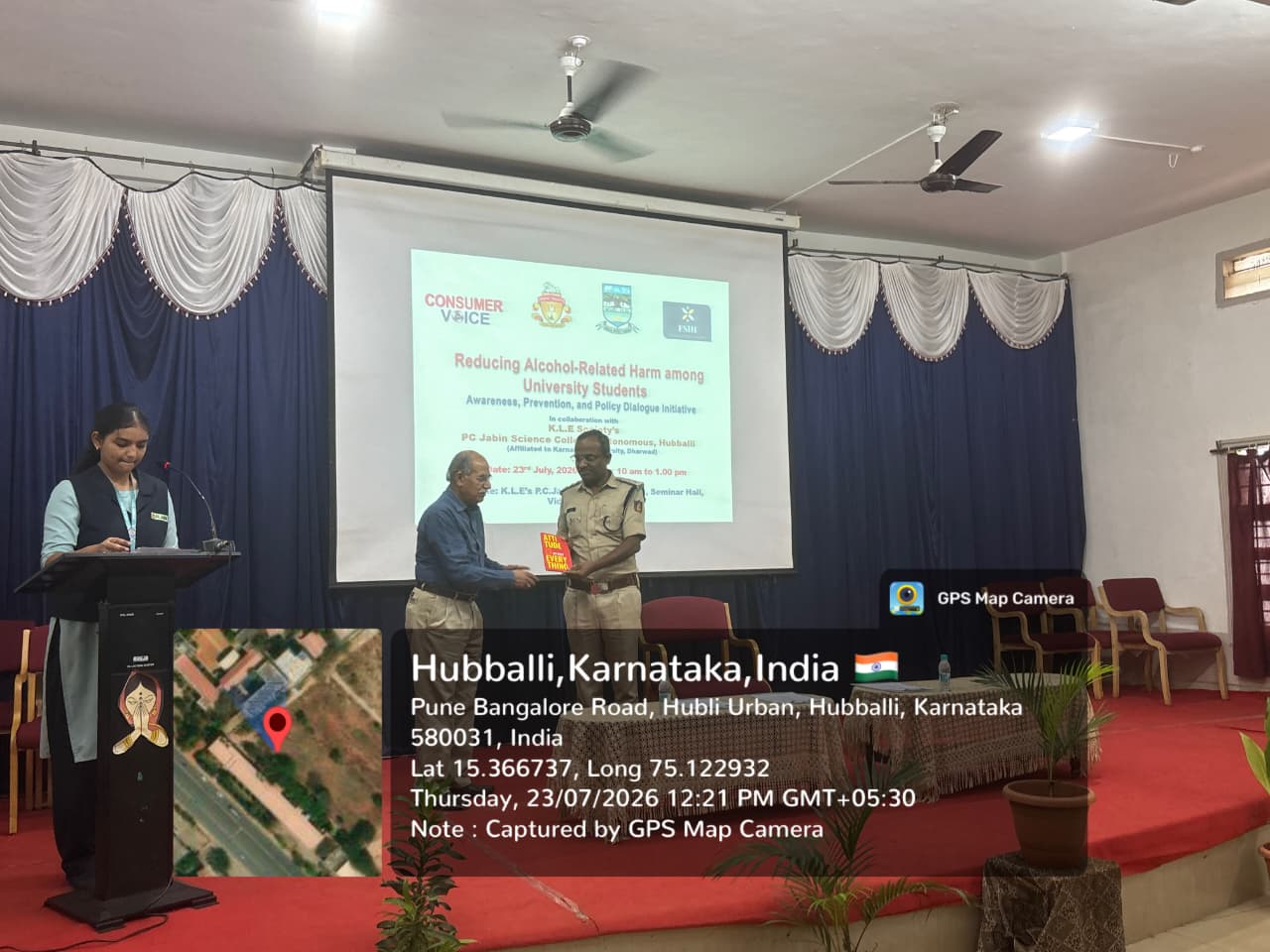
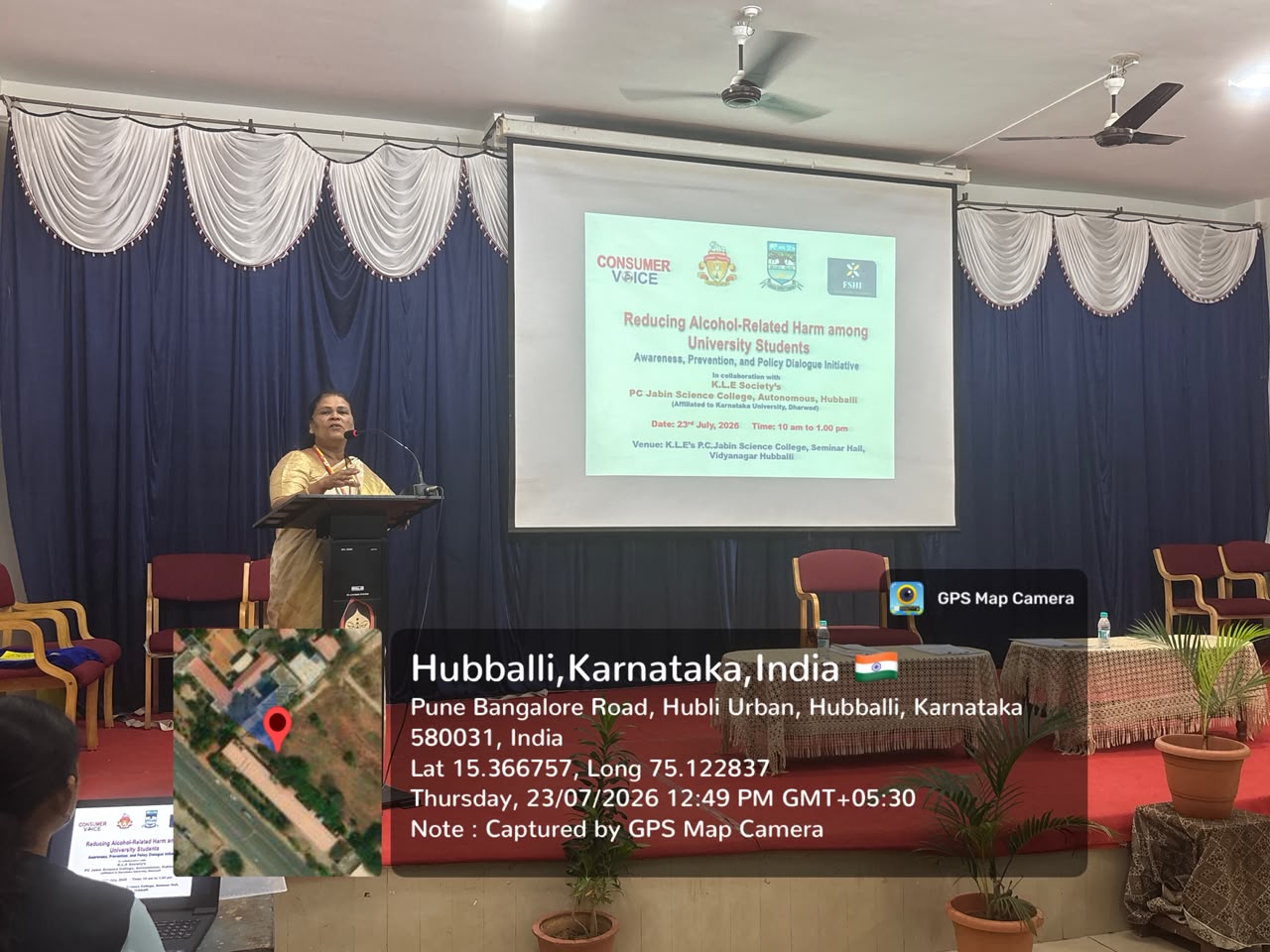
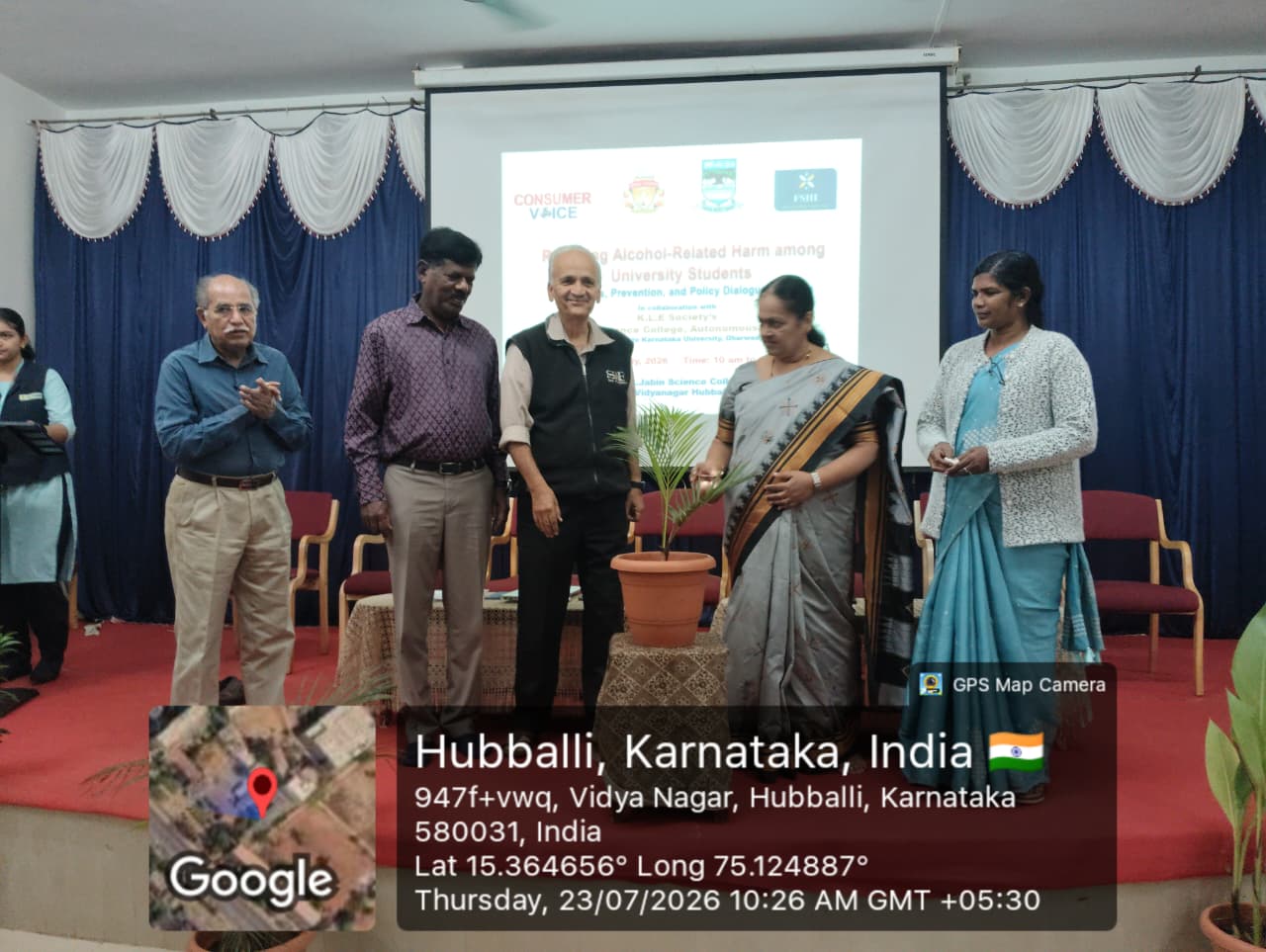
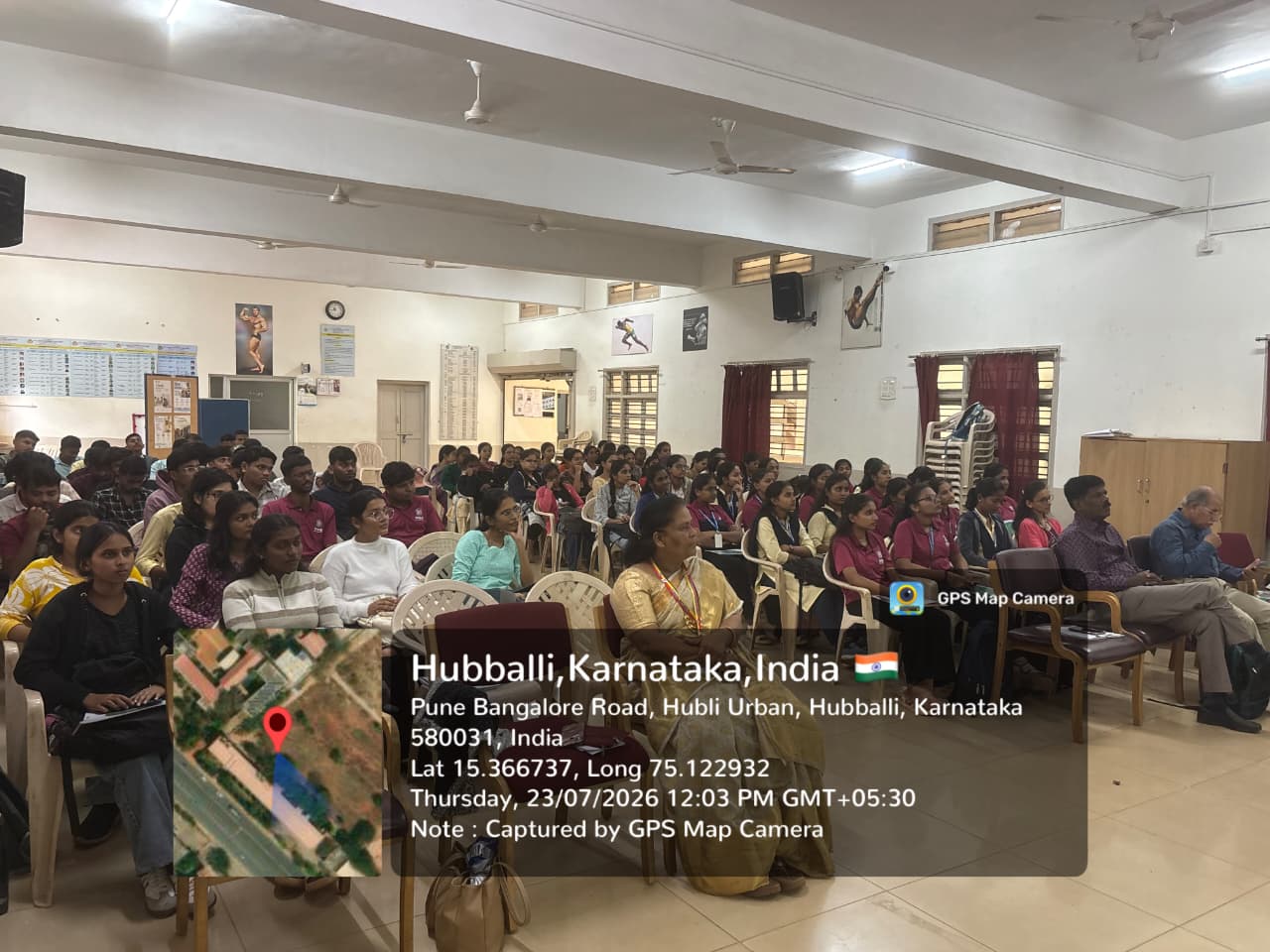
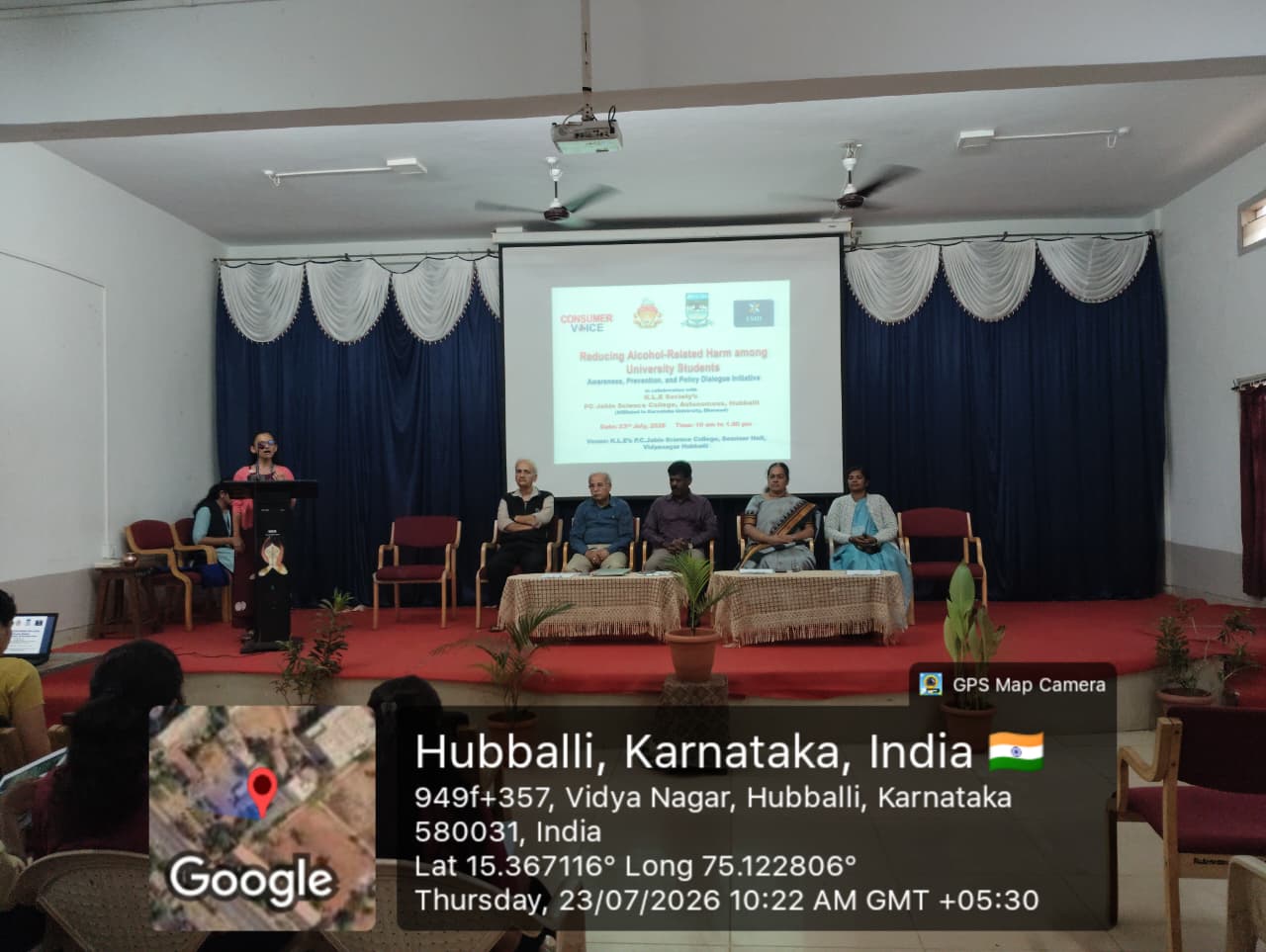
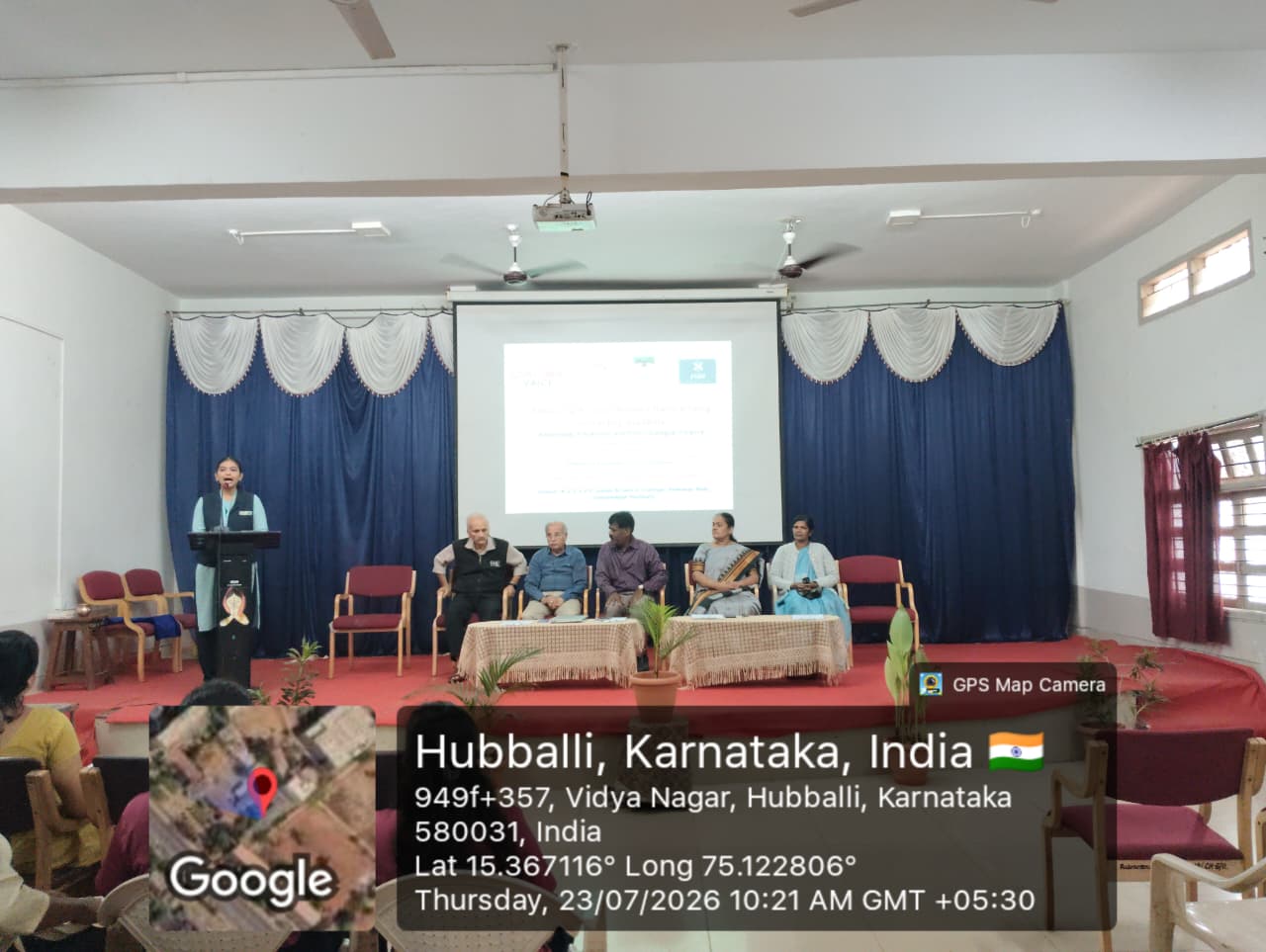
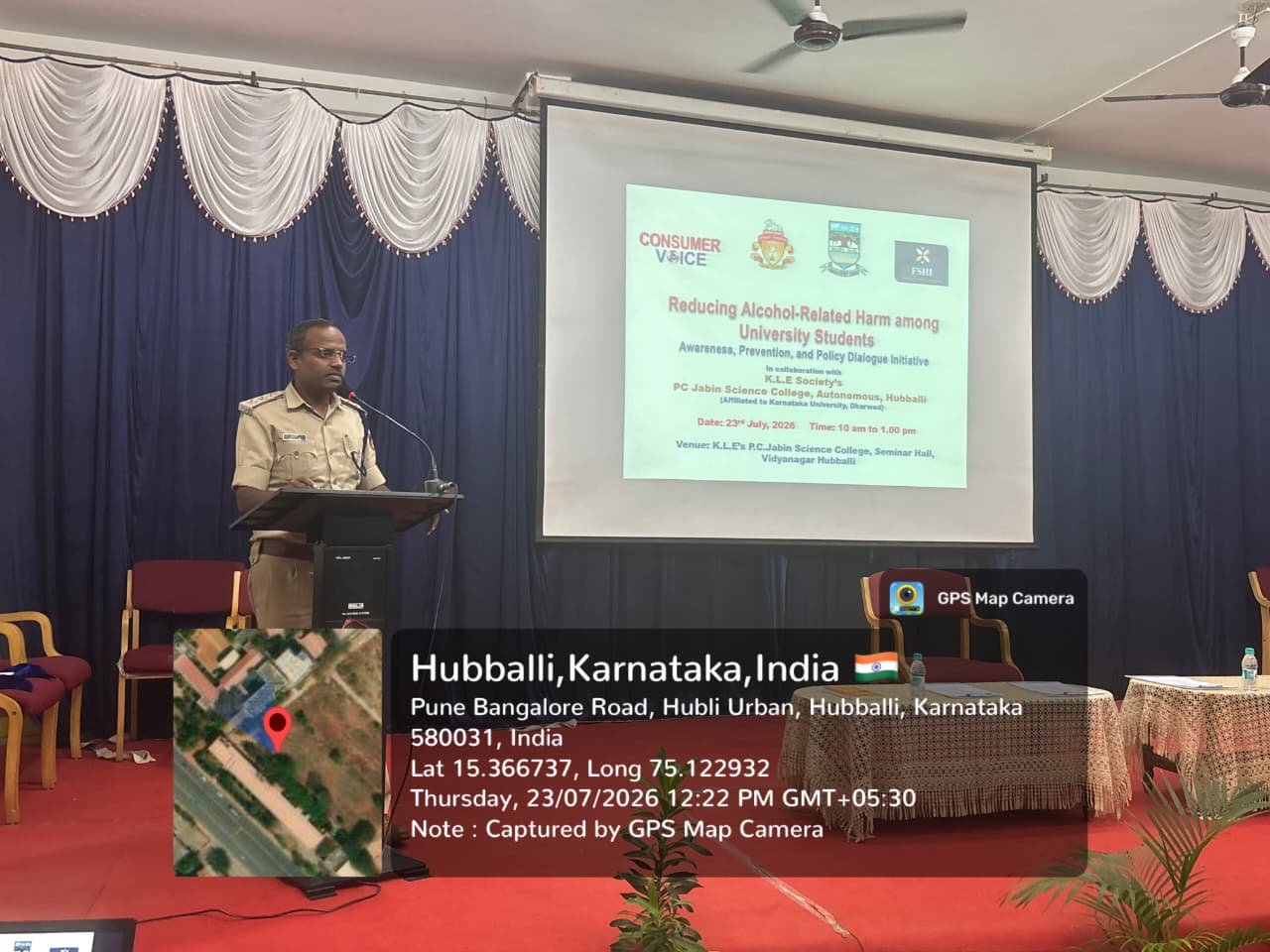
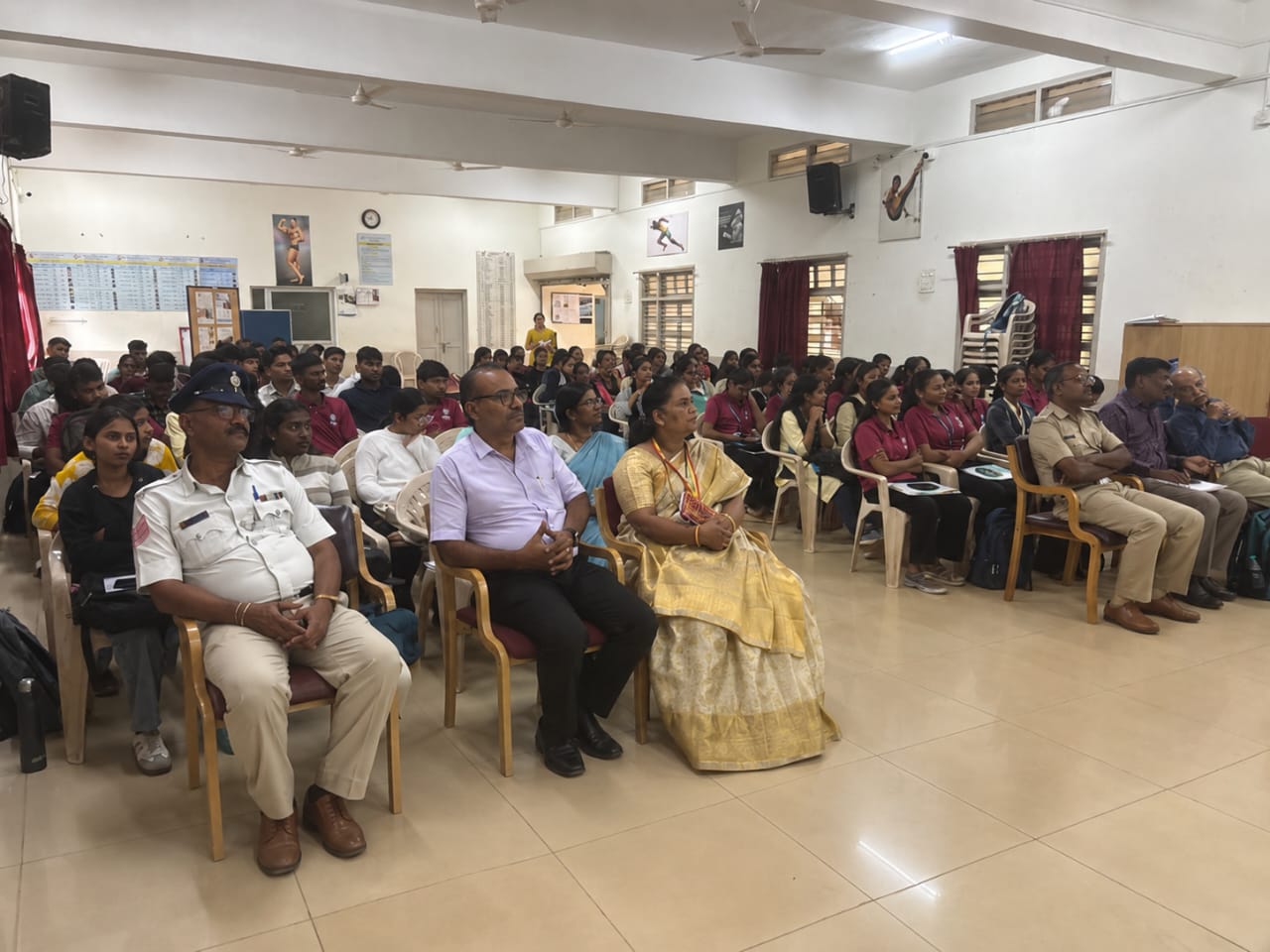
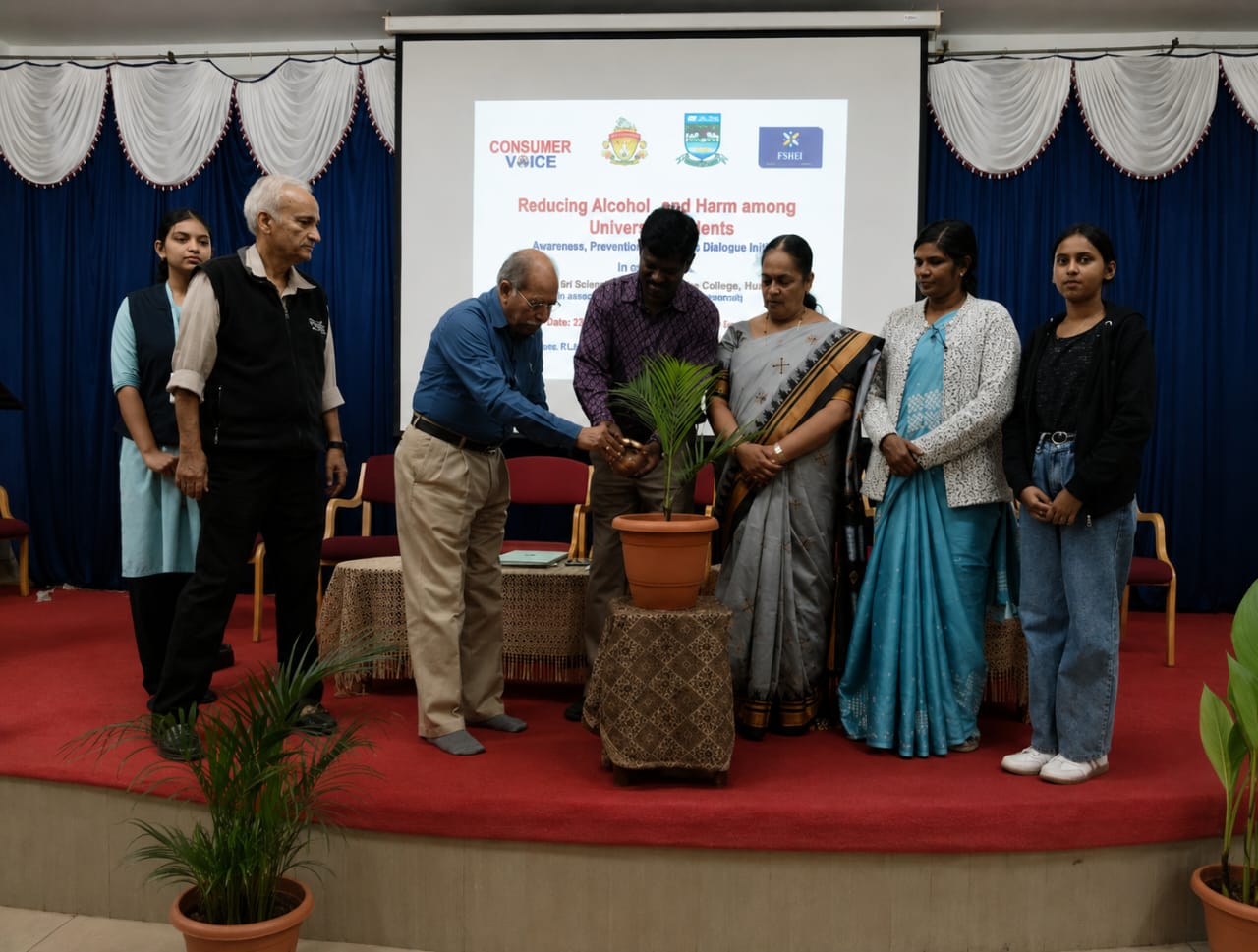
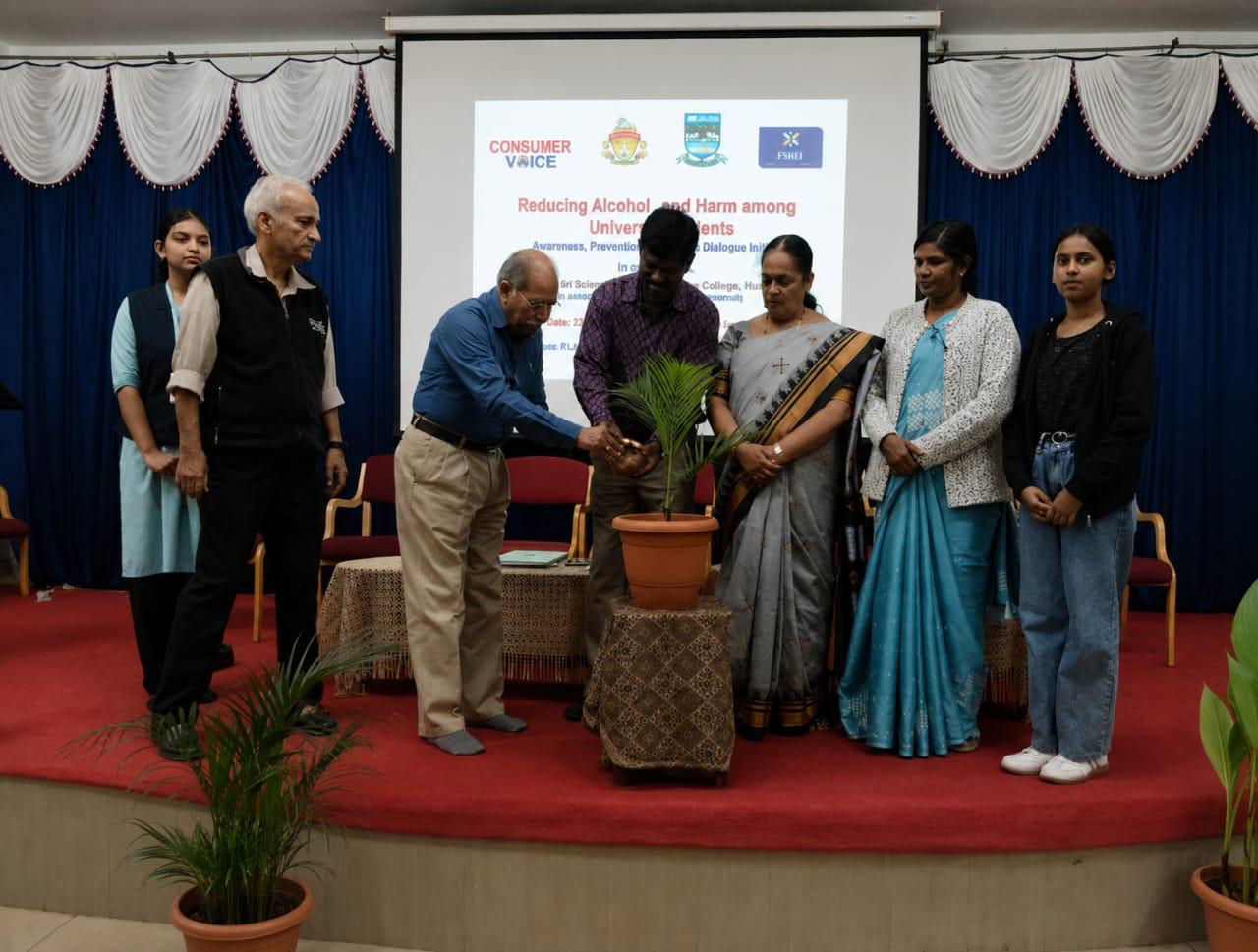
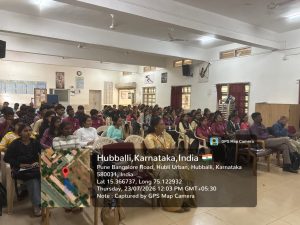
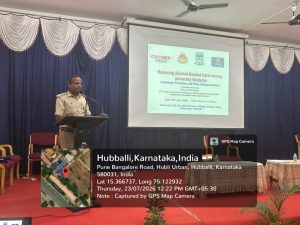
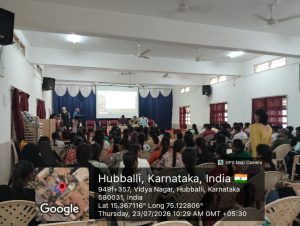
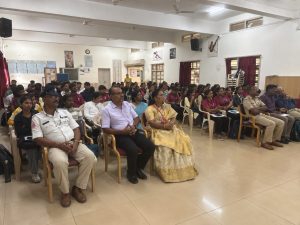
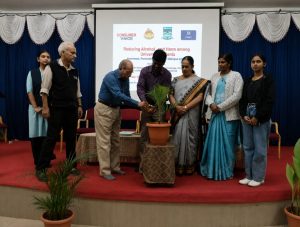
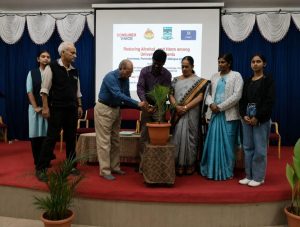
Consumer VOICE in partnership with Foundation for Sustainable Health India (FSHI) and the Internal Quality Assurance Cell (IQAC) of KLE Society’s P. C. Jabin Science College (Autonomous), Hubballi, hosted a one-day awareness initiative, “Reducing Alcohol-Related Harm among University Students: Awareness, Prevention, and Policy Dialogue Initiative,” on 23 July 2026.
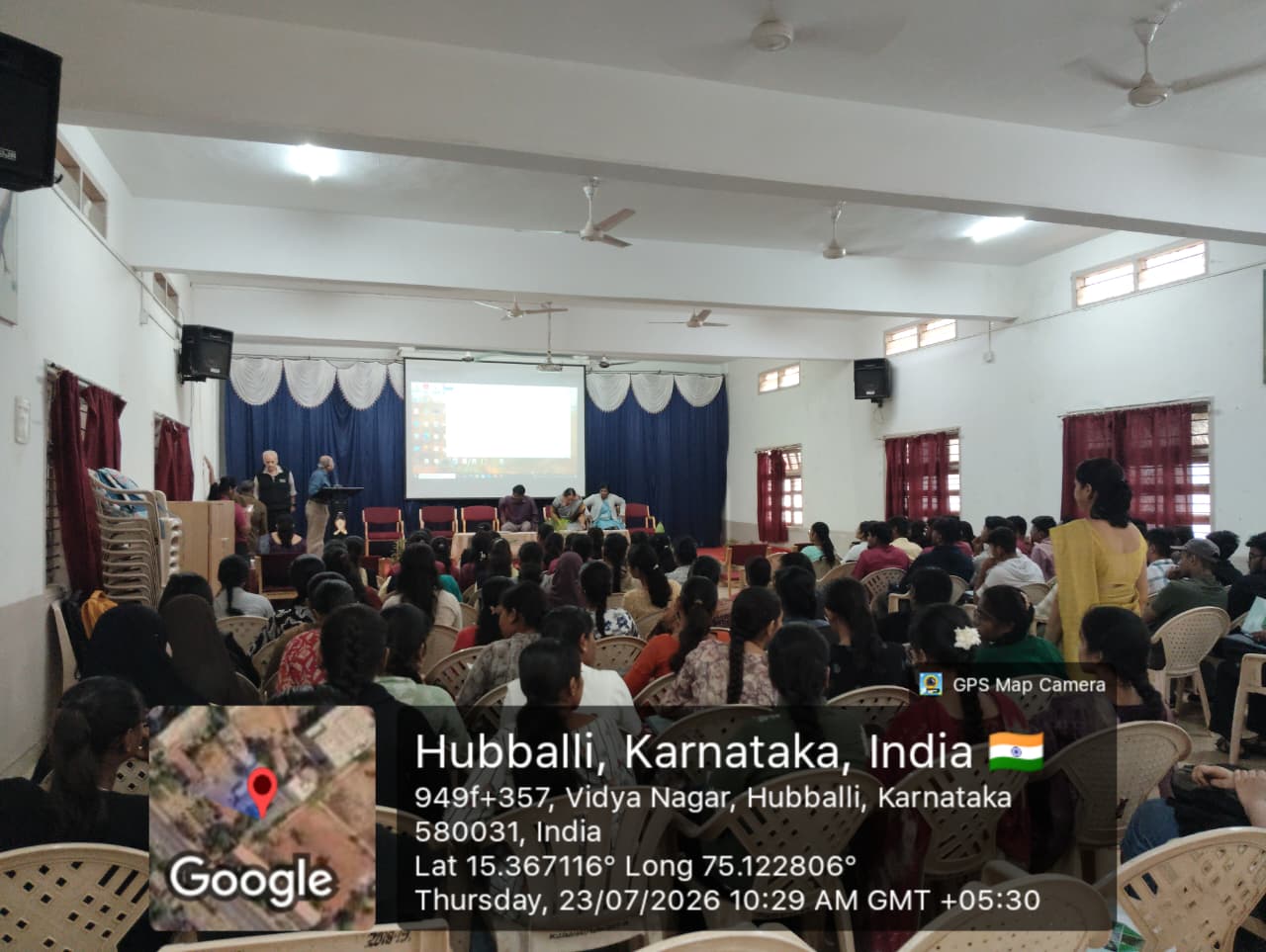
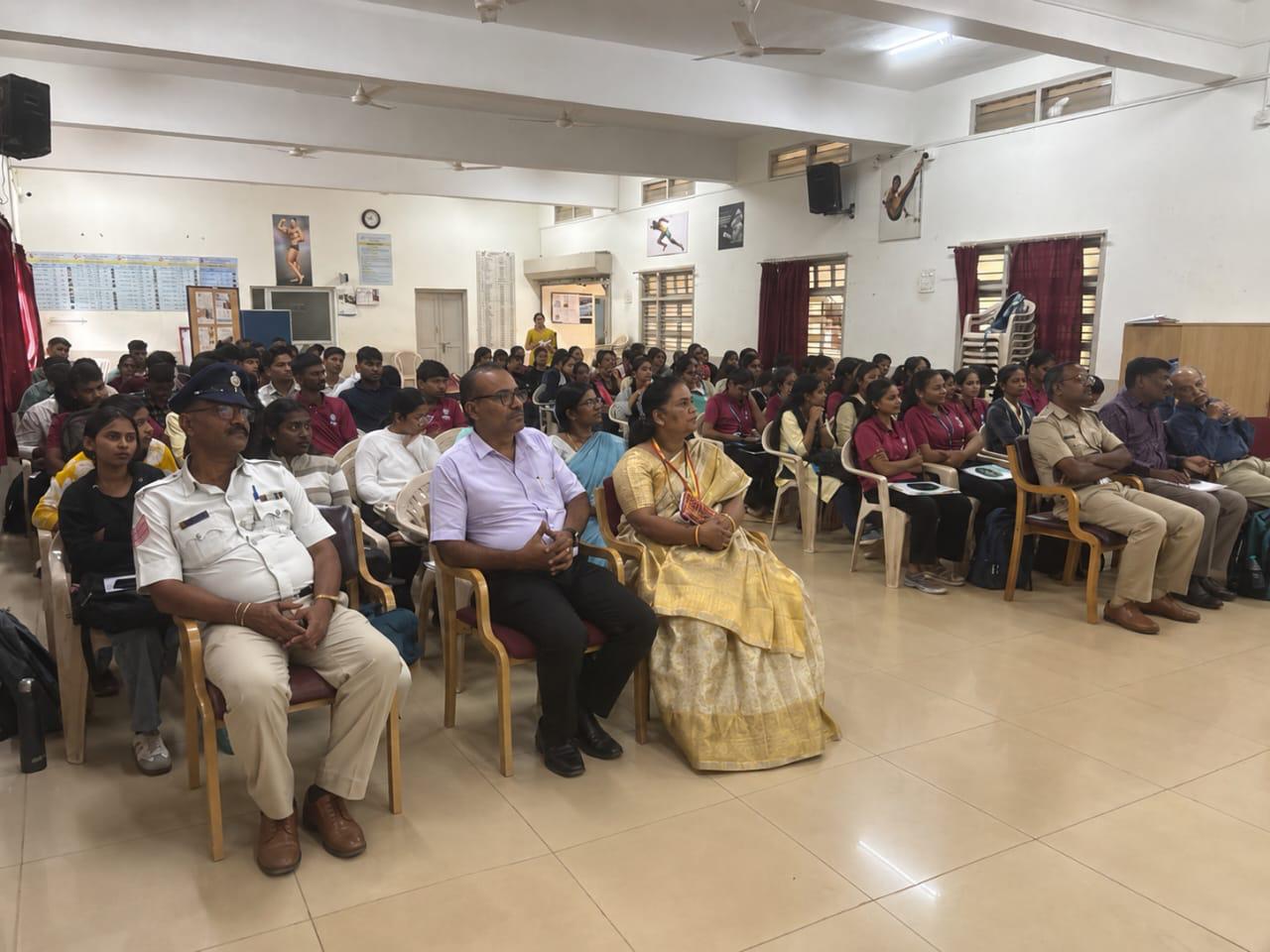
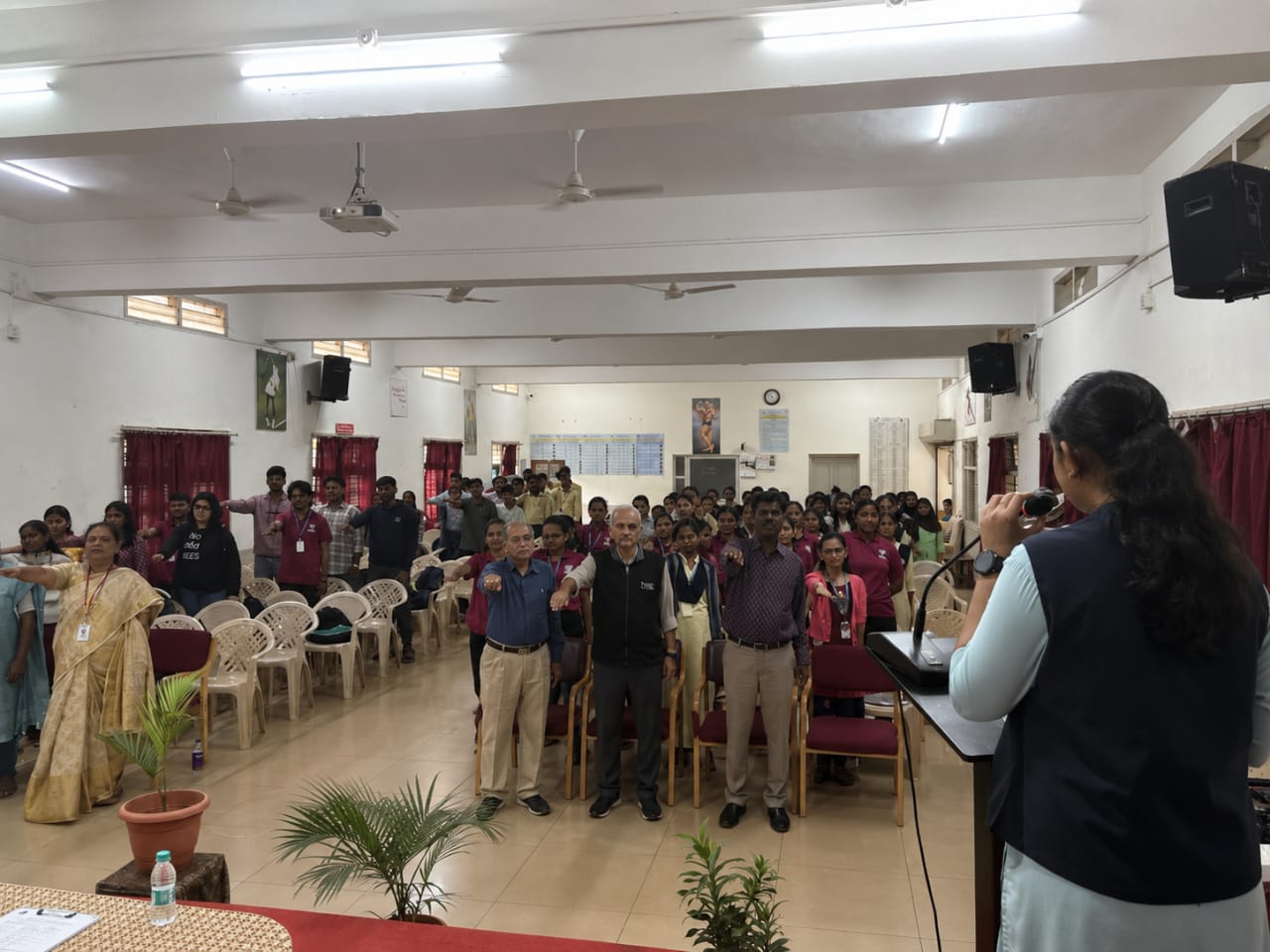
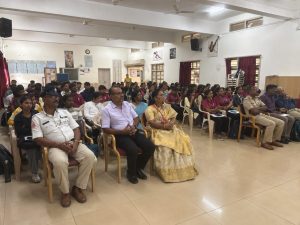
The programme brought together students, faculty members, public health experts, law-enforcement officials and civil society representatives to promote informed decision-making and greater awareness of the health, legal and road-safety risks associated with alcohol use.
Recognising universities as important spaces for shaping lifelong health behaviours and attitudes, the initiative addressed alcohol-related harm through four interconnected areas: public health awareness, behavioural empowerment, legal literacy and road safety. It also encouraged institutional dialogue on preventing irresponsible drinking and promoting safer choices among young adults.
The programme was supported by Consumer VOICE and the Foundation for Sustainable Health India (FSHI), with experts from public health, law enforcement, mental health and child welfare contributing to the discussions.
Building awareness through informed choices
The initiative sought to provide students with evidence-based information about the effects of alcohol on physical and mental well-being, while encouraging critical thinking and responsible decision-making.
Sessions explored how young adults may encounter alcohol through peer influence, social situations, academic stress or emotional pressures. Rather than focusing only on the risks, the programme emphasised practical ways of managing stress, resisting peer pressure, setting personal boundaries and seeking support when needed.
The discussions also highlighted that alcohol-related harm extends beyond individual health to families, relationships, academic life and community safety.
Strengthening collaboration for prevention
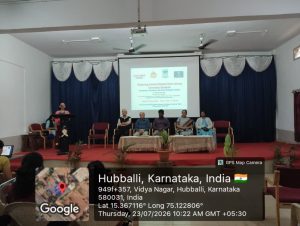
Dr. Smt. Shweta Sabannavar welcomed the dignitaries, guest experts, faculty members and student delegates. In her address, she emphasised the proactive role of educational institutions in safeguarding young people’s health and well-being, noting that academic development must go hand in hand with physical and emotional well-being.
Mr. Hemant Upadhyay, Senior Advisor, Consumer VOICE, outlined the rationale for the initiative and stressed that alcohol-related harm among young people is a multifaceted issue requiring coordinated action. He highlighted the importance of sustained collaboration among educational institutions, public health professionals, law-enforcement agencies and civil society organisations.
Mr. S. J. Chander, CEO, Foundation for Sustainable Health India (FSHI), presented an overview of the campaign and emphasised three interconnected areas for effective prevention: early education, peer and community engagement, and evidence-based approaches to reducing exposure to alcohol-related risks among young people.
Dr. Smt. Sandhya R. Kulkarni delivered the keynote address, emphasising that preventive awareness needs to begin early and be reinforced through supportive environments involving families, educators, healthcare professionals and community leaders. She encouraged students to become informed and responsible voices within their peer groups and communities.
Santani Dandin, Director, DANDIN TRUST, Dharwad, also graced the inaugural session and extended institutional support to the initiative. The inaugural programme concluded with a vote of thanks by Smt. Medha Deshpande.
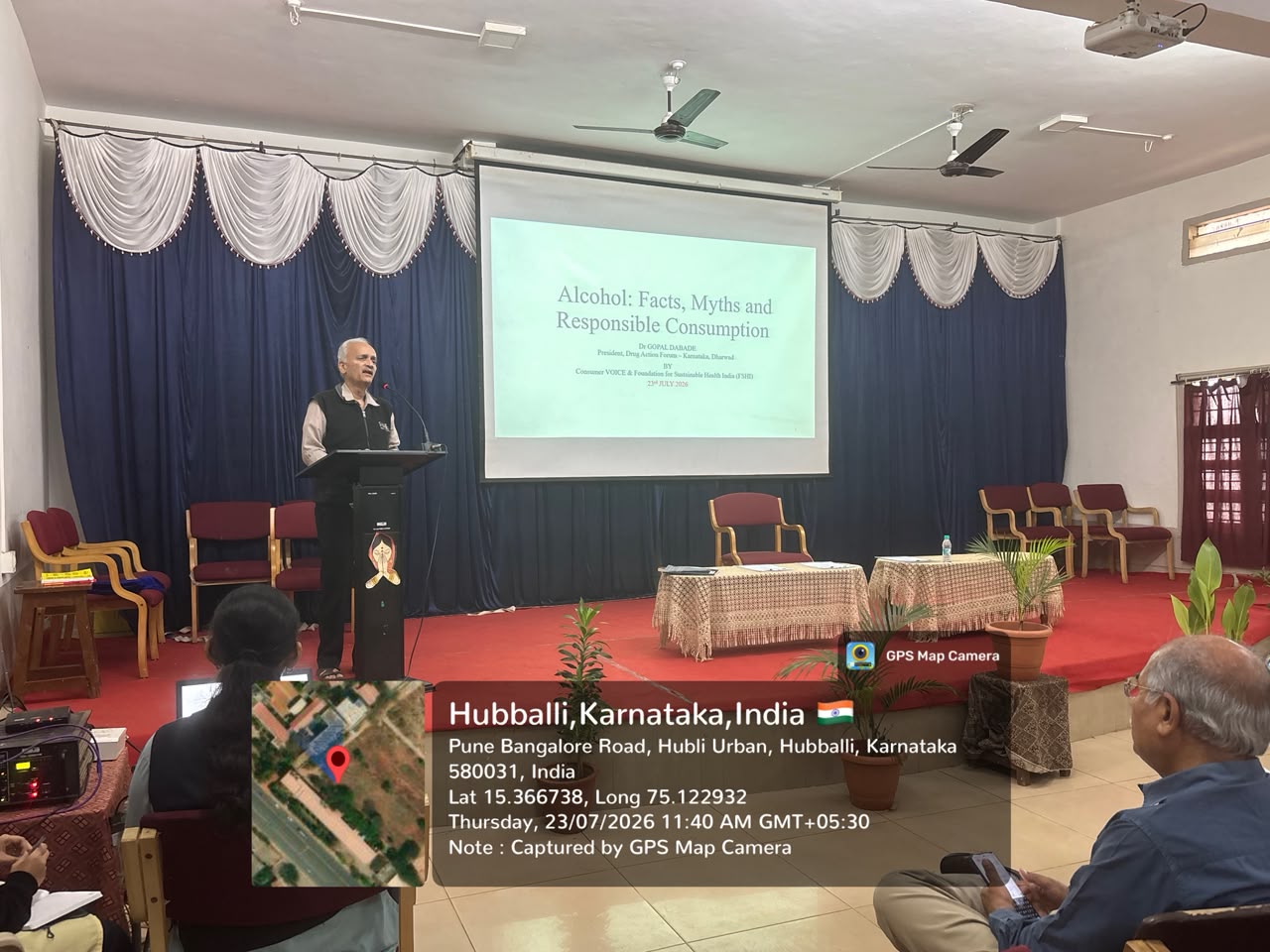
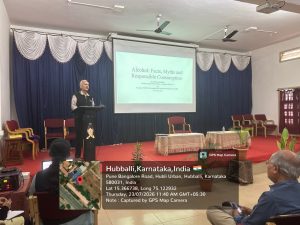
In his session, “Understanding Alcohol Use: Facts, Myths, and Health Risks,” Dr. Gopal Dabade addressed common misconceptions surrounding alcohol consumption, including perceptions about social drinking, stress relief and tolerance.
He explained how alcohol is metabolised by the body and discussed its potential effects on vital organs and systems, including the liver, cardiovascular system and central nervous system. The session also examined possible effects on cognitive functioning, emotional regulation and interpersonal relationships.
Dr. Dabade highlighted that alcohol-related problems can affect academic performance, family relationships and social well-being. He also encouraged students to adopt healthier ways of managing stress, including sports, creative activities, mindfulness and positive peer engagement.
The discussion reinforced the importance of recognising problematic alcohol use as a public-health concern for which prevention, early intervention and appropriate support are important.
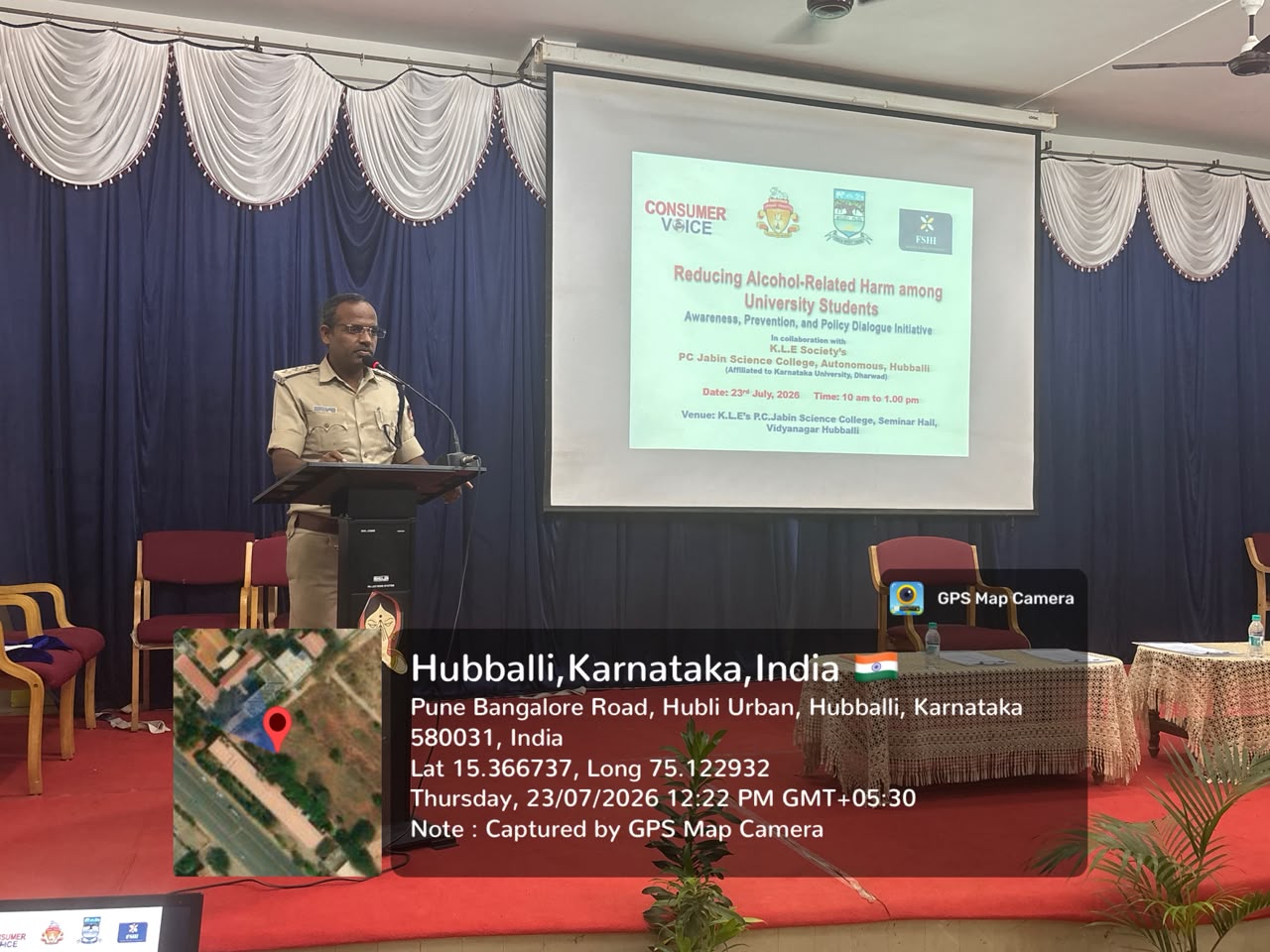
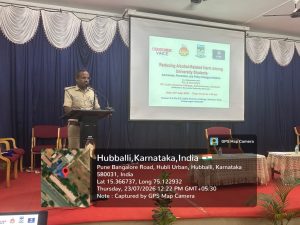
The session “Alcohol and Road Safety: The Cost of Drinking and Driving” focused on the serious road-safety consequences of driving after consuming alcohol. Drawing on his experience in traffic management, Shri Veeresh Bellary explained how alcohol can impair reaction time, judgement, spatial awareness, night vision and risk perception. These impairments can significantly increase the danger of crashes involving drivers, passengers and other road users.
He also discussed the legal consequences of driving under the influence, including penalties under applicable motor-vehicle laws.
The session emphasised that responsible road behaviour is a shared civic responsibility. Students were encouraged to understand the risks associated with drinking and driving and to make arrangements that prevent themselves or others from driving after consuming alcohol.
Ms. Noorjahan Killedar addressed “Legal Aspects: Age at Alcohol Use, Drunk Driving Laws, and Penalties.” She explained the legal framework applicable to alcohol consumption, including age-related provisions, responsibilities of vendors and the legal consequences associated with violations. The session also helped students understand the broader responsibilities that accompany alcohol use and road safety.
She discussed relevant provisions concerning children and young people, including aspects of the Juvenile Justice (Care and Protection of Children) Act, and highlighted the role of family environments and parental behaviour in shaping young people’s choices.
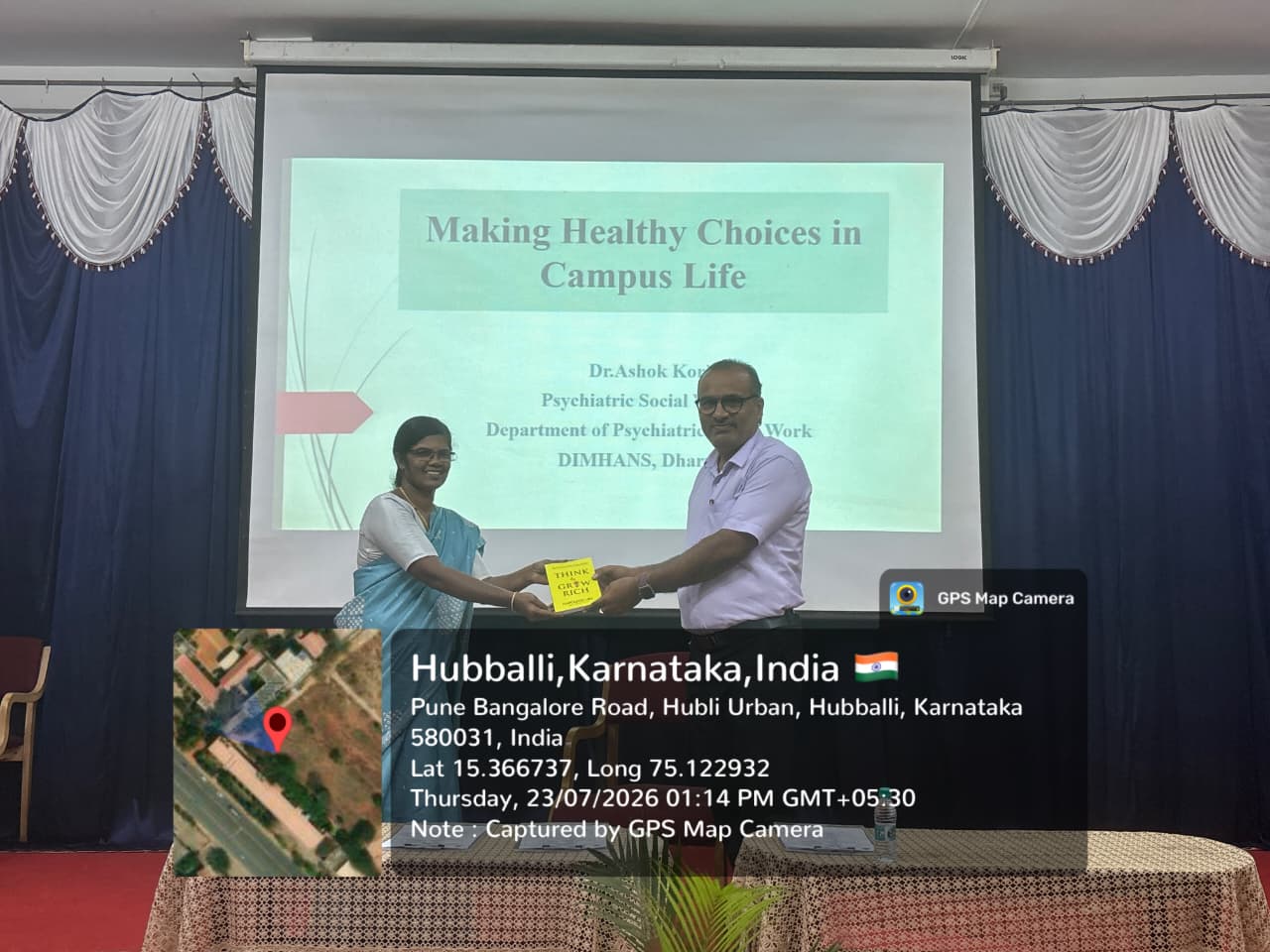
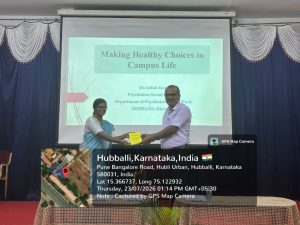
Moderated by Dr. Ashok Kori, Department of Psychiatric Social Work, Dharwad Institute of Mental Health and Neurosciences (DIMHANS), the discussion explored some of the situations that can influence substance experimentation and risky behaviour among students.
Peer pressure, academic stress, isolation and emotional distress emerged as important areas of discussion. Dr. Kori encouraged students to develop practical strategies for setting boundaries, strengthening emotional resilience and building supportive peer networks.
The session also addressed the importance of seeking professional help when required and reducing the stigma associated with counselling and mental-health support.
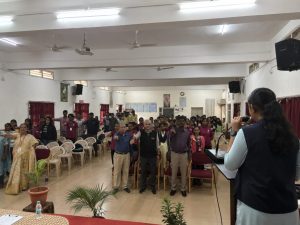
During the open Q&A, students actively engaged with the experts, asking questions about legal provisions, family dynamics, supporting friends who may be experiencing alcohol-related problems and healthier ways of managing stress.

Click for Media
Back to Main Campaign