
World Consumer Rights Day 2026
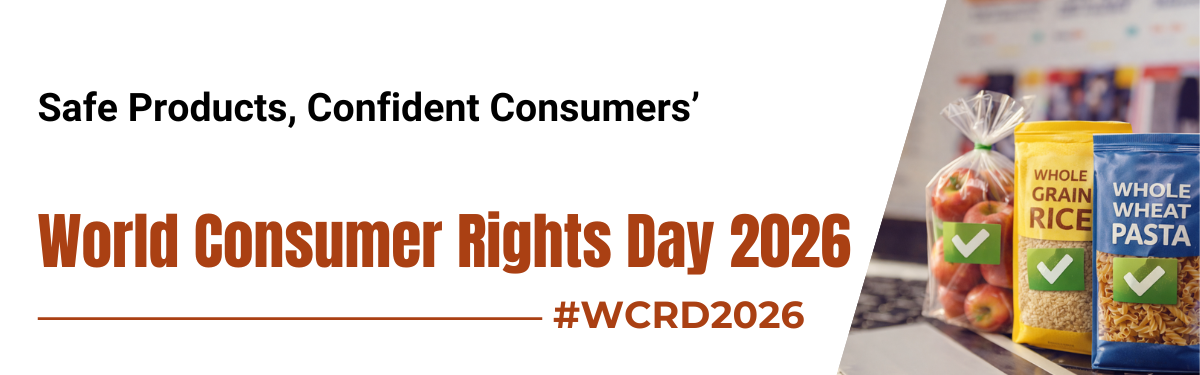
World Consumer Rights Day, observed every year on 15 March, is a powerful reminder of the right every person has to access safe and reliable products, especially when it comes to food — a basic necessity that directly affects health and well-being.
In India, concerns about food safety are significant. Recent consumer surveys show that nearly 38 % of households reported purchasing packaged food products that were contaminated with insects, fungus or other contaminants even within their expiry date, highlighting persistent gaps in quality and supply-chain safety. At the same time, about 84 % of Indian consumers say food safety is a top priority when making food choices, underscoring growing demand for transparency and stringent regulatory oversight in the food market. Strengthening food safety standards, enforcement and consumer awareness is essential to ensure that consumers can buy and eat food with confidence.
Theme of World Consumer Rights Day 2026
This theme of ‘Safe Products, Confident Consumers’ highlights the urgent need to ensure that every product in the marketplace from food and medicines to electronics and digital goods is safe, reliable, and trustworthy.
Why Safe Products, Confident Consumers is Important?
Consumer VOICE believes that product safety is not optional — it is a fundamental consumer right.
Product safety is the basis of a healthy and well-functioning society. Every day, consumers purchase food, electronics, toys, cosmetics, and many other goods with the expectation that they are safe to use. When products meet safety standards, they protect not only individuals but also families, communities, environment, businesses, and the economy at large. However, when safety is compromised, the consequences can be serious and far-reaching.
Unsafe products can cause:
Health risks and injuries
Unsafe products can directly harm consumers. Contaminated food can cause food poisoning and long-term health complications. Vulnerable groups such as children, the elderly, and people with existing health conditions are especially at risk. In severe cases, unsafe products can even lead to disability or death.
Financial losses
Consumers often suffer financial losses when products fail to perform safely or effectively. Medical expenses due to injuries, repair costs for damaged property, and the need to replace defective goods all add to heavy losses.
Environmental harm
Unsafe products can negatively impact the environment. Poor-quality chemicals, improperly manufactured electronics, and hazardous waste materials can pollute air, water, and soil.
On the other hand, when products are safe, consumers feel confident in their choices. They can make purchasing decisions without fear of harm. This confidence strengthens the relationship between buyers and sellers and encourages informed, responsible consumption. Safe products contribute significantly to public health. Safe food reduces disease burden, reliable medicines improve treatment outcomes, and quality consumer goods prevent injuries. In the long run, strong product safety systems reduce healthcare costs and enhance overall societal well-being.
stores in several cities in India have a drop off location for plastic bags. Reuse soda cans, glass jars, old clothes, paper products and recyclabale plastic bags to reduce waste. Upcycle products and use your locality’s upcycling program to do so.
Putting Safe Food at the Heart of Consumer Protection
Food is not just a product as it is directly linked to health, nutrition, and well-being. Under the theme “Safe Products, Confident Consumers,” ensuring safe food becomes one of the most urgent priorities for consumer protection.
Unsafe or misleading food products can lead to serious public health risks, rising non-communicable diseases (NCDs), and loss of trust in markets. When food is safe, properly labelled, and transparently marketed, consumers can make informed and confident choices for themselves and their families.
Food choices are daily decisions and they directly affect health, finances, and well-being. When food products are safe, accurately labelled, and responsibly marketed, consumers feel empowered rather than uncertain. Confidence grows when transparency replaces confusion.
Consumers Make Healthier Choices
Clear and transparent labelling allows consumers to quickly understand what they are consuming including sugar, salt, fat, and allergens.
When information is easy to read and truthful:
- Parents can choose healthier options for children.
- Individuals managing diabetes, hypertension, or allergies can make safer decisions.
- Consumers are less influenced by misleading health claims.
Knowledge turns everyday grocery shopping into an informed health decision.
Public Health Risks Decline
Unsafe or misleading food contributes to foodborne illnesses and the growing burden of non-communicable diseases (NCDs). When food safety standards are enforced and labels accurately reflect nutritional content exposure to harmful ingredients is reduced and overconsumption of high-risk nutrients (excess sugar, salt, trans fats) decreases.
Safe food systems protect not just individuals, but entire communities.
Markets Become More Responsible
Strong food safety standards create a level playing field. Responsible businesses are not undercut by unsafe or deceptive competitors.
When regulation and consumer awareness work together:
- Manufacturers prioritise quality over shortcuts.
- Retailers demand compliant products.
- Regulators enforce accountability more effectively.
Responsible markets foster innovation, ethical competition, and long-term sustainability
Through various digital platforms Consumer VOICE educates citizens about:
- Product safety standards
- Accurate labelling and disclosures
- Misleading advertisements
- Consumer rights under Indian law
Safe Products create Confident Consumers. Confident Consumers build Fair Markets.
Explore Our Campaigns
2026 — Current Campaign